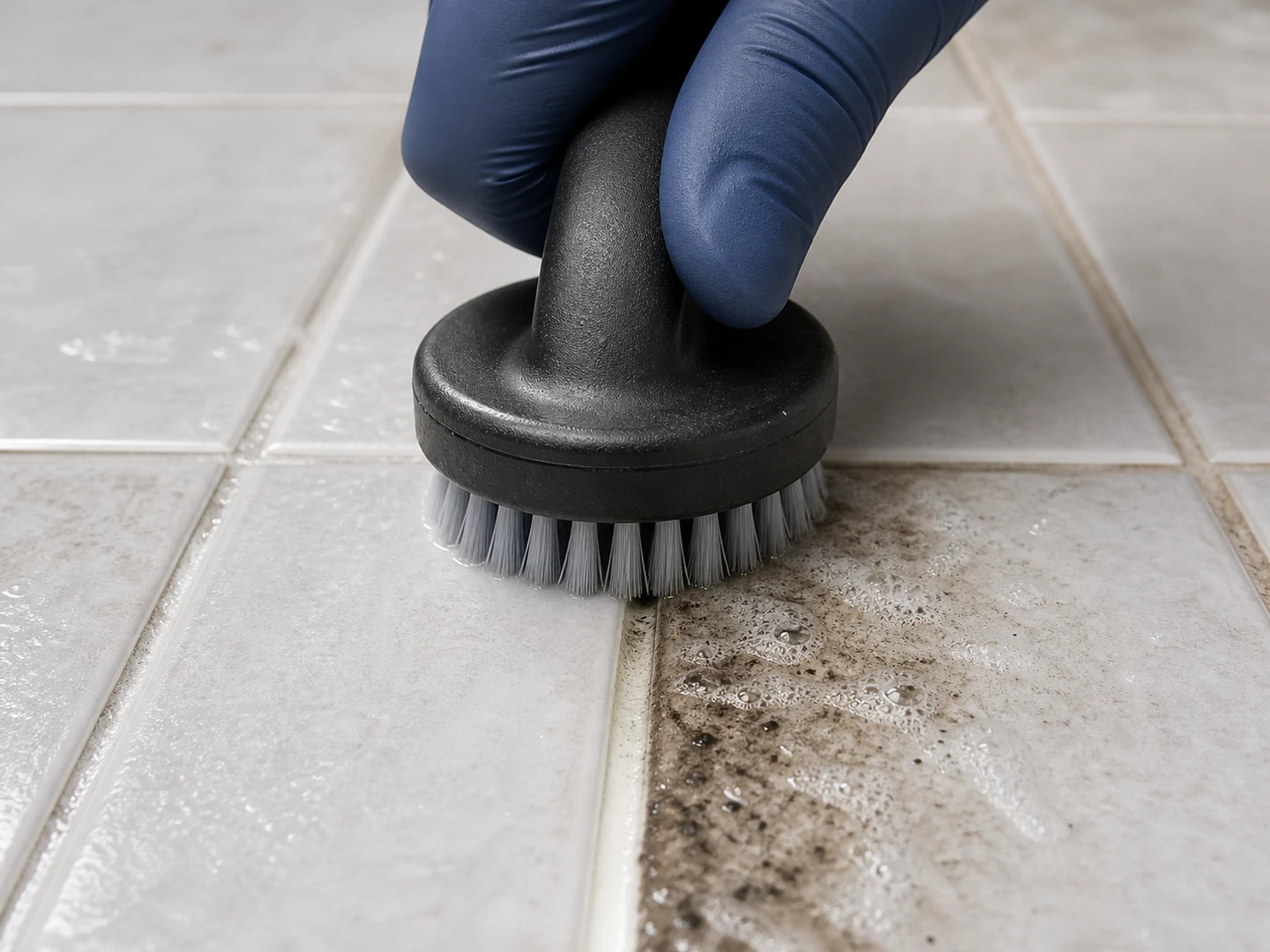
What Is a Sink Edge Cleaning Brush?
A sink edge cleaning brush is a small, often angled brush with bristles arranged to access tight junctions between sink basins and countertops, particularly along tile grout lines. It may be handheld or attach to a power tool, and its primary purpose is to remove soap scum, mold, mineral deposits, and food residue from grout and silicone seals.
For food-service sanitation and cleaning-equipment context, this section references FDA — Food Code.
For food manufacturing CGMP and preventive-control context, this section references eCFR — 21 CFR Part 117 Human Food CGMP and Preventive Controls.
For abrasive wheel and high-speed rotating tool safety context, this section references OSHA — 1910.215 Abrasive Wheel Machinery.
For portable and hand-held power-tool safety context, this section references OSHA — 1910.242 Hand and Portable Powered Tools.
For PPE and operator protection context, this section references OSHA — Personal Protective Equipment.
For wire grill-brush bristle injury and inspection context, this section references CDC MMWR — Wire Bristle Grill-Brush Ingestion Injuries.
How Tile Grout Creates a Unique Cleaning Challenge
Tile grout is porous and collects moisture, making it a breeding ground for mildew. The sink edge area compounds this because it’s a junction where water, soap, and food particles accumulate, and the angle makes it hard for wide brushes to reach. The right brush must apply enough force to clean without eroding grout or scratching tile.
Common Brush Configurations for Sink Edge and Grout Cleaning
Several brush types are marketed for this task, each with trade-offs in reach, aggressiveness, and compatibility. The table below compares common configurations to help narrow down choices.
| Configuration | Typical Bristle Material | Stiffness | Best Use Case | Handle/Mounting |
|---|---|---|---|---|
| Angled hand brush | Nylon, polyester | Medium | Daily maintenance on glazed tile and grout | Ergonomic handle |
| Wire detail brush | Brass, stainless steel, or nylon-coated wire | Very stiff | Heavy mineral deposits, tough stains | Short handle, drill bit, or keychain loop |
| Drill-attachment brush | Nylon, polypropylene, or abrasive-infused nylon | Medium to stiff | Fast deep cleaning on unglazed tile and hard grout | Hex shank for drill |
| Detail brush with slim head | Nylon, TPE, or boar hair | Soft to medium | Precision work around delicate fixtures | Pen-style handle or angled neck |
| Crevice tool brush | Polypropylene or polyester | Soft | Scrubbing inside deep, tight sink edges without scratching | Attaches to vacuum or steam cleaner hose |
Key Selection Factors for Tile Grout Cleaning
Choosing the right sink edge cleaning brush depends on several practical factors. Evaluate each against your specific cleaning scenario.
- Residue Type: Soap scum and mildew need moderate stiffness; hard water deposits often require a brass or stiff nylon brush.
- Surface Sensitivity: Glazed tile scratches easily—stick to nylon or soft polyester. Unglazed tile and cementitious grout can tolerate stiffer bristles.
- Brush Diameter and Profile: Measure the sink edge gap. A brush head width of 1/4 to 3/8 inch (6–10 mm) typically fits, but custom slim profiles may be needed for very narrow joints.
- Bristle Stiffness: Soft for prevention, medium for routine cleaning, stiff for restoration. Test on an inconspicuous area first.
- Handle or Mounting Style: Handheld offers control; drill-attachment saves time but risks over-abrasion. Long-reach handles help with deep sinks.
- Chemical and Water Resistance: Nylon resists most household cleaners; brass wire can corrode with acidic products. Verify compatibility if using bleach-based disinfectants.
- Hygiene and Maintenance Frequency: Brushes that trap moisture become bacteria sources. Choose designs that rinse clean easily and can be occasionally disinfected.
- Custom Size Requirements: If off-the-shelf brushes don’t fit, consider ordering custom brush rolls trimmed to your exact edge width.
Common Mistakes When Selecting a Sink Edge Cleaning Brush
- Choosing by cost drivers alone: Inexpensive brushes often have loosely packed bristles that wear out quickly and fail to reach grout lines.
- Using metal wire on soft grout: Stainless steel or brass can pit and erode unsanded grout, leading to costly repairs.
- Ignoring chemical compatibility: Some nylon grades degrade with strong alkaline cleaners; check with the supplier if your cleaning chemical is aggressive.
- Assuming all drill brushes are safe: High RPMs generate heat and friction that can burnish or crack grout—start at low speed.
- Neglecting brush maintenance: A clogged brush spreads dirt rather than removing it. Rinse after each use and let dry completely.
- Overlooking the importance of a sample test: Bristle stiffness ratings aren’t standardized; always test on a hidden grout section before committing.
When a Sink Edge Cleaning Brush Is Not Enough
A brush alone cannot solve every issue. Recognize these boundaries to avoid frustration or damage.
- Grout is crumbling or missing: The area needs regrouting or caulking, not brushing.
- Deep-set stains persist after brushing: Consider steam cleaning or a poultice treatment before switching to a brush.
- Mold returns quickly: Moisture behind tiles may require a sealing or ventilation fix.
- The brush cannot reach under sink lips or into micro-crevices: A syringe applicator or flexible nozzle brush might be a better fit.
- Surface damage risk is high: For museum-grade stone or antique tile, consult a restoration specialist instead of relying on a general-purpose brush.
Final Takeaway
A sink edge cleaning brush is a small but critical tool for maintaining hygienic and clean grout lines. Match bristle material and stiffness to the residue type and surface sensitivity, ensure the brush profile fits the gap, and select a handle that gives you control. When in doubt, test on a hidden area first, and remember that a well-maintained brush lasts longer and works better.
Practical Use Note
In daily use, the practical test is simple: check whether the brush reaches the full contact area, removes the target residue, and leaves the surface in the required condition. Record what changes when residue type, food-contact area, cleanability, storage, and cross-contamination risk changes, because many brush failures are caused by the working condition shifting rather than by the brush body alone.
Frequently Asked Questions
Can I use a standard toothbrush as a sink edge cleaning brush?
Yes, for light cleaning and soft grout, a toothbrush can work temporarily. However, its bristles lack the durability and angled design of a purpose-made sink edge brush, so it will wear out quickly and may not reach tight seams effectively.
What bristle material is safest for glazed tile grout?
Nylon or soft polyester are the safest choices. They clean effectively without scratching glazed surfaces. Avoid metal wire unless the manufacturer explicitly states it is safe for glazed tile.
How often should I replace a sink edge cleaning brush?
Replace the brush when bristles become permanently bent, frayed, or stained—typically every 3 to 6 months with regular use. A deformed brush loses cleaning efficiency and can harbor bacteria.
Can I use a wire brush to clean grout around a stainless steel sink?
Yes, but choose brass wire over steel wire to minimize the risk of scratching the sink’s finish. Even brass can leave marks on polished stainless, so test in an inconspicuous area first.
Are drill-attachment brushes too aggressive for sink edges?
They can be. To reduce risk, use soft nylon brushes at low speed (under 600 RPM), and never apply excessive pressure. For delicate grout or glazed tile, stick with a handheld brush.
How do I disinfect a sink edge cleaning brush?
Soak the bristle head in a diluted bleach solution (1 part bleach to 10 parts water) or hydrogen peroxide for 10 minutes, then rinse thoroughly. Verify that your brush material is compatible with the disinfectant—some synthetic bristles can degrade.
What if my grout has deep mold that won’t come out with brushing?
Deep mold may require a mold-killing solution before mechanical brushing. Apply a grout-safe mold remover, let it dwell, then scrub with a stiff brush. If discoloration remains, the grout may need professional cleaning or replacement.
Can I use the same brush for cleaning and disinfecting?
It’s best practice to keep separate brushes, or to thoroughly clean and disinfect the brush between tasks. Cross-contamination can spread germs from one area to another, undermining hygiene efforts.