
Brush Type
Custom Roller and Conveyor Brushes
Roller Brush
Choose a roller or conveyor brush when a cylindrical brush must clean, wipe, guide, spread, sort, or transfer material continuously across a defined machine width.
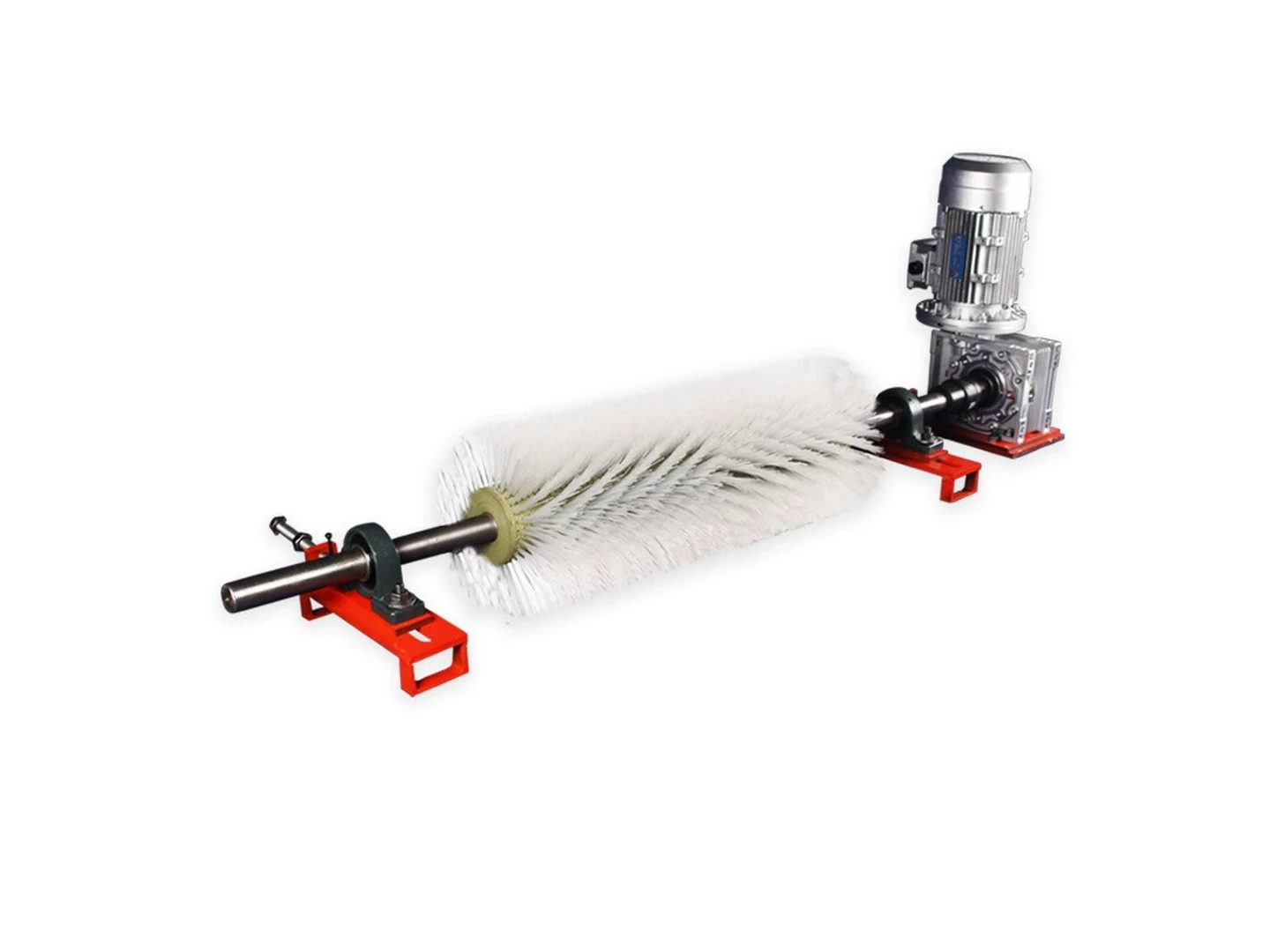
At a glance
- How it is driven
- Machine-driven
- How it mounts
- Quick-Change Coupling
When should you choose this brush type?
Choose a roller or conveyor brush when you need repeatable cylindrical line contact across a belt, sheet, screen, roller, or continuous machine path. A spiral brush is worth comparing when you also need the filament pattern to move loosened material sideways, while a strip brush is better when the contact should remain stationary and linear.
What are Roller and Conveyor Brushes?
Roller and conveyor brushes place filament around a shaft, sleeve, core, or segmented assembly. The cylindrical working surface creates repeatable line contact as the brush or workpiece moves, making this structure suitable for belts, sheets, screens, rollers, panels, and production equipment.
Outside diameter, face length, core or shaft, row pattern, trim, density, installed engagement, rotation direction, and line path determine coverage and discharge. The brush must clear guards and adjacent components while maintaining uniform contact across the working width.
What dimensions can I customize?
| Head diameter | 100 mm |
|---|---|
| Head or working length | 500 mm |
| Mounting interface | Quick-Change Coupling |
Where is this brush type commonly used?
Start with the job the brush needs to do, then confirm dimensions, contact direction, material, and mounting.
What configurations are available?
Shafted roller
The brush is built directly on a customer-defined shaft with journals, keyways, threads, or drive ends.
Sleeve or refill roller
A replaceable brush sleeve fits an existing shaft or core, reducing replacement of the complete assembly.
Segmented ring roller
Individual brush rings or wafers are stacked to create the required width, pattern, and serviceability.
Strip-wound or spiral roller
Continuous strip is wound straight or helically around the core for dense or discharge-directed contact.
Modular cassette or split assembly
Replaceable sections can be installed around equipment with limited access or concentrated wear zones.
Single-helix roller
One continuous spiral for progressive wiping, guiding, or conveying along the width.
Double or multi-start helix
Several interleaved spirals increase contact frequency and can improve balance or coverage.
Left- or right-hand discharge brush
Choose the helix hand to move residue toward the intended collection or discharge side.
Opposed chevron layout
Left- and right-hand spirals meet at the center or ends to control material flow.
Segmented spiral assembly
Replaceable rings, strips, or modules create a helical path on a serviceable core.
What material is right for this brush type?
Nylon PA
General industrial wiping, cleaning, guiding, and abrasion resistance.
PBT
Wet, detergent, or repeated washdown service with good recovery.
Polypropylene PP
Economical wet or chemical-contact use and coarse debris handling.
Soft natural fiber or microfiber
Low-marking wiping, dusting, and delicate panel contact.
Wire or abrasive filament
Rust, scale, deburring, or surface conditioning where the workpiece and equipment permit aggressive contact.
Filament materials to compare
What do I need to know before ordering?
Supply the complete shaft or core drawing, outside diameter, working length, journal and drive details, rotation direction, line speed and customer-supplied brush speed, installed engagement, surface or product, residue path, balance requirement, and replacement method.
Questions this page is asked
What rotating checks are needed after a custom spiral brush is assembled?
Measure shaft and brush runout at the specified datums, confirm bearing and coupling fit, and perform the required balance verification for the actual mass, length and operating speed. Make a guarded low-speed run before normal speed and reject unexplained vibration, rubbing or axial movement.
How is engagement across the width of a conveyor brush validated?
Run representative product or belt material through the full working width and measure contact uniformity, cleaning or transfer result, drive load and temperature at the approved speed. Correct shaft alignment, support, brush profile or local interference if one zone is overloaded or left untouched rather than increasing global penetration.
How are segment joints checked on a modular spiral brush?
Confirm module sequence, angular phase, trim height and axial spacing so the helical path continues across every joint without a proud edge or dead band. Trial the full width with representative product or debris and inspect for accumulation, unintended side loading and uneven contact before release.
What controls apply when a conveyor brush is inspected or replaced?
Isolate and verify all conveyor, brush-drive and stored energy before reaching the nip or removing a guard. Inspect and account for fill, modules, fasteners and shaft parts, investigate any missing material in the process zone, and restore guards and interlocks before the controlled restart.
Guides that go deeper on this
Cylinder Brush Sizing for Conveyors and Continuous Surfaces
Read this guideGuideWhen to Refill or Replace a Roller Brush
Read this guideGuideAbrasive Nylon Grit and Filament Selection
Read this guideGuideBrush Anatomy and Terminology
Read this guideGuideBrush Roller Conveyor Mistakes with Dry Dust
Read this guideGuideBrush Speed, Engagement, and Heat
Read this guideGuideCapsule Polishing Machine Brushes: Selection and Maintenance
Read this guideGuideCarpet Machine Brush vs Floor Scrubber Brush: Which Fits?
Read this guideGuideCeramic Glaze Line Brushes: Applying and Cleaning Glaze Surfaces
Read this guideGuideCleaning, Drying, and Storing Industrial Brushes
Read this guideGuideCMP Post-Cleaning Brushes: Pressure, Speed and Oscillation
Read this guideGuideCombining Brushes with Air, Vacuum, Spray, and Scrapers
Read this guide51 guides are indexed against this one. The rest are in the technical resources library.
Continue Exploring
Recommended Reading & Related Brush Resources
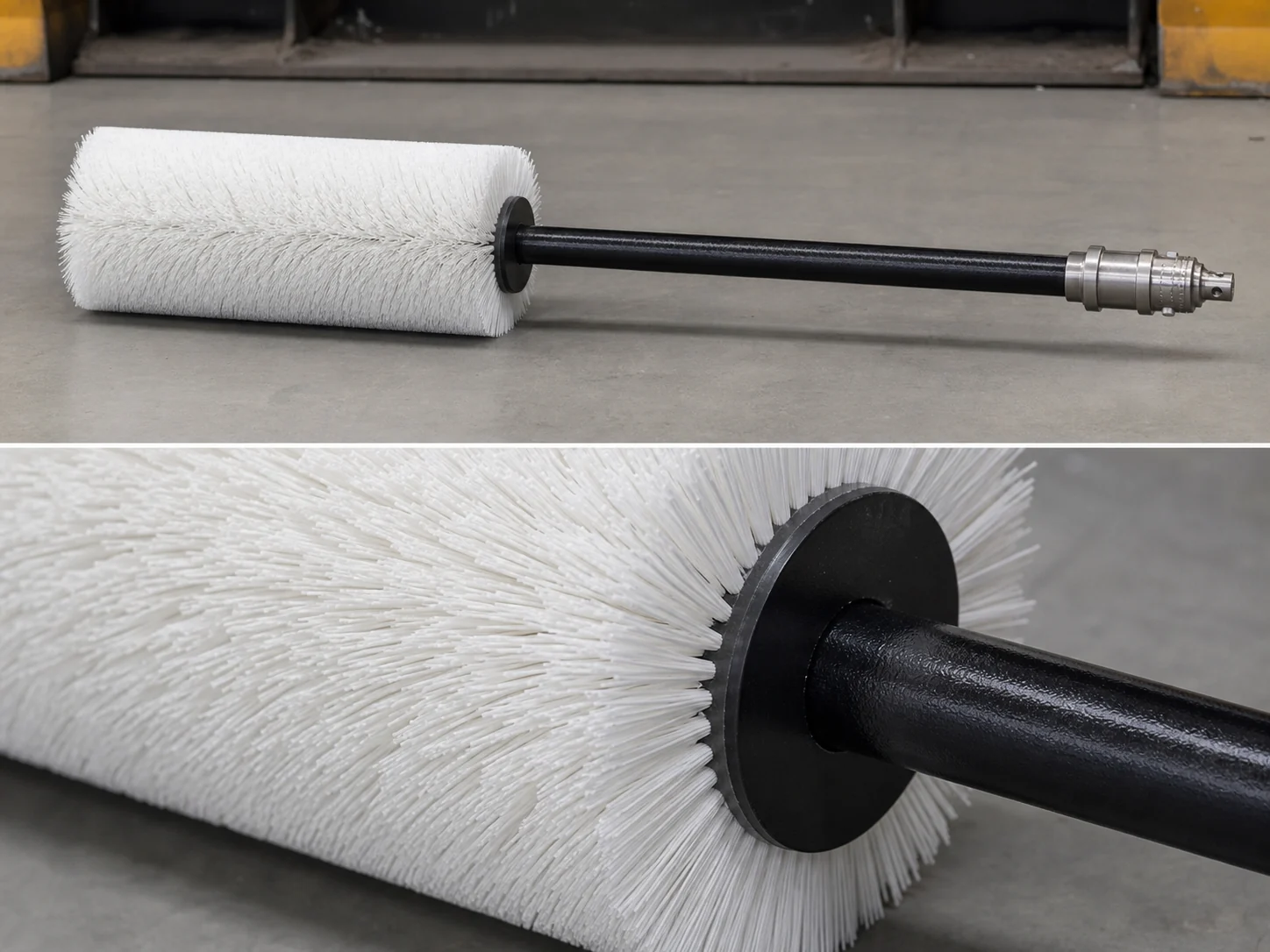
100x500mm PA66 Conveyor Roller Brush
100x500mm PA66 conveyor roller brush removes powder, chips, fibers, labels, and sticky carryback from…
See the specification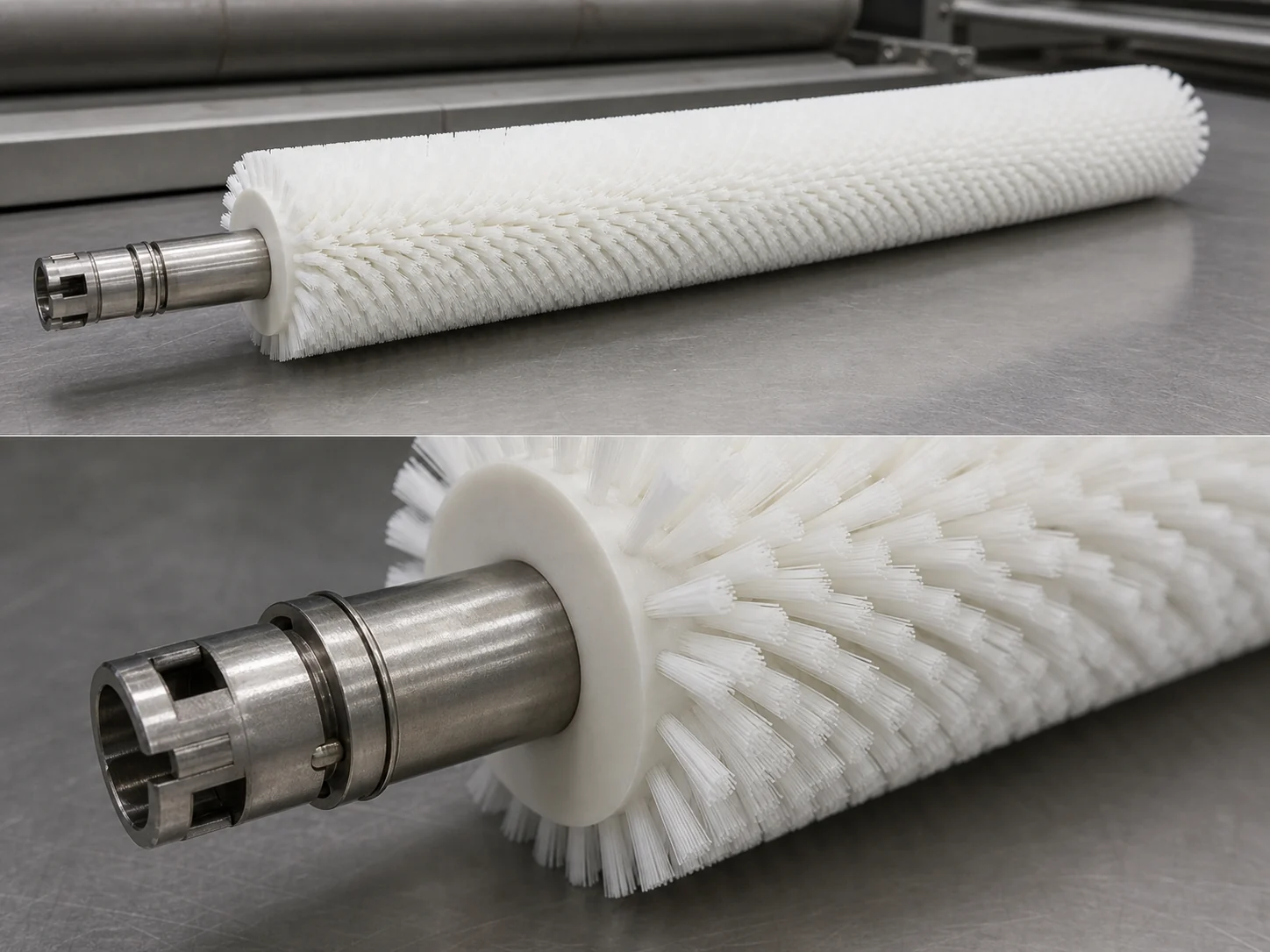
120x800mm PBT Food Conveyor Roller Brush
120x800mm PBT food conveyor roller brush with 304 stainless steel core and quick-change coupling.
See the specification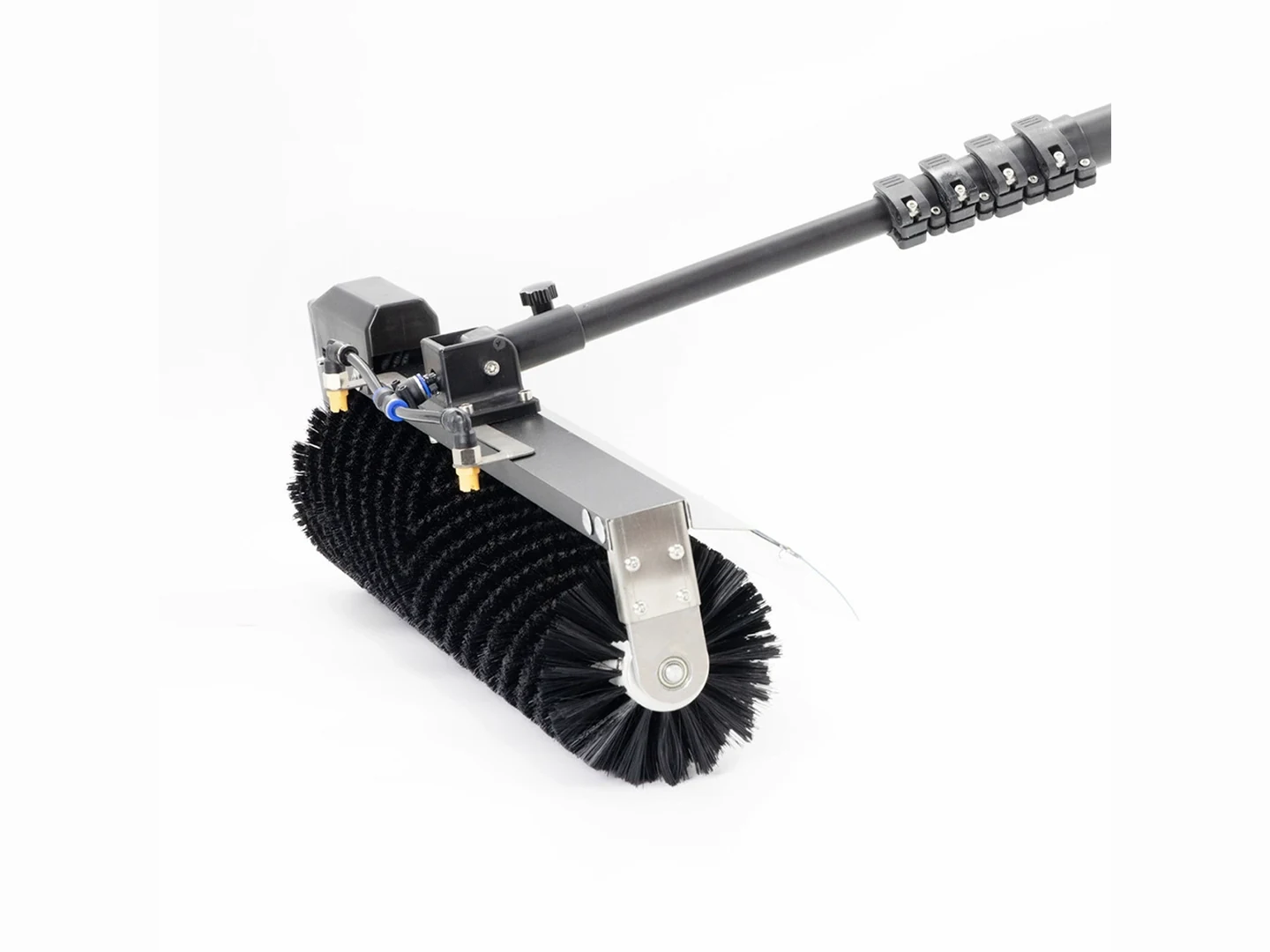
Brush Roller Dust Removal Solar Panel
Custom brush roller for dust removal on solar panels. Nylon filament, 300–4500 mm working…
See the specification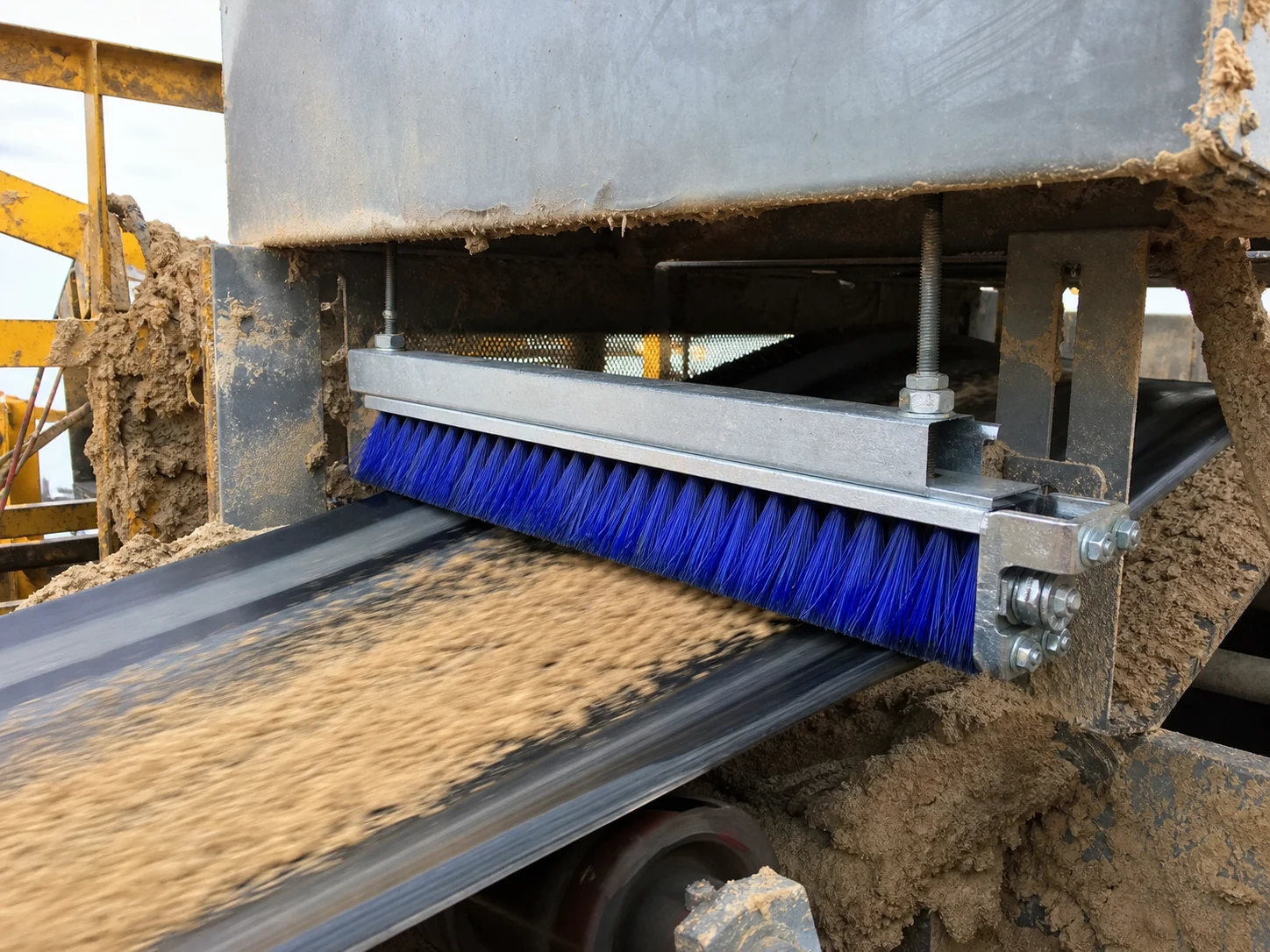
Conveyor Bulk Material Cleaning
For Conveyor Bulk Material Cleaning, the brush must reach the working area, disturb or…
See the cleaning job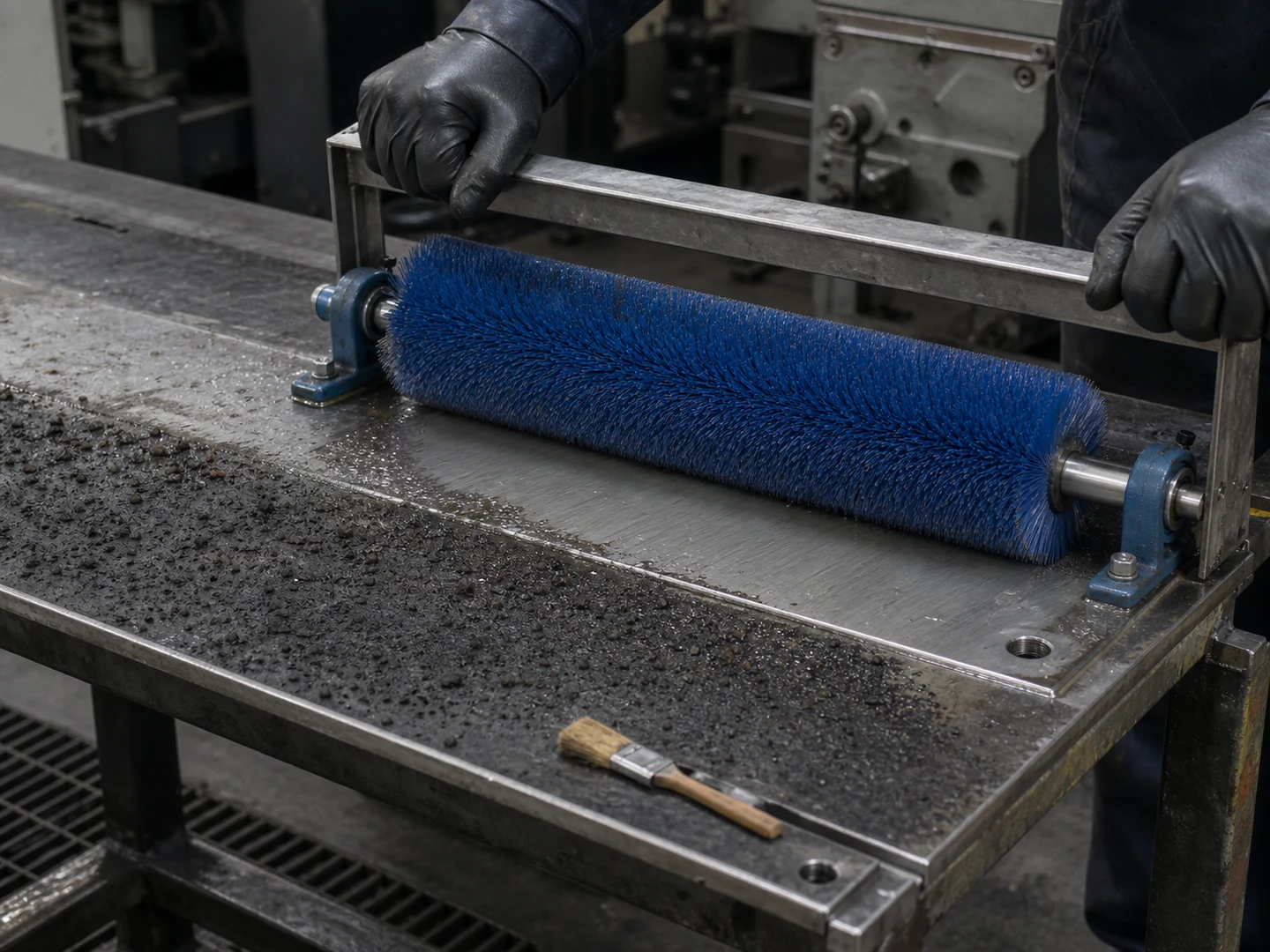
Industrial Machine Cleaning
For Industrial Machine Cleaning, the brush must reach the working area, disturb or collect…
See the cleaning job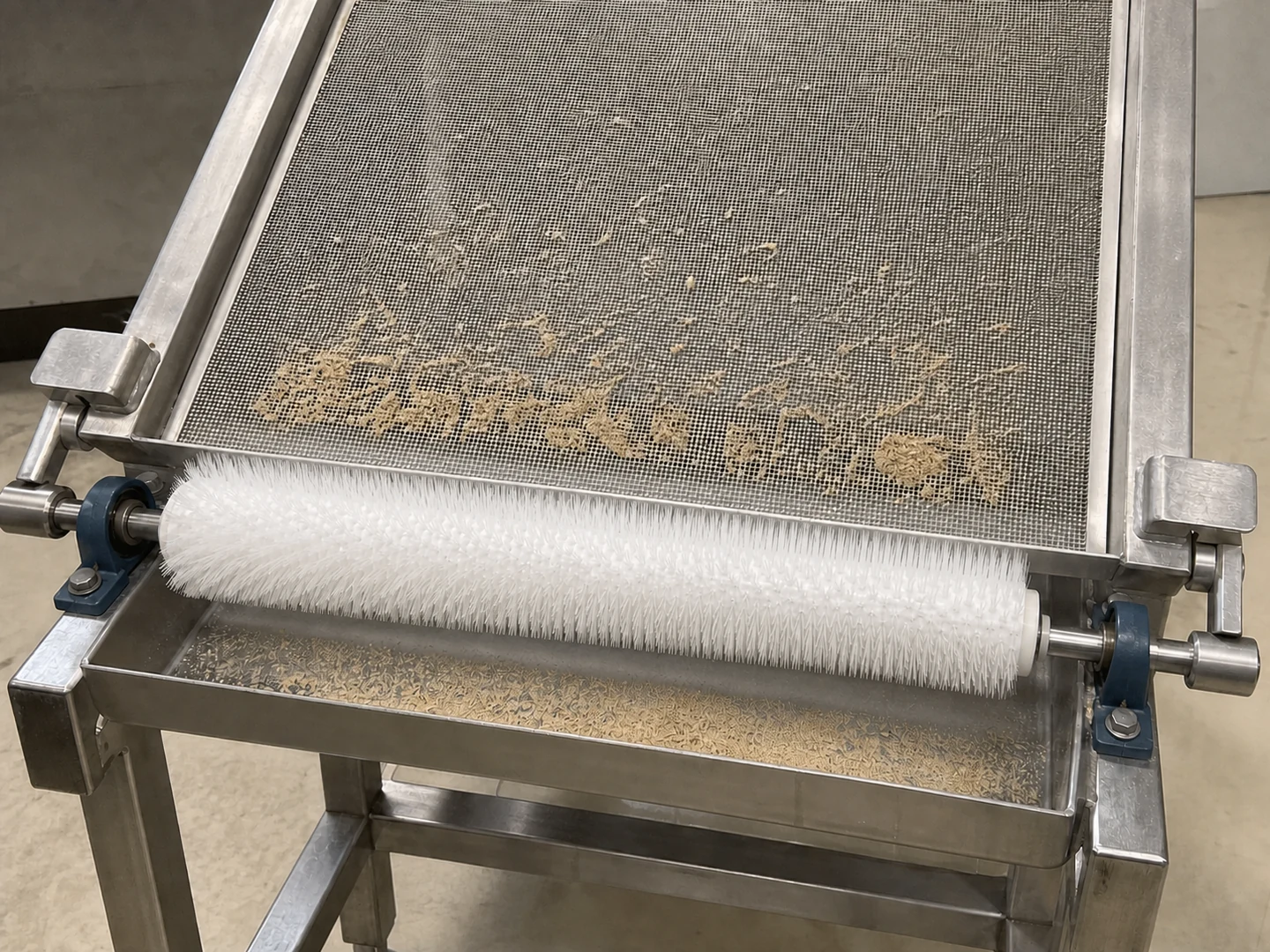
Screen & Sieve Cleaning
For Screen & Sieve Cleaning, the brush must reach the working area, disturb or…
See the cleaning job
PA66 Nylon
Choose PA66 Nylon based on its stiffness, recovery, wear, wet-service, chemical, and temperature behavior.
Compare this material
PBT
Choose PBT based on its stiffness, recovery, wear, wet-service, chemical, and temperature behavior. Do…
Compare this materialCustom Manufacturing RFQ
Discuss This Brush Type
Share the working surface, residue, dimensions, material direction, interface, quantity and drawing or sample photo.
Custom Brush RFQ
Request a Custom Cleaning Brush Quote
Upload a drawing, product photo, or sample photo and provide the core dimensions and cleaning conditions.
“We need a brush to remove wet residue from a stainless steel conveyor, about 800mm wide. The current brush wears quickly. We can send photos.”
“We sell drinkware and need a cleaning brush to include with the product. Quantity around 5,000 pieces.”