
Custom Cleaning Brush
Food Equipment Cleaning Brush
Food-safe PBT or PP fill in an open, drainable construction that survives hot washdown and detergent on conveyors, trays, molds and hoppers.
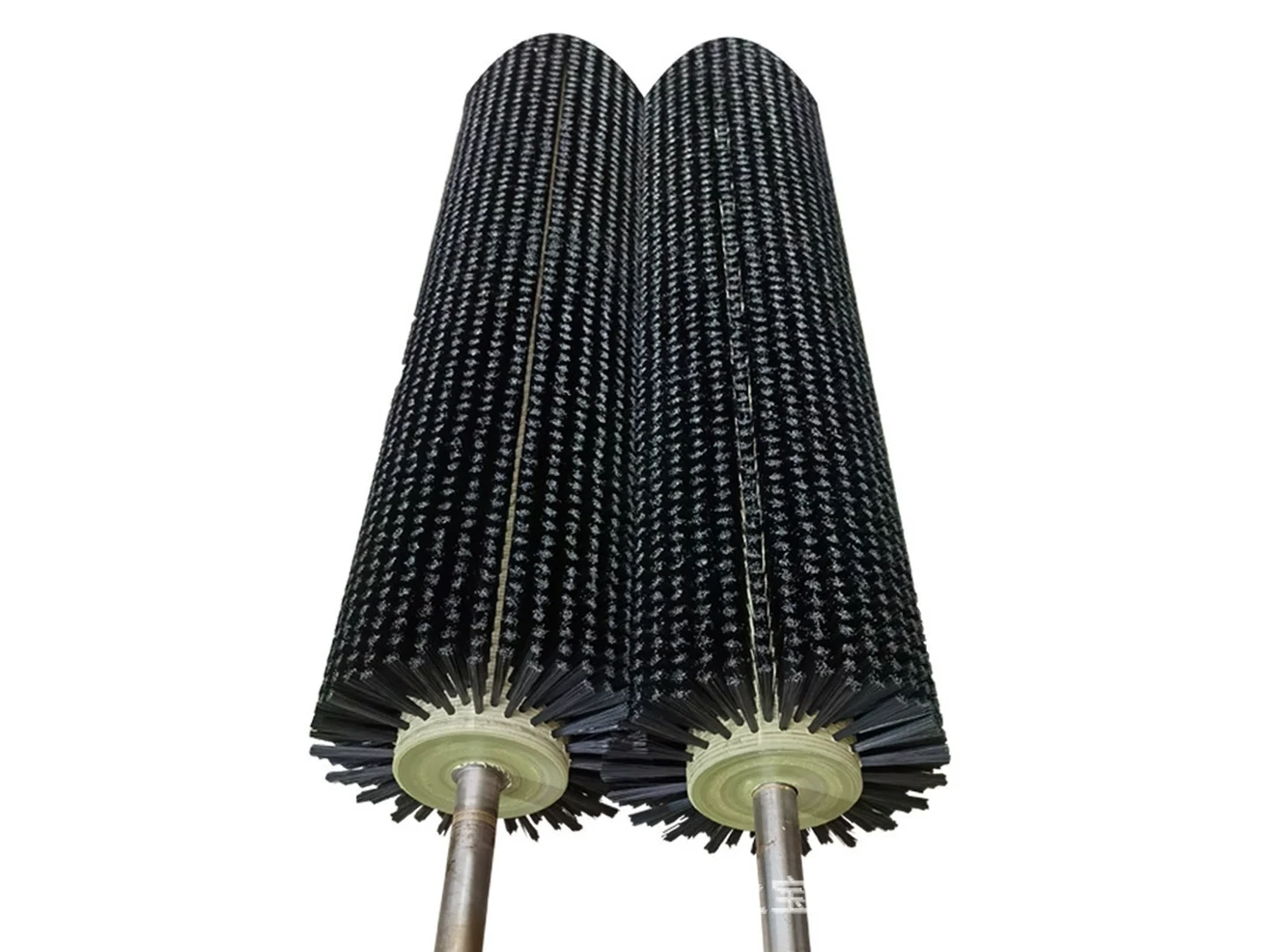
Medium brush
100 pcs
Minimum order
Worked with two hands or on a pole: chimney, gutter and pond-filter brushes, discs, cups and tank brushes.
Production lead time, once the specification is confirmed
- Up to 100 pcsWithin 7 days
- 101–5,000 pcsWithin 14 days
- 5,001–50,000 pcsWithin 21 days
- Over 50,000 pcsConfirmed with your quotation
Peak season can extend these times; the shipping date is confirmed in writing with your quotation. Sampling and shipping are quoted separately.
This food equipment cleaning brush is engineered for daily removal of flour, dough, crumbs, oils, seasonings, and baked-on residue from conveyors, trays, molds, hoppers, and other food-contact surfaces in processing plants. Built with food-safe PBT or PP filaments and an open, drainable construction, it withstands wet washdown cycles, hot water, and detergent exposure while keeping surfaces free from contamination.
What can this brush do for you?
Cleans Food-Contact Surfaces Without Leaving Fiber or Residue
PBT and PP filaments are chosen for food processing because they resist absorbing oils, sugars, and moisture, and they do not shed fibers during normal scrubbing. The brush removes product buildup without introducing foreign material into the production line, which is critical for allergen control and product purity.
Survives Hot Water, Detergents, and Daily Washdown
The open-back design lets rinse water and detergent flow through and drain completely, so food particles and cleaning chemicals don’t collect under the bristles or inside the block. With an operating temperature rating up to 140°C for the brush head, it can be used with hot water cleaning systems and steam-assisted sanitation without softening or deforming.
Choose the Right Stiffness for Your Residue
Filament diameters from 0.20 mm to 0.80 mm let you match the brush’s scrubbing action to the job: fine filaments for light films and delicate coatings, medium filaments for general conveyor and tray cleaning, and coarse filaments for heavy dough or caramelized sugar. The bristle trim length (20–80 mm) further adjusts flexibility and reach.
Works as a Hand Brush or Mounts to Your Cleaning System
A hand grip is standard for manual use, but the brush can also be supplied with a 1/2-inch, M8, or M10 threaded connection to fit extension handles, poles, or automated cleaning arms. This lets the same brush head serve both operators and inline cleaning stations without redesigning the brush.
Covers Wide Surfaces and Reaches Tight Spots
Head widths from 20 mm to 300 mm mean you can scrub large conveyor belts and tray surfaces quickly, or use a narrow head to get between guides, around nozzles, and into equipment frames. The overall length (180–800 mm) is matched to the reach you need without forcing operators into awkward positions.
What is a Food Equipment Cleaning Brush?
A food equipment cleaning brush is a scrub brush designed specifically for the wet, hygienic, and often hot environments of food processing plants. It typically consists of a rigid brush block or base filled with PBT or PP filaments, attached to a handle or threaded stem. The brush is used by hand or mounted on an extension to remove food residues from flat and contoured equipment surfaces during production breaks, changeovers, or end-of-shift sanitation.
Unlike general-purpose industrial brushes, a food equipment cleaning brush must meet three practical demands: the fill materials must be safe for incidental contact with food, the construction must not trap moisture or debris that could support bacterial growth, and the components must withstand repeated exposure to hot water, detergents, and sanitizers. This brush addresses all three through material selection (PBT or PP filaments, stainless steel hardware where needed) and an open, drainable design.
During use, the operator scrubs the surface in overlapping passes to loosen residue, then rinses the area with water or cleaning solution. The brush itself should be rinsed and hung to dry between uses. It is a manual or semi-automated cleaning tool, not a substitute for CIP (clean-in-place) systems or high-pressure washing where those are required, but it is essential for reaching areas that automated systems miss.
Technical Specifications
All dimensions and materials can be adjusted to your project requirements. The table below shows the standard configuration range.
| Parameter | Value / Options |
|---|---|
| Head width | 20–300 mm, selected for coverage and access |
| Trim length (bristle length) | 20–80 mm, shorter for stiff scrubbing, longer for flexible reach |
| Overall length | 180–800 mm, from hand brush to long-reach configuration |
| Filament material | PBT (polybutylene terephthalate) or PP (polypropylene) |
| Filament diameter | 0.20–0.80 mm, fine to coarse stiffness |
| Handle or thread | Hand grip, 1/2 in, M8, M10, or custom thread |
| Base / block material | Polypropylene (PP) or stainless steel (optional) |
| Operating temperature | 0–140°C for PP and PBT brush heads |
| Washdown compatibility | 20–85°C water or detergent cleaning; open, drainable construction |
| Hardware (if applicable) | Stainless steel 316 wire or fasteners for corrosion resistance |
| Bristle pattern | Strip, block, or radial arrangement (custom) |
| Brush type | Custom Handheld Detail Brushes |
| How it is driven | Hand-guided |
| Cleaning target | conveyor belt and band guide, baking tray, and sifter cleaning |
| Surface or part | trays, conveyors, food equipment, hoppers, molds, belts, guides, and frames |
| Residue or debris | dough, flour, crumbs, mold, seasoning, sugar, oil, and dust |
| Mounting / connection | Hand grip, 1/2 in, M8, M10, or custom thread |
Where does this brush work best?
- Conveyor belts and band guides: remove flour, crumbs, and dough buildup from belt surfaces and side guides during sanitation shifts.
- Baking trays, sheet pans, and molds: scrub baked-on sugars, chocolate, and batter residues from tray cavities and flat surfaces.
- Hoppers, chutes, and sifters: clean walls and screens where powdered ingredients accumulate and block flow.
- Nozzles, depositors, and filling heads: use narrow head configurations to clear product buildup around small openings without damaging precision parts.
- Equipment frames, stands, and housings: general cleaning of stainless steel machinery bodies in wet production areas.
- Dry processing lines where flour dust and seasonings settle on surfaces and require regular manual removal.
How do I choose the right one?
Match filament stiffness to the residue and surface
- Fine (0.20–0.30 mm): light films, dust, oily residues on coated or delicate surfaces.
- Medium (0.40–0.60 mm): general food residues like flour, crumbs, dough, and non-baked sugars on stainless steel or plastic.
- Coarse (0.70–0.80 mm): heavy baked-on or caramelized deposits on robust metal surfaces.
Consider PBT vs. PP filament
PBT is stiffer, has better heat and chemical resistance, and retains its shape in hot washdown. It is preferred for frequent exposure to detergents and hot water. PP is softer, more flexible, and lower cost, good for light cleaning and cooler processes, but it may soften faster under repeated high-temperature cleaning.
Choose head width and trim length for access and coverage
Wide heads (100–300 mm) cover conveyor belts, trays, and large flat areas quickly. Narrow heads (20–50 mm) reach between guides, around nozzles, and into tight frames. Shorter trim (20–40 mm) gives firmer scrubbing pressure; longer trim (50–80 mm) reaches into shallow recesses and contours.
Decide on handle or mount
Use a hand grip for manual operation by operators. Use threaded 1/2 in, M8, or M10 for attaching to extension poles or automated cleaning arms. Specify overall length based on reach distance to avoid operator fatigue.
When this brush is not the right tool
For burnt-on carbon or heavy mineral scale, a stainless steel wire brush or abrasive pad is more effective. For internal bores, tubes, or pipes, a tube brush or spiral brush is required. For cleaning delicate optics or precision instruments, a soft natural-hair or foam swab may be safer. This brush is designed for open, flat, and lightly contoured surfaces in food environments, not for aggressive rust removal or heavy industrial descaling.
Can I customize this brush?
Food equipment cleaning brushes are rarely one-size-fits-all. We customize the head, fill, and interface to match your equipment layout, residue types, and sanitation routine. To start, we need:
- The surfaces to be cleaned (material, finish, geometry)
- The residue type and how strongly it adheres
- Operating temperature, cleaning chemicals, and washdown method
- Preferred brush dimensions (head width, trim length, overall length)
- Handle or mounting requirement (hand grip, thread size, or custom fitting)
- Any regulatory documentation or testing needs
We can adjust these elements:
- Head width and shape: rectangular, curved, contoured, or custom profile to match conveyor or tray geometry
- Trim length and bristle density: for reach, stiffness, and coverage
- Filament material: PBT or PP, with color options for zone control or allergen segregation
- Filament diameter: 0.20–0.80 mm in fine increments
- Overall length: matched to operator reach or mounting point
- Handle or thread: hand grip, threaded metal insert, or custom adapter
- Base material: PP block, stainless steel channel, or other project-suitable material
- Marking: custom color, laser engraving, pad printing for identification
- Packaging: bulk, individual polybag, or retail-ready
If your project requires certification support, material documentation, inspection, or third-party testing for food-contact compliance, we can assist with those requirements during the customization process.
Which filament survives the cleaning chemicals a food equipment cleaning brush meets?
What is the difference between PBT and PP filaments for food equipment cleaning?
PBT is stiffer, more resistant to hot water and detergents, and holds its shape better in high-temperature washdown. PP is softer, more flexible, and generally lower cost, but it can soften and deform if repeatedly exposed to water above 80°C. Choose PBT for hot sanitation cycles and frequent chemical exposure; choose PP for cooler, lighter-duty cleaning of dry residues.
How can I tell if the brush is too stiff or too soft for my surface?
Scrub a test patch on a hidden area with the same residue and observe bristle flex. If bristles bend completely without removing residue, the brush is too soft. If bristles do not flex at all and the surface shows scratch marks, it is too stiff. The right stiffness removes residue with moderate pressure and leaves no visible surface damage.
Can this brush be used with hot water or steam cleaning?
Yes, the brush head materials are rated up to 140°C, so hot water up to 85°C and low-pressure steam sanitation are acceptable. However, prolonged exposure to steam above 100°C is not recommended for plastic bases or handles; check with us for exact component ratings. Stainless steel hardware is preferred for steam environments.
How should I clean and sanitize the brush itself between uses?
After use, rinse the brush with warm water to remove food particles, then wash with a food-safe detergent or sanitizer per your plant’s sanitation protocol. Rinse thoroughly and hang the brush bristles downward in a dry, ventilated area. Do not store brushes in standing water or chemical solutions, as this can degrade filaments and promote microbial growth.
What should I inspect to ensure the brush remains food-safe over time?
Regularly inspect bristles for fraying, breakage, or embedded food particles. Check the base and handle for cracks, loose bristles, or corrosion on metal parts. Replace the brush if bristles become permanently bent, if the block shows signs of cracking, or if cleaning performance drops noticeably. Keep records of brush replacement intervals as part of your sanitation program.
Can this brush be used on non-food equipment surfaces in the plant?
Yes, the brush can be used on non-food-contact surfaces such as equipment frames, floors, and walls, but it should not be mixed with brushes used on food-contact surfaces to avoid cross-contamination. Many plants implement color-coded brush programs: one color for food-contact, another for non-food surfaces.
Guides that go deeper on this
RELATED BRUSH RESOURCES
Recommended Reading & Related Brush Resources
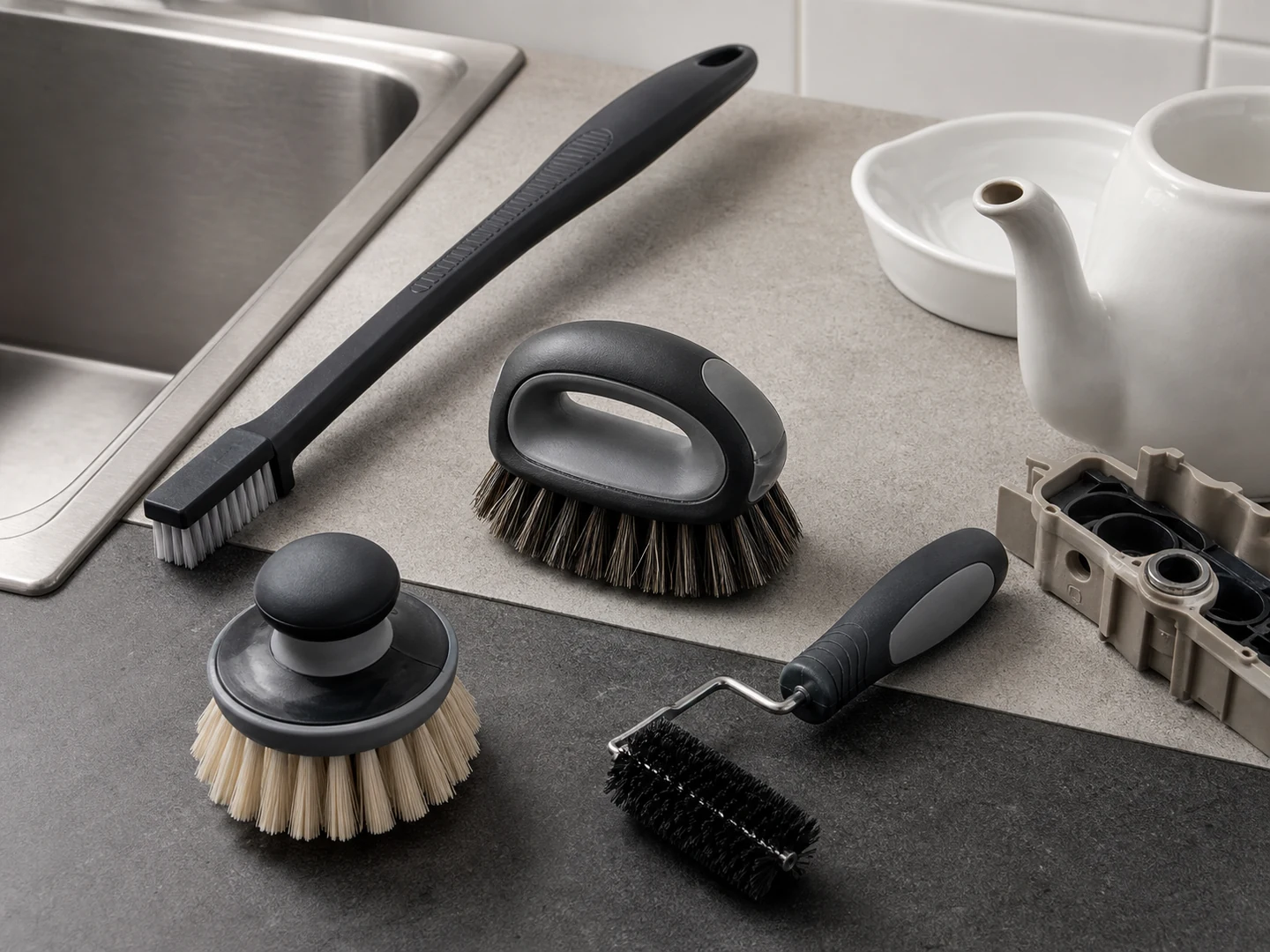
Custom Handheld Detail Brushes
Choose a handheld detail brush when you need direct control in seams, recesses, fittings,…
See how this type is built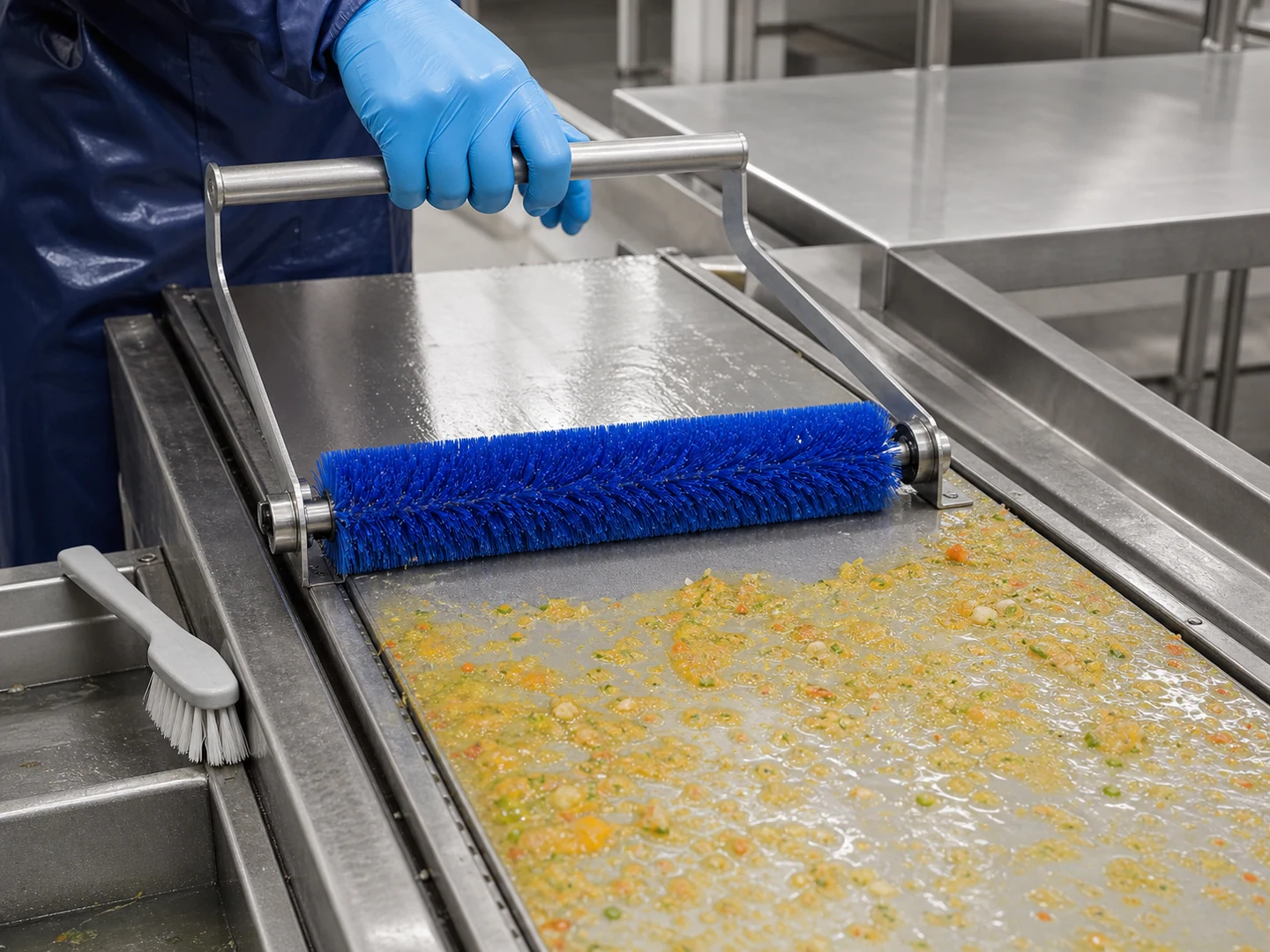
Food Equipment Cleaning
For Food Equipment Cleaning, the brush must reach the working area, disturb or collect…
See the cleaning job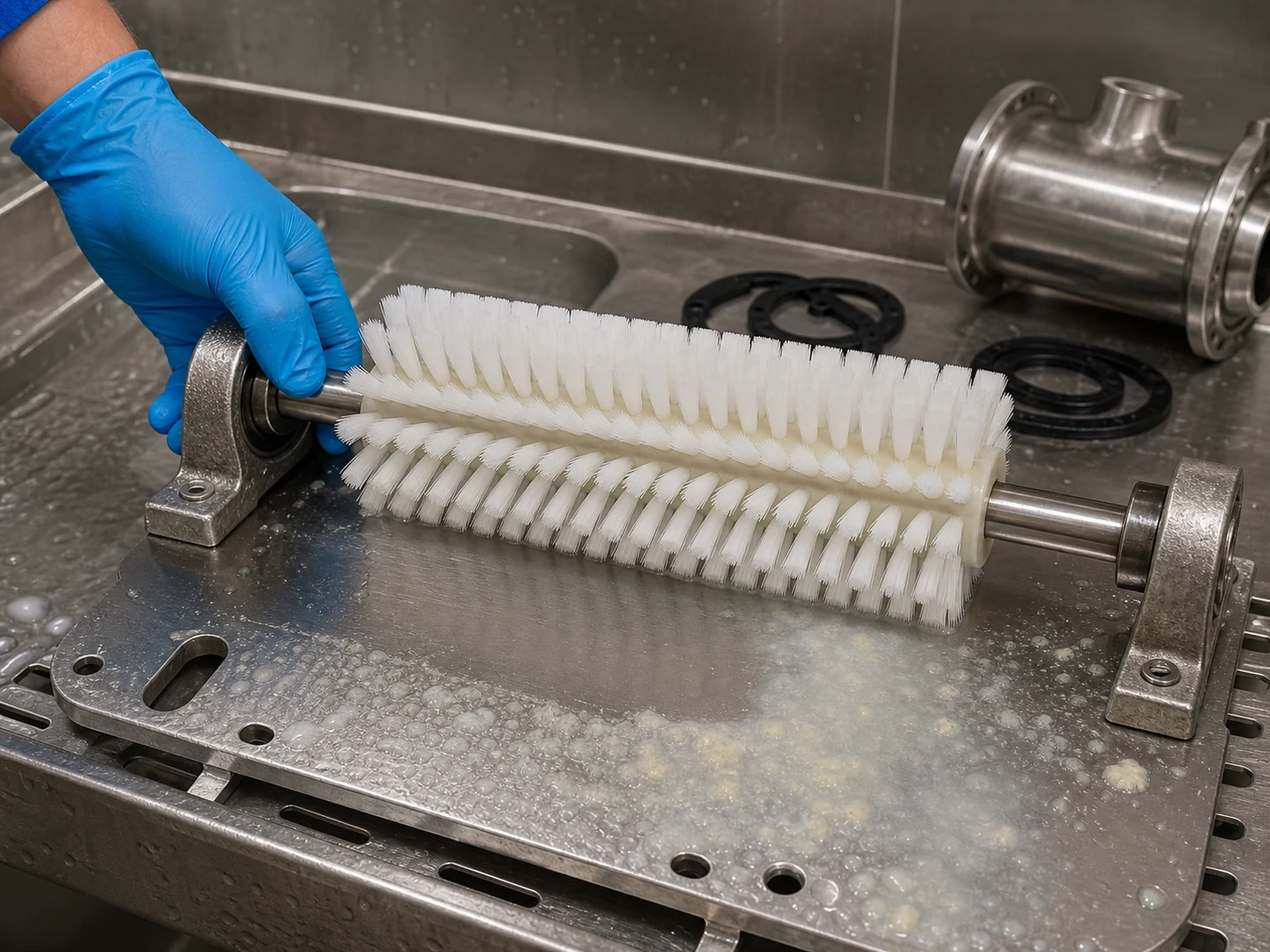
Dairy Equipment Cleaning
For Dairy Equipment Cleaning, the brush must reach the working area, disturb or collect…
See the cleaning job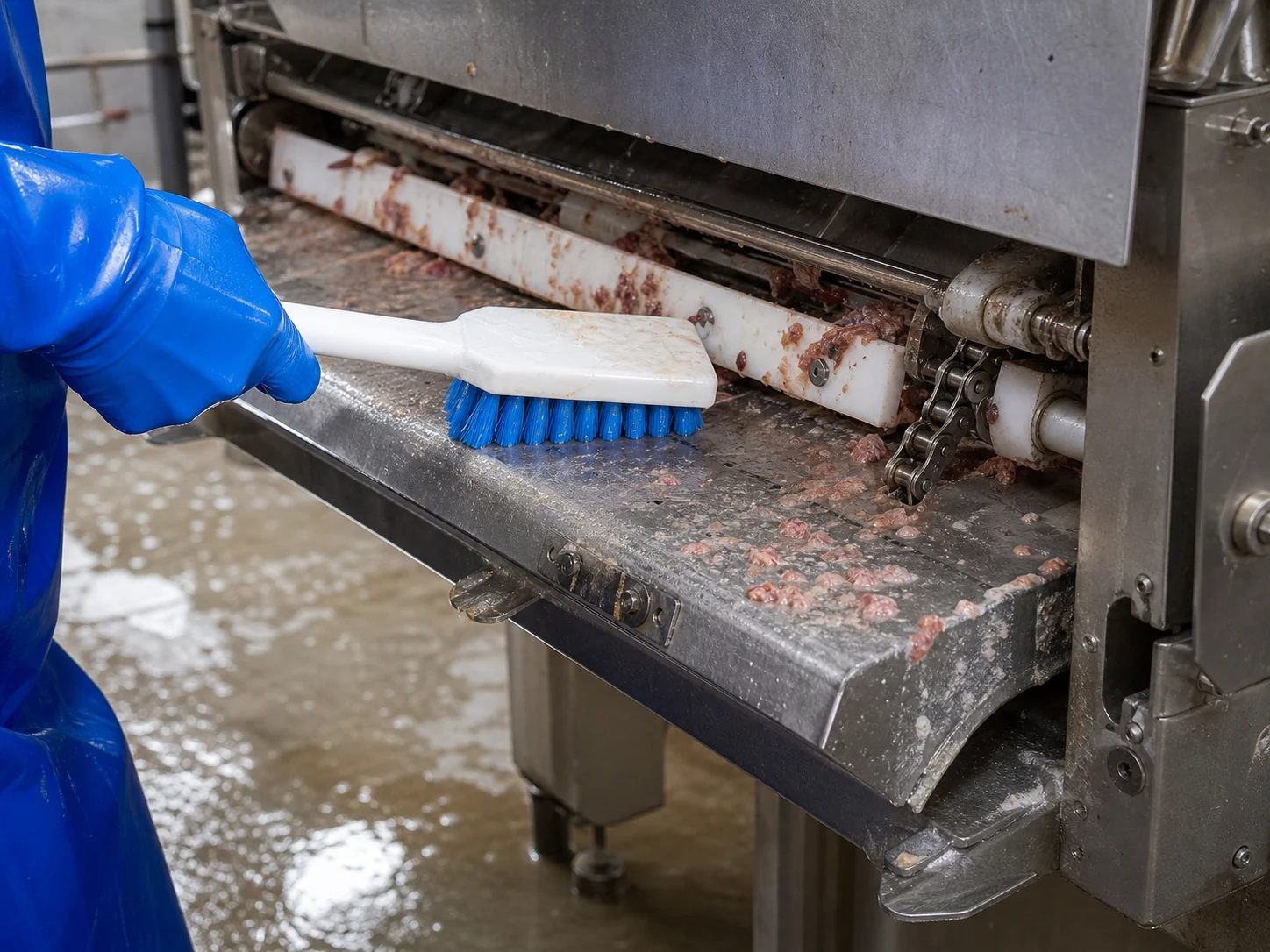
Meat Processing Equipment Cleaning
For Meat Processing Equipment Cleaning, the brush must reach the working area, disturb or…
See the cleaning job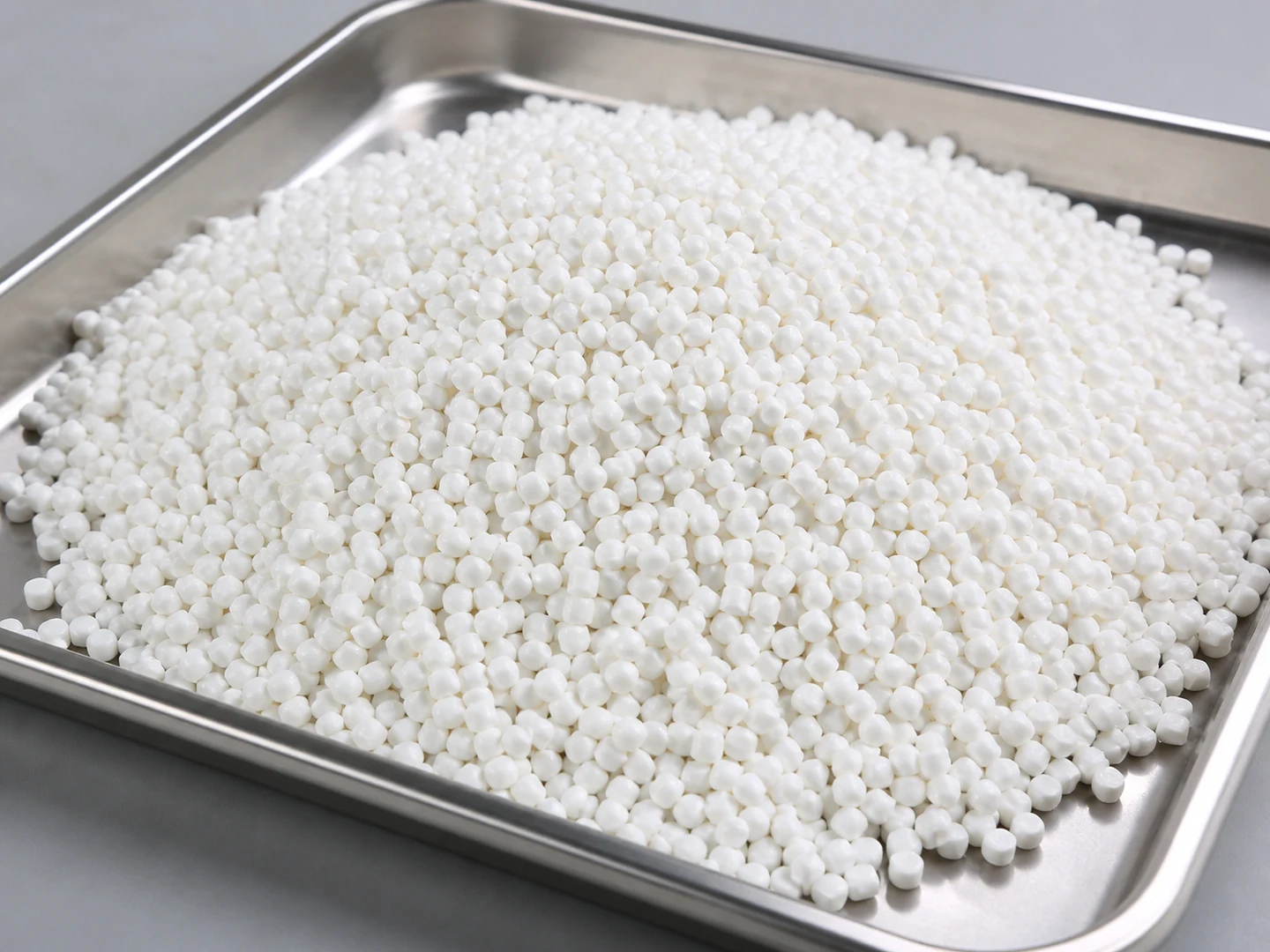
PBT
Choose PBT based on its stiffness, recovery, wear, wet-service, chemical, and temperature behavior. Do…
Compare this material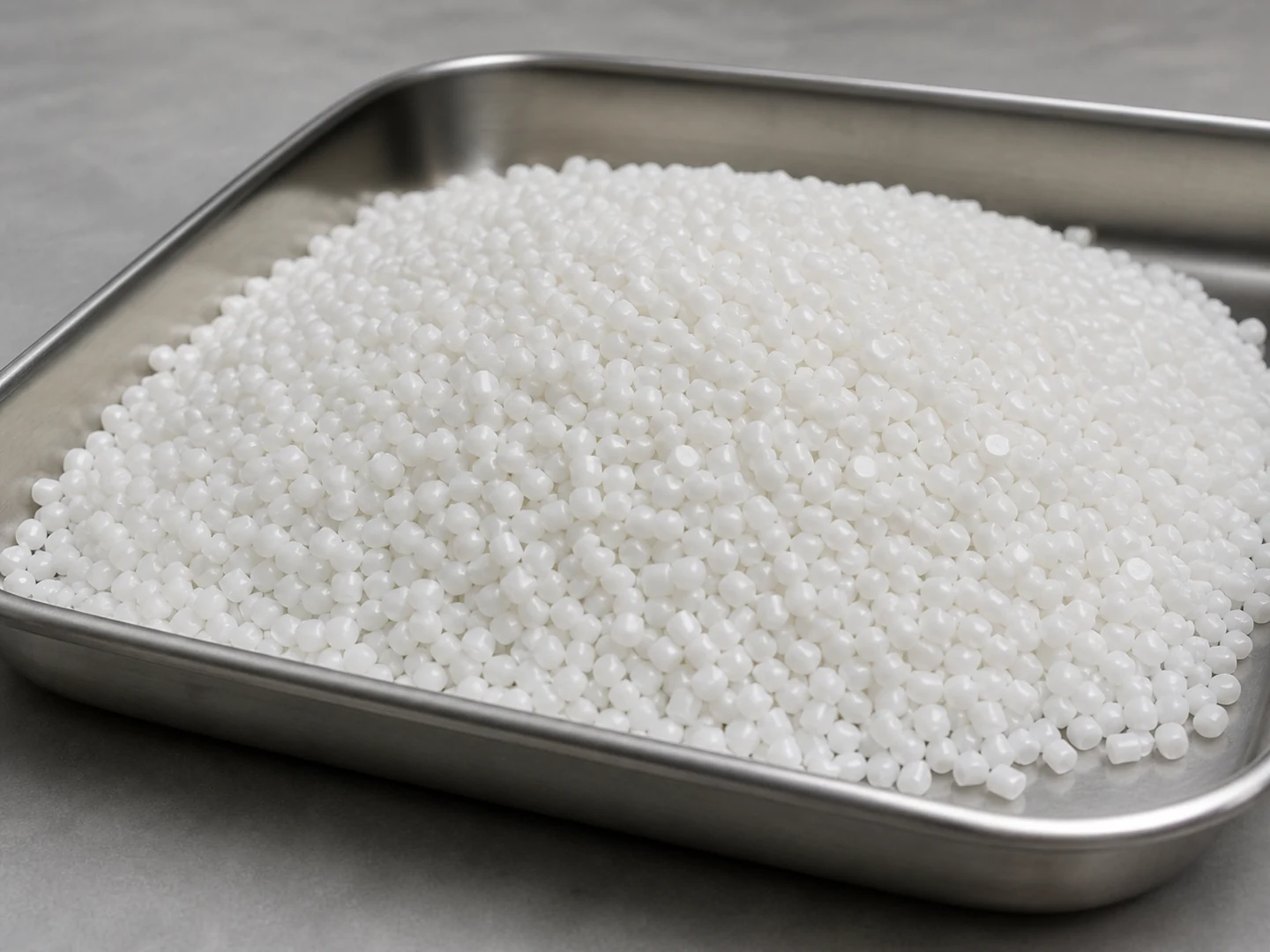
Polypropylene PP
Choose Polypropylene PP based on its stiffness, recovery, wear, wet-service, chemical, and temperature behavior.…
Compare this material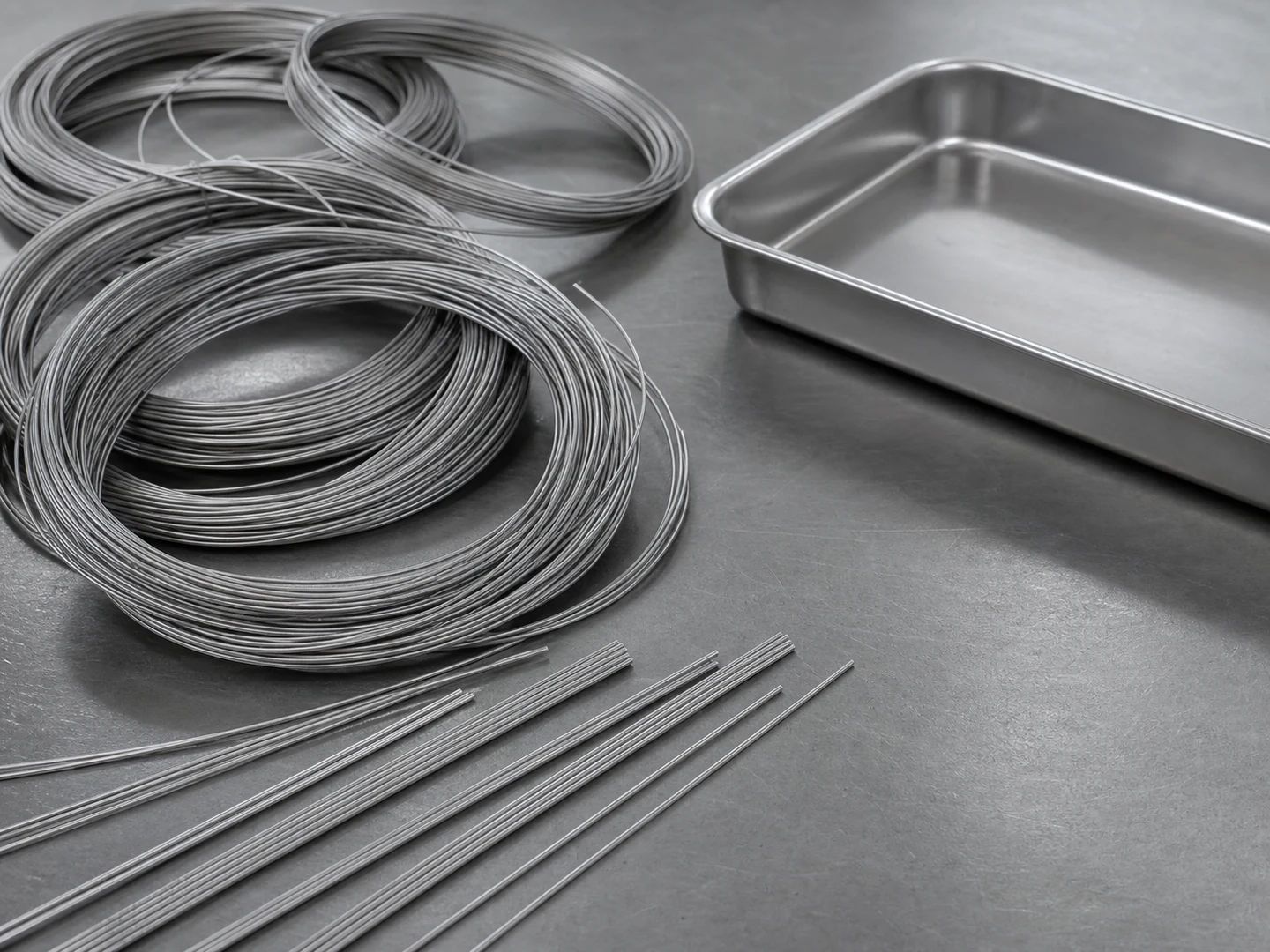
AISI 316 Stainless Steel Wire
Choose AISI 316 Stainless Steel Wire based on its stiffness, recovery, wear, wet-service, chemical,…
Compare this material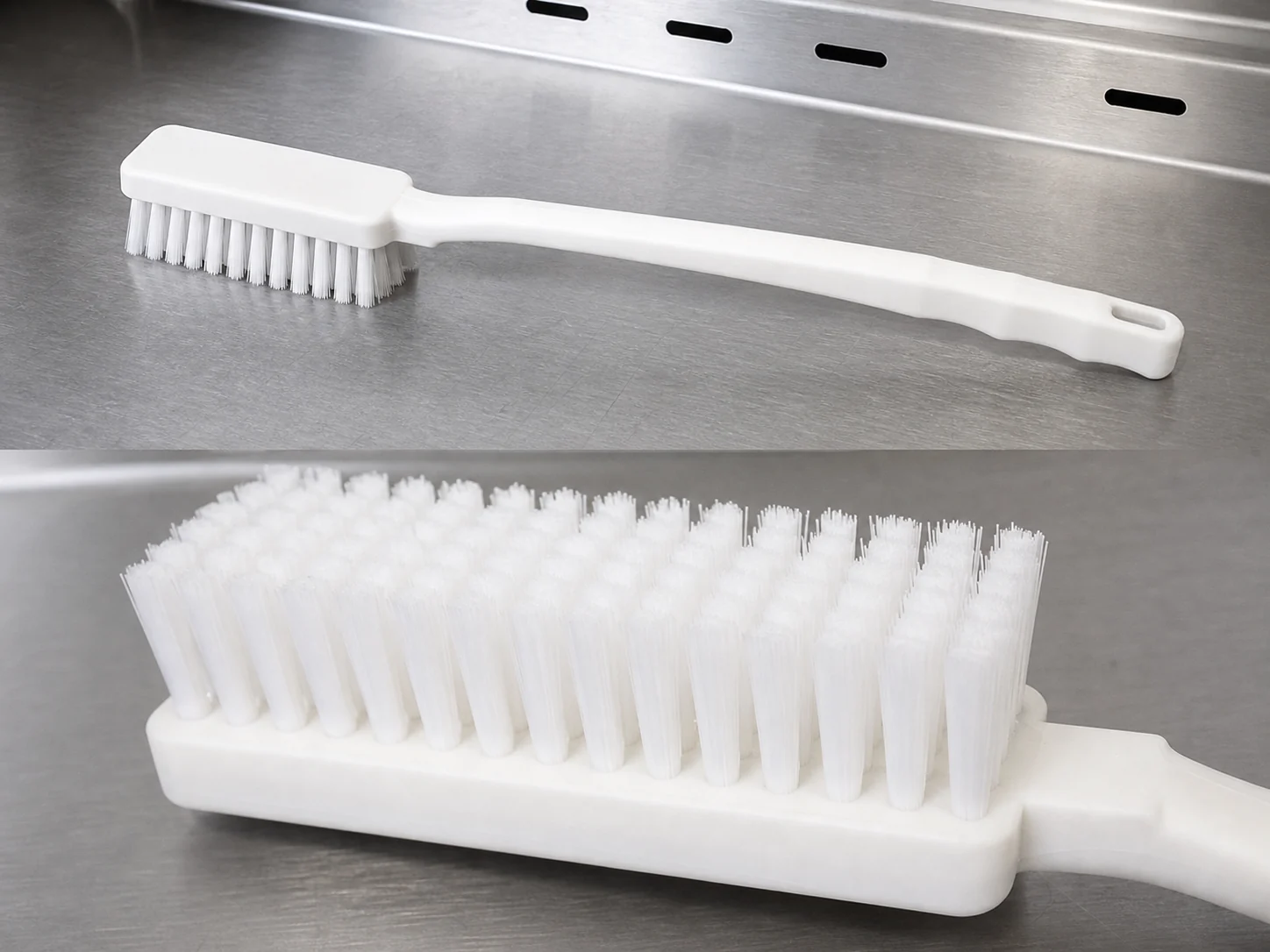
PBT Food Equipment Hand Brush
Rectangular PBT food equipment hand brush with PP handle for washing conveyors, trays, tanks,…
Compare the specificationCustom Manufacturing RFQ
Describe Your Application
Please include the main sizes, application, residue, preferred material, interface, quantity, and any drawing or sample available.
Drawing or photo optional — it speeds things up, it does not gate the enquiry.
Custom Brush RFQ
Send Your Brush Project
Upload a drawing, product photo, or sample photo and provide the core dimensions and cleaning conditions.
“We need a brush to remove wet residue from a stainless steel conveyor, about 800mm wide. The current brush wears quickly. We can send photos.”
“We sell drinkware and need a cleaning brush to include with the product. Quantity around 5,000 pieces.”