
Brush Type
Custom Road Sweeper Brooms
Road-Sweeper Broom
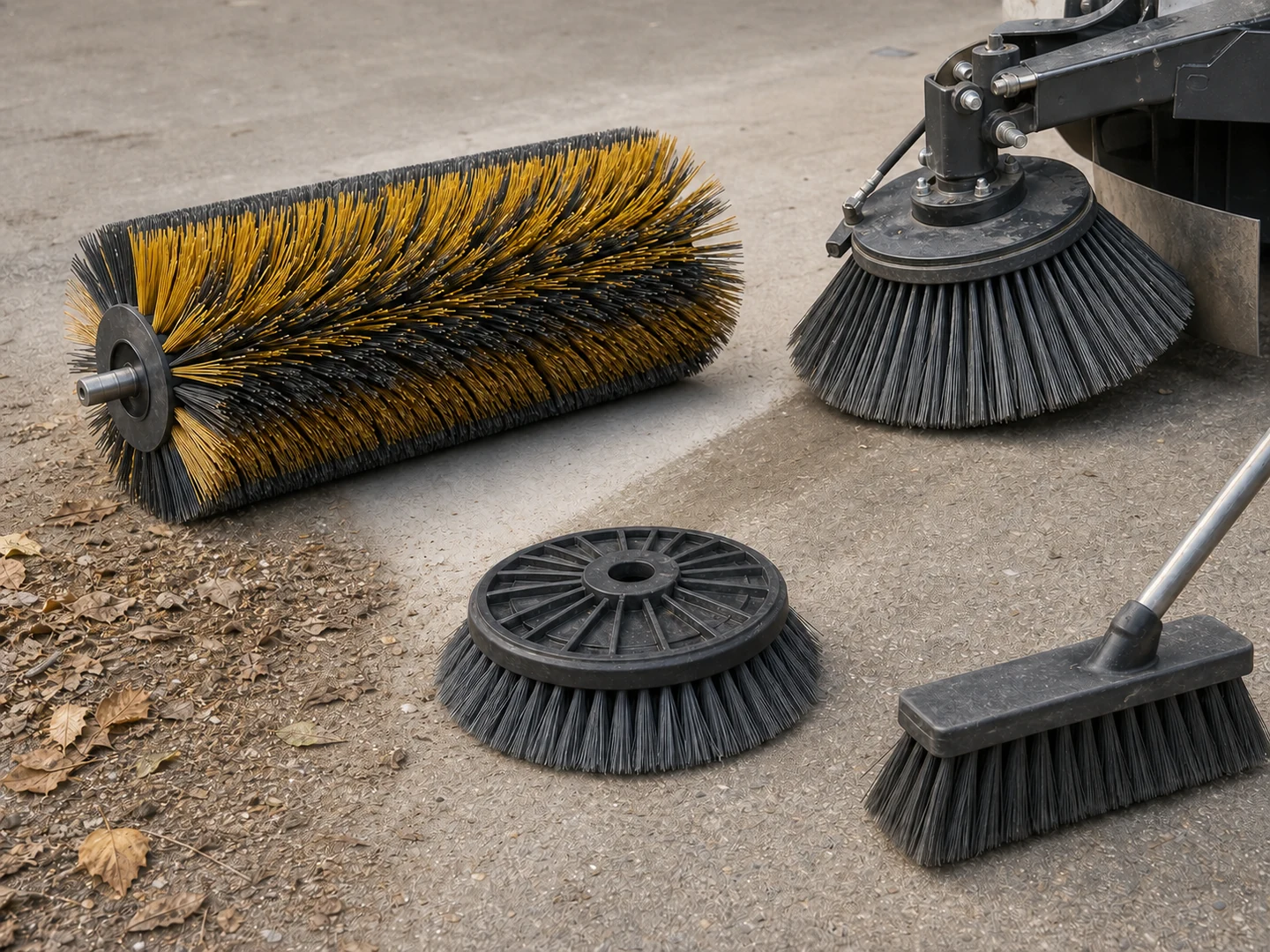
Choose a road sweeper broom when a machine must lift and direct litter, sand, dust, leaves, gravel, or mixed outdoor debris into a collection path.
At a glance
- How it is driven
- Machine-driven
- How it mounts
- Tubular core, drive lug, hub plate, spline, keyed shaft, center bolt or wafer stack.
When should you choose this brush type?
Choose a road-sweeper broom when the machine has to collect loose outdoor debris, reach gutters or edges, and follow rough pavement. A floor scrubber or indoor sweeper brush is a better fit when the job is controlled washing, scrubbing, stripping, polishing, or fine debris handling on a floor-machine deck.
What are Road Sweeper Brooms?
Road sweeper brooms are built as cylindrical main brooms, wafer stacks, side brooms, or gutter brushes. Main brooms work across the machine width and move debris toward the pickup system; side and gutter brushes extend the cleaning path into kerbs, edges, and corners.
The broom pattern, outside diameter, working width, core or hub, filament mix, and installed contact determine pickup, discharge, wear, and machine load. Fine dust, wet leaves, sand, and coarse aggregate require different combinations of filament section, density, crimp, and wire or polymer fill.
What dimensions can I customize?
| Filament diameter | 0.50–2.50 mm; 0.70–3.00 mm; 0.6–2.5 mm |
|---|---|
| Contact setting | Set 25–75 mm ground contact pattern |
| Main broom diameter | 320–900 mm; 300–900 mm |
| Core interface | Machine-specific drive lug, key, spline, tube, or wafer stack; Machine-specific tube, lug, or hub |
Where is this brush type commonly used?
Start with the job the brush needs to do, then confirm dimensions, contact direction, material, and mounting.
What configurations are available?
Cylindrical main broom
A full-width patterned broom mounted on the machine drive for primary pickup and discharge.
Wafer-stack broom
Individual brush rings stacked on a core, allowing pattern changes and replacement of worn sections.
Side or gutter broom
A flared disc brush that sweeps kerbs and edges toward the main collection path.
Mixed polymer and wire fill
Polymer carries fine and light debris while wire adds digging action for compacted material where the surface permits.
Snow, leaf, or coarse-debris pattern
Open rows and directional patterns reduce packing and move bulky material more effectively.
What material is right for this brush type?
Polypropylene PP
Common for wet outdoor sweeping, leaves, litter, and economical broad-area service.
Nylon PA
Improved recovery and wear where a more resilient polymer fill is justified.
Carbon steel wire
Aggressive pickup of compacted dirt and heavy debris on robust surfaces.
Mixed polymer and wire
Balances fine-debris carrying with digging action in variable street conditions.
Filament materials to compare
What do I need to know before ordering?
Provide the sweeper make and model, core or hub drawing, broom diameter and width, side-brush plate details, rotation direction, debris mix, road surface, wet or dry service, customer-supplied operating speed, and replacement interval target.
Questions this page is asked
How is a road-sweeper broom contact patch checked as the fill wears?
Use the sweeper maker's stationary pattern or equivalent approved test on a flat representative surface and compare the measured band with that machine's specification. Adjust height or linkage only by the documented procedure; excessive contact bends the fill, accelerates wear and can increase debris throw without improving pickup.
Why must helix hand and rotation be verified on a replacement main broom?
The winding and rotation determine how swept material travels toward the hopper, conveyor or pickup zone. Mark the machine side and rotation, compare the replacement with the approved configuration, and perform a contained debris-flow test before entering a route.
What should a route trial confirm before changing road-broom fill?
On a controlled section, evaluate pickup, marking, joint impact, wire loss, debris throw and airborne dust at the intended speed and contact setting. Keep the fill only if the complete sweeper's water, vacuum or other dust controls maintain the site's exposure and visibility requirements for that debris and weather condition.
Guides that go deeper on this
Continue Exploring
Recommended Reading & Related Brush Resources
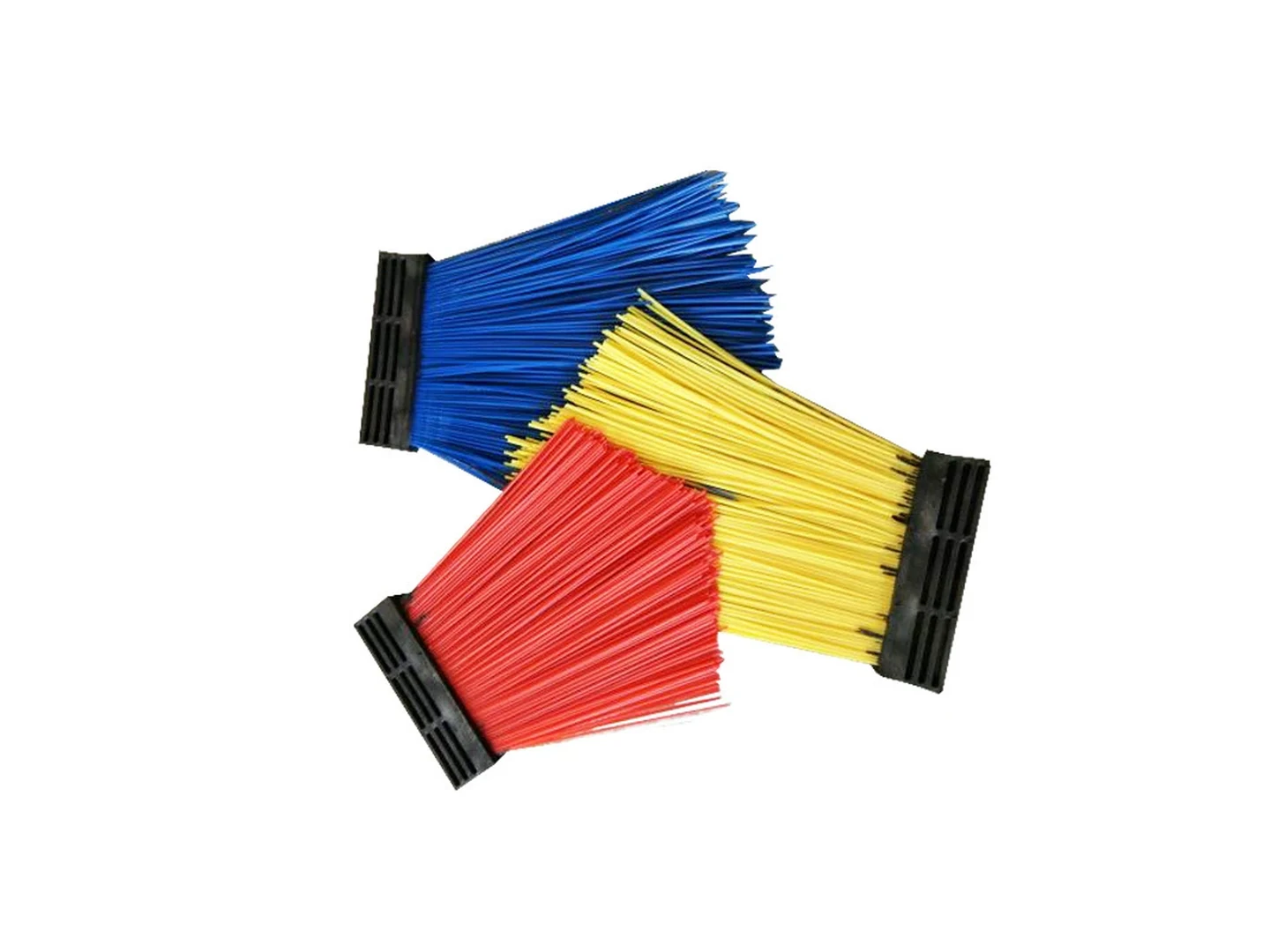
Road Sweeper Brush
Rotating main broom in PP, nylon PA or carbon steel wire, configured to your…
See the specification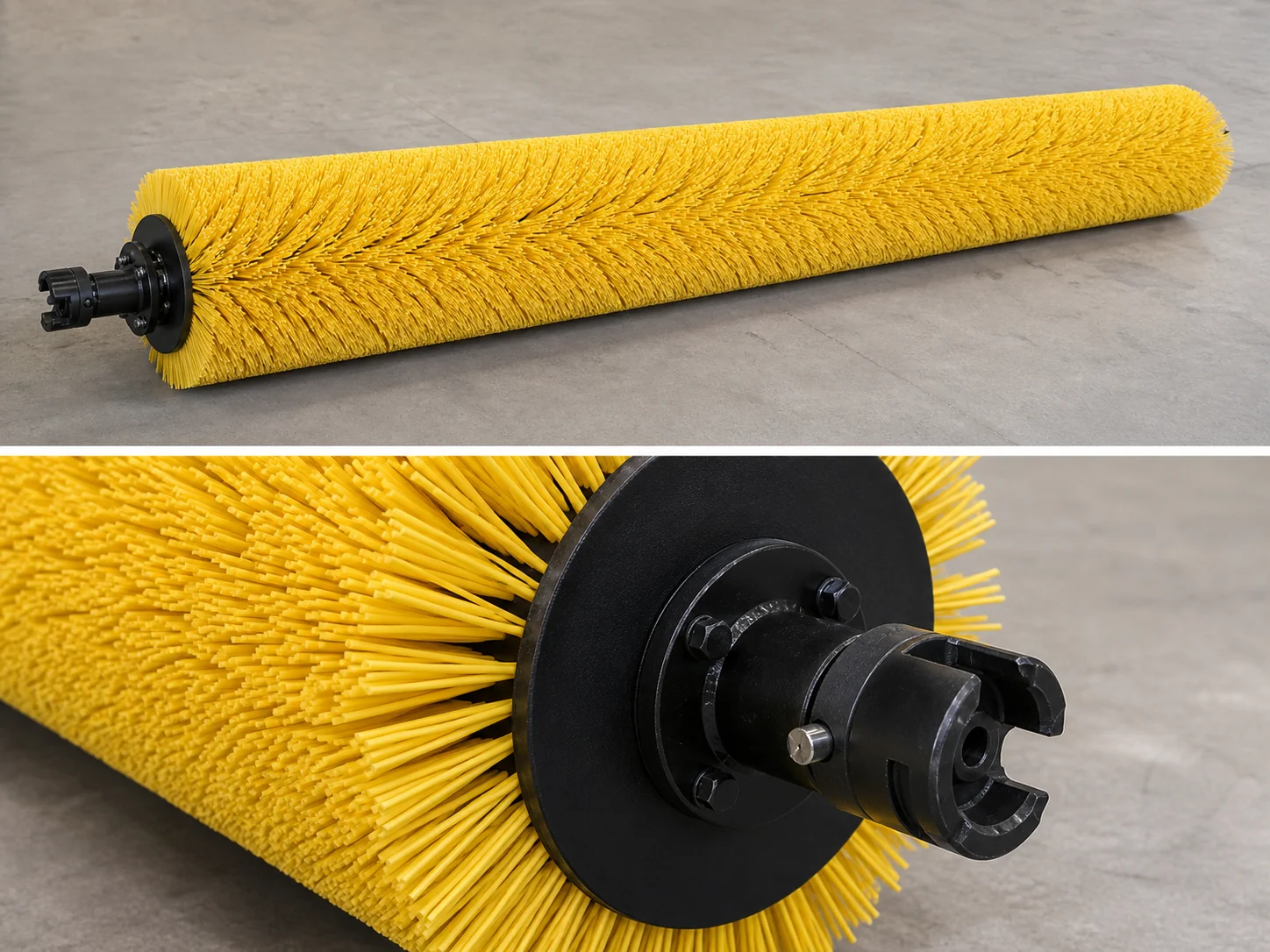
250x2000mm PA66 Road Sweeper Main Brush
250x2000mm PA66 road sweeper main brush with quick-change coupling, powder-coated steel core and nylon…
See the specification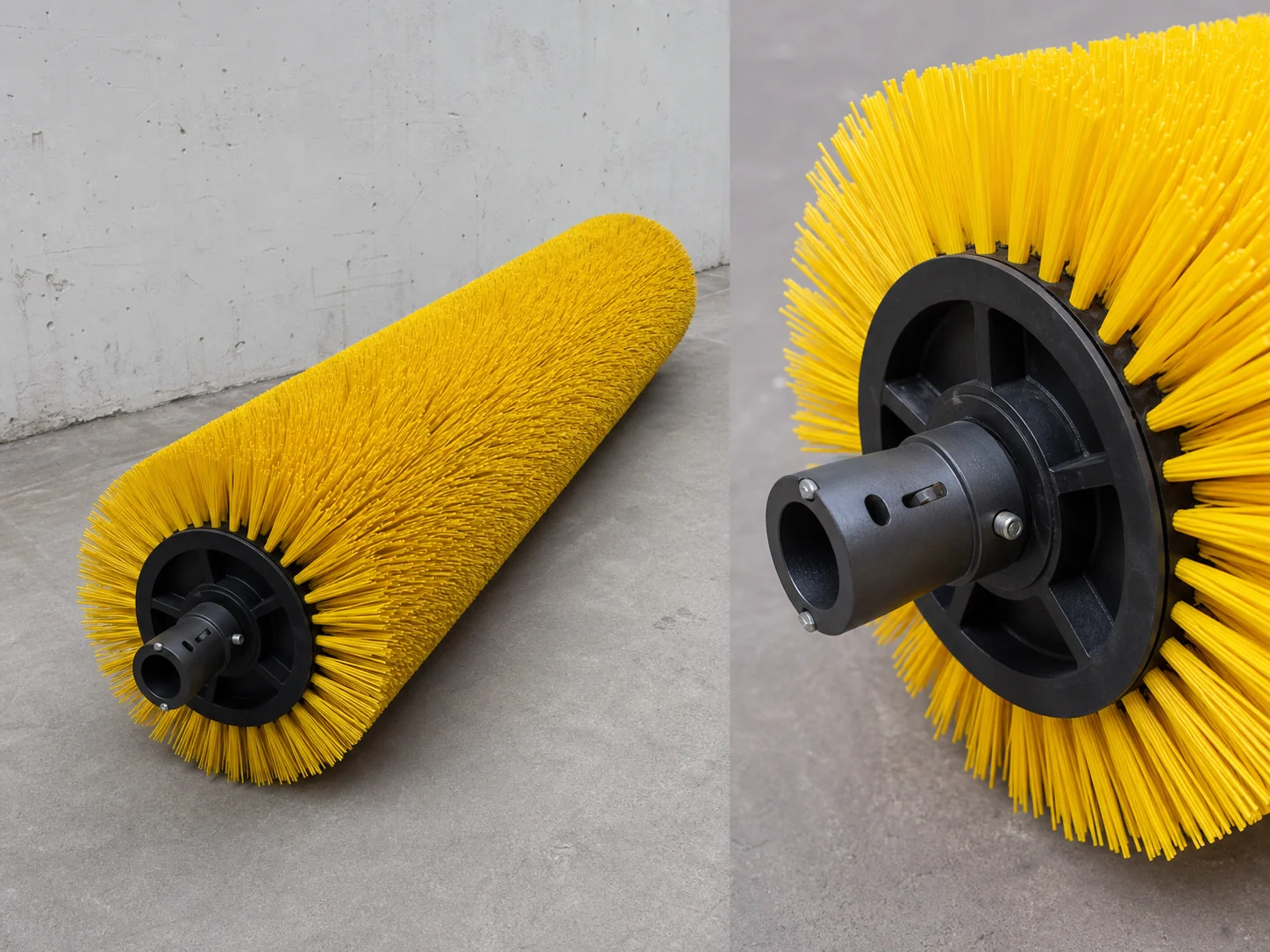
300x2200mm PP Road Sweeper Main Brush
300x2200mm PP road sweeper main brush with powder-coated steel core and quick-change coupling for…
See the specification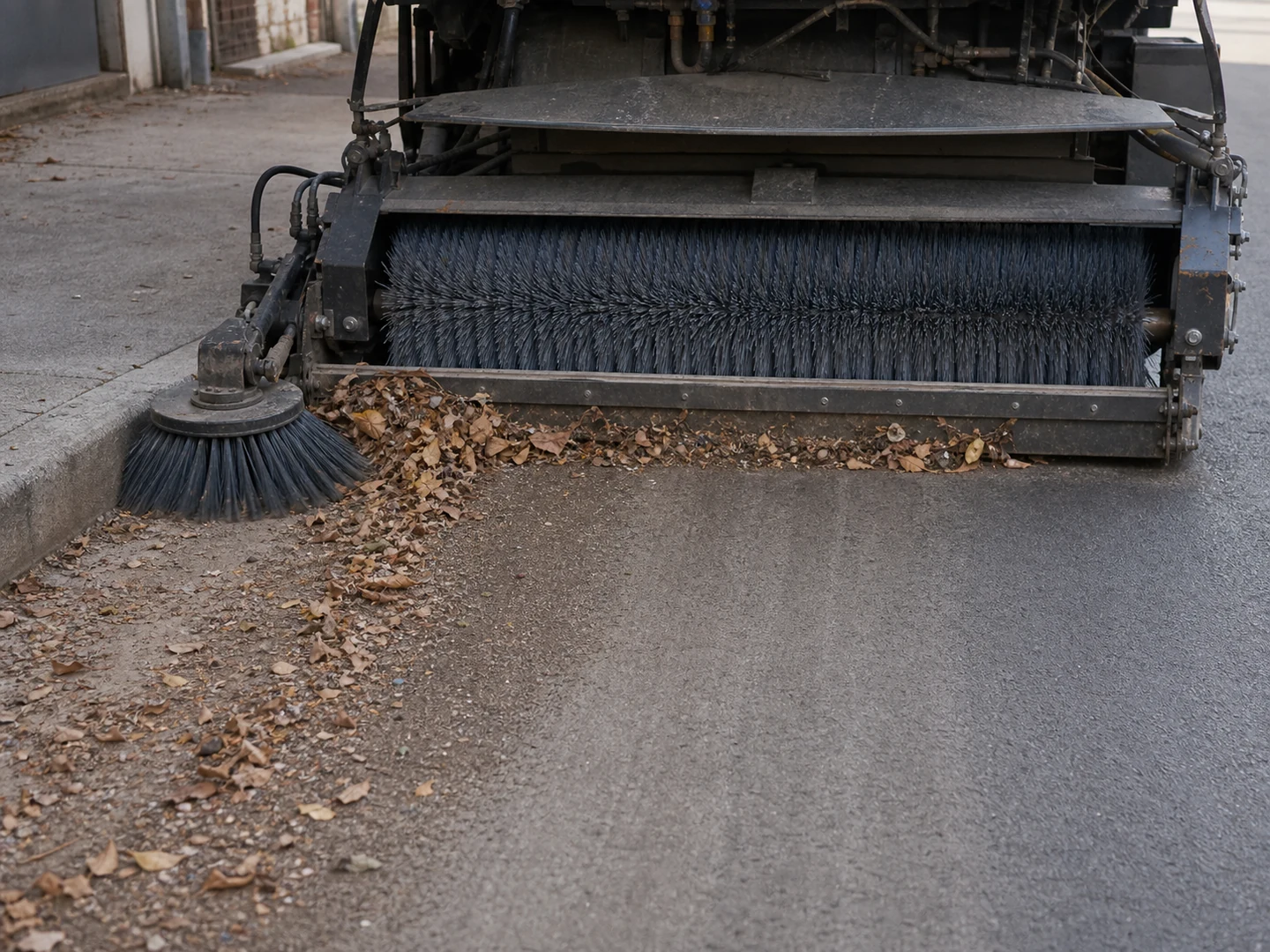
Road Sweeping
For Road Sweeping, the brush must reach the working area, disturb or collect sand…
See the cleaning jobCustom Manufacturing RFQ
Discuss This Brush Type
Share the working surface, residue, dimensions, material direction, interface, quantity and drawing or sample photo.
Custom Brush RFQ
Request a Custom Cleaning Brush Quote
Upload a drawing, product photo, or sample photo and provide the core dimensions and cleaning conditions.
“We need a brush to remove wet residue from a stainless steel conveyor, about 800mm wide. The current brush wears quickly. We can send photos.”
“We sell drinkware and need a cleaning brush to include with the product. Quantity around 5,000 pieces.”