
Material
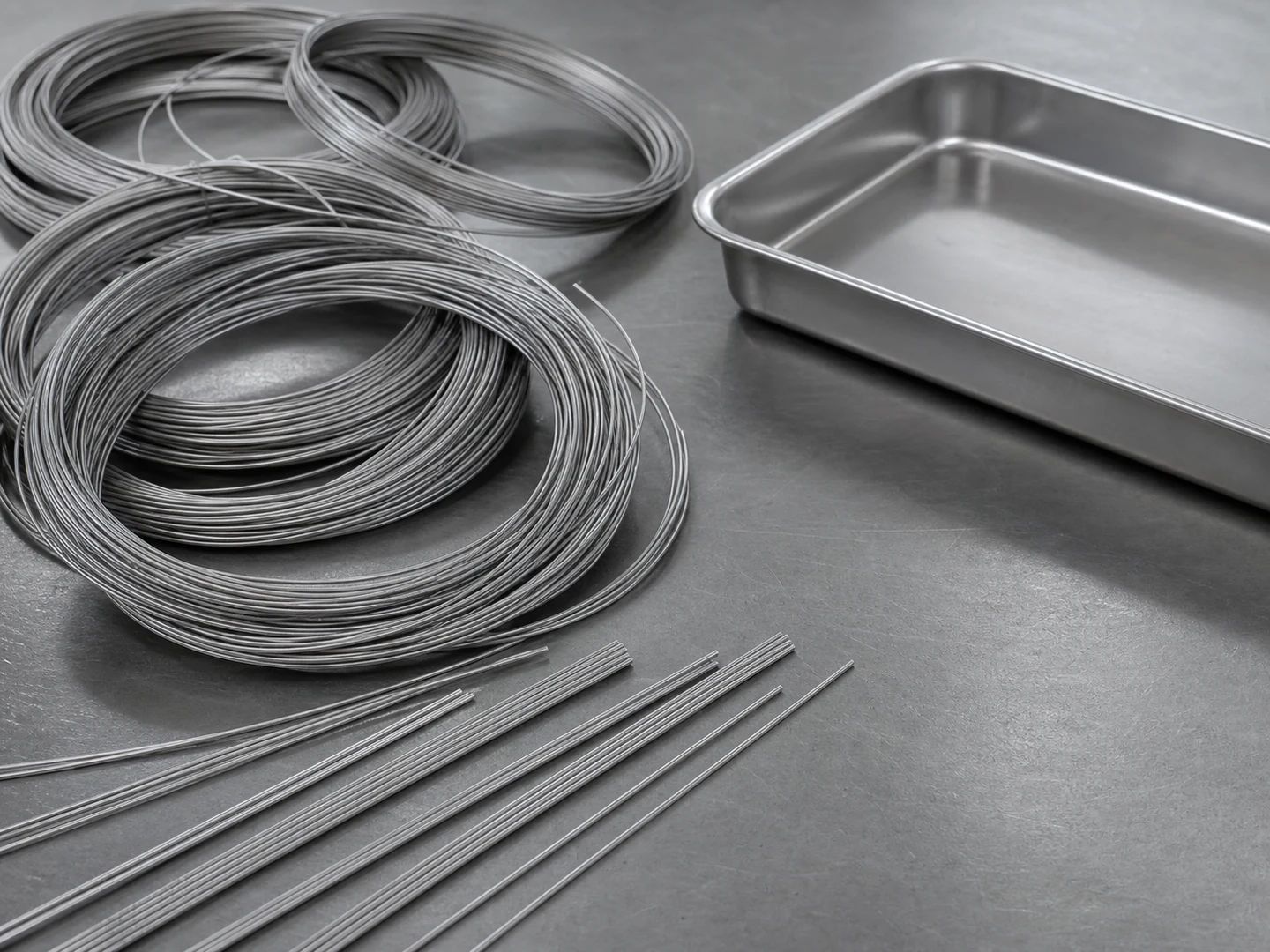
AISI 316 Stainless Steel Wire
Stainless steel wire
Choose AISI 316 Stainless Steel Wire based on its stiffness, recovery, wear, wet-service, chemical, and temperature behavior. For brush stiffness, do not give only the material name. Filament diameter, free trim, density, grade, and service conditions must be specified together.
Datasheet values
- Density
- about 8.0 g/cm³
- Wire diameter
- Set by required brush stiffness and supplier capability
- Hardness
- Depends on wire temper and cold work
- Temperature use
- Alloy data extend to elevated temperatures, but finished-brush service depends on wire temper, anchoring, hub, atmosphere, speed and load
- Corrosion behavior
- Molybdenum improves chloride pitting and crevice-corrosion resistance versus 304; severe chloride or hypochlorite service still requires review
- Standards
- ASTM/UNS/EN grade designations should be confirmed for the supplied wire
AISI 316 is a molybdenum-alloyed austenitic chromium-nickel stainless steel. The molybdenum addition improves pitting and crevice-corrosion resistance compared with AISI 304.
What is AISI 316 Stainless Steel Wire, and what makes it different from other brush filaments?
AISI 316 Stainless Steel Wire adds molybdenum to the 304 composition, and that is what buys its resistance to chlorides and pitting. It is chosen for marine, food and chemical service where 304 would stain or pit — not for any gain in cutting action.
AISI 316 stainless steel wire is a molybdenum-alloyed austenitic brush filament for chloride-bearing, marine, food and beverage, dairy, pharmaceutical, chemical washdown, and corrosion-sensitive cleaning environments.
The realistic alternatives are AISI 304 Stainless Steel Wire and Brass Wire. What separates them here is working temperature, not headline strength.
Use AISI 304 for general wet service without persistent chlorides. Use duplex, 904L, or higher-alloy wire when AISI 316 is insufficient for chloride stress-corrosion, severe crevice conditions, or aggressive acids.
What stiffness and contact pressure can I expect from AISI 316 Stainless Steel Wire?
AISI 316 Stainless Steel Wire is rockwell B 70–95 is typical for annealed to cold-worked brush-wire conditions; final stiffness is geometry-dependent, and AISI 304 wire produces firm tip contact. Finer wire, longer trim, and crimped form improve conformity; coarser wire, shorter trim, higher density, and higher motion increase cutting action and surface risk.
Published ranges for the filament itself. Read them as a shortlist tool, not as brush performance.
| Property | AISI 316 Stainless Steel Wire | AISI 304 Stainless Steel Wire | Brass Wire |
|---|---|---|---|
| Shore hardness | Rockwell B 70–95 depending on temper and cold work | Rockwell B 70–95 depending on temper and cold work | Rockwell B 40–90 (Alloy and Cold-Worked Condition) |
| Continuous temperature (°C) | 400 | 400 | 150–200 |
| Peak temperature (°C) | 500 | 500 | 250–300 |
| Water absorption, 24 h | 0% | 0% | 0% |
| Filament diameter (mm) | 0.03–1.00 | 0.03–1.00 | 0.05–0.80 |
| Flexibility | Low to medium flexibility | Low to medium flexibility | Medium Flexibility |
The part people get wrong: stiffness is not a property of the material on its own. A 0.50 mm filament on a 15 mm trim is stiffer than a 0.30 mm filament on a 25 mm trim in the same grade. Fix diameter and trim first, then confirm the material.
How does water affect AISI 316 Stainless Steel Wire performance?
AISI 316 wire absorbs no water at all; the molybdenum addition is there for chlorides, which is the reason to pay for it over 304.
Zero water absorption; corrosion resistance depends on chloride level, crevices, contamination, passivation, and the holder alloy.
What this means for your application: the geometry is unchanged wet or dry. The reason 316 is specified is that the fluid contains chloride or the part cannot be allowed to tea-stain.
A practical check: run the sample against the actual chloride concentration and dwell time. If 304 already survives that duty, 316 is money spent on nothing.
What temperature limits apply to AISI 316 Stainless Steel Wire?
AISI 316 alloy data show capability at elevated temperature, but that is not a finished-brush service rating. For a brush, wire temper, anchoring, adhesive, hub, atmosphere, speed, and contact load set the usable temperature.
Design to that answer rather than to a raw-material datasheet figure: a brush rating already accounts for wire working under load rather than bare wire held at temperature with nothing pushing on it.
Where it stops working: validate with a sample if the process sits near the top of that band. A permanent bend under load means the answer is a higher-temperature filament family, not a heavier trim.
The usable limit also moves with diameter, trim and contact pressure. A fine filament under light load tolerates more than a thick one under heavy scrubbing.
What chemicals attack AISI 316 Stainless Steel Wire?
Higher pitting and crevice-corrosion resistance than AISI 304, especially in chloride-bearing and many process-cleaning environments. Austenitic grades remain susceptible to chloride stress-corrosion cracking at elevated temperature and tensile stress.
The same cleaner can be harmless or destructive depending on how strong it is, how hot it runs and how long it sits. Quote the concentration and the dwell time, not just the product name.
Before you commit to a quantity: Specify AISI 316 / UNS S31600 or AISI 316L / UNS S31603, EN 1.4401/1.4404, wire diameter, straight or crimped form, temper, passivation condition, operating temperature, chloride concentration, chemical exposure, mounting material, and required material certificate.
What is the practical lower limit for filament diameter?
About 0.03 mm. Below that the filament turns fragile and breaks under ordinary contact pressure, so 0.03–1.00 mm is the working range.
Free trim runs 3–200 mm, and the two interact: a finer filament needs a shorter trim to keep useful stiffness, while a thicker one carries a longer trim and still lands pressure on the tip.
Split the range by duty: roughly 0.03–0.27 mm for light wiping, dusting and surfaces that mark easily, and 0.27–1.00 mm where residue is packed on and point pressure matters more than surface risk.
Tip treatments available on this filament: straight or crimped wire, pickled and passivated, electropolished and degreased.
In practical brush terms: reaching deep into a bore or crevice is a diameter problem before it is a length problem. A thicker filament on a moderate trim pushes further in before the tips fold over.
What applications typically use AISI 316 Stainless Steel Wire?
Marine, dairy, beverage, food, pharmaceutical, chemical washdown, laboratory, and chloride-bearing wet-process brush applications.
The applications that keep coming back to this grade:
- Laboratory Tube Cleaning
- CPAP Hose Cleaning
- Medical Instrument Cleaning
- Dental Tool Cleaning
- Pipe Robot Brush Attachment Use
- Tube & Pipe Cleaning
The constructions that usually carry it:
- Custom Handheld Detail Brushes
- Custom Tube & Pipe Bore Brushes
- Custom Wheel Brushes
- Custom Roller and Conveyor Brushes
- Custom Strip Seal Brushes
If the sample comes back rejected: AISI 316 is not immune to chloride stress-corrosion cracking, concentrated hypochlorite, strong reducing acids, or crevice attack; duplex or higher-alloy grades may be required in severe conditions.
How do I specify AISI 316 Stainless Steel Wire for a custom brush?
A usable specification carries the construction, the filament diameter and free trim, the density and contact setting, and the service conditions: wet or dry, temperature, and what the cleaner actually is.
The mistakes that most often send a sample back:
- Selecting Stainless Steel Wire from the material name alone without setting filament diameter, trim length, and density
- Using dry stiffness to predict wet behavior without checking moisture absorption or liquid exposure
- Ignoring trapped abrasive particles, chemical concentration, temperature, or contact motion when assessing surface risk
Reference standards behind the figures on this page: ISO 6892-1; ASTM E8/E8M; ASTM B117; ASTM A580/A580M; ISO 13061-1; ASTM D143.
Source: Alleima — Sanmac 316/316L Material Datasheet. Alleima supports better pitting/crevice resistance than 304 and also documents chloride SCC conditions. Finished-brush temperature remains assembly-specific.
What else does the datasheet specify for AISI 316 Stainless Steel Wire?
| Filament cross-section | Round / crimped round / flat wire |
|---|---|
| Electrical behaviour | Electrically conductive metal wire |
Questions this page is asked
What should be tested before 316 wire enters severe chloride or hypochlorite service?
Reproduce chloride and oxidizer species, concentration, pH, temperature, aeration, tensile stress, flow or stagnation, deposits, crevices, dwell and concentration during drying on the wire, anchors and holder. Inspect for pitting, crevice attack, cracking, staining, metal loss and strength retention, and move to duplex or a higher-alloy system when the representative trial or authoritative corrosion data do not provide an adequate margin.
Does 316 wire alone release a brush for food, pharmaceutical or laboratory cleaning?
No; identify every product-contact material and verify wire retention, surface finish, free-iron control, crevice and drainage design, cleaner compatibility, rinseability, particle release and the required process records for the actual use. Clean, inspect and passivate only by the validated stainless procedure, then release the complete brush through the facility's hygiene or contamination-control protocol rather than through alloy name alone.
Where these figures come from
| Property | Published value | Source |
|---|---|---|
| Chemical resistance | Strong corrosion resistance in water, detergents and many industrial cleaning environments. | Alleima Retrieved 2026-07-21 |
| Published datasheet figures |
|
Alleima Retrieved 2026-07-21 |
| Hardness and stiffness | Very firm metallic wire; Rockwell/shored hardness is controlled by 304/316/steel-wire grade and wire temper. | Alleima Retrieved 2026-07-21 |
| Limitations | Not for soft plastic, glass, PCB, coated solar glass or polished paint. | Alleima Retrieved 2026-07-21 |
| Temperature resistance | Suitable for high-temperature brushing above polymer-filament ranges. | Alleima Retrieved 2026-07-21 |
| Water resistance | Metal wire does not absorb water; alloy and holder corrosion resistance control wet service. | Alleima Retrieved 2026-07-21 |
Guides that go deeper on this
Continue Exploring
Recommended Reading & Related Brush Resources
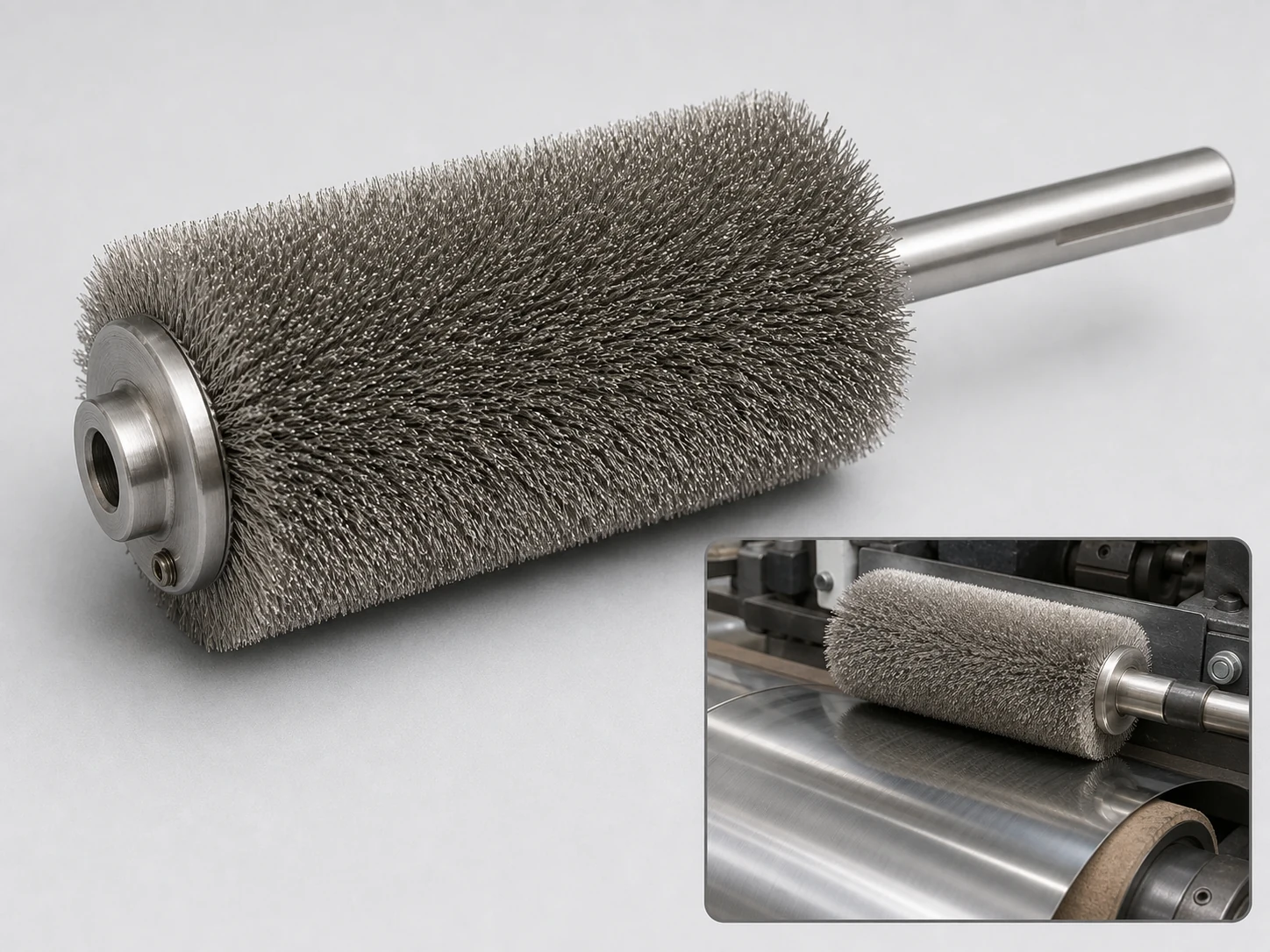
Stainless Steel Wire Industrial Cleaning Brush
316 stainless wire cleaning brush for removing oxide, scale, oil, dust and residue from…
See the specification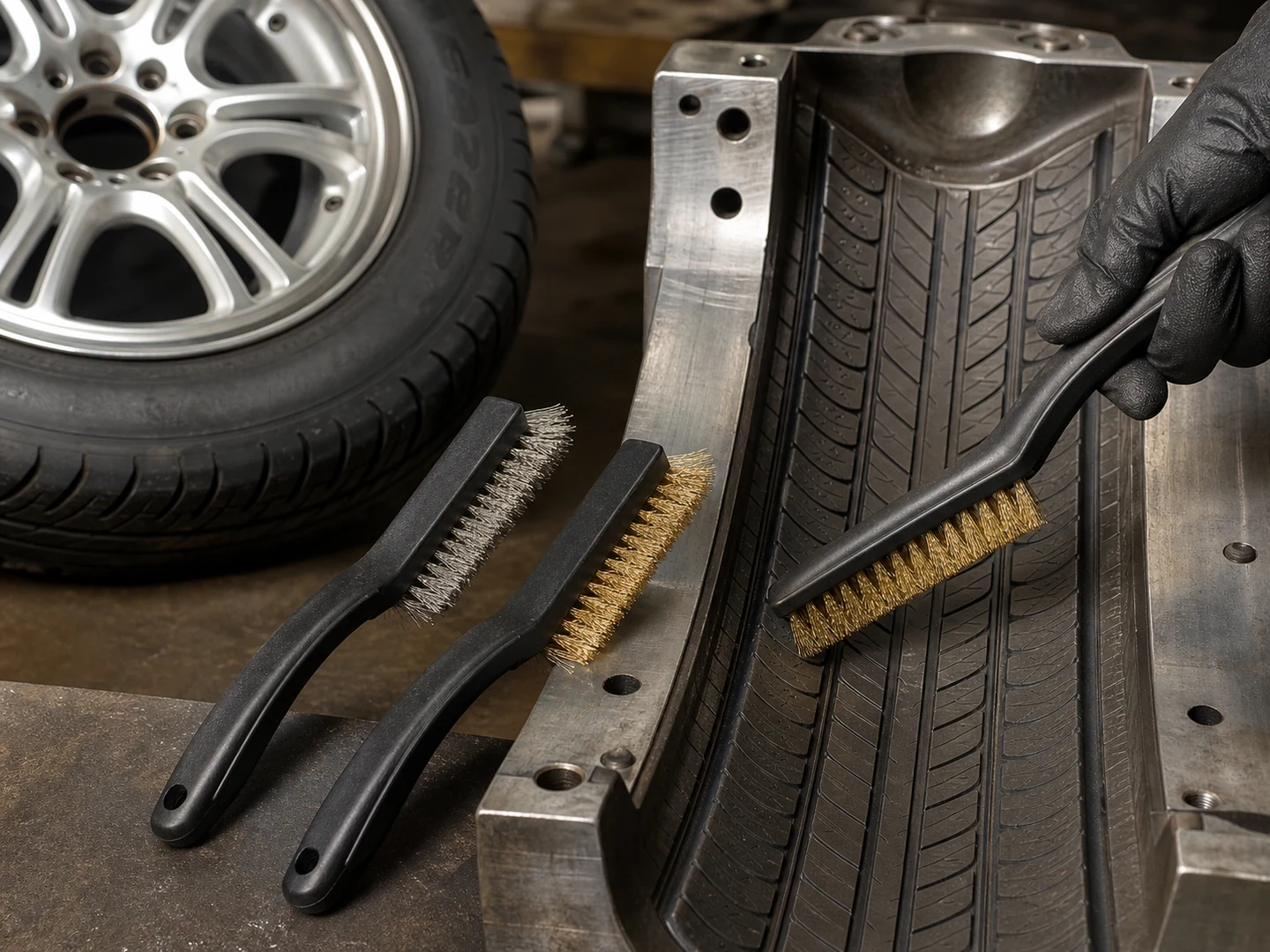
Stainless Steel Brass Mold Tire Brush
316 stainless steel and brass wire mold tire brush in cup, wheel, or end…
See the specification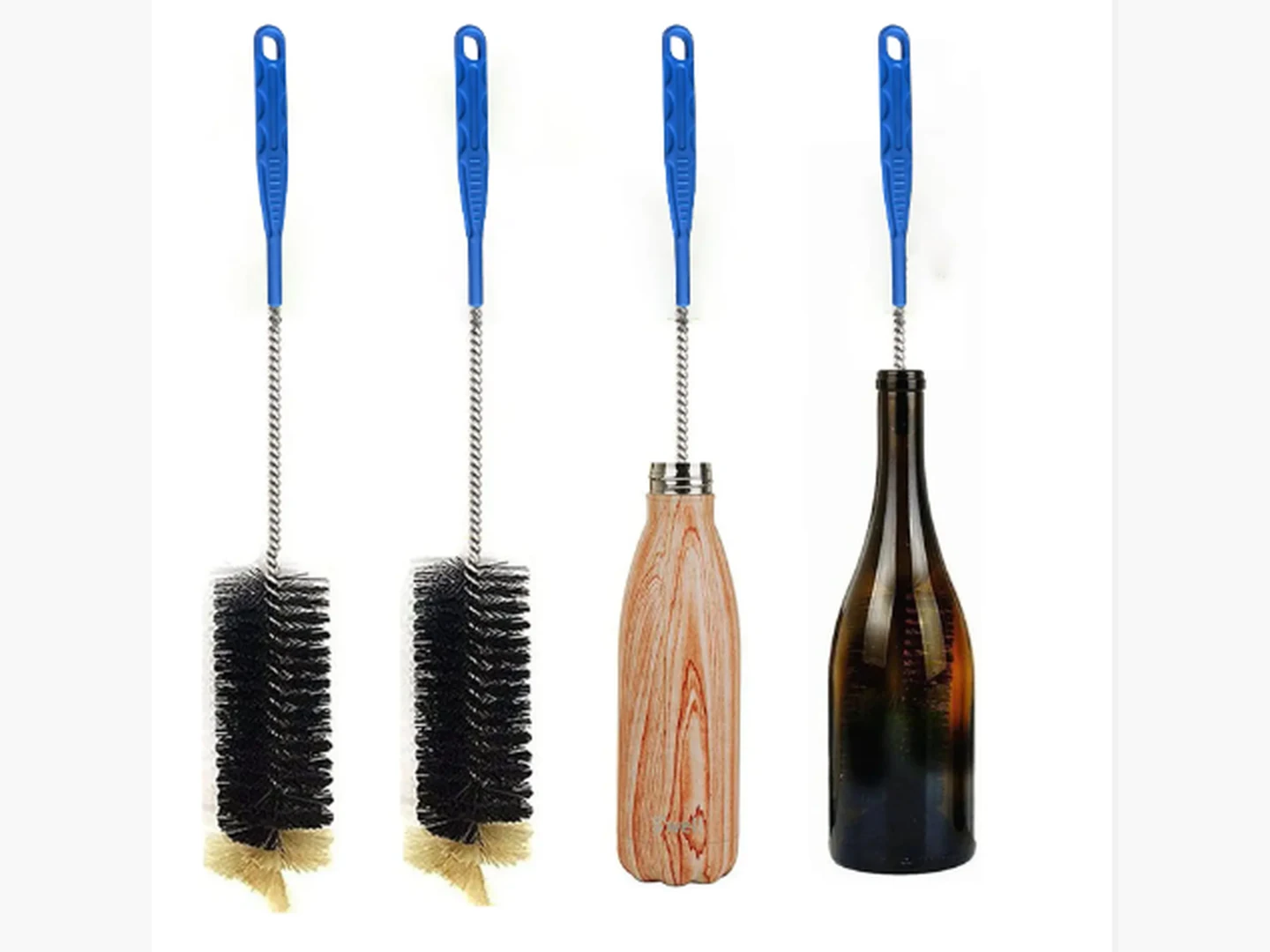
Stainless Steel Bottle Brush
Custom stainless steel bottle brushes with 304/316 wire for hard scale, biofilm, and dried…
See the specification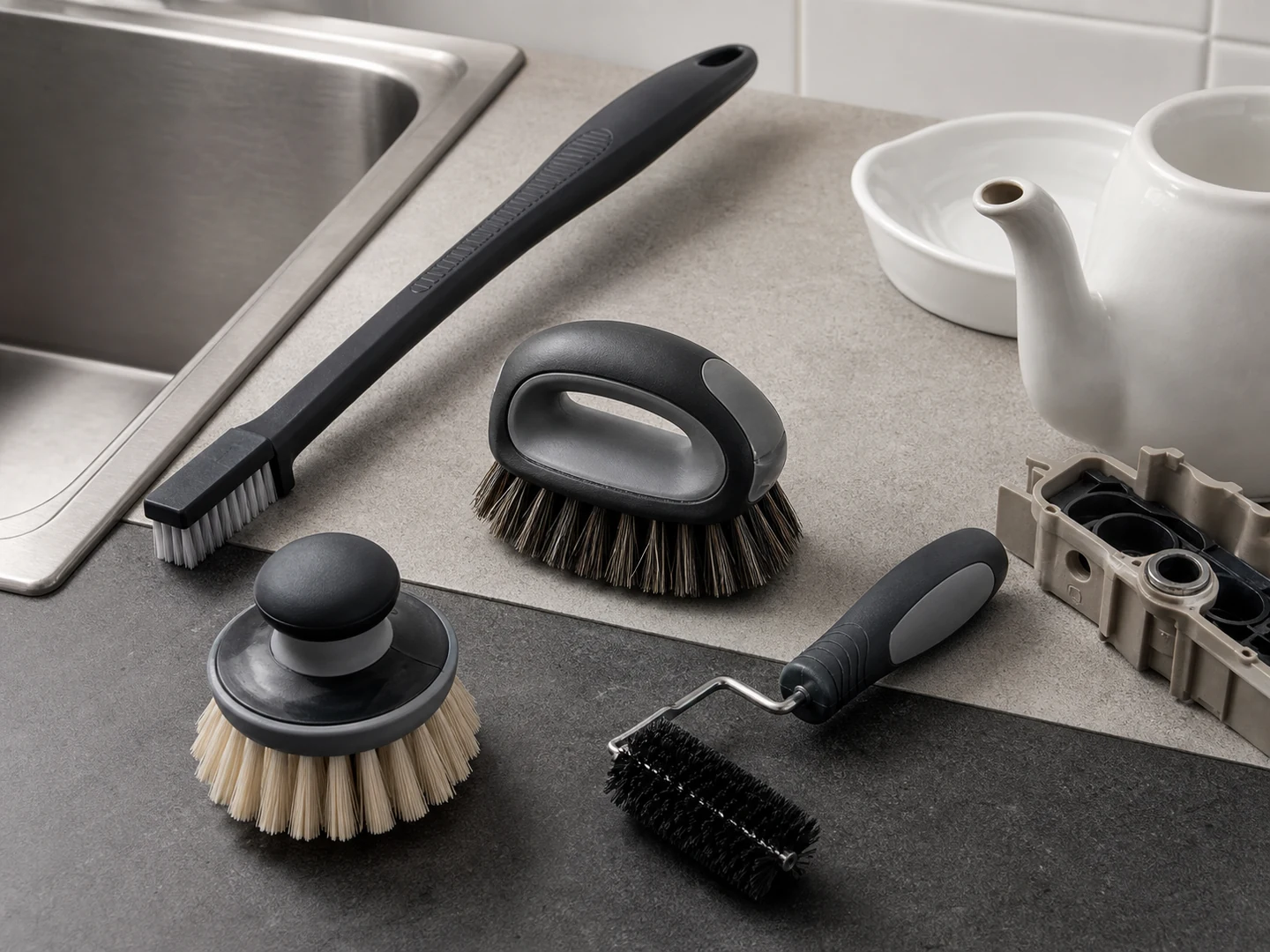
Custom Handheld Detail Brushes
Choose a handheld detail brush when you need direct control in seams, recesses, fittings,…
See how this type is built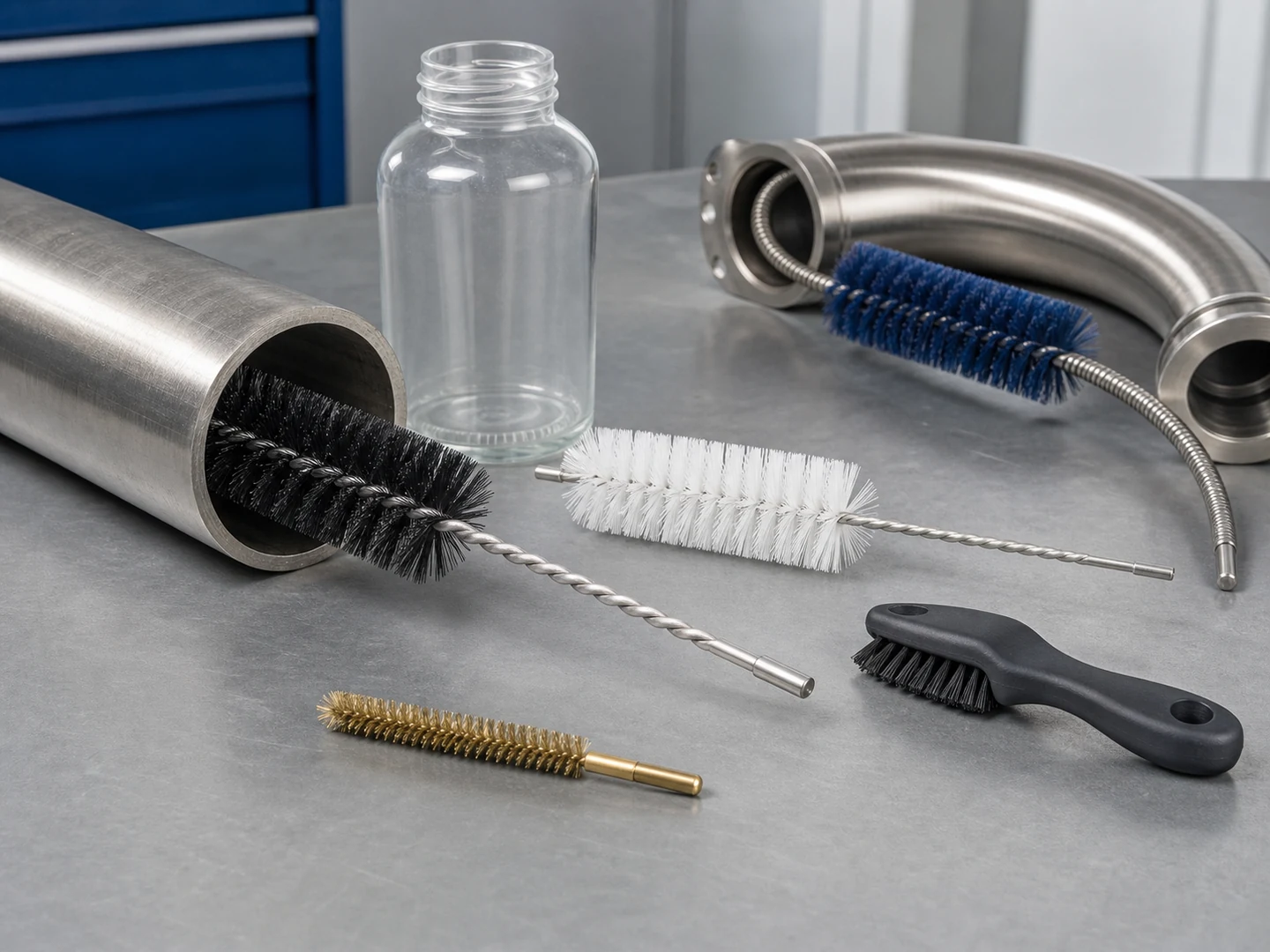
Custom Tube & Pipe Bore Brushes
Choose a tube, pipe, or bore brush when the working surface is inside a…
See how this type is built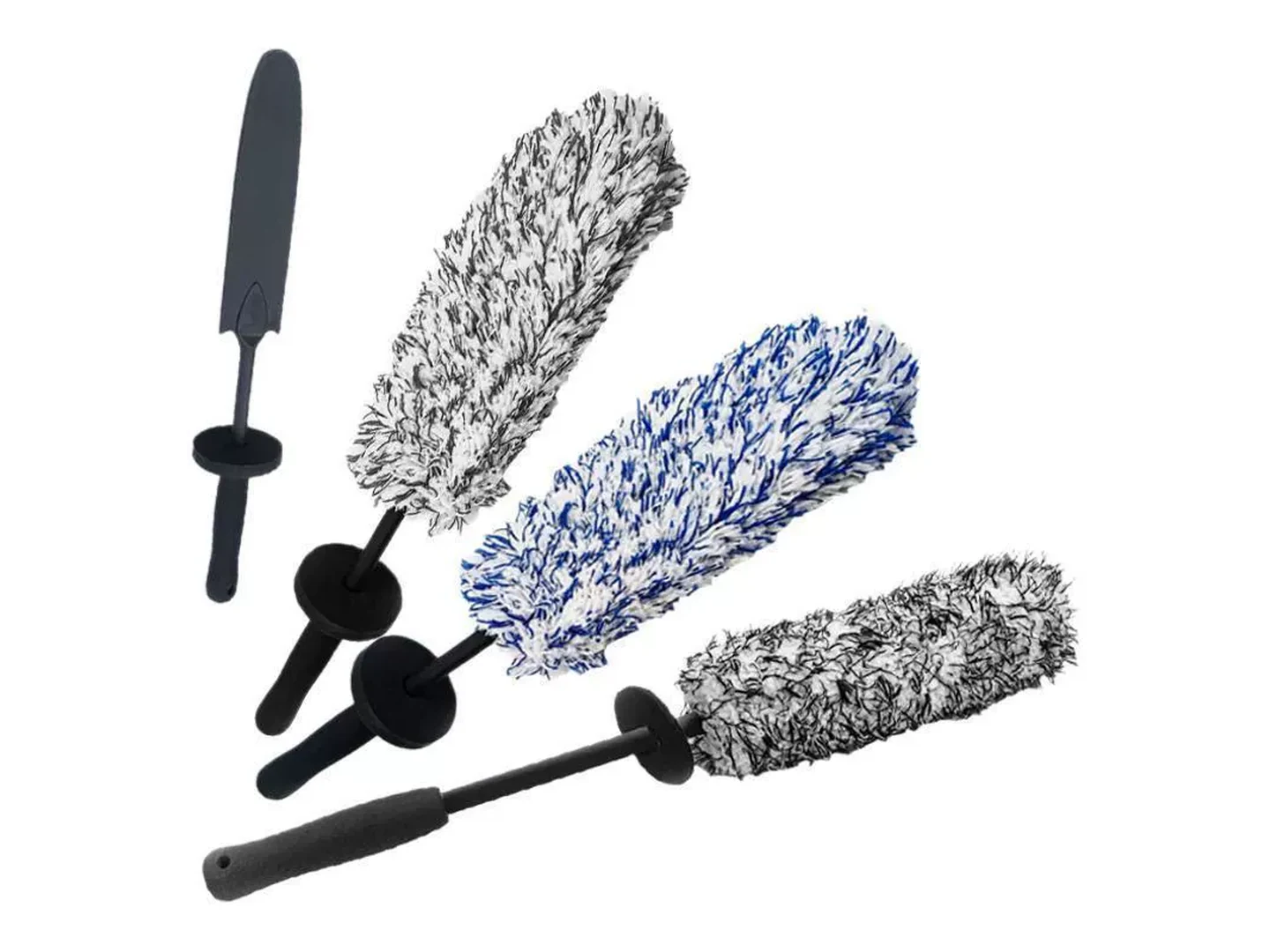
Custom Wheel Brushes
Choose a wheel brush when a rotating narrow face or edge must clean profiles,…
See how this type is built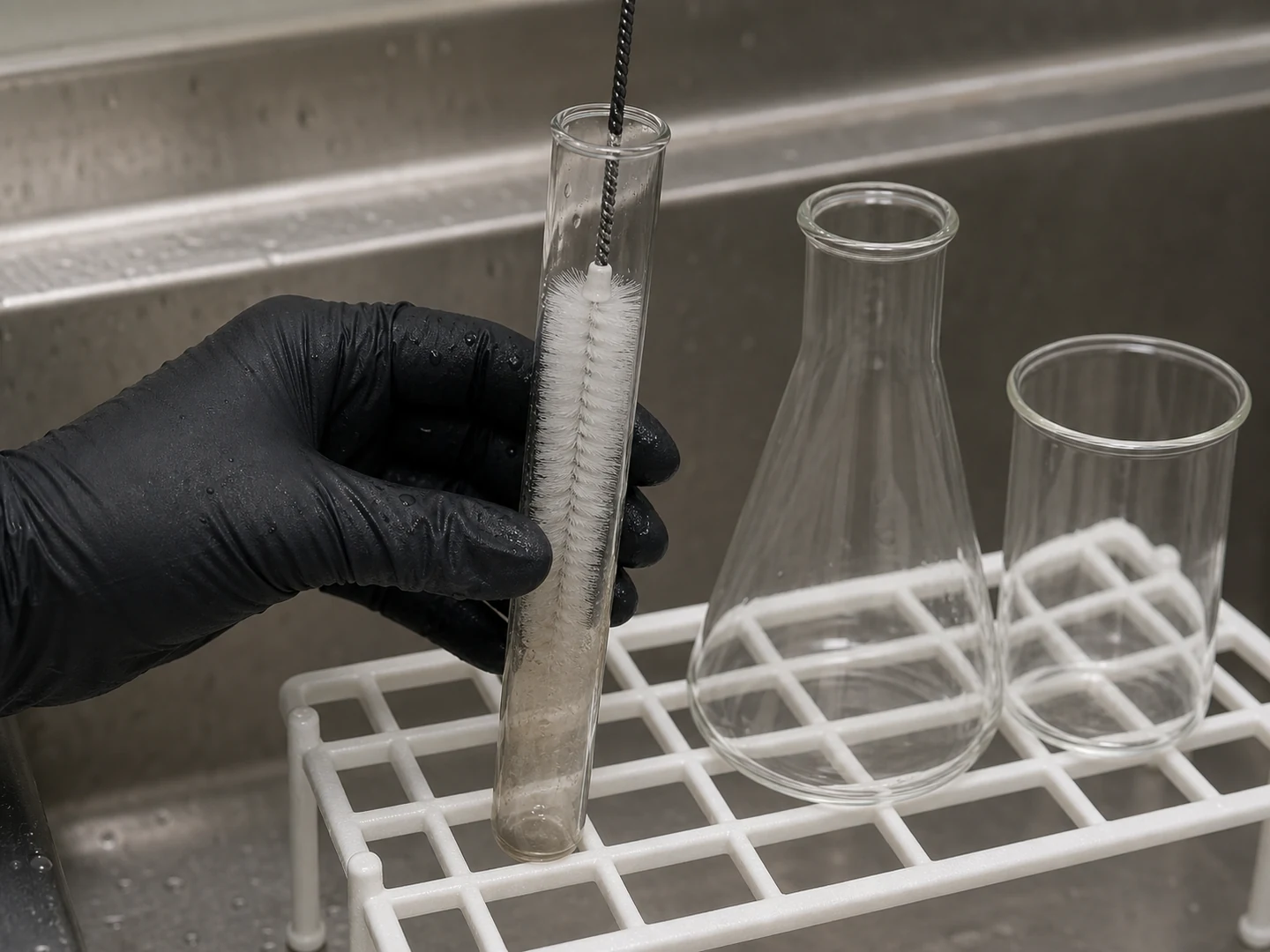
Laboratory Tube Cleaning
For Laboratory Tube Cleaning, the brush must reach the working area, disturb or collect…
See the cleaning job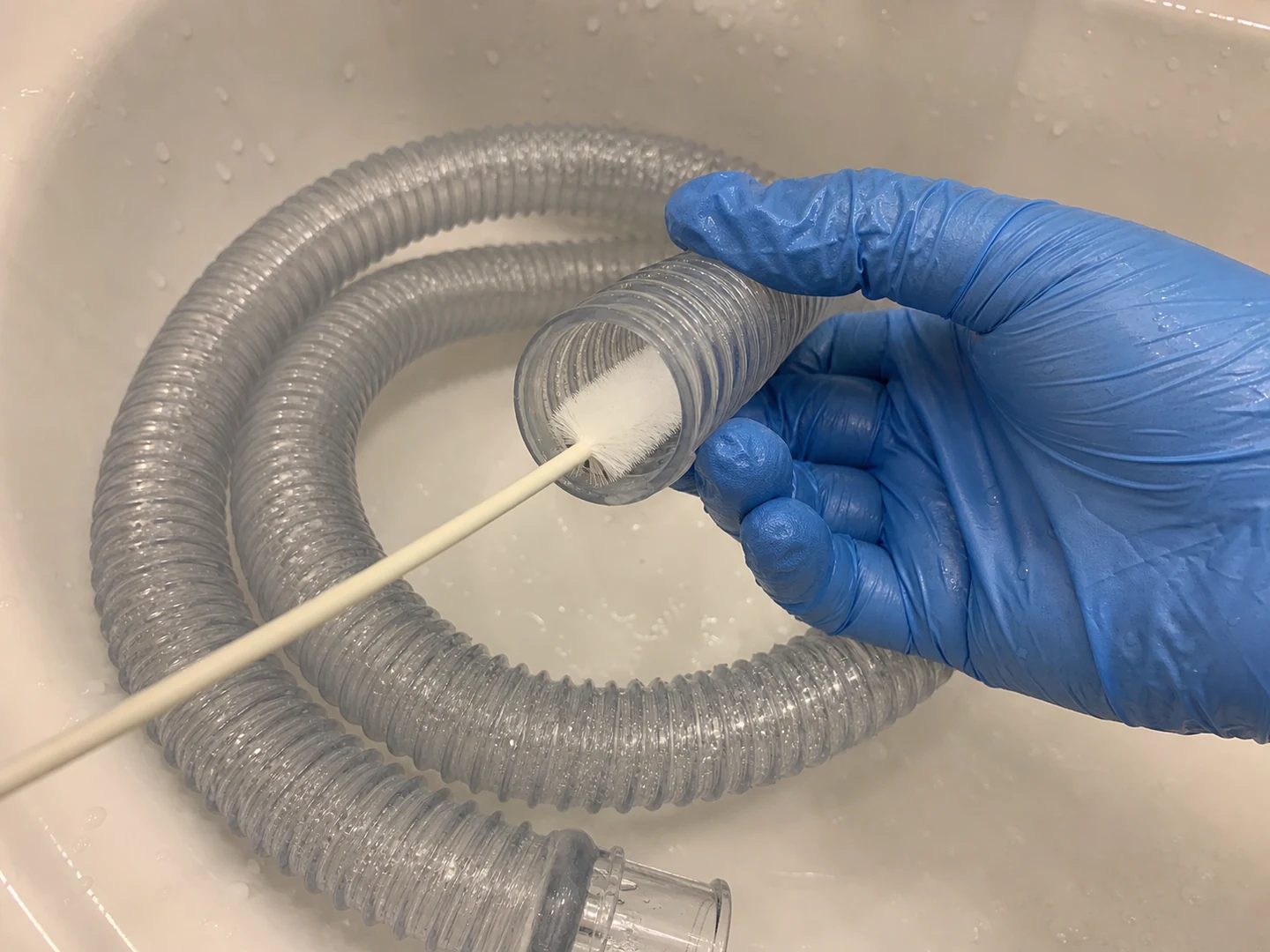
CPAP Hose Cleaning
For CPAP Hose Cleaning, the brush must reach the working area, disturb or collect…
See the cleaning jobCustom Manufacturing RFQ
Discuss This Material
Share the working surface, residue, dimensions, material direction, interface, quantity and drawing or sample photo.
Custom Brush RFQ
Request a Custom Cleaning Brush Quote
Upload a drawing, product photo, or sample photo and provide the core dimensions and cleaning conditions.
“We need a brush to remove wet residue from a stainless steel conveyor, about 800mm wide. The current brush wears quickly. We can send photos.”
“We sell drinkware and need a cleaning brush to include with the product. Quantity around 5,000 pieces.”