
Custom Cleaning Brush
Conveyor Belt Cleaning Brush
Rotary conveyor belt cleaning brush removes carryback, fines, and sticky film from return belts.
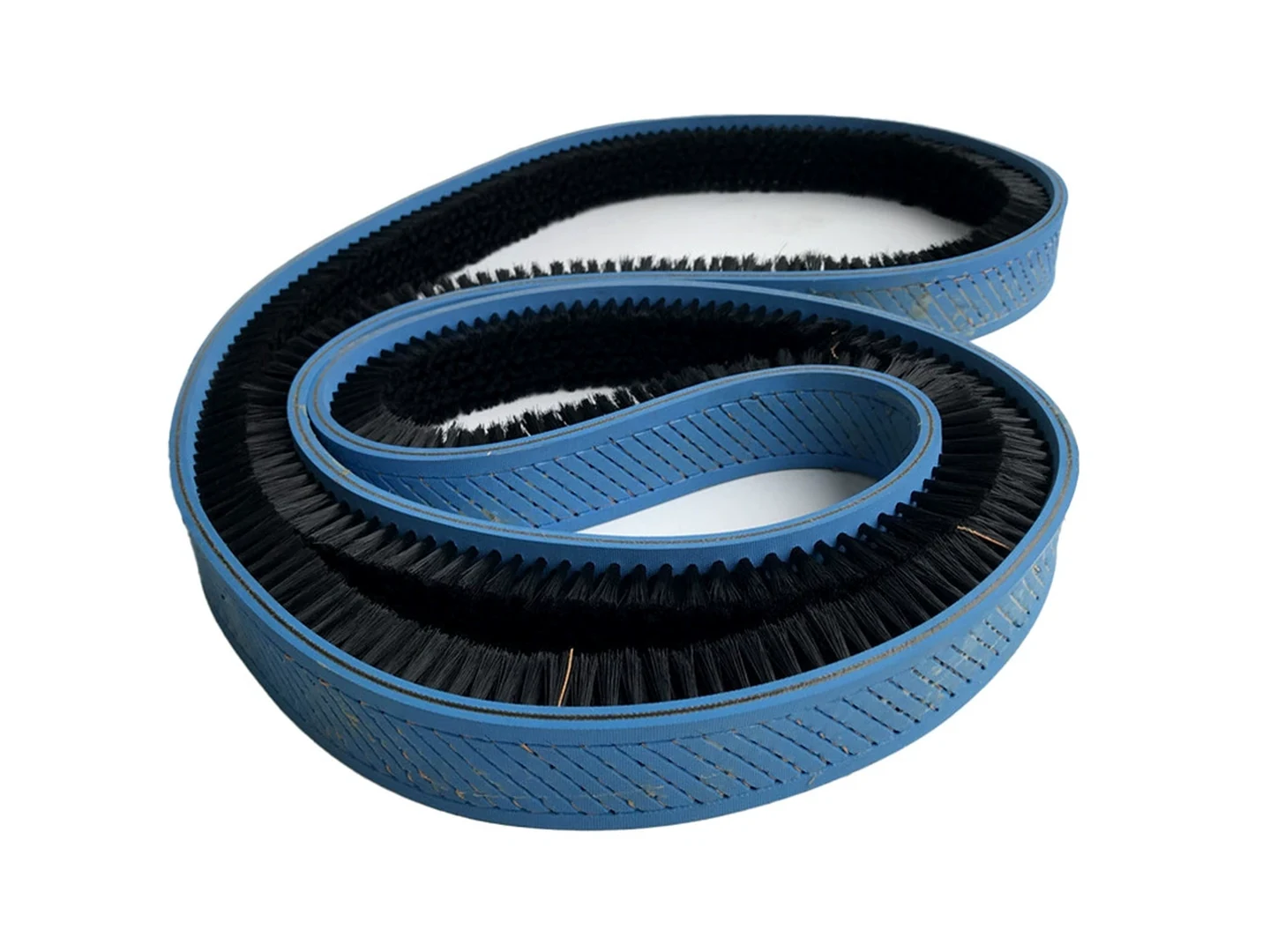
Large-format brush
100 pcs
Minimum order
Built one at a time on a core or channel: full-width rollers, sweeper brooms and long strip.
Production lead time, once the specification is confirmed
- Up to 100 pcsWithin 20 days
- 101–1,000 pcsWithin 30 days
- Over 1,000 pcsConfirmed with your quotation
Peak season can extend these times; the shipping date is confirmed in writing with your quotation. Sampling and shipping are quoted separately.
A rotary-driven conveyor belt cleaning brush built to remove carryback, fines, and sticky film from the return side of moving belts. Offered in polypropylene, nylon, or 316 stainless steel wire fill with working widths from 100 mm to 3,000 mm and through-shaft or flange mounting for new installations and existing cleanup positions.
What can this brush do for you?
Rotary Action Removes Carryback While the Belt Runs
The brush mounts under the return run and rotates against the belt surface, sweeping off powder, crumbs, fibers, and sticky residue as the line moves. Unlike fixed scrapers, the rotating fill continuously presents clean filament to the belt, so material is carried away from the contact point instead of building up in front of a blade.
Full-Width Coverage With Controlled Edge Overlap
Brush working width is set 5 to 15 mm beyond each belt edge. That keeps the belt center, edge strips, and splice area covered in one pass, which is where carryback streaks normally begin and then migrate onto idlers and pulleys.
Three Fill Options for Different Residue and Belt Protection Needs
Polypropylene handles light dry fines with gentle contact. Nylon stands up to oil, grease, and high-wear sticky products. 316 stainless wire is available for hardened or abrasive carryback where more aggressive contact is acceptable. The fill is selected to remove the material without unnecessarily accelerating belt cover wear.
Through-Shaft and Split-Core Mounting Simplifies Retrofit
Brushes can be supplied with a keyed through-bore, stub shaft, or split core that clamps onto an existing shaft. Maintenance teams can install the brush at an existing scraper position or drive point without redesigning the conveyor frame.
Sectioned Brush Lengths for Wide Belts
For wide belts, multiple narrower brush sections mount on one shaft. Each section can be replaced independently, so a worn edge section does not force replacement of the full-width brush.
What is a Conveyor Belt Cleaning Brush?
A conveyor belt cleaning brush is a cylindrical roller brush placed against the return side of the belt, most often just after the head pulley or near the primary scraper. Its job is to remove the fine, damp, or sticky layer that primary blade scrapers leave behind, material that otherwise packs onto return idlers, gets thrown under the conveyor, or works into the belt splice and edge.
The brush can rotate in the same direction as belt travel or against it, depending on whether the goal is gentle polishing or more aggressive release. Rotation is provided by an electric or hydraulic motor, by coupling to the head pulley, or by belt contact on idling installations. Fill material, trim length, engagement depth, and speed are selected together so the brush contacts the belt cover evenly without trapping product or overheating.
This is a secondary cleaning tool, not a primary lump breaker. Large lumps, frozen material, or heavily compacted carryback should be removed by a primary scraper before the belt reaches the brush. The brush then removes the residual layer that would otherwise remain.
Technical Specifications
Each conveyor belt cleaning brush is built around the belt width, available mounting position, residue, and drive arrangement. The table shows the standard configurable range; values outside this range can be reviewed for the project.
| Parameter | Value / Options |
|---|---|
| Working width | 100 to 3,000 mm per brush section; wider belts use multiple sections on a common shaft |
| Brush outer diameter | 60 to 500 mm |
| Core diameter | 25 to 250 mm |
| Shaft diameter | 12 to 100 mm |
| Trim length | 15 to 100 mm |
| Fill material | Polypropylene (PP), Nylon (PA), 316 stainless steel wire |
| Fill pattern | Straight, spiral, or dense spiral row configuration selected for residue and belt surface |
| Core material | Carbon steel, 304 or 316 stainless steel, aluminum, or polymer, selected with the fill and environment |
| Contact engagement | 2 to 10 mm radial engagement into the belt surface |
| Edge overlap | 5 to 15 mm beyond belt edges per side |
| Mounting style | Through-bore keyed shaft, split core, stub shaft, or flange mount |
| Drive method | Motorized, head-pulley coupled, or idle contact rotation |
| Operating temperature | PP to about 80°C, nylon to about 120°C, 316 wire higher; final rating depends on core and bearing materials |
| Wet or washdown service | Stainless shaft and sealed bearings available for wet or washdown positions |
| Brush type | Custom Roller and Conveyor Brushes |
| How it is driven | Machine-driven, mounted in the equipment |
| Cleaning target | mining conveyor, food processing line, and recycling and waste sorting belt cleaning |
| Surface or part | belts, conveyors, edges, sorting belts, transfer points, frames, roller, and glass |
| Residue or debris | fines, dust, powder, flour, crumbs, fiber, film fragments, and glass fines |
| Mounting / connection | Through-bore keyed shaft, split core, stub shaft, or flange mount; Motorized, head-pulley coupled, or idle contact rotation |
Where does this brush work best?
- Aggregate, cement, and mining conveyors where limestone dust, clay, or fine ore packs onto the return side and idlers.
- Food processing lines carrying flour, sugar, grain dust, dough remnants, or crumbs on fabric or polymer belts where daily washdown and reduced buildup are required.
- Recycling and waste sorting belts where labels, film fragments, glass fines, and small paper particles stick or wedge at transfer points.
- Fertilizer, salt, and chemical handling lines with hygroscopic or corrosive powders that cake on the belt cover and need continuous cleaning.
- Wood, biomass, and paper conveyors moving chips, sawdust, bark, and fiber that fall from the belt edges and collect under the line.
How do I choose the right one?
Start with belt width, speed, and clearance
Record the actual belt width, belt speed, and the space available at the cleaning position. The brush working width should equal belt width plus 5 to 15 mm overlap per side. Check clearance between the head pulley, return idlers, frame rails, and any chute work so the brush outer diameter and shaft bearings fit without hitting the structure. Belt speeds above roughly 3 m/s usually require motor drive rather than idle contact to keep the brush rotating consistently.
Select the fill for the residue and the belt cover
PP is a good starting point for light, dry powder and where the belt cover must see minimal contact. Nylon wears longer and handles oily, damp, or sticky carryback with better recovery. 316 stainless wire is reserved for hard, compacted, or abrasive films, but it will increase belt cover wear and must not be used where metal contamination is a concern. Also check whether the belt has mechanical fasteners or a texture that could snag or cut the fill.
| Residue type | Recommended fill | Notes |
|---|---|---|
| Dry fine powder, flour, dust | Polypropylene PP | Gentle contact, minimal belt wear |
| Sticky, oily, food, fertilizer | Nylon PA | Durable, resists wet carryback |
| Hard scale, abrasive carryback | 316 stainless wire | Aggressive; verify belt face and contamination limits |
Set engagement from the residue film, not from habit
A radial engagement of 2 to 10 mm into the belt face is the standard working window. Start at the low end and increase only until the belt comes back clean. Excessive engagement raises motor current, bends filament, and accelerates belt cover wear without improving cleaning. Shallow engagement leaves a visible film, especially in the center or near the edges.
Choose the rotation and drive arrangement
Counter-rotation against belt travel gives the most aggressive sweeping action for sticky or damp material. Same-direction rotation polishes the belt face with less disturbance, which helps when dust containment is critical. Motorized drives with adjustable speed control are preferred where residue conditions change; head-pulley coupling works well where the brush position is fixed and belt speed is stable.
Confirm shaft, core, and environment details
For wet, washdown, or corrosive locations, use a stainless shaft and sealed bearing housings. For food lines, confirm that the fill, core, and adjacent components meet the sanitation requirements of the process. For high-temperature belt surfaces, verify the fill and core material limits together; the brush should be derated to the lowest-rated component in the assembly.
When a brush is not the right choice
Use a primary scraper blade for large lumps or frozen material; the brush cleans what the scraper leaves. Use an air knife or vacuum system if the product is so light and dusty that mechanical contact creates more airborne material than it removes. Use a segmented or non-contact cleaner if the belt surface has deep profiles or protruding fasteners that would snag the fill. The brush is strongest as a second-stage cleaner on accessible, reasonably flat return runs.
Can I customize this brush?
We begin with the project’s belt and residue data, then set the brush around five choices: dimensions, fill, core and shaft, drive interface, and mounting.
- Working width and sectioning, from 100 mm to 3,000 mm per section with multi-section assemblies across wide belts.
- Roller outer diameter, core inner or outer diameter, trim length, and shaft diameter or length, all set from the belt and available mounting space.
- Fill material and pattern: PP, PA, 316 stainless wire; straight, spiral, dense spiral, or combination rows; filament diameter and trim angle.
- Core and shaft materials: carbon steel, stainless steel, aluminum, or polymer core; keyed through-bore, split core, or stub shaft ends.
- Drive interface: plain shaft for customer coupling, sprocket, pulley, or direct gearmotor mount.
- Bearing and mounting: pillow block positions, flange plates, take-up frames, or retrofit brackets matched to existing conveyor structure.
- Color, marking, and packaging: project color coding, laser marking, plain identification, and bulk or individually wrapped shipment.
To define a configuration, send the belt width and speed, residue or product description, washdown or temperature conditions, available mounting space, and shaft or bearing dimensions if replacing an existing brush. Photos of the current installation and a sketch of the mounting position help us confirm fit faster. We can also support project-specific material declarations, incoming inspection, and third-party test requirements during the project.
Which filament survives the cleaning and still lasts on a conveyor belt cleaning brush?
How is this different from a primary belt scraper?
A primary scraper removes the bulk layer of carryback at the head pulley. The conveyor belt cleaning brush is a secondary cleaner that removes the fine, damp, or sticky film the scraper leaves behind. Most effective installations use the two together: scraper first for the heavy layer, brush after to prevent that fine layer from building up on return idlers.
How do I know the engagement depth is correct?
Check the belt after a few minutes of run time. If the brush leaves a visible film in the center or near the edges, increase engagement or verify the brush is not worn. If motor current is higher than expected, the fill is bent hard in one direction, or the belt cover shows accelerated wear, reduce engagement. Even filament wear across the full width usually indicates a correctly set installation.
Will stainless steel wire damage the belt cover?
It can, particularly on thin or low-durometer covers, so wire fill should only be selected when the carryback is hard or abrasive and the belt cover is rated for more aggressive cleaning. Keep engagement at the shallow end of the 2 to 10 mm range and inspect the belt surface during commissioning. If metal contamination cannot be accepted in the process, choose nylon or PP instead.
When should the brush fill be replaced?
Replace the brush when the trim length has worn down to the minimum recommended length, when the outer diameter no longer maintains consistent contact, or when wear creates visible streaks on the belt. Inspect during scheduled line stops: broken wire, flattened nylon rows, and permanent filament deflection are all replacement signals.
Can this brush run in wet or washdown conditions?
Yes, when the shaft, core, bearings, and seals are specified for the environment. State the cleaning chemical, water temperature, and pressure during configuration so the shaft and bearing materials are selected accordingly. The fill material must also be compatible with the detergent or sanitizer used on the line.
Can I install this brush on an existing conveyor without a major rebuild?
In most cases, yes. The brush can be supplied as a through-bore or split-core unit that mounts on an existing shaft at the scraper or return-run location, or on a new simple bracket with pillow blocks. Confirm the available space, belt width, and return-side clearance before ordering; if no drive point is available, an idler-contact arrangement or a small motor can be added.
Guides that go deeper on this
Conveyor Belt Brush Mistakes in Belt Edge Contamination
Read this guideGuideConveyor Belt Brush vs Standard: Belt Edge Contamination
Read this guideGuideConveyor Belt Cleaning Brush Selection Guide
Read this guideGuideConveyor Belt Cleaning Brush: Material and Size for Dry Dust
Read this guideGuideConveyor Belt Cleaning Brush: Specs for Continuous Lines
Read this guideGuideConveyor Belt Cleaning Brush: What Lifts Wet Carryback?
Read this guideGuideFood Conveyor Belt Brush Mistakes in Wet Carryback
Read this guideGuideFood Conveyor Belt Brush: Material and Size for Belt Edges
Read this guideGuideFood Conveyor Belt Brush: Specs for Dry Dust
Read this guideGuideFood Conveyor Belt Brush: What Handles Wet Carryback?
Read this guideGuideFood Conveyor Belt Brush: What Sweeps Dry Dust?
Read this guideGuideFood Conveyor Brush vs Standard: Belt Edge Contamination
Read this guide25 guides are indexed against this one. The rest are in the technical resources library.
RELATED BRUSH RESOURCES
Recommended Reading & Related Brush Resources
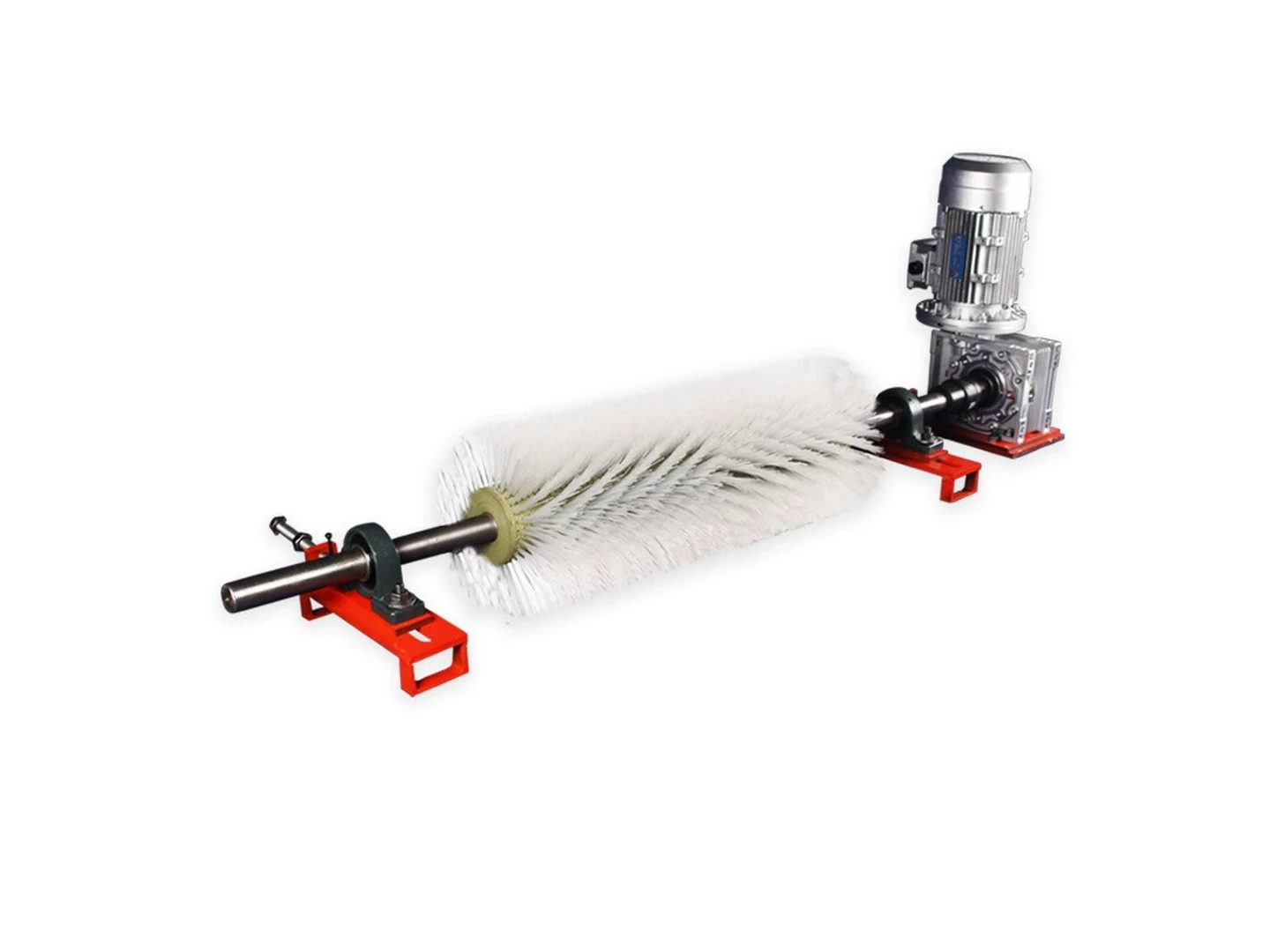
Custom Roller and Conveyor Brushes
Choose a roller or conveyor brush when a cylindrical brush must clean, wipe, guide,…
See how this type is built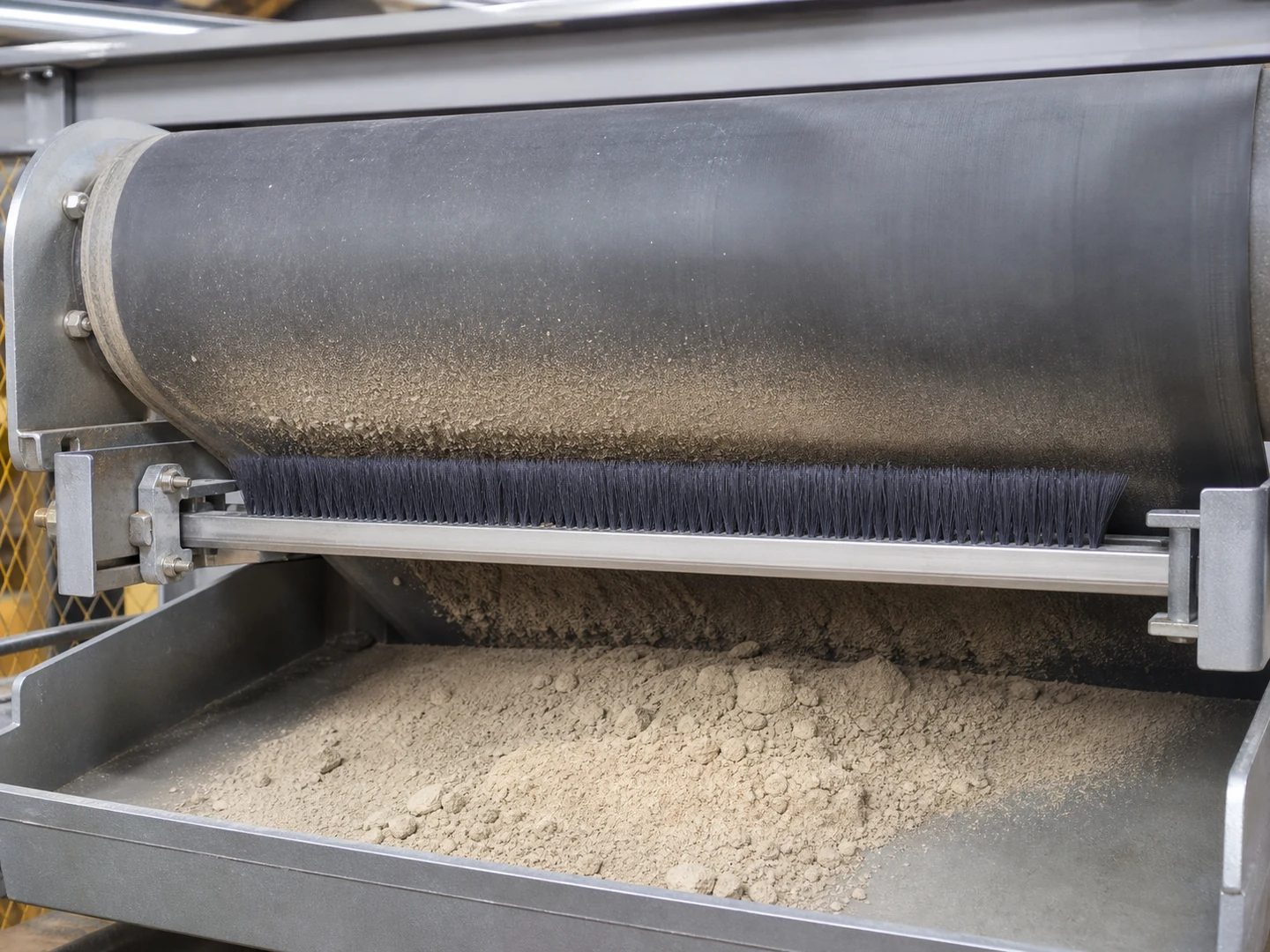
Conveyor Belt Cleaning
For Conveyor Belt Cleaning, the brush must reach the working area, disturb or collect…
See the cleaning job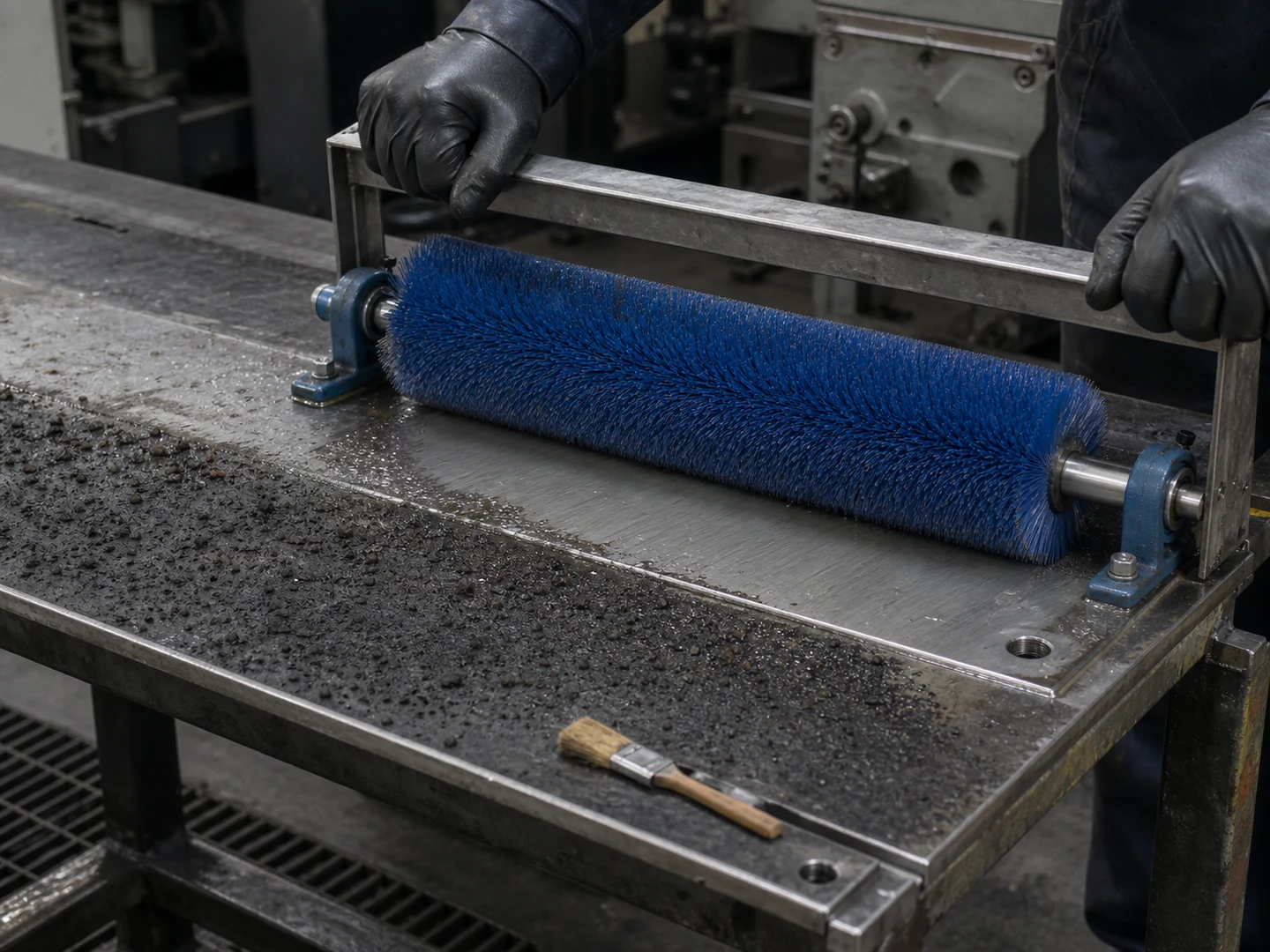
Industrial Machine Cleaning
For Industrial Machine Cleaning, the brush must reach the working area, disturb or collect…
See the cleaning job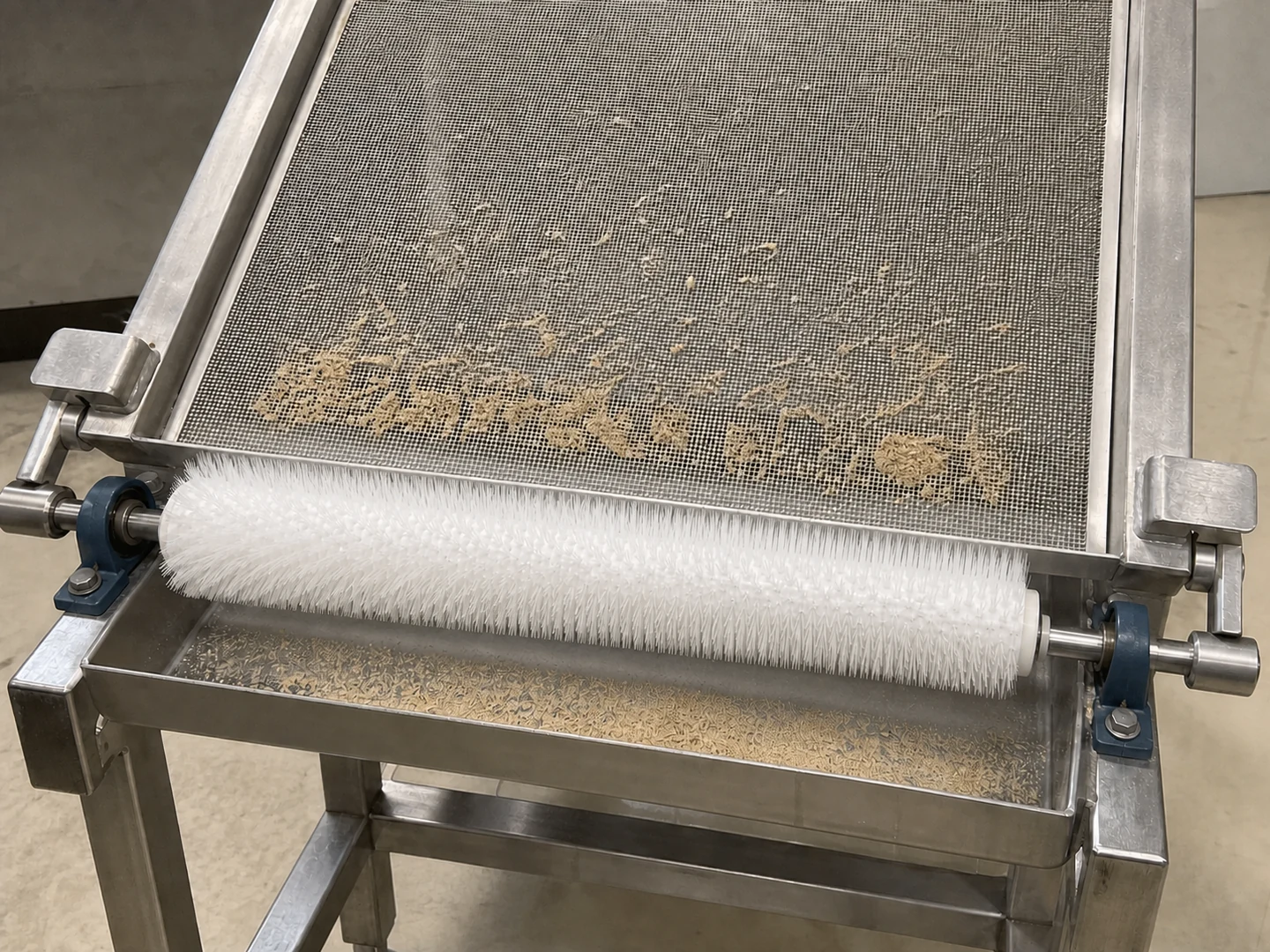
Screen & Sieve Cleaning
For Screen & Sieve Cleaning, the brush must reach the working area, disturb or…
See the cleaning job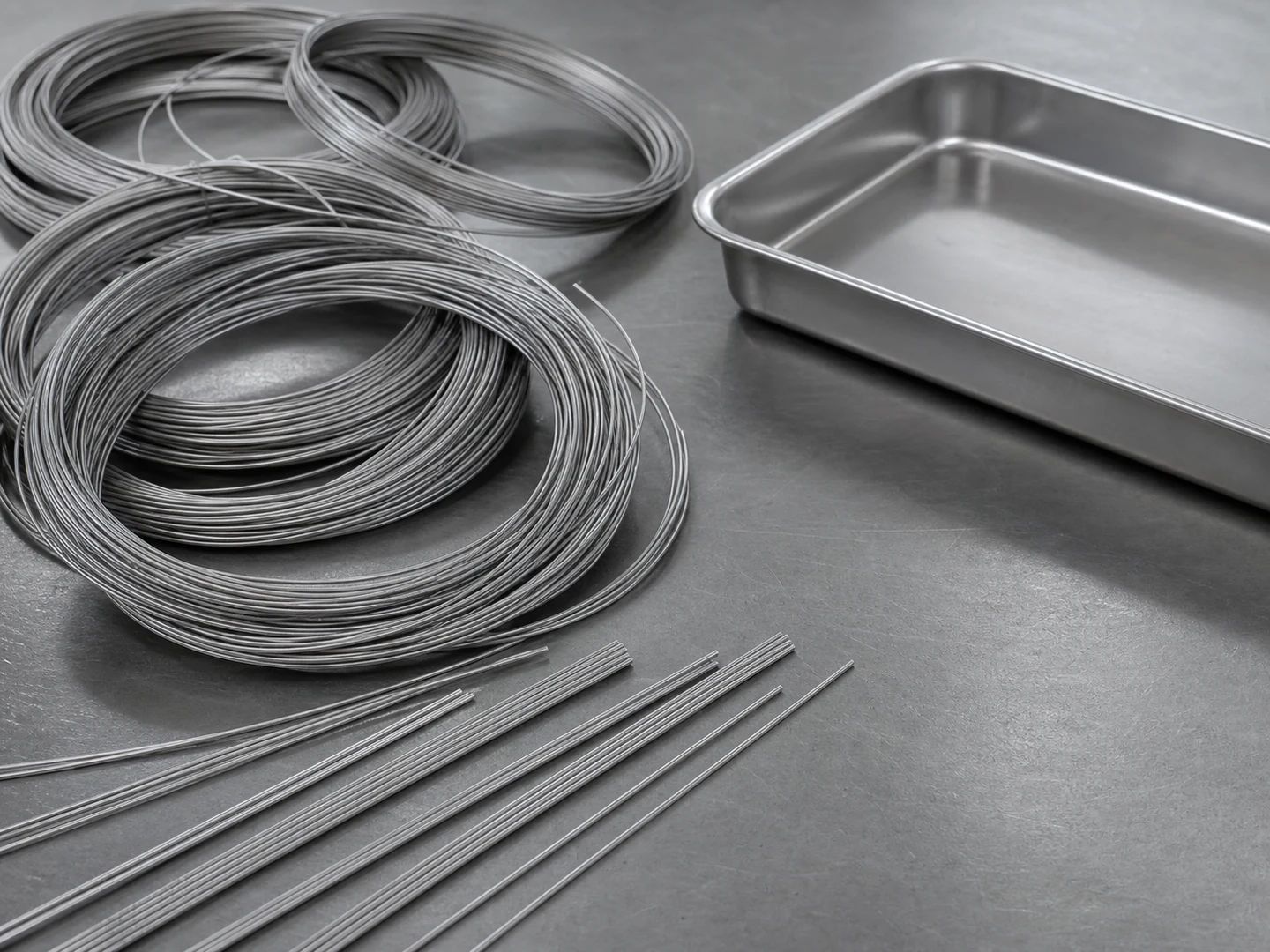
AISI 316 Stainless Steel Wire
Choose AISI 316 Stainless Steel Wire based on its stiffness, recovery, wear, wet-service, chemical,…
Compare this material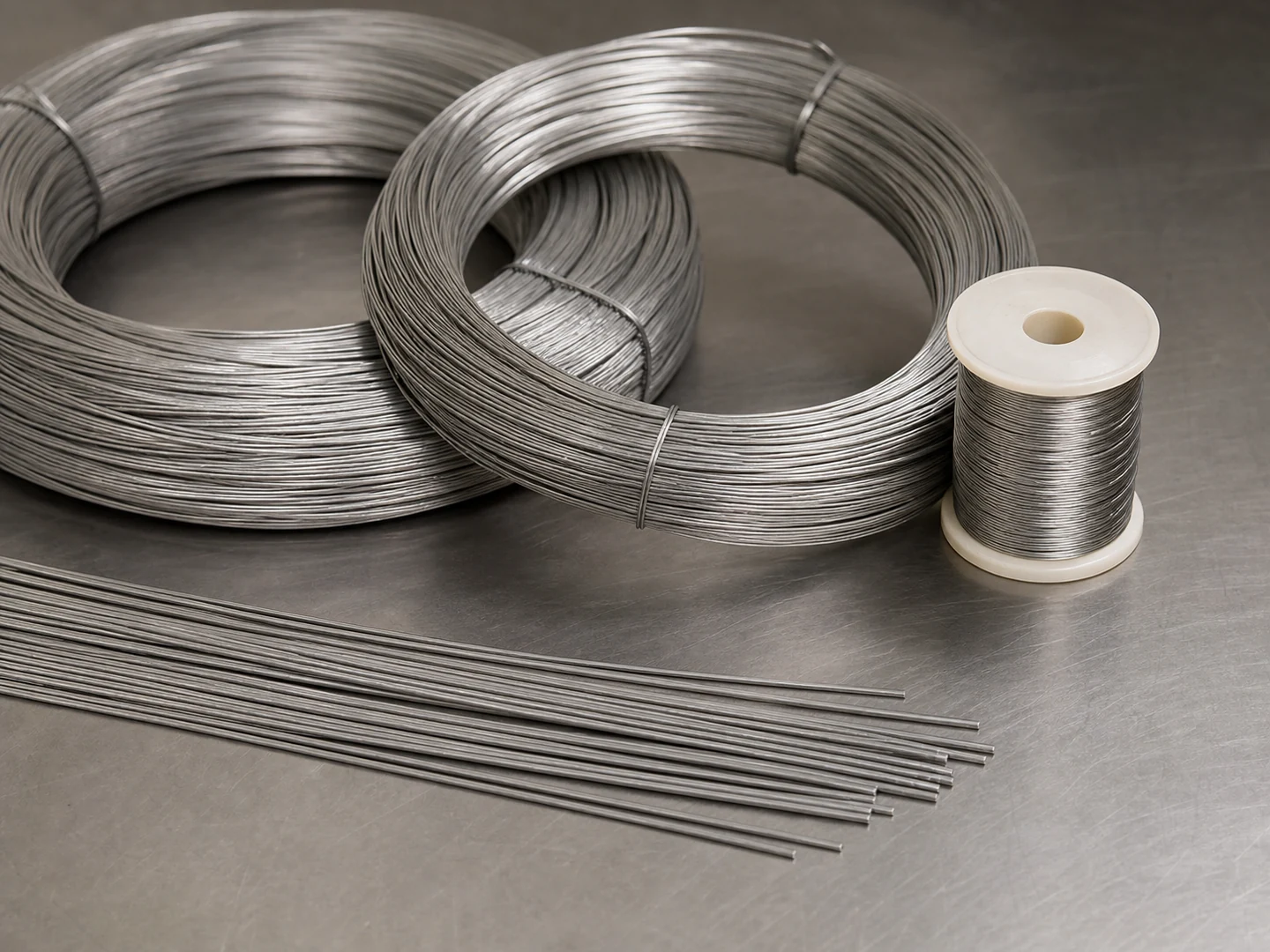
AISI 304 Stainless Steel Wire
Choose AISI 304 Stainless Steel Wire based on its stiffness, recovery, wear, wet-service, chemical,…
Compare this material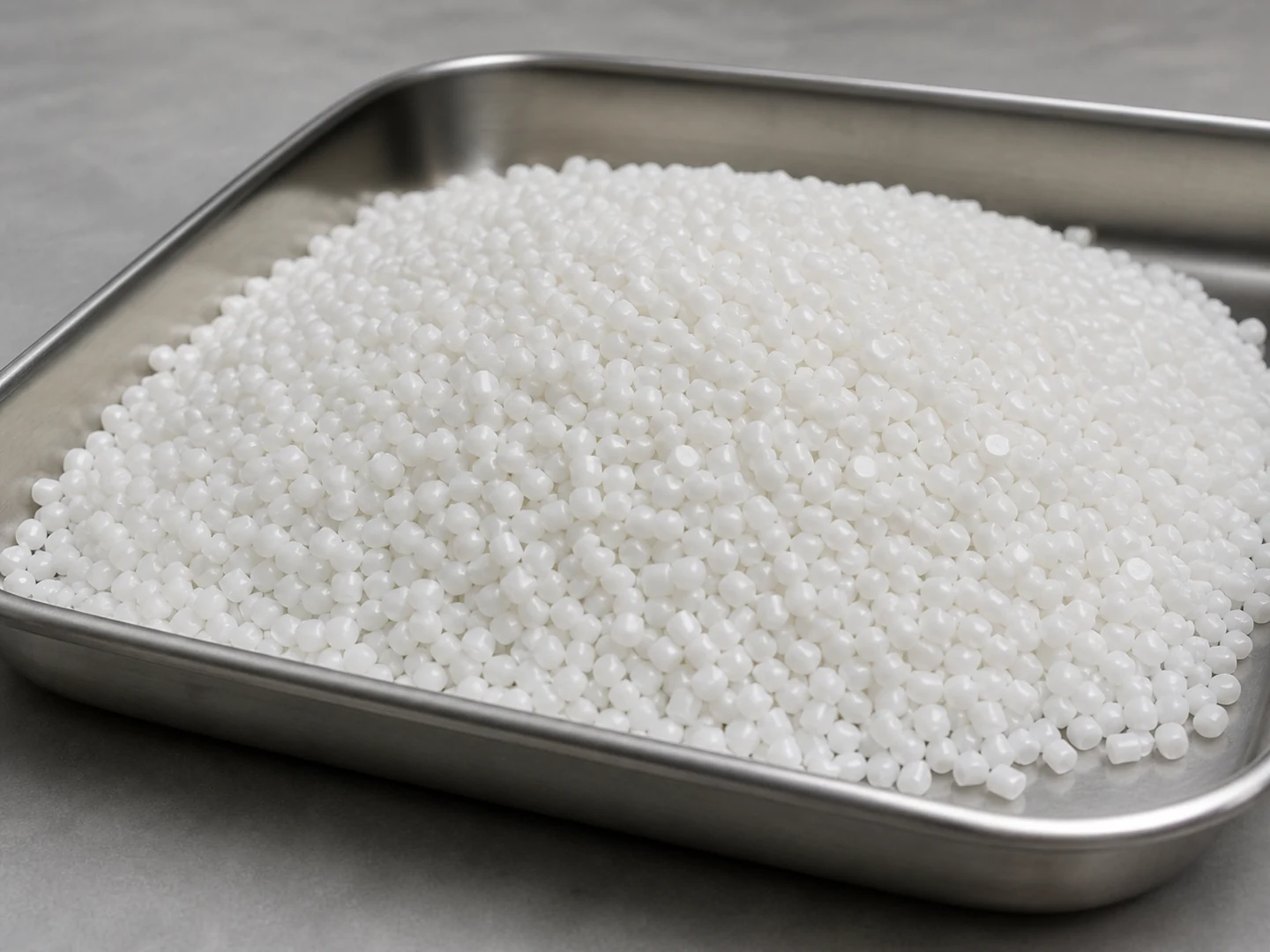
Polypropylene PP
Choose Polypropylene PP based on its stiffness, recovery, wear, wet-service, chemical, and temperature behavior.…
Compare this material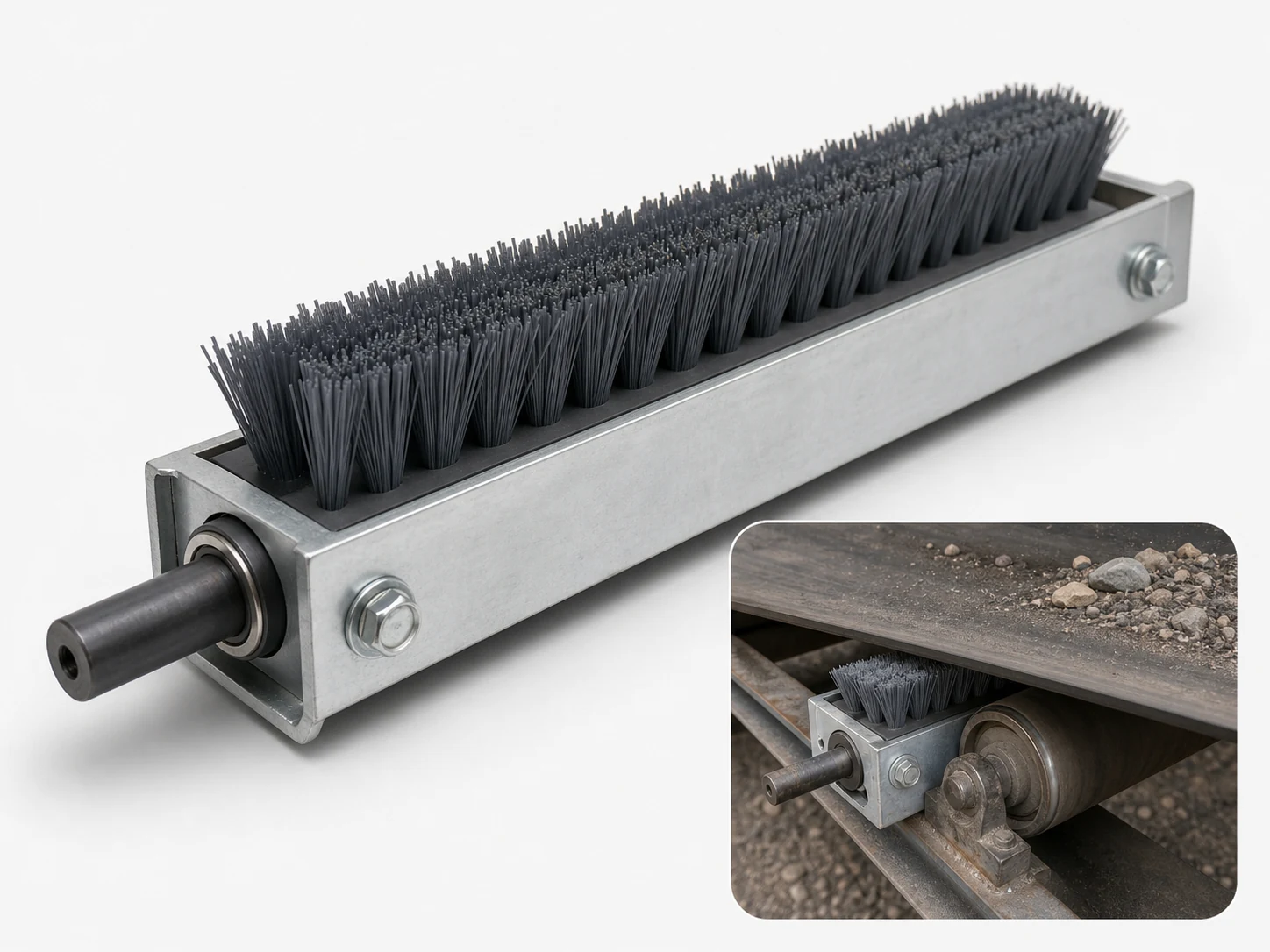
Mining Conveyor Belt Brush
Custom heavy-duty conveyor belt brush for mining. Removes sticky carryback, dust, and fines from…
Compare the specificationCustom Manufacturing RFQ
Describe Your Application
For an accurate quotation, please provide the main dimensions, material preference, working surface, residue, quantity, and a drawing or photo.
Drawing or photo optional — it speeds things up, it does not gate the enquiry.
Custom Brush RFQ
Send Your Brush Project
Upload a drawing, product photo, or sample photo and provide the core dimensions and cleaning conditions.
“We need a brush to remove wet residue from a stainless steel conveyor, about 800mm wide. The current brush wears quickly. We can send photos.”
“We sell drinkware and need a cleaning brush to include with the product. Quantity around 5,000 pieces.”