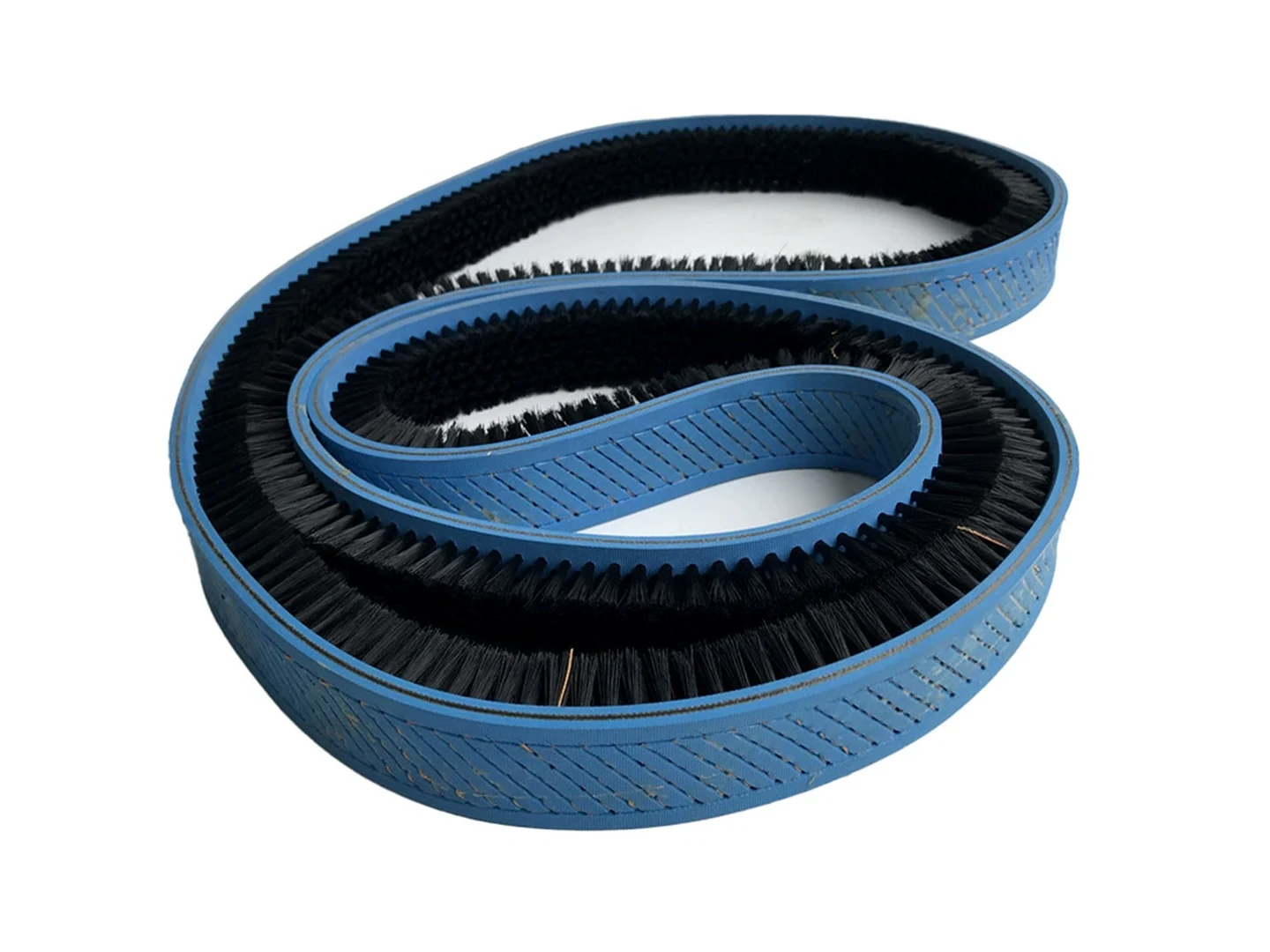
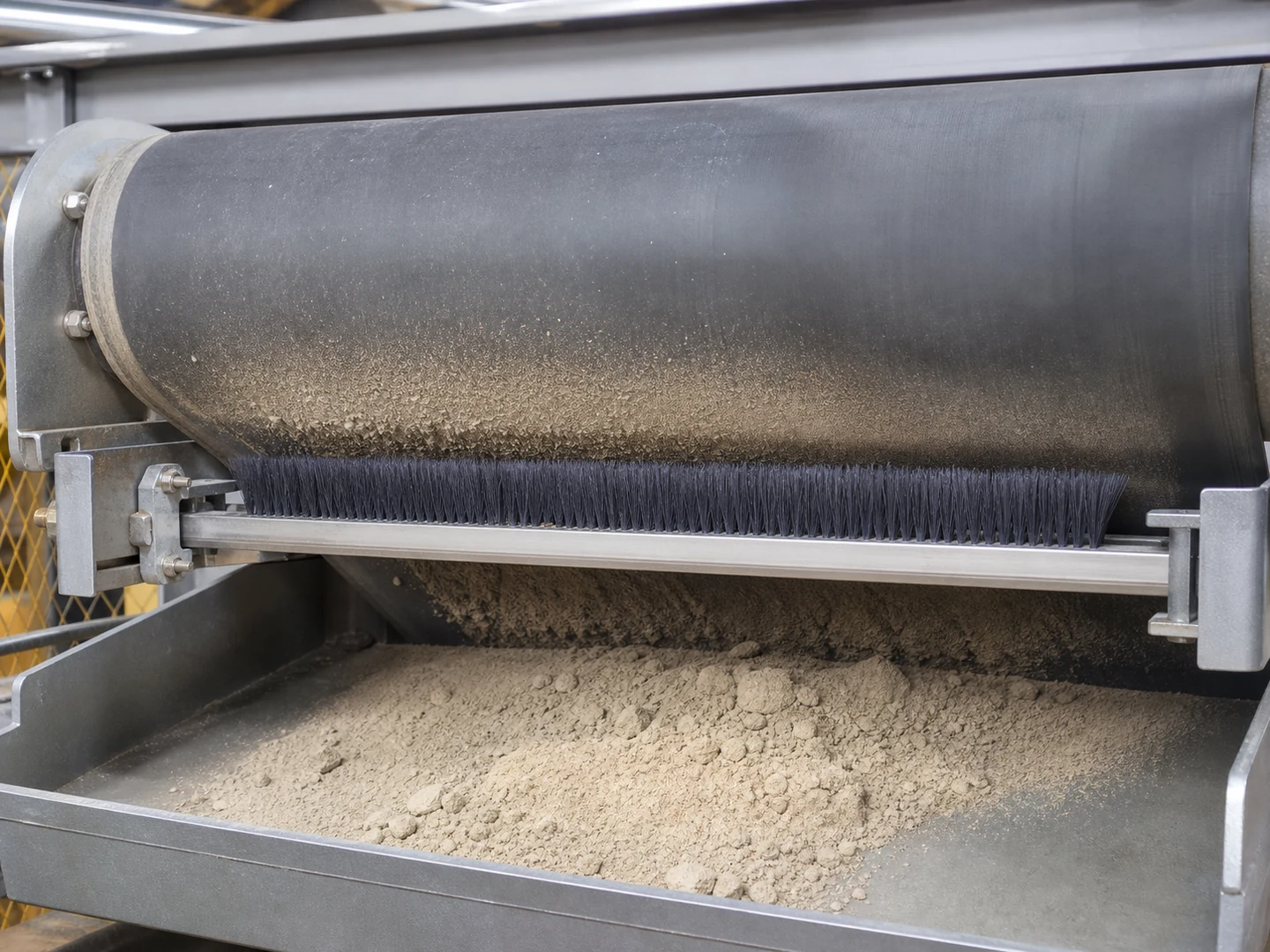
What Is a Conveyor Belt Cleaning Brush?
Common Types of Conveyor Belt Cleaning Brushes
- Strip Brushes: Mounted in a linear holder across the belt width; often used in secondary cleaning stations. Easy to replace in sections.
- Roller Brushes: Cylindrical brushes that rotate against the belt, powered by a motor or by belt contact. Offer uniform pressure and higher scrubbing action.
- Spiral Brushes: Bristles wound in a spiral pattern on a core; self-cleaning and reduce material build-up on the brush itself.
- Static / Tensioned Brushes: Simple brush strips held under tension against the belt; low cost but require manual adjustment.
Key Selection Factors Comparison Table
| Factor | Options / Considerations | Best For | Limitations |
|---|---|---|---|
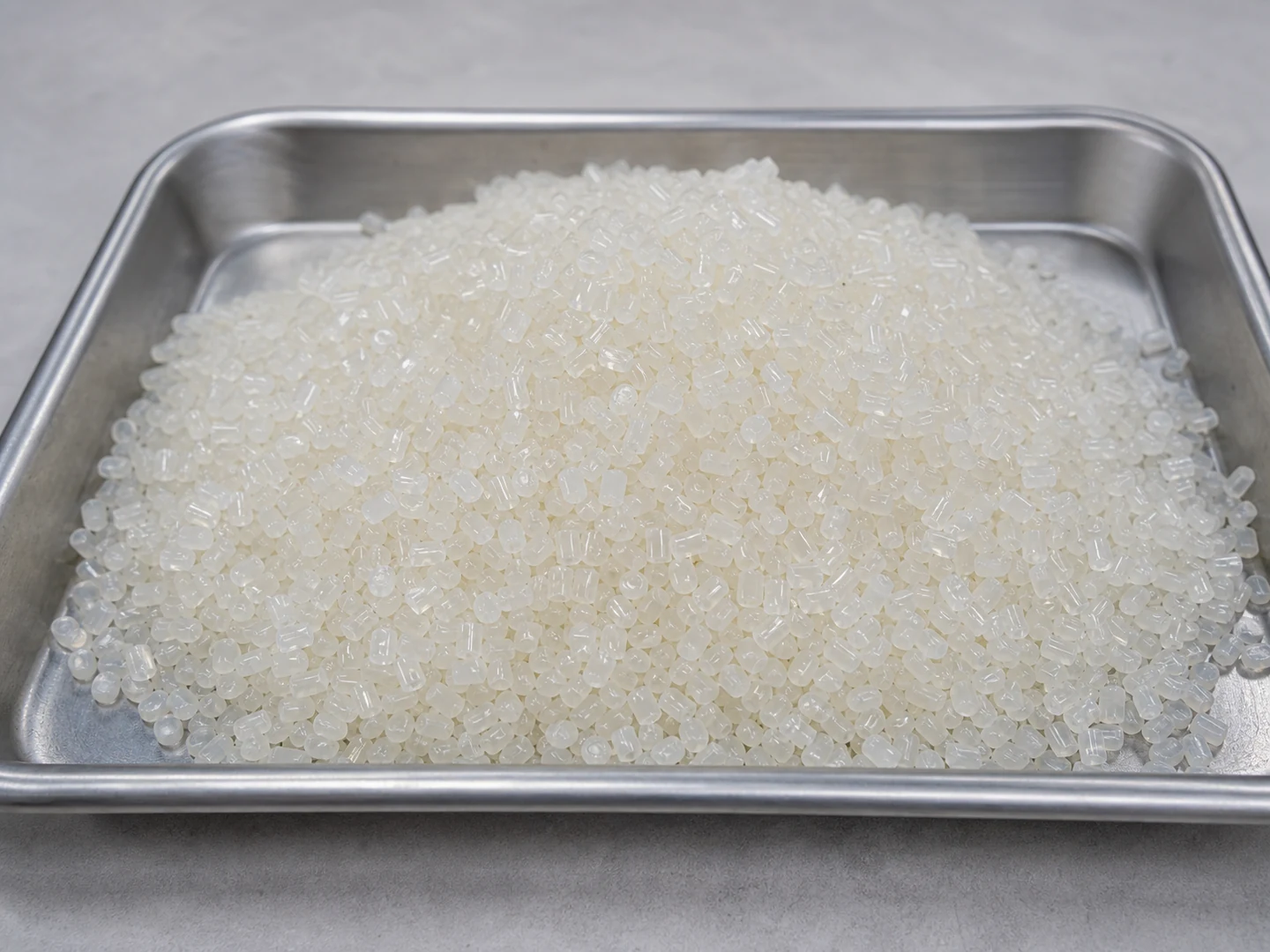
| Bristle Material | Nylon (general purpose), Polypropylene (chemical-resistant), Polyester (abrasion-resistant), Horsehair (delicate surfaces), Stainless Steel (high-temp, abrasive), Abrasive-filled Nylon (aggressive cleaning) | Nylon/polypropylene for wet, sticky residues; stainless steel for extreme abrasion/heat | Natural fibers swell in moisture; stainless steel may damage soft belts |
| Bristle Diameter | Fine (0.10–0.30 mm), Medium (0.30–0.60 mm), Coarse (0.60–1.00+ mm) | Fine: light cleaning, delicate belts; Coarse: heavy carryback, aggressive removal | Too fine may not clean; too coarse may cause belt wear |
| Bristle Stiffness / Fill Density | Soft, Medium, Firm (density and trim length influence stiffness) | Soft: flexible belts, food-grade; Firm: heavy-duty mining, tough residues | Excessive stiffness increases belt friction and power draw |
| Core / Mounting | Aluminum, steel, plastic profile, quick-release brackets, adjustable tensioners | Steel for heavy duty; aluminum for food/lightweight; quick-release for fast changeouts | Material must match environment (corrosion resistance) |
| Brush Diameter / Length | Standard diameters: 4″ to 14″; length to match belt width | Larger diameter for higher belt speeds; length must cover full belt width plus edge allowance | Space constraints in existing conveyors; custom sizes often required |
How to Choose Based on Your Operating Conditions
Residue Type: Identify the main material carryback—sticky clay, wet sand, corrosive chemicals, or fibrous pulp. Sticky or hygroscopic materials often need a brush with good release properties, such as polypropylene or a spiral design that self-cleans.
For the safety point in this section, the relevant OSHA reference is OSHA — Machine Guarding.
For the safety point in this section, the relevant OSHA reference is OSHA — Control of Hazardous Energy.
For the safety point in this section, the relevant OSHA reference is OSHA — Combustible Dust.
For the environmental or chemical-safety point in this section, the supporting reference is EPA — Particulate Matter Basics.
For material-selection language, this section is supported by British Plastics Federation — Thermoplastics.
Surface Sensitivity: Belt covers (rubber, PVC, PU, metal mesh) dictate bristle aggressiveness. A firm nylon brush suitable for a thick rubber belt may gouge a thin PVC or food-grade belt. Always check belt manufacturer compatibility.
Equipment Interface: Determine how the brush will be mounted—on the head pulley shaft, on a separate frame, or using the conveyor stringer. Consider whether you need motorized rotation (for slow belts or heavy carryback) or belt-driven (for simplicity). The mounting system should allow quick adjustment and replacement.
Wet or Chemical Exposure: In wet environments, bristles and cores must resist swelling, degradation, and corrosion. Polypropylene and stainless steel hardware perform well with many acids and alkalis. For high-pressure washdown, choose sealed bearings and a robust core material.
Hygiene Expectations: Food processing applications demand bristles that comply with FDA/EU food contact regulations. Solid-core nylon brushes without metal wires, easy-to-clean designs, and washdown-ready construction are typical. Avoid natural fibers and metal bristles that could harbor bacteria.
Maintenance Frequency: Select a brush that can be easily adjusted or replaced without extensive downtime. Clip-on strip brushes or quick-release roller systems reduce labor. Consider the expected wear life: abrasive environments may require more frequent changes.
Custom Size Requirements: Most conveyor belt cleaning brushes are semi-custom. Provide exact belt width, available clearance around the pulley, shaft dimensions, and any limitations. Specifying the exact compound and profile of the bristle ensures a fit-for-purpose solution.
Common Mistakes When Selecting a Conveyor Belt Cleaning Brush
- Choosing bristle material based on cost drivers alone: A low-cost brush that quickly wears out or damages the belt costs more in the long run through downtime and replacement belts.
- Ignoring chemical compatibility: Using nylon in a strong acidic environment may lead to rapid brittle failure. Always verify the chemical resistance chart.
- Mounting brushes without adjustability: Fixed brushes that cannot be tensioned as bristles wear will lose contact pressure and become ineffective.
- Applying the same brush to all conveyors: A single brush type cannot handle dry powder, wet sludge, and abrasive ore equally well. Match each application.
- Overlooking belt wear patterns: Continuous scrubbing with a hard, dense brush can accelerate wear on belt top covers, especially at splices and edges. Monitor belt condition during break-in.
When a Conveyor Belt Cleaning Brush Is Not Enough
While brushes excel at fine particle removal, they are rarely a standalone solution for all carryback scenarios. Consider additional or alternative measures when:
- Residue is heavily compacted or frozen—a pre-cleaner scraper may be required to break the bulk before the brush.
- The belt surface is deeply scored or damaged—a brush cannot effectively clean irregularities and may tear.
- Extreme hygiene standards (e.g., pharmaceutical, UHT dairy) mandate clean-in-place (CIP) or sterilize-in-place (SIP) systems beyond simple brushes.
- Very high belt speeds (> 600 fpm) may need larger diameter or motorized brushes to avoid “jumping” and incomplete cleaning.
- Residue is highly abrasive (e.g., iron ore, quartz) and would destroy synthetic bristles within days—tungsten carbide scraper blades or ceramic elements might be more economical.
When in doubt, request a sample brush test from your supplier or provide a detailed drawing and residue sample for a technical review. Custom brush rolls designed for exact belt profiles and material characteristics often yield the best results.
Final Takeaway
Selecting a conveyor belt cleaning brush for wet material carryback is a balancing act between cleaning effectiveness and belt protection. Start by analyzing the residue properties, then match bristle material, stiffness, diameter, and mounting to the operating conditions. Avoid one-size-fits-all thinking, and always plan for maintenance access and chemical exposure. A carefully chosen brush will reduce cleanup costs, extend belt life, and keep your conveyor line safer and more productive.
Practical Use Note
In daily use, the practical test is simple: check whether the brush reaches the full contact area, removes the target residue, and leaves the surface in the required condition. Record what changes when screen opening, belt or surface material, carryback, uptime risk, and whether the brush can clean without process damage changes, because many brush failures are caused by the working condition shifting rather than by the brush body alone.
Frequently Asked Questions
What bristle material works best for wet, sticky clay carryback?
Polypropylene or nylon with a medium-to-firm fill density usually works well. Polypropylene offers better moisture resistance and release than nylon in constantly wet conditions.
Can a brush replace a primary belt scraper?
No. Brushes are secondary cleaners best suited for fine or smeary residues left after the primary scraper removes the bulk. They complement each other for maximum carryback control.
How do I determine the correct brush diameter?
Diameter depends on belt speed, available space around the head pulley, and required contact arc. For most bulk handling, a 6–10 inch diameter roller brush provides good scrubbing length without excessive bulk.
Are stainless steel bristles safe for food-grade belts?
Only if the application allows metal contact and the stainless material is certified food-grade. However, most food conveyors use nylon or polyester brushes to avoid metal contamination risk.
How often should I replace a conveyor belt cleaning brush?
Monitor bristle length visually; replace when wear reduces cleaning efficiency or when bristles become permanently bent. In abrasive settings, this could be every few months; in light-duty, once a year or longer.
Does bristle stiffness really affect belt wear?
Absolutely. An overly stiff brush increases friction and can rapidly wear the belt cover, especially at splices. Conversely, a brush that is too soft may just polish the carryback without removing it.
What if my belt runs with a crowned pulley?
Crowned pulleys can make uniform brush contact difficult. A segmented or flexible strip brush with independent sections often conforms better than a rigid roller. Consult the brush manufacturer for a crown-compatible design.
Is a motorized brush necessary?
Not always. Many roller brushes are belt-driven (friction from belt movement). Motorized brushes are preferred when belt speed is very low (< 50 fpm), carryback is extremely sticky, or consistent speed independent of belt is needed.