
Brush Type
Custom Handheld Detail Brushes
Handheld / Stem / Swab Brush
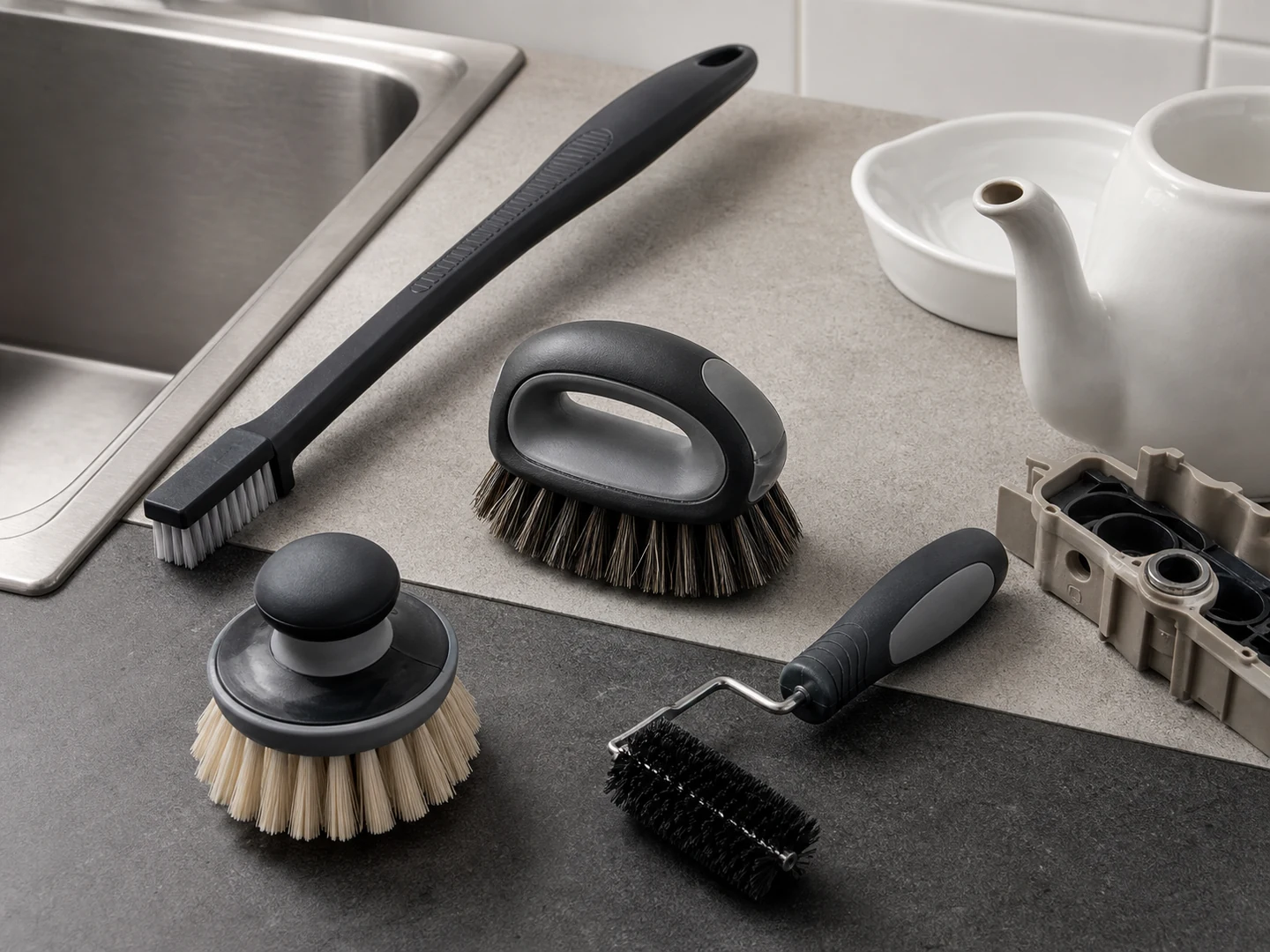
Choose a handheld detail brush when you need direct control in seams, recesses, fittings, vents, small components, or other areas that a wide brush cannot reach.
At a glance
- How it is driven
- Hand-guided · Machine-driven
- How it mounts
- Molded handle, wood or polymer block, ferrule, loop end, flexible stem or replaceable head.
When should you choose this brush type?
Choose a handheld detail brush when you need direct control over an exposed small surface, narrow corner, gasket, joint, vent, or local feature. Choose a Tube & Pipe Bore Brush when the main contact surface is inside a defined passage, and choose a Bottle & Container Brush when the brush must pass through an opening and then work across vessel walls, shoulders, or the base.
What are Handheld Detail Brushes?
Handheld detail brushes place a small, controllable brush head at the cleaning point. The working form may be a block, ferrule, crevice head, angled head, twisted-wire stem, loop-handled tube brush, or a long flexible neck. Contact is created by you, so head shape, handle angle, trim length, and filament stiffness directly affect reach and surface feel.
Selection starts with the access path and the size of the area that must be contacted. A narrow head improves access but covers less area; a longer or more flexible stem reaches around obstructions but provides less direct force. The handle and rigid backing must remain clear of the workpiece while the filament tips do the cleaning.
What dimensions can I customize?
| Contact setting | Use filament-tip contact with 2–8 mm deflection |
|---|---|
| Filament diameter | 0.30–1.00 mm; 0.10–0.40 mm; 0.10–0.60 mm |
| Overall length | 200–500 mm; 120–450 mm; 120–1000 mm |
| Head width | 15–90 mm; 3–100 mm; 10–400 mm |
| Trim length | 10–35 mm; 8–40 mm; 10–100 mm |
Where is this brush type commonly used?
Start with the job the brush needs to do, then confirm dimensions, contact direction, material, and mounting.
What configurations are available?
Molded block or handle brush
A fixed head for general detail cleaning, seams, components, and bench work.
Angled or crevice head
A narrow or offset head that places the bristles into corners, grooves, vents, and edge transitions.
Long-reach rigid handle
A longer handle for tanks, equipment interiors, and areas where hand clearance is limited.
Flexible stem brush
A bendable or spring-supported stem for curved passages, tubing, and components behind obstructions.
Replaceable head system
A reusable handle or extension with interchangeable heads for different diameters, stiffness levels, or contamination zones.
What material is right for this brush type?
Nylon PA
General wet or dry detail cleaning with a broad range of stiffness controlled by filament diameter and trim.
PBT
Wet service, repeated rinsing, and applications where lower water absorption and good recovery are useful.
Polypropylene PP
Economical wet or chemical-contact cleaning where a lighter, more chemically tolerant filament is suitable.
Brass or stainless wire
Localized metal cleaning, scale removal, or static control where the surface can tolerate metallic contact.
Silicone, microfiber, or soft natural fiber
Low-marking wiping and delicate-surface work where hard filament contact is not acceptable.
Filament materials to compare
What do I need to know before ordering?
Provide the access opening, working depth, minimum bend radius, target surface, residue, required handle length and angle, wet or dry conditions, and any color-separation or cleanability requirements.
Questions this page is asked
How can a custom detail brush be checked for access before its dimensions are fixed?
Use a representative component or access mockup to verify that the head reaches the full soil path while the handle clears guards, gaskets, cables and the operator's hand. Confirm that the brush can be withdrawn without snagging or leaving a detached part, and shorten or re-angle the design if visibility or control is lost.
What does it take to dedicate a handheld detail brush to a hygiene zone?
Assign an unmistakable identifier to the approved zone and task, then control where the brush is cleaned, dried, inspected and stored. Color can support that system, but it does not replace records, physical separation or a rule that prevents a tool used on floors, drains or allergens from moving to a product-contact task.
When should a handheld detail brush fail its pre-use inspection?
Reject it for a cracked or rough handle, loose or missing tufts, cut filaments, an exposed staple, trapped residue, chemical attack or a joint that cannot be cleaned and inspected. Resin-set or molded retention can reduce specific loss paths, but the tool still requires inspection after sharp-edge contact and before reuse in a controlled area.
Guides that go deeper on this
Bakery Tray and Mold Brushes: Residue and Material Choice
Read this guideGuideBead Lubricant Swab: Common Mistakes and How to Avoid Them
Read this guideGuideCleaning, Drying, and Storing Industrial Brushes
Read this guideGuideCombining Brushes with Air, Vacuum, Spray, and Scrapers
Read this guideGuideCustom Bead Lubricant Swab: Five Specs You Must Define
Read this guideGuideDiagnosing Poor Cleaning, Scratching, and Rapid Brush Wear
Read this guideGuideFilter and Screen Cleaning Brush Design
Read this guideGuideFood and Washdown Brush Specification
Read this guideGuideHow to Choose a Custom Cleaning Brush
Read this guideGuideHow to Send a Custom Brush RFQ
Read this guideGuideJewelry and Watch Cleaning Brush Selection Guide
Read this guideGuideLong-Reach Wheel Brush Mistakes on Lug Nuts
Read this guide27 guides are indexed against this one. The rest are in the technical resources library.
Continue Exploring
Recommended Reading & Related Brush Resources
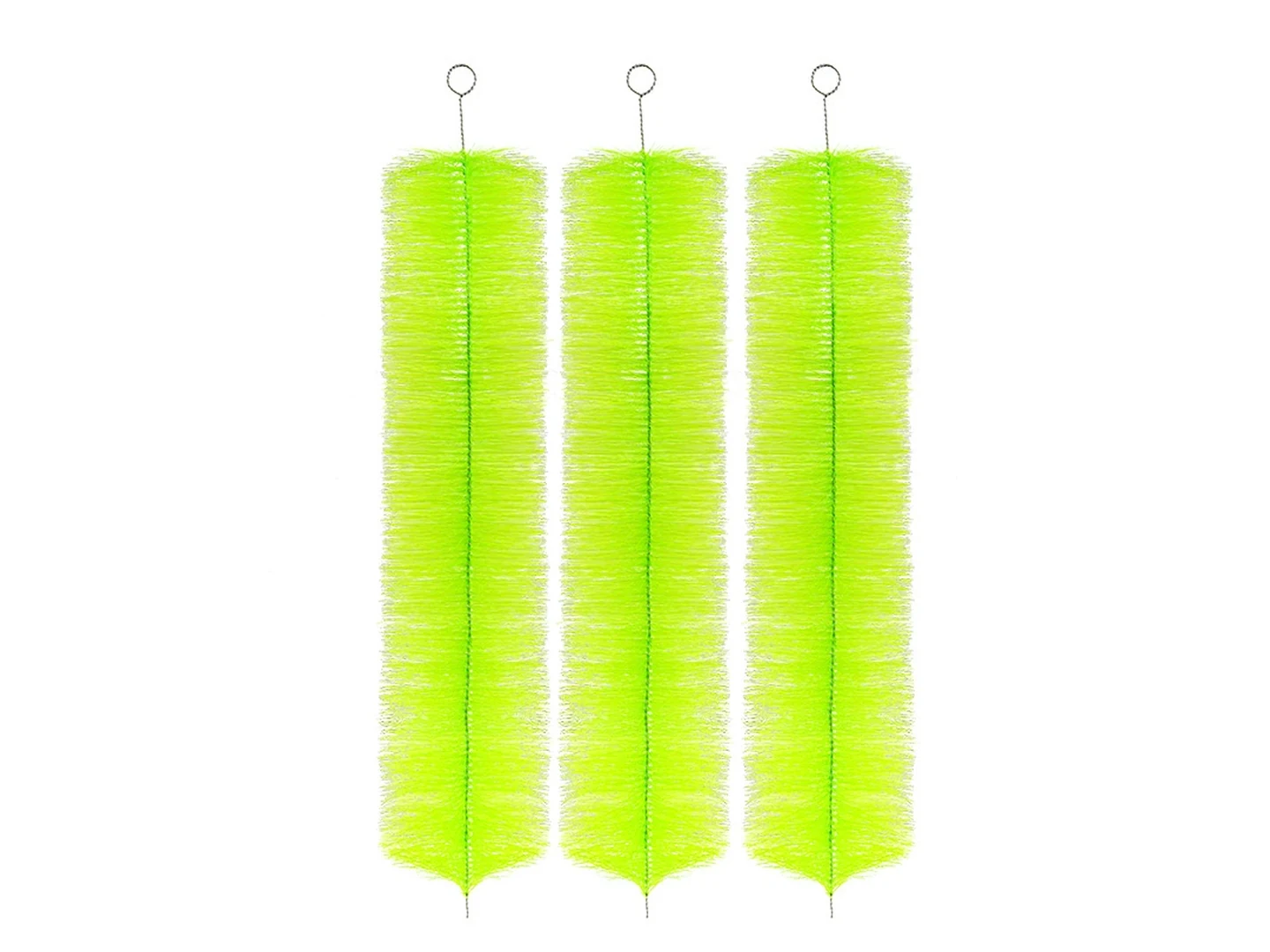
Handheld Mesh Filter Cleaning Brush
Handheld mesh filter cleaning brush for clearing blinded screens, sieve apertures, wedge wire, baskets.
See the specification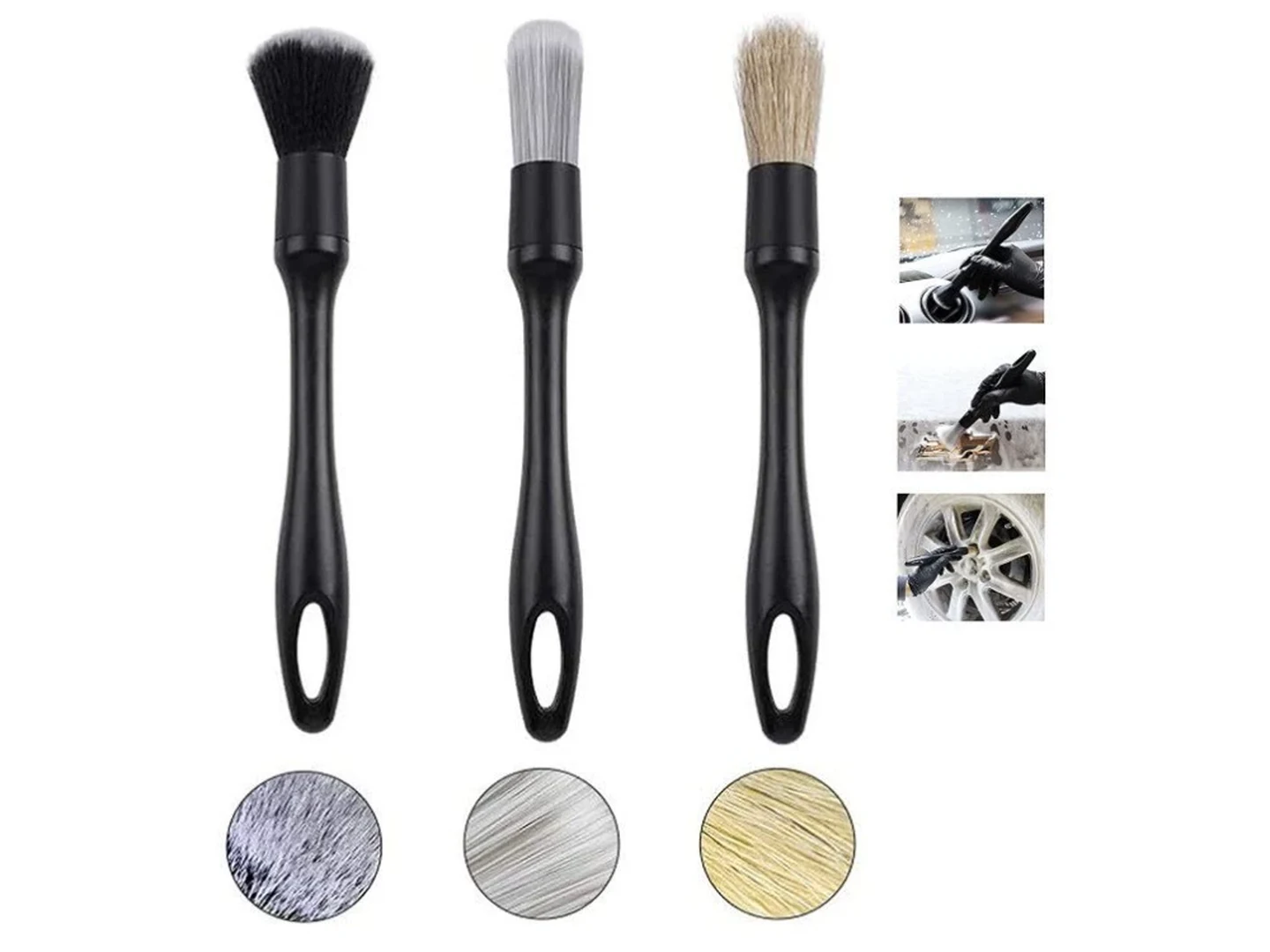
Automotive Detail Brush
Custom automotive detail brush with boar bristle, nylon PA, or microfiber fill for wheel…
See the specification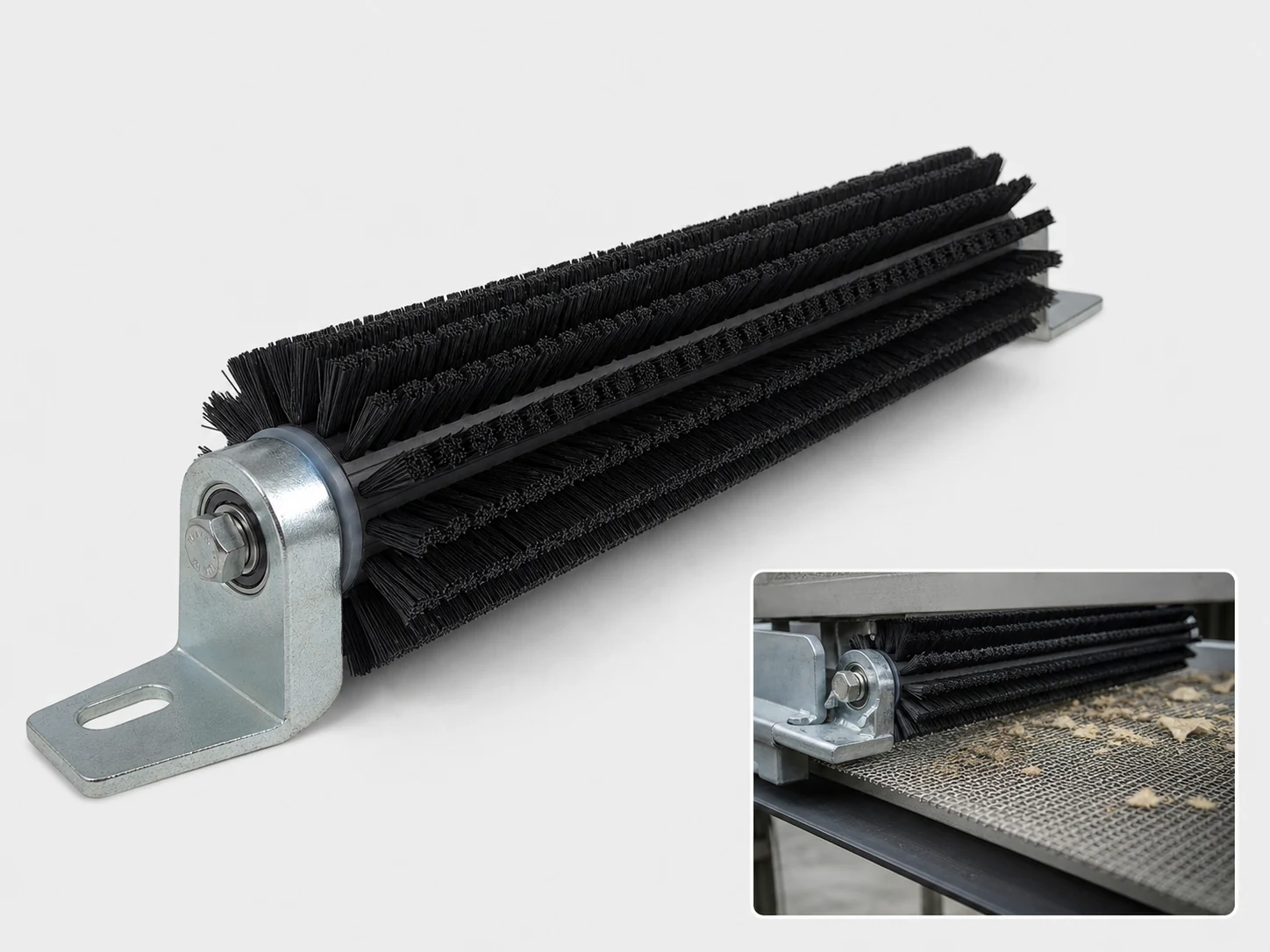
Handheld Industrial Screen Cleaning Brush
Handheld industrial screen cleaning brushes for filter screens, sieves, and apertured media. Nylon PA…
See the specification
Household Dish, Teapot & Kitchen Detail Cleaning
For Household Dish, Teapot & Kitchen Detail Cleaning, the brush must reach the working…
See the cleaning job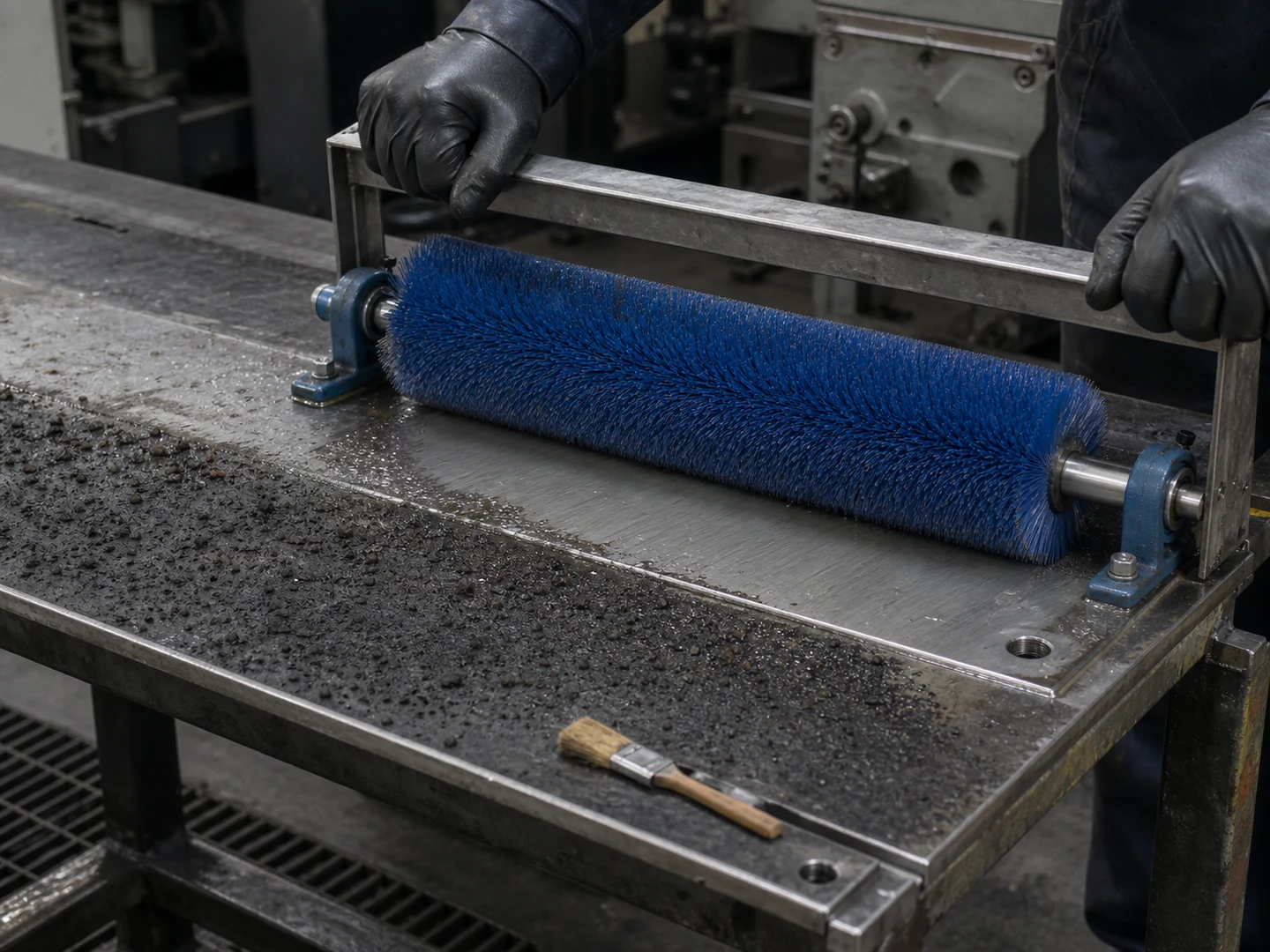
Industrial Machine Cleaning
For Industrial Machine Cleaning, the brush must reach the working area, disturb or collect…
See the cleaning job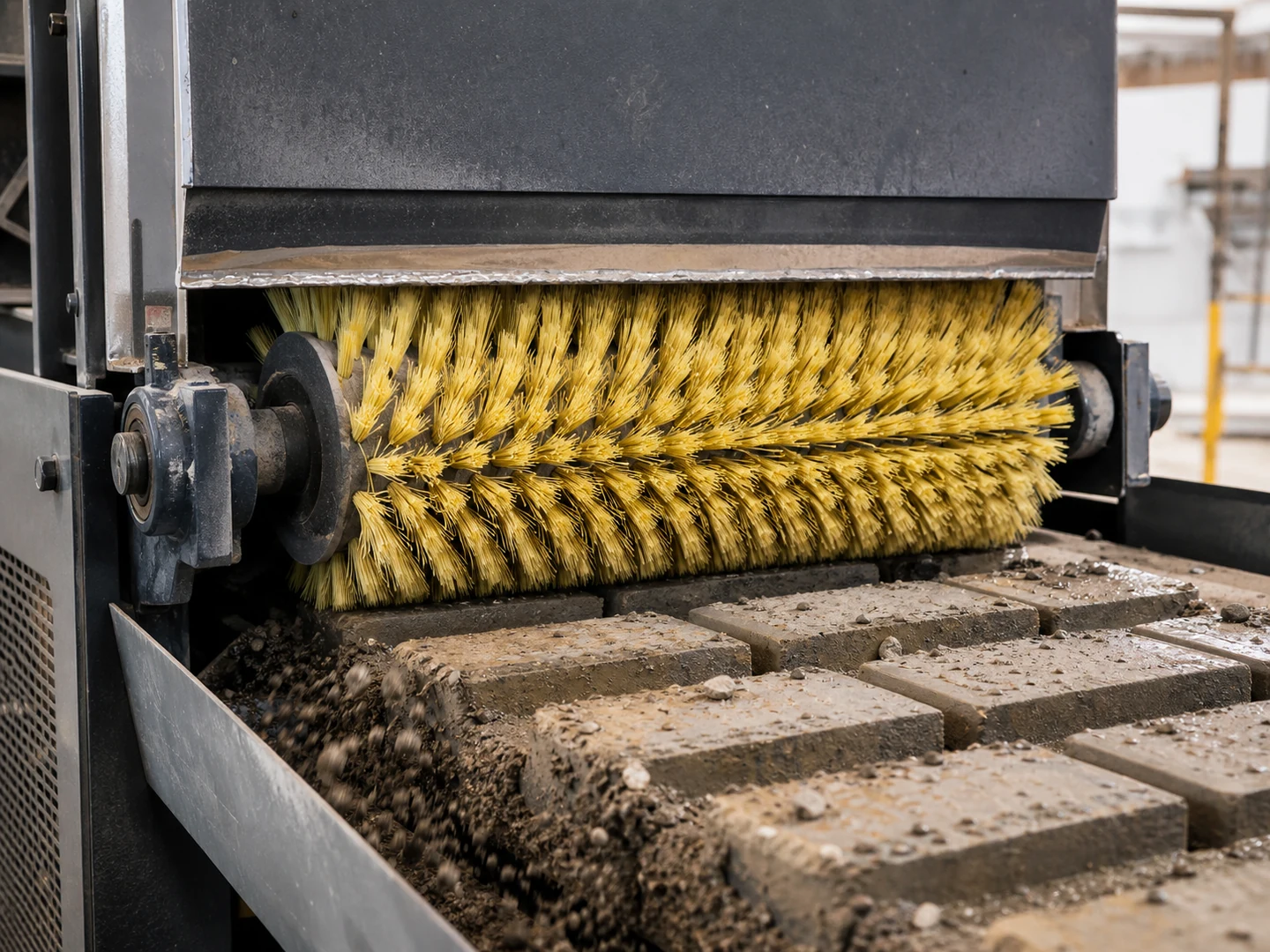
Brick, Tile & Building Material Machine Brush Use
For Brick, Tile & Building Material Machine Brush Use, the brush must reach the…
See the cleaning job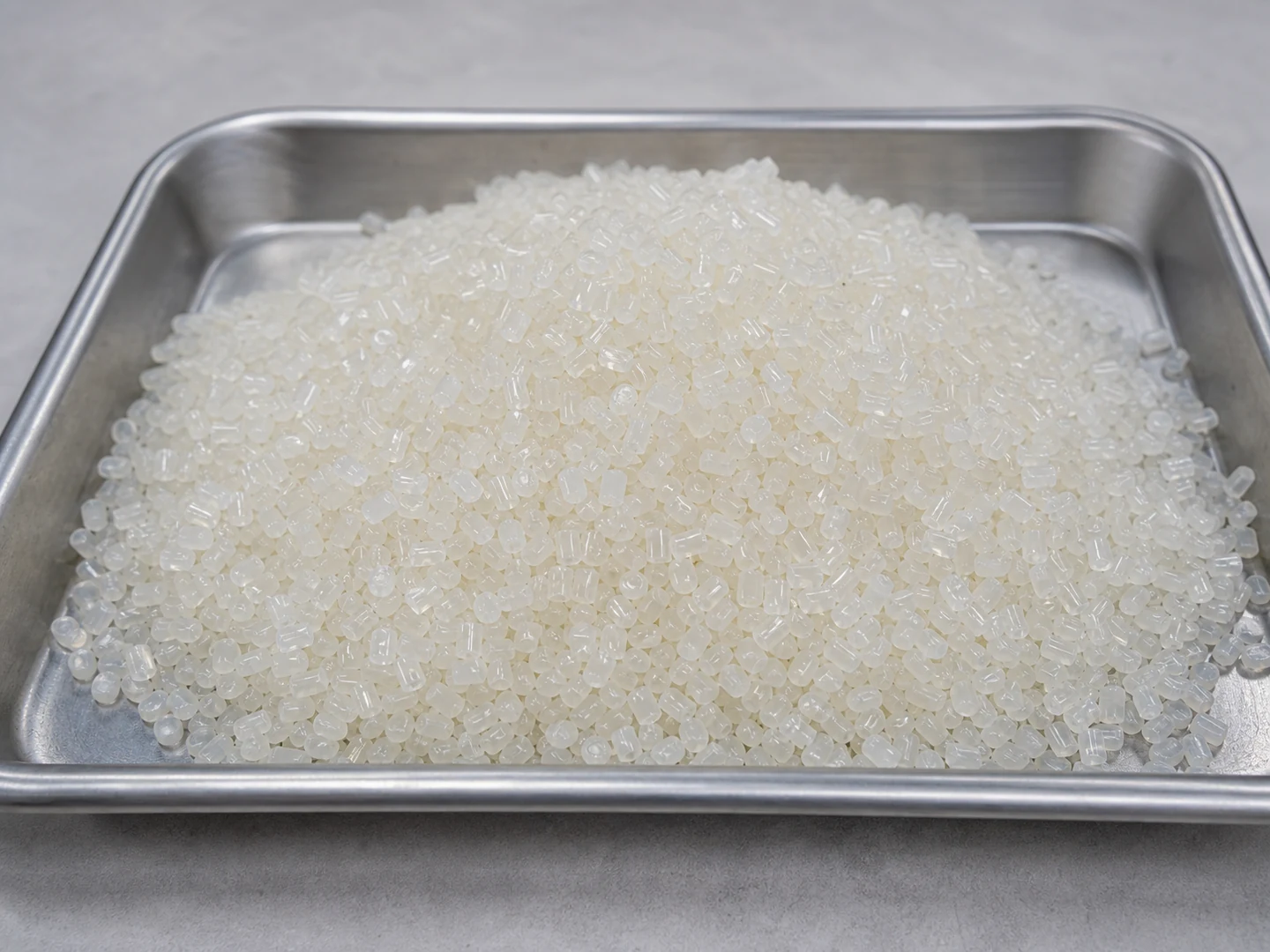
Nylon PA
Choose Nylon PA based on its stiffness, recovery, wear, wet-service, chemical, and temperature behavior.
Compare this material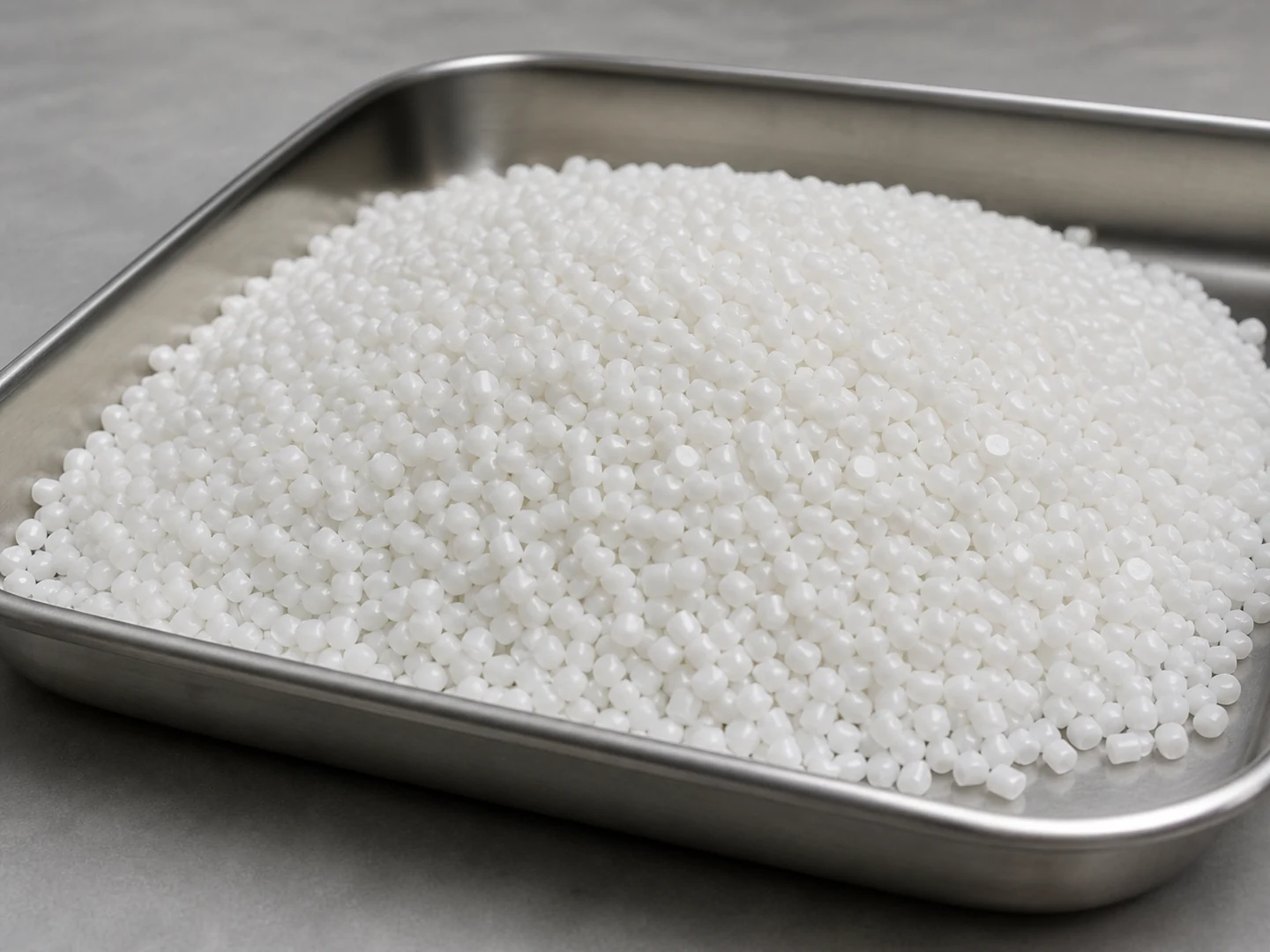
Polypropylene PP
Choose Polypropylene PP based on its stiffness, recovery, wear, wet-service, chemical, and temperature behavior.…
Compare this materialCustom Manufacturing RFQ
Discuss This Brush Type
Share the working surface, residue, dimensions, material direction, interface, quantity and drawing or sample photo.
Custom Brush RFQ
Request a Custom Cleaning Brush Quote
Upload a drawing, product photo, or sample photo and provide the core dimensions and cleaning conditions.
“We need a brush to remove wet residue from a stainless steel conveyor, about 800mm wide. The current brush wears quickly. We can send photos.”
“We sell drinkware and need a cleaning brush to include with the product. Quantity around 5,000 pieces.”