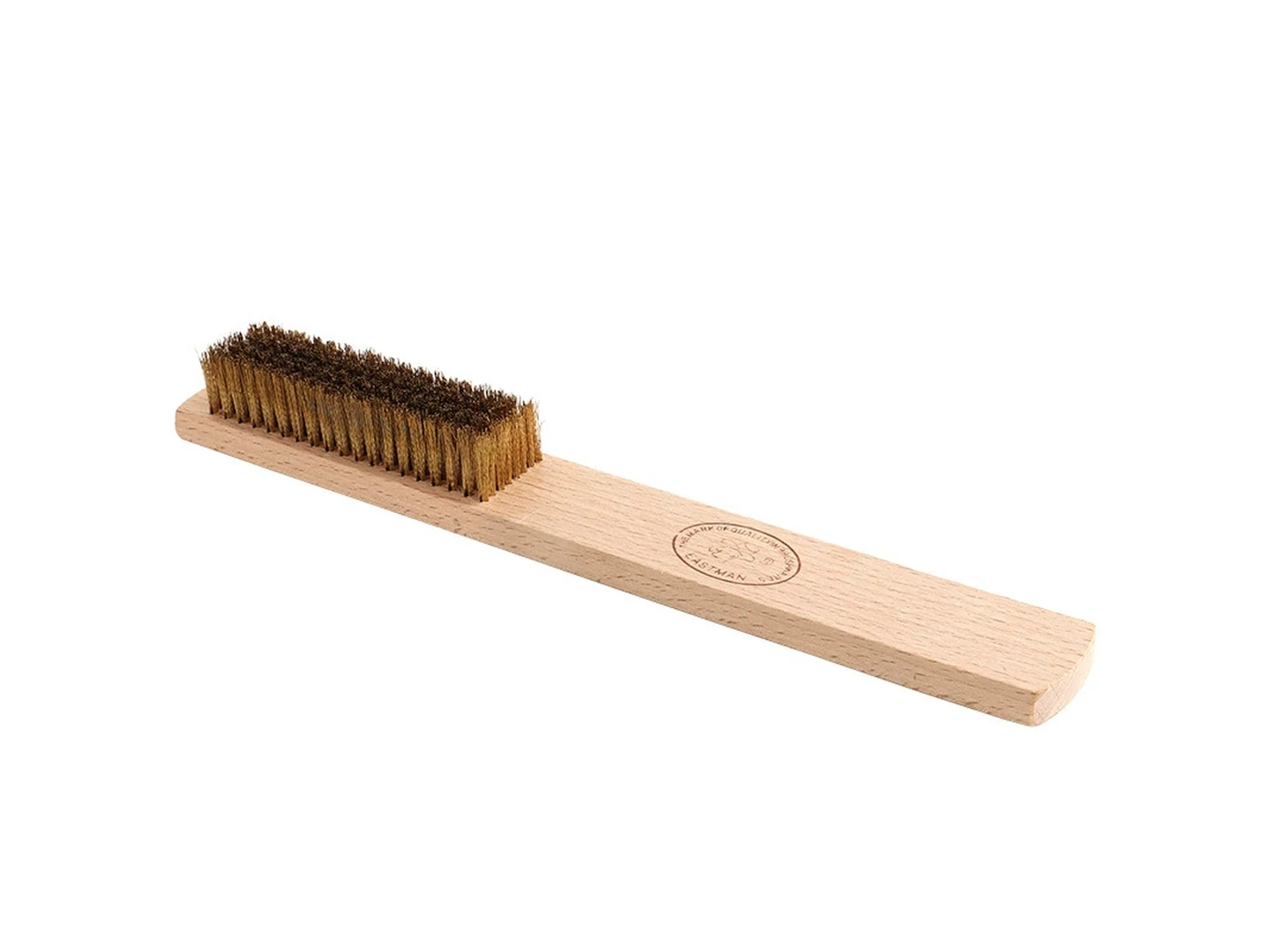
Acid Alkali Washing Brush
Acid alkali washing brush: chemical-resistant nylon/PP/PBT fill, 316 stainless staples and PP handle for tank walls, sumps.
- Head Ø
- 40–800 mm
- Head length
- 100–5000 mm

Custom Cleaning Brush Manufacturer
PRODUCT CATEGORY
Brushes used around pickling, plating and chemical-treatment lines live in an environment where chemistry can matter more than abrasion. Acid, alkali and treatment baths can attack the wrong filament, core or metal component even when the brush shape is correct.
Compare acid/alkali wash brushes, anodizing, electroplating, phosphating, passivation and chemical-resistant hand or roller brushes.
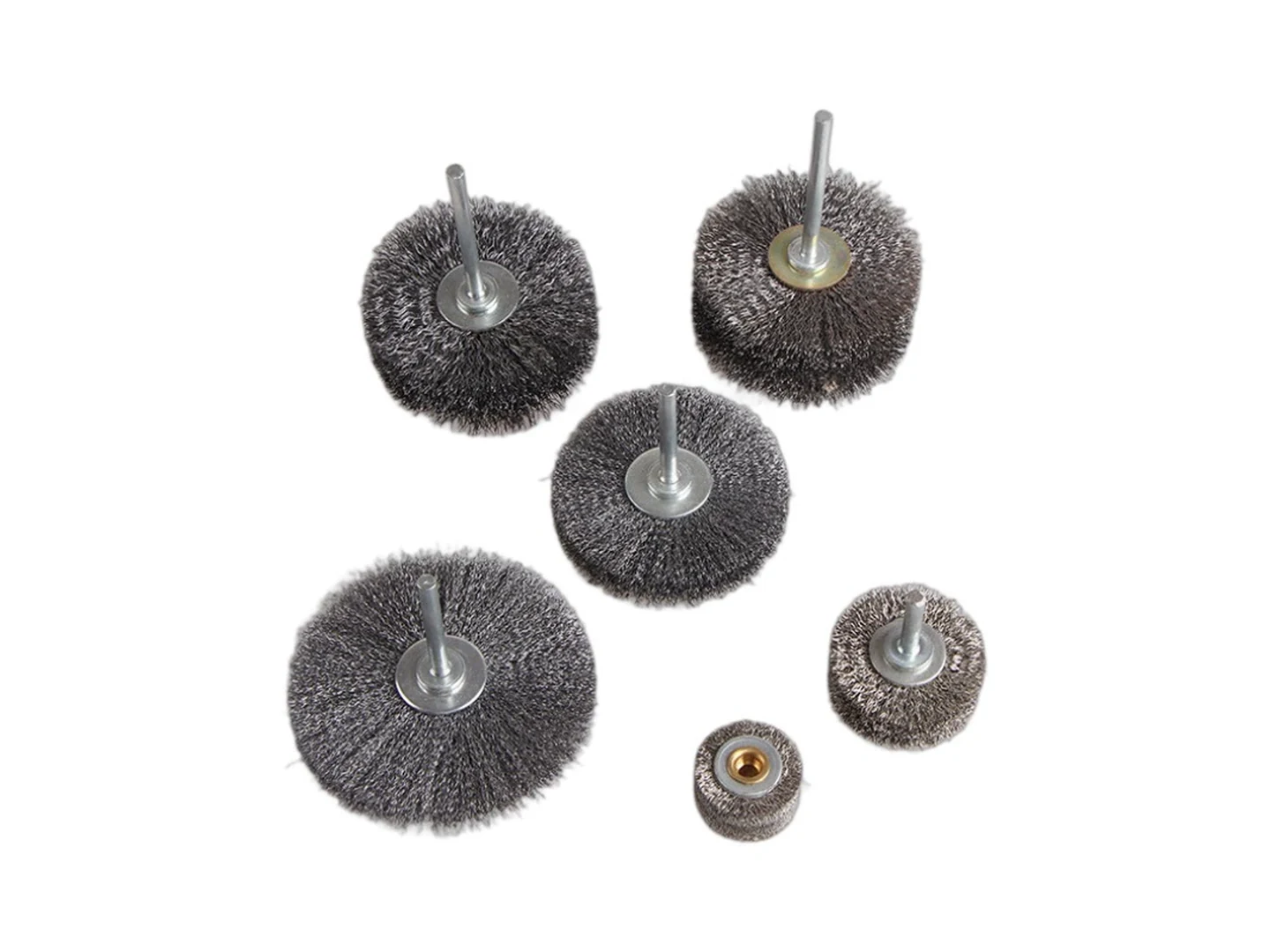
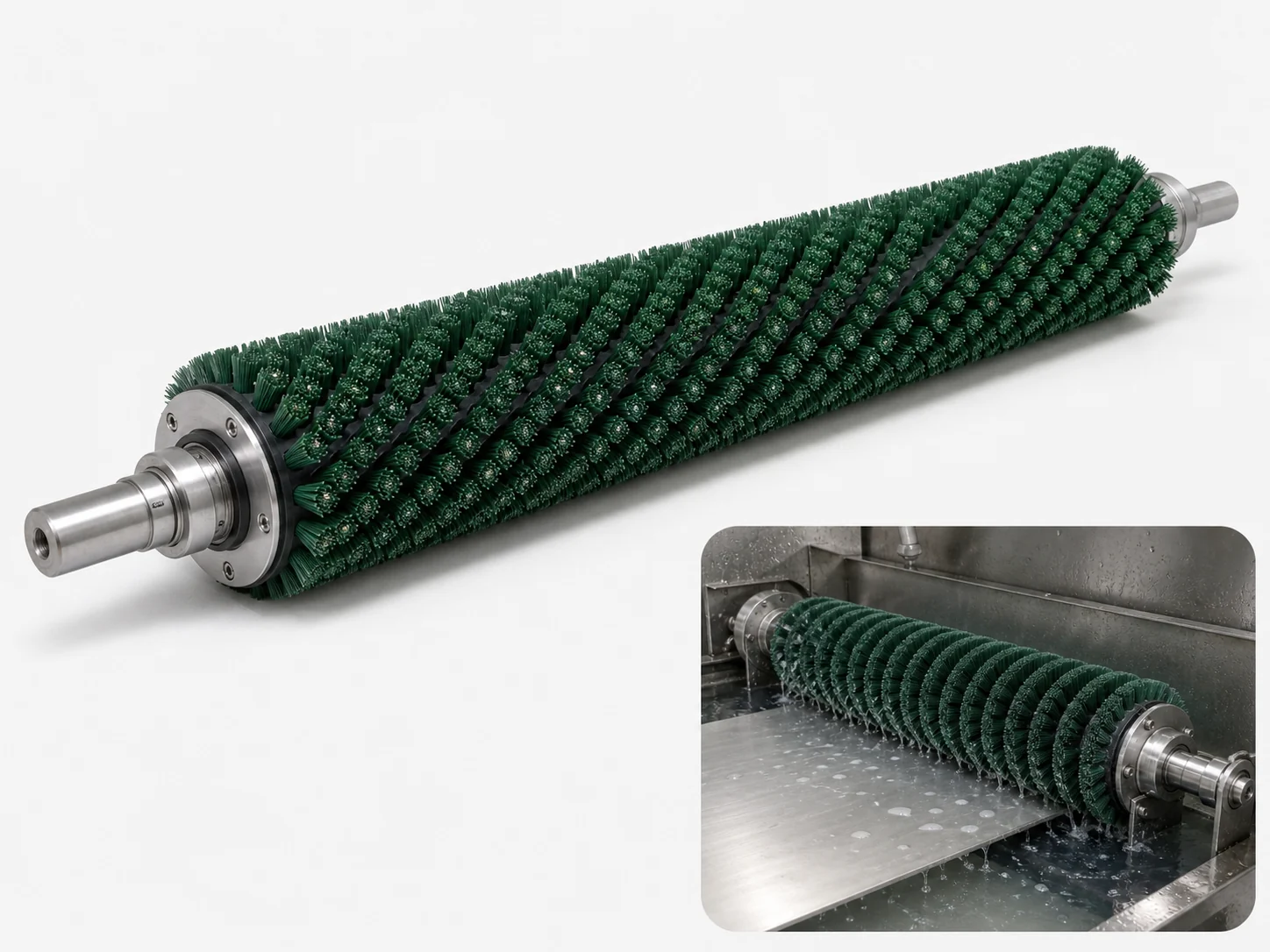
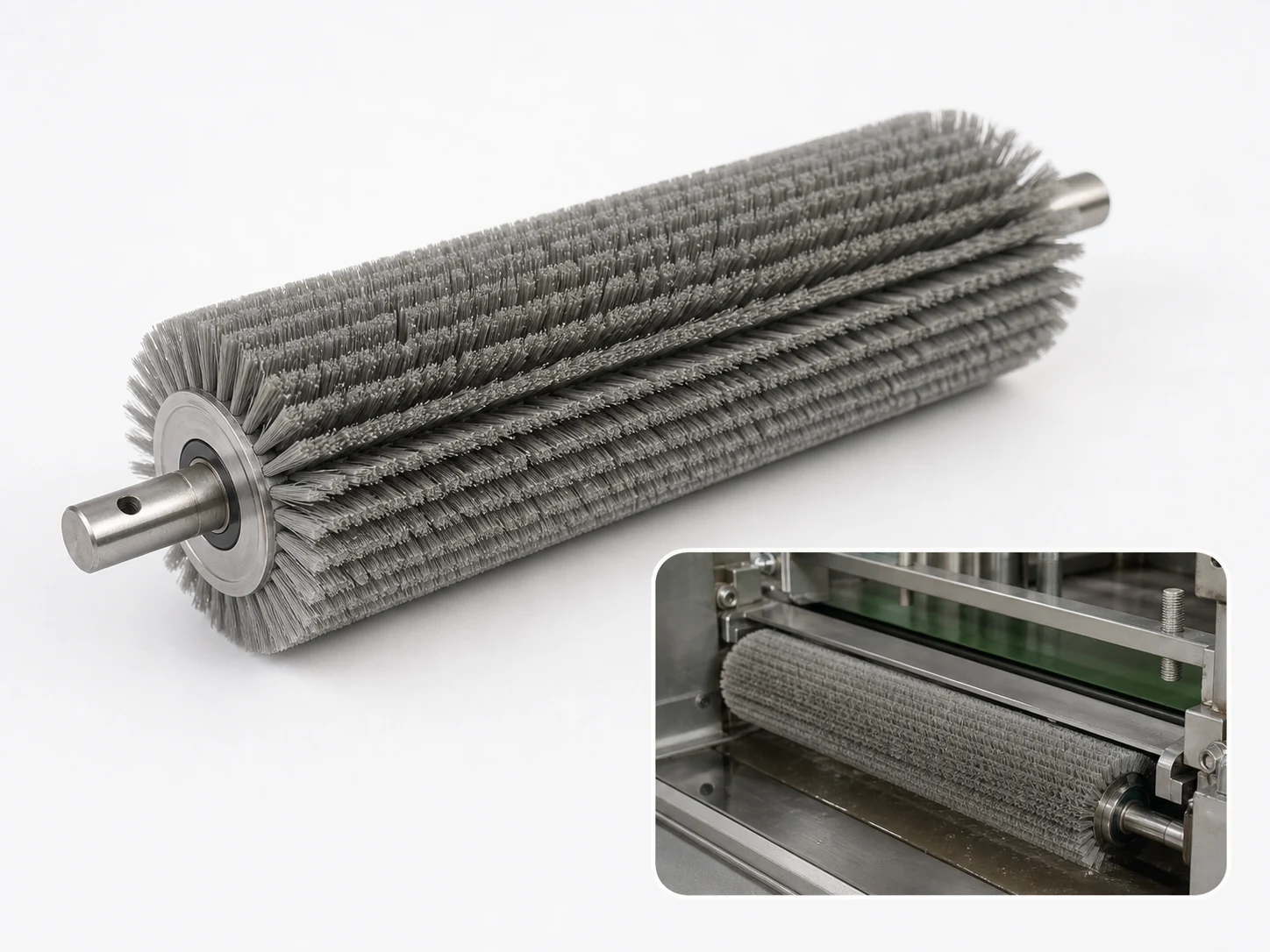
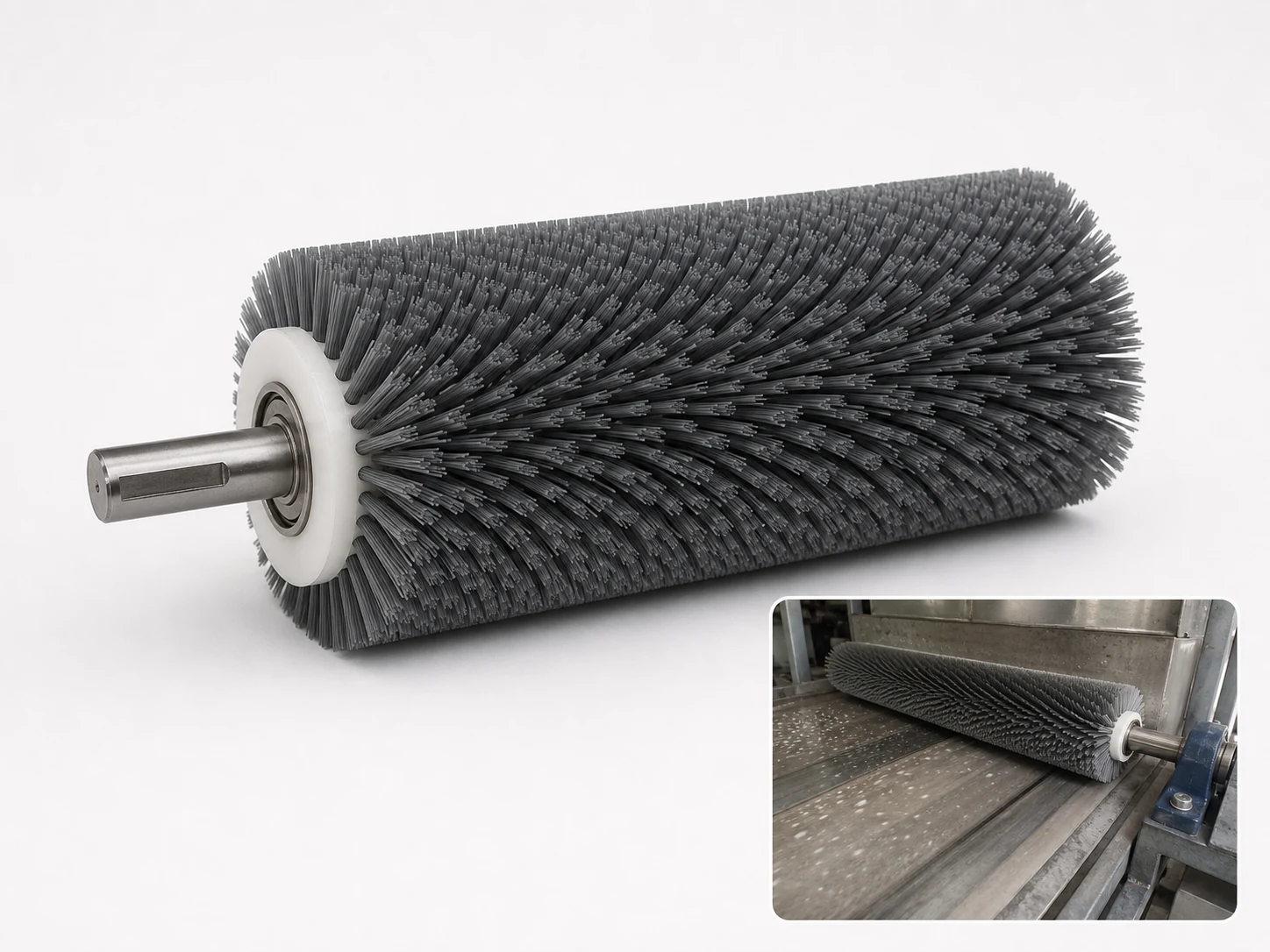
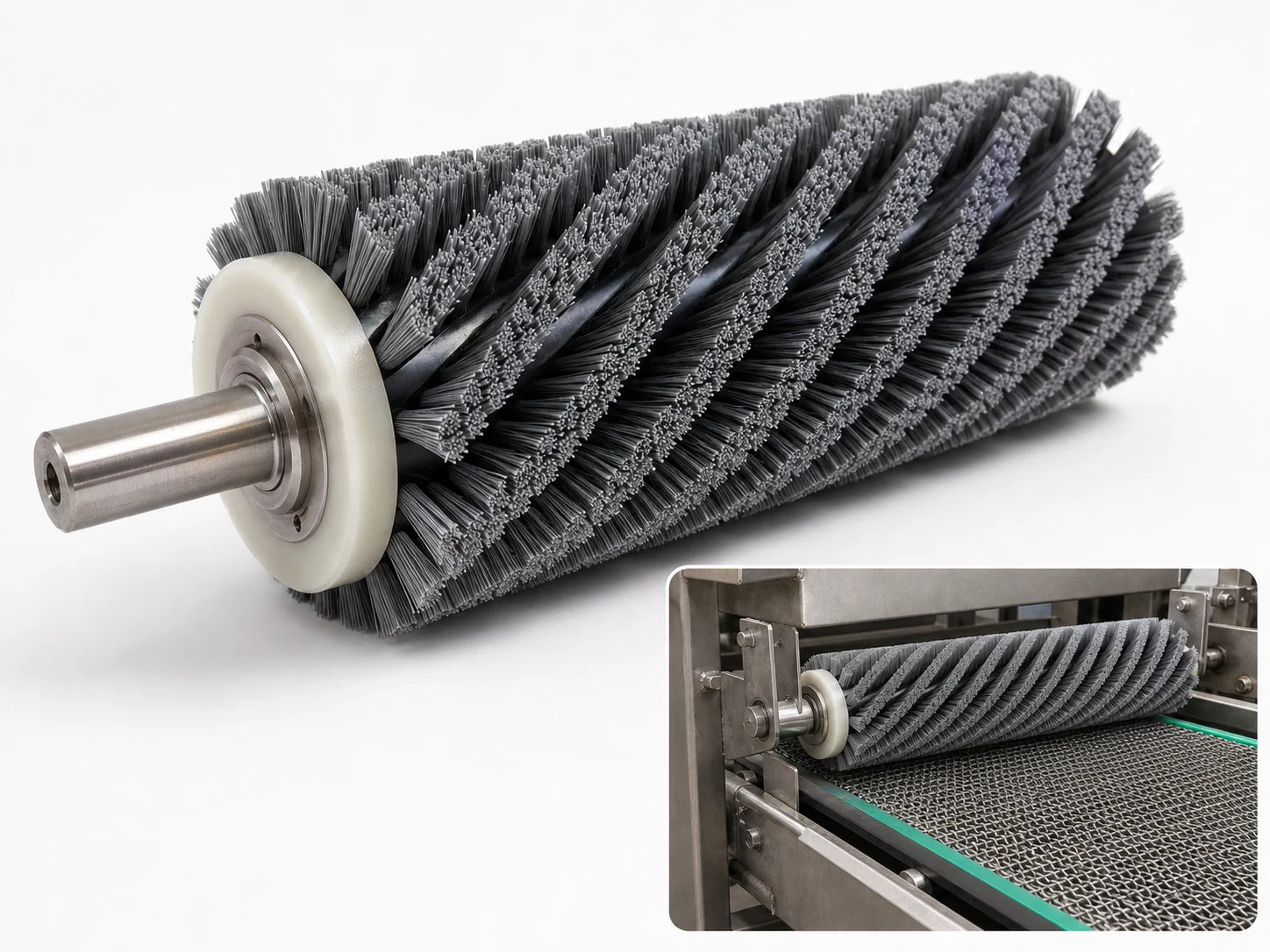
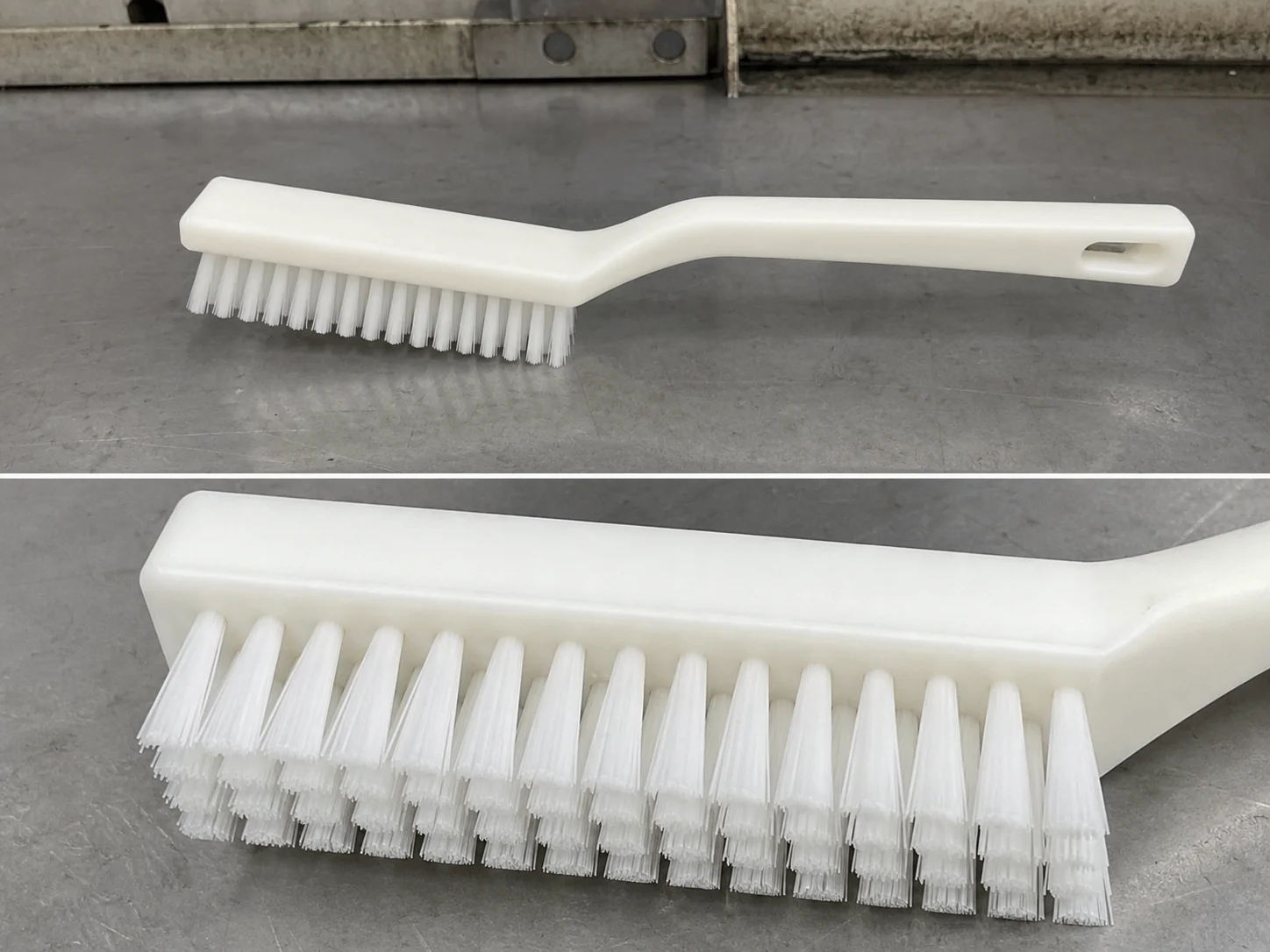
Start with the bath or chemical exposure, then define whether the brush cleans metal, carries fluid, wipes residue or works between treatment stages.
Acids, alkalis and treatment solutions can rule out materials that would be fine in water or dry service.
Short splash exposure and continuous hot immersion are different conditions and should not be treated as the same compatibility requirement.
The brush must clean or move residue without creating contamination, scratching or unwanted metal transfer.
Mounted line brushes need core, shaft and process dimensions; hand brushes prioritize chemical-safe construction and local control.
A plating-line roller and a PP chemical hand brush may perform similar cleaning actions, but their exposure time, mounting and contact area are different. Material selection must follow the actual bath and duty cycle.
Filament, core/base, shaft, working width, outside diameter, trim and mounting can be selected around the chemistry. Provide concentration, temperature and exposure time rather than only the process name.
Provide chemical, concentration, temperature, exposure time, metal surface, brush function and mounting dimensions. We can then evaluate material and geometry together.
Choose your brush type, cleaning task, material direction, and key details before sending a custom brush request.