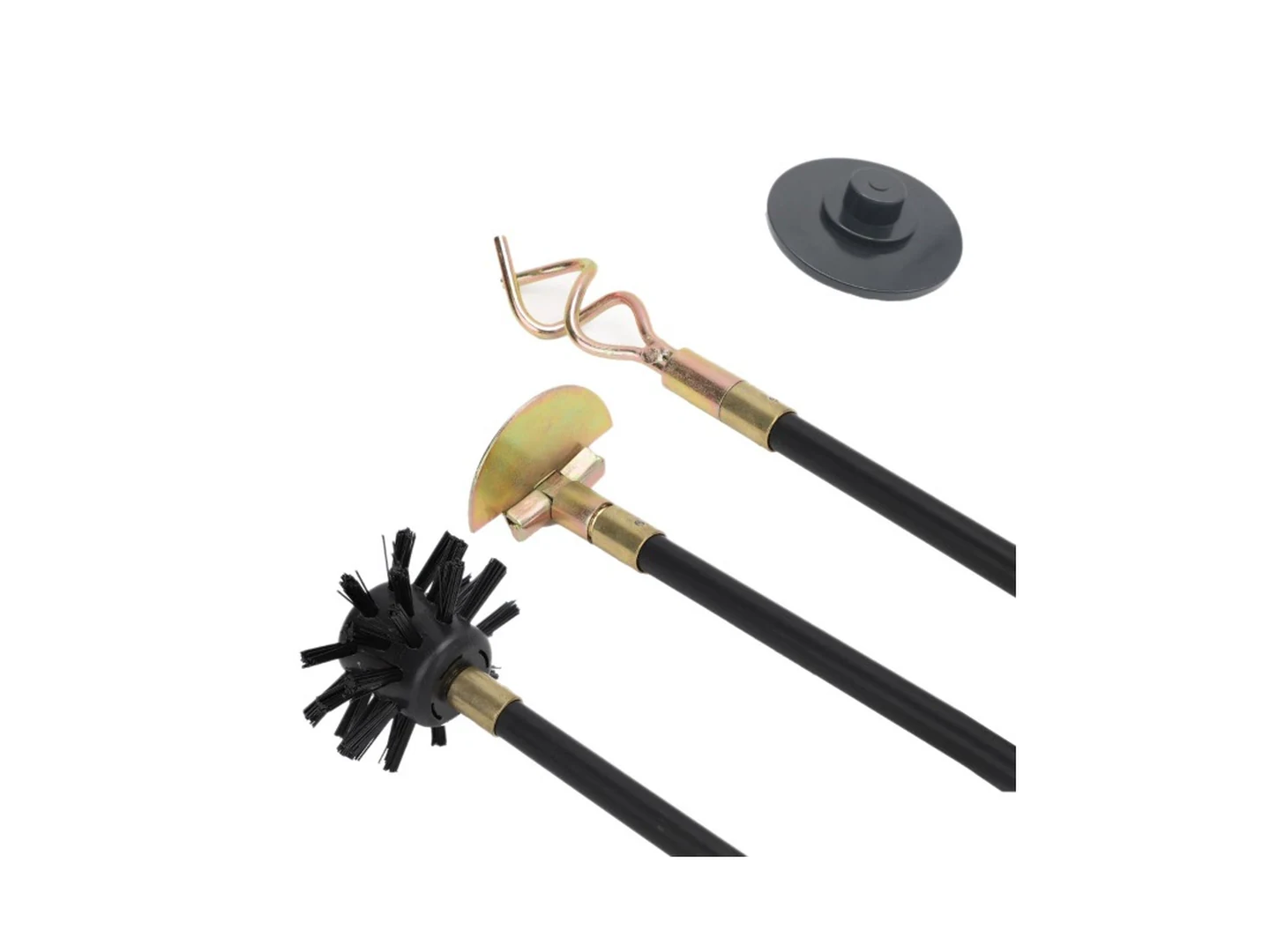
Drainage Ditch Cleaning Brush
Heavy-duty drainage ditch cleaning brushes with nylon, polypropylene, or 316 stainless wire fill.
- Head Ø
- 3–100 mm
- Head length
- 10–120 mm
- Handle
- 120–450 mm

Custom Cleaning Brush Manufacturer
PRODUCT CATEGORY
Pipe and drain cleaning is about travel through a longer flow path. Compared with short tube brushes, these tools often need more flexible reach, larger diameters or attachment to rods and robots, and they may work around bends, sludge or drain residue.
Compare hand-fed pipe brushes, spring and flexible drain tools, chemical-resistant pipe brushes and robotic pipe-cleaning attachments.
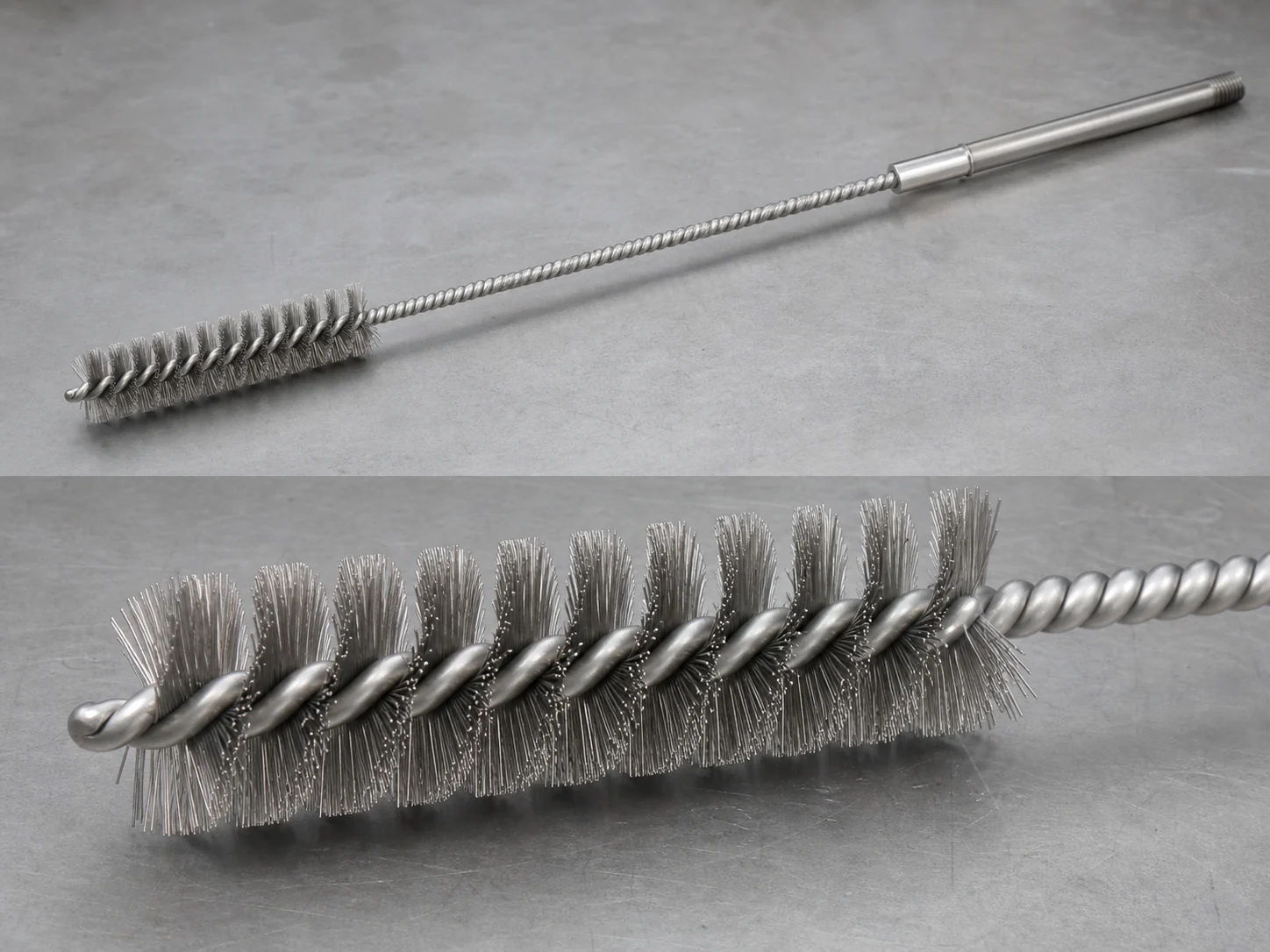
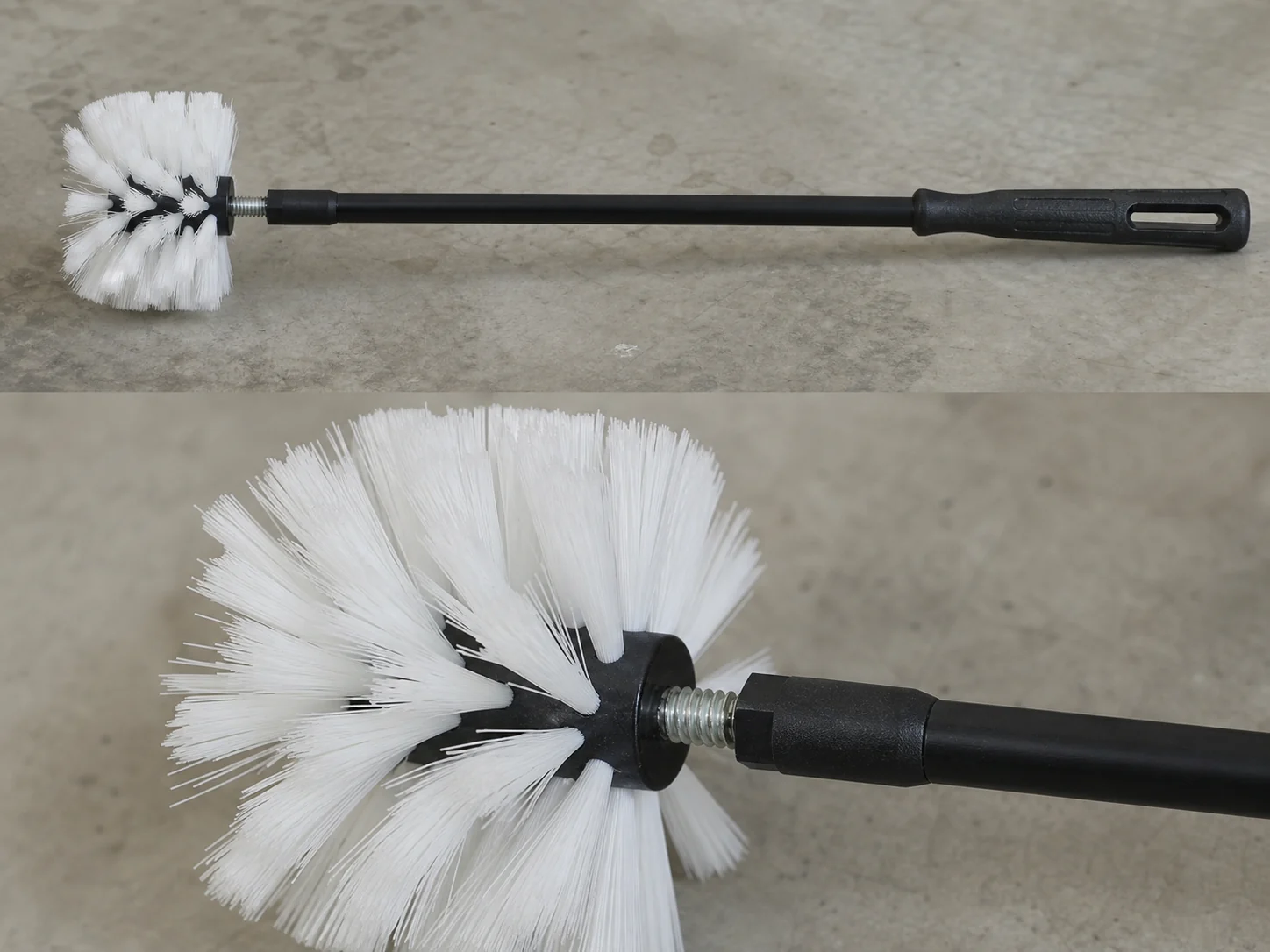
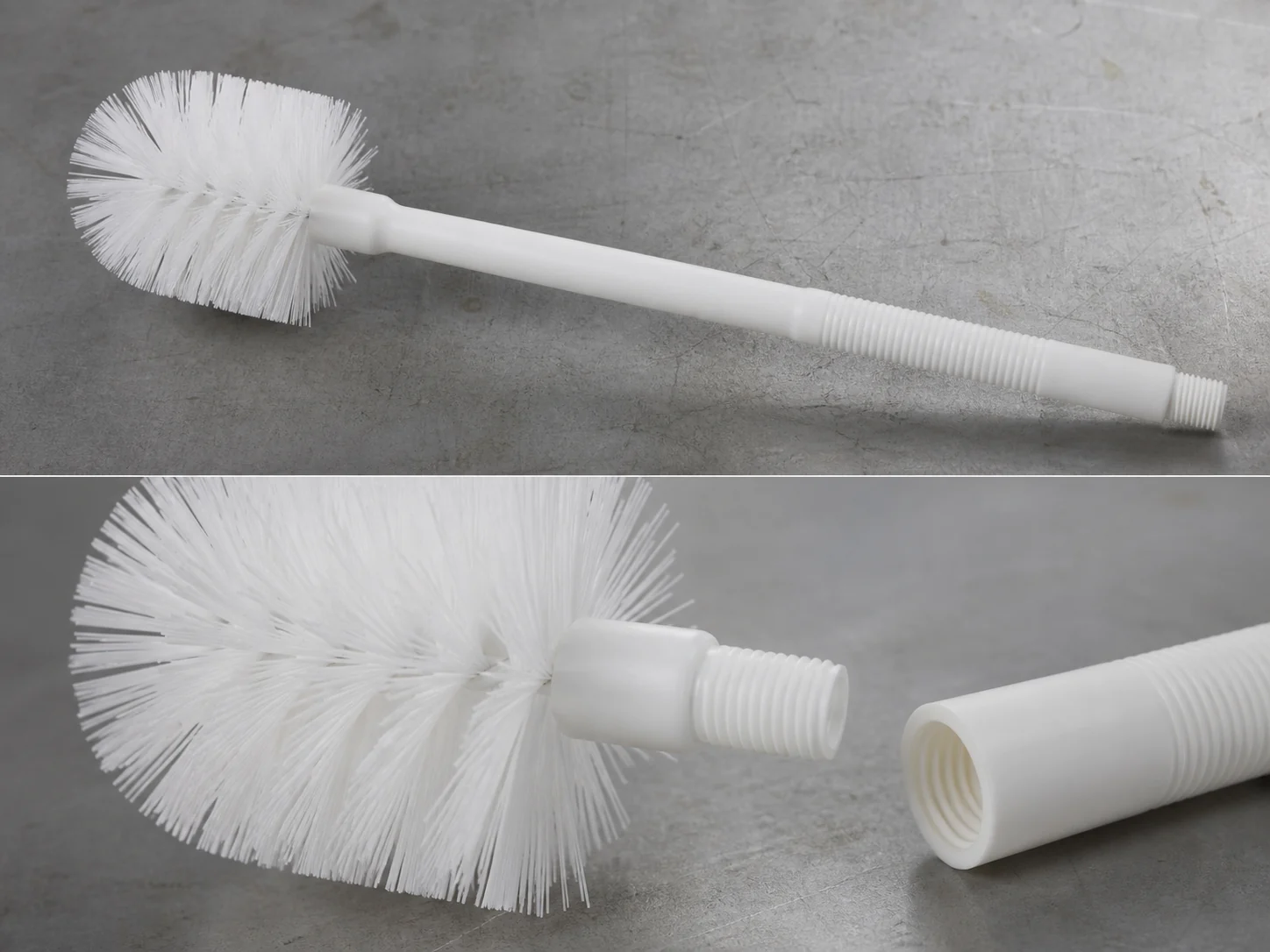
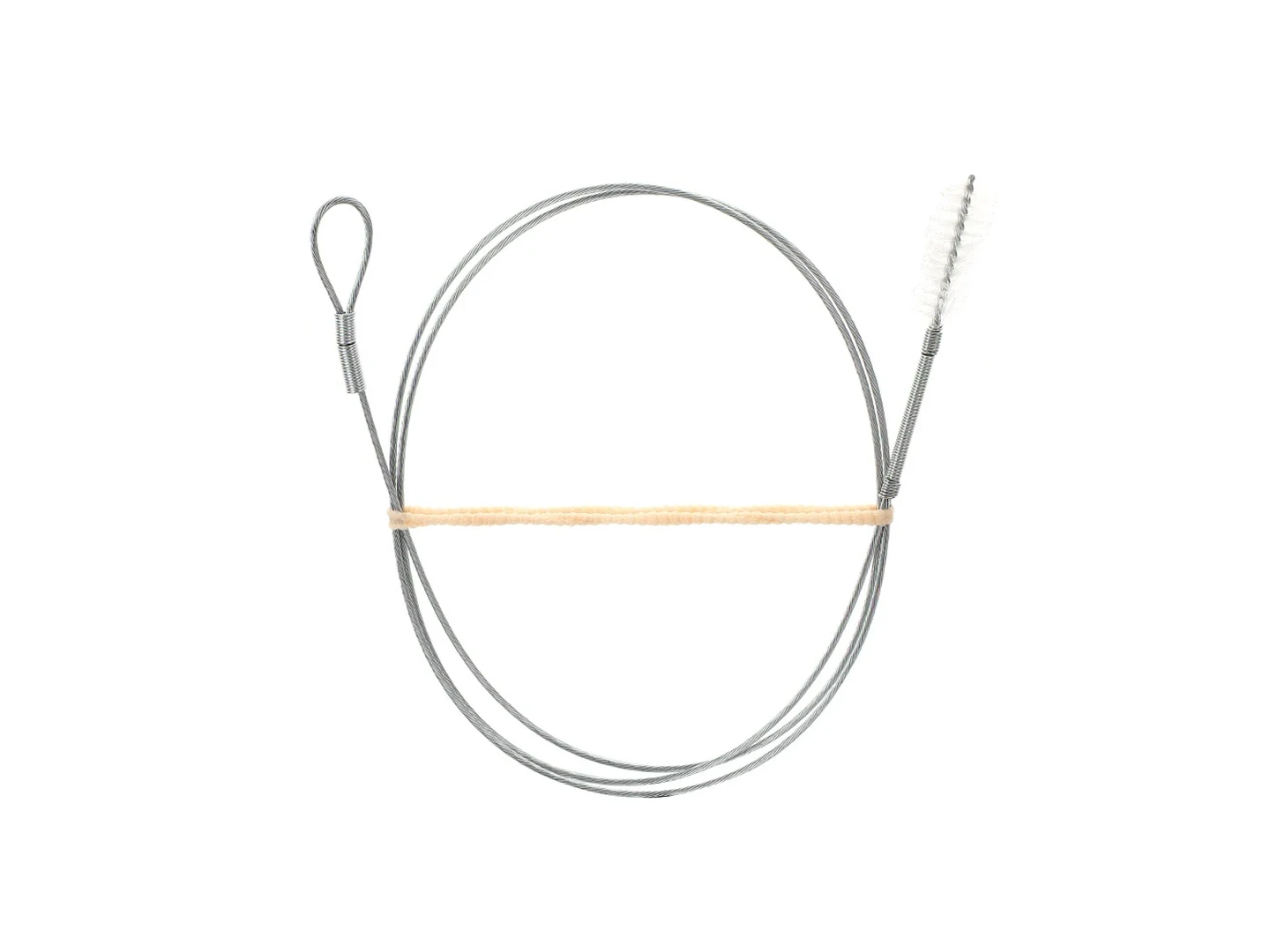
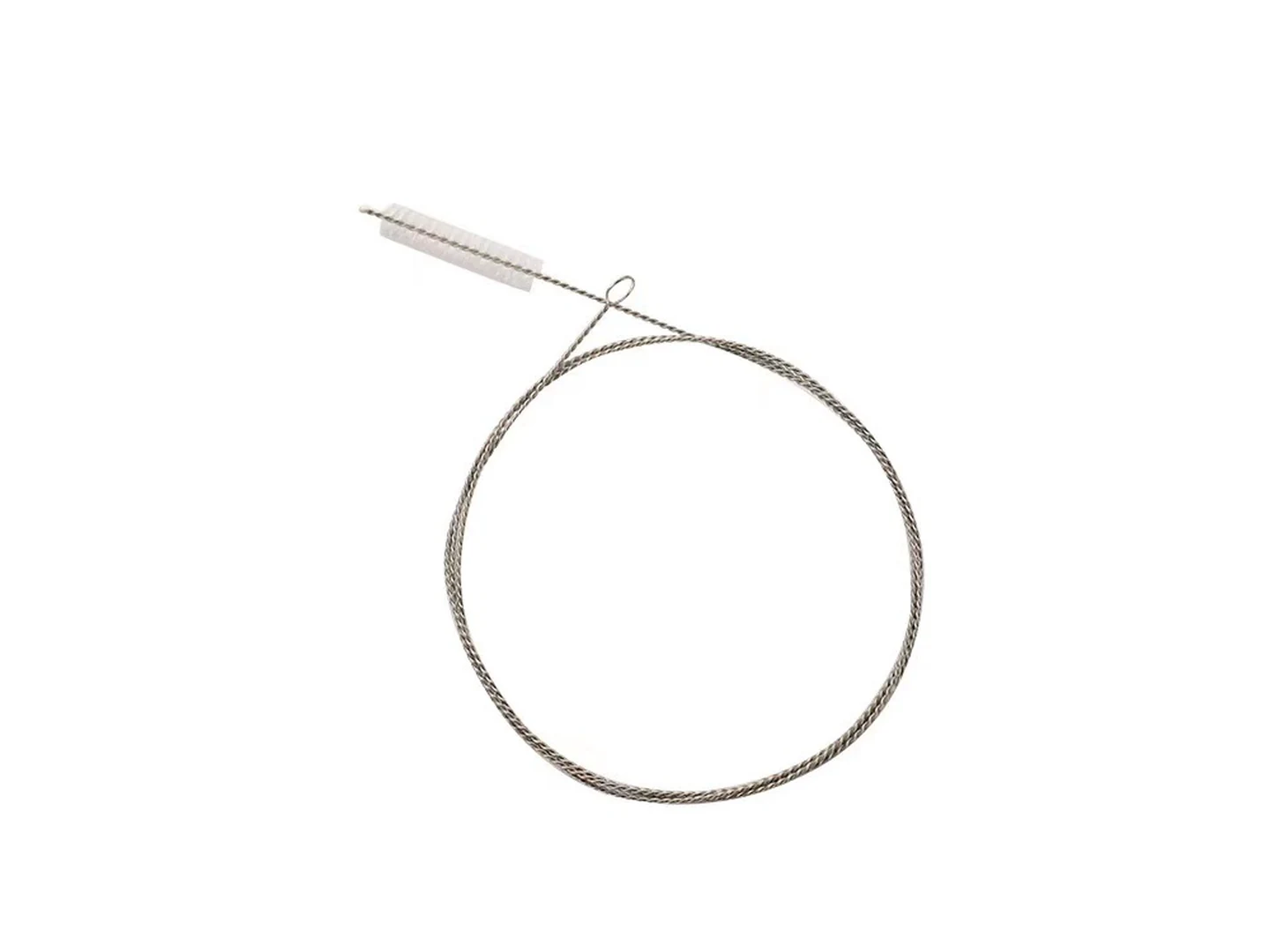
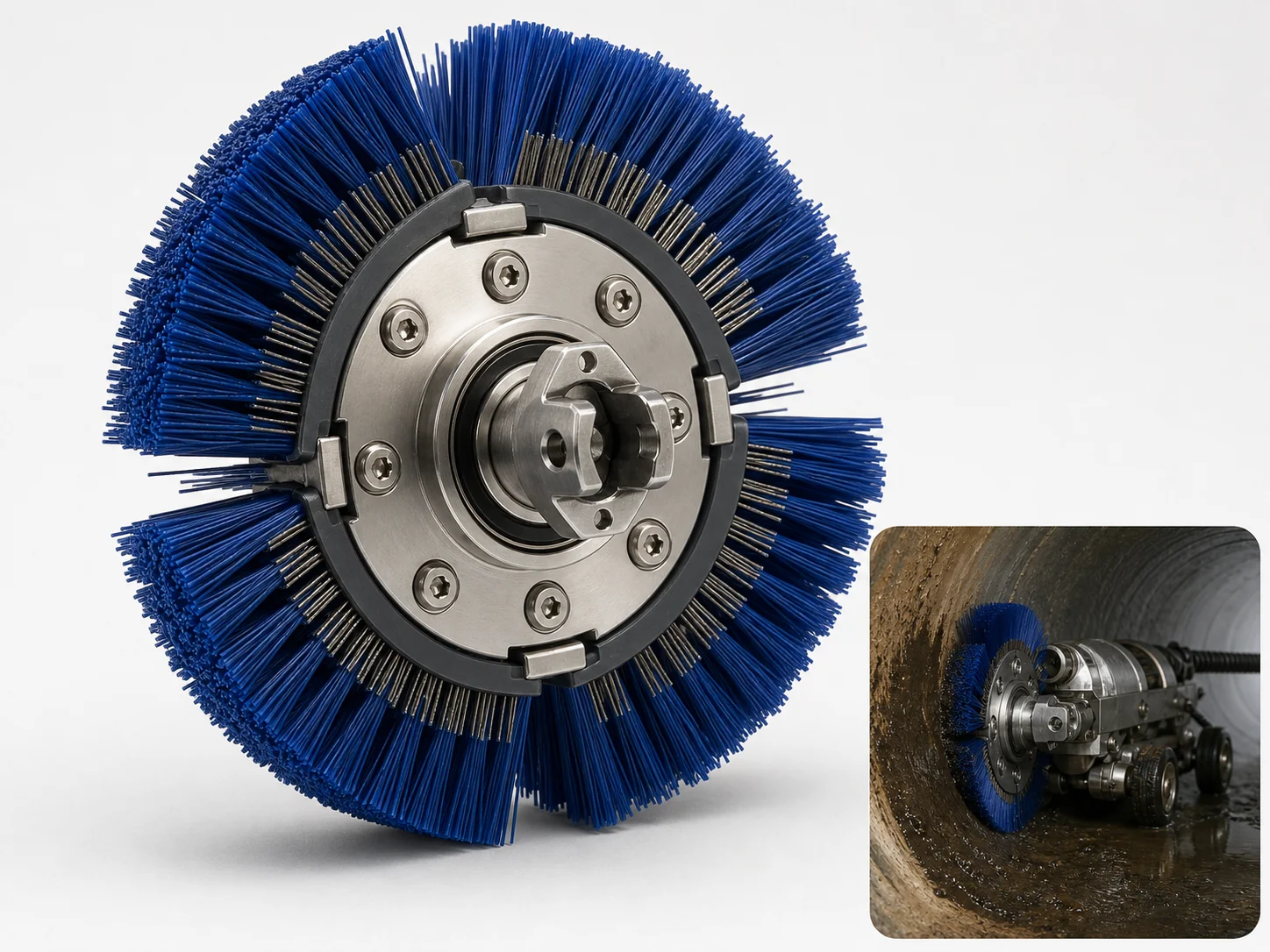
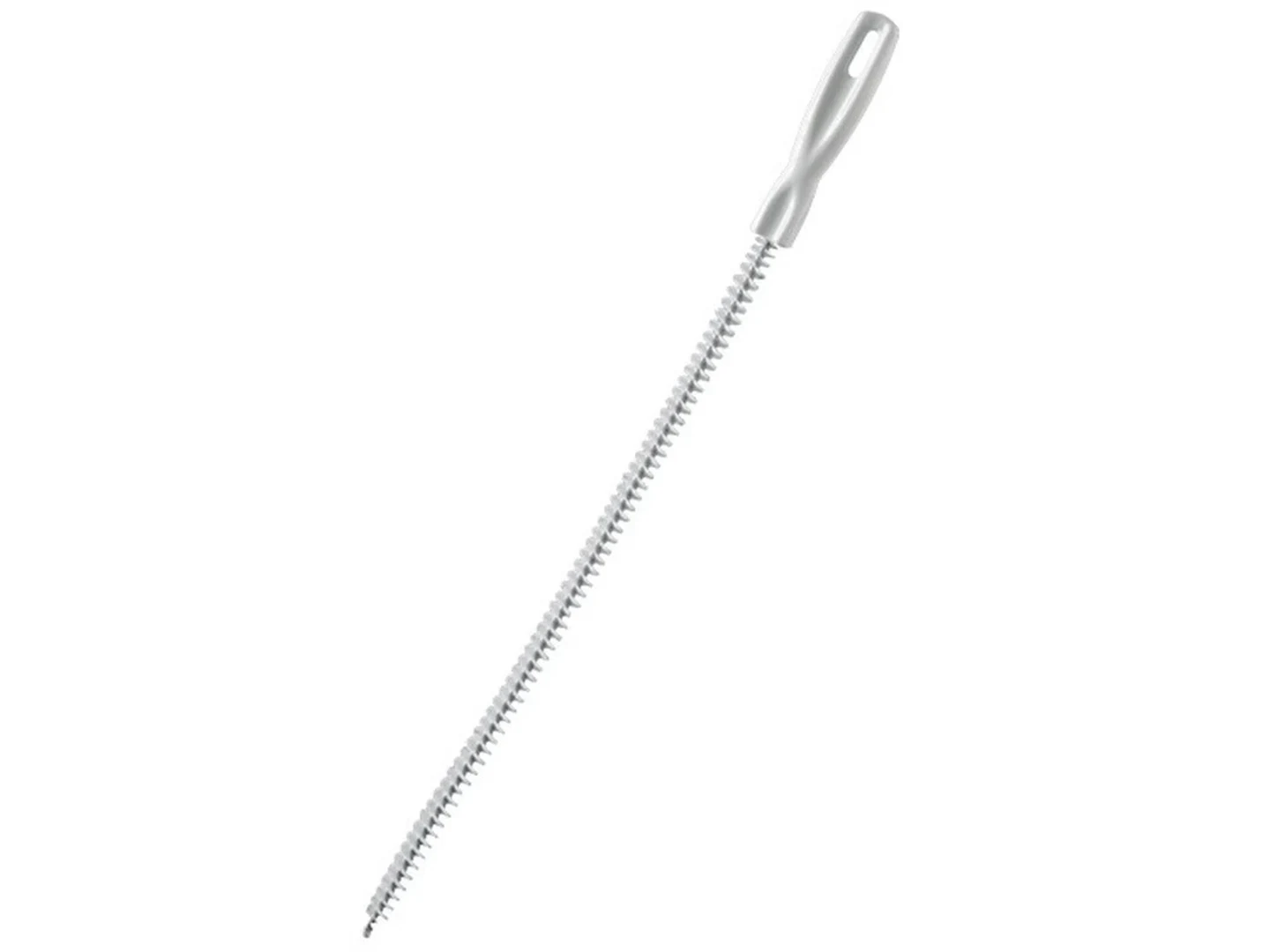
The useful brush must pass bends, keep enough wall contact and transport loosened debris without becoming trapped.
Choose a working diameter that reaches the wall but still passes fittings, joints and local restrictions.
Long or curved runs need flexible rods, springs or articulated systems rather than a short rigid stem.
Different deposits change stiffness and whether the brush should sweep, scrub or support another cleaning method.
Robotic and powered attachments require a defined connection and operating envelope; manual tools prioritize feed and retrieval.
A tube brush may clean a short controlled bore, while a drain or pipe brush must negotiate a run and move debris over distance. That added travel requirement changes shaft and connection design.
Diameter, head length, rod flexibility, spring section, connection, filament and chemical-resistant materials can be tailored. Provide the smallest restriction and bend information, not only the main pipe size.
Provide ID, run length, bends, fittings or restrictions, deposit and cleaning method. If the brush mounts to a robot or rod system, include the interface.
Choose your brush type, cleaning task, material direction, and key details before sending a custom brush request.