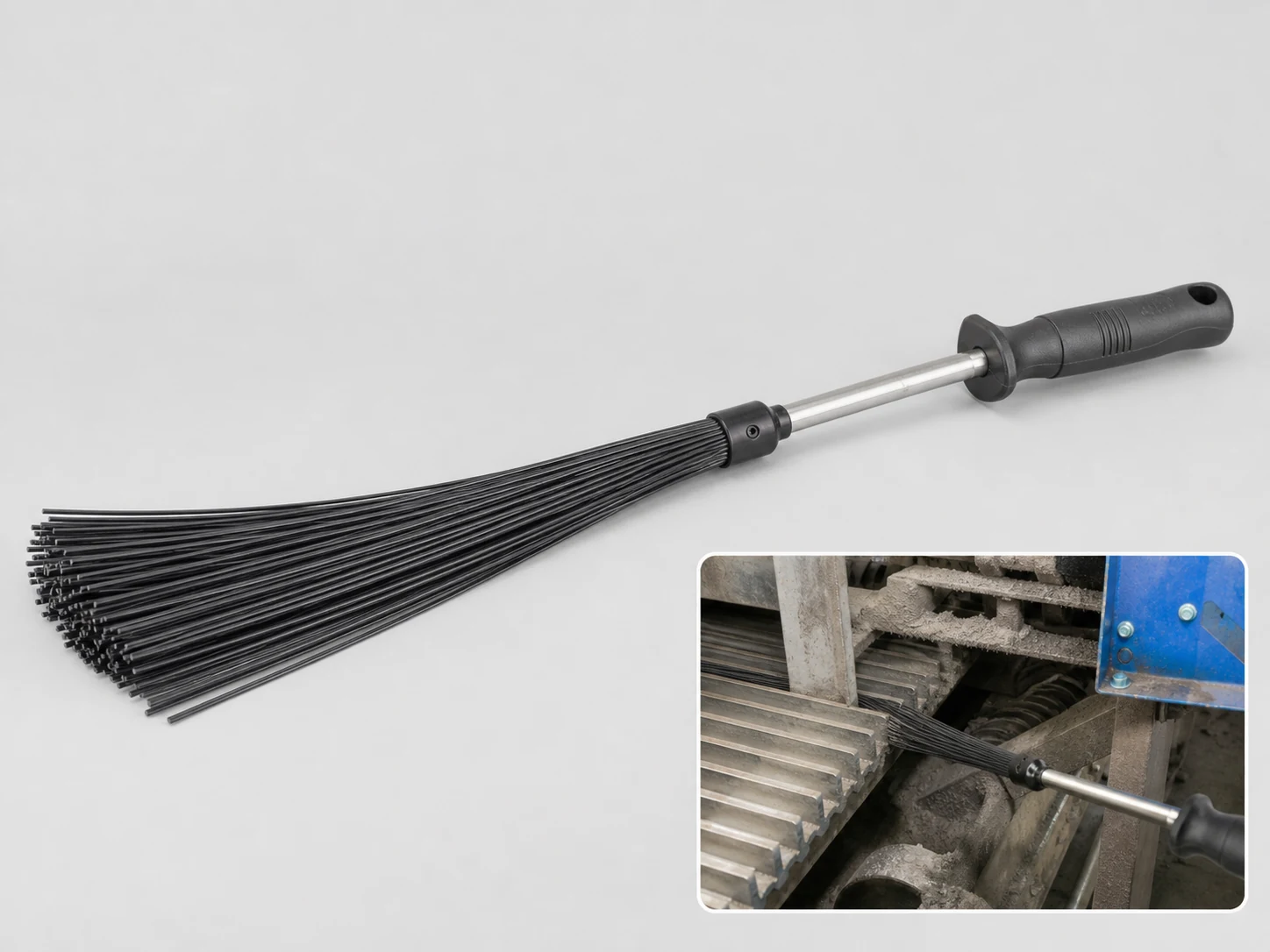
Power Sweeping Whip Brush
Power sweeping whip brush for drill-powered chimney and flue cleaning.
- Head Ø
- 10–400 mm
- Head length
- 200–600 mm
- Handle
- 120–1000 mm

Standard & Custom Brushes · Since 2011
PRODUCT CATEGORY
Roof and flue cleaning combines difficult access with abrasive outdoor deposits. Chimneys and flues need diameter-matched tools that travel through a passage; gutters and roofs need reach across open surfaces where leaves, moss and weathering are the main problems.
Compare wire and non-wire chimney brushes, boiler/flue tools, gutter brushes, roof and moss-removal brushes, and long-reach exterior cleaning products.
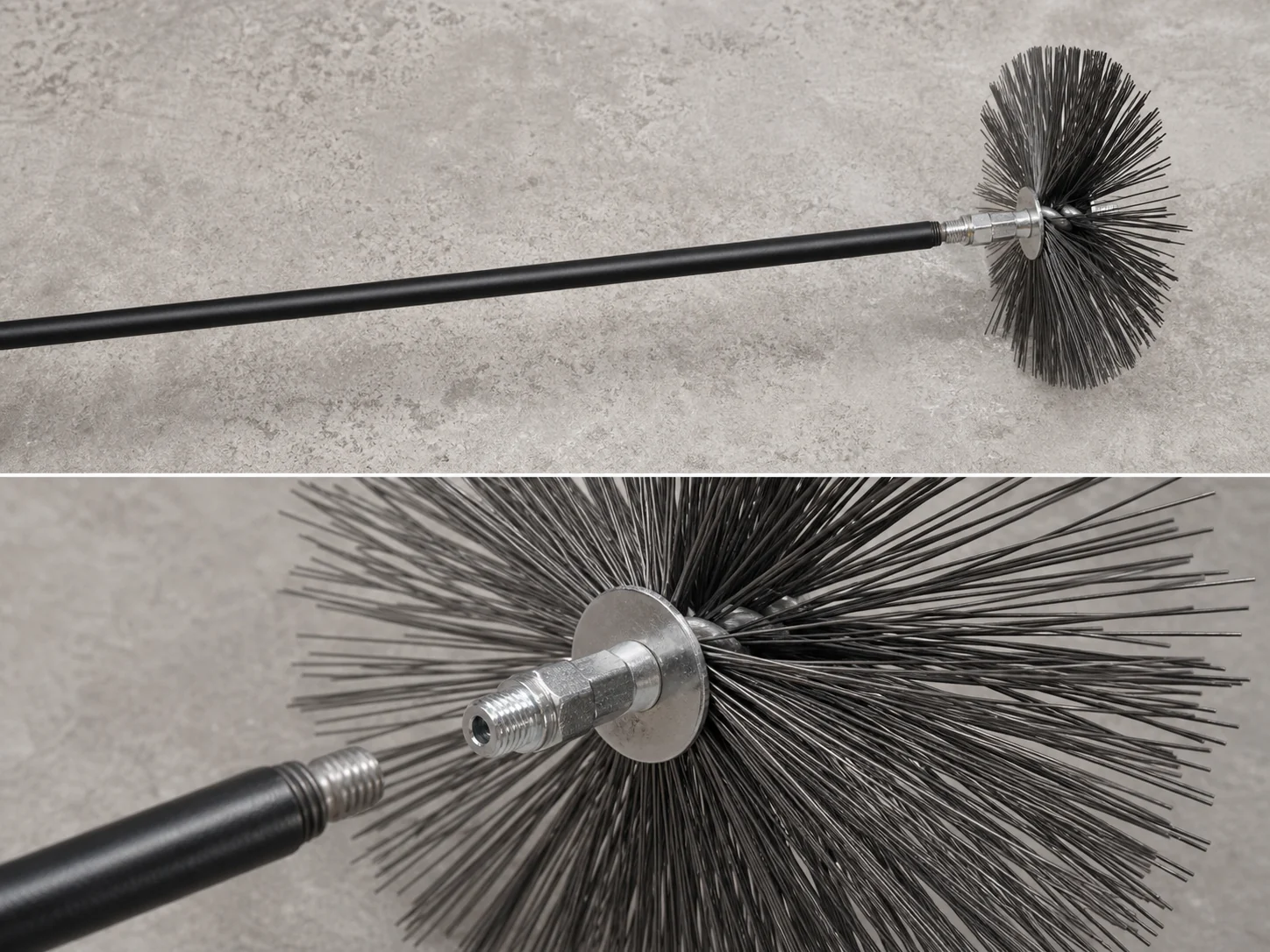
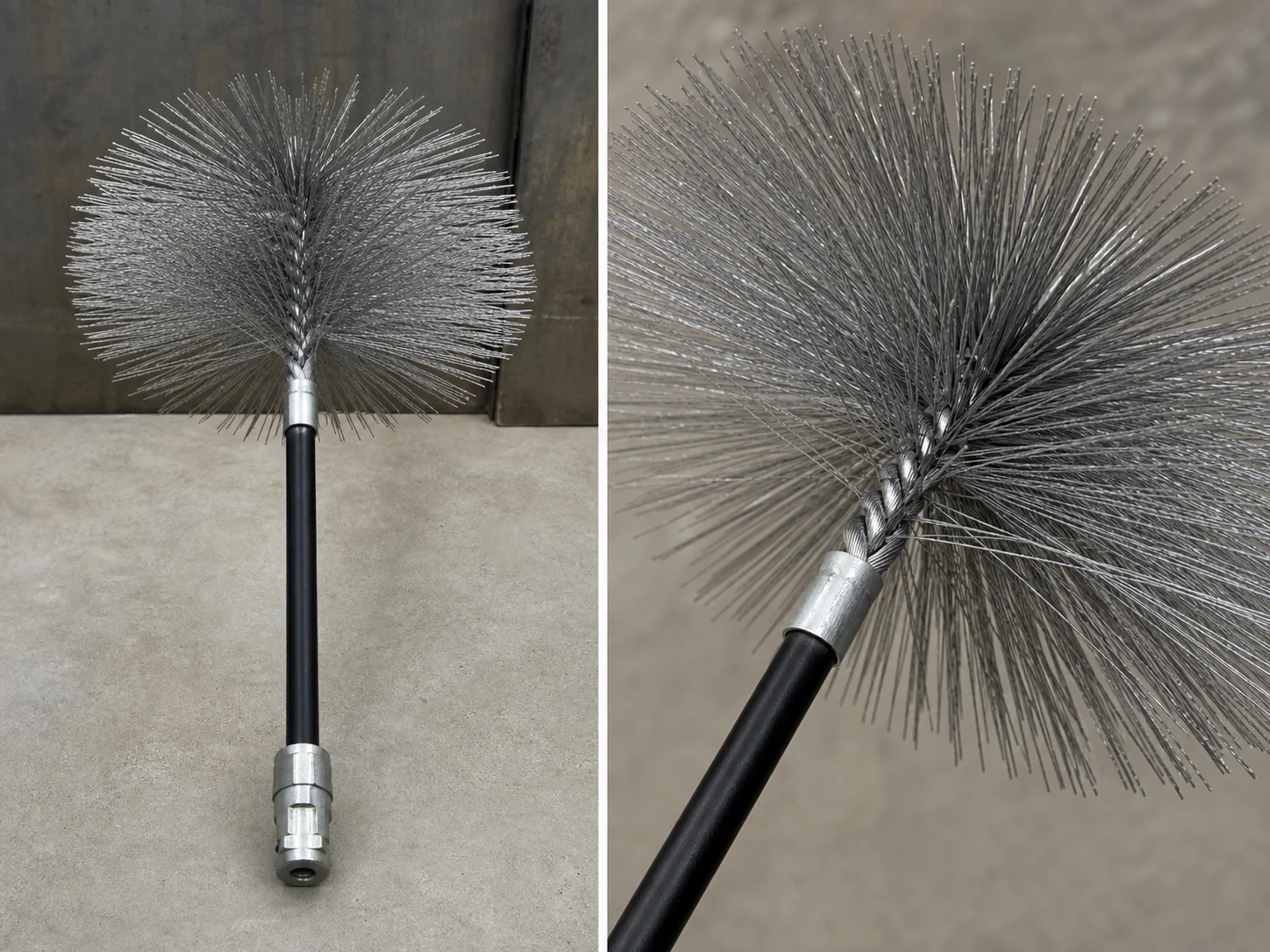
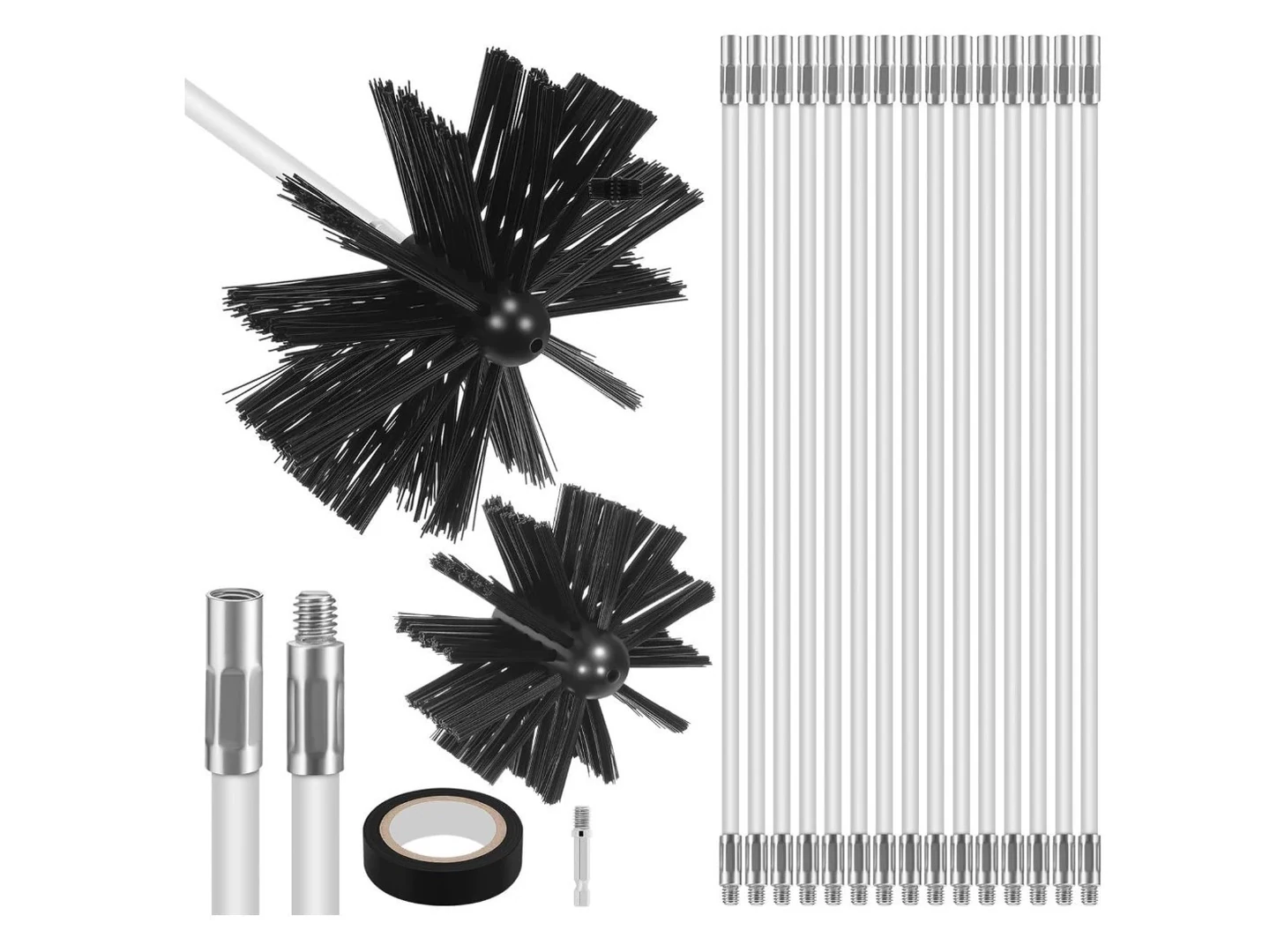
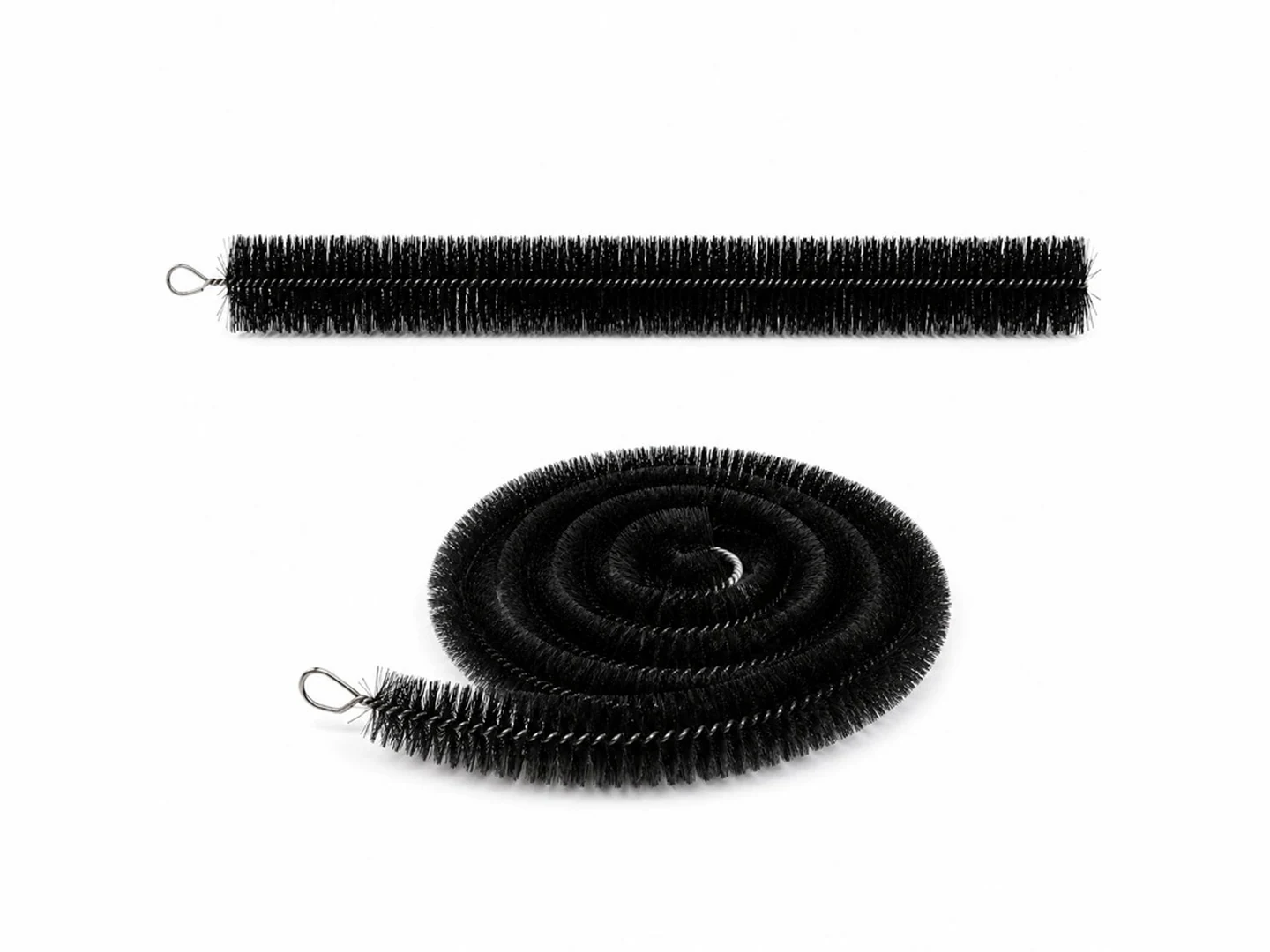
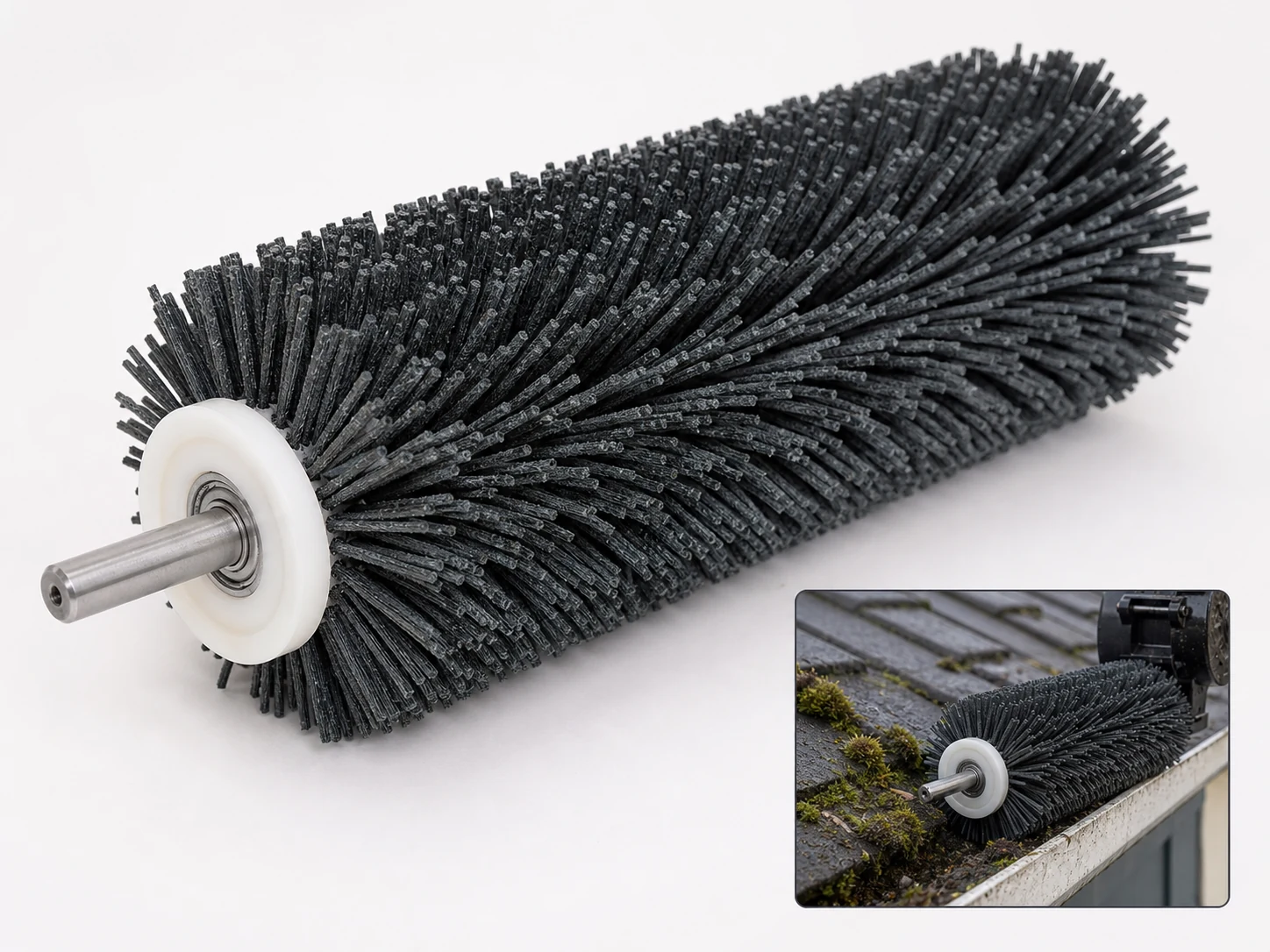
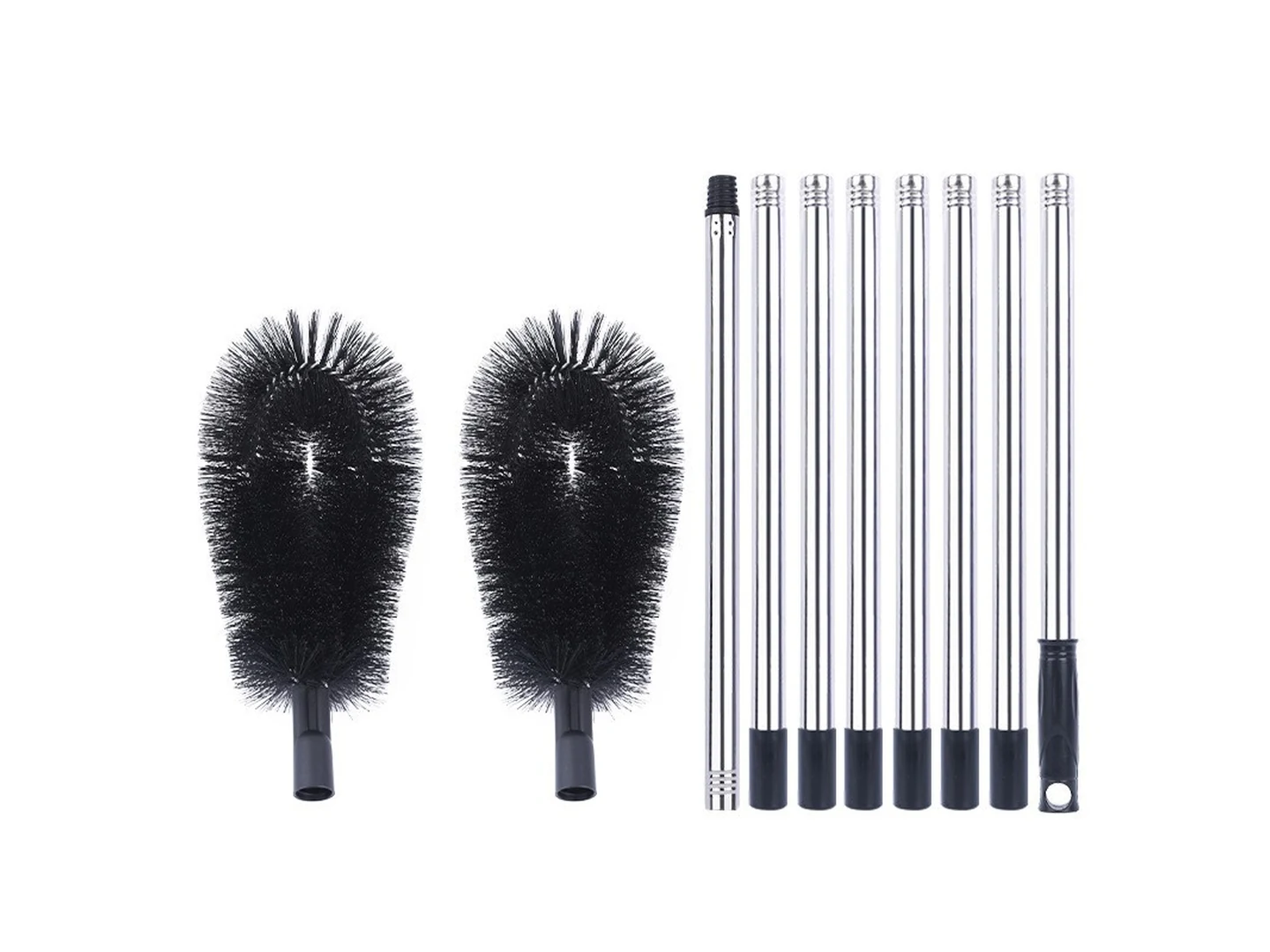
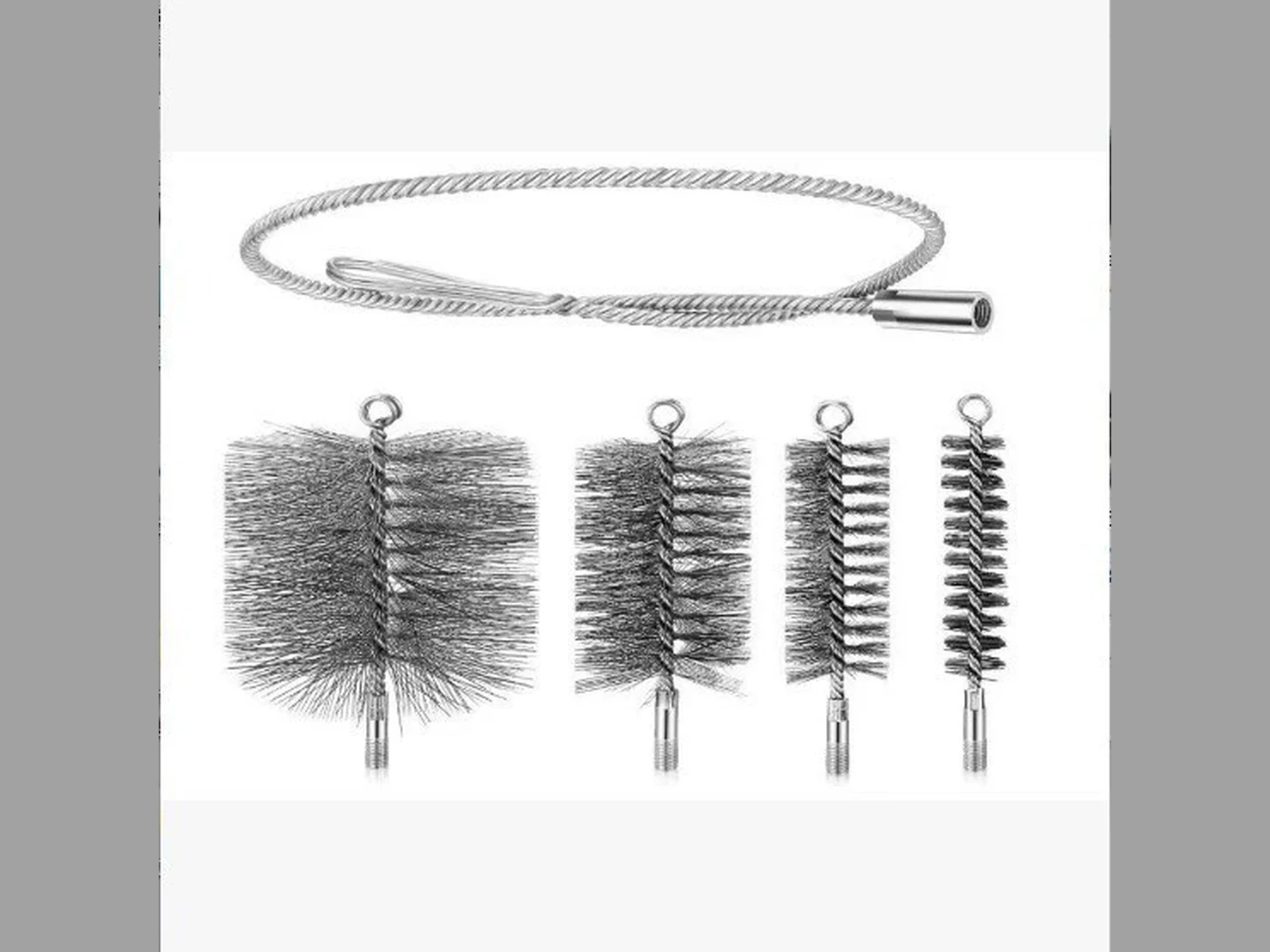
Two kinds of work share this group. Chimney and flue brushes travel through a passage, so they are sized to it. Roof, gutter and moss brushes work open surfaces from the ground or a ladder, on long poles, so they are shaped to the surface and built to stand the weather.
| Job | Brush in this range | Size |
|---|---|---|
| Masonry and clay chimneys | Wire chimney brush; 100 mm carbon steel chimney brush | Round, square or rectangular, 100–600 mm |
| Stainless and steel flues, boiler runs | 75 mm SS304 flue brush | On standard extension rods |
| Boiler flues and industrial passages | 250 mm galvanized industrial flue brush | 250 mm head |
| Flues of all kinds, by rods up to 10 m | Chimney cleaning brush in PP, nylon or wire | 100–600 mm, M8–M12 or NPT connections |
| Drill-driven flue sweeping | Power sweeping whip brush | Fits flues of about 80–500 mm |
| Gutters and downspouts | Gutter cleaning brush | Curved 100–300 mm heads, 1–4 m pole |
| Roof debris | Roof cleaning brush | 100–300 mm head, M18 or ACME pole fitting |
| Moss, algae and lichen | Moss removal brush in abrasive nylon | 100–300 mm head, 1–4 m pole |
To the flue, and a little smaller than its inside: about 6–13 mm under the inside diameter or side. A brush that is too big jams; one that is too small leaves a ring of creosote on the liner. Round flues take round brushes, and square or rectangular masonry flues take square ones, so the fill reaches the corners. Measure the inside of the flue, not the outside of the cap.
| Liner | Fill |
|---|---|
| Masonry and clay tile | Carbon steel wire, which cuts creosote |
| Stainless and steel liners | Stainless wire, so no carbon steel is left to rust on the liner |
| Flexible and corrugated liners | PP or nylon, which will not scratch or tear the thin wall |
| Bends and pellet stove flues | Nylon whip on a flexible rod |
Creosote is tar that condenses in the cool upper part of the chimney, and it burns. Brushing takes the flue back to clean liner along its whole length, so there is nothing left to catch.
By rods, a rope, or a drill. Rod brushes thread onto flexible rods with M8, M10, M12 or NPT ends, or a pull ring for rope sweeping from the top and bottom. Whip brushes spin on rods driven by a drill: their nylon strands scrub the full circumference and follow bends where a stiff brush would stick. Tell us the rod thread you use, and the brushes are made to it.
A head shaped to the surface and fill that lasts outdoors. A gutter brush has a curved U or V head cut to the gutter profile, so its fill touches the floor and both sides and pulls the packed mat of leaves and silt along to where it can be lifted out. Roof brushes are wide and flat, with PP or nylon fill to clear debris off shingle, tile and metal. Both use UV-stabilized fill and standard pole threads, such as M18, 3/4 inch or ACME.
Moss roots into the surface, so sweeping takes the top off and leaves the base to regrow. Silicon carbide abrasive nylon cuts moss out of concrete paving and stone joints. Plain nylon is used on timber decking, which marks under grit. Roof coverings take soft fill, usually with a cleaner. Long poles let most roof and gutter work be done from the ground; where it cannot be, use safe access and fall protection.
Every brush in this group starts at 100 pieces per design, and can be made under your brand with your packaging.
Provide chimney/flue diameter and length or roof/gutter access, deposit, surface and preferred rod/pole system. We can then size the brush for the actual path.
Choose your brush type, cleaning task, material direction, and key details before sending a custom brush request.