
Material
Hardwood Brush Base
Brush base material
Hardwood Brush Base is evaluated as a brush component material rather than as filament. The correct component material depends on mechanical load, geometry, interface, environment, and how the brush will be cleaned and serviced.
Datasheet values
- Density
- 500–900 kg/m³
- Moisture content
- 6–12% for finished blocks
- Thickness
- 8–50 mm
- Use temperature
- up to 80°C in normal brush service
- Machining tolerance
- ±0.2–0.5 mm
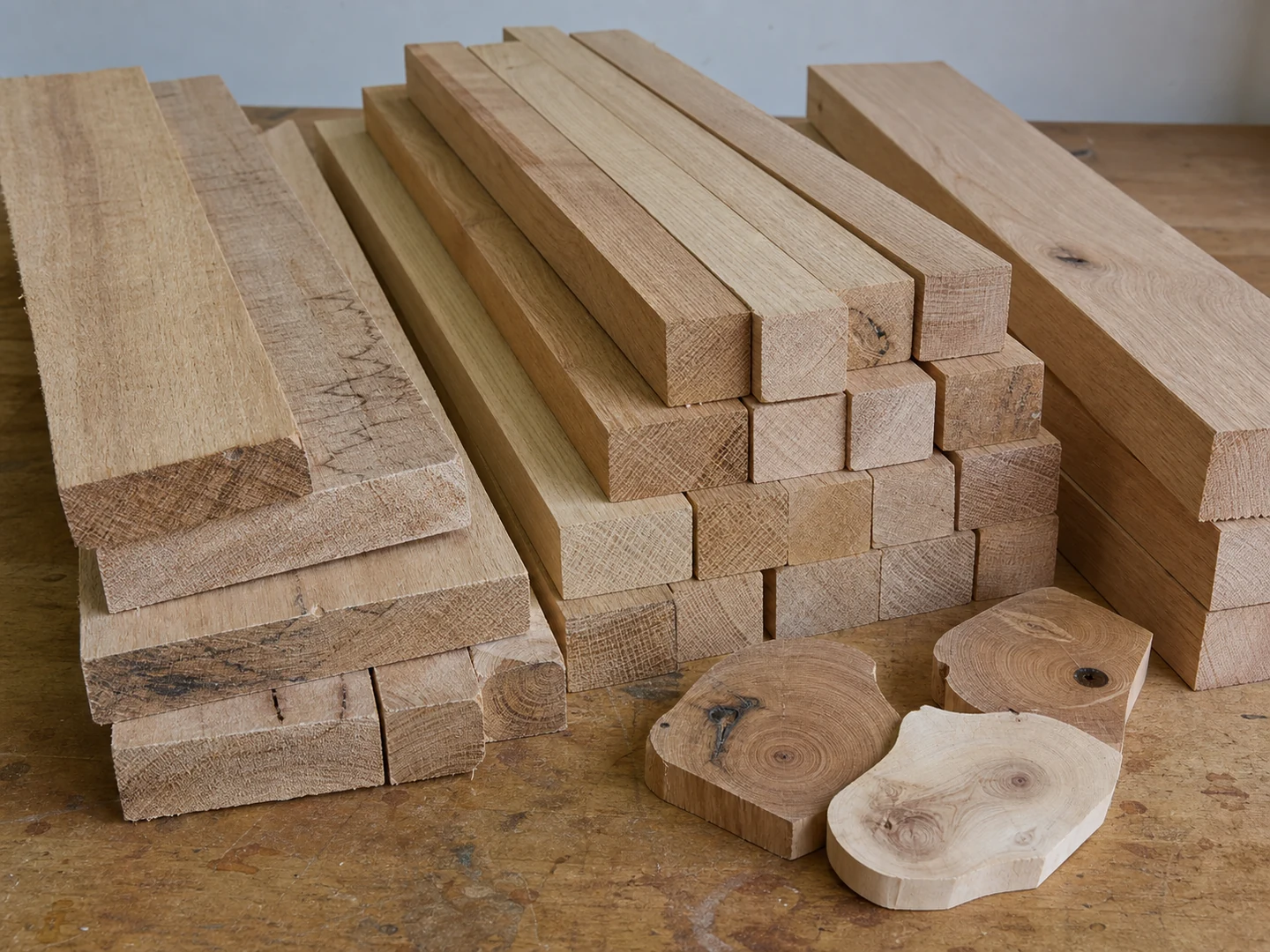
A hardwood brush base is a solid wood block or handle machined to retain tufts and provide the brush geometry.
What is Hardwood Brush Base, and what makes it different from other brush filaments?
In the brush base material family, Hardwood Brush Base is specified, supplied as drilled and staple-set wood block, shaped handle and turned brush body.
Hardwood Brush Base is used in custom cleaning brushes for manual block, clothes, shoe and applicator brushes used mainly in dry or intermittently wet service.
It is usually weighed against PVC Board Brush Base, and the deciding difference is wet stiffness and working temperature rather than anything you can read off the name.
Compare Hardwood Brush Base with PP block, PE board, PVC board, engineering-plastic core. Change material when wet stiffness, temperature, chemical resistance, conductivity, particle shedding, or surface marking becomes the limiting factor.
What stiffness and contact pressure can I expect from Hardwood Brush Base?
Hardwood Brush Base is rigid; actual hardness and fastener retention are species- and grain-dependent; hardwood Brush Base changes brush stiffness through filament diameter, free trim, density, crimp, and contact. Use finer filament and longer trim for conformable contact; use coarser filament, shorter trim, or higher density for stronger displacement or cutting.
The part people get wrong: this component does not set brush stiffness. It holds the fill and takes the mounting load, and the scrubbing pressure comes from the filament specified separately.
How does water affect Hardwood Brush Base performance?
Wood is hygroscopic; USDA guidance emphasizes matching fabrication moisture to expected atmospheric conditions to limit dimensional change.
What this means for your application: dimensional change is the risk here, not stiffness. A component that grows in service pushes the fill out of position and opens up the joint.
A practical check: soak a sample and re-measure the mounting dimension and hole spacing. If either has moved, the fill will not stay seated in service.
What temperature limits apply to Hardwood Brush Base?
Treat hardwood as a structural brush block for mainly dry or intermittently wet service; do not assign a universal continuous-temperature limit without the wood species, moisture condition, coating, adhesive/staple system, and sanitation process.
Where it stops working: validate with a sample if the process sits near the top of that band. A permanent bend under load means the answer is a higher-temperature filament family, not a heavier trim.
Diameter, trim length and applied load all shift the real limit, so a thin filament touching lightly survives conditions that would flatten a thick one under pressure.
What chemicals attack Hardwood Brush Base?
Limited compared with engineering plastics or metal; coating can retard but not eliminate moisture-related movement.
Compatibility is a function of concentration, temperature and contact time together. A short rinse in a dilute solution is a different exposure from an overnight soak in a concentrated one, even with the same chemical on the label.
Before you commit to a quantity: Specify the exact Hardwood Brush Base grade or alloy, filament or profile size, color, straight or crimped form, working temperature, wet or dry use, chemical exposure, surface finish, and any required material documentation.
What is the practical lower limit for filament diameter?
Filament diameter does not apply to Hardwood Brush Base. It is a brush component rather than the fill, so it carries no filament of its own and sets no lower diameter limit.
The dimensions that do decide it are the bore or mounting size it has to fit, its wall section or thickness, and the hole pattern that receives the fill. Those come from the machine interface, not from the cleaning task.
In practical brush terms: fix the component dimensions against the equipment first, then choose the fill material and its diameter for the residue you are removing. The two are specified separately.
What applications typically use Hardwood Brush Base?
Manual block, clothes, shoe and applicator brushes used mainly in dry or intermittently wet service.
Where it turns up in practice:
- Industrial Machine Cleaning
- Household Dish, Teapot & Kitchen Detail Cleaning
- Brick, Tile & Building Material Machine Brush Use
- Laboratory Tube Cleaning
- Beverage Equipment Cleaning
- Dust Removal
It is normally set into these constructions:
- Custom Handheld Detail Brushes
- Custom Bottle & Container Brushes
The trade-off: Not preferred for continuous immersion, steam sanitation, cleanroom duty or tight wet dimensional tolerance.
How do I specify Hardwood Brush Base for a custom brush?
Send the brush type, filament diameter, free trim length, density, contact setting, wet or dry duty, working temperature and the actual cleaning chemistry together. Any one of them on its own leaves the stiffness undefined.
What usually goes wrong at this step:
- Selecting Hardwood Brush Base from the material name alone without setting filament diameter, trim length, and density
- Using dry stiffness to predict wet behavior without checking moisture absorption or liquid exposure
- Ignoring trapped abrasive particles, chemical concentration, temperature, or contact motion when assessing surface risk
Reference standards behind the figures on this page: ISO 13061-1; ASTM D143.
Source: USDA Forest Products Laboratory — Wood Handbook — wood as an engineering material. A wood block moves with moisture, and that movement is what loosens staple-set fill rather than any temperature limit. Species, moisture content at assembly and the finish on the block are the three things worth specifying.
Questions this page is asked
How should tuft and hardware retention be checked on an intermittently wet hardwood base?
Cycle the finished brush through the actual wetting, cleaner, rinse, drainage and drying sequence while including expected temperature and mechanical load, then measure swelling, warpage, cracking, coating damage and tuft, staple, screw or insert retention. Compare conditioned specimens using the released species and pilot-hole or fastening process, because withdrawal resistance changes with wood properties, orientation, moisture history and fastener geometry.
Which defects should retire a hardwood brush block or handle?
Remove it from service for splinters, open checks or cracks, loose or exposed anchors, delamination, persistent warpage, softened or flaking finish, retained odour, visible biological growth or damage that prevents complete cleaning and drying. Inspect after sanitation and before reuse, because surface refinishing must not hide loss of section, fastener retention or hygienic integrity.
Where these figures come from
| Property | Published value | Source |
|---|---|---|
| Chemical resistance | Limited compared with engineering plastics or metal; coating can retard but not eliminate moisture-related movement. | USDA Forest Products Laboratory Retrieved 2026-07-20 |
| Published datasheet figures |
|
USDA Forest Products Laboratory Retrieved 2026-07-20 |
| Hardness and stiffness | Rigid; actual hardness and fastener retention are species- and grain-dependent. | USDA Forest Products Laboratory Retrieved 2026-07-20 |
| Limitations | Not preferred for continuous immersion, steam sanitation, cleanroom duty or tight wet dimensional tolerance. | USDA Forest Products Laboratory Retrieved 2026-07-20 |
| Temperature resistance | Ambient to 80°C. | USDA Forest Products Laboratory Retrieved 2026-07-20 |
| Water resistance | Wood is hygroscopic; USDA guidance emphasizes matching fabrication moisture to expected atmospheric conditions to limit dimensional change. | USDA Forest Products Laboratory Retrieved 2026-07-20 |
Guides that go deeper on this
We have not written a guide specific to this one yet. The material that covers selection, filament, dimensions, maintenance and sourcing is collected in the technical resources library.
Continue Exploring
Recommended Reading & Related Brush Resources
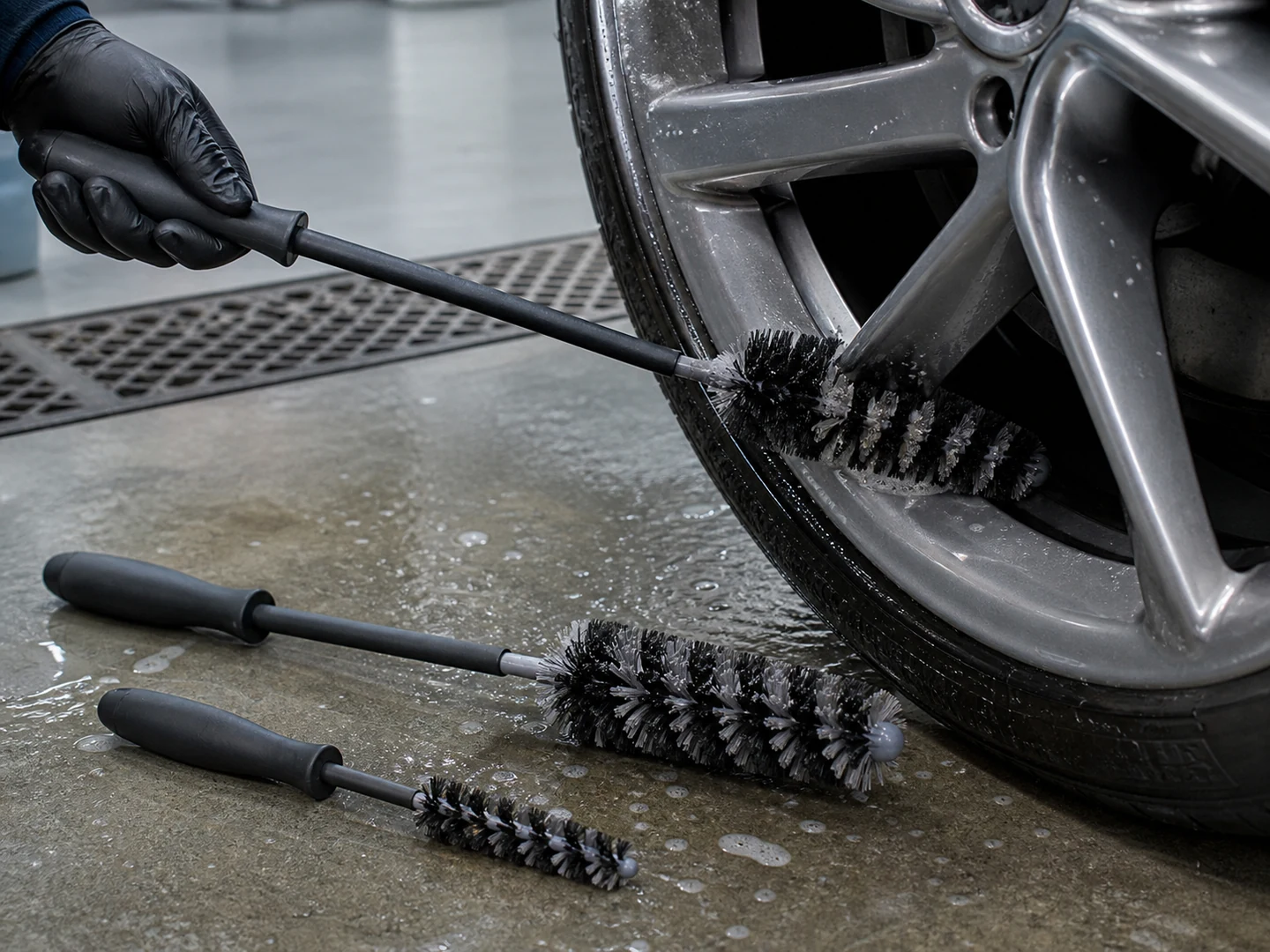
Wire Tire Brush
Steel wire tire brush for tire mounting, repair, and wheel service. Choose carbon, stainless,…
See the specification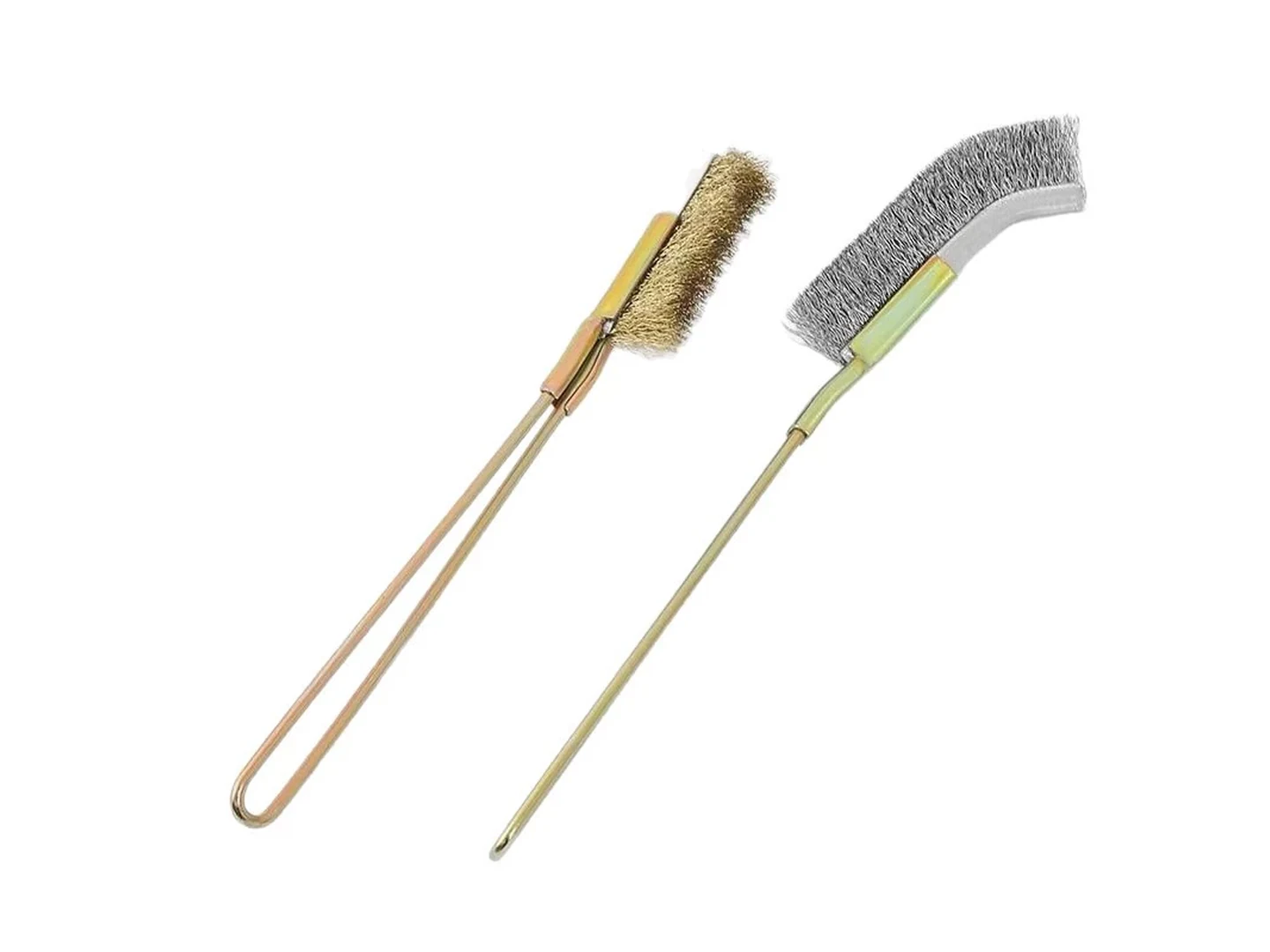
Die Casting Mold Cleaning Brush
Brass wire is softer than hardened die steel, so it works baked release agent,…
See the specification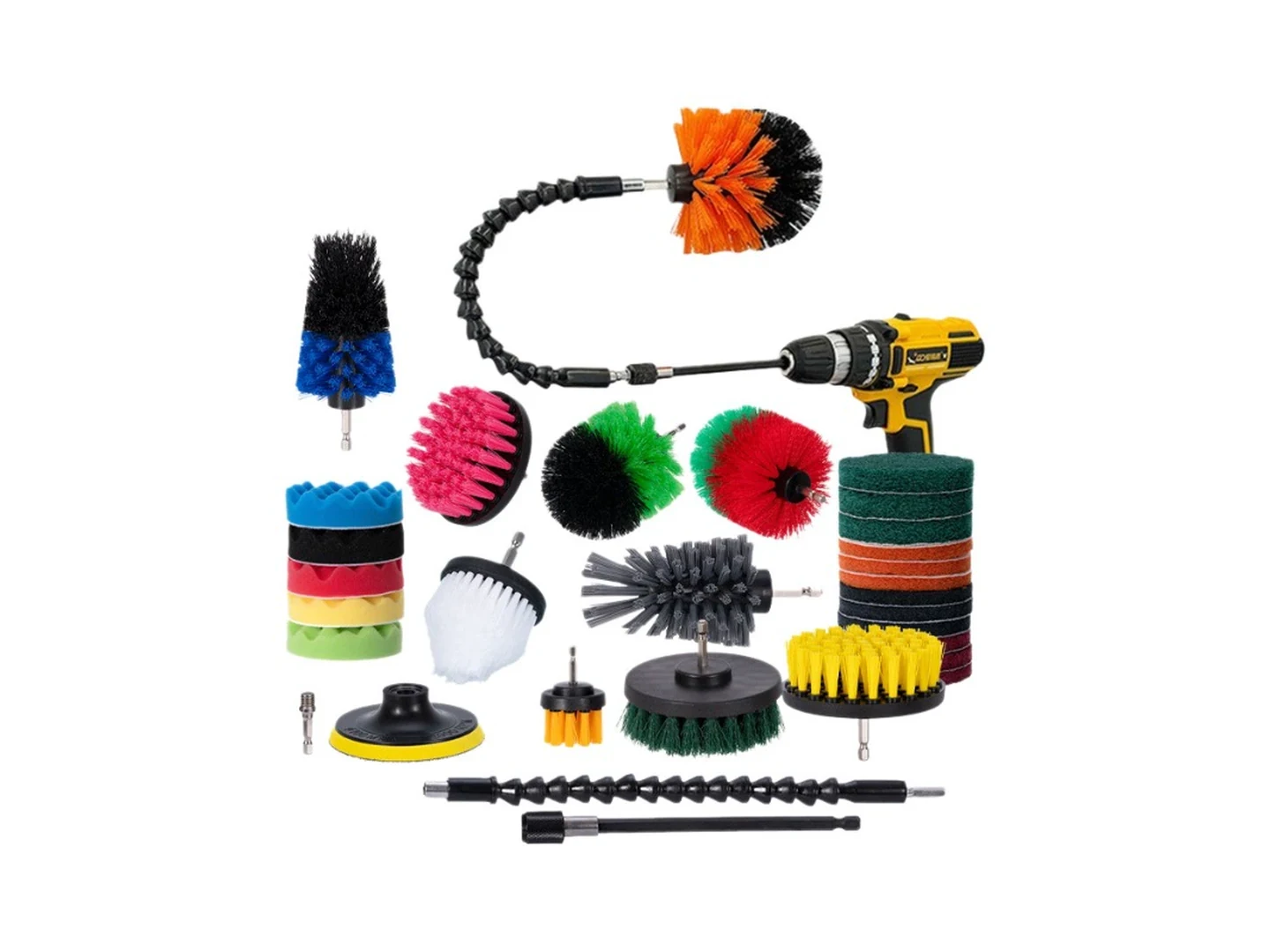
Drill Brush Set
Drill brush set with nylon PA and PP fill, 50–150 mm heads, and 6.35…
See the specification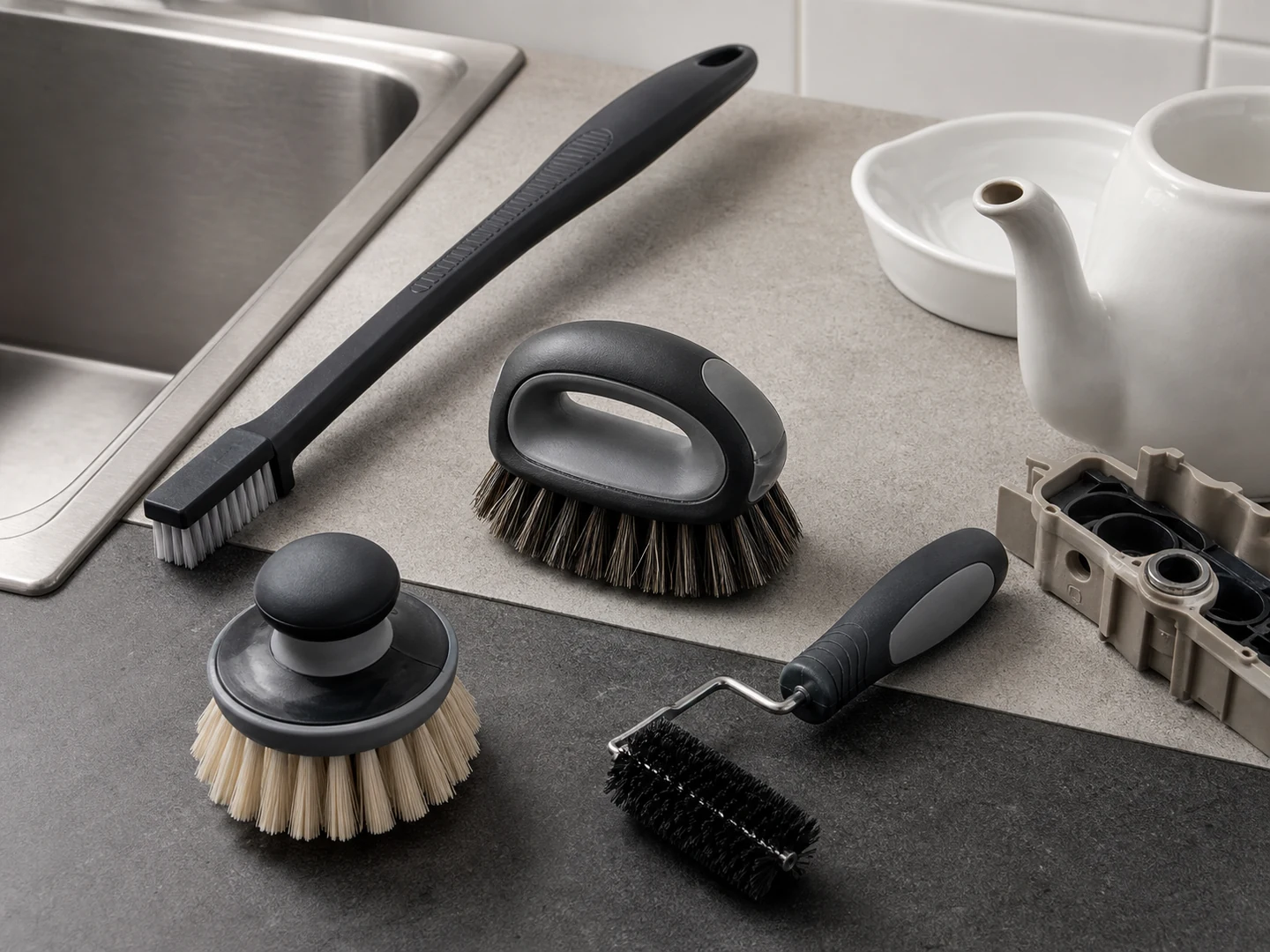
Custom Handheld Detail Brushes
Choose a handheld detail brush when you need direct control in seams, recesses, fittings,…
See how this type is built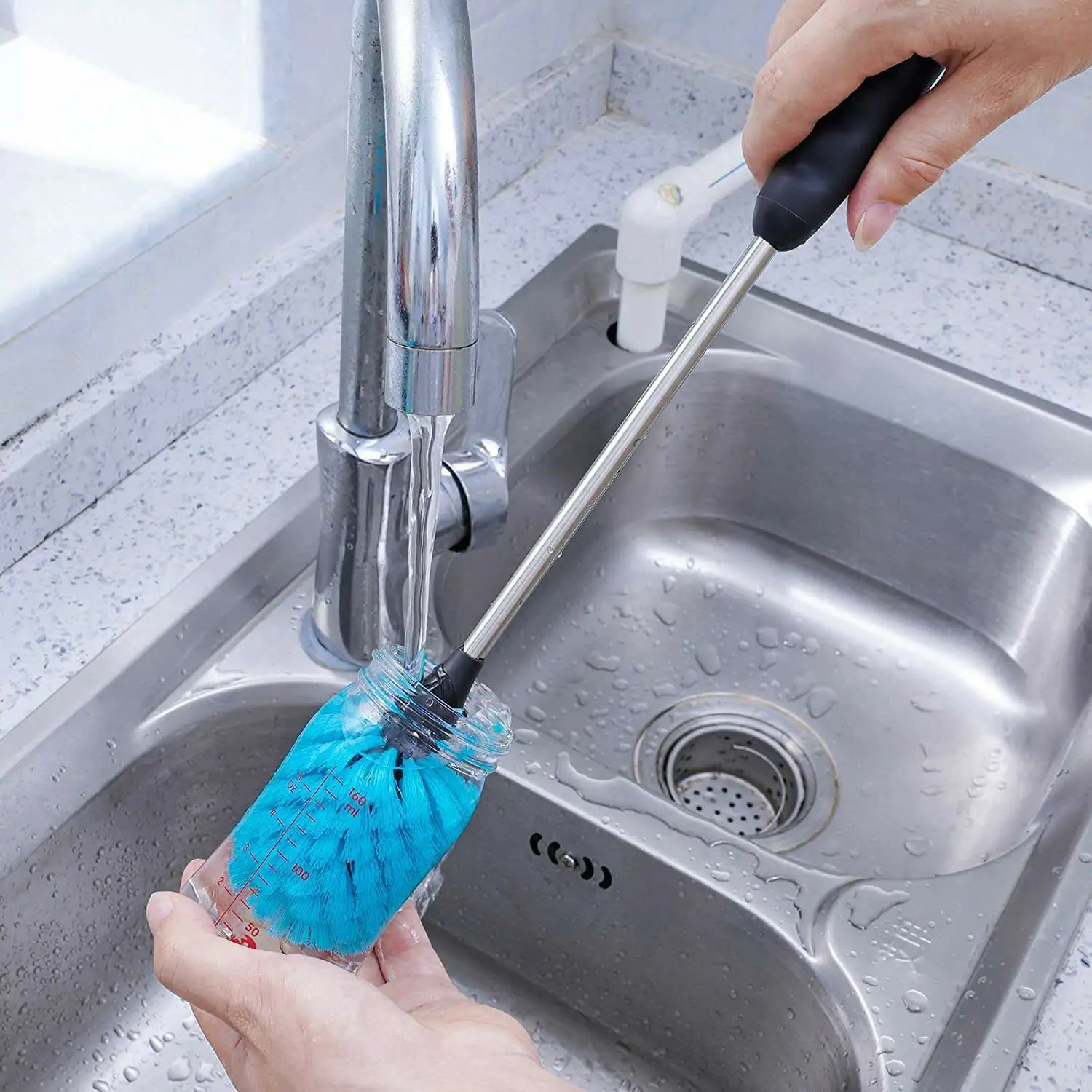
Custom Bottle & Container Brushes
Choose a bottle or container brush when the head must pass through an opening…
See how this type is built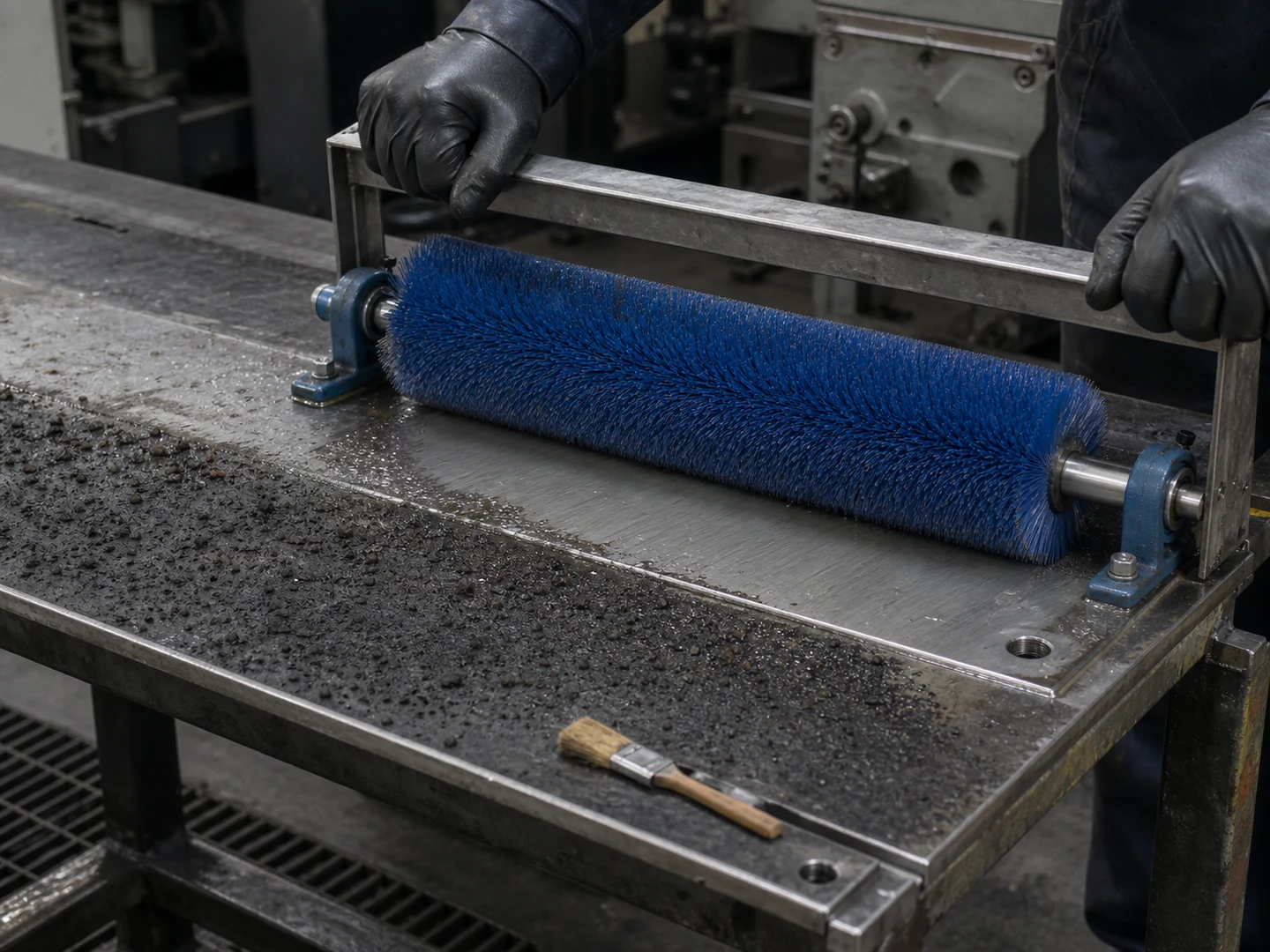
Industrial Machine Cleaning
For Industrial Machine Cleaning, the brush must reach the working area, disturb or collect…
See the cleaning job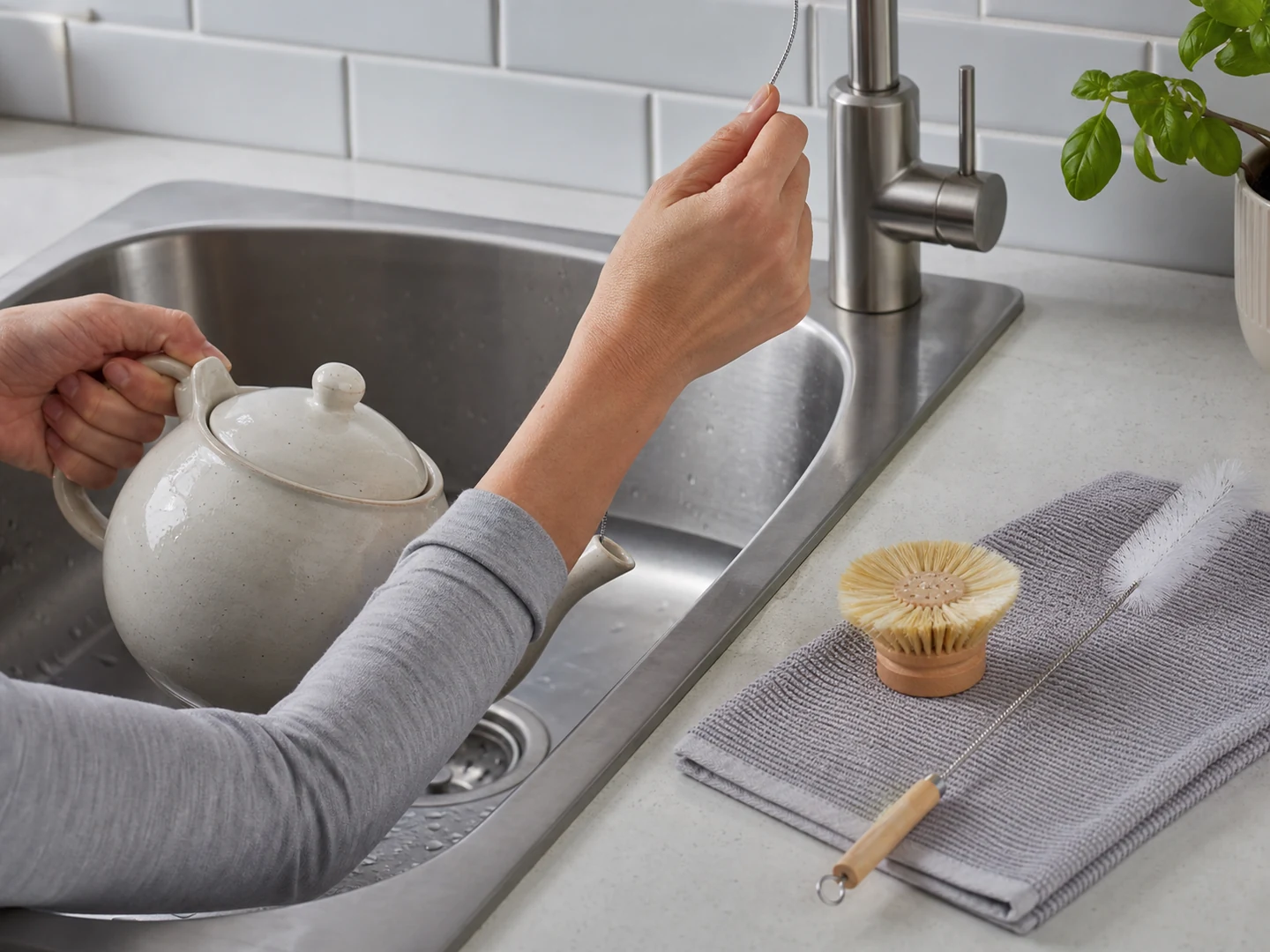
Household Dish, Teapot & Kitchen Detail Cleaning
For Household Dish, Teapot & Kitchen Detail Cleaning, the brush must reach the working…
See the cleaning job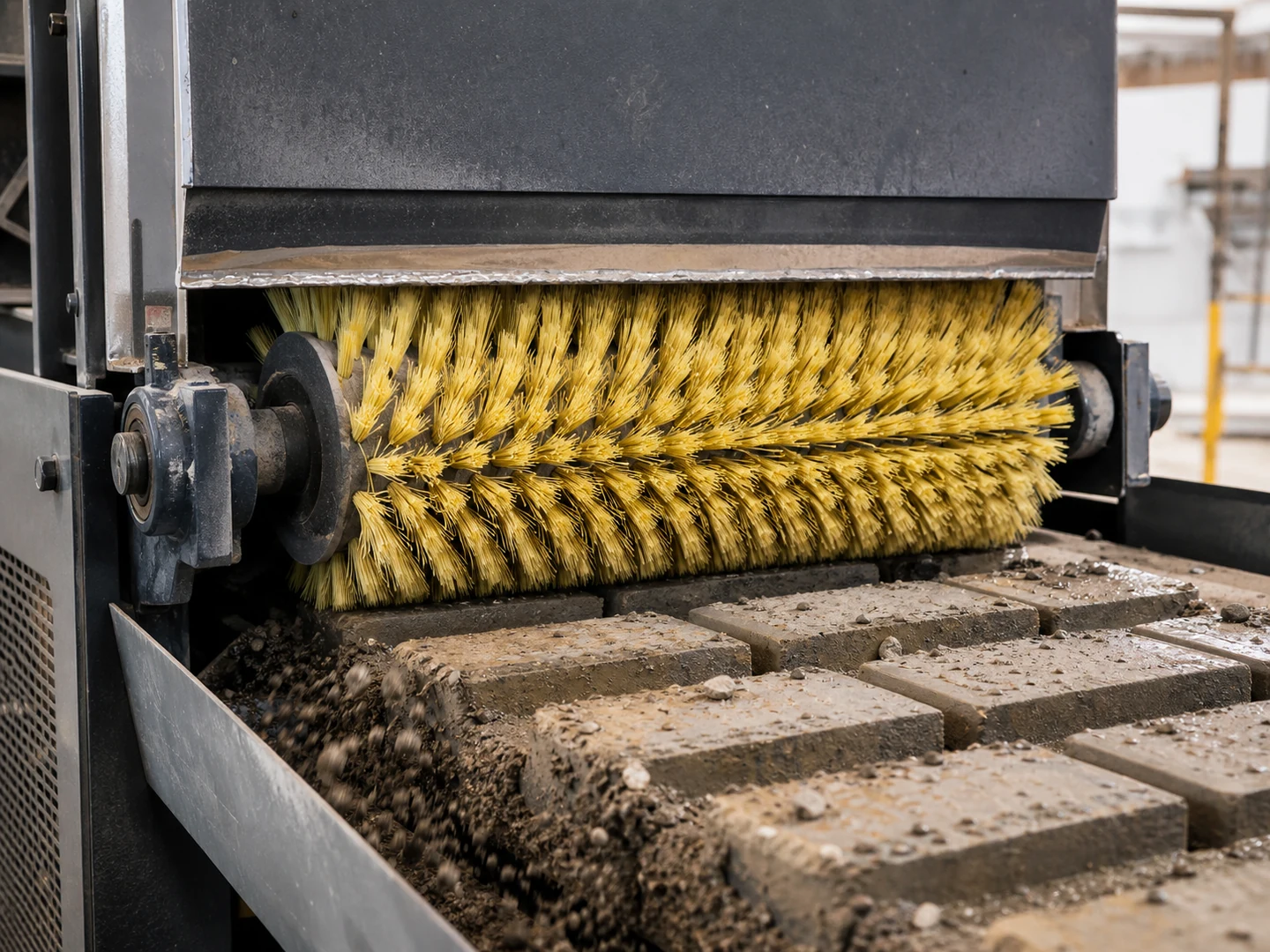
Brick, Tile & Building Material Machine Brush Use
For Brick, Tile & Building Material Machine Brush Use, the brush must reach the…
See the cleaning jobCustom Manufacturing RFQ
Discuss This Material
Share the working surface, residue, dimensions, material direction, interface, quantity and drawing or sample photo.
Custom Brush RFQ
Request a Custom Cleaning Brush Quote
Upload a drawing, product photo, or sample photo and provide the core dimensions and cleaning conditions.
“We need a brush to remove wet residue from a stainless steel conveyor, about 800mm wide. The current brush wears quickly. We can send photos.”
“We sell drinkware and need a cleaning brush to include with the product. Quantity around 5,000 pieces.”