Quick Answer
A complete RFQ describes the cleaned part, residue, brush envelope, working contact, interface, process conditions, quantity, and acceptance test. A brush name and outside dimensions alone are not enough.
Minimum RFQ Dataset
| Category | Provide |
|---|---|
| Cleaning target | Part/surface name, material, finish, geometry, and drawing or photos |
| Residue | Dust, oil, chips, scale, carbon, adhesive, food, fiber, slurry, or mixed soil |
| Dimensions | Brush OD/width/length/trim, part size, access, tolerance, and available envelope |
| Motion | Manual, belt travel, rotation, reciprocation, pull-through, line speed, equipment speed, and direction |
| Environment | Dry/wet, temperature, detergent/chemical, steam, static, hygiene, and corrosion |
| Interface | Handle, stem, loop, thread, shaft, journals, hub, keyway, flange, channel, or backing |
| Commercial | Quantity, sample quantity, target schedule, packaging, destination, and repeat demand |
| Acceptance | Residue limit, finish, cleaning time, brush life, shedding, runout, balance, or inspection method |
For an Existing Brush
Send the worn brush or photographs from the side, face, shaft ends, and interface. Measure overall length, working length, outside diameter, core diameter, trim, filament diameter, shaft/journal sizes, keyway, thread, mounting centers, and rotation. State what fails: cleaning, wear, loading, shedding, corrosion, or installation.
For a New Application
Send the part drawing and mark the cleaned zone, approach direction, mounting space, moving components, guards, and discharge area. Identify the residue before and after cleaning. State whether the brush may change gloss, edge radius, coating, roughness, or dimensions.
Avoid These RFQ Gaps
- “Same as photo” without a scale or dimensions.
- A material name without filament diameter, trim, density, or working condition.
- A shaft drawing without rotation, speed, load, or face pattern.
- Food/medical/cleanroom wording without the actual required material and cleaning standard.
- A target price without annual quantity, life target, and acceptance test.
Quote Output
A usable quotation should identify brush construction, principal materials, dimensions, interface, sample plan, quantity breaks, tooling where applicable, lead time, packaging, and the data still required before production.
Technical References
Which bristle material fits this job — PA612 Nylon, Polypropylene PP or AISI 304 Stainless Steel Wire?
| Material | Continuous temperature (°C) | Peak temperature (°C) | Water absorption | Hardness |
|---|---|---|---|---|
| PA612 Nylon | 90–110 | 130–150 | 0.3–0.7% | Shore D 70–80 |
| Polypropylene PP | 80–100 | 120–140 | ≤0.03% | Shore D 65–75 |
| AISI 304 Stainless Steel Wire | 400 | 500 | 0% | Rockwell B 70–95 depending on temper and cold work |
| AISI 316 Stainless Steel Wire | 400 | 500 | 0% | Rockwell B 70–95 depending on temper and cold work |
Figures as published by Brushtec / DuPont; Perlon; Alleima. Confirm the exact grade against the supplier datasheet before ordering.
When are Handheld Detail Brushes the wrong choice?
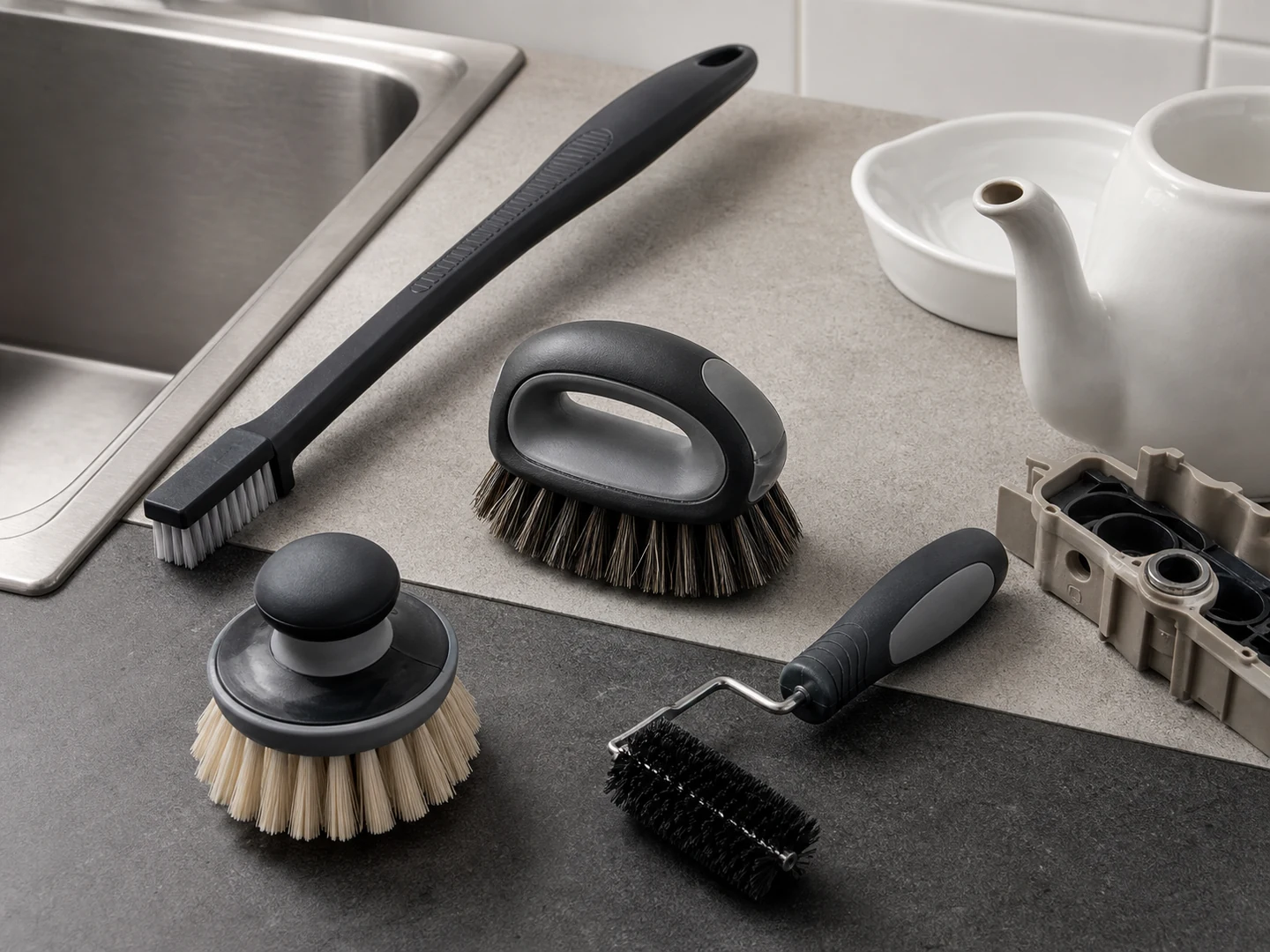
- Handheld Detail Brushes — Use a tube brush, powered brush, scraper, wipe, sponge, or vacuum when the target is internal, heavily bonded, or highly delicate.
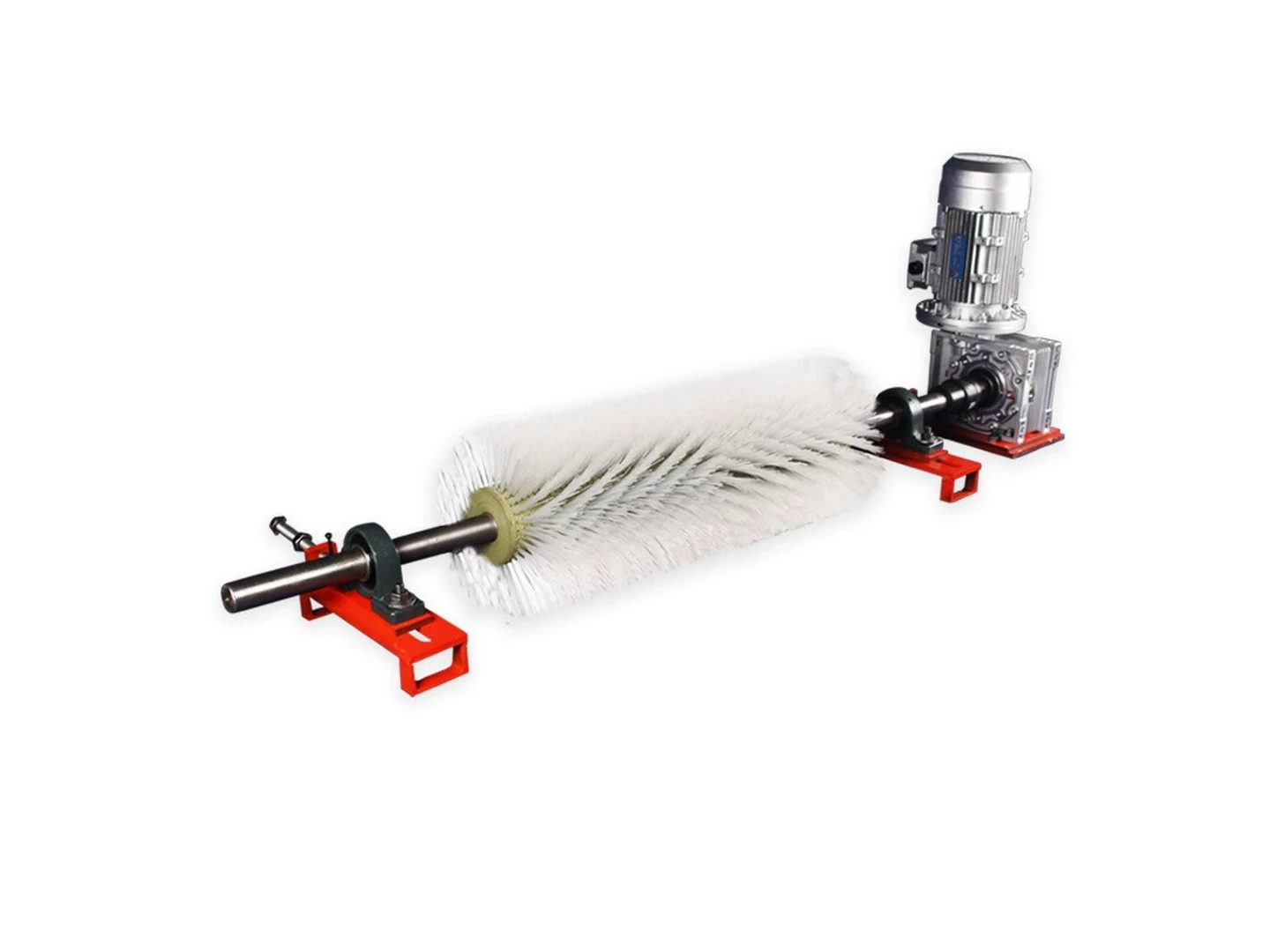
- Roller and Conveyor Brushes — Use a stationary strip brush for a fixed linear seal or wipe, or another process when rotating line contact interferes with the product or cannot discharge the residue safely.
- Tube & Pipe Bore Brushes — Use pigs, flushing, ultrasonic, chemical descaling, blasting, or a flexible cable system for long, sharply curved, or heavily scaled passages.
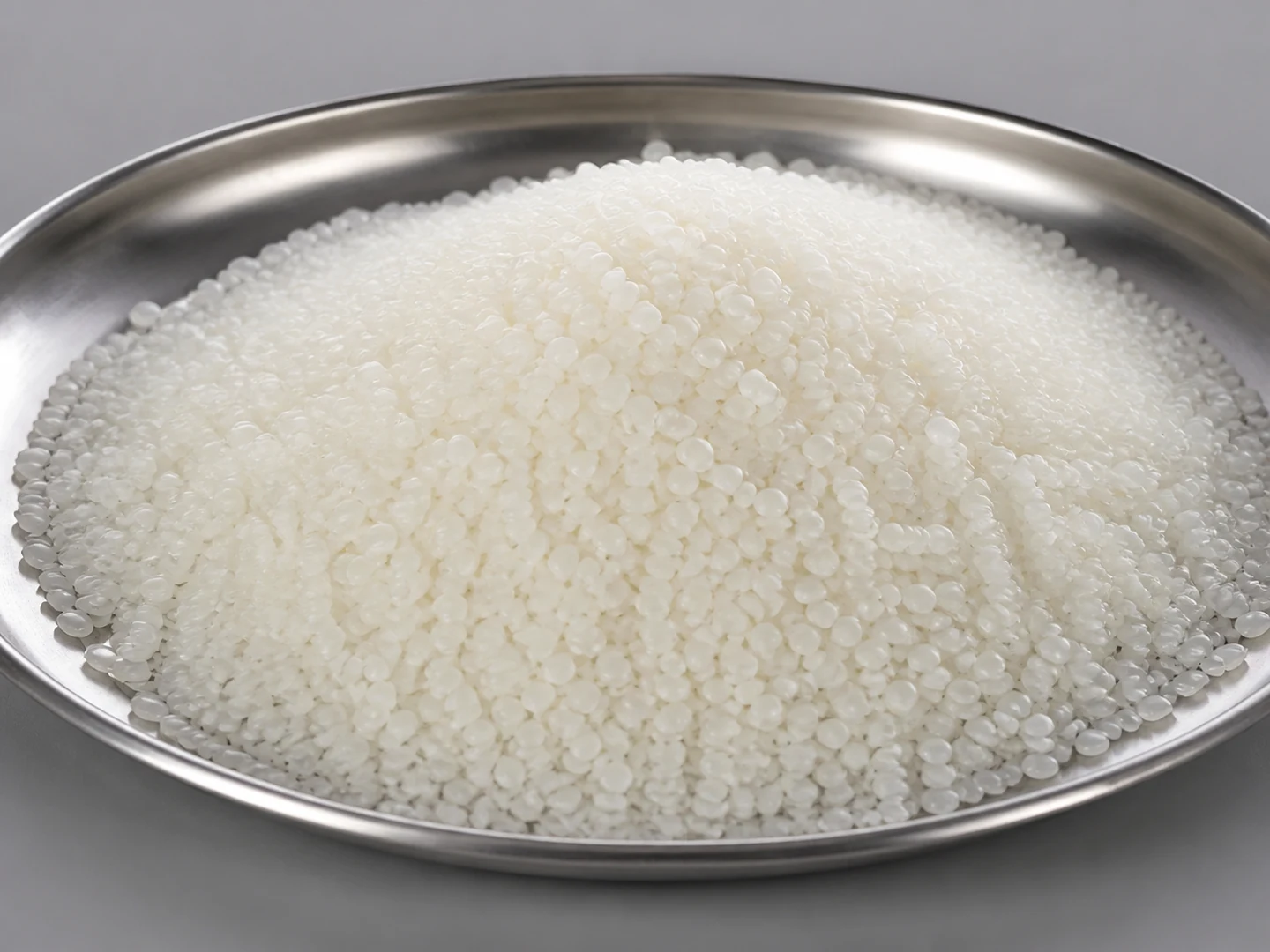
- PA612 Nylon — PA612 costs more than general PA6 and should be used where its wet stability, recovery or wear life creates a real process benefit.
What should replace Handheld Detail Brushes when they stop working?
- Handheld Detail Brushes — Handheld detail brushes cover general precision cleaning; auto-detailing brushes impose tighter controls for painted, polished, leather, display, and trim surfaces.
- Roller and Conveyor Brushes — Roller and conveyor brushes hold cylindrical line contact across a working width, including helix-wound builds where the filament path is set to move loosened material toward one side; a strip brush holds the same line without rotating, so it seals or wipes but cannot carry residue along the width.
- Tube & Pipe Bore Brushes — Tube and bore brushes work by radial contact inside a confined diameter; wire wheels and cups work mainly on external edges, profiles, welds, and broad surfaces.
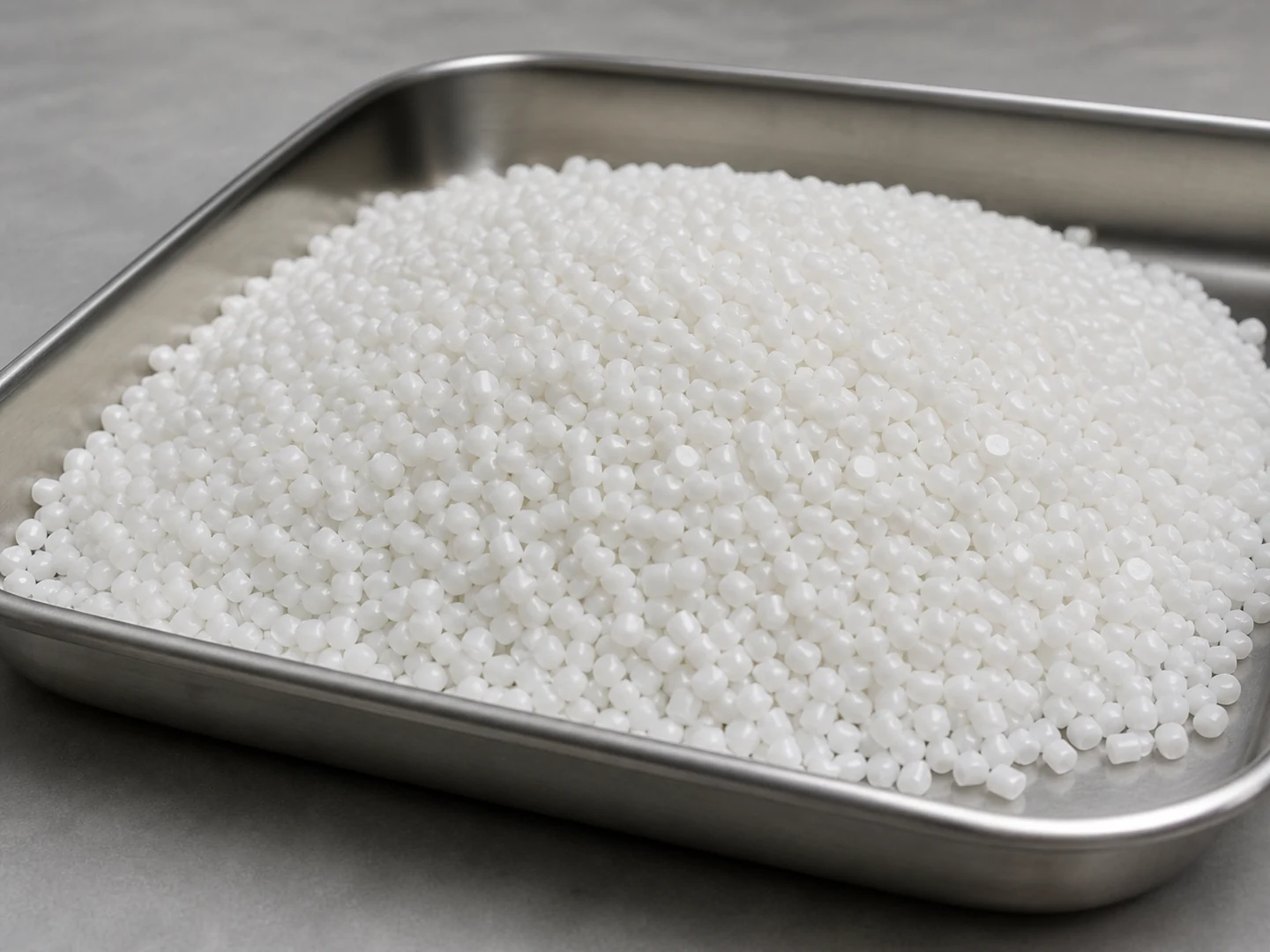
- PA612 Nylon — Compare PA612 Nylon with PA66, PP, PBT. Change material when wet stiffness, temperature, chemical resistance, conductivity, particle shedding, or surface marking becomes the limiting factor.