What Is a Main Roller Brush?
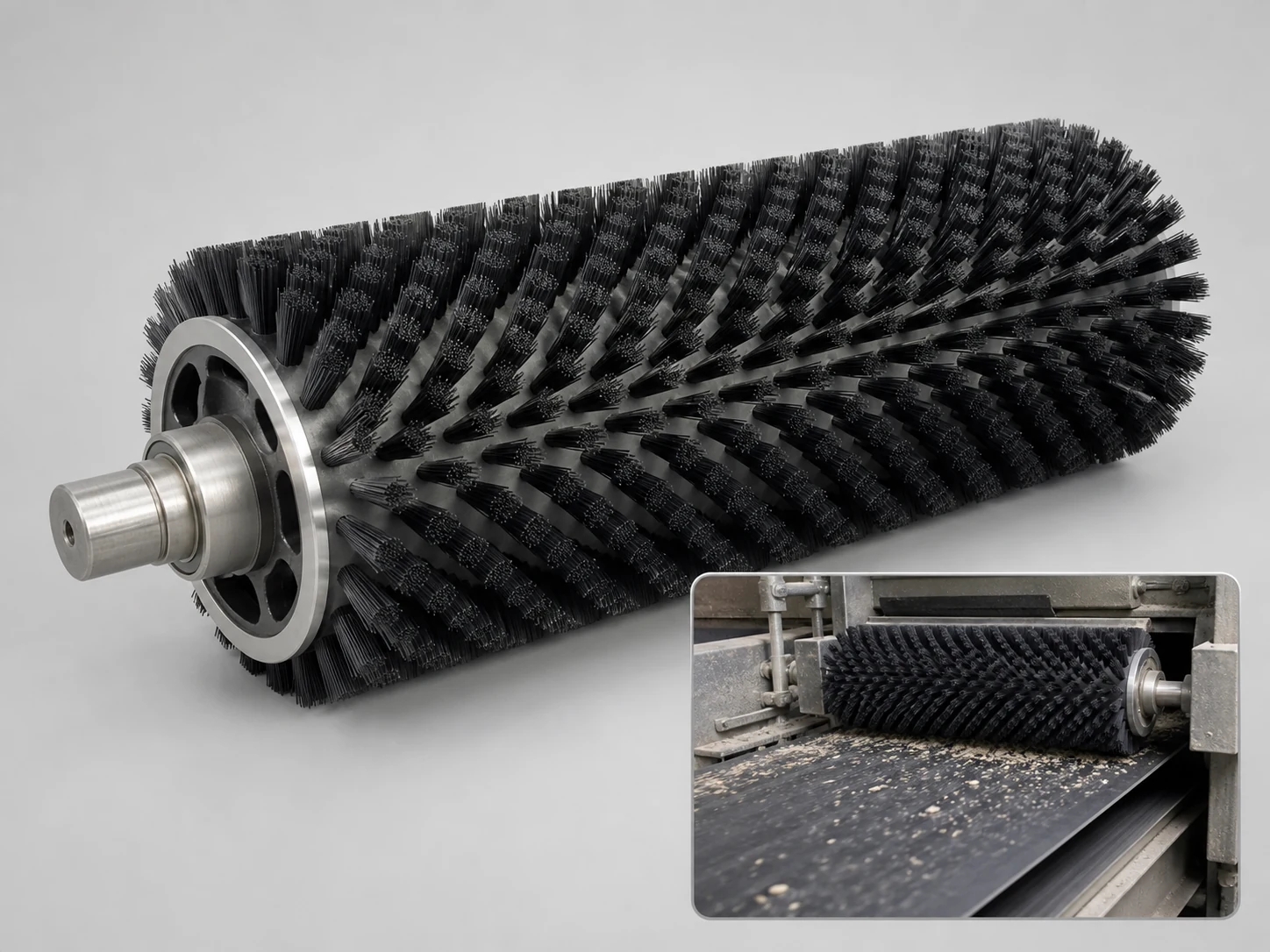
A main roller brush is a cylindrical brush mounted on a rotating shaft or core, used for tasks such as scrubbing, sweeping, polishing, dusting, coating, or material transfer in industrial and commercial machinery. It is typically a central component in equipment like floor scrubbers, conveyor systems, sheet cleaners, or processing lines. Unlike accessory brushes, the main roller brush directly performs the primary function and often operates under continuous duty or high‑stress conditions.
When Should You Customize a Main Roller Brush?
You should consider customization when one or more of the following apply:
- No standard size fits your shaft length, diameter, or mounting interface.
- Your application requires a specific bristle material for abrasion resistance, chemical compatibility, or temperature tolerance.
- The brush must meet strict cleanliness, FDA, or anti‑static requirements.
- You are replacing a failed brush that showed unusual wear patterns and need a more durable design.
- You are prototyping a new machine and need a brush tailored to the process parameters.
- Standard density, trim length, or fill pattern does not deliver the right mechanical action.
If a standard brush can be adjusted with simple shaft adapters or minor trimming, customization may be unnecessary. Always evaluate whether a small modification to the machine or process could let you use a catalog part.
Key Specifications to Prepare for a Custom Main Roller Brush
Clear specifications reduce production schedule and prevent costly misunderstandings. Prepare the following before you contact a roller brush supplier:
- Brush Type: Strip brush, coil‑wound brush, stapled strip, or molded segment. Choose based on bristle density, replacement needs, and cost.
- Drawing or Sample: A dimensioned PDF or a worn‑out sample helps the supplier reverse‑engineer the design. For new builds, provide a CAD sketch outlining the active brush face, core geometry, and mounting features.
- Overall Dimensions: Overall length (OL), face length (FL), outer diameter (OD), inner diameter (ID) or core diameter, and shaft diameter if the core is not integral.
- Bristle Material: Nylon, polypropylene, polyester, horsehair, Tampico, brass‑plated steel, stainless steel, abrasive‑filled nylon, or conductive fibers. Specify diameter, crimp, and any filler content.
- Core or Holder Material: Steel, stainless steel, aluminum, PVC, phenolic, or engineered composite. The choice affects weight, balance, corrosion resistance, and cost.
- Mounting Interface: Keyed shaft, set‑screw collar, flanged hub, quick‑release coupling, or bearing‑supported end caps. Include bore tolerance and keyway dimensions if applicable.
- Quantity: Prototype quantity vs. production run. Initial tooling costs can be spread differently depending on volume.
- Application Description: What the brush will do (e.g., remove debris from a conveyor belt, apply coating to wood panels) and how it interacts with the product surface.
- Operating Environment: Wet, dry, oily, presence of chemicals, temperature range, and washdown frequency. This governs material and adhesive choices.
- Packaging and Documentation: Palletized, individually wrapped, or bulk for in‑house assembly. Ask for a material certificate or inspection report if needed for ISO or customer audits.
Comparing Common Custom Brush Options
| Option | Typical Use | Key Material Choices | Durability & cost |
|---|---|---|---|
| Strip Brush (Channel Base) | Light to medium cleaning, guiding, or static control | PP, nylon, animal hair; aluminum or steel channel | Low cost, easy to replace strips; limited density |
| Coil‑Wound Brush | Heavy‑duty sweeping, scrubbing, high‑speed operation | Abrasive nylon, wire, Tampico; steel core | High density, balanced for speed; higher tooling cost |
| Stapled Strip Brush | Medium‑duty cleaning, dusting, or polishing | Nylon, horsehair, polypropylene; phenolic or PVC core | Good balance of cost and density; stapling can limit core material |
| Molded Segment Brush | Tree fruit cleaning, delicate surfaces, or modular replacement | Polypropylene, soft nylon; molded plastic core | Low cost for high volume; segments are replaceable |
How Each Specification Affects Fit, Durability, and Cost
Brush Type and Fill Pattern: A coil‑wound brush provides the highest density and best concentricity for high‑speed applications but comes at a higher cost than a strip brush. Loose fill can reduce cleaning aggression, while dense fill extends wear life.
Bristle Material and Diameter: Nylon offers good abrasion resistance and flexibility; adding abrasive grit, such as silicon carbide or aluminum oxide, increases cutting action but may scratch delicate surfaces. Wire bristles handle high heat but require careful selection to avoid rust. Bristle diameter affects stiffness: thicker bristles are more aggressive but can damage soft materials.
Core Material: Steel gives strength and balance for long lengths; stainless steel adds corrosion resistance for wet environments. Aluminum is lighter, reducing motor load, but can deform under extreme pressure. Phenolic cores minimize vibration and noise, but they are limited to lower speeds.
Mounting Interface: A keyed shaft positive drive ensures no slippage under torque, while set‑screw collars are simpler but risk loosening. When the brush must be changed quickly, a quick‑release hub saves downtime.
Sample Confirmation: Always request a first‑article sample or a photo/video of the assembled brush before full production, especially for new tooling. A small deviation in bristle length or core straightness can cause premature failure.
Common RFQ Mistakes When Specifying Custom Main Roller Brushes
- Providing Only the Overall Diameter: Without core diameter or bristle length, the supplier cannot calculate fill volume or recommend proper bristle trim.
- Omitting the Operating Temperature: Standard nylon softens above 200 °F (93 °C); using it in a hot dryer may lead to bristle bending and loss of cleaning action.
- Ignoring Chemical Exposure: Solvents or strong detergents can swell or degrade certain plastics. Always state the cleaning chemicals used.
- Not Specifying Balance Requirements: A long brush running at high speed without a balance specification can cause vibration and bearing damage.
- Sending a Photo Instead of a Drawing: Photographs lack scale and tolerance information. A simple dimensioned sketch prevents interpretation errors.
- Assuming One Bristle Material Fits All: A material that works on one line may fail on another due to different temperature, moisture, or chemical conditions.
When You Need a Drawing, Sample, or Supplier Review
In these situations, do not skip a structured review:
- The brush must interface with a proprietary machine frame, and no existing documentation is available — send a worn brush or a dimensioned mold of the brush cavity.
- The brush performs a safety‑critical function, such as in food processing where bristle loss must be minimized. A material certificate and a documented risk assessment are necessary.
- You are switching from one bristle material to another and need validation that the new material will withstand the mechanical load without excessive setback.
- The brush is part of a new line and you haven’t yet determined optimal speed, downforce, or interference. Involve the supplier early to select the right fill density and trim length.
Final Takeaway
Customizing a main roller brush is justified when performance, life, or equipment compatibility cannot be achieved with standard options. The key is to provide a complete specification package — mechanical, material, and environmental — and to validate the design with a sample before cutting full production tooling. A well‑specified custom brush pays back through longer service intervals and fewer unplanned shutdowns.
Frequently Asked Questions
How do I measure a worn main roller brush for replacement?
Measure the overall length, core diameter, and shaft bore as precisely as possible. If the bristles are worn unevenly, measure the least‑worn area to estimate the original outer diameter. Provide the supplier with the end‑plate or hub configuration, including keyway details if present.
Can I just send a photo instead of a drawing?
A photo can show the general appearance, but it cannot convey tolerances, bore size, or bristle length accurately. It is better to accompany a photo with a hand‑sketched dimensioned drawing, even if rough, to avoid misinterpretation.
What is the most common bristle material for industrial main roller brushes?
Nylon 6.6 and polypropylene are the most common. Nylon is tougher and more abrasion‑resistant; polypropylene is less expensive and works well in wet conditions. For high‑heat or abrasive applications, metal‑bristle or abrasive‑filled nylon brushes are used.
How do I decide between a strip brush and a coil‑wound brush?
Choose a strip brush when you need lower cost, easy field replacement of strips, or moderate bristle density. Choose a coil‑wound brush when you need high density, good concentricity for high speeds, and a balance grade that reduces vibration.
What if my custom brush fails during the first trial?
Review the failure mode: bristle shedding often points to incorrect fill adhesive or clamping force; core bending may indicate undersized shaft diameter; rapid bristle wear could be due to excessive speed, insufficient trim length, or incompatible material. Share the failure details with the supplier along with operating data so they can adjust the specification.
Do I need to specify balance for shorter brushes?
For brushes under 12 inches long running below 500 rpm, balance is usually not critical. For longer brushes or higher speeds, ask for a balance grade of G6.3 or better to avoid vibration. The supplier can perform two‑plane balancing if required.
Is it possible to re‑bristle an old main roller brush core?
Yes, many custom brush manufacturers offer re‑bristling services. You send the stripped core, and they re‑fill it with new bristles. This is cost‑effective when the core, shaft, and end plates are still in good condition. Always confirm that the core material can withstand the re‑filling process.
What documentation should I request with a custom order?
At a minimum, request a dimensional inspection report for the first article. If the brush will be used in a regulated industry, ask for a material certificate that confirms the bristle composition and core alloy. Some buyers also request a balance test report and a bristle retention test result.
Technical References
Which bristle material fits this job — Nylon PA, AISI 304 Stainless Steel Wire or Horsehair?
| Material | Continuous temperature (°C) | Peak temperature (°C) | Water absorption | Hardness |
|---|---|---|---|---|
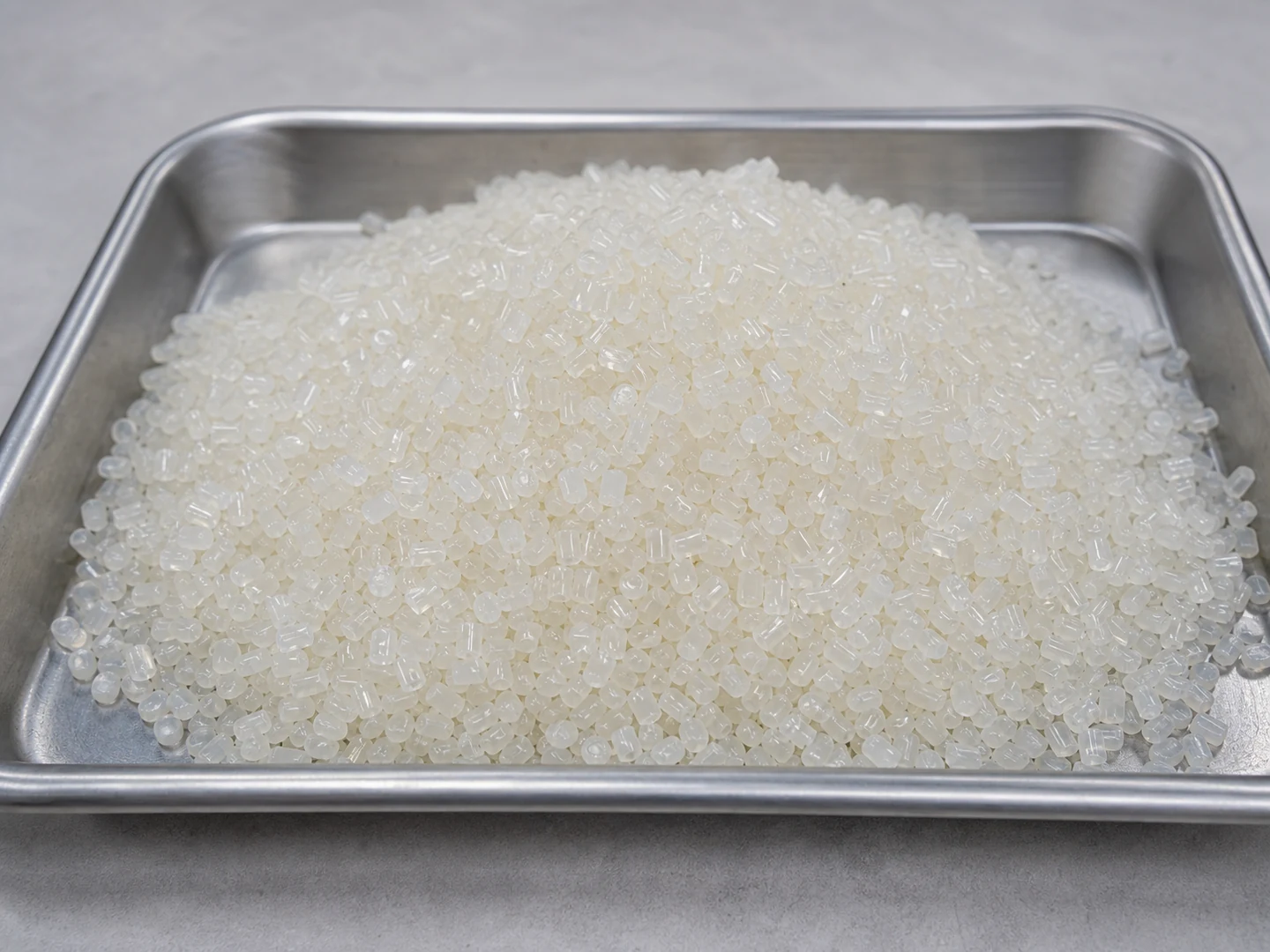
| Nylon PA | 93 | 121 | 0.3–9% by PA grade and conditioning | Medium to firm; filament diameter and trim length control bending force. |
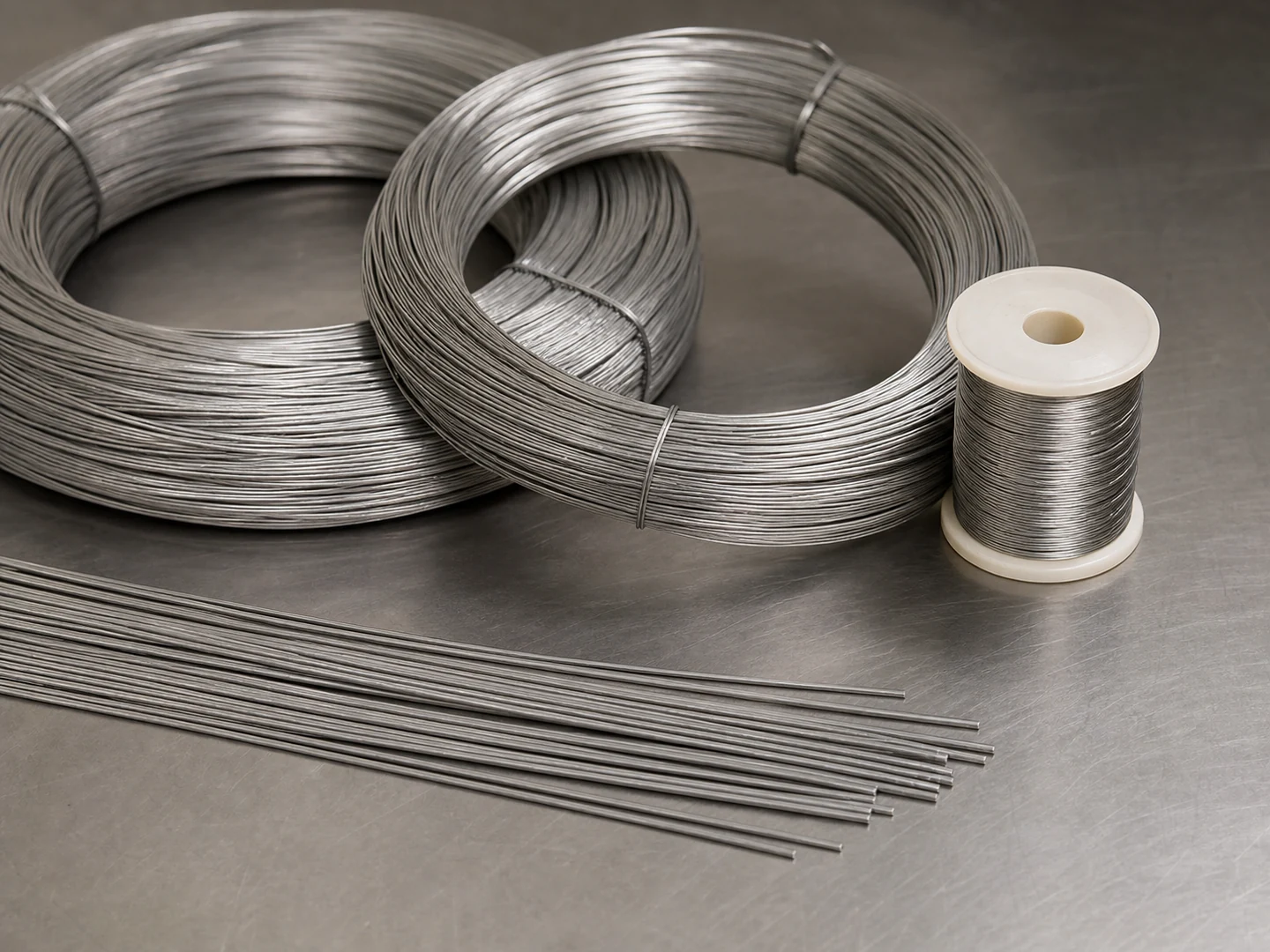
| AISI 304 Stainless Steel Wire | 400 | 500 | 0% | Rockwell B 70–95 depending on temper and cold work |
| Horsehair | 60–80 | 100–120 | 8–15% | — |
| PVC | 50–70 | 75–90 | 0.04–0.40% | Shore A 70–95 or Shore D 70–85 |
| Microfiber | 80–120 | 140–170 | 0.2–1.0%Material Itself ; Structure Can Absorb 3–7 Times Its Own Weight | — |
Figures as published by Brushtec / DuPont; Alleima; Perlon. Confirm the exact grade against the supplier datasheet before ordering.
When are Roller and Conveyor Brushes the wrong choice for main roller brush?
- Roller and Conveyor Brushes — Use a stationary strip brush for a fixed linear seal or wipe, or another process when rotating line contact interferes with the product or cannot discharge the residue safely.
- Nylon PA — The nylon family spans several grades, so heat, moisture and chemical limits should follow the selected PA resin rather than a generic nylon value.
- AISI 304 Stainless Steel Wire — Avoid using AISI 304 as the default in marine, brine, hypochlorite, and persistent chloride environments; use AISI 316 when higher pitting and crevice-corrosion resistance is required.
- Horsehair — Not for aggressive scrubbing or wet chemical process cleaning.
What should replace Roller and Conveyor Brushes for main roller brush?
- Roller and Conveyor Brushes — Roller and conveyor brushes hold cylindrical line contact across a working width, including helix-wound builds where the filament path is set to move loosened material toward one side; a strip brush holds the same line without rotating, so it seals or wipes but cannot carry residue along the width.
- Nylon PA — Compare Nylon PA with PP, PBT, PET. Change material when wet stiffness, temperature, chemical resistance, conductivity, particle shedding, or surface marking becomes the limiting factor.
- AISI 304 Stainless Steel Wire — Use AISI 316 stainless steel wire for chloride, marine, dairy, beverage, chemical washdown, or higher pitting-resistance requirements. Use carbon steel for dry aggressive cutting and brass or abrasive nylon for lower marking risk.
- Horsehair — Compare Horsehair with Boar bristle, goat hair, microfiber. Change material when wet stiffness, temperature, chemical resistance, conductivity, particle shedding, or surface marking becomes the limiting factor.