
Brush Type
Custom Wheel Brushes
Wheel Brush
Choose a wheel brush when a rotating narrow face or edge must clean profiles, seams, edges, slots, and localized surface bands.
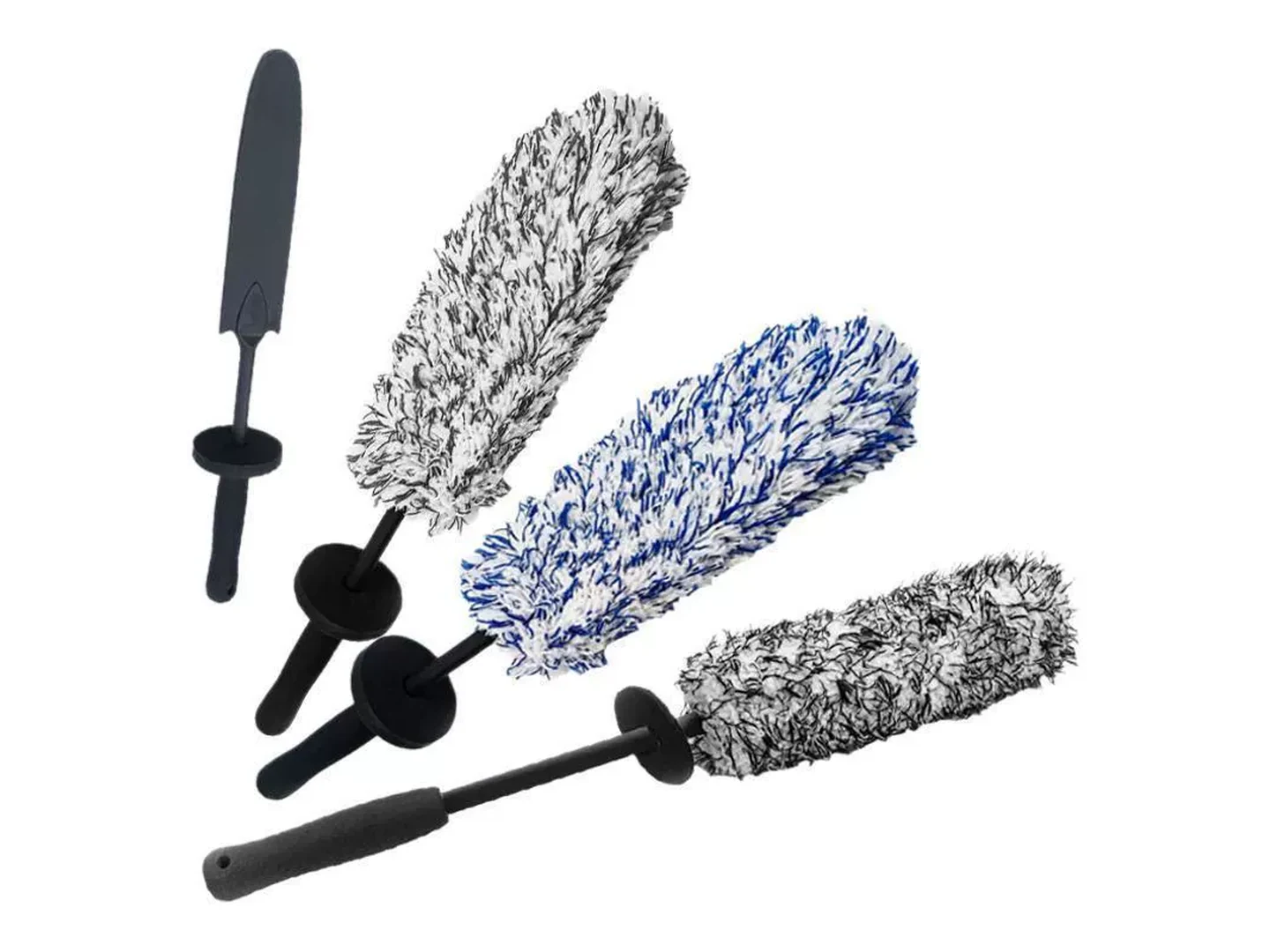
At a glance
- How it is driven
- Hand-guided · Machine-driven
- How it mounts
- Threaded Removable
When should you choose this brush type?
Choose a wheel brush when you want a narrow rotating edge to reach profiles, welds, slots, or edges. A cup brush is usually better for a broader open face, while an end brush is better when the target is a small recess that neither wheel nor cup geometry can enter cleanly.
What are Wheel Brushes?
Wheel brushes arrange wire, abrasive filament, or polymer fill around a central hub or arbor. Their main working zone is the edge or narrow face, which makes them suitable for rust and coating removal, weld cleaning, deburring, profile finishing, and access beside shoulders.
Outside diameter, face width, arbor or thread, filament construction, trim, and customer-supplied machine conditions determine reach and contact energy. Crimped fill is more flexible and conformable; knotted wire is more aggressive; abrasive filament offers a more controlled conditioning action.
What dimensions can I customize?
| Head diameter | 75–125 mm |
|---|---|
| Head or working length | 12–20 mm |
| Mounting interface | Threaded Removable |
Where is this brush type commonly used?
Start with the job the brush needs to do, then confirm dimensions, contact direction, material, and mounting.
What configurations are available?
Crimped-wire wheel
Flexible individual wire for general rust, paint, and light scale removal on profiles and broad edges.
Knotted-wire wheel
Bundles of twisted wire for heavier deposits and more aggressive metal cleaning.
Abrasive-filament wheel
Nylon carrying abrasive grit for deburring, blending, and controlled surface conditioning.
Narrow-face wheel
A thin working band for slots, grooves, welds, and restricted edge access.
Wide or stacked wheel
Multiple sections create a broader working face or a replaceable production assembly.
What material is right for this brush type?
Carbon steel wire
Aggressive cleaning of ferrous steel where contamination and corrosion requirements permit.
Stainless steel wire
Metal cleaning where corrosion resistance or avoidance of carbon-steel contamination is required.
Brass or bronze wire
Softer metallic contact for suitable non-ferrous parts, threads, and lower-aggression cleaning.
Abrasive nylon
Controlled deburring and finishing with grit and filament diameter matched to the target surface.
Polymer filament
Lower-aggression cleaning where wire contact is not acceptable.
Filament materials to compare
What do I need to know before ordering?
Provide the workpiece material and profile, residue or burr, target finish, wheel diameter and face width, arbor or thread, guard clearance, rotation direction, customer-supplied speed, dry or wet process, and quantity.
Questions this page is asked
What must match before a wheel brush is installed on a powered tool?
Verify the brush's maximum speed, diameter, arbor or thread, flange support and rotation against the exact tool and guard. The operating speed must stay at or below the lowest component rating, and a damaged, loose or mismatched wheel must not be corrected with improvised spacers.
How should wheel-brush contact and the ejection zone be set up?
Use the brush maker's specified edge or face contact and apply only the pressure needed for the filament tips to work; do not bend the sides into the part. Position the guard, work support and exclusion zone so released wire, abrasive, scale and sparks travel away from the operator and other people.
Why should a wheel brush be dedicated to a substrate family?
A used wheel can carry metal particles, coatings and abrasive residue into the next workpiece and cause staining or downstream finish defects. Identify and store wheels by the approved substrate and process, and remove any wheel with cross-use history, loose fill, distortion, corrosion or an uncertain condition.
Guides that go deeper on this
Abrasive Filament Brush Dressing: Extending Brush Life
Read this guideGuideAbrasive Nylon Grit and Filament Selection
Read this guideGuideAlumina Ceramic Deburring Brush: What Sets the Ra?
Read this guideGuideAngle Grinder Brushes: Matching Brush, Workpiece and Speed
Read this guideGuideAngle Grinder Wire Wheel Brush Mistakes in Weld Cleanup
Read this guideGuideBrush Anatomy and Terminology
Read this guideGuideBrush Mounting Method: Shaft, Thread or Bolt-On?
Read this guideGuideCar Wheel Brush vs Standard: Drill and Grinder Mounting
Read this guideGuideCar Wheel Brush: Material and Size for Weld Cleanup
Read this guideGuideCup Brush vs Wheel Brush Speed and Pressure Trade-Offs
Read this guideGuideCup Brush vs Wheel Brush: Which One to Use
Read this guideGuideCustom Brush Mounting: Shaft, Thread and Bolt Pattern Design
Read this guide32 guides are indexed against this one. The rest are in the technical resources library.
Continue Exploring
Recommended Reading & Related Brush Resources
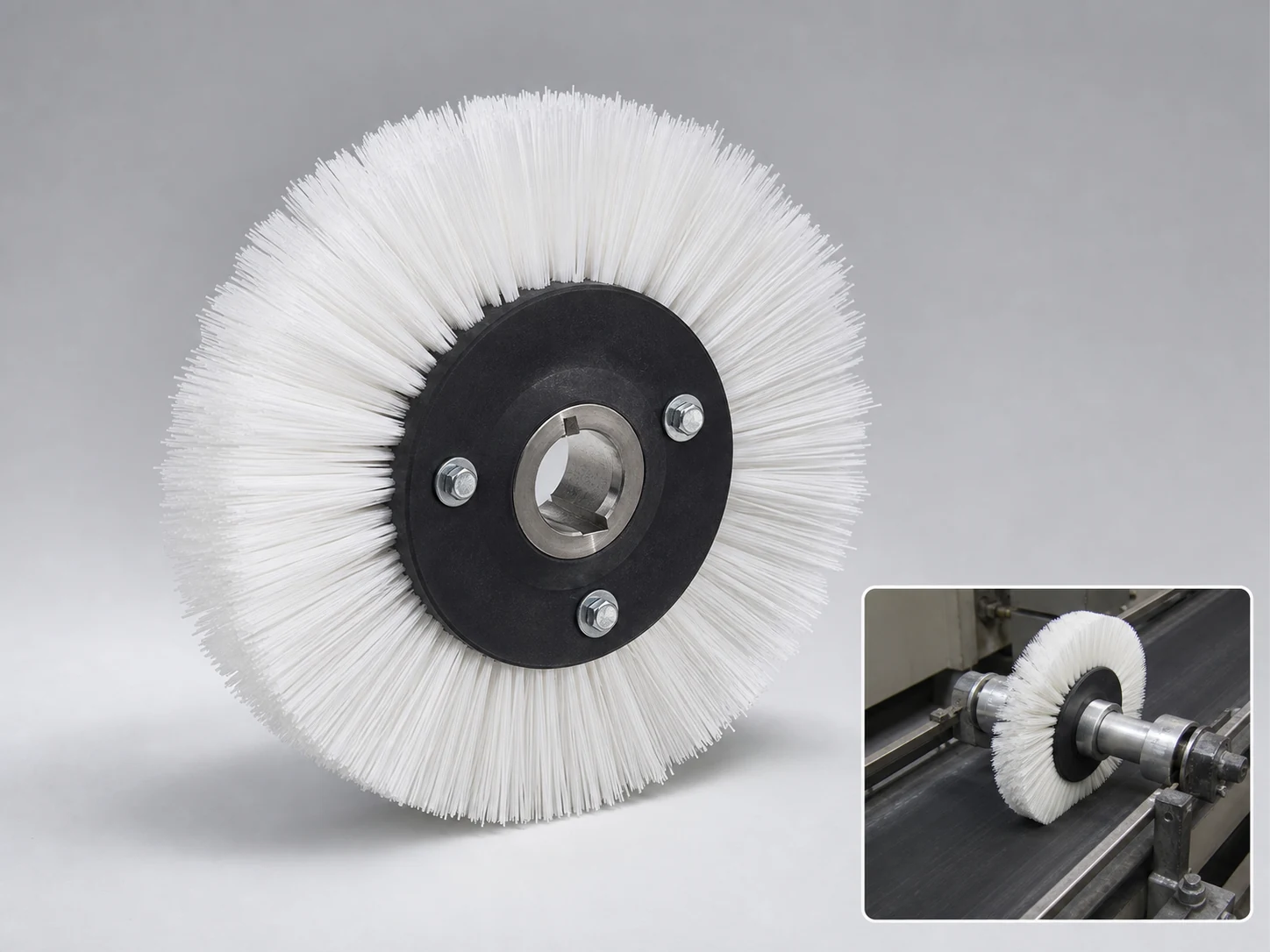
Brush Wheel Packaging
Rotating packaging wheel brush: nylon PA, conductive, or wire fills; 50–300 mm OD, keyed…
See the specification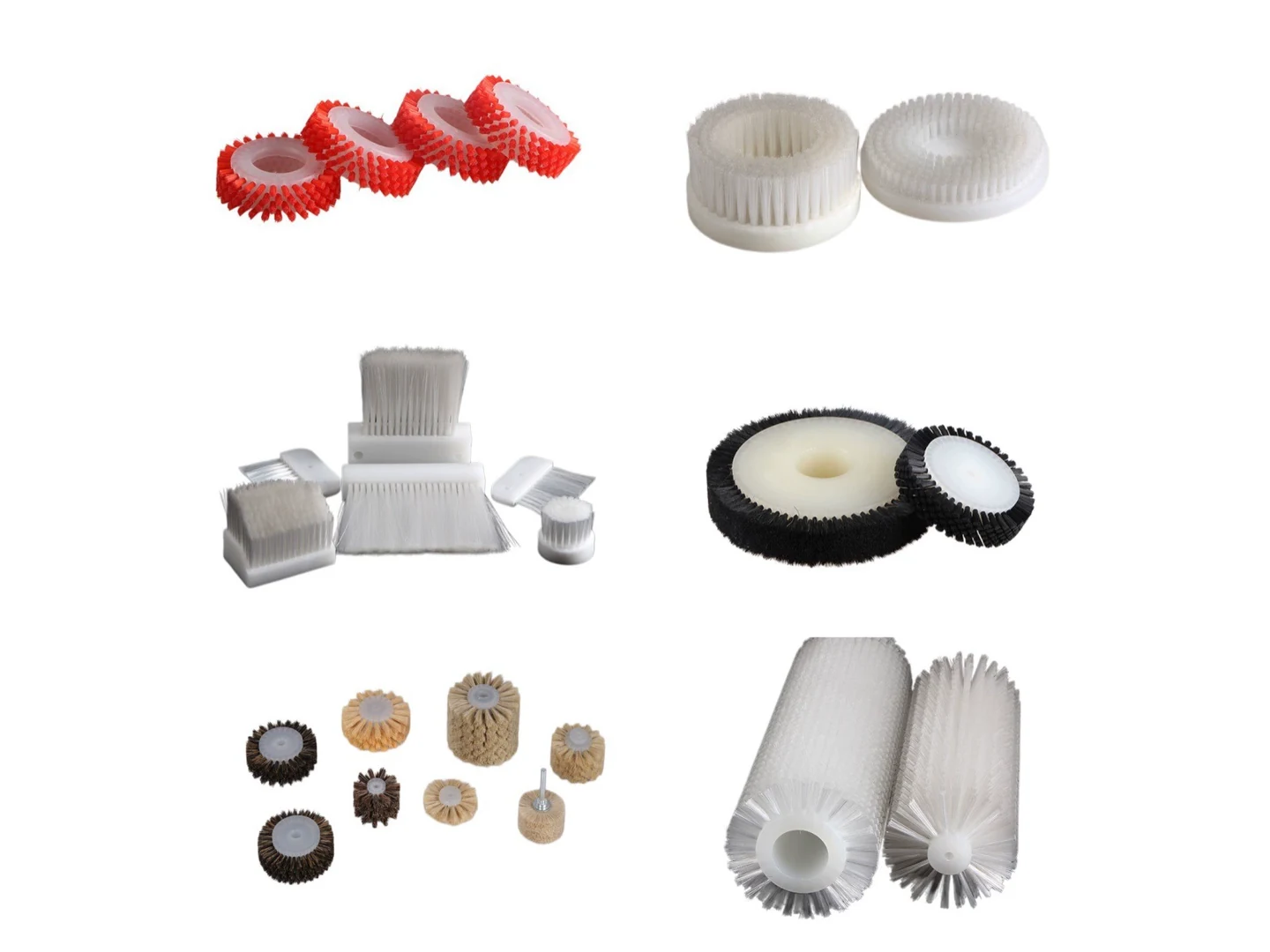
Nylon Brush Wheel
Nylon PA filaments work at the tips, so the wheel lifts oxide and loose…
See the specification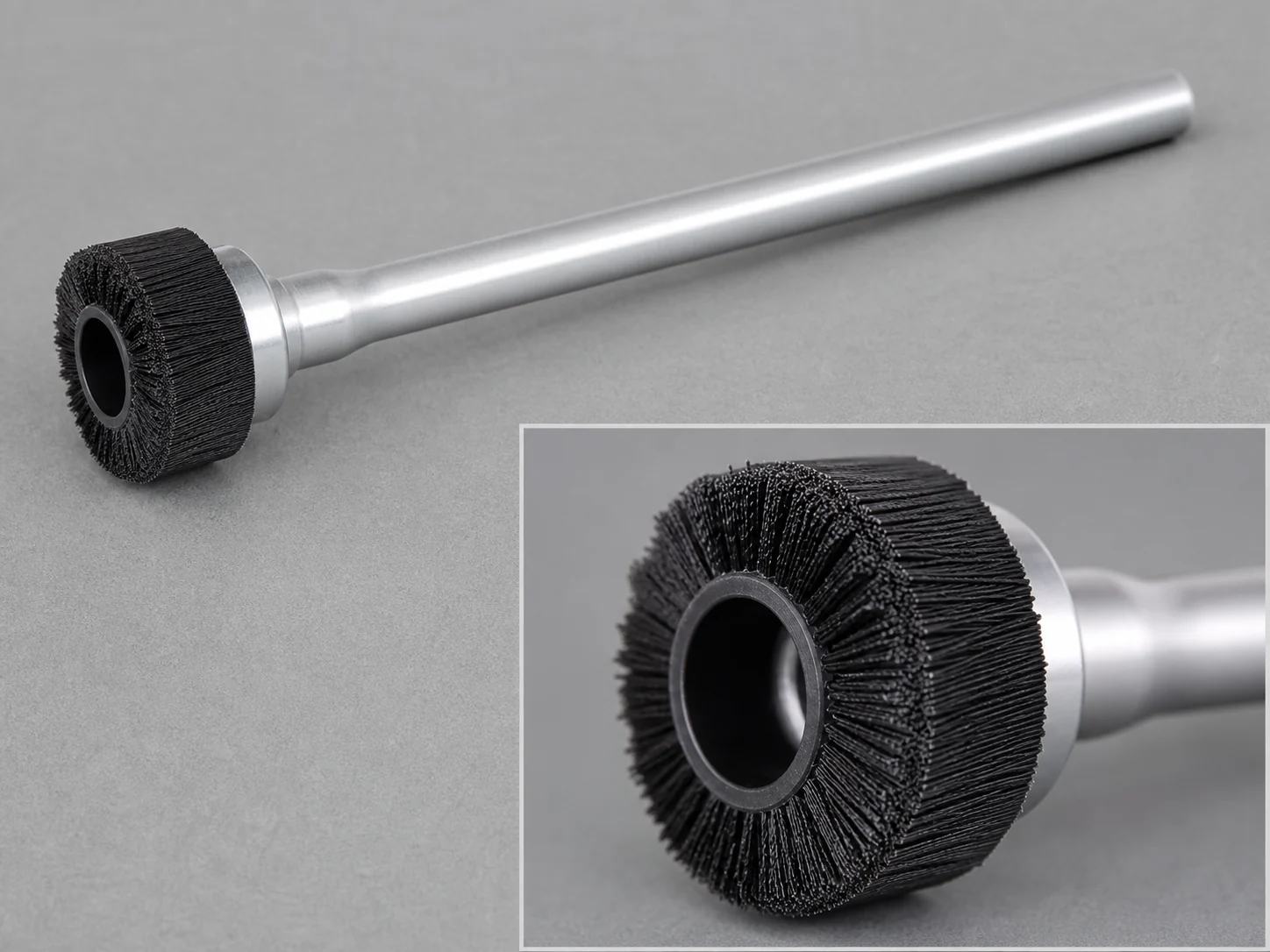
50mm Carbon Fiber Static Wheel Brush
50mm carbon fiber static wheel brush for ESD dust removal. 50 mm OD x…
See the specification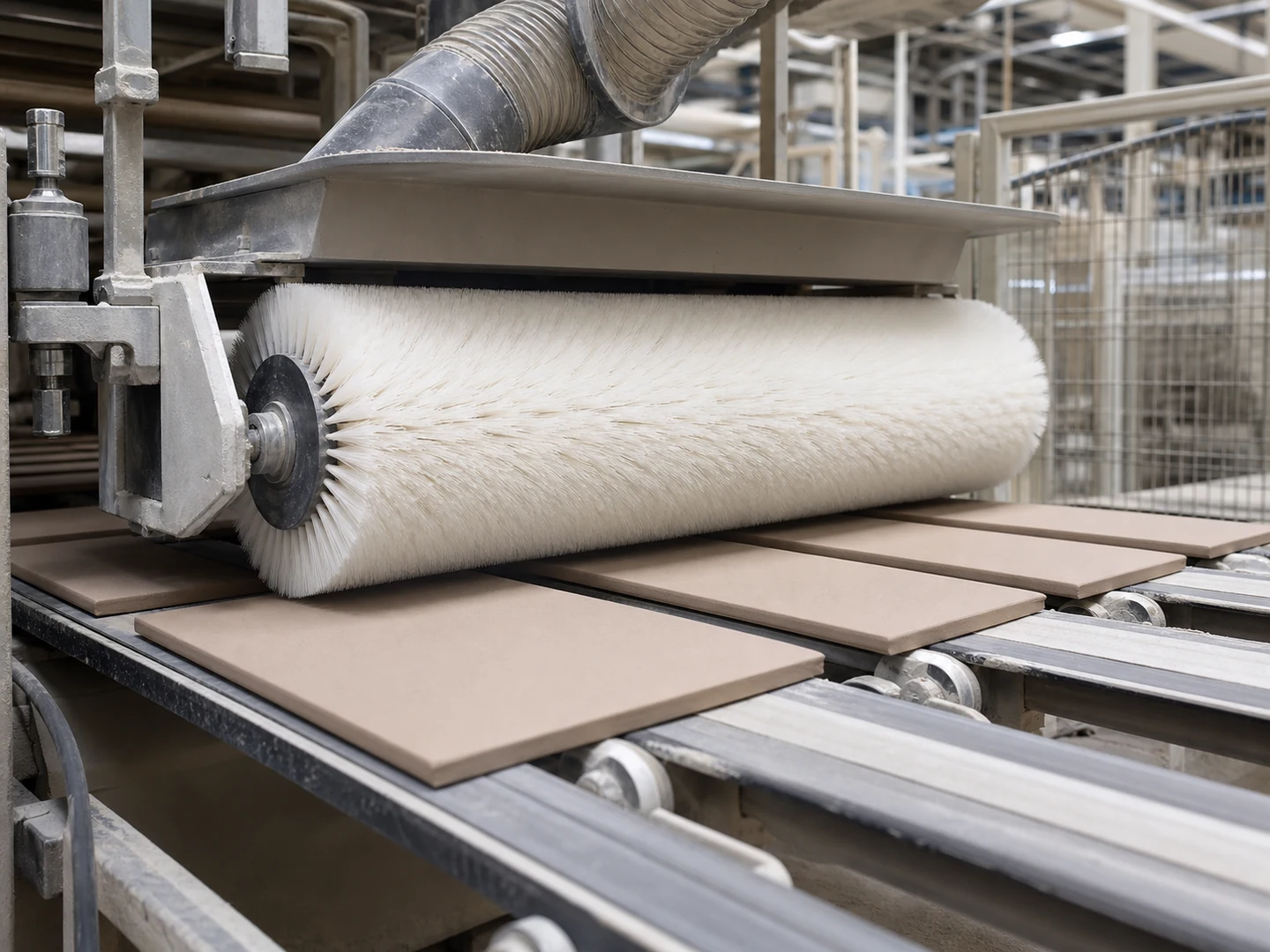
Ceramic Glaze Line & Tile Brush Use
Ceramic Glaze Line & Tile Brush Use is a process-use page rather than a…
See the cleaning job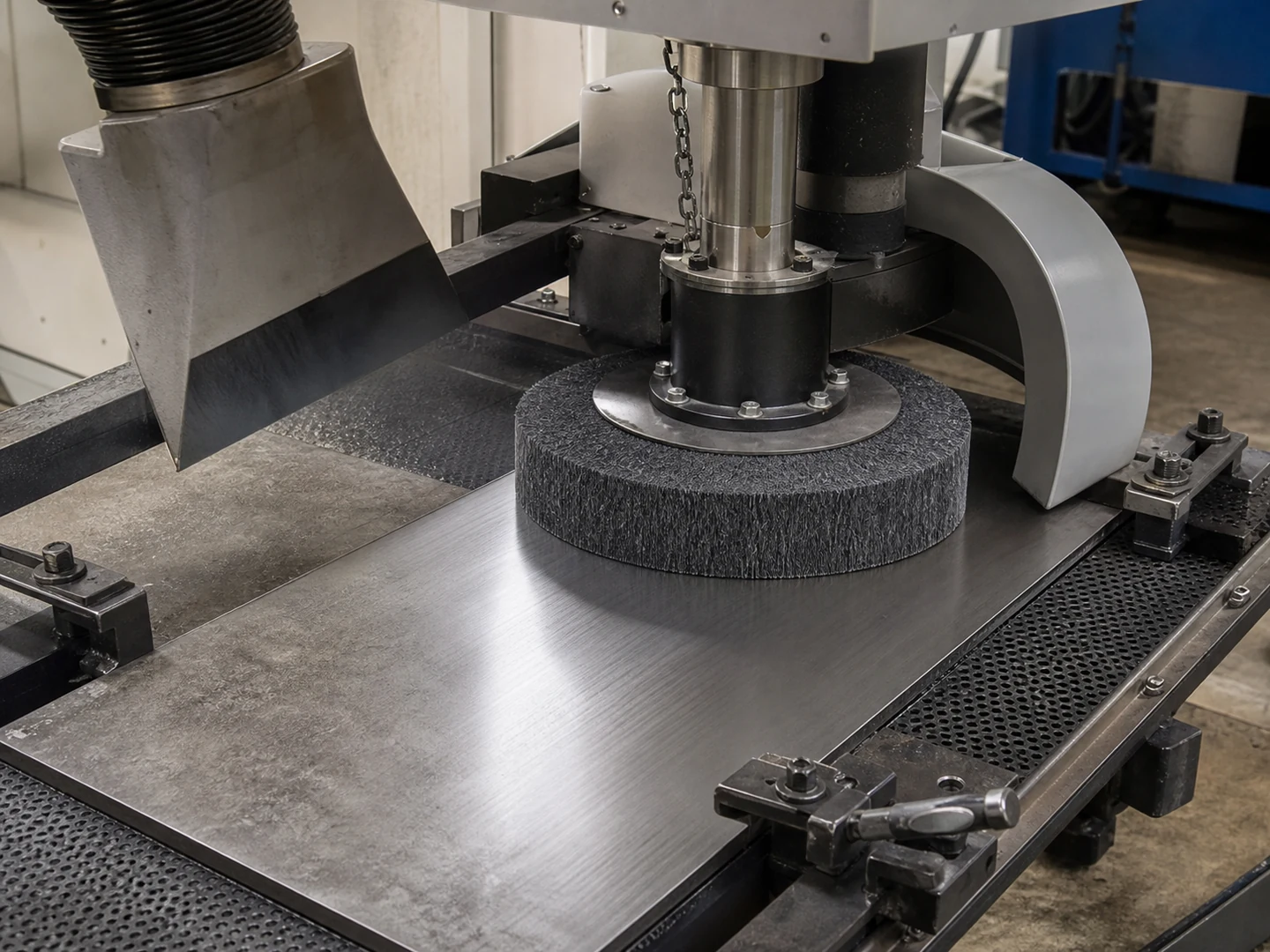
Surface Finishing
Surface Finishing is a process-use page rather than a general cleaning category.
See the cleaning job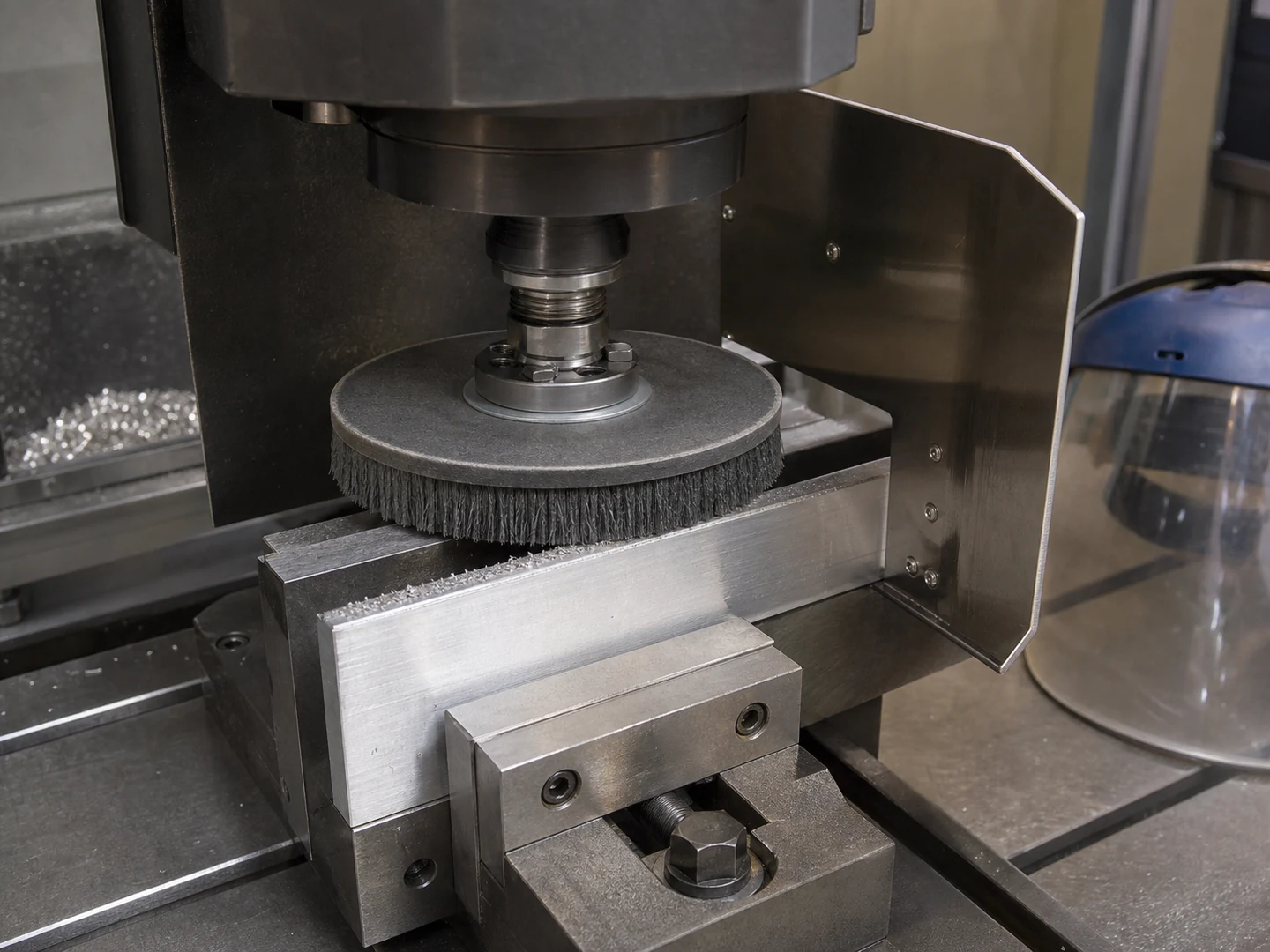
Deburring & Edge Breaking
Deburring & Edge Breaking is a process-use page rather than a general cleaning category.
See the cleaning job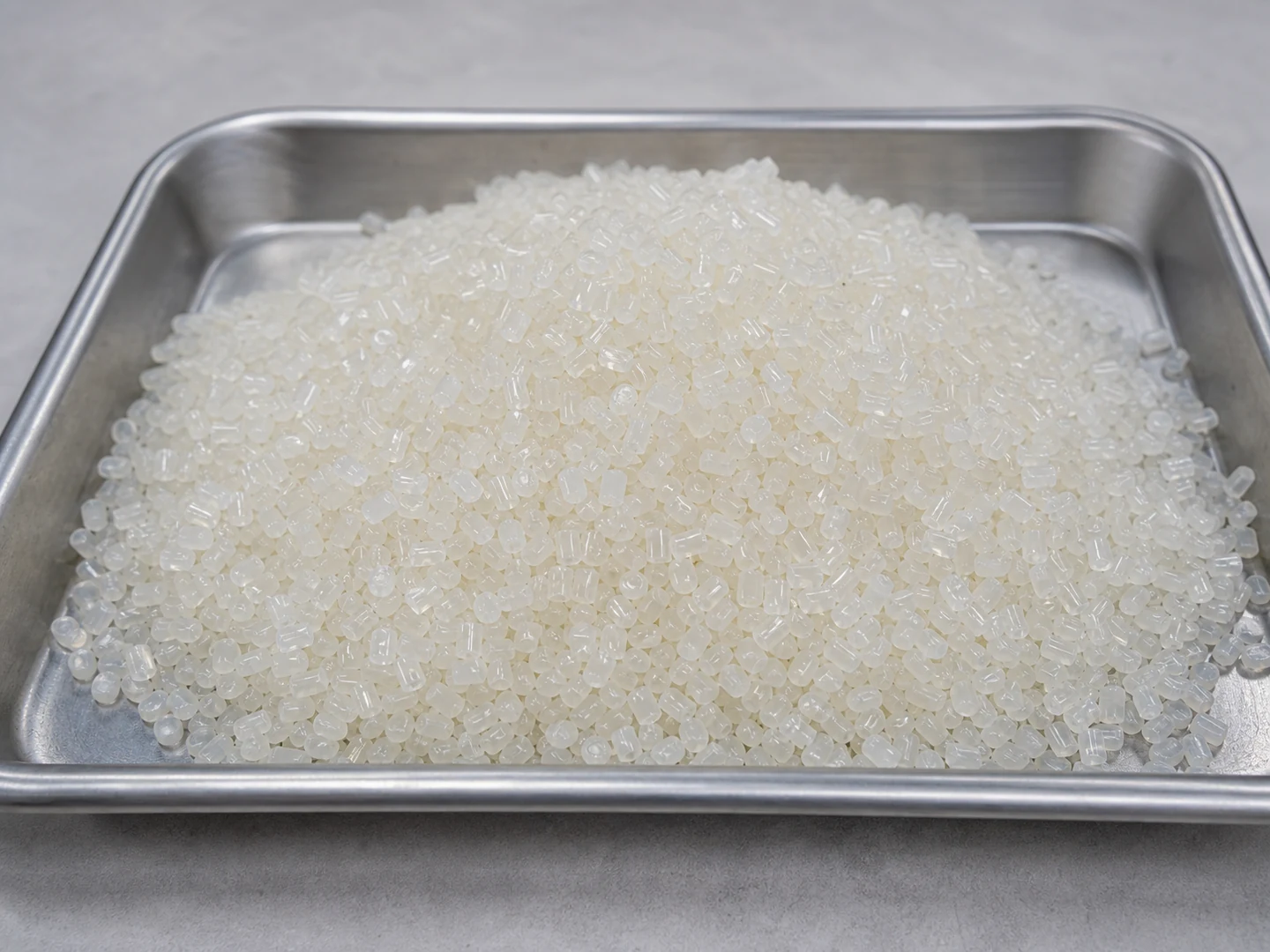
Nylon PA
Choose Nylon PA based on its stiffness, recovery, wear, wet-service, chemical, and temperature behavior.
Compare this material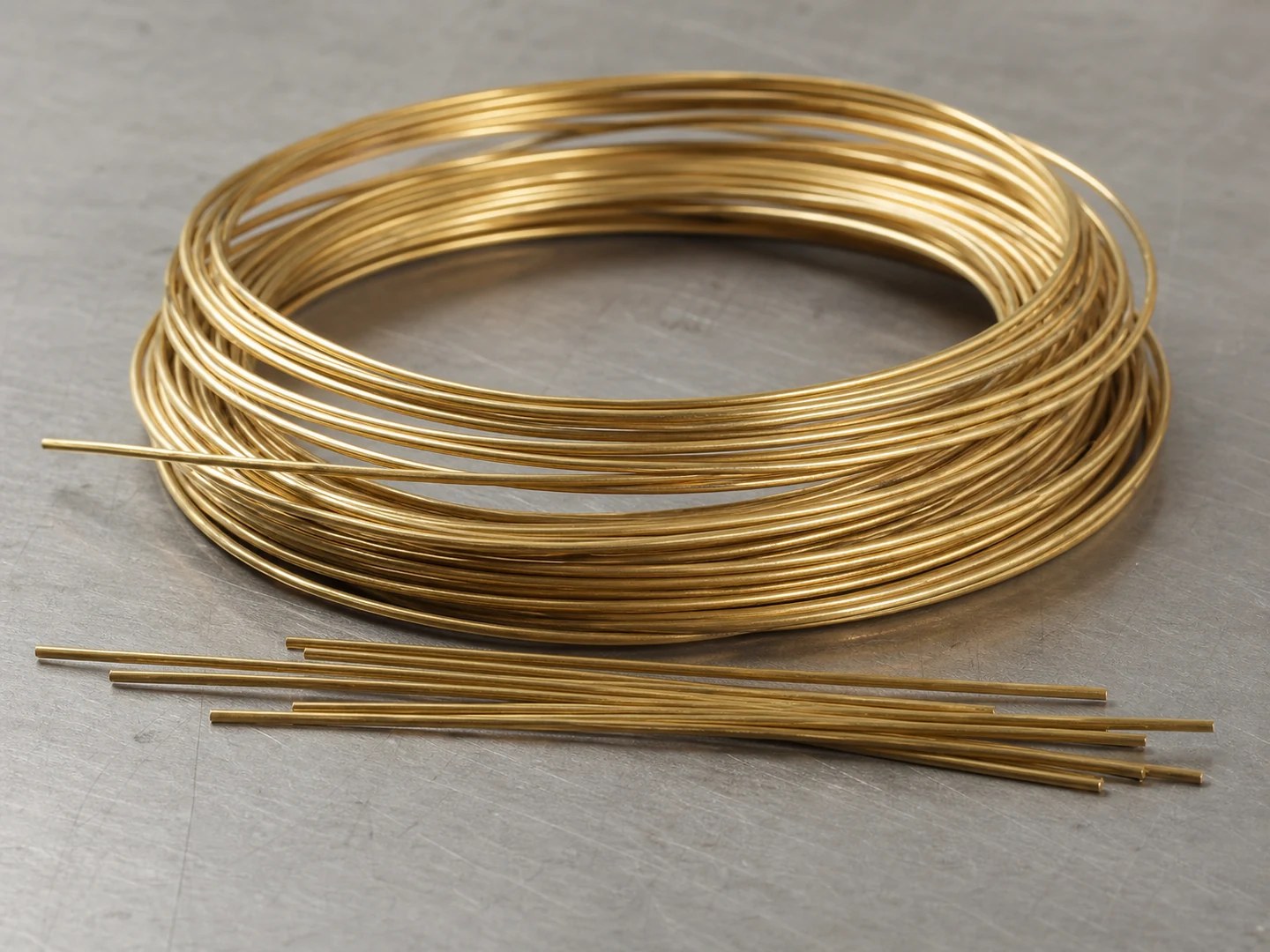
Brass Wire
Choose Brass Wire based on its stiffness, recovery, wear, wet-service, chemical, and temperature behavior.
Compare this materialCustom Manufacturing RFQ
Discuss This Brush Type
Share the working surface, residue, dimensions, material direction, interface, quantity and drawing or sample photo.
Custom Brush RFQ
Request a Custom Cleaning Brush Quote
Upload a drawing, product photo, or sample photo and provide the core dimensions and cleaning conditions.
“We need a brush to remove wet residue from a stainless steel conveyor, about 800mm wide. The current brush wears quickly. We can send photos.”
“We sell drinkware and need a cleaning brush to include with the product. Quantity around 5,000 pieces.”