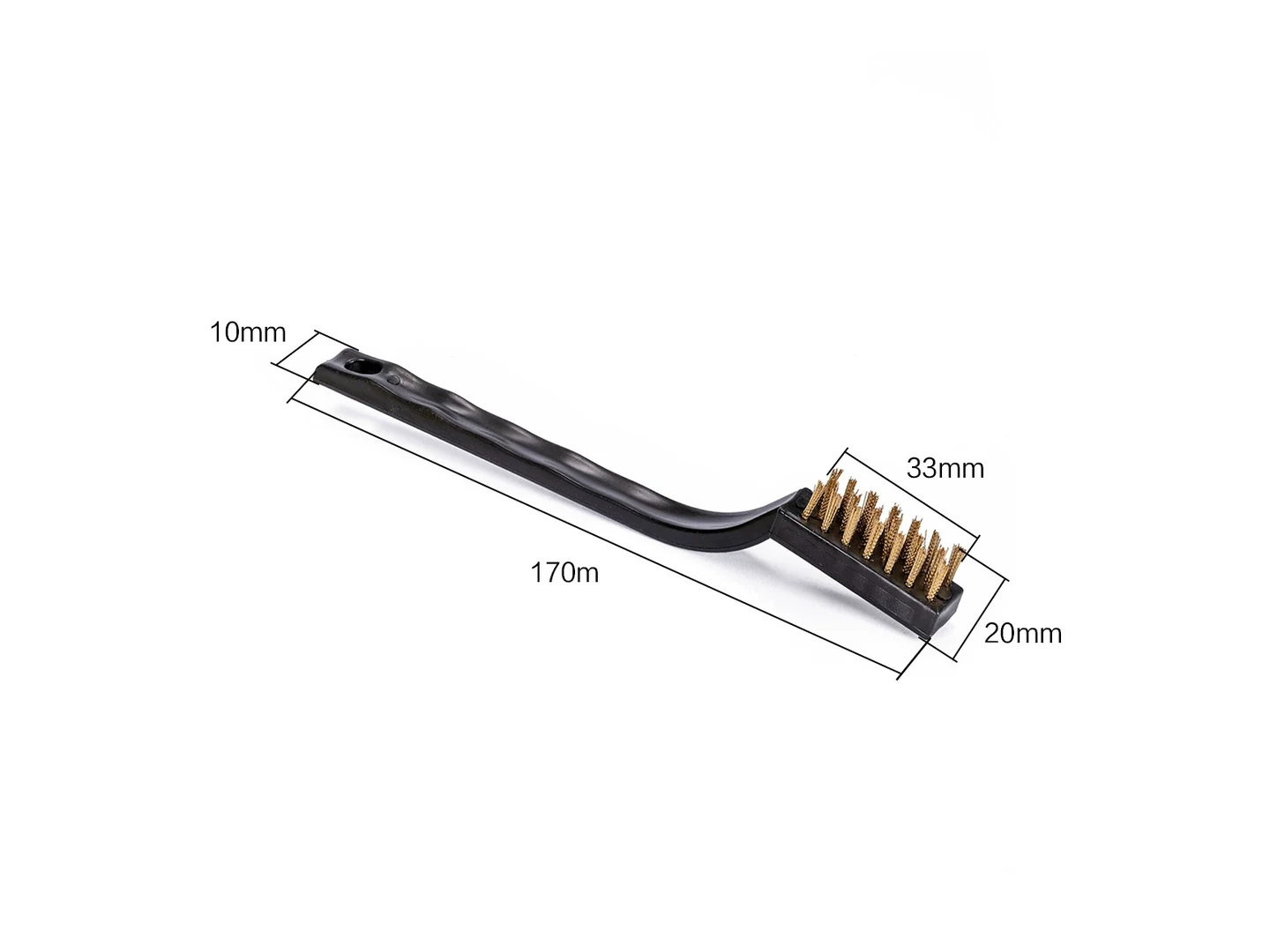
3D Printer Nozzle Brush
Small brass-wire 3D printer nozzle brush for hotend and heater-block cleaning at 200–250°C.
- Head Ø
- 0.5–20 mm
- Head length
- 5–50 mm
- Handle
- 80–250 mm

Custom Cleaning Brush Manufacturer
PRODUCT CATEGORY
Nozzles and micro-channels fail when a cleaning tool is too large, too stiff or poorly controlled. These brushes target small passages, seats and precision openings where the difference between removing residue and damaging the feature can be fractions of a millimeter.
Compare printer and inkjet nozzle tools, 3D-printer nozzle brushes, spray-gun cleaners, filling-nozzle brushes and other small-channel products.
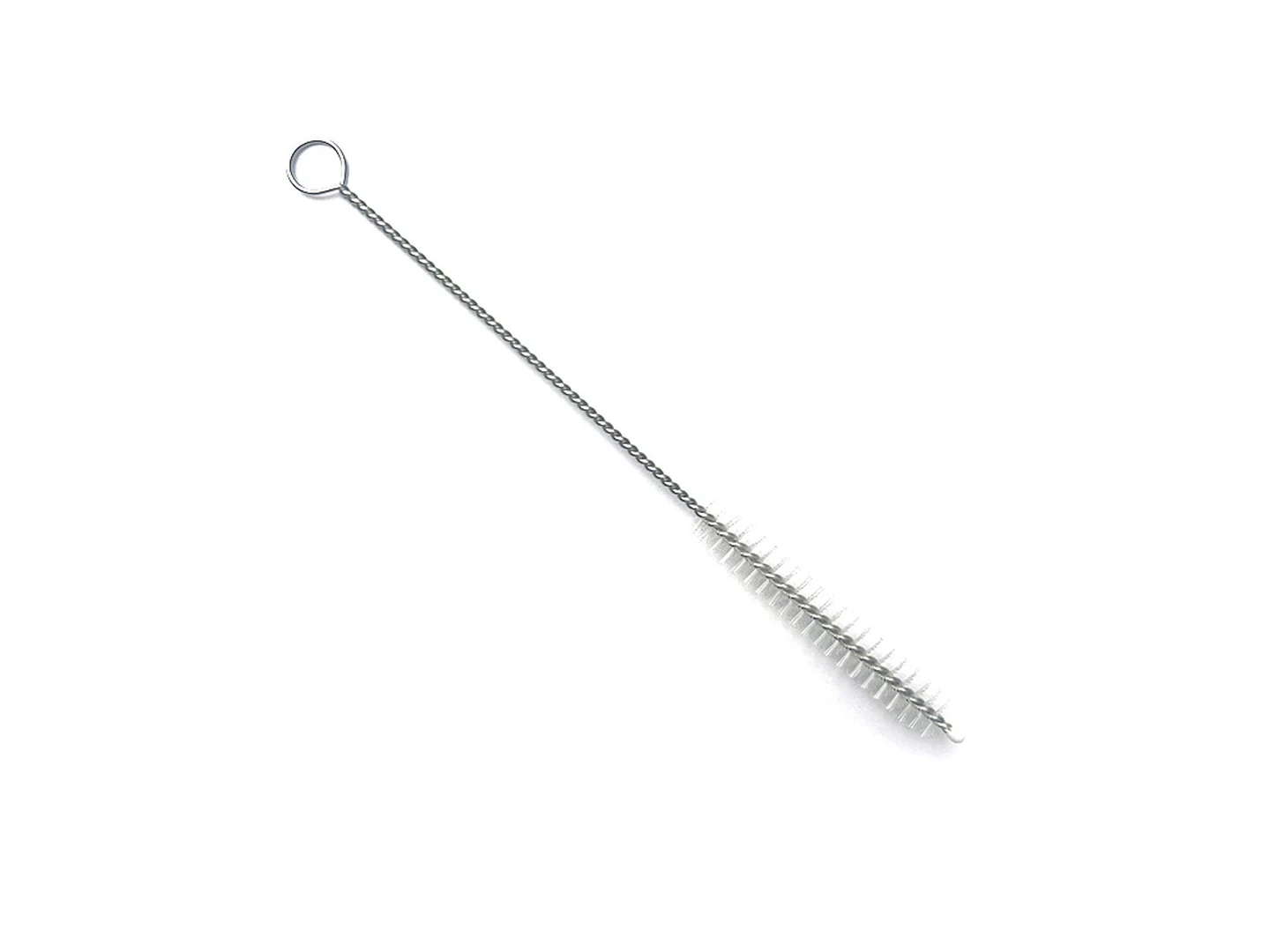
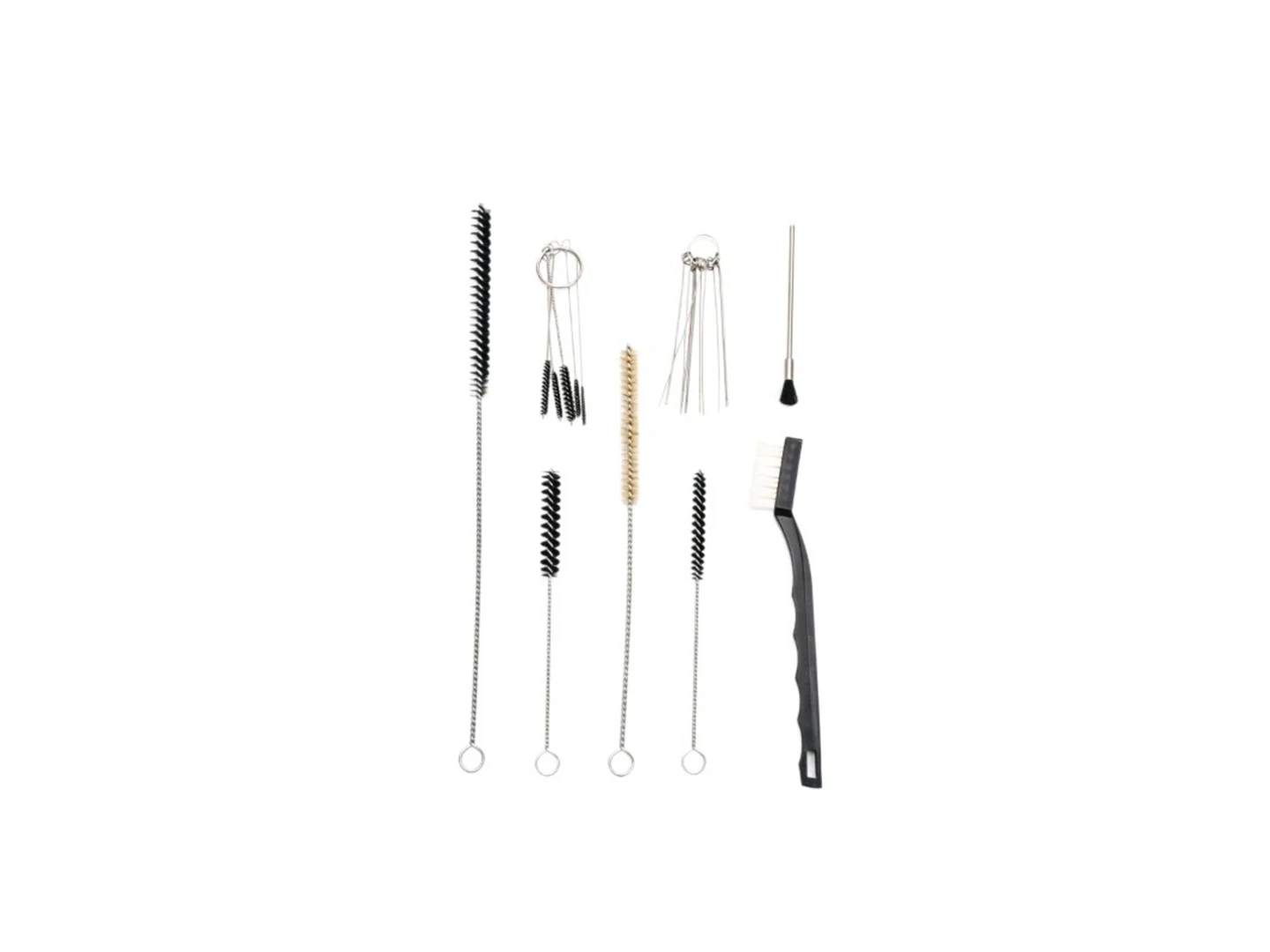
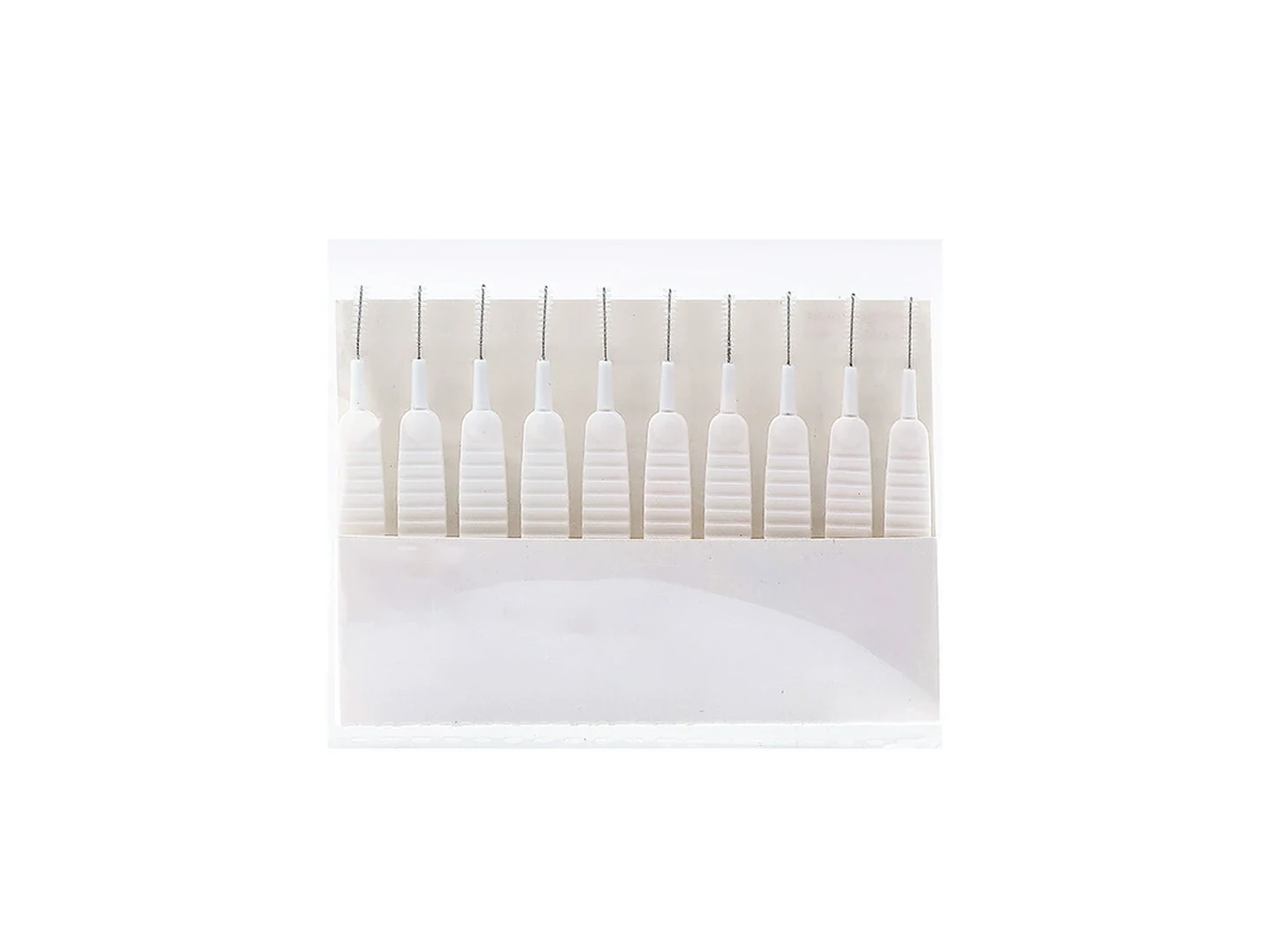
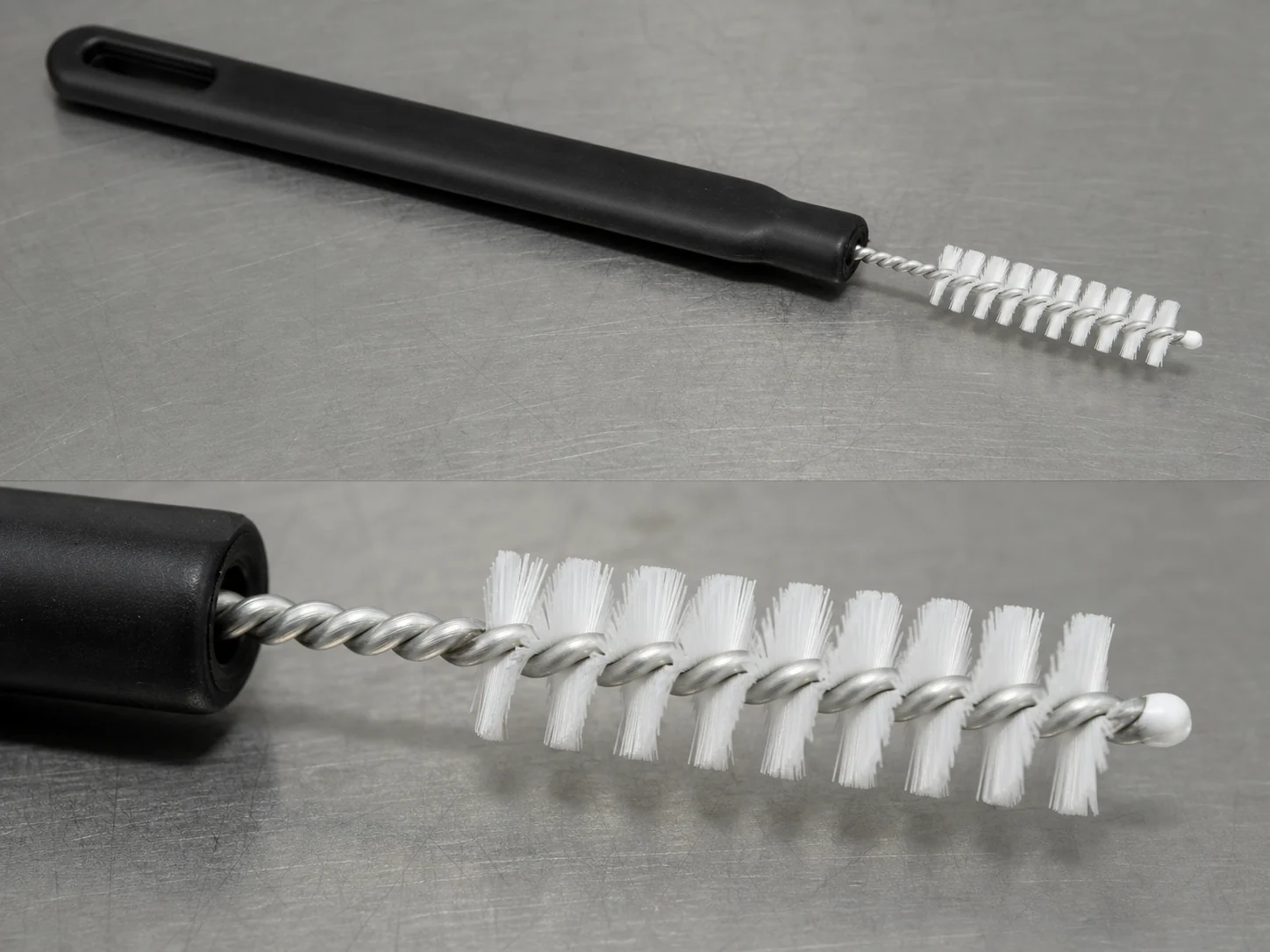
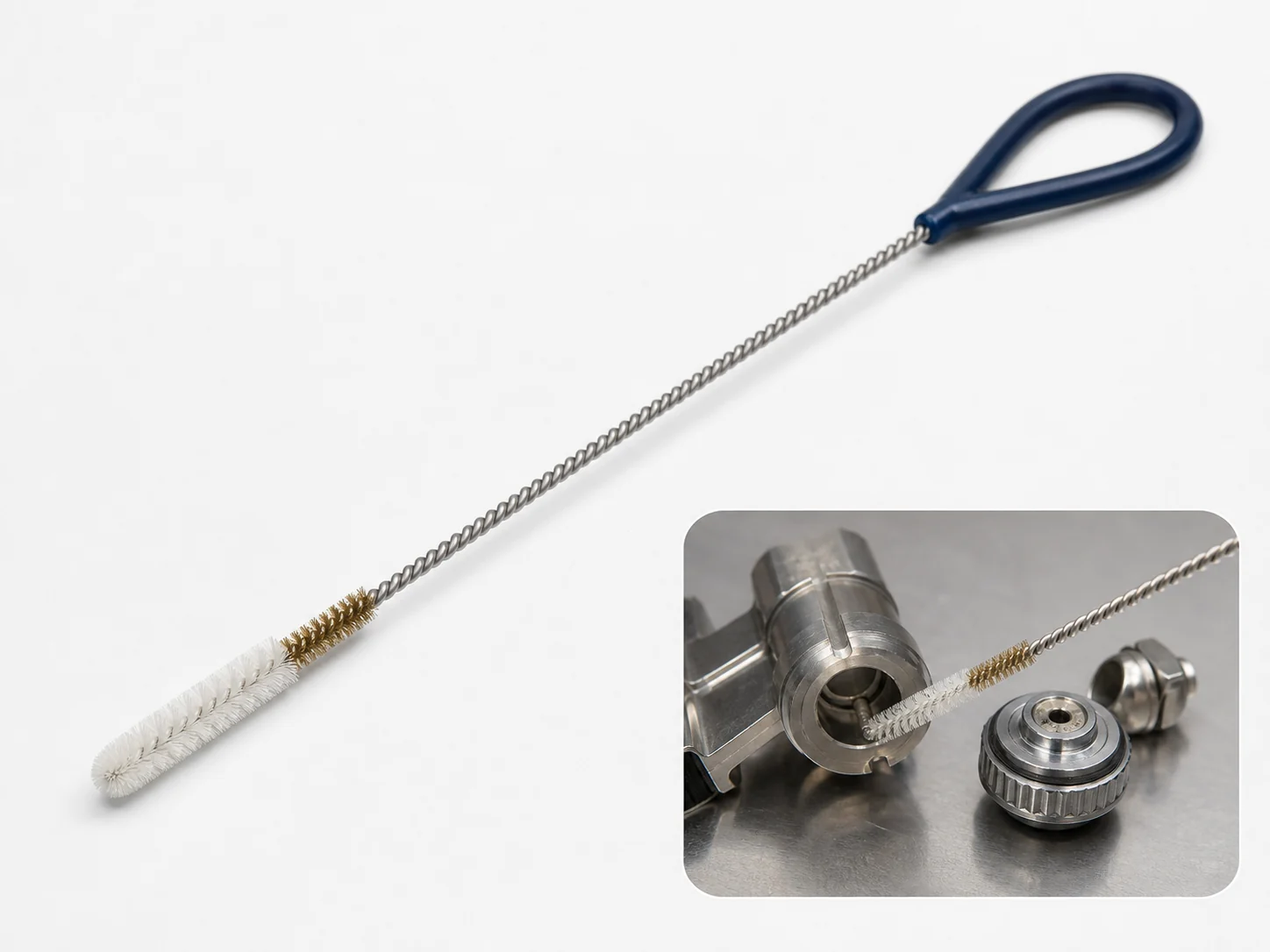
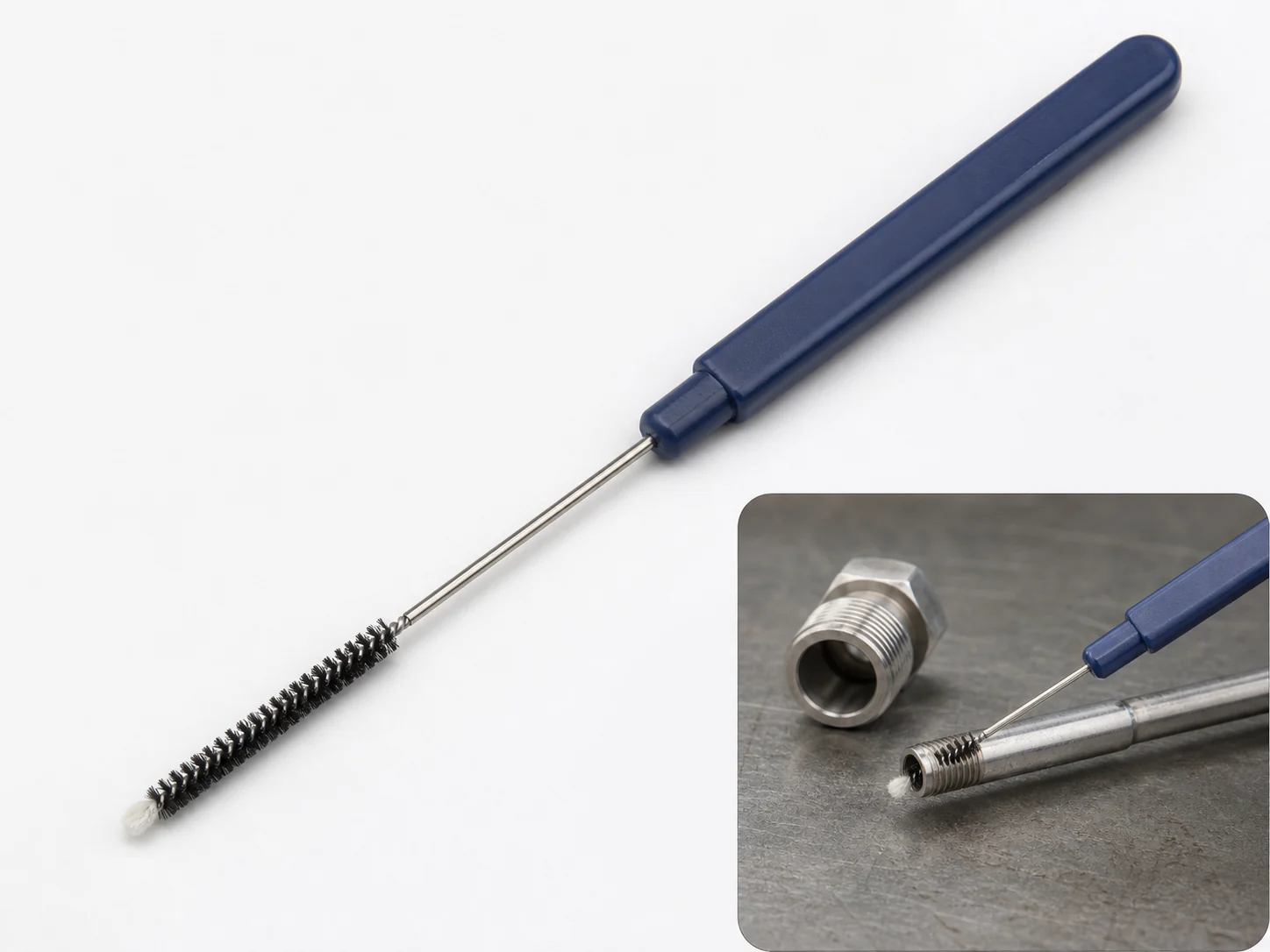
Feature size and tip geometry come first. The cleaning head should reach the deposit without enlarging, scratching or deforming the opening.
Use the actual feature diameter or width to set the maximum brush size and the level of wall contact.
Blind seats and tapered nozzles need controlled tip profiles so the wire or stem does not bottom out against a sealing surface.
The deposit can determine filament, solvent compatibility and whether brushing is appropriate at all.
Small hand tools prioritize tactile control; integrated systems need repeatable shank, mount and working depth.
Precision nozzles often include seats, orifices and functional edges that must not be altered. The acceptable force and tip geometry are much tighter than for a general tube bore.
Very small working diameter, head length, stem diameter, tip style, filament, shank and handle can be adjusted. A drawing with the smallest feature is strongly preferred.
Provide orifice/channel size, depth, taper or seat information, residue and cleaning chemistry. We can then judge whether a brush is suitable and how small it must be.
Choose your brush type, cleaning task, material direction, and key details before sending a custom brush request.