Quick Answer
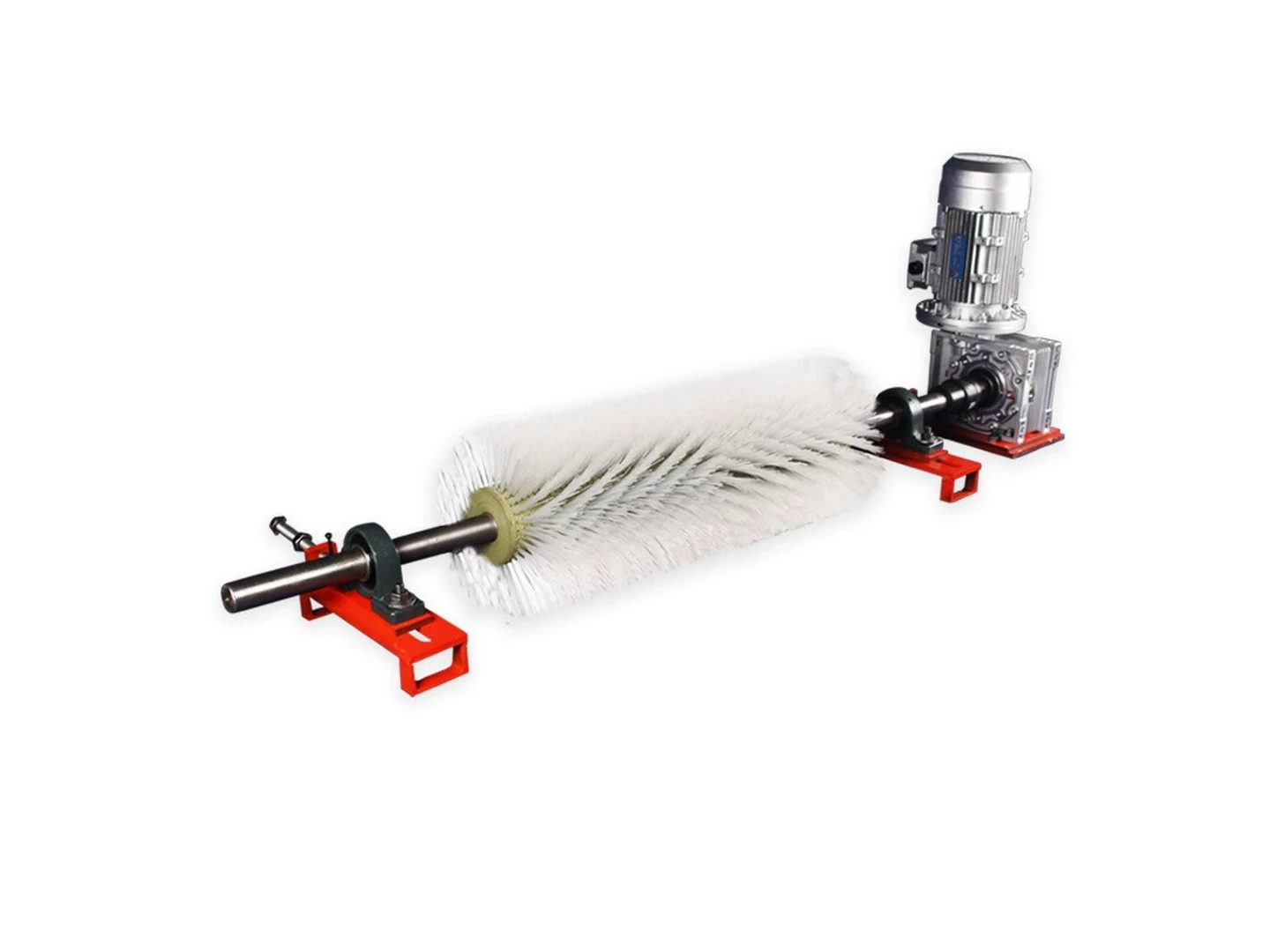
A cylinder brush is sized from the surface width, residue, required contact pattern, line speed, available outside diameter, shaft span, and mounting location. Face width covers the surface; outside diameter and equipment speed set surface speed; trim and filament set compliance.
Width and Diameter
For conveyor cleaning, Spiral Brushes publishes a face that overlaps each belt edge by 1/2 in (12.7 mm) and brush diameters from 4 to 12 in (102–305 mm). Edge overlap accommodates belt weave and tracking. Wider brushes need a stiffer shaft, controlled runout, and support near the contact zone.
Select the Face Pattern
| Pattern | Cleaning behavior | Best fit |
|---|---|---|
| Close-wound full face | Uniform contact and high point count | Fine residue, wiping, washing, and consistent finish |
| Open spiral / auger | Leaves discharge space and moves material laterally | Sticky residue, product transfer, debris evacuation |
| Chevron / herringbone | Moves residue toward or away from center | Centering, spreading, directional cleaning |
| Segmented modules | Replaceable sections and easier large-width service | Wide lines, high maintenance cost, shaft reuse |
| Mixed fill | Combines sweeping and scrubbing zones | Processes with both loose and bonded residue |
Relative Motion
Counter-rotation increases relative speed and scrubbing. Co-rotation gives gentler wiping. A free-wheeling brush follows the moving belt and suits loose debris or open-link surfaces. Mount the brush near a support roller so engagement stays stable instead of following belt sag.
Shaft and Interface
- Integral shaft for a complete balanced assembly.
- Core with bushings, keyway, set screws, or hubs for installation on an existing shaft.
- Split or sectional core when the shaft cannot be removed from the machine.
- Refillable heavy-wall core when journals and shaft remain serviceable.
- Disposable lightweight core when rapid replacement matters more than refilling.
Drawing Inputs
Specify face width, outside diameter, core diameter, trim, filament, pattern lead, shaft span, journals, keyway, bearing seats, rotation, maximum equipment speed, belt or surface speed, engagement, temperature, wash fluid, runout, balance, and quantity.
Technical References
- American Brush Manufacturers Association — Brush Lingo
- OSHA — Machine Guarding
- NIST — Metric SI Units
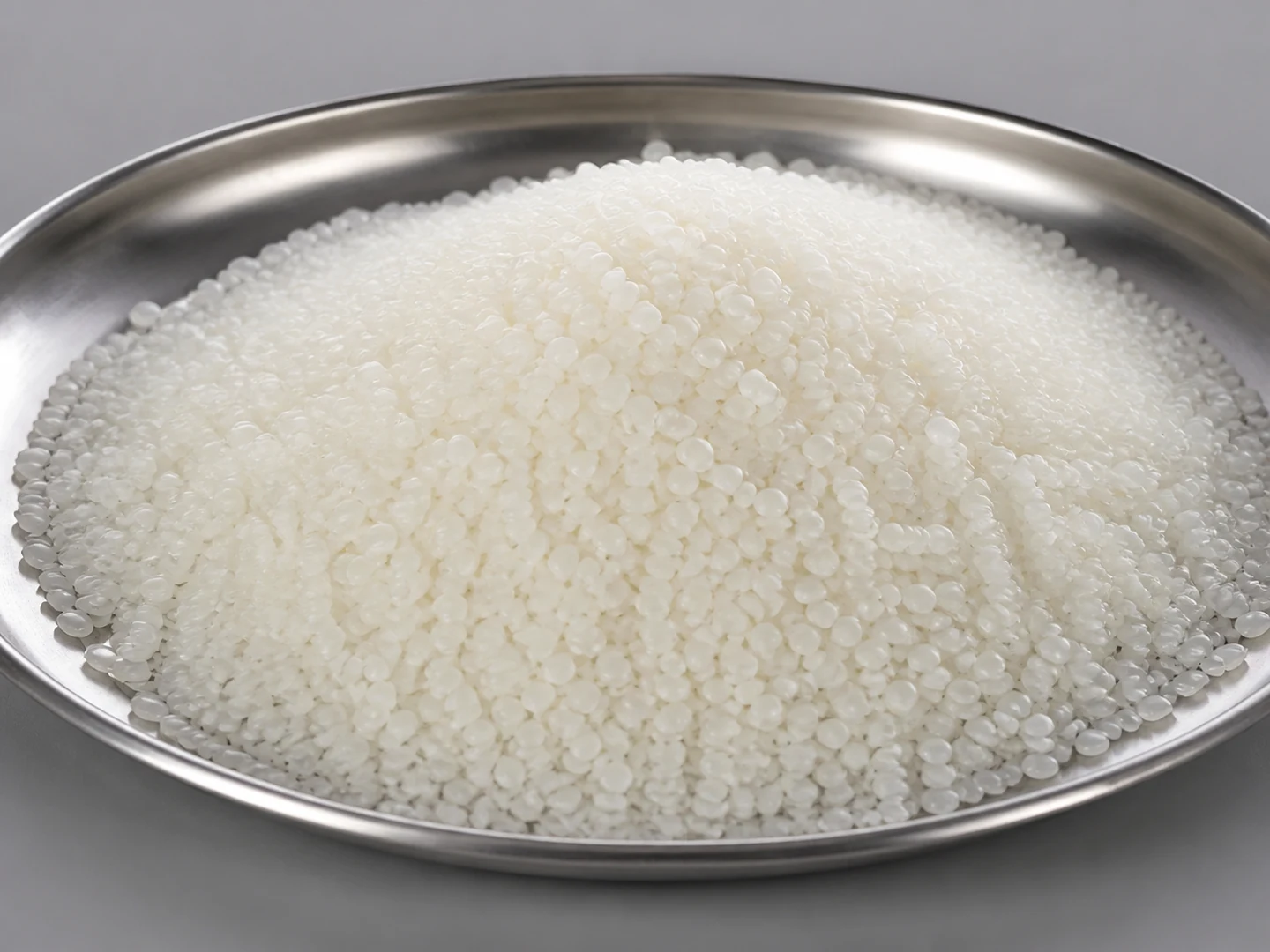
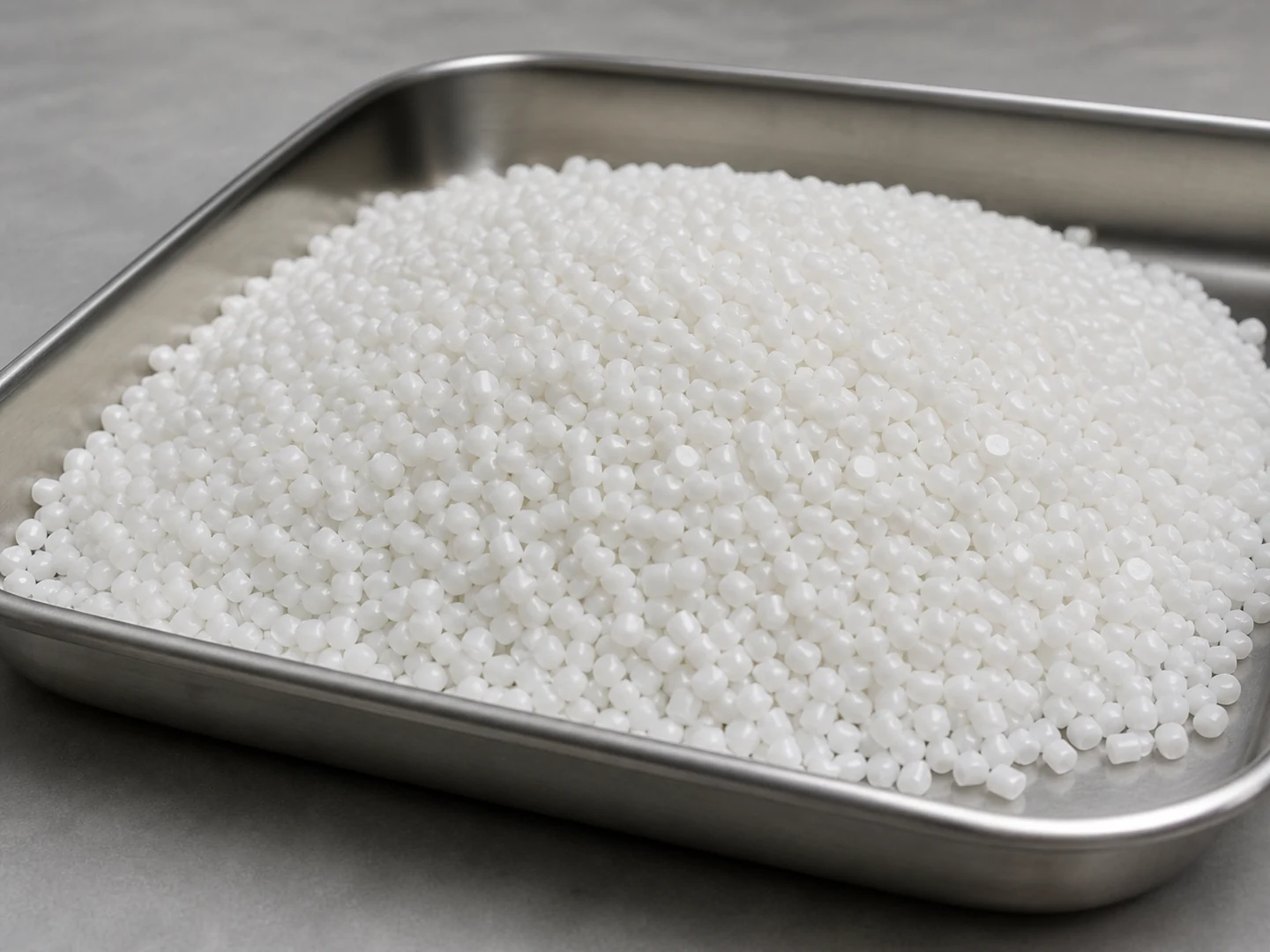
Which bristle material fits this job — PA612 Nylon, Polypropylene PP or PBT?
| Material | Continuous temperature (°C) | Peak temperature (°C) | Water absorption | Hardness |
|---|---|---|---|---|
| PA612 Nylon | 90–110 | 130–150 | 0.3–0.7% | Shore D 70–80 |
| Polypropylene PP | 80–100 | 120–140 | ≤0.03% | Shore D 65–75 |
| PBT | 120–140 | 160–180 | 0.05–0.20% | Shore D 80–90 |
Figures as published by Brushtec / DuPont; Perlon. Confirm the exact grade against the supplier datasheet before ordering.
When are Roller and Conveyor Brushes the wrong choice?
- Roller and Conveyor Brushes — Use a stationary strip brush for a fixed linear seal or wipe, or another process when rotating line contact interferes with the product or cannot discharge the residue safely.
- PA612 Nylon — PA612 costs more than general PA6 and should be used where its wet stability, recovery or wear life creates a real process benefit.
- Polypropylene PP — Avoid high-temperature brushing or heavy abrasion where nylon/abrasive nylon is needed.
- PBT — Not for heavy rust removal or high-cutting deburring.
What should replace Roller and Conveyor Brushes when they stop working?
- Roller and Conveyor Brushes — Roller and conveyor brushes hold cylindrical line contact across a working width, including helix-wound builds where the filament path is set to move loosened material toward one side; a strip brush holds the same line without rotating, so it seals or wipes but cannot carry residue along the width.
- PA612 Nylon — Compare PA612 Nylon with PA66, PP, PBT. Change material when wet stiffness, temperature, chemical resistance, conductivity, particle shedding, or surface marking becomes the limiting factor.
- Polypropylene PP — Compare Polypropylene PP with Nylon, PBT, PET. Change material when wet stiffness, temperature, chemical resistance, conductivity, particle shedding, or surface marking becomes the limiting factor.
- PBT — Compare PBT with Nylon, PP, PET. Change material when wet stiffness, temperature, chemical resistance, conductivity, particle shedding, or surface marking becomes the limiting factor.