
Application
Car Interior Vent Cleaning
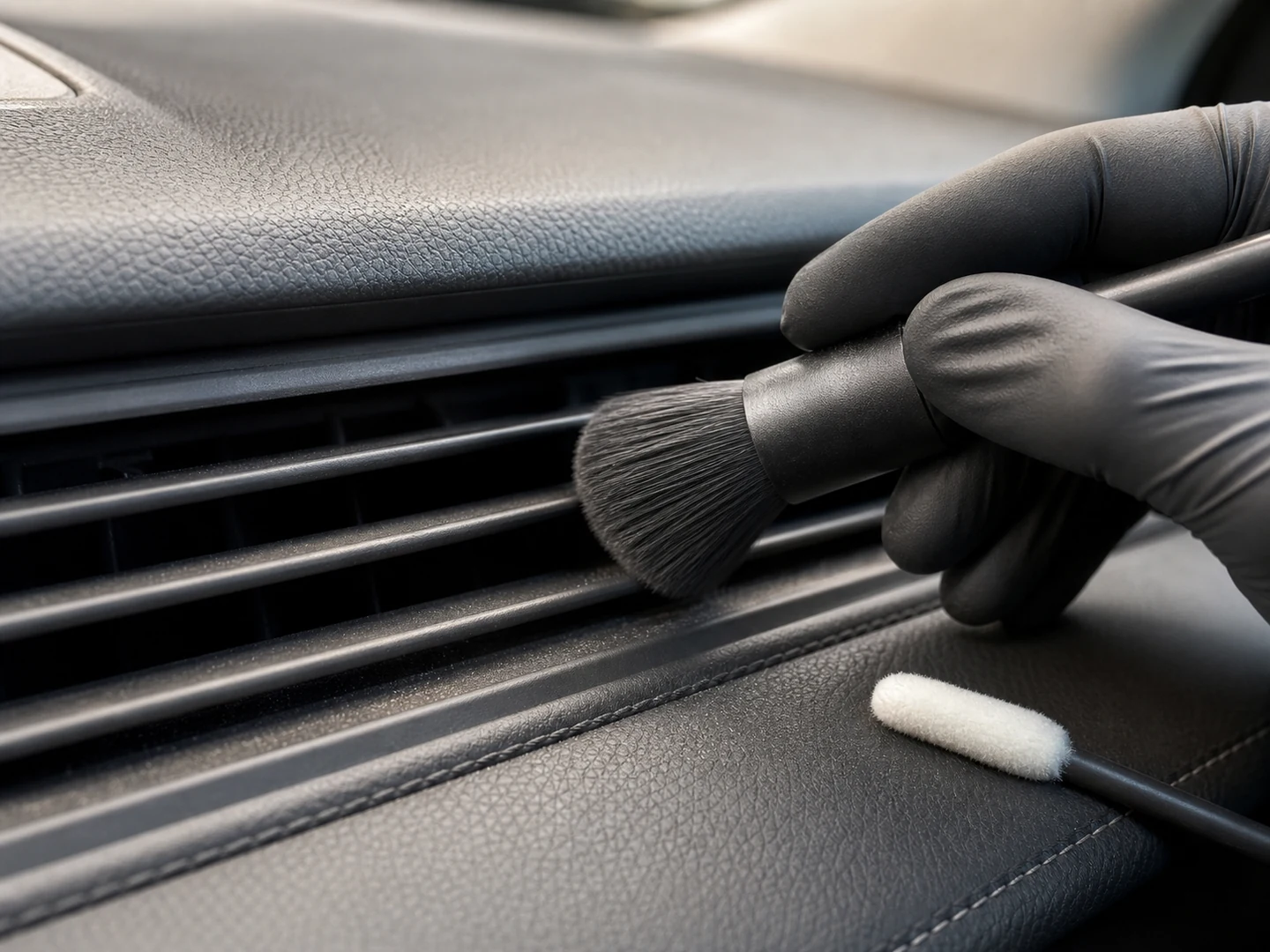
For Car Interior Vent Cleaning, the brush must reach the working area, disturb or collect dust/skin flakes/fibers, and release it without creating unacceptable surface damage or process interference. The brush structure must match the access path, contact movement, and cleaning process.
At a glance
- Cleaning target
- Dust/Skin Flakes/Fibers
- Working environment
- Dry Indoor Area
- Cleaning method
- Dry Brushing / Wet Brushing
- Requirements to check
- Low-Scratch / Low-Shedding Requirements for Interior Surfaces
Vent louvres are thin, hinged and easy to break, which makes this the one interior job where a very soft, very small brush outperforms anything stiffer.
What makes Car Interior Vent Cleaning different from other automotive and transportation cleaning?
The main difficulty is removing brake dust, road film, grease, mud, carbon, and loose particles from paint, wheels, tires, chains, vents, grills, and vehicle details without damaging the surface, loading the brush, or carrying contamination back into the process.
The work happens in dry indoor area against dust, skin flakes and fibers.
The part people get wrong: this is not one job. The same equipment carries several targets, each with a different opening and a different residue, and one brush rarely covers them all.
What are the most common cleaning targets in Car Interior Vent Cleaning?
There are 4 distinct targets here, and the brush that suits one will usually not reach another.
| Part or area | Residue type | Cleaning requirement |
|---|---|---|
| Vent Louver | Dust, Skin Flakes, Fibers | The head must be narrower than the opening and stiff enough to lift residue without splaying at the mouth. |
| Deep Duct | The brush must pass the full length of the passage and hold contact with the wall without folding over at the far end. | |
| Dashboard Register | The head must reach the working face and apply even contact without marking the surface. | |
| Defroster Outlet | The brush must wrap a projecting part and clean all round it without marking the polished finish. |
What the equipment leaves you to work inside:
| Parameter | Typical range |
|---|---|
| Head size | 10–250 mm |
| Trim length | 10–80 mm |
Which brush types work for each cleaning target?
Small round detail brush, thin crevice brush or flexible vent head.
| Cleaning target | Recommended brush type | Why it fits |
|---|---|---|
| Vent Louver | Handheld Detail Brushes | Louver blades sit close together and pivot, so a narrow head passes between them and takes dust off both faces without forcing the blade. |
| Deep Duct | Tube & Pipe Bore Brushes | Behind the register the duct turns out of sight, so a flexible bore brush is what carries contact down the run instead of stopping at the opening. |
| Dashboard Register | Handheld Detail Brushes | The register surround is a visible moulded face, so a hand-guided head clears the grille while keeping contact off the soft-touch coating. |
| Defroster Outlet | A defroster outlet stands proud of the dash with a slot along the top, so a soft head wraps the raised form and cleans its sides as well as its face. |
How the brush is usually carried on the machine:
- Driven brush — use when brake dust, road film, grease, mud, carbon, and loose particles needs repeatable scrubbing or controlled relative movement
- Passive or free-running brush — use for loose contamination and lower process complexity on paint, wheels, tires, chains, vents, grills, and vehicle details
- Localized hand, strip, or tube brush — use where only an edge, gap, port, or maintenance point needs contact
In practical brush terms: match the construction to the access before anything else. A geometry that cannot reach the target will not be rescued by a better filament.
What filament materials work best for Car Interior Vent Cleaning?
Very soft synthetic or natural-hair blend, microfiber and fine antistatic filament only when particle and resistance data are available.
| If the condition is… | Filament to start with | Why |
|---|---|---|
| Louvre faces that mark easily | Microfiber | wipes the blade face without leaving swirl marks |
| Dust between fixed slats | Nylon PA, very soft grade | thin enough to enter the slat gap and flex back out |
| Dust that keeps returning to the same face | Conductive Nylon | bleeds off the charge that is holding it there |
What the duty rules out before you start comparing grades:
| Constraint | Value for this application |
|---|---|
| Filament hardness | Soft |
| Maximum service temperature | 60°C |
| Chemical exposure | Neutral Detergent pH 6–8; No Added Medium |
| Cleaning method | Dry Brushing, Wet Brushing |
How do I choose the right brush for my car interior vent equipment?
Louvre spacing caps the head width and duct depth sets the stem, but softness is fixed first: these parts break before they clean.
The order that avoids rework:
- Identify the target part and measure the access opening or clearance
- Describe the residue: what it is, how thick it sits, and how strongly it holds
- Choose the construction that can physically reach that target
- Set the filament from surface risk, working temperature and cleaning chemistry
- Fix filament diameter, free trim length and density for the contact pressure you need
- Run one cycle and check the result before committing to a production quantity
Before you commit to a quantity, send the louvre spacing, the opening width and the depth behind it, plus the trim material.
When is a car interior vent brush the wrong tool?
Compressed air and a vacuum working together lift vent dust without touching a single louvre, which is the safer default. Use the brush only where the deposit is greasy enough to stay put under airflow.
What common mistakes should I avoid in Car Interior Vent Cleaning?
- Specifying by vent opening width alone, without the louvre spacing and the depth behind it
- Changing brush material while leaving excessive engagement, poor alignment, or no discharge path unchanged
- Copying a worn brush without recording motion, direction, mounting, and the original working diameter
If the brush is already in service and the result is wrong, work from the symptom:
| Symptom | What to change |
|---|---|
| Residue remains | Increase relative motion or discharge, then change filament diameter or density; do not add pressure before checking loading by brake dust, road film, grease, mud, carbon, and loose particles. |
| Surface marks or scratches | Reduce engagement, use finer or softer fill, and remove trapped abrasive particles from contact with paint, wheels, tires, chains, vents, grills, and vehicle details. |
| Rapid wear or uneven cleaning | Check alignment, runout, support, motion, temperature, chemical attack, and whether the brush covers the complete working path. |
| Brush loads or redeposits residue | Open the fill pattern or add wash, vacuum, air, scraping, or a collection path so removed brake dust, road film, grease, mud, carbon, and loose particles leaves the contact zone. |
Questions this page is asked
What should be mapped before brushing around a vehicle vent and display?
Identify the vehicle model's accessible louver surfaces, nearby touchscreen, switches, airbag covers, sensors and the boundary to the internal HVAC passage. Follow the owner's cleaning instructions and keep liquid, loose fibers and rigid brush parts out of openings or electronics that the manual does not authorize for user cleaning.
How can a detailing brush be checked for vent-louver safety?
Trial the clean brush on a concealed matching surface and a representative louver using the intended angle, deflection and stroke count. Reject it if the fill sheds, snags an edge, bends a vane, changes gloss or transfers color, and prevent the ferrule or handle from contacting surrounding trim.
How should loosened vent dust be removed instead of pushed into the duct?
Work from exposed edges toward a controlled vacuum or collection point using airflow and suction only as permitted by the vehicle instructions. Compare the louver and adjacent seam before and after cleaning, and stop if the method drives debris beyond reach or toward a display, sensor or electrical opening.
Guides that go deeper on this
We have not written a guide specific to this one yet. The material that covers selection, filament, dimensions, maintenance and sourcing is collected in the technical resources library.
Continue Exploring
Recommended Reading & Related Brush Resources
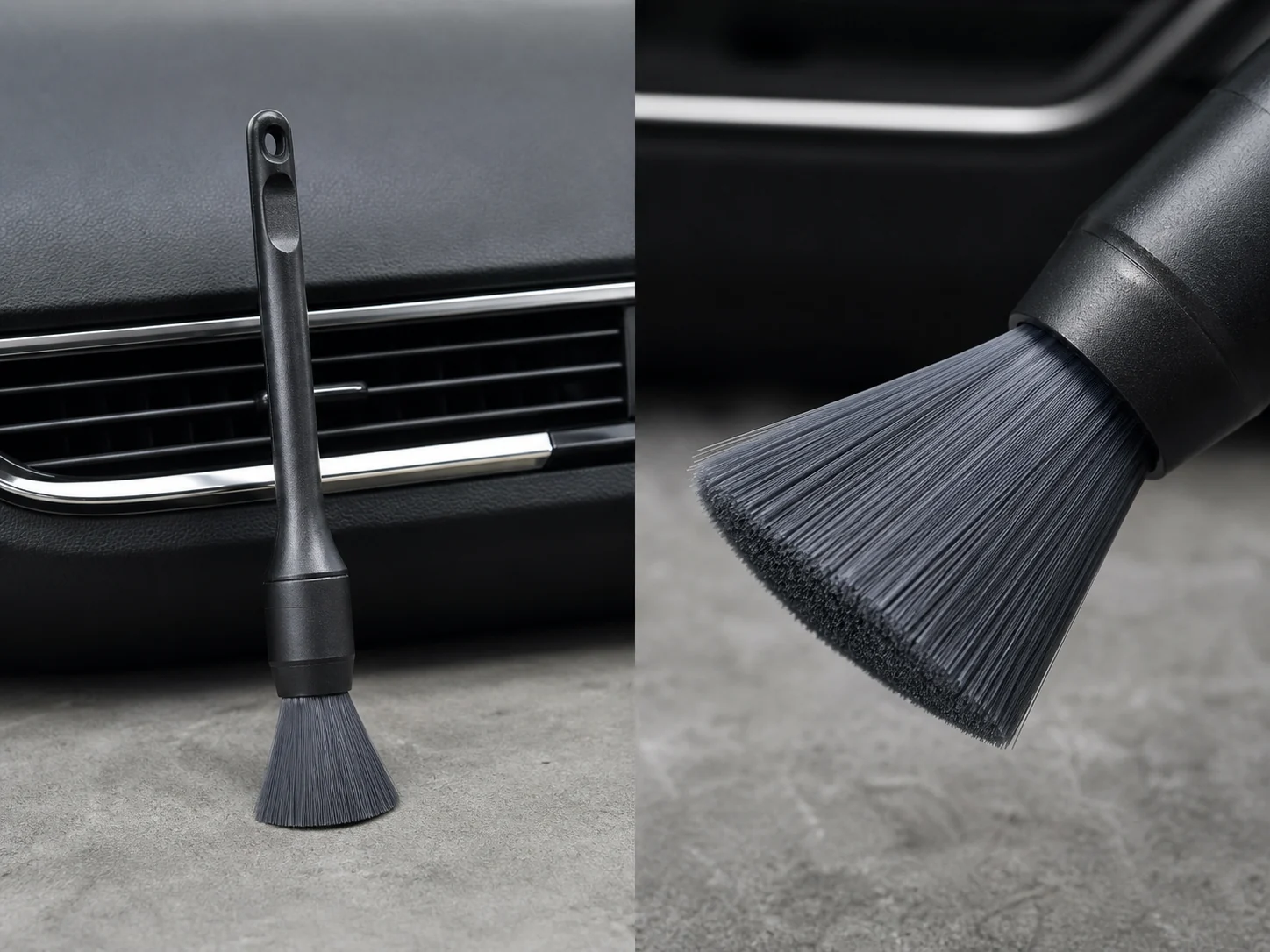
PA612 Car Vent Brush
Compact PA612 car vent brush with a fan-shaped head for air vents, dash seams…
See the specification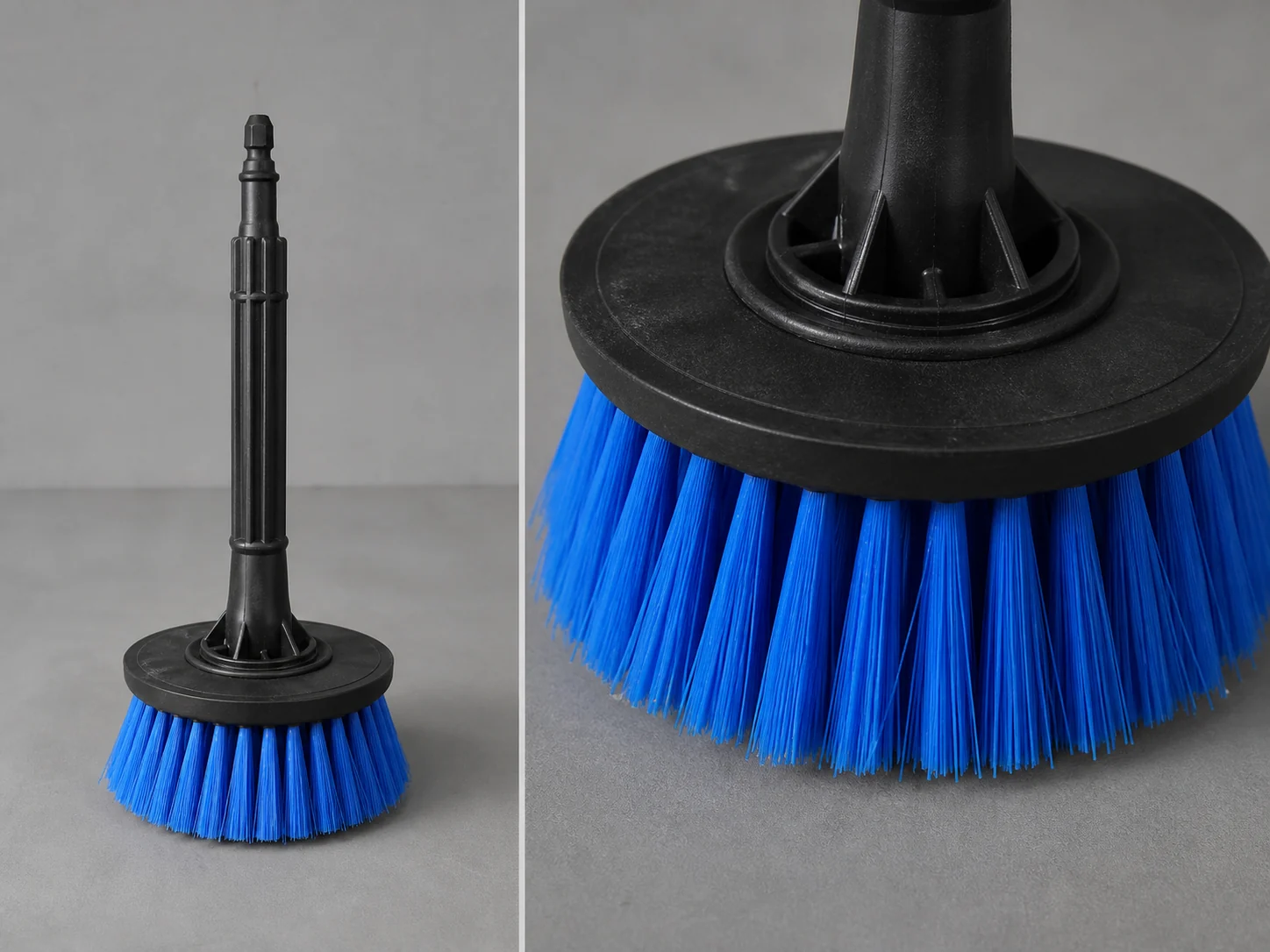
300mm PP Car Wash Side Disc Brush
300 mm round PP side disc brush for car wash side arms. Quick-change hub,…
See the specification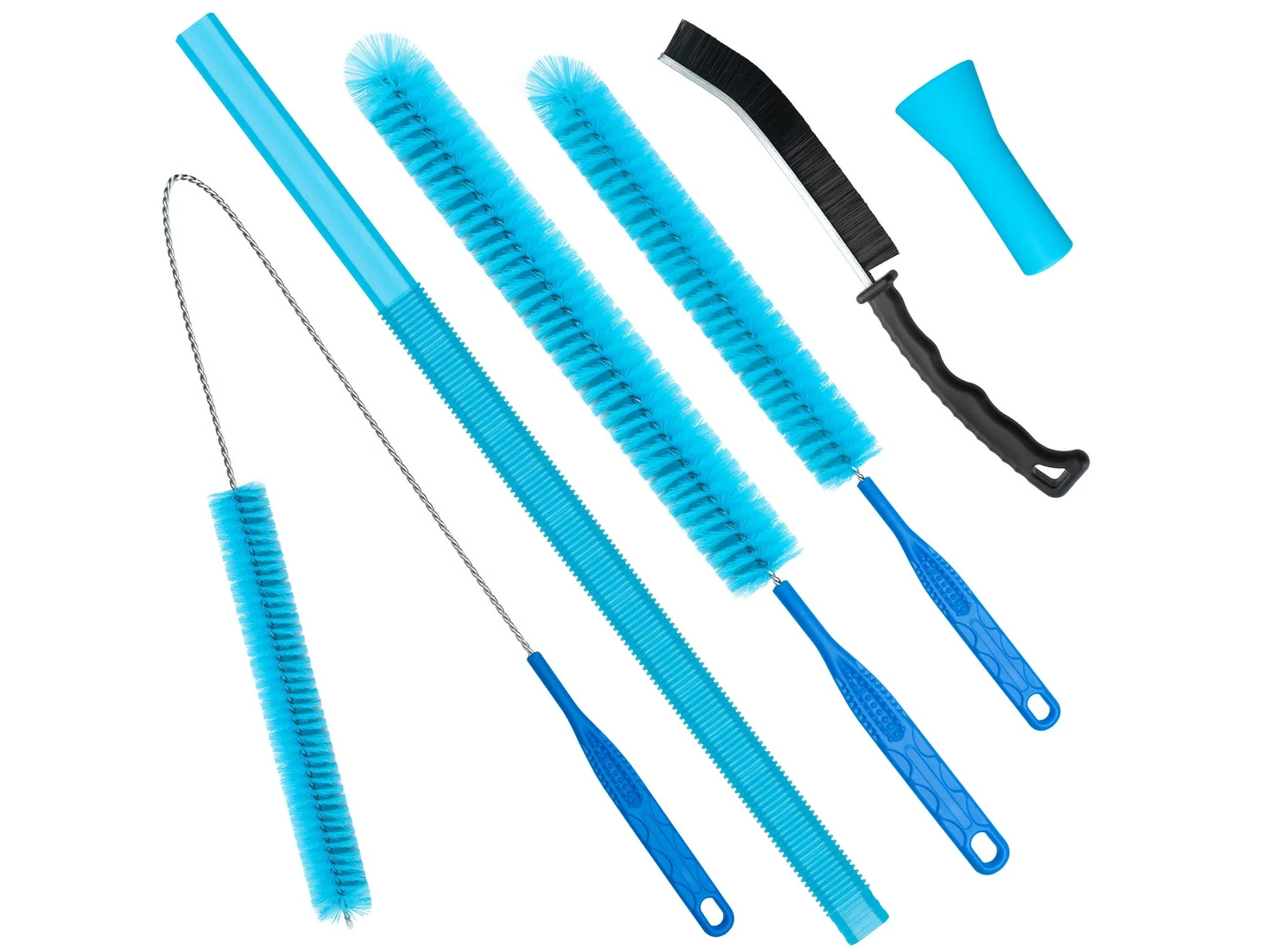
Dryer Vent Cleaning Brush
Flexible dryer vent cleaning brush clears lint, dust, and pet hair from 3–6 inch…
See the specification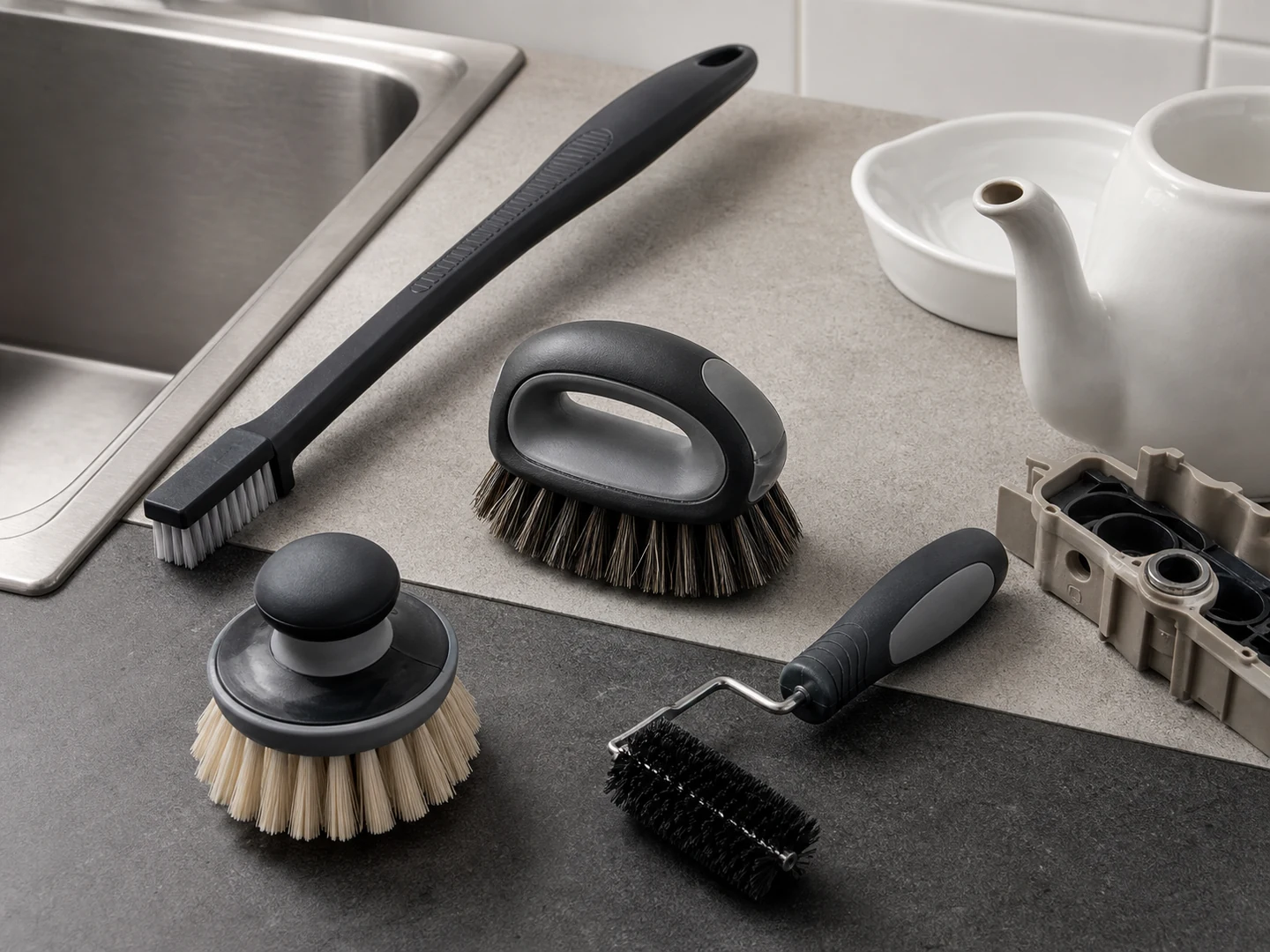
Custom Handheld Detail Brushes
Choose a handheld detail brush when you need direct control in seams, recesses, fittings,…
See how this type is built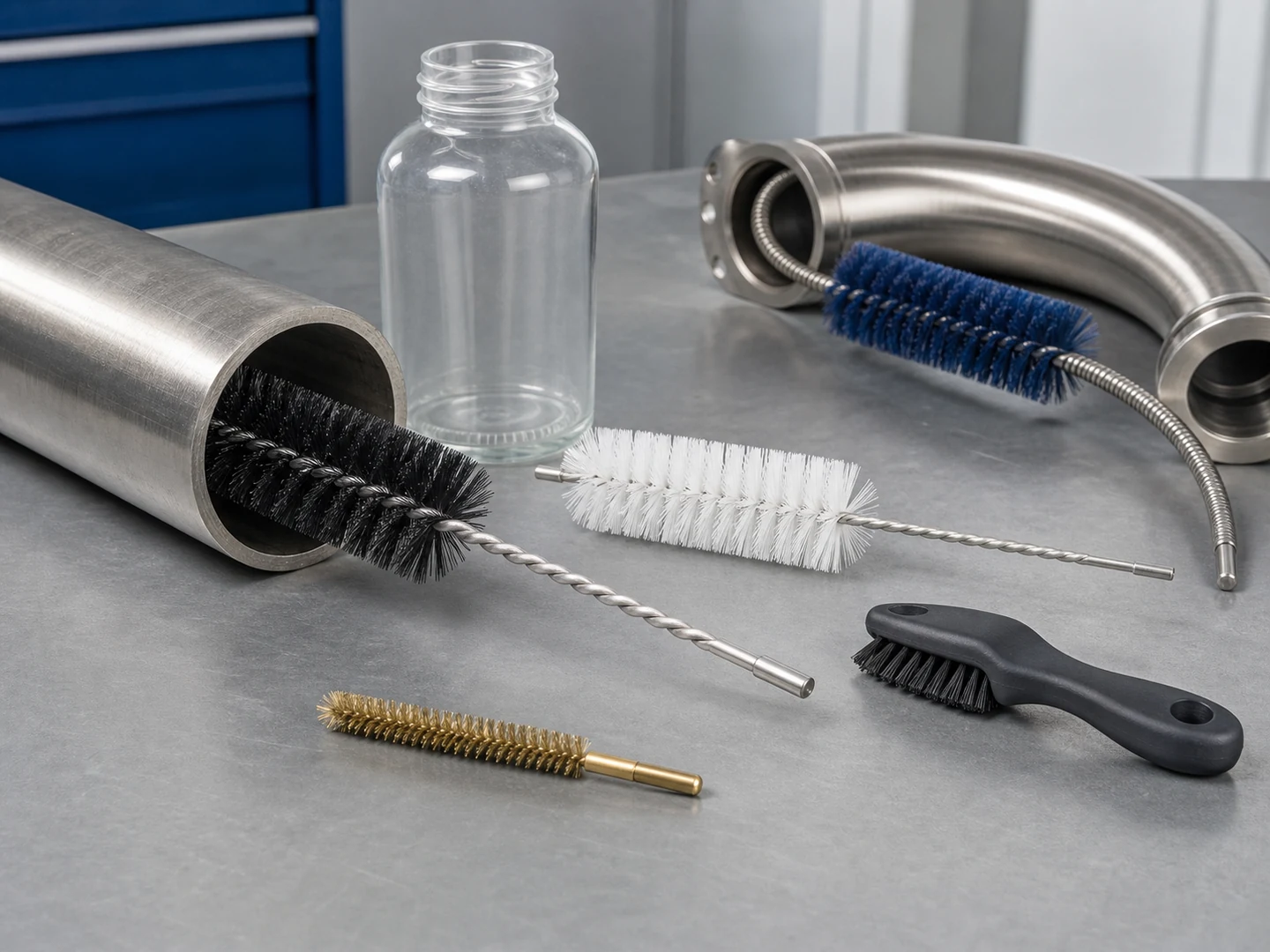
Custom Tube & Pipe Bore Brushes
Choose a tube, pipe, or bore brush when the working surface is inside a…
See how this type is built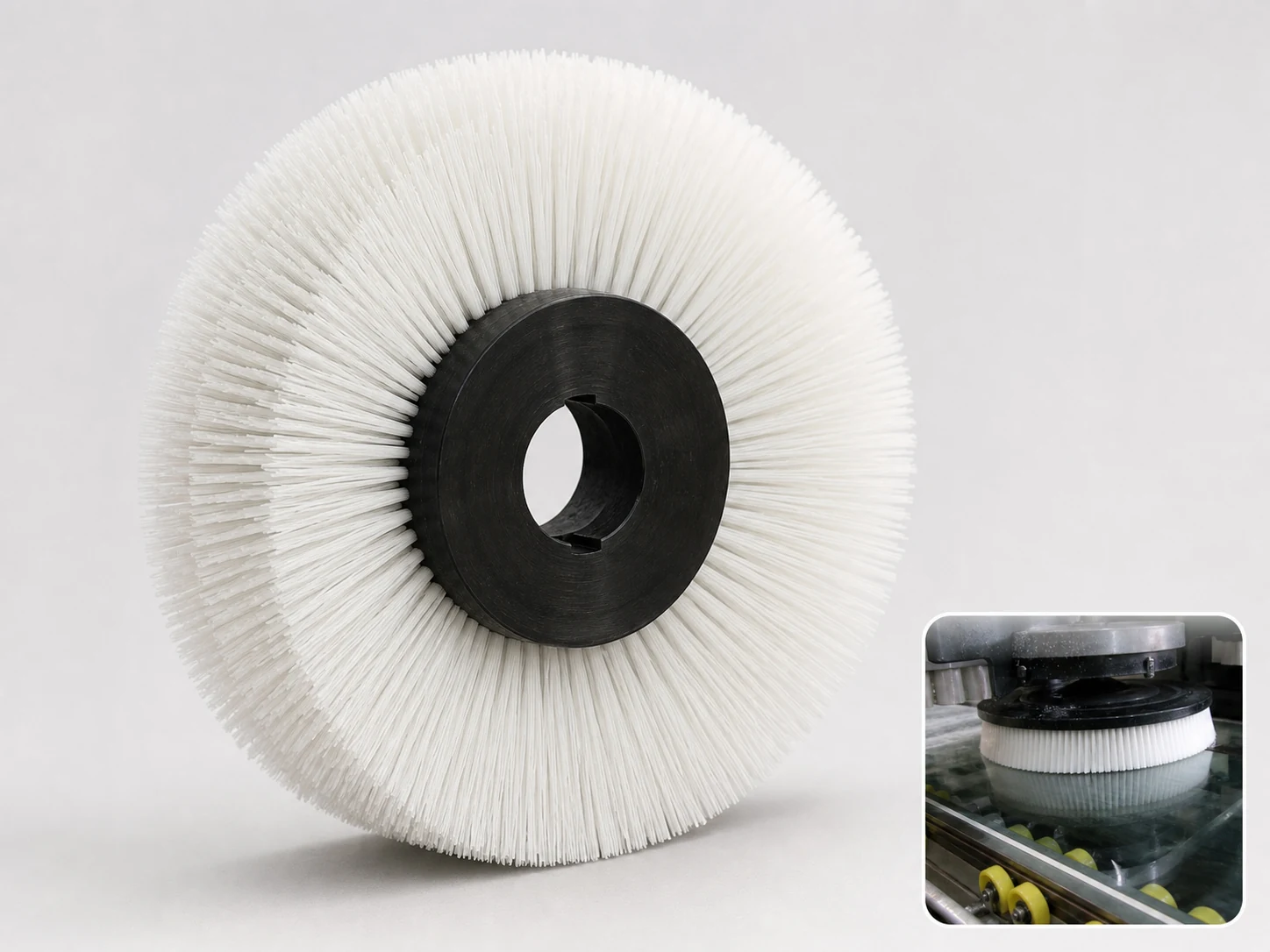
Custom Disc Brushes
Choose a disc brush when a circular face must scrub, wipe, polish, sweep, or…
See how this type is built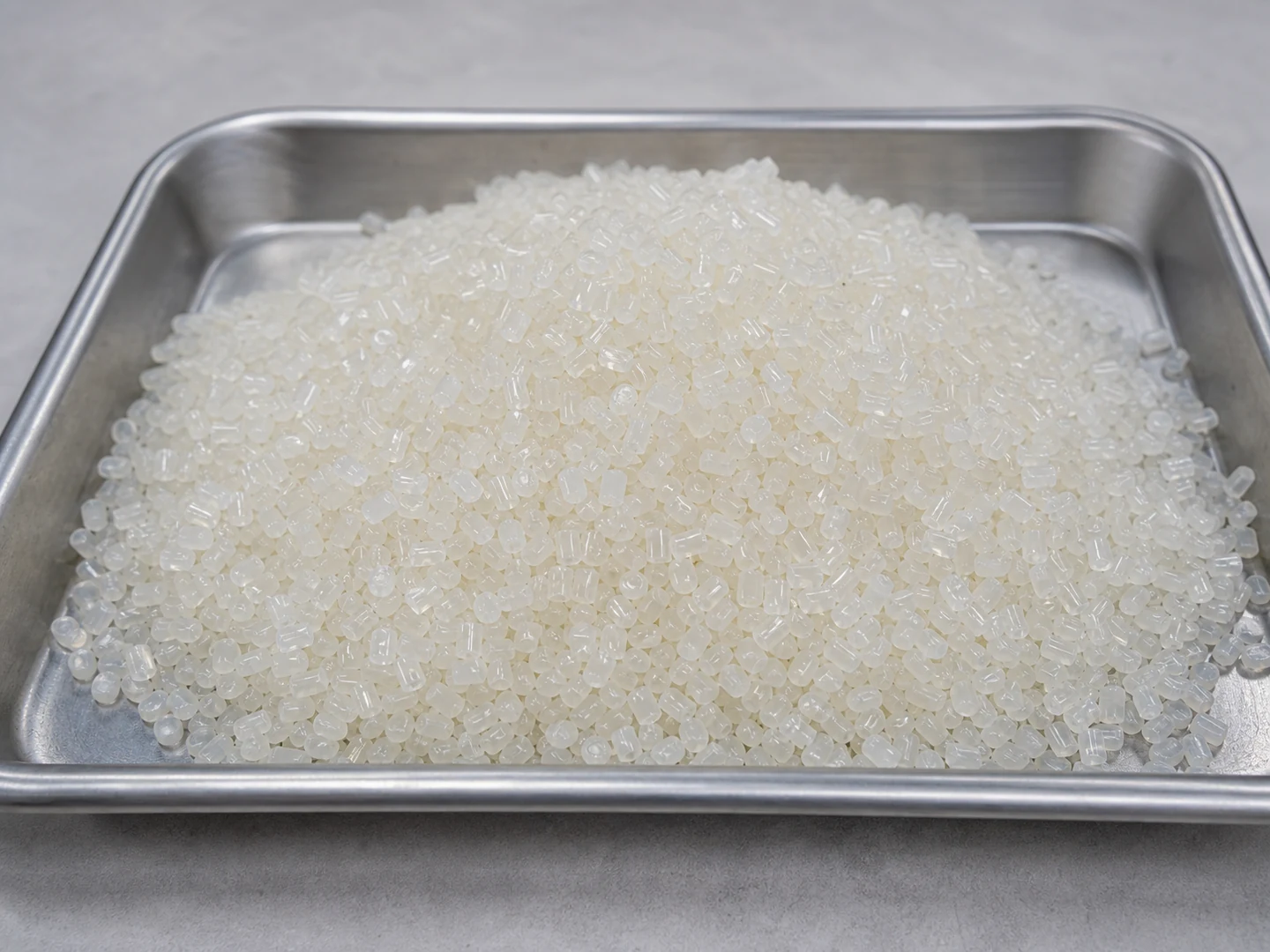
Nylon PA
Choose Nylon PA based on its stiffness, recovery, wear, wet-service, chemical, and temperature behavior.
Compare this material
PBT
Choose PBT based on its stiffness, recovery, wear, wet-service, chemical, and temperature behavior. Do…
Compare this materialCustom Manufacturing RFQ
Discuss This Application
Share the working surface, residue, dimensions, material direction, interface, quantity and drawing or sample photo.
Custom Brush RFQ
Request a Custom Cleaning Brush Quote
Upload a drawing, product photo, or sample photo and provide the core dimensions and cleaning conditions.
“We need a brush to remove wet residue from a stainless steel conveyor, about 800mm wide. The current brush wears quickly. We can send photos.”
“We sell drinkware and need a cleaning brush to include with the product. Quantity around 5,000 pieces.”