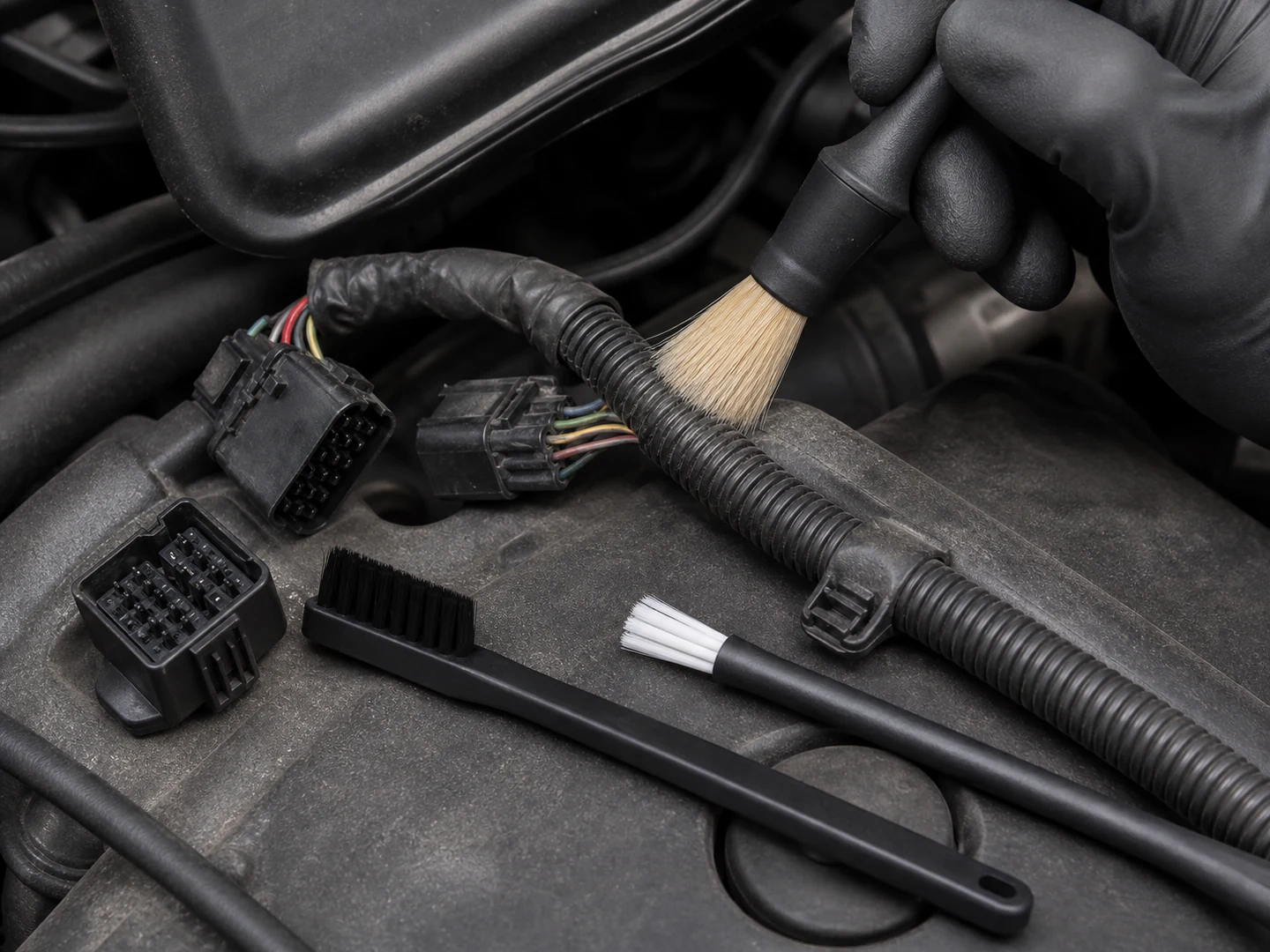
Wire Harness Cleaning Brush
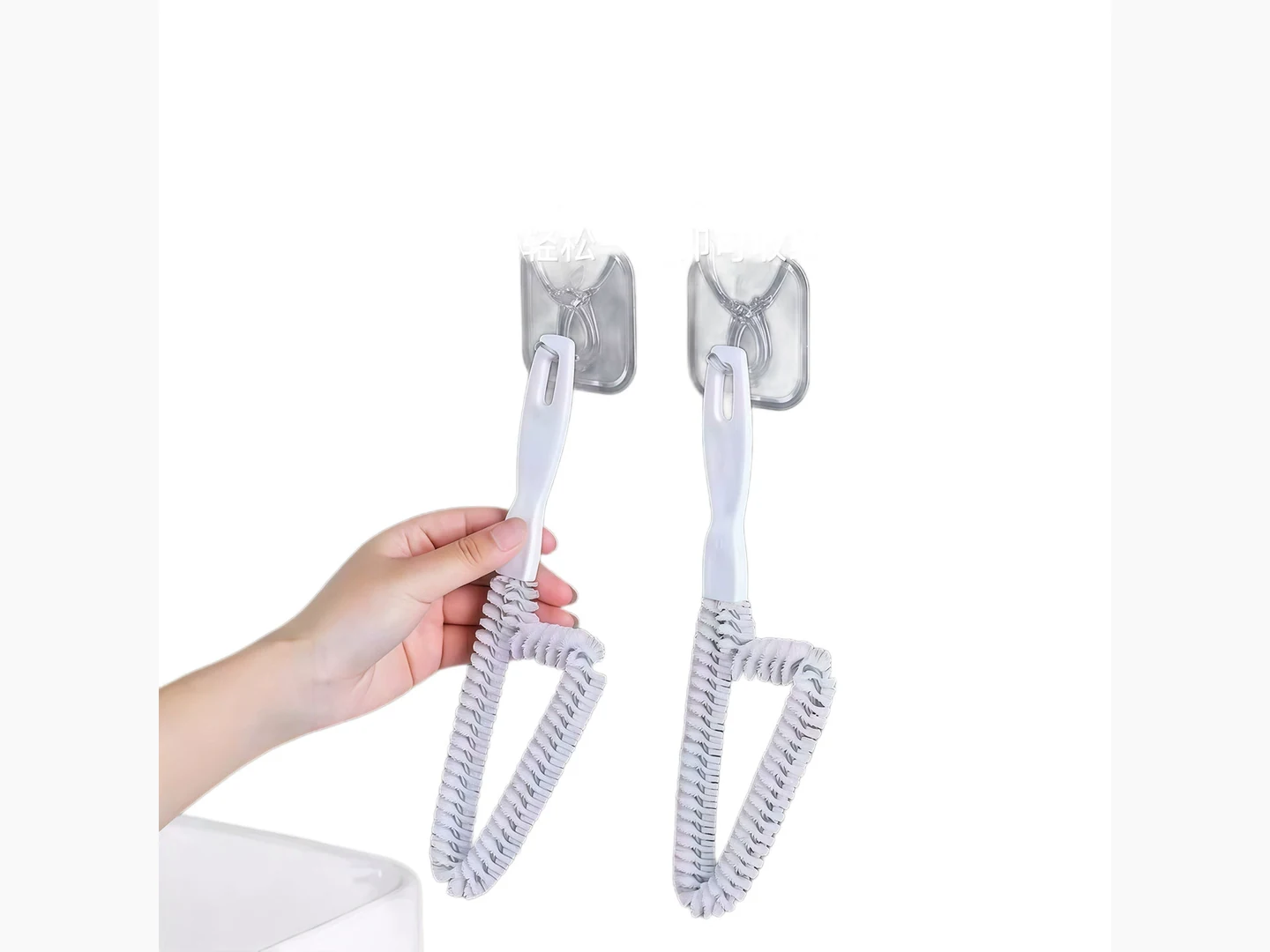
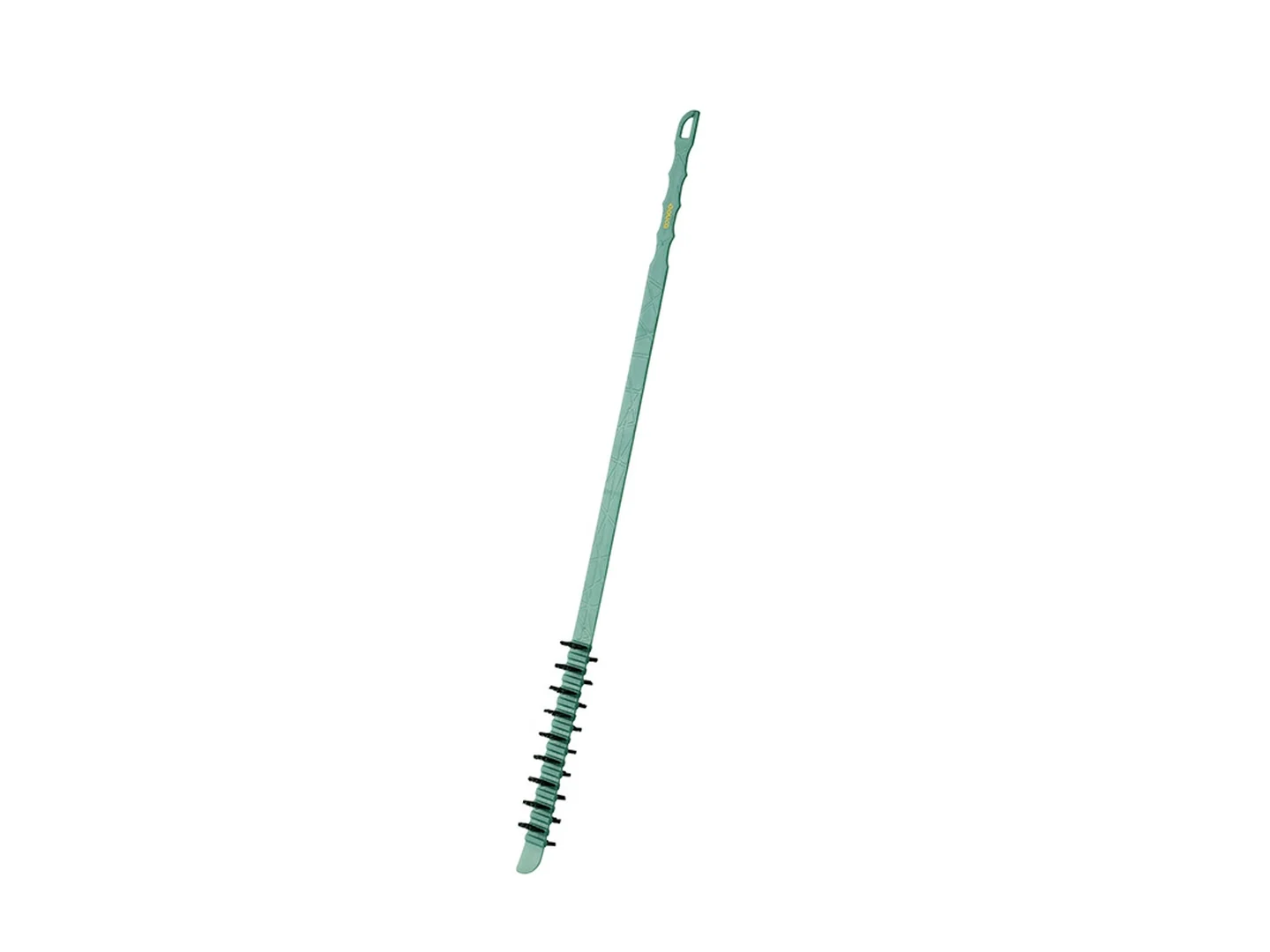
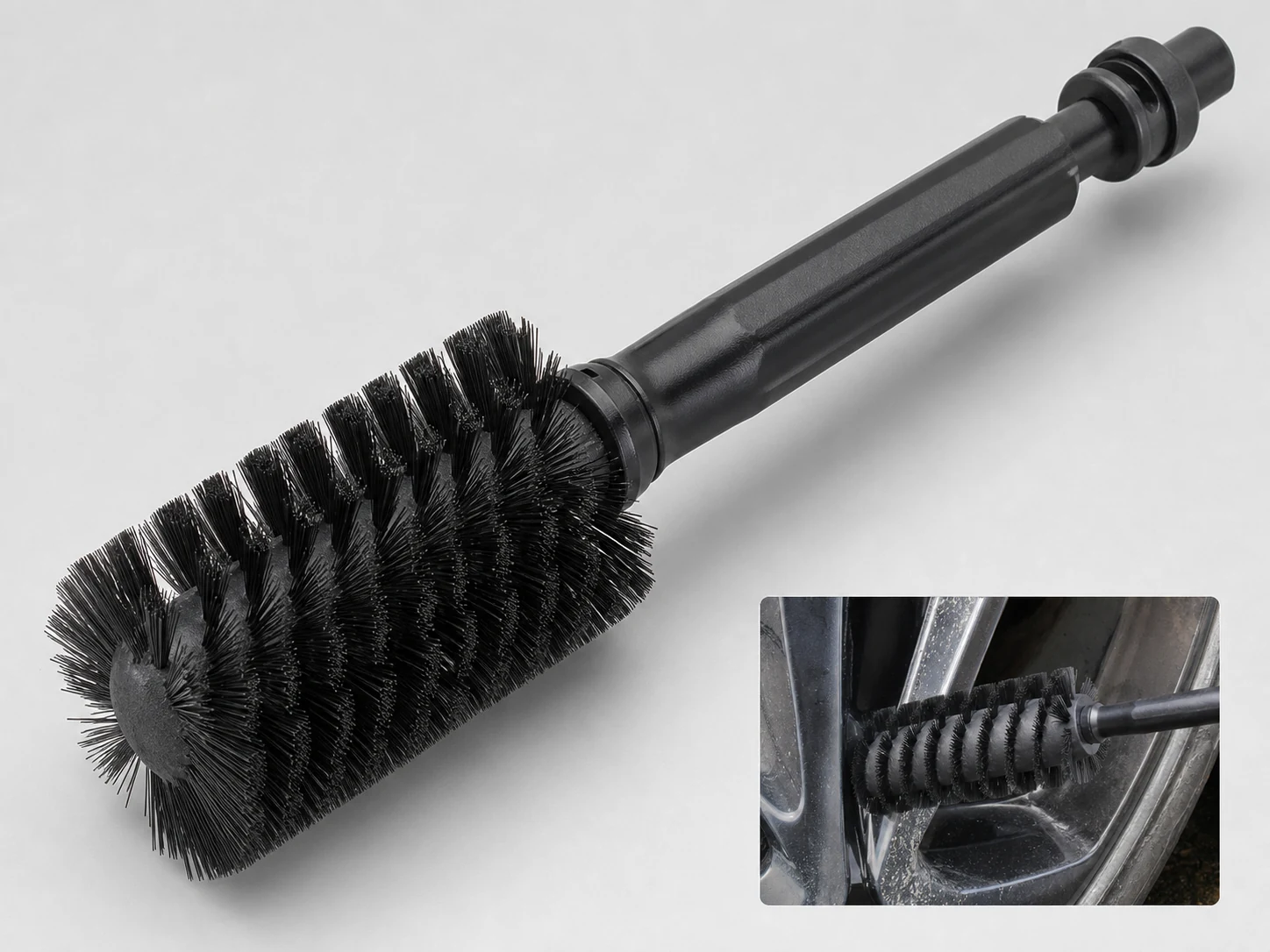
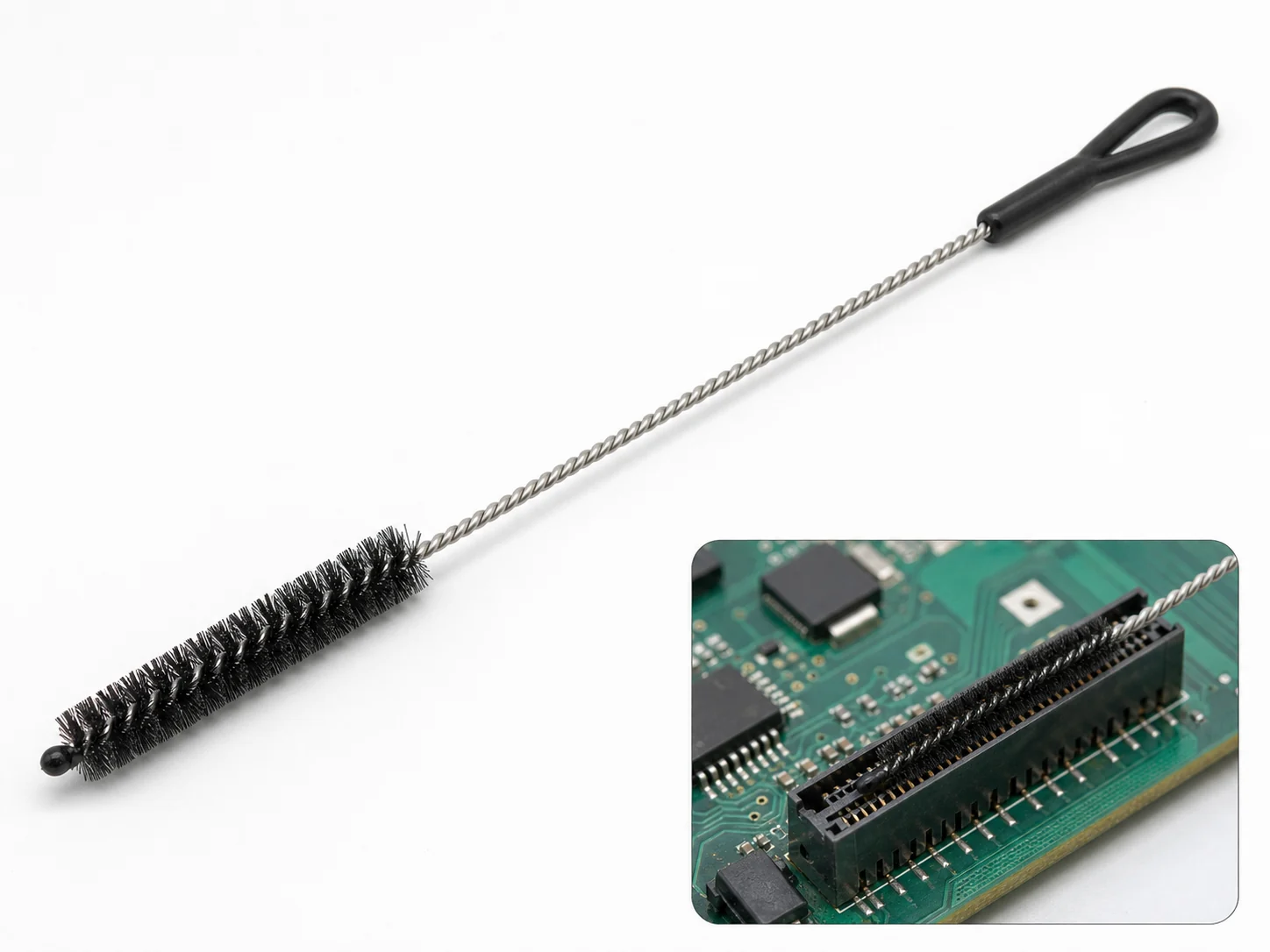
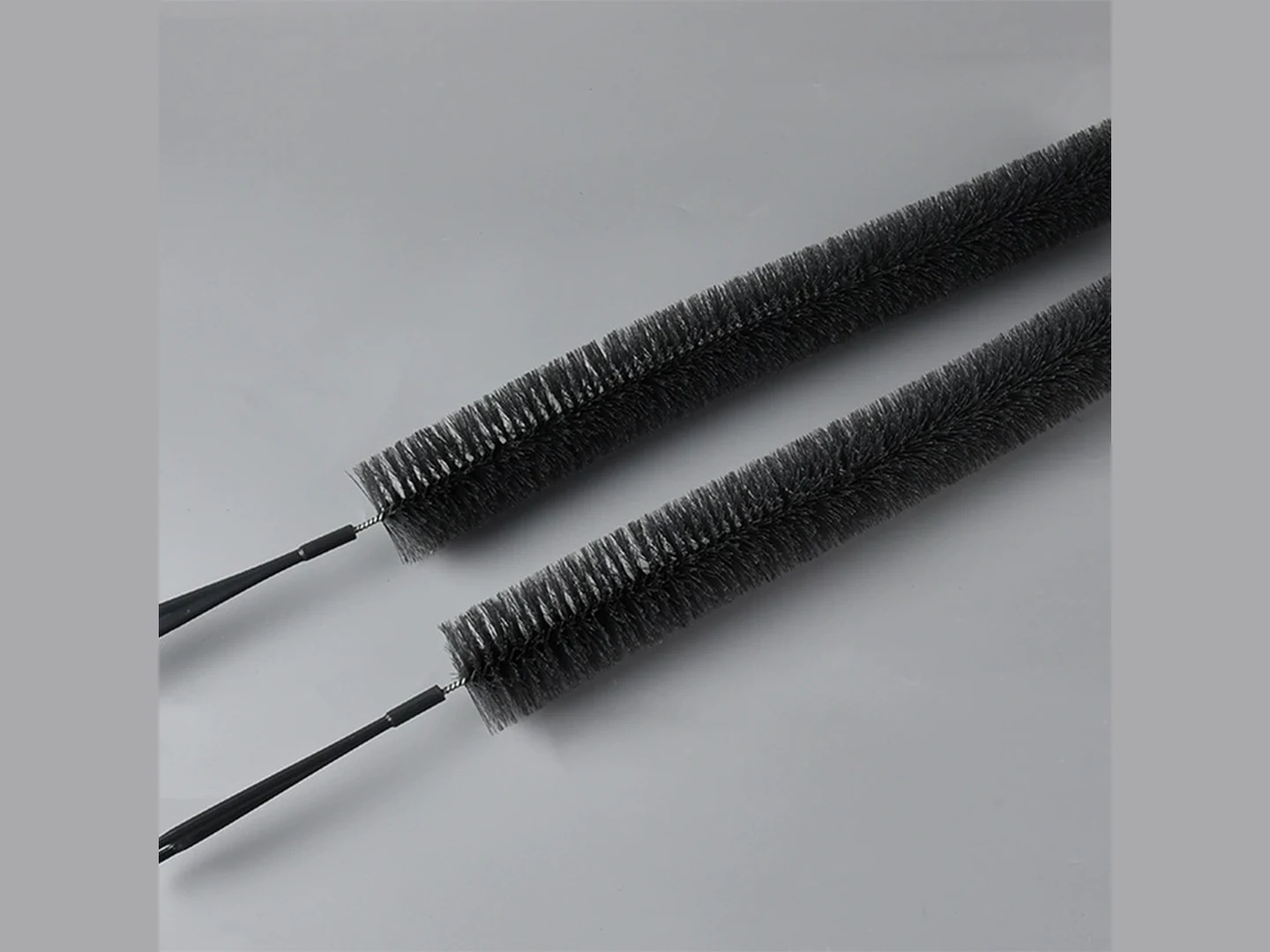
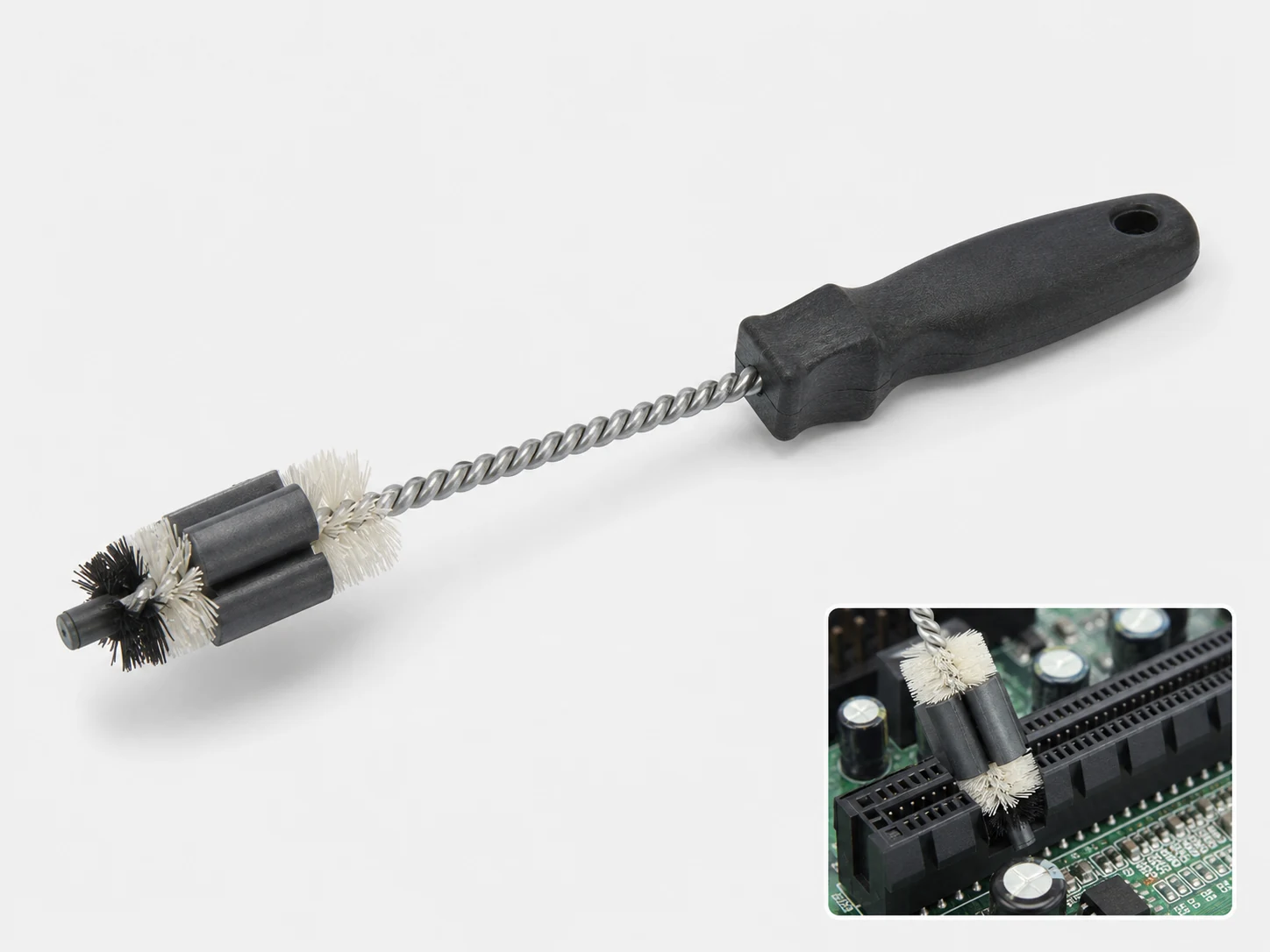
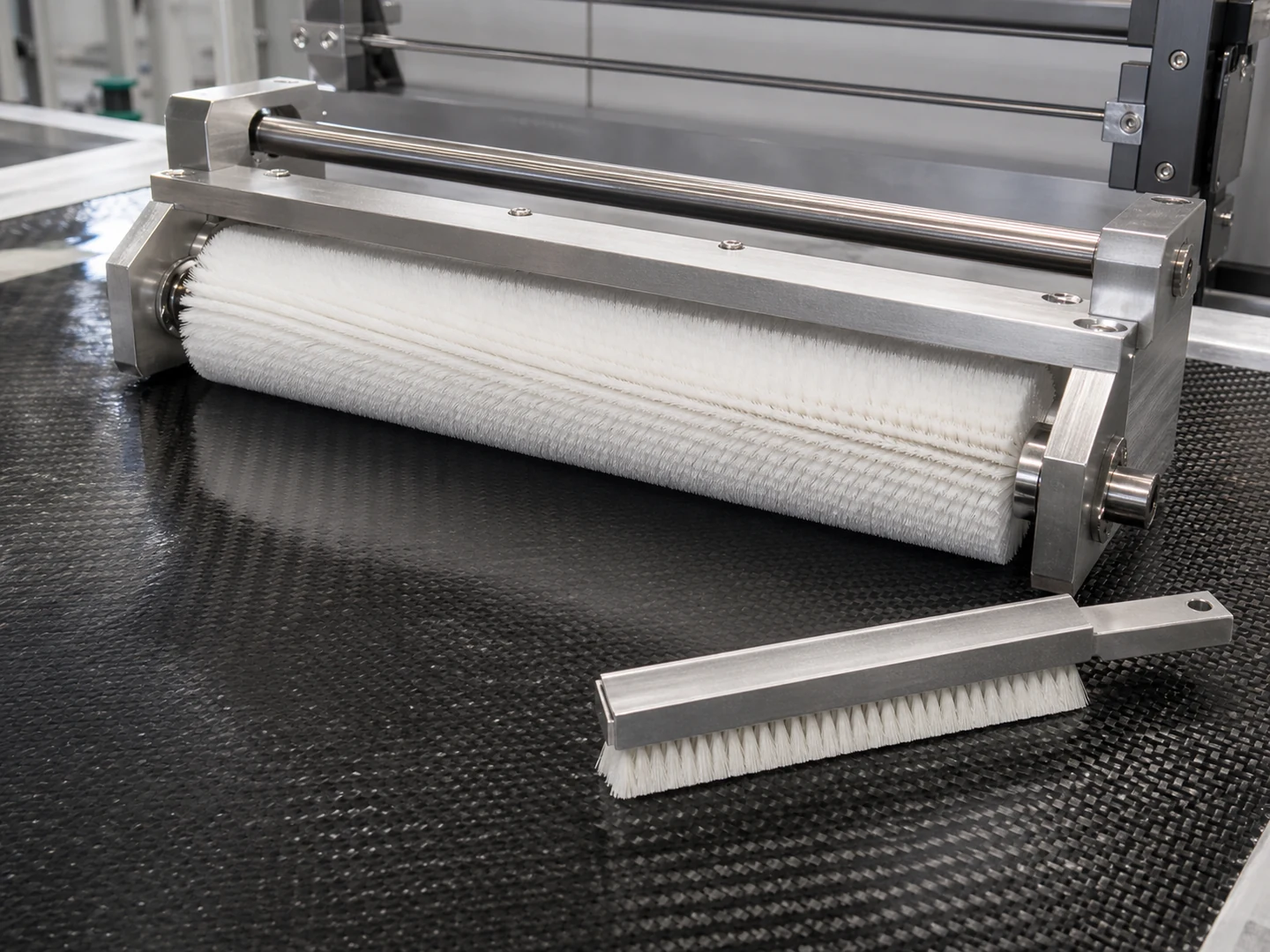
Nylon PA wire harness cleaning brush for removing dust, dirt, and flux from cable bundles, terminals, and connectors.
- Head Ø
- 10–100 mm
- Head length
- 30–250 mm
- Handle
- 180–450 mm

Custom Cleaning Brush Manufacturer
PRODUCT CATEGORY
Electronics production cleaning can involve loose dust, flux residue, connector contamination, printer mechanisms and static-sensitive handling. The key is to define whether the brush is simply cleaning a surface or must also meet an electrical or process-control requirement.
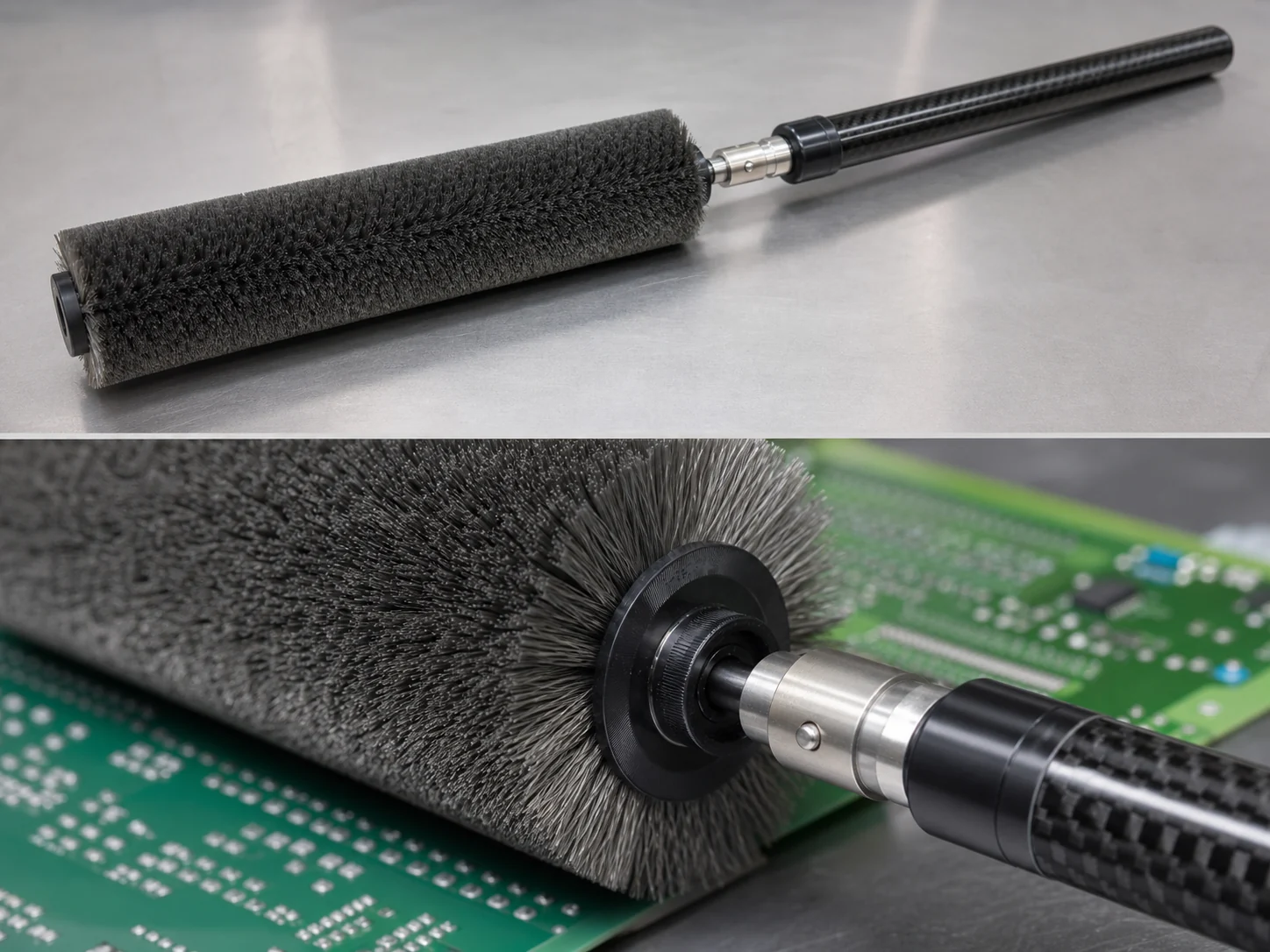
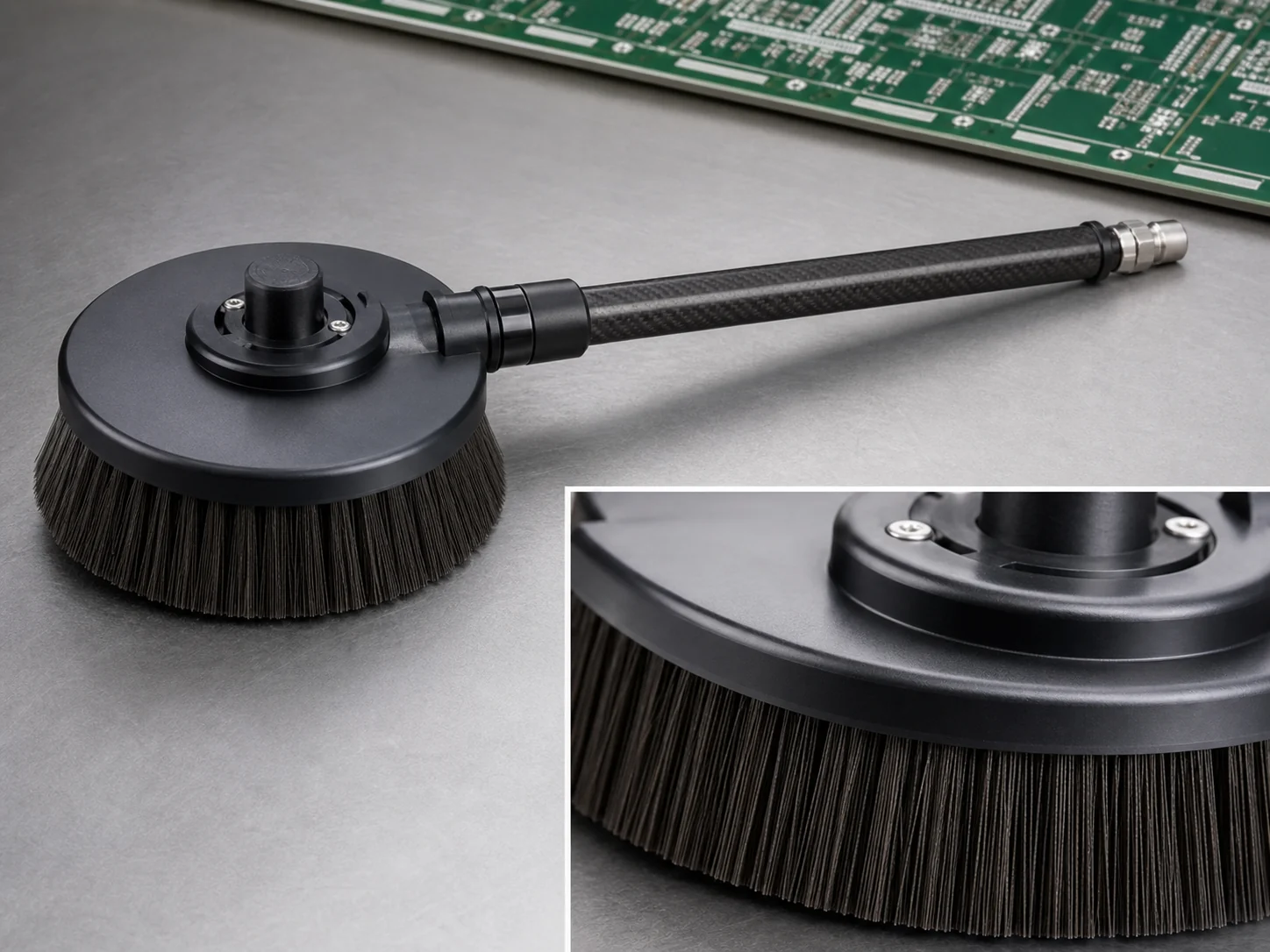
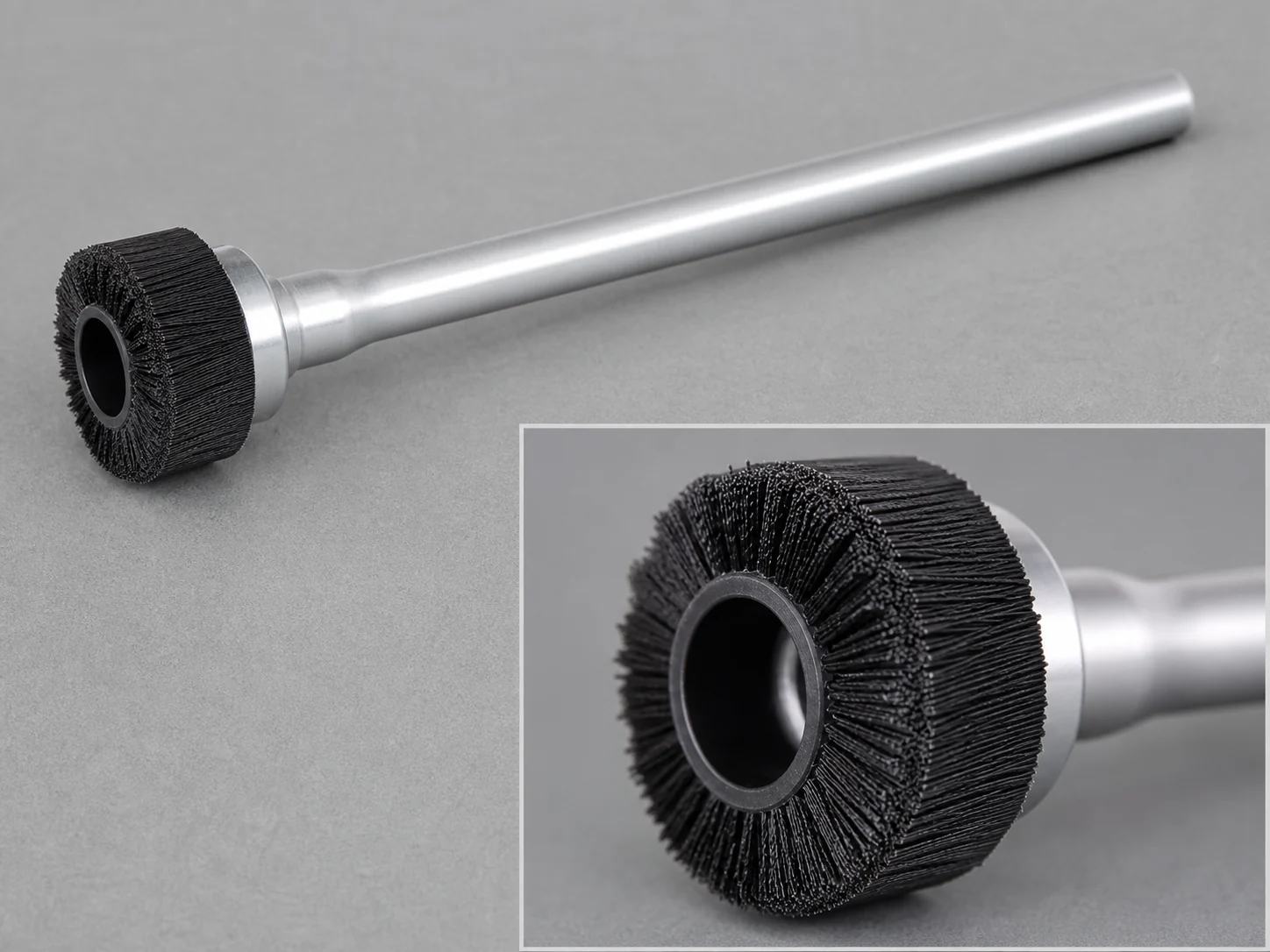
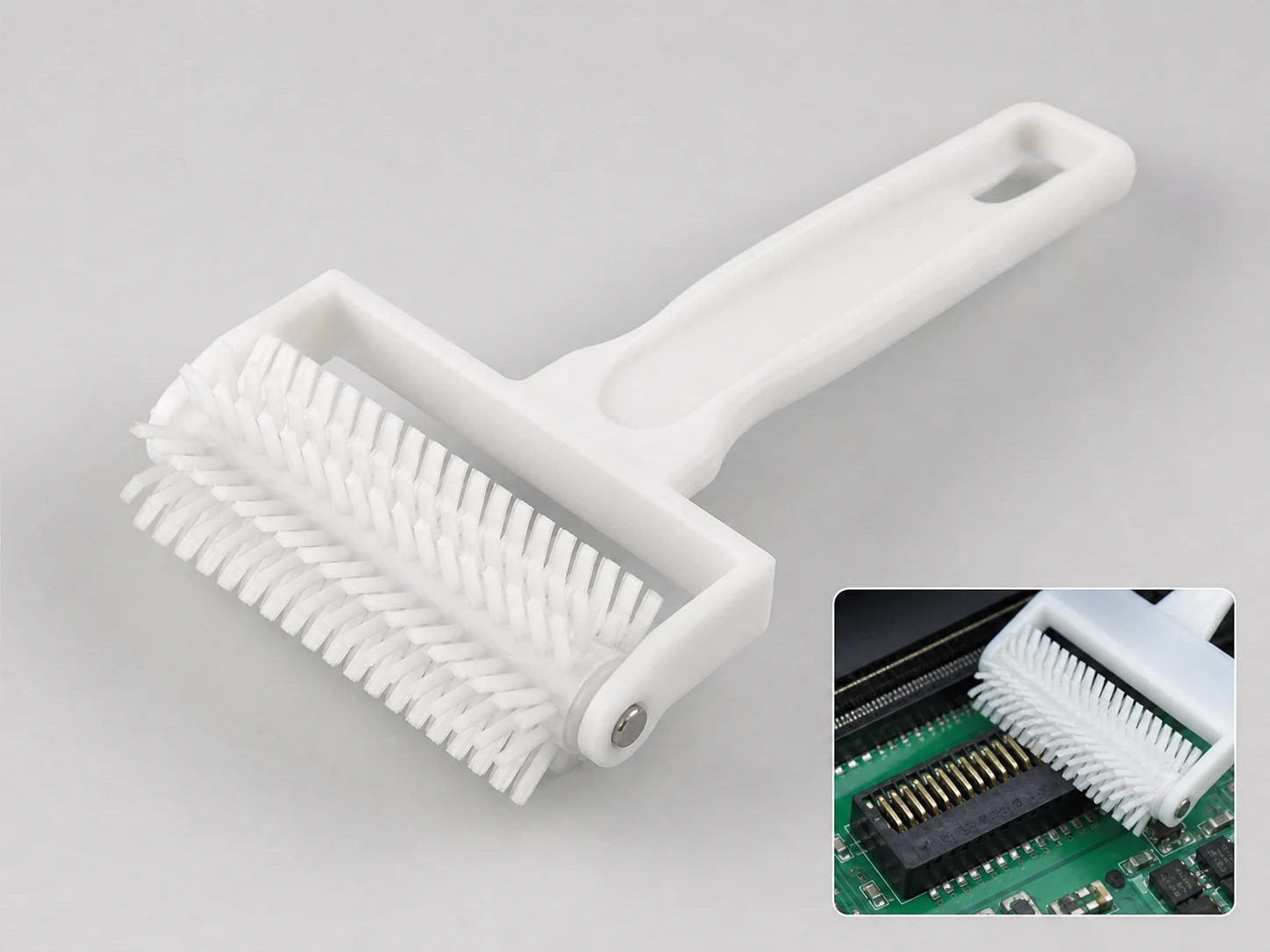
Compare conductive and anti-static hand brushes, PCB rollers and discs, connector and fiber-optic tools, printer and ATM cleaning brushes, and other production-electronics formats.
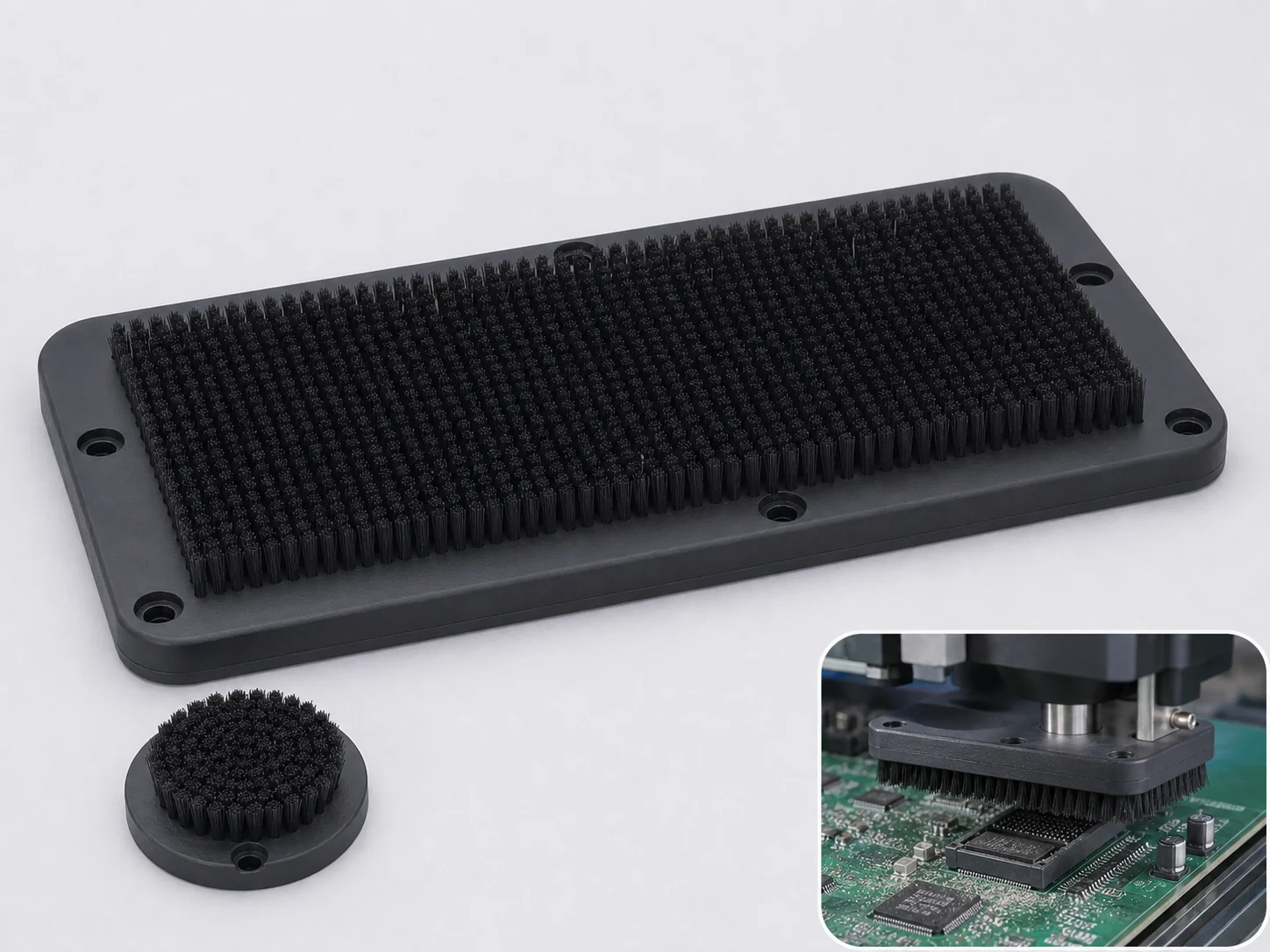
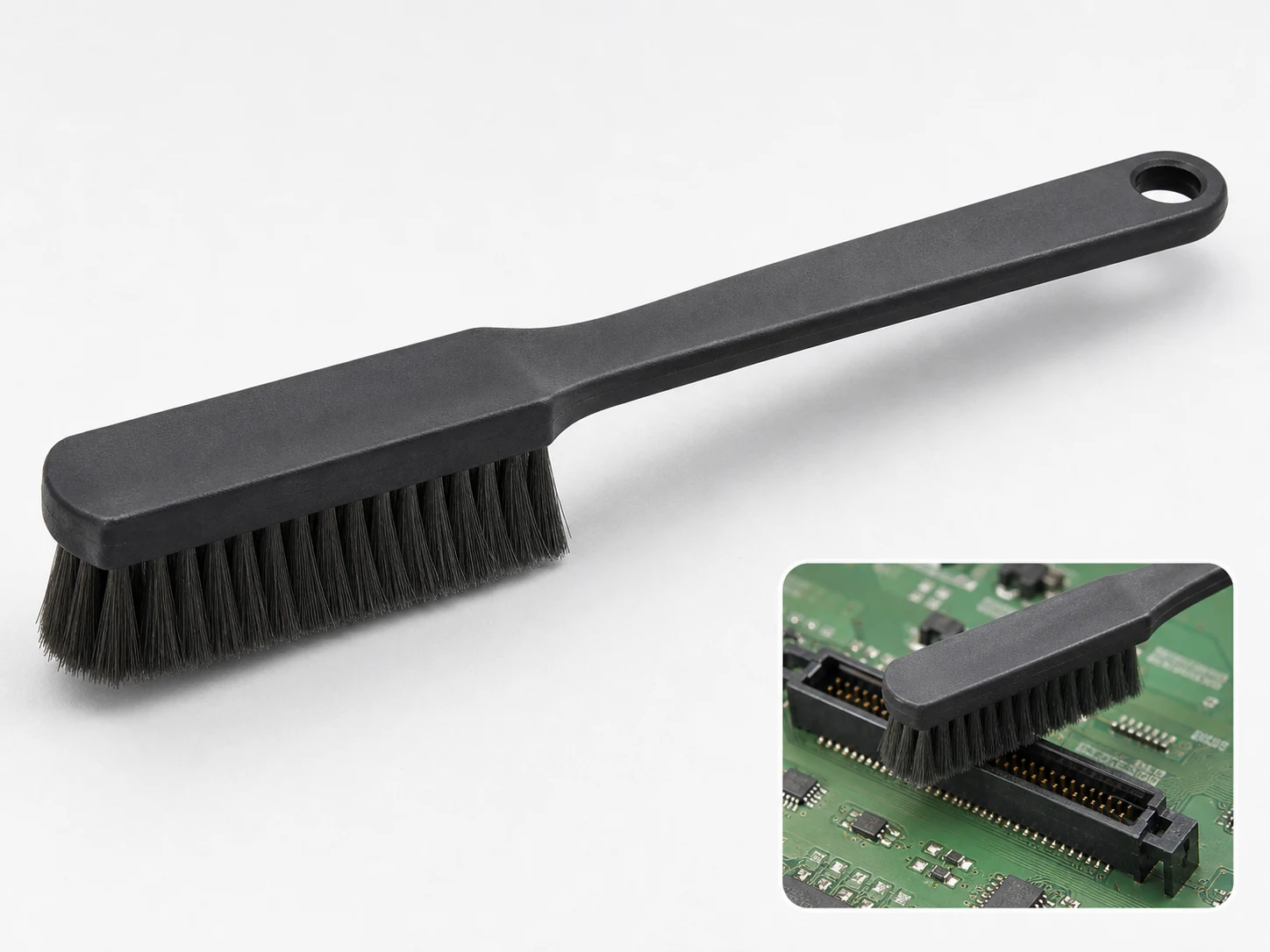
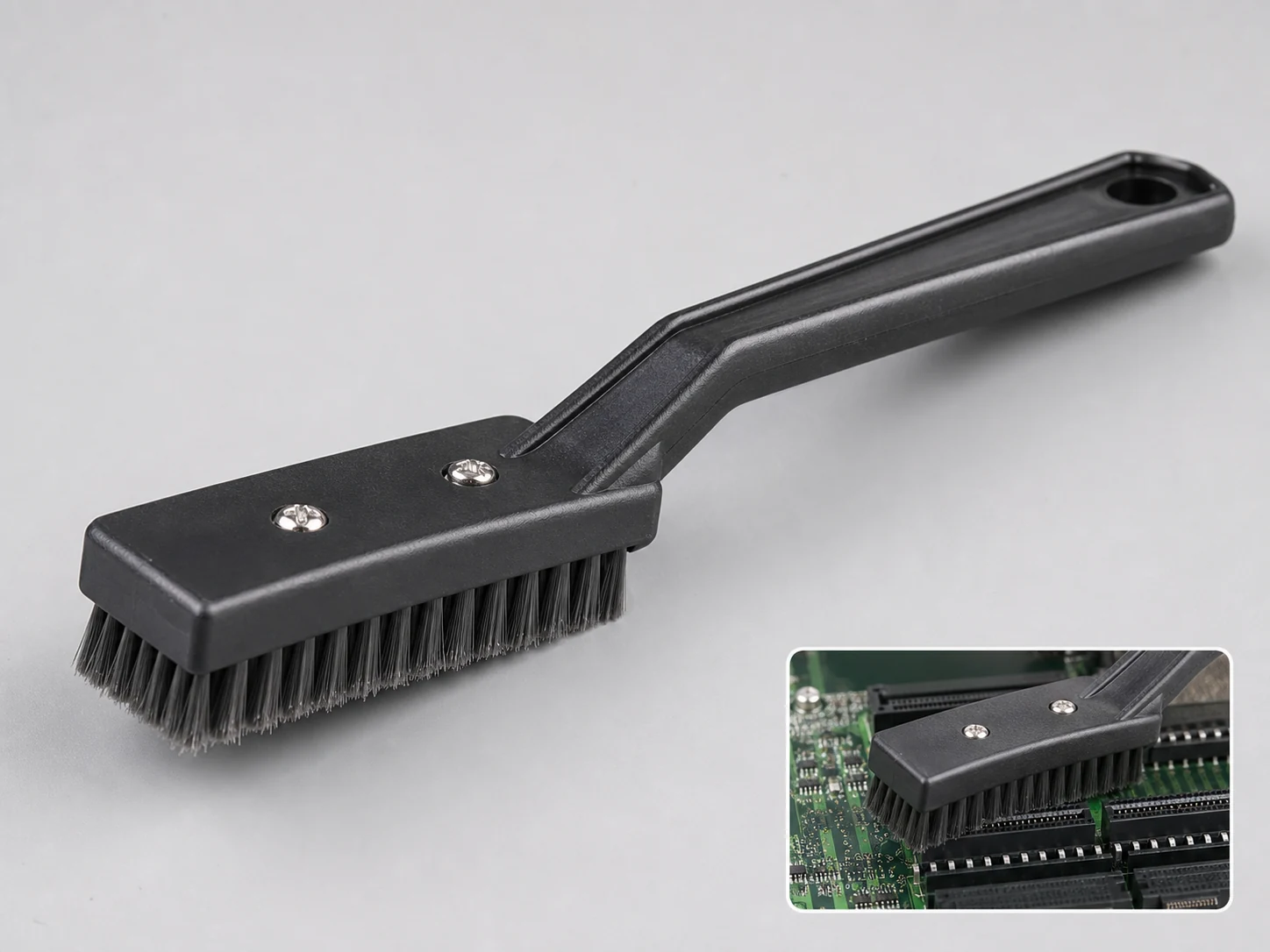
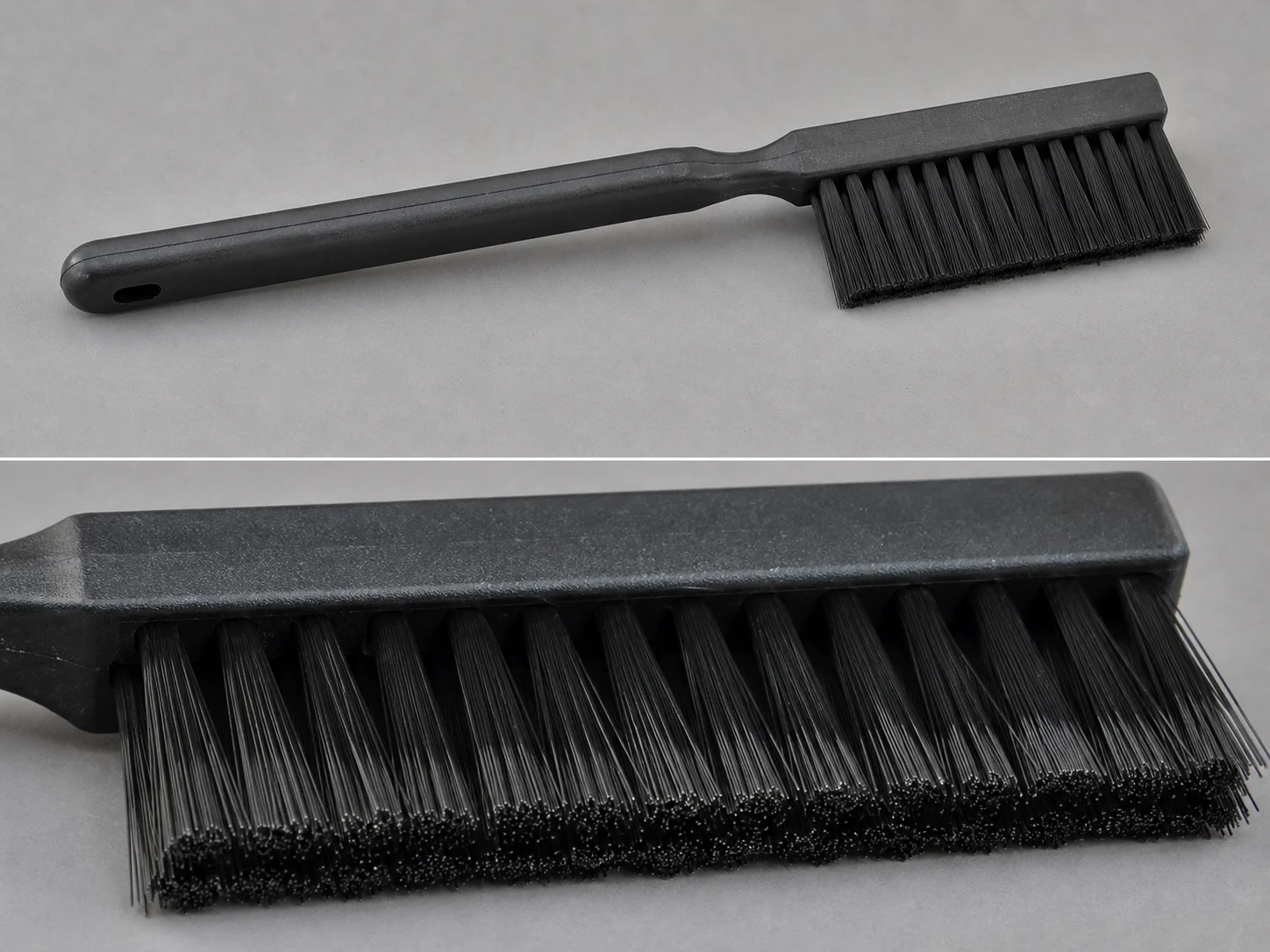
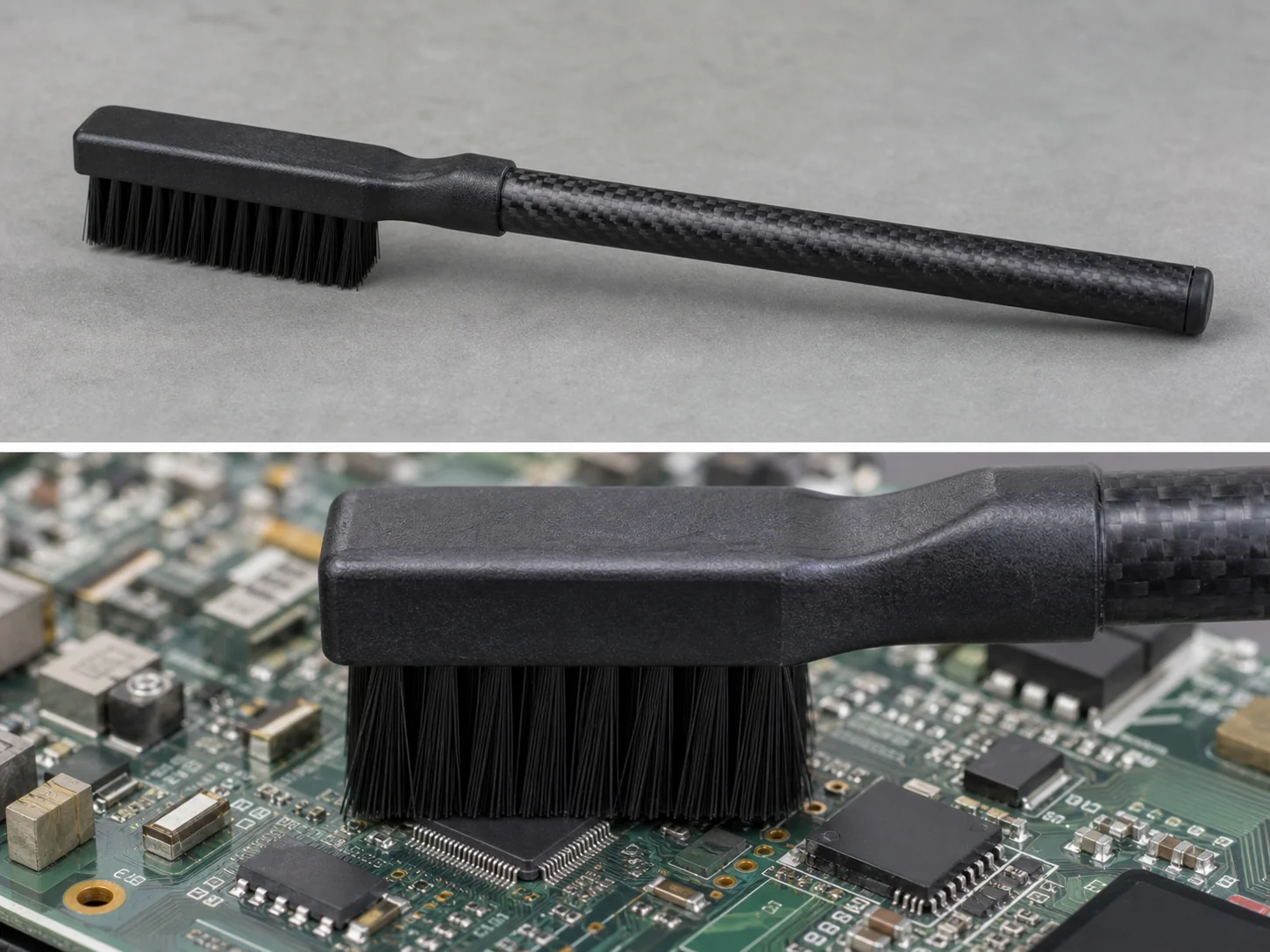
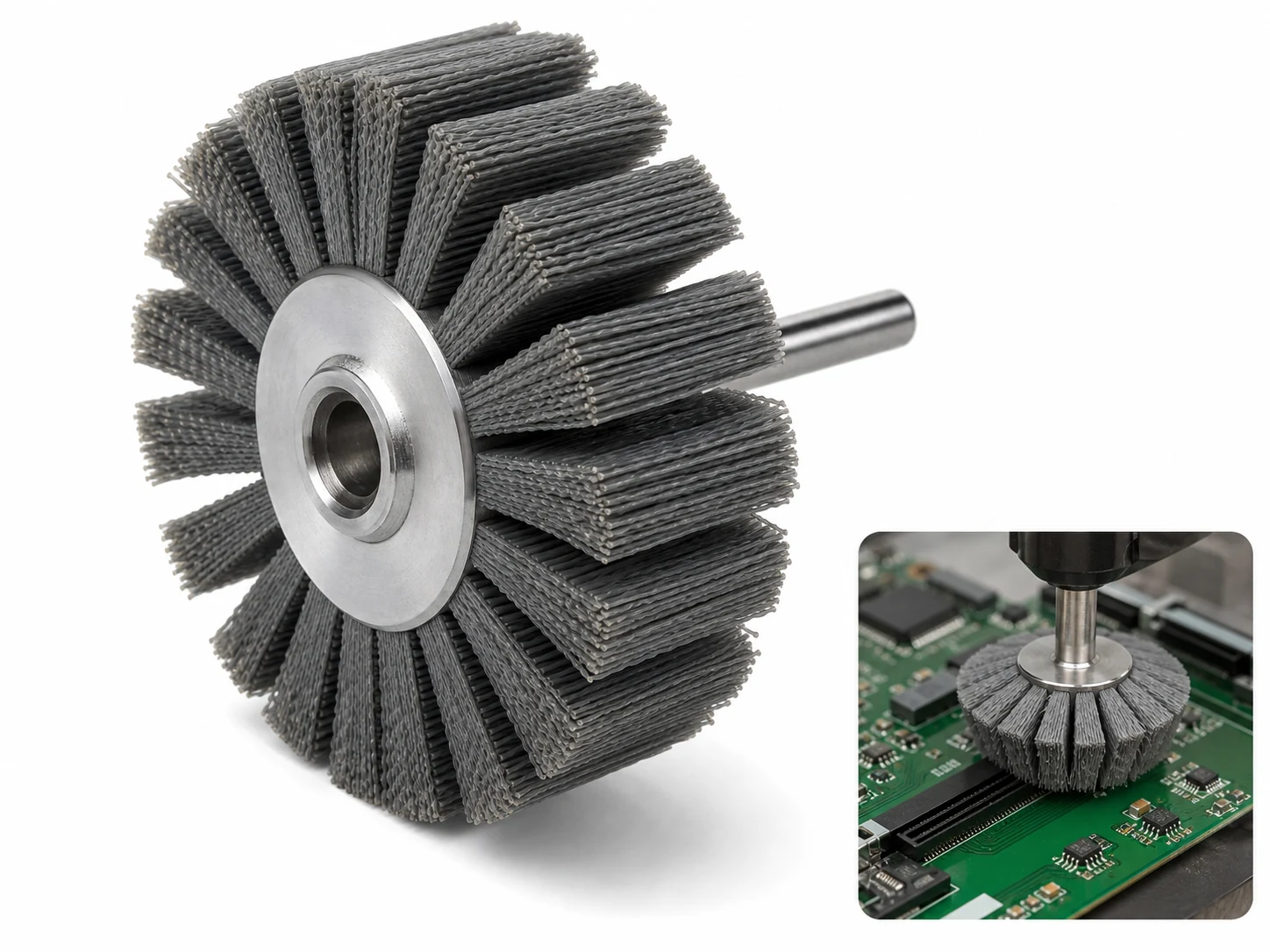
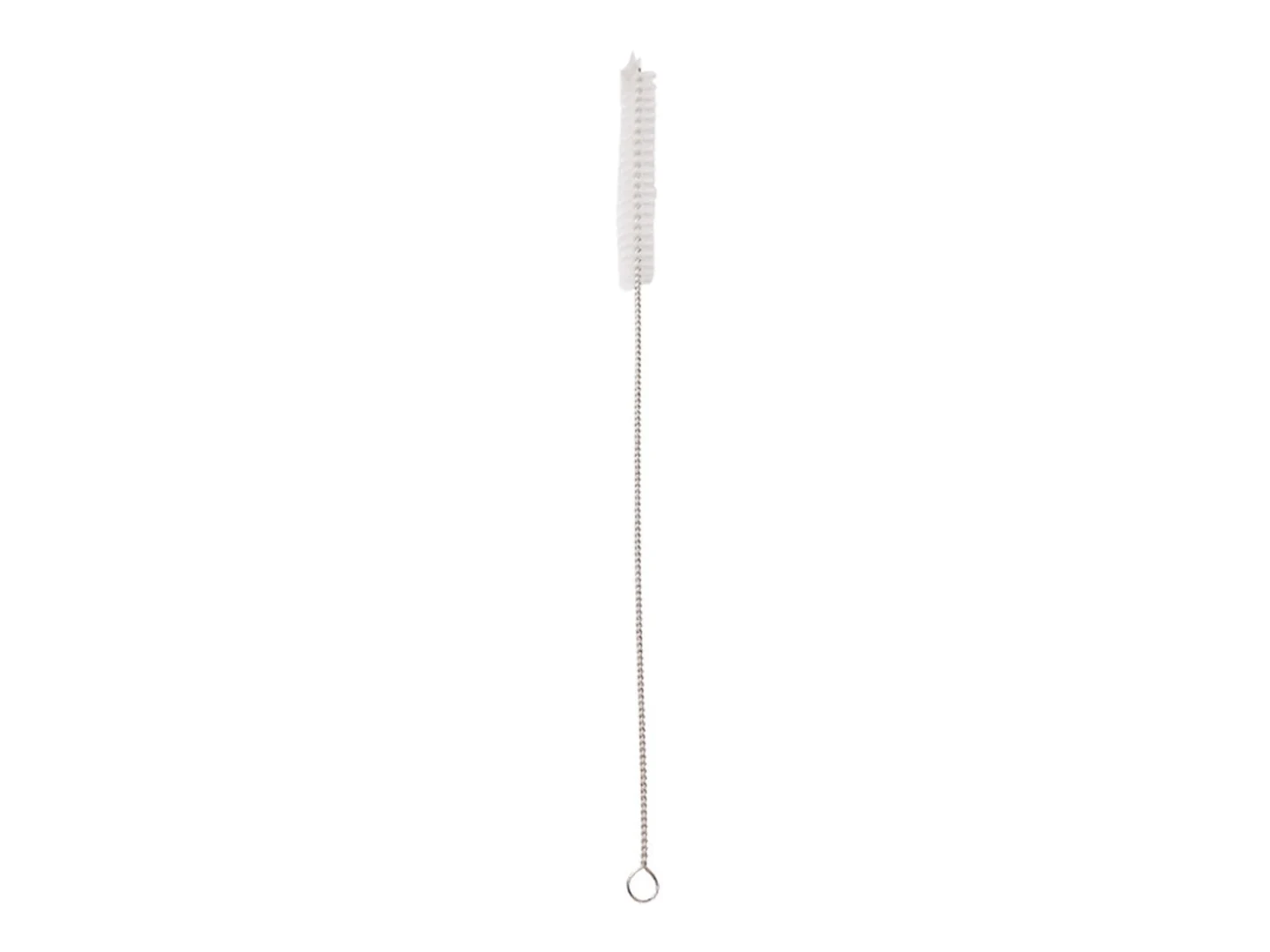
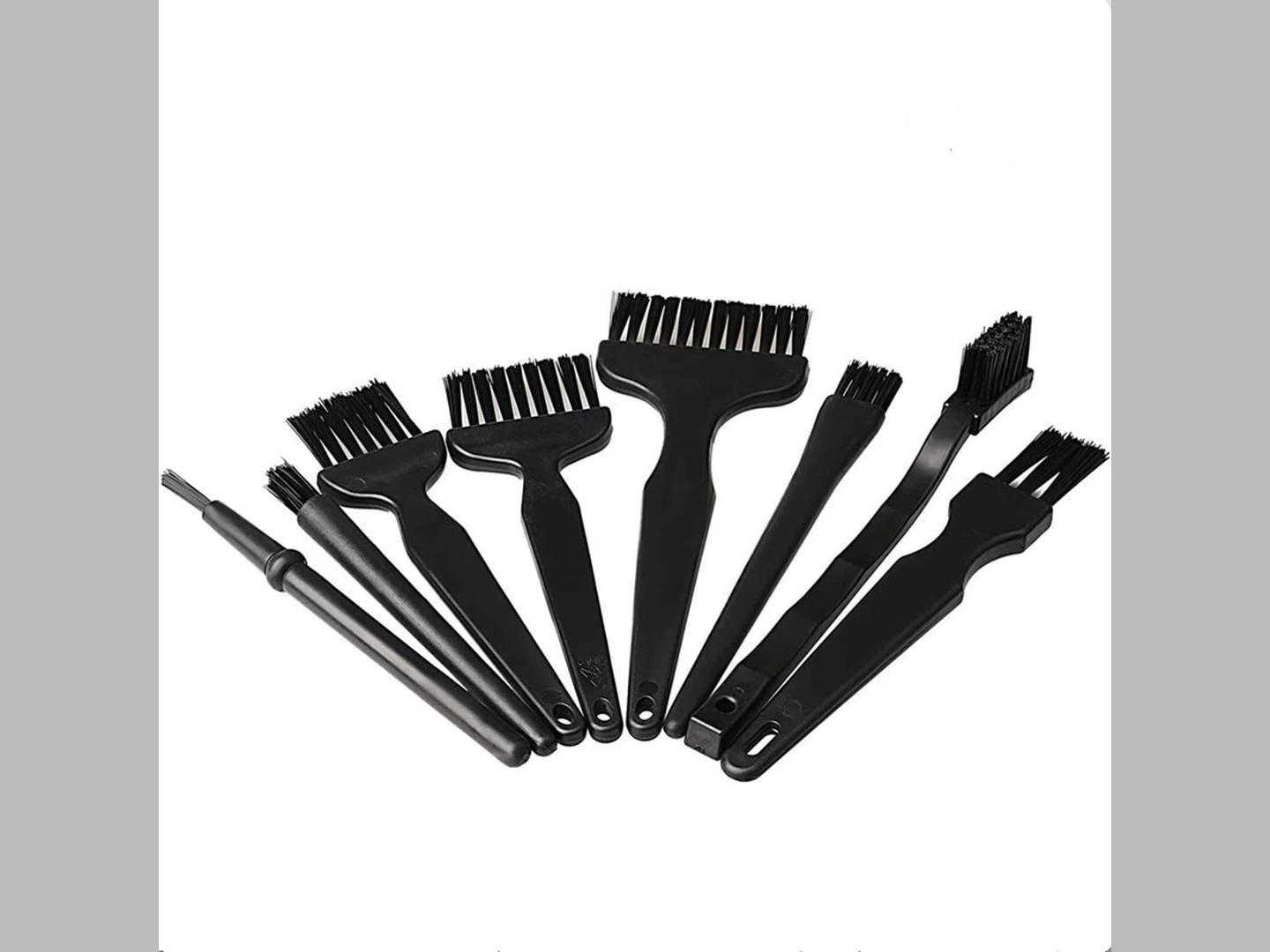
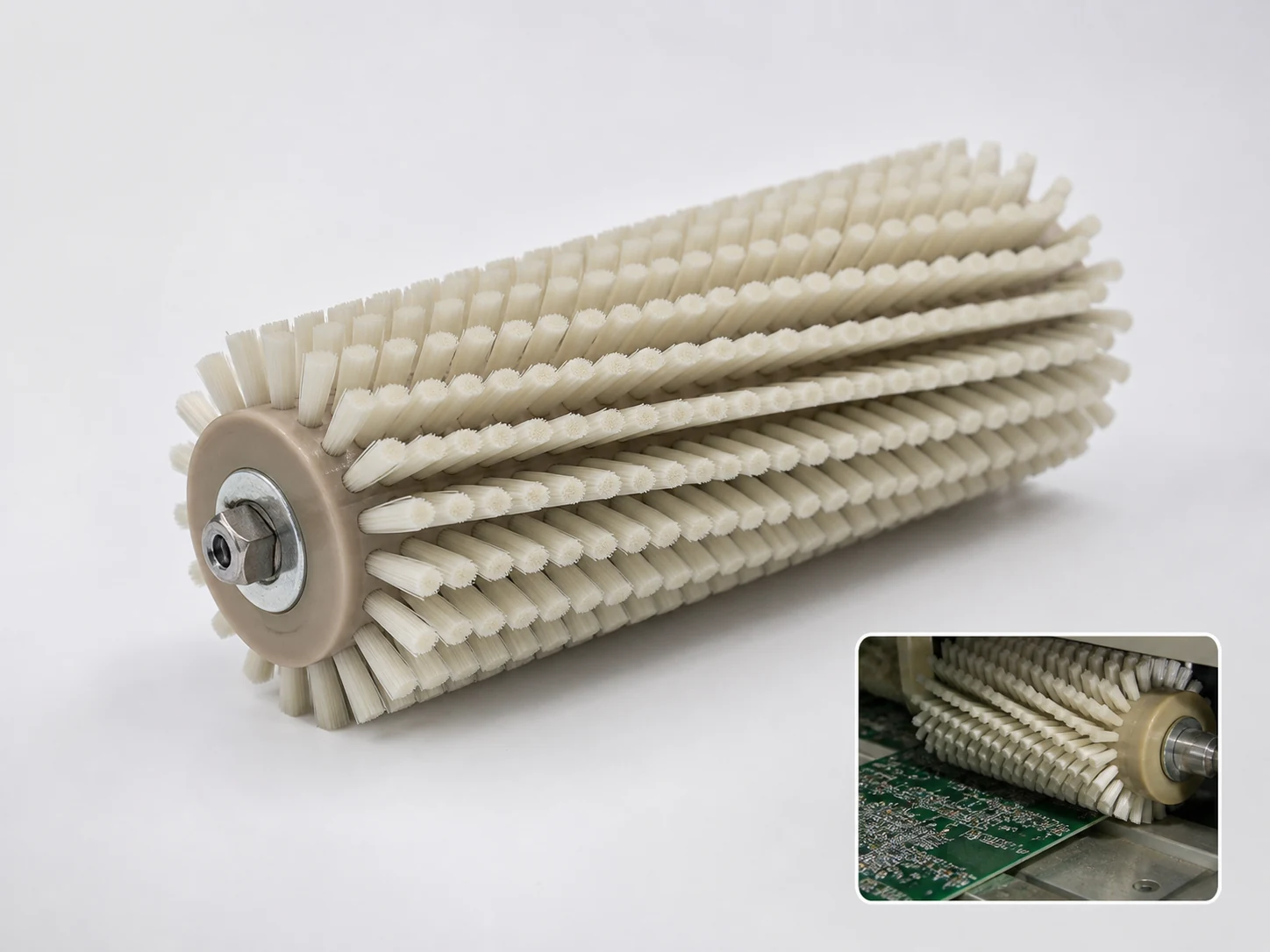
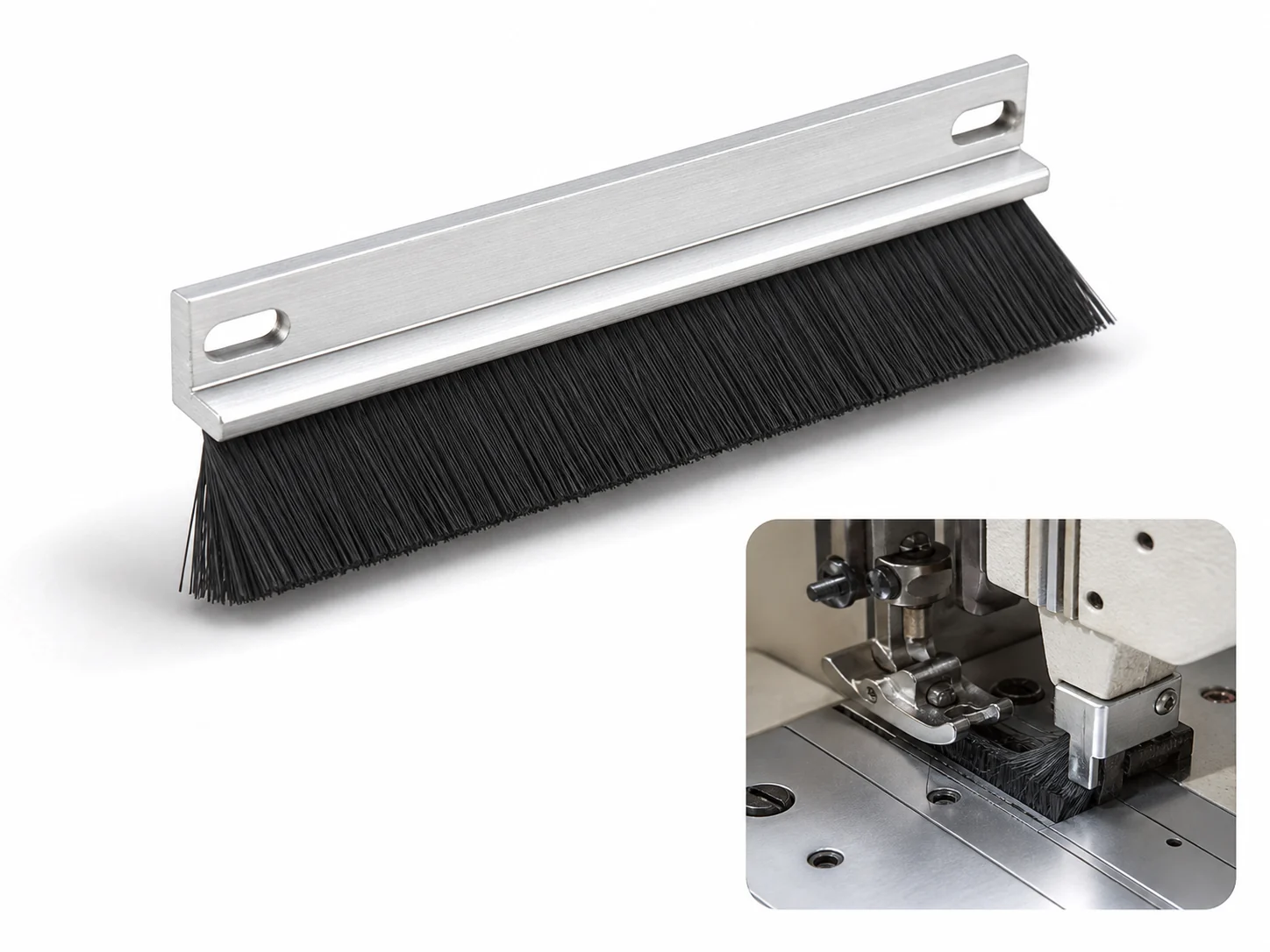
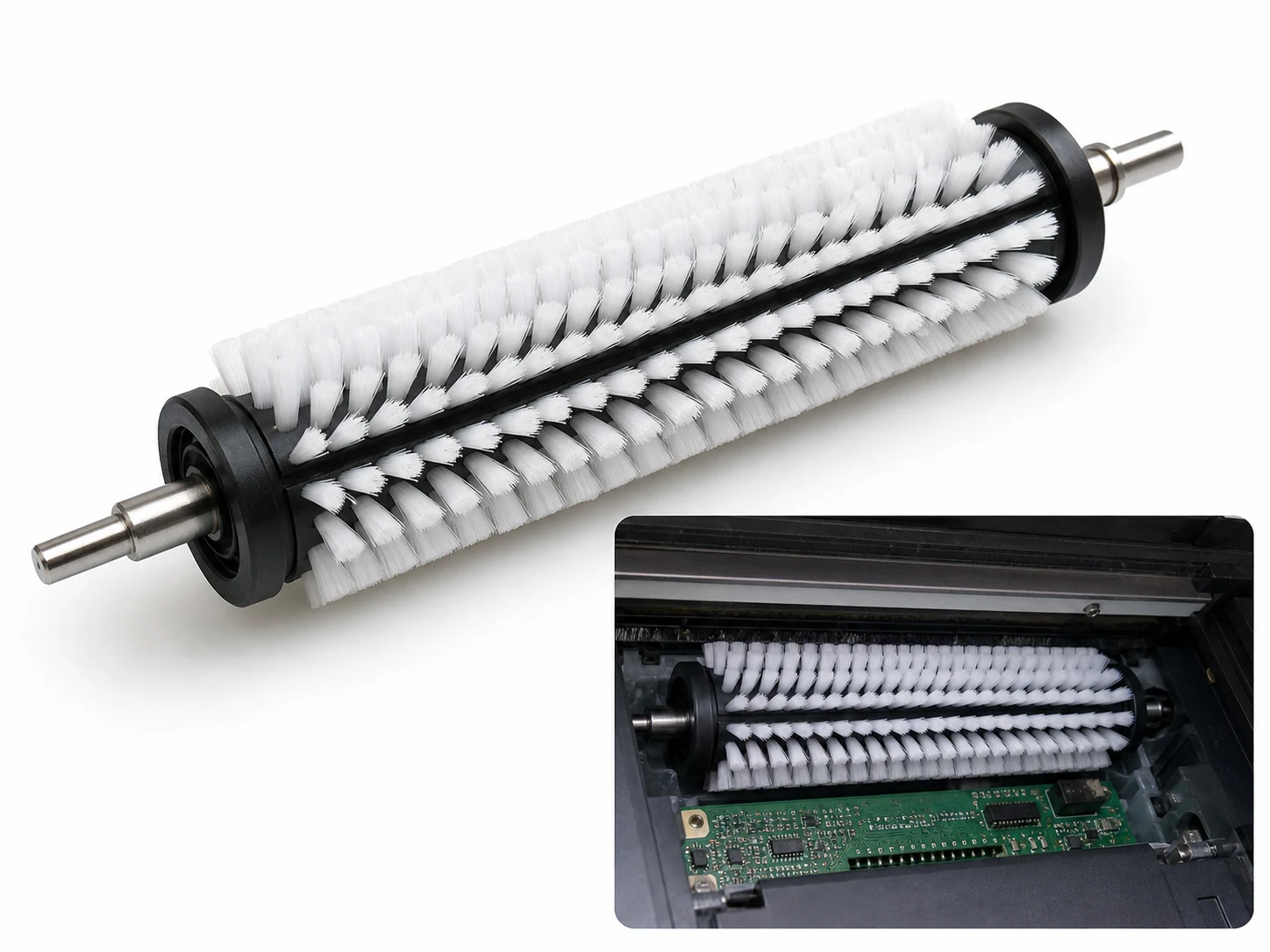
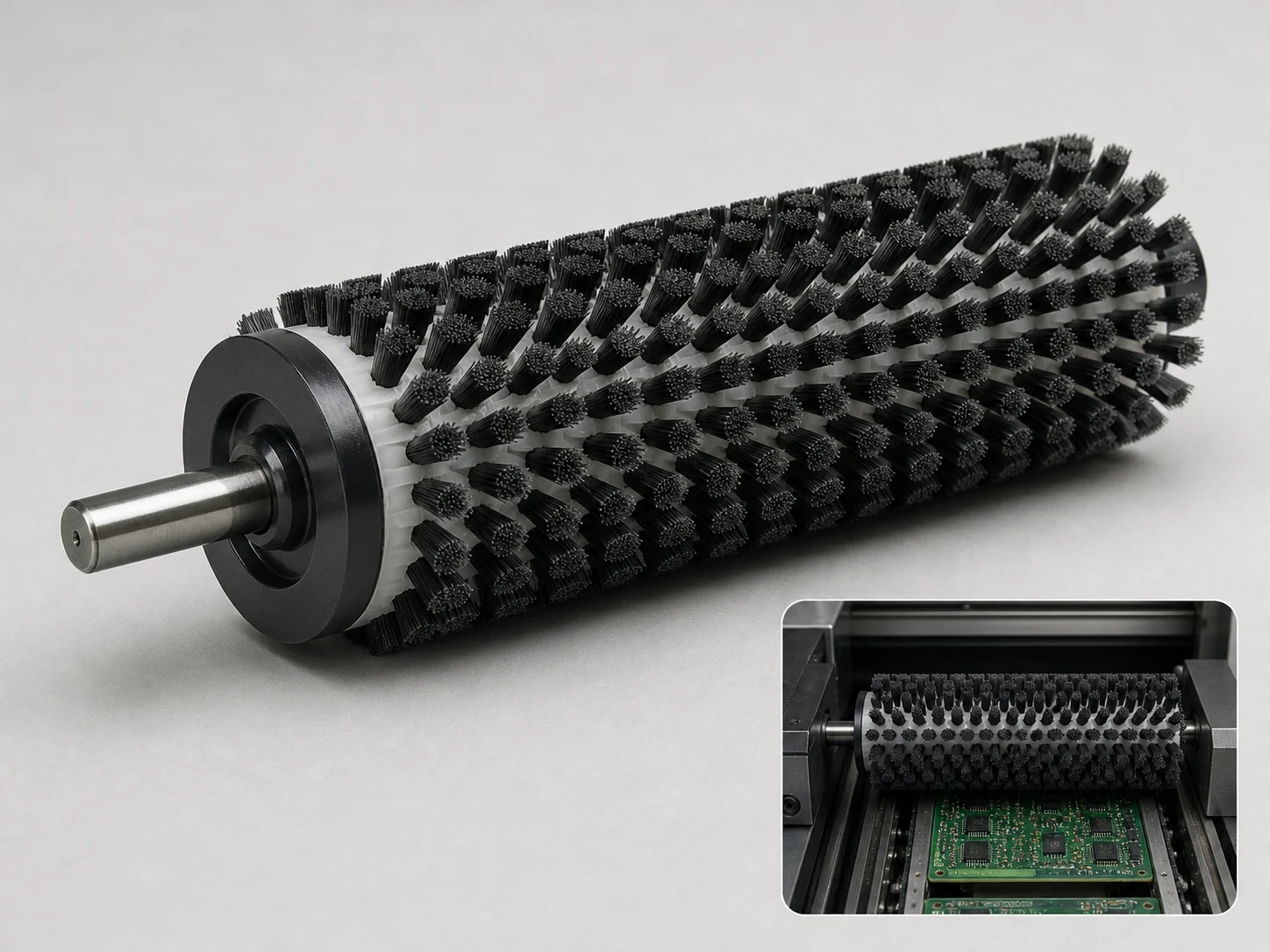
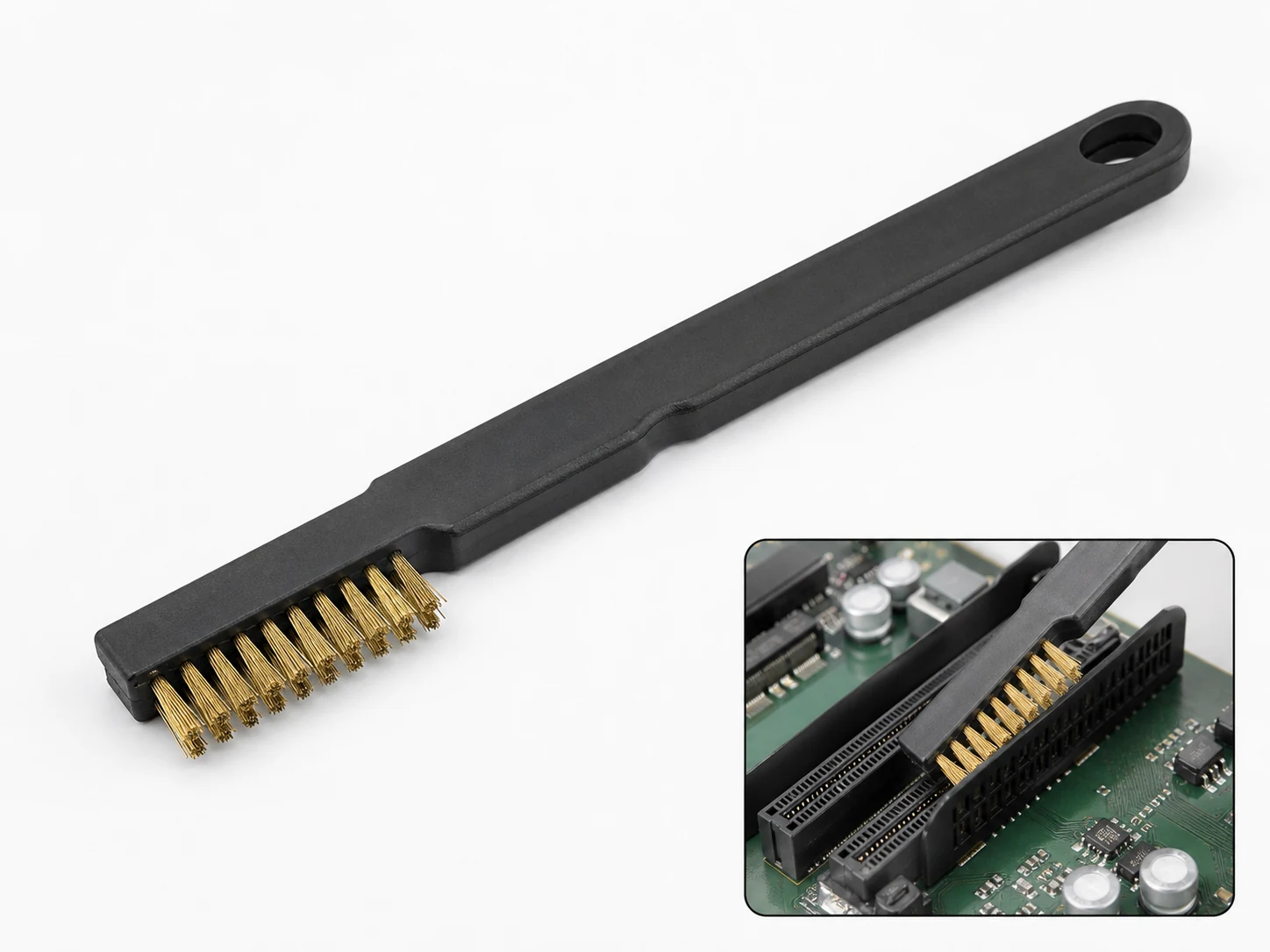
Conductive, dissipative and ordinary insulating brushes are not interchangeable. If ESD matters, specify the target resistance or process requirement rather than relying on a product label.
State whether the process needs conductive, static-dissipative or simply low-charge cleaning behavior, and how that requirement is verified.
Flat PCB surfaces can use hand, roller or disc contact; connector cavities and fiber interfaces need smaller controlled geometry.
Dust, flux, ink, toner and other process residue interact differently with filaments and solvents.
Mounted rollers, plates and strips need dimensions, base or shaft interfaces and line conditions in addition to fiber selection.
A PCB hand brush may loosen residue across a board, a connector brush must fit a cavity, and an anti-static strip may control charge or dust continuously on a line. The electrical and mechanical roles should be specified separately.
Fiber type, conductivity, trim, head width, base, roller core, shaft, handle and small-detail geometry can be tailored. If ESD is critical, include the required test method or electrical range.
Provide the component, contamination, feature size, cleaning chemistry, ESD requirement and whether the brush is hand-held or mounted. That lets us build around the real process.
Choose your brush type, cleaning task, material direction, and key details before sending a custom brush request.