
Application
Connector & Slot Cleaning
For Connector & Slot Cleaning, the brush must reach the working area, disturb or collect dust/oxides/flux/fibers, and release it without creating unacceptable surface damage or process interference. The suitable brush structure depends on access, the required contact motion, and the cleaning method.
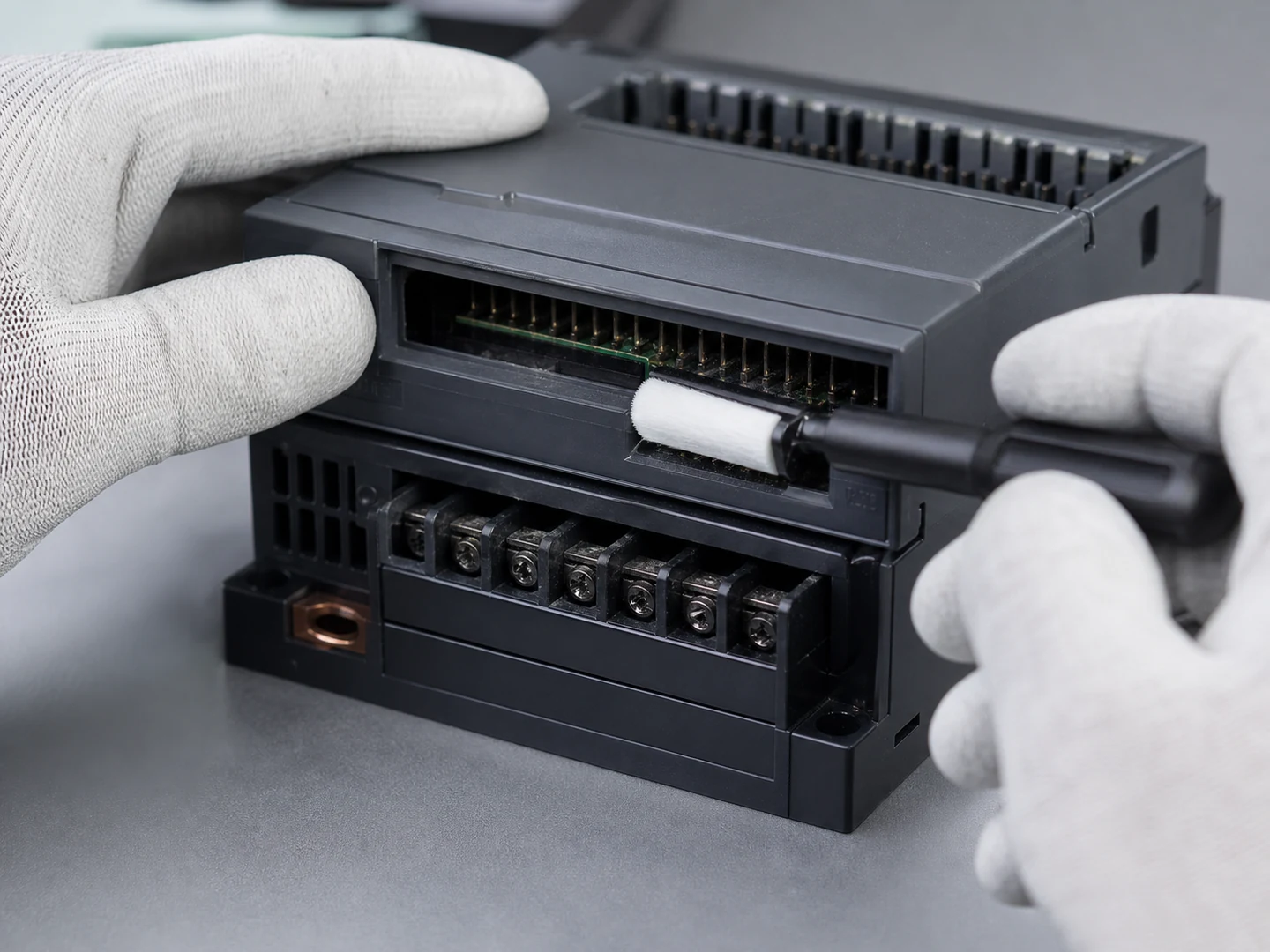
At a glance
- Cleaning target
- Dust/Oxides/Flux/Fibers
- Working environment
- ESD-Controlled Area / Cleanroom / Dry Indoor Area
- Cleaning method
- Dry Brushing / Wet Brushing / Ultrasonic Cleaning
- Requirements to check
- IEC 61340-5-1:2024; Low Shedding; Low Ionic Residue; ESD Control
Contacts are plated and thin, so slot cleaning is judged by whether it lifts oxide and dust without wiping plating off the contact or leaving fibres inside the socket.
What makes Connector & Slot Cleaning different from other electronics and precision cleaning?
The main difficulty is removing fine dust, oxide, fibers, toner, slurry, and static-charged particles from connectors, slots, PCB, wafers, print paths, and precision components without damaging the surface, loading the brush, or carrying contamination back into the process.
The work happens in esd-controlled area, cleanroom and dry indoor area against dust, oxides, flux and fibers.
The part people get wrong: the surface, the residue and the access opening decide the brush together. Fix on any one of them alone and the geometry comes out wrong.
What are the most common cleaning targets in Connector & Slot Cleaning?
The work breaks into 5 targets. They look similar from outside the machine and behave nothing alike at the brush.
| Part or area | Residue type | Cleaning requirement |
|---|---|---|
| Edge-Connector | Dust, Oxides, Flux, Fibers | The brush must concentrate contact on a small feature without touching the surrounding surface. |
| Card-Slot | The head must be narrower than the opening and stiff enough to lift residue without splaying at the mouth. | |
| USB and HDMI Port | ||
| Backplane and Socket | The head must reach the working face and apply even contact without marking the surface. | |
| Industrial Circular Connector |
The dimensional envelope those targets impose on the brush:
| Parameter | Typical range |
|---|---|
| ESD resistance | 10³–10⁹ ohms where required |
| Trim length | 10–40 mm; 5–40 mm |
| Mounting | Grounded handle, strip, plate, or machine holder; Grounded handle, strip, plate, shaft, or machine holder |
| Carbon or metal fiber diameter | 0.008–0.012 mm |
| Working width / head size | 3–500 mm |
| Contact load | 0.1–2 N/cm² |
Which brush types work for each cleaning target?
Thin flat brush, miniature tube/detail brush or grounded static-control brush.
| Cleaning target | Recommended brush type | Why it fits |
|---|---|---|
| Edge-Connector | Roller and Conveyor Brushes | Gold fingers are a narrow band that must be cleaned without abrading the plating, so a small brush on a turning shaft holds contact on that band and off the board. |
| Card-Slot | Handheld Detail Brushes | A slot is a blind channel lined with contacts, so a fine head enters it and lifts dust out rather than pushing it onto the contact springs. |
| USB and HDMI Port | A port is a small shielded shell where lint packs at the back, so a narrow head reaches the end face and draws the debris back out of the opening. | |
| Backplane and Socket | Backplane sockets sit in a dense field where a slip lands on the next connector, so a hand-guided head lets the operator control exactly where contact goes. | |
| Industrial Circular Connector | A circular connector holds its pins in a recessed insert, so a hand-guided head cleans between them at a pressure that will not bend a pin. |
The layouts this application is normally built in:
- Driven brush — use when fine dust, oxide, fibers, toner, slurry, and static-charged particles needs repeatable scrubbing or controlled relative movement
- Passive or free-running brush — use for loose contamination and lower process complexity on connectors, slots, PCB, wafers, print paths, and precision components
- Localized hand, strip, or tube brush — use where only an edge, gap, port, or maintenance point needs contact
In practical brush terms: reach first, then residue. A brush that fits but is too soft can be stiffened; a brush that does not fit is simply the wrong tool.
What filament materials work best for Connector & Slot Cleaning?
Soft nylon/PBT, microfiber, conductive fiber or very fine approved metal filament plating and cleaning method.
| If the condition is… | Filament to start with | Why |
|---|---|---|
| Sensitive or coated surface | Nylon PA | balanced flex life and abrasion resistance |
| Wet, washdown, or detergent service | Conductive Nylon | grounded conductive contact |
| Bonded residue or aggressive cleaning | Anti-static Filament | controlled static dissipation |
The constraints this application puts on the filament:
| Constraint | Value for this application |
|---|---|
| Filament hardness | Soft |
| Maximum service temperature | 85°C |
| Chemical exposure | Isopropyl Alcohol; Electronics Cleaner; No Added Medium |
| Cleaning method | Dry Brushing, Wet Brushing, Ultrasonic Cleaning |
How do I choose the right brush for my connector & slot equipment?
Contact pitch caps the head thickness, slot depth sets the reach, and the required surface resistance fixes the fill before either of them.
The sequence that gets a usable sample first time:
- Identify the target part and measure the access opening or clearance
- Describe the residue: what it is, how thick it sits, and how strongly it holds
- Choose the construction that can physically reach that target
- Set the filament from surface risk, working temperature and cleaning chemistry
- Fix filament diameter, free trim length and density for the contact pressure you need
- Run one cycle and check the result before committing to a production quantity
Before you commit to a quantity, send the contact pitch, the slot depth and width, and the surface resistance the brush has to meet.
When is a connector & slot brush the wrong tool?
Contact cleaner with a controlled flush lifts oxide without wiping plating, and compressed air clears loose debris first. A connector with bent, recessed or worn-through contacts is replaced, because cleaning restores neither contact pressure nor plating thickness.
What common mistakes should I avoid in Connector & Slot Cleaning?
- Giving the connector name but not the contact pitch and the slot depth the brush must enter
- Changing brush material while leaving excessive engagement, poor alignment, or no discharge path unchanged
- Copying a worn brush without recording motion, direction, mounting, and the original working diameter
When a brush is running but not cleaning, start here rather than adding pressure:
| Symptom | What to change |
|---|---|
| Residue remains | Increase relative motion or discharge, then change filament diameter or density; do not add pressure before checking loading by fine dust, oxide, fibers, toner, slurry, and static-charged particles. |
| Surface marks or scratches | Reduce engagement, use finer or softer fill, and remove trapped abrasive particles from contact with connectors, slots, PCB, wafers, print paths, and precision components. |
| Rapid wear or uneven cleaning | Check alignment, runout, support, motion, temperature, chemical attack, and whether the brush covers the complete working path. |
| Brush loads or redeposits residue | Open the fill pattern or add wash, vacuum, air, scraping, or a collection path so removed fine dust, oxide, fibers, toner, slurry, and static-charged particles leaves the contact zone. |
Questions this page is asked
Why should connector cleaning use an inspect-clean-inspect sequence?
Initial inspection distinguishes removable contamination from damage, wear, displaced contacts or a surface that requires replacement rather than more mechanical action. Reinspect after the approved cleaning pass and release the interface only when debris, fibre, residue and tool fragments are absent and the connector meets its documented condition criteria.
How are ESD and solvent risks controlled during connector cleaning?
Handle susceptible assemblies inside the applicable ESD control process with verified personnel, tool and work-surface grounding instead of relying on the brush name. Apply only the connector-approved solvent in the specified amount, keep it away from incompatible plastics and seals, and allow complete evaporation before mating or energizing.
Continue Exploring
Recommended Reading & Related Brush Resources
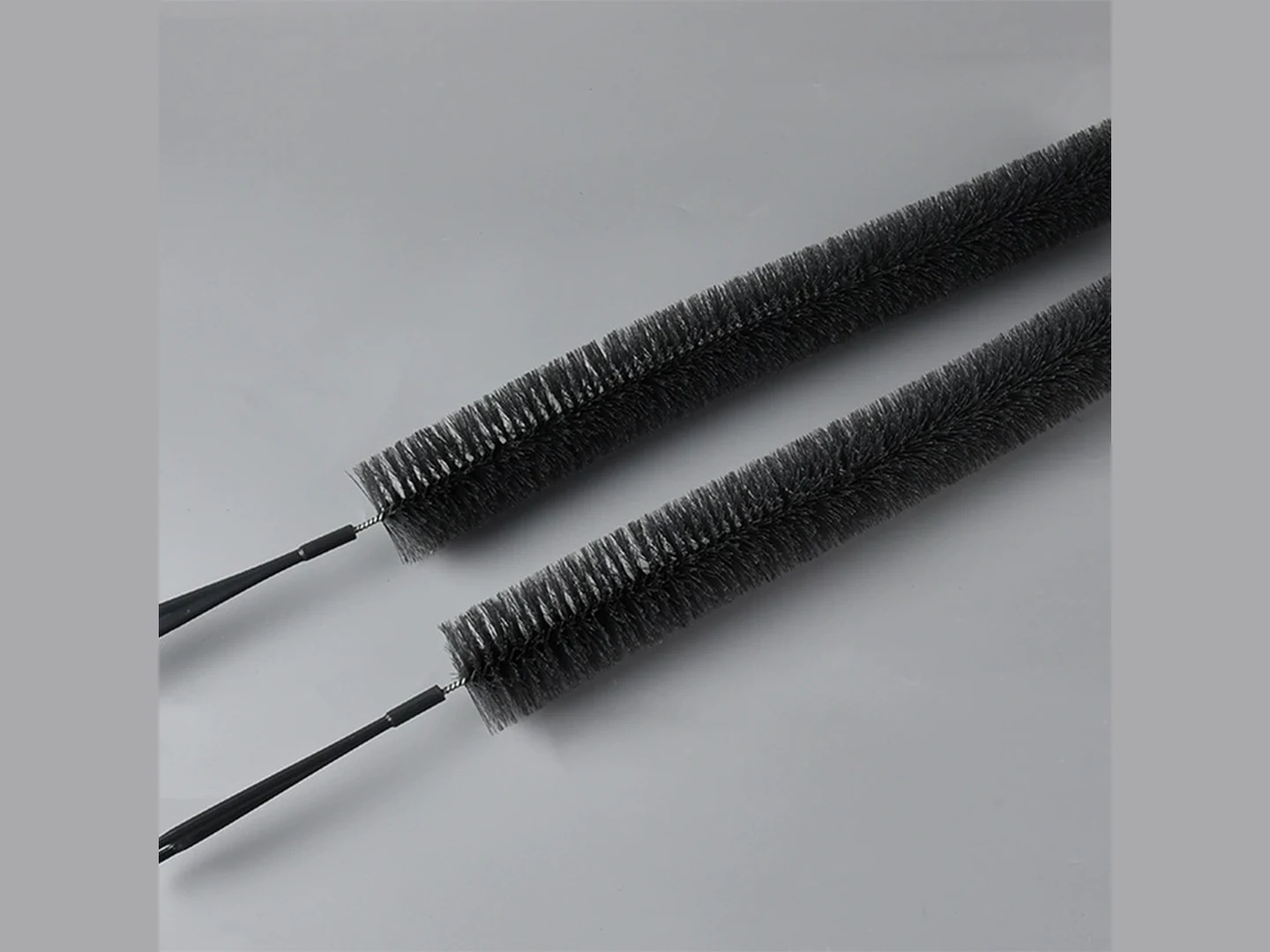
Connector Cleaning Brush
Custom connector cleaning brushes engineered for electrical contacts, pins, sockets, and terminals.
See the specification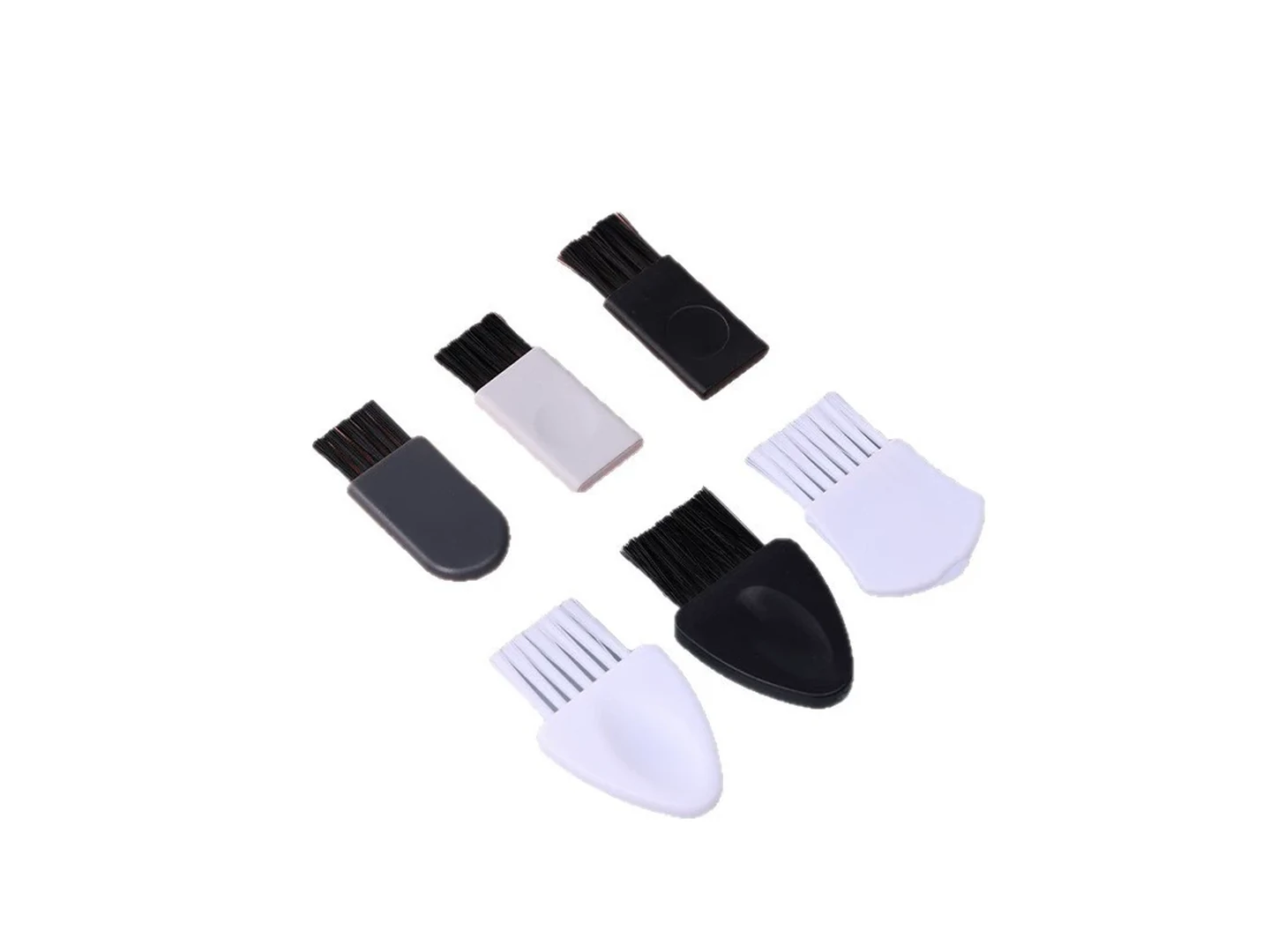
Card Reader Slot Cleaning Brush
A thin polyurethane sponge head follows the card insertion path, clearing dust and oxide…
See the specification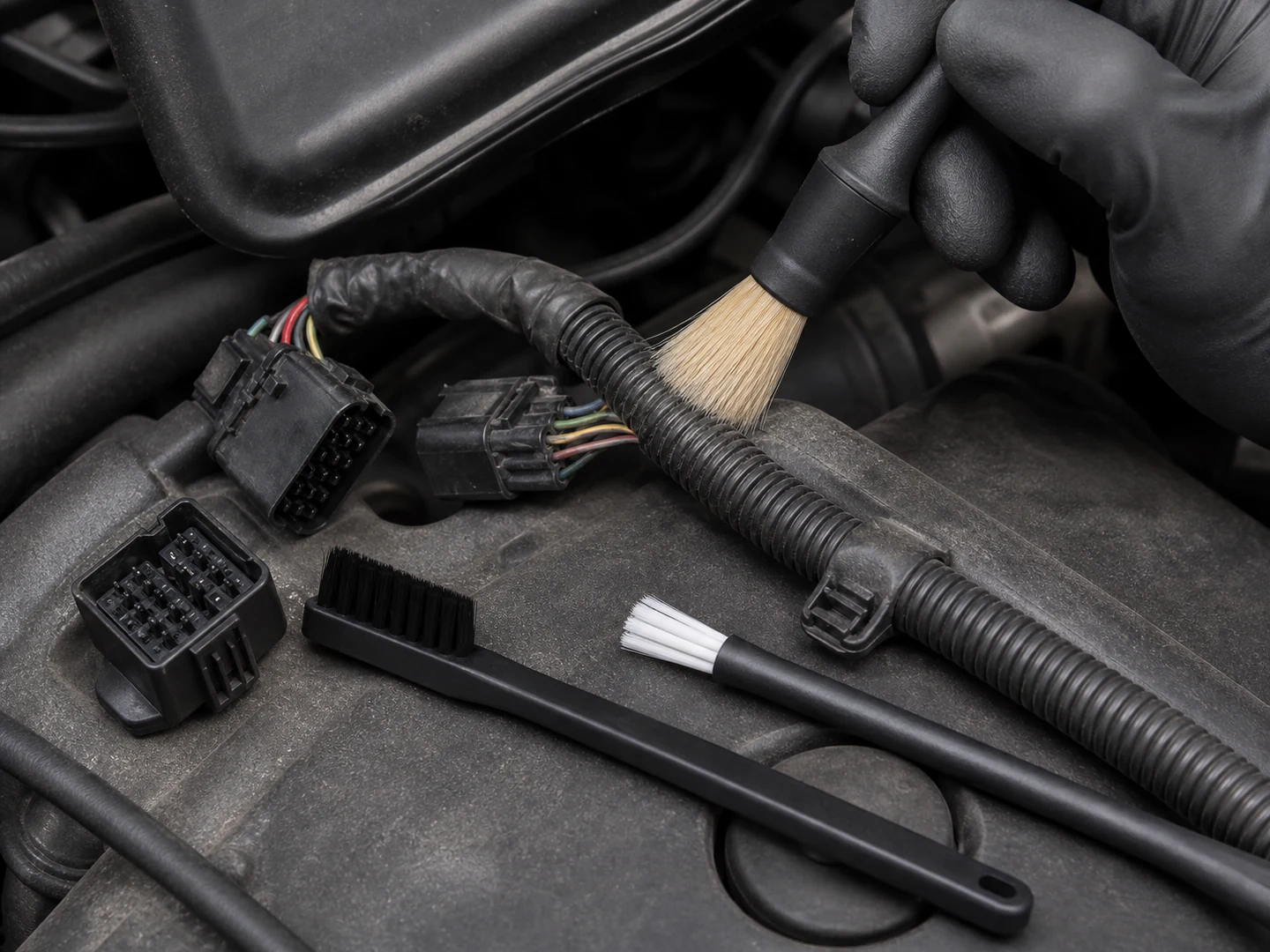
Wire Harness Cleaning Brush
Nylon PA wire harness cleaning brush for removing dust, dirt, and flux from cable…
See the specification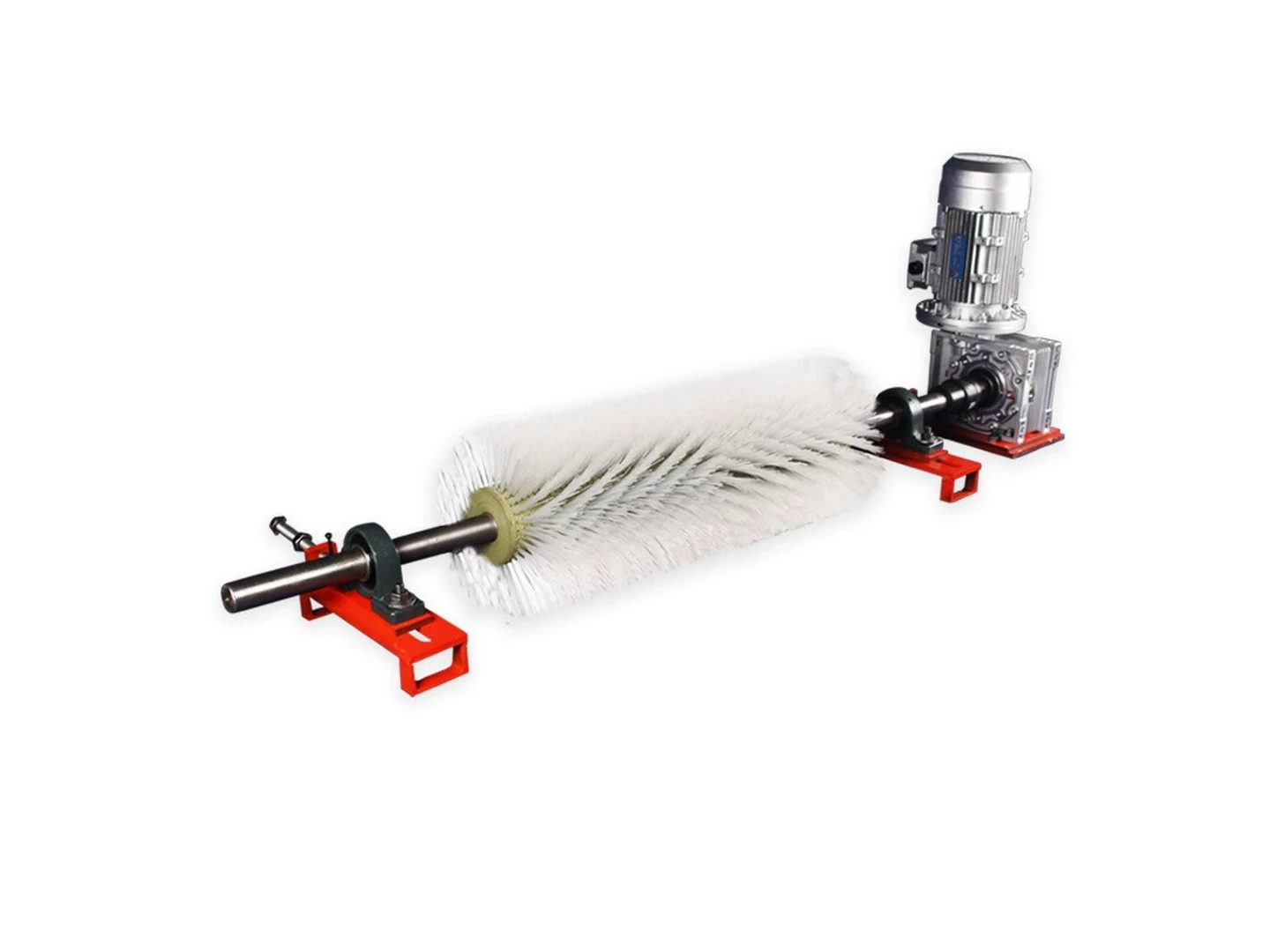
Custom Roller and Conveyor Brushes
Choose a roller or conveyor brush when a cylindrical brush must clean, wipe, guide,…
See how this type is built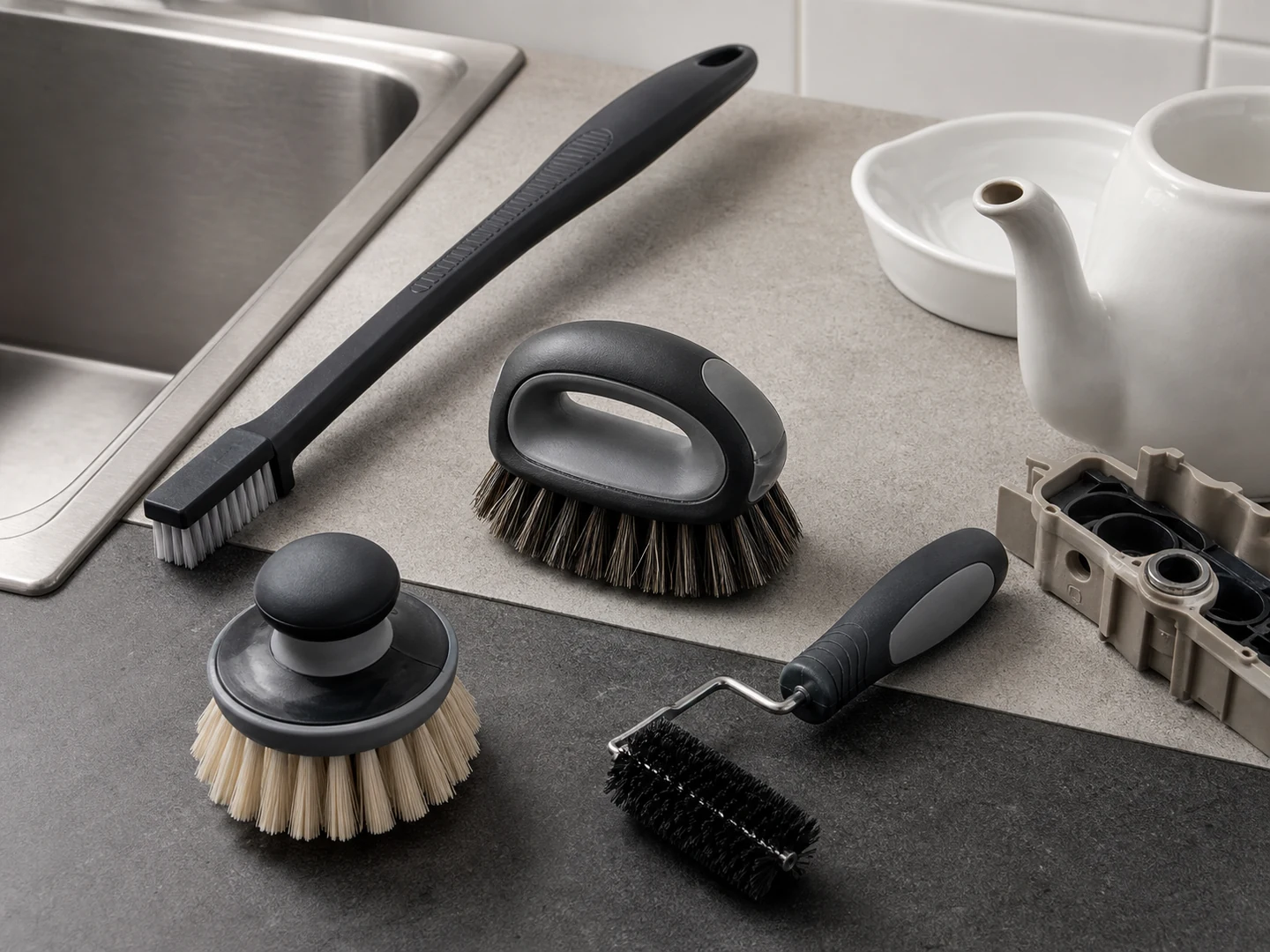
Custom Handheld Detail Brushes
Choose a handheld detail brush when you need direct control in seams, recesses, fittings,…
See how this type is built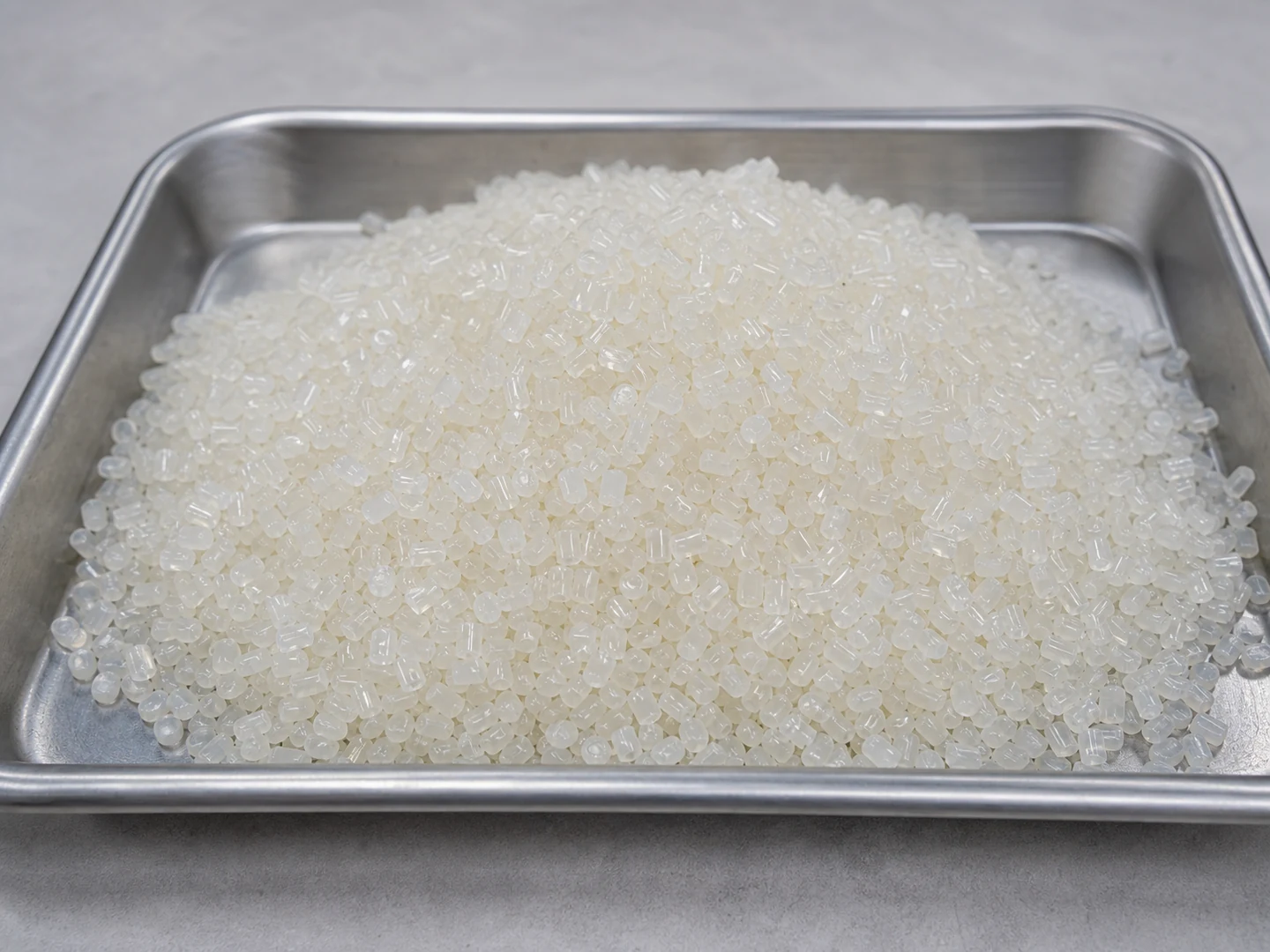
Nylon PA
Choose Nylon PA based on its stiffness, recovery, wear, wet-service, chemical, and temperature behavior.
Compare this material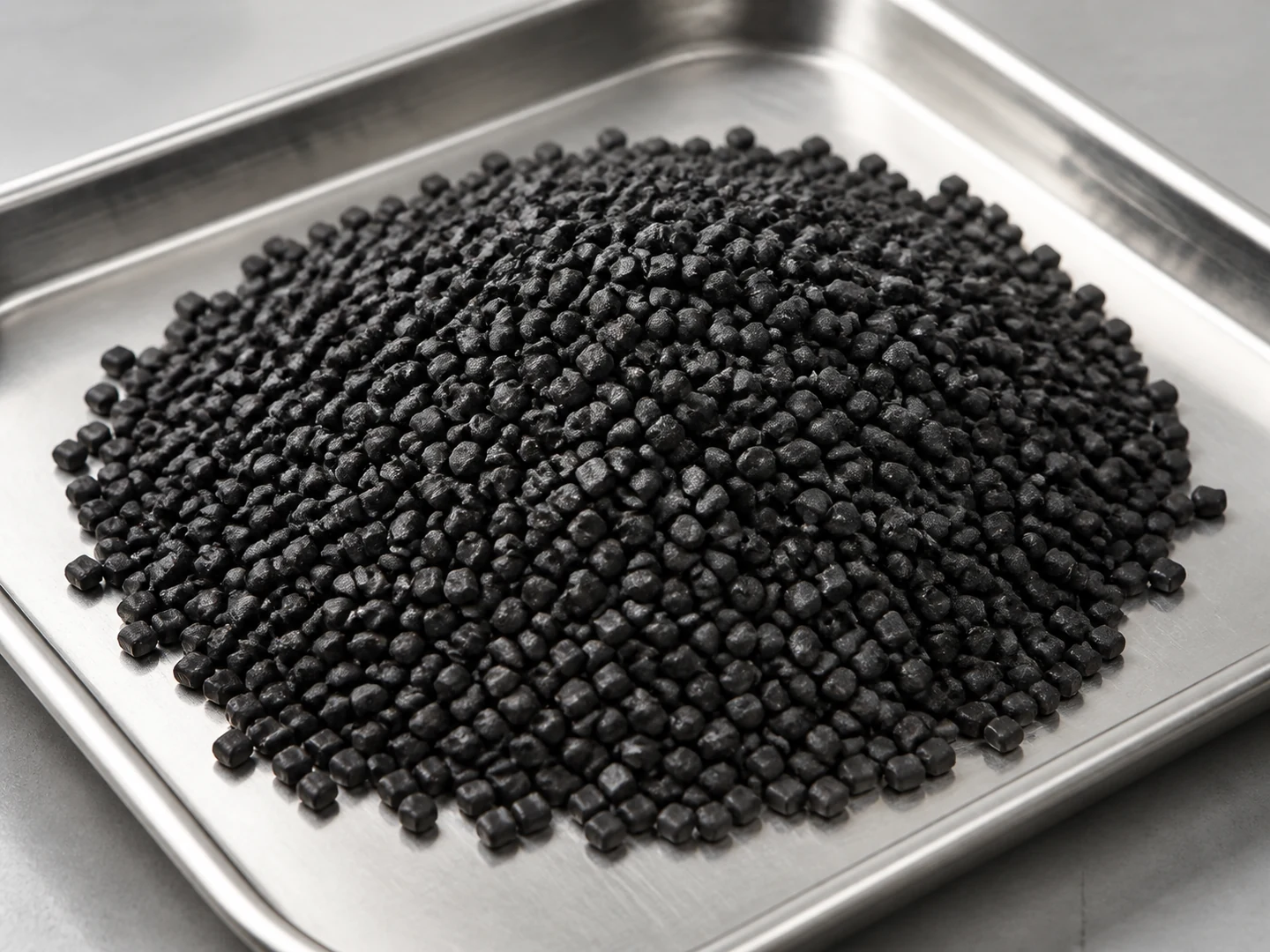
Conductive Nylon
Choose Conductive Nylon based on its stiffness, recovery, wear, wet-service, chemical, and temperature behavior.
Compare this material
PBT
Choose PBT based on its stiffness, recovery, wear, wet-service, chemical, and temperature behavior. Do…
Compare this materialCustom Manufacturing RFQ
Discuss This Application
Share the working surface, residue, dimensions, material direction, interface, quantity and drawing or sample photo.
Custom Brush RFQ
Request a Custom Cleaning Brush Quote
Upload a drawing, product photo, or sample photo and provide the core dimensions and cleaning conditions.
“We need a brush to remove wet residue from a stainless steel conveyor, about 800mm wide. The current brush wears quickly. We can send photos.”
“We sell drinkware and need a cleaning brush to include with the product. Quantity around 5,000 pieces.”