
Application
Tube & Pipe Cleaning
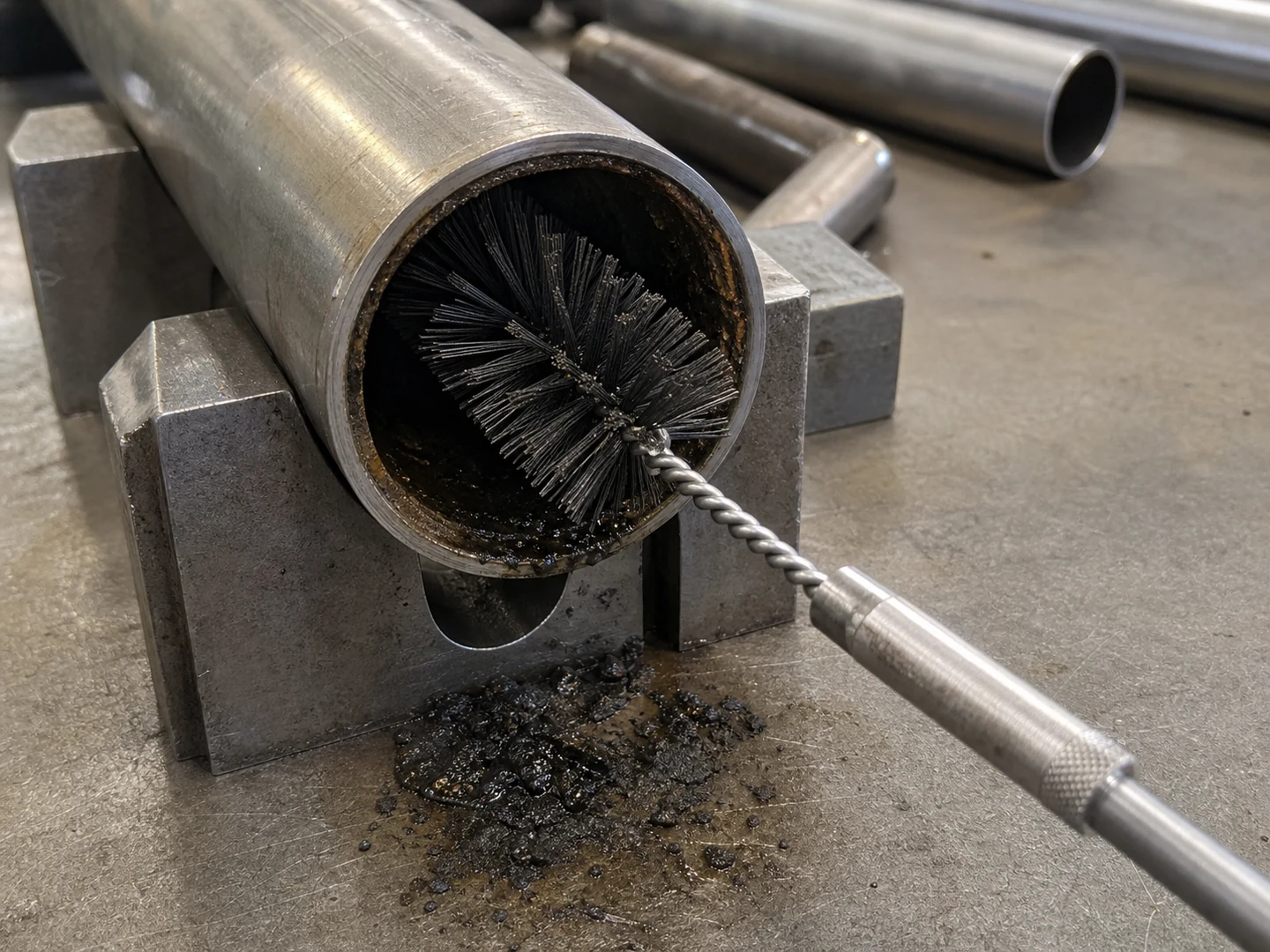
For Tube & Pipe Cleaning, the brush must reach the working area, disturb or collect soot/carbon black/hard scale, and release it without creating unacceptable surface damage or process interference. The available access and required motion should be reviewed together with the cleaning method.
At a glance
- Cleaning target
- Soot/Carbon Black/Hard Scale
- Working environment
- Dry Indoor Area
- Cleaning method
- Dry Brushing / Wet Brushing
- Requirements to check
- Boiler Shutdown and Isolation SOP; High-Temperature and Rotary-Tool Safety
Tube and pipe work runs from capillaries to sewer mains, so the brush is set by bore diameter, run length, and how it is driven — pushed by hand, pulled on a cable, or turned under power.
What makes Tube & Pipe Cleaning different from other industrial and manufacturing cleaning?
The main difficulty is removing oil, carbon, scale, biofilm, process residue, and particles from bores, channels, tubes, hoses, ports, and internal passages without damaging the surface, loading the brush, or carrying contamination back into the process.
The work happens in dry indoor area against soot, carbon black and hard scale.
The part people get wrong: this is not one job. The same equipment carries several targets, each with a different opening and a different residue, and one brush rarely covers them all.
What are the most common cleaning targets in Tube & Pipe Cleaning?
There are 6 distinct targets here, and the brush that suits one will usually not reach another.
| Part or area | Residue type | Cleaning requirement |
|---|---|---|
| Microbore and Capillary | Particulate, dried reagent, film residue | The brush must pass the full length of the passage and hold contact with the wall without folding over at the far end. |
| Sanitary Process Tube | Product residue, protein film, biofilm | |
| Hydraulic and Pneumatic Line | Oil film, metal particles, seal debris | |
| Boiler and Heat-Exchanger Tube | Soot, Carbon Black, Hard Scale | |
| Drain and Sewer Pipe | Sludge, grease, hair, biofilm | |
| Threaded Hole and Cross-Hole | Chips, burrs, cutting fluid, thread debris | The head must reach the working face and apply even contact without marking the surface. |
What the equipment leaves you to work inside:
| Parameter | Typical range |
|---|---|
| Filament diameter | 0.30–1.00 mm; 0.08–0.25 mm |
| Overall length | 152–406 mm; 200–450 mm |
| Working length | 120–300 mm; 10–150 mm |
| Internal diameter | 1–300 mm |
| Passage length | 20–10,000 mm |
Which brush types work for each cleaning target?
Twisted-wire tube brush, modular rotary tube-cleaning brush or powered bore brush chosen based on diameter and drive.
| Cleaning target | Recommended brush type | Why it fits |
|---|---|---|
| Microbore and Capillary | Tube & Pipe Bore Brushes | At capillary size the filament diameter decides everything: the brush has to enter the bore and still load against the wall once it is in. |
| Sanitary Process Tube | A sanitary tube has to be clean to inspection rather than to flow, so a close-fitting bore brush is passed through and that pass is the record. | |
| Hydraulic and Pneumatic Line | A hydraulic line must carry nothing that could reach a valve, so the brush is pulled through the whole run before the ends are capped. | |
| Boiler and Heat-Exchanger Tube | Fireside and waterside deposits are hard and evenly laid, so a stiff bore brush is worked back and forth rather than passed through once. | |
| Drain and Sewer Pipe | Drain runs are larger, wetter and turn, so the brush is carried on rods and has to keep wall contact through each bend. | |
| Threaded Hole and Cross-Hole | A tapped hole has to be cleared right to the thread root, so a small bore brush is turned into it rather than blown out. |
How the brush is usually carried on the machine:
- Driven brush — use when oil, carbon, scale, biofilm, process residue, and particles needs repeatable scrubbing or controlled relative movement
- Passive or free-running brush — use for loose contamination and lower process complexity on bores, channels, tubes, hoses, ports, and internal passages
- Localized hand, strip, or tube brush — use where only an edge, gap, port, or maintenance point needs contact
In practical brush terms: match the construction to the access before anything else. A geometry that cannot reach the target will not be rescued by a better filament.
What filament materials work best for Tube & Pipe Cleaning?
Nylon, PBT or polypropylene for general cleaning; brass or stainless wire for approved hard surfaces; abrasive nylon for controlled finishing.
| If the condition is… | Filament to start with | Why |
|---|---|---|
| Sensitive or coated surface | Nylon PA | balanced flex life and abrasion resistance |
| Wet, washdown, or detergent service | Polypropylene PP | acid, alkali, water, and detergent resistance |
| Bonded residue or aggressive cleaning | PBT | stable wet stiffness and low moisture uptake |
What the duty rules out before you start comparing grades:
| Constraint | Value for this application |
|---|---|
| Filament hardness | Hard |
| Maximum service temperature | 300°C |
| Chemical exposure | No Added Medium; Acid Descaler pH 1–4 |
| Cleaning method | Dry Brushing, Wet Brushing |
How do I choose the right brush for my tube & pipe equipment?
Bore first, then drive: a hand-pushed brush, a cable-pulled brush and a powered bore brush are different products even at the same diameter.
The order that avoids rework:
- Identify the target part and measure the access opening or clearance
- Describe the residue: what it is, how thick it sits, and how strongly it holds
- Choose the construction that can physically reach that target
- Set the filament from surface risk, working temperature and cleaning chemistry
- Fix filament diameter, free trim length and density for the contact pressure you need
- Run one cycle and check the result before committing to a production quantity
Before you commit to a quantity, send the actual bore, the run length, the number and radius of bends, and how the brush will be driven.
When is a tube & pipe brush the wrong tool?
Hard scale in a boiler or condenser tube is a chemical or hydro-jetting job, with the brush following only to sweep out what those loosened. Below roughly capillary bore the passage is cleaned by flushing or ultrasonic energy, because no stem stiff enough to push will still fit.
What common mistakes should I avoid in Tube & Pipe Cleaning?
- Giving the pipe’s nominal size instead of the actual bore, which on threaded or lined pipe is not the same number
- Changing brush material while leaving excessive engagement, poor alignment, or no discharge path unchanged
- Copying a worn brush without recording motion, direction, mounting, and the original working diameter
If the brush is already in service and the result is wrong, work from the symptom:
| Symptom | What to change |
|---|---|
| Residue remains | Increase relative motion or discharge, then change filament diameter or density; do not add pressure before checking loading by oil, carbon, scale, biofilm, process residue, and particles. |
| Surface marks or scratches | Reduce engagement, use finer or softer fill, and remove trapped abrasive particles from contact with bores, channels, tubes, hoses, ports, and internal passages. |
| Rapid wear or uneven cleaning | Check alignment, runout, support, motion, temperature, chemical attack, and whether the brush covers the complete working path. |
| Brush loads or redeposits residue | Open the fill pattern or add wash, vacuum, air, scraping, or a collection path so removed oil, carbon, scale, biofilm, process residue, and particles leaves the contact zone. |
Questions this page is asked
Which as-found measurements are needed before sizing an internal tube brush?
Record the minimum and maximum internal diameter, ovality, deposit thickness, passage length, bends, restrictions, ports and whether the far end is open or blind. Base the pilot brush on the smallest passable section and verify wall contact at the largest section, because a nominal pipe size does not describe the fouled path.
How should a powered tube-brush system be qualified before full-length cleaning?
Trial the complete brush, coupling, flexible shaft, drive direction, speed, feed and flushing method in a representative tube with the actual deposit. Stop for shaft wind-up, whipping, stalled rotation, excessive heat, tube marking, coupling loosening or fill loss, and use only the operating limits given by the brush and equipment manufacturers.
What should a post-clean tube inspection distinguish?
Inspect the full reachable length for remaining deposit, loose debris, brush fragments, scratches, coating loss, corrosion products and blocked side ports using the method appropriate to the tube. Record the acceptance limit and compare repeat sections, since increased brush aggression is not justified when the remaining feature is base-metal damage rather than removable soil.
Continue Exploring
Recommended Reading & Related Brush Resources
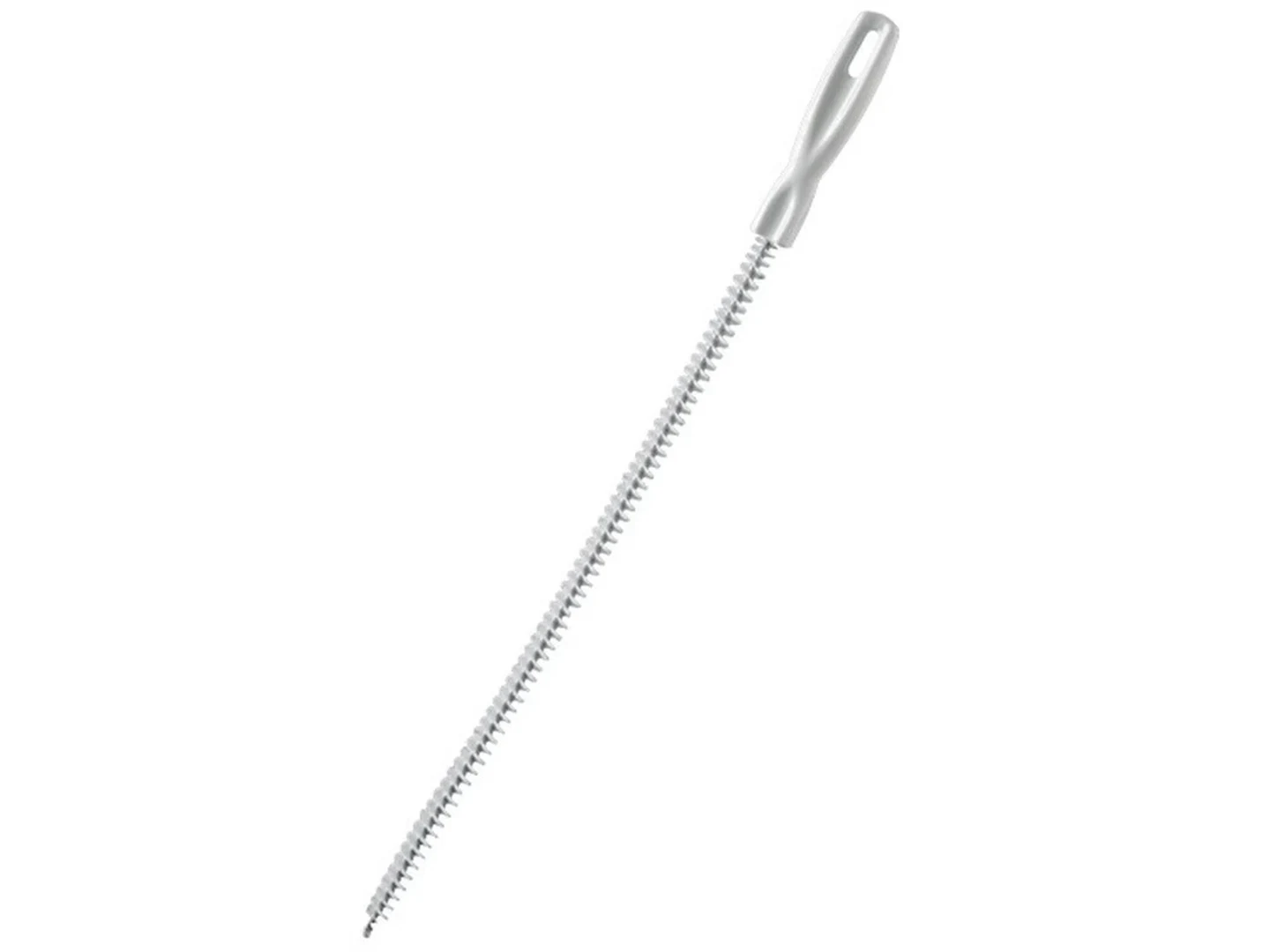
Pipe Tube Brush
Configure pipe tube brushes in nylon, brass, stainless steel, or abrasive nylon for bore,…
See the specification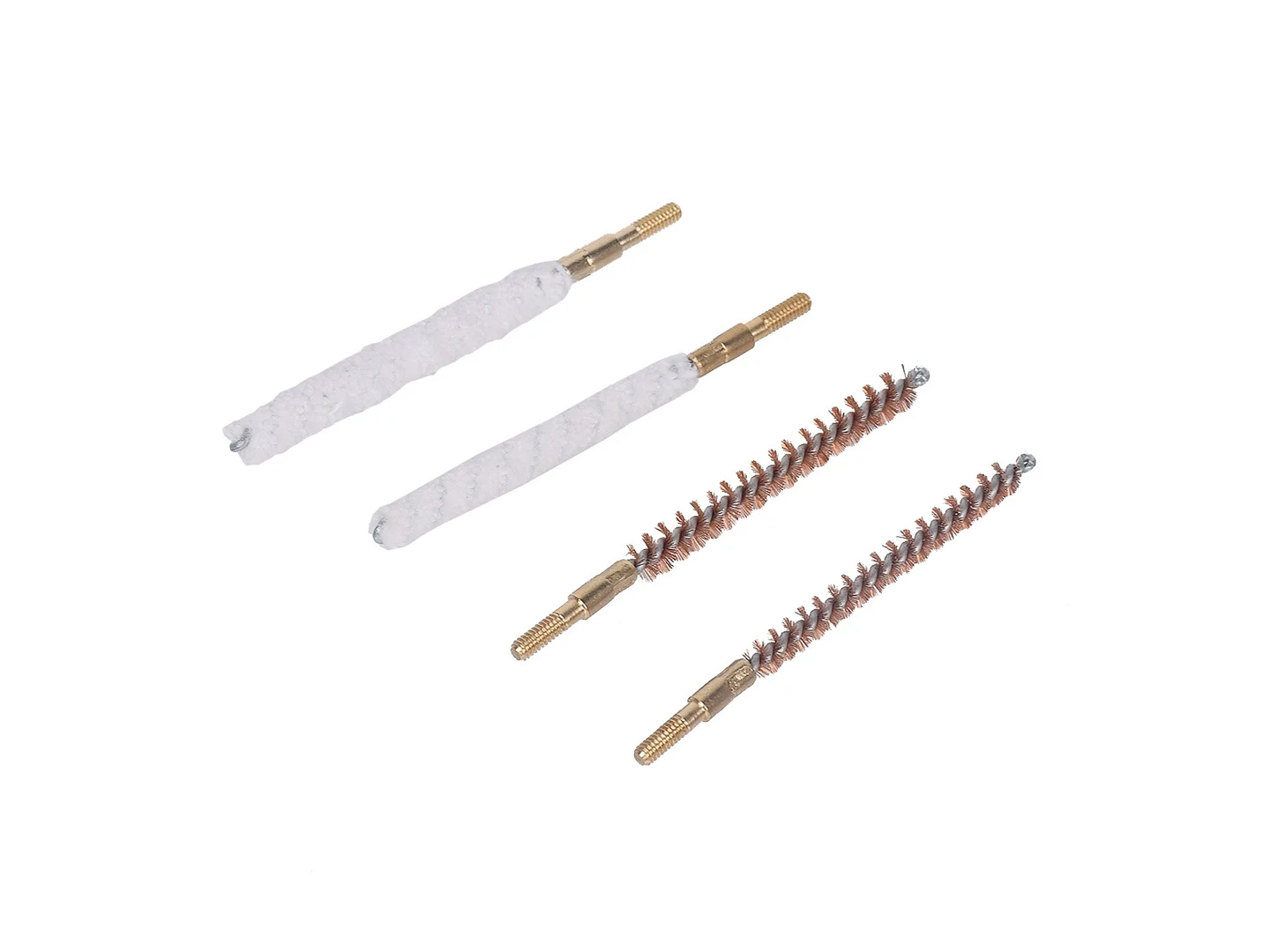
Brass Tube Brush
Brass fill expands into thread roots and cross-hole intersections, clearing chips and carbon while…
See the specification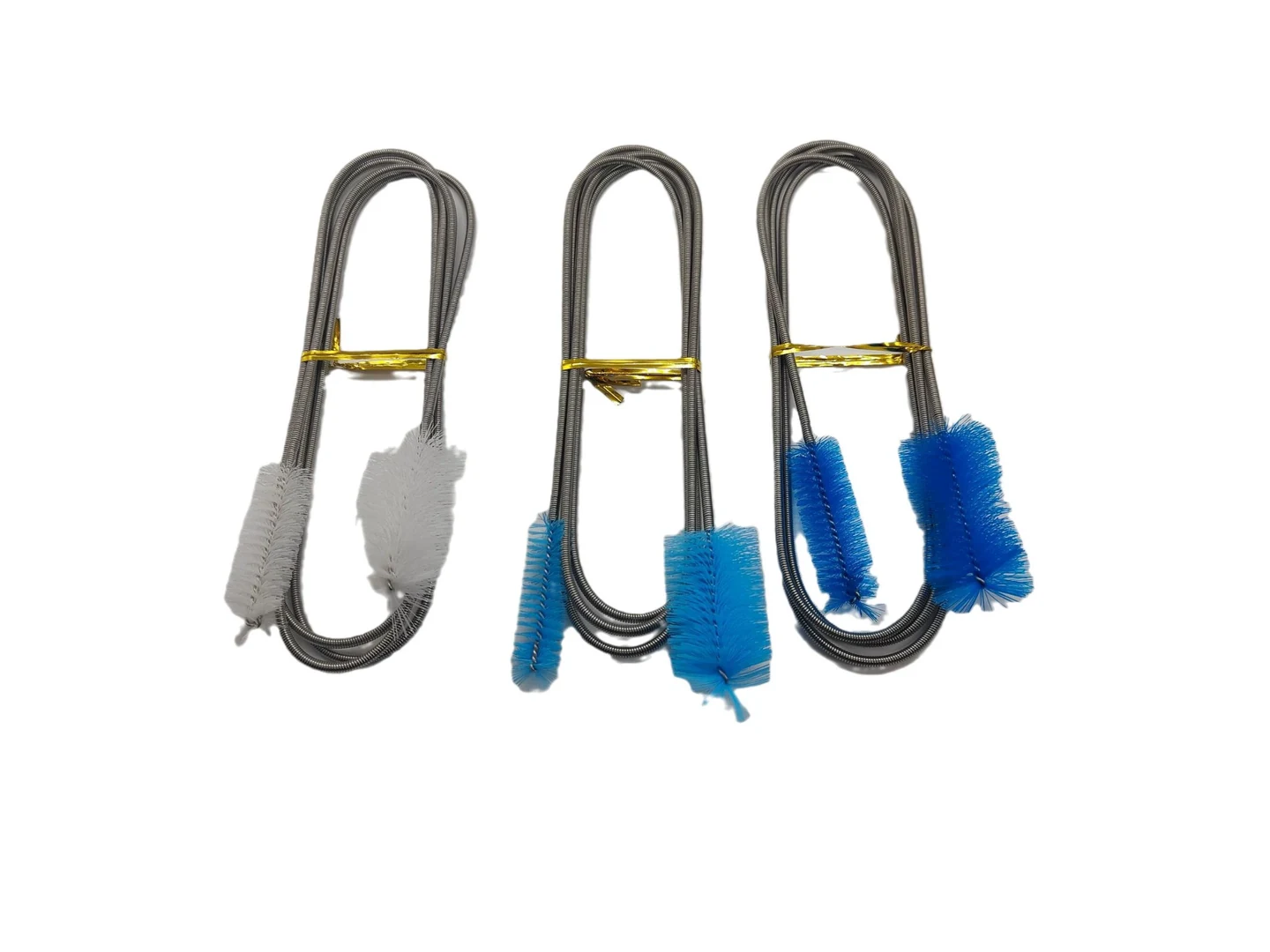
Centrifuge Tube Brush
Soft nylon and PBT centrifuge tube brushes for 0.5–50 mL tubes. Reach conical bottoms…
See the specification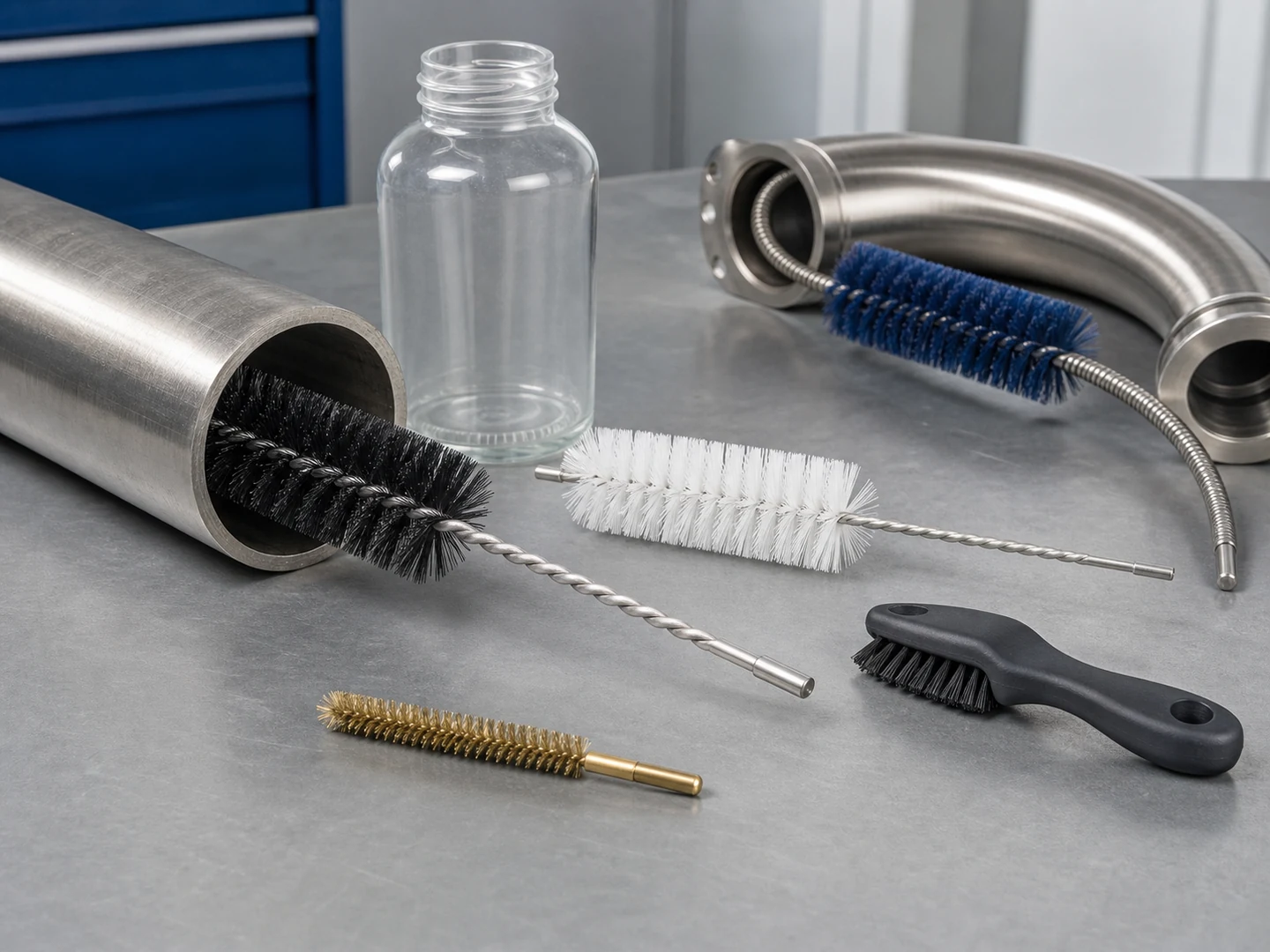
Custom Tube & Pipe Bore Brushes
Choose a tube, pipe, or bore brush when the working surface is inside a…
See how this type is built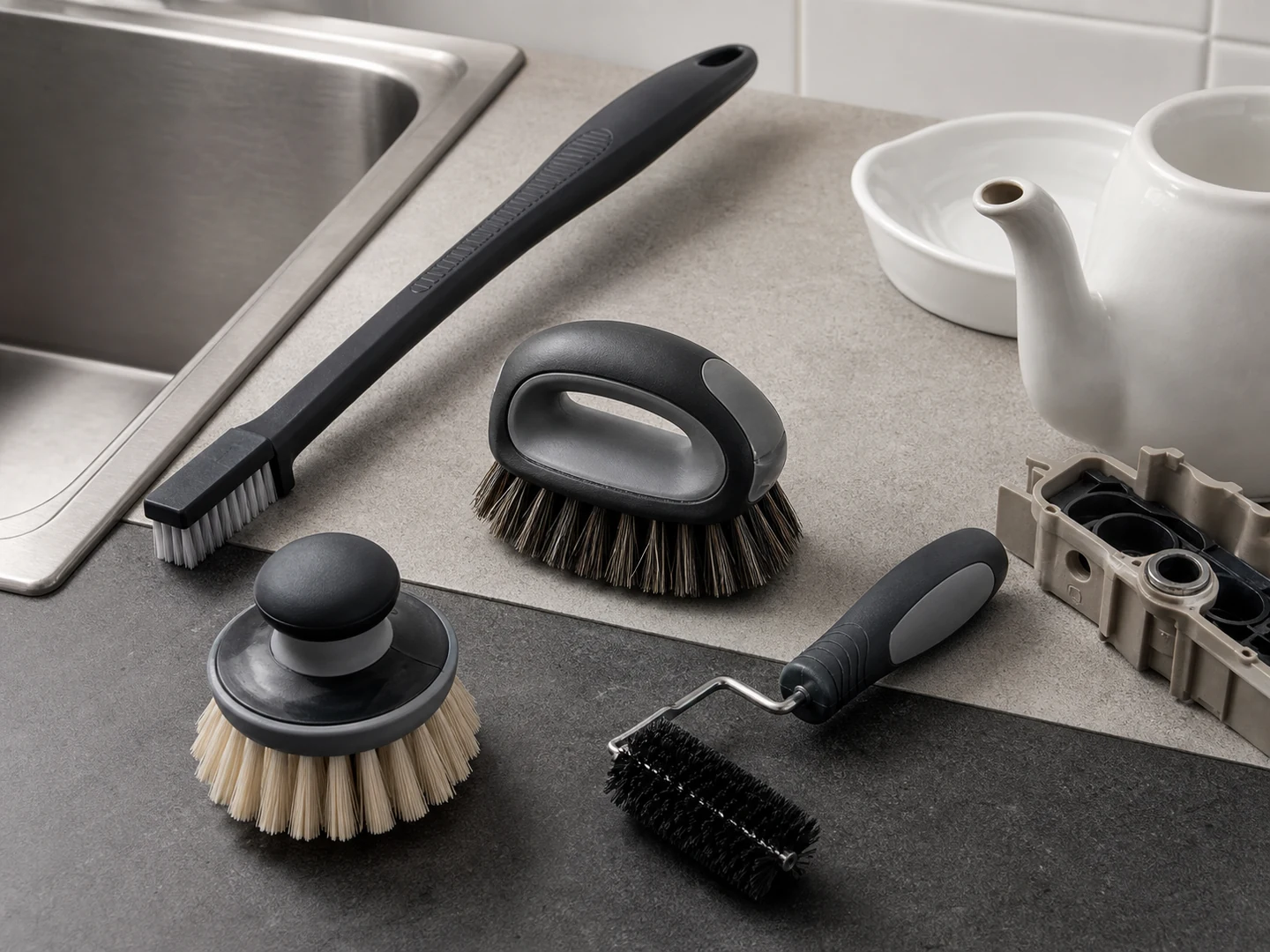
Custom Handheld Detail Brushes
Choose a handheld detail brush when you need direct control in seams, recesses, fittings,…
See how this type is built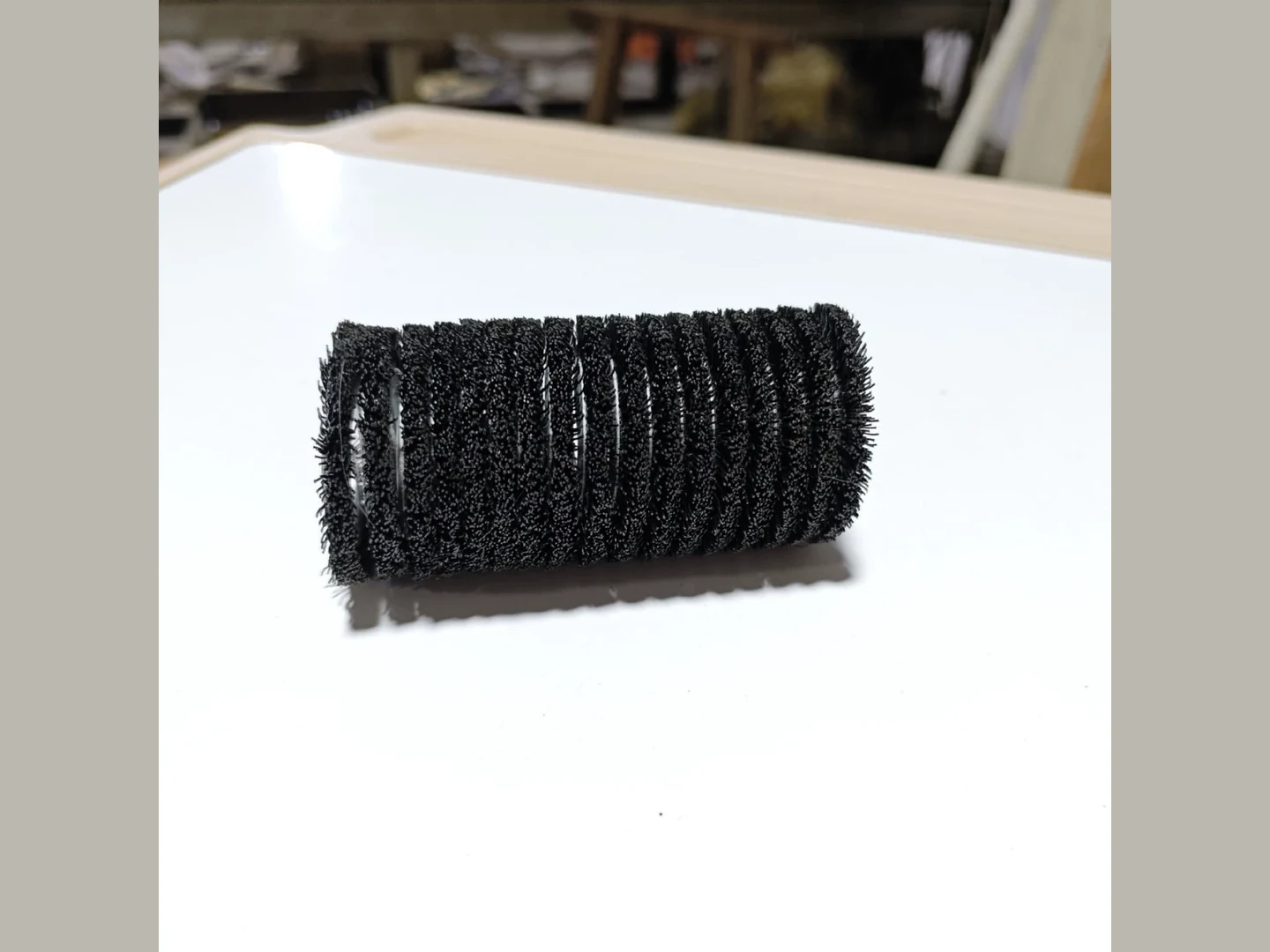
Custom Spring Brushes
Choose a spring brush when the brush body must flex, compress, follow a curved…
See how this type is built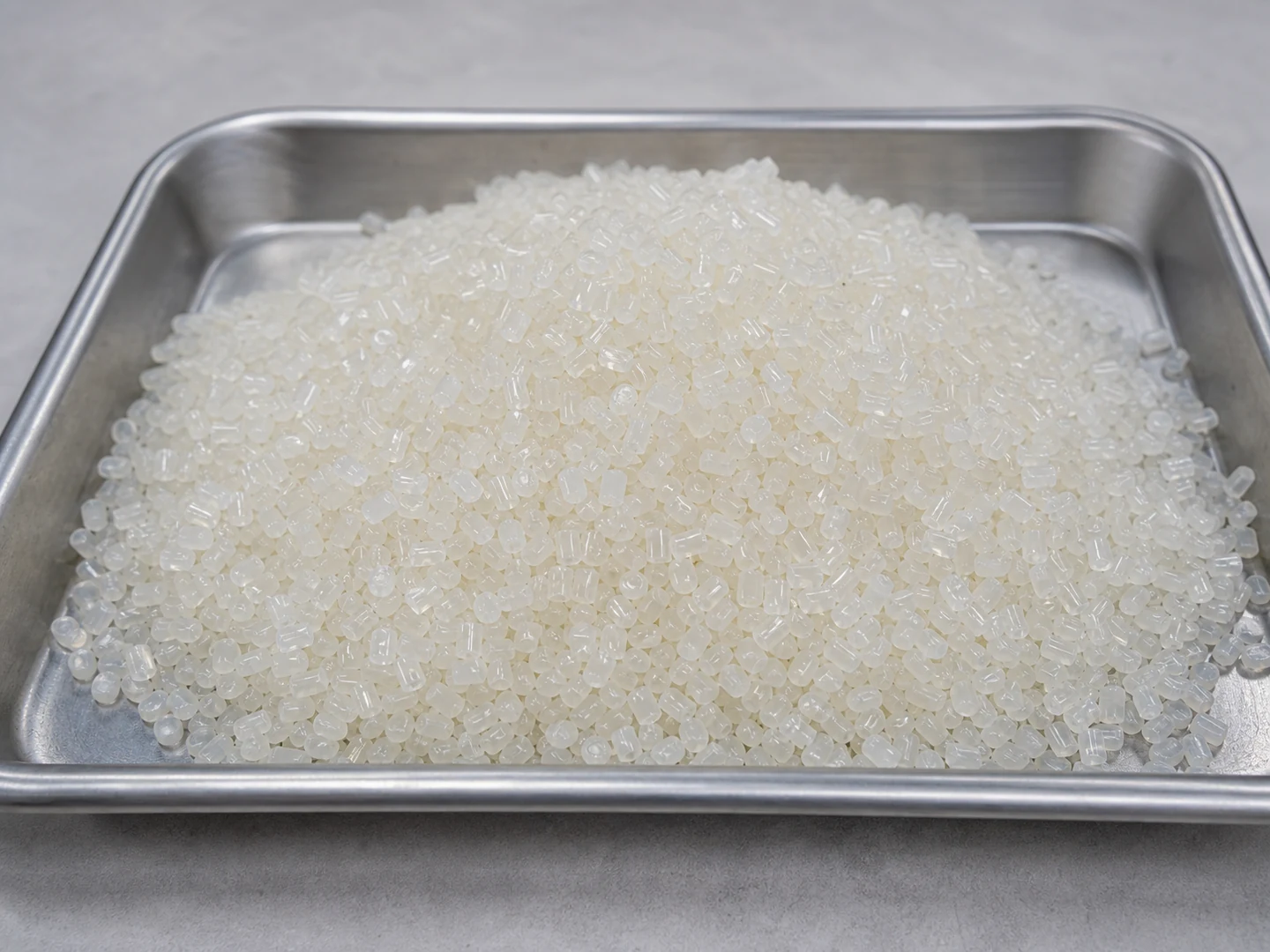
Nylon PA
Choose Nylon PA based on its stiffness, recovery, wear, wet-service, chemical, and temperature behavior.
Compare this material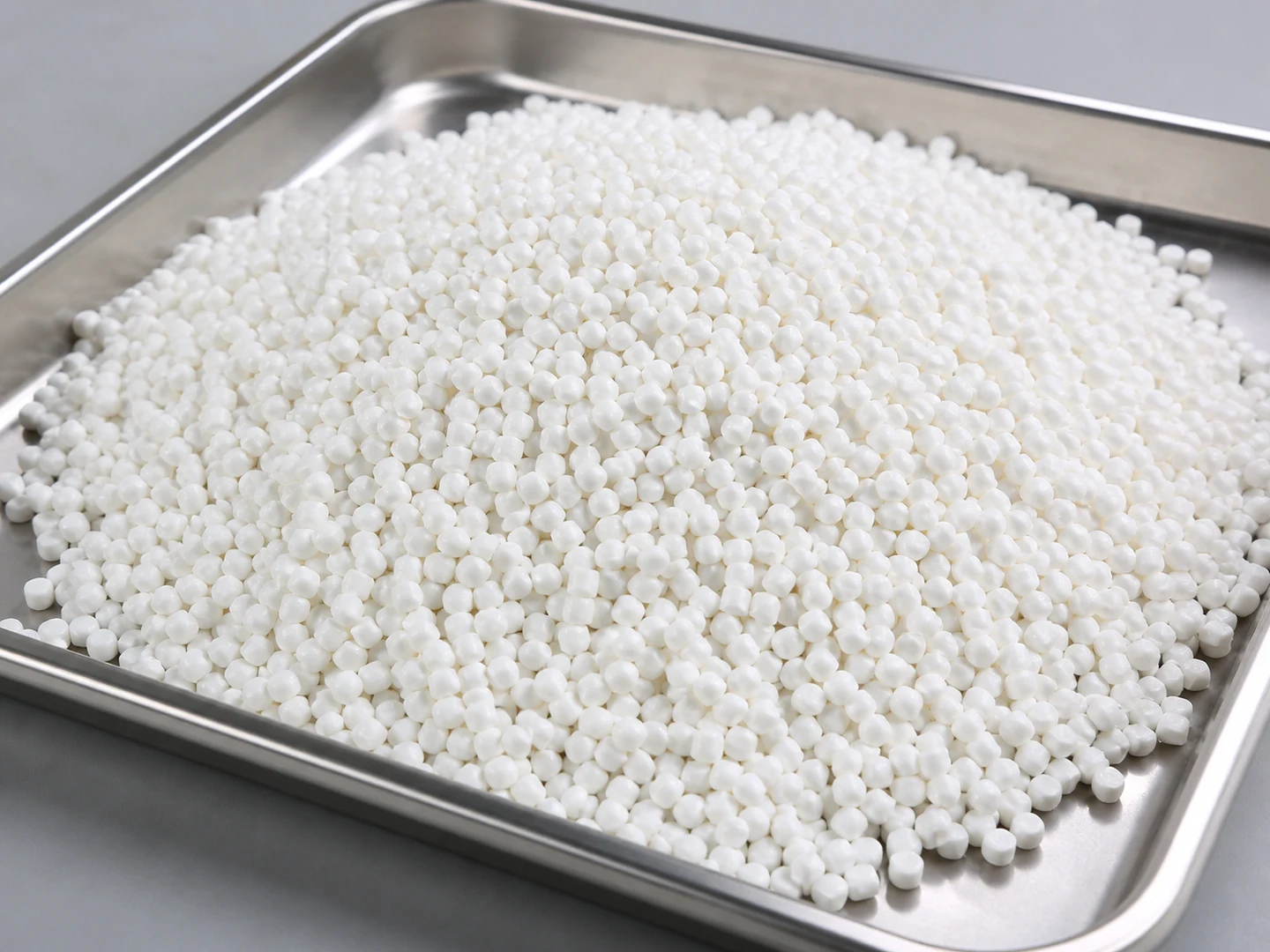
PBT
Choose PBT based on its stiffness, recovery, wear, wet-service, chemical, and temperature behavior. Do…
Compare this materialCustom Manufacturing RFQ
Discuss This Application
Share the working surface, residue, dimensions, material direction, interface, quantity and drawing or sample photo.
Custom Brush RFQ
Request a Custom Cleaning Brush Quote
Upload a drawing, product photo, or sample photo and provide the core dimensions and cleaning conditions.
“We need a brush to remove wet residue from a stainless steel conveyor, about 800mm wide. The current brush wears quickly. We can send photos.”
“We sell drinkware and need a cleaning brush to include with the product. Quantity around 5,000 pieces.”