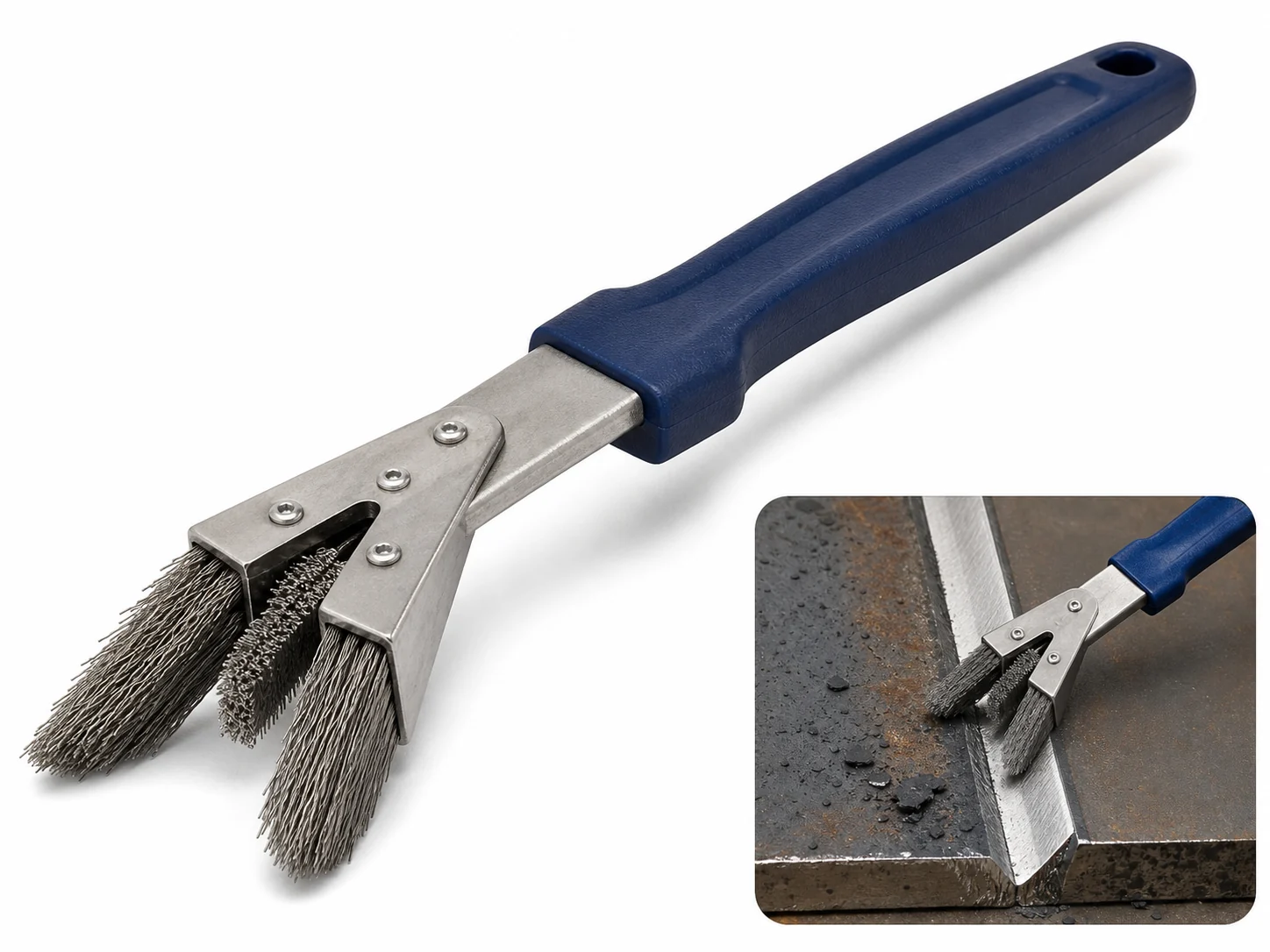
Welding Bevel Cleaning Brush
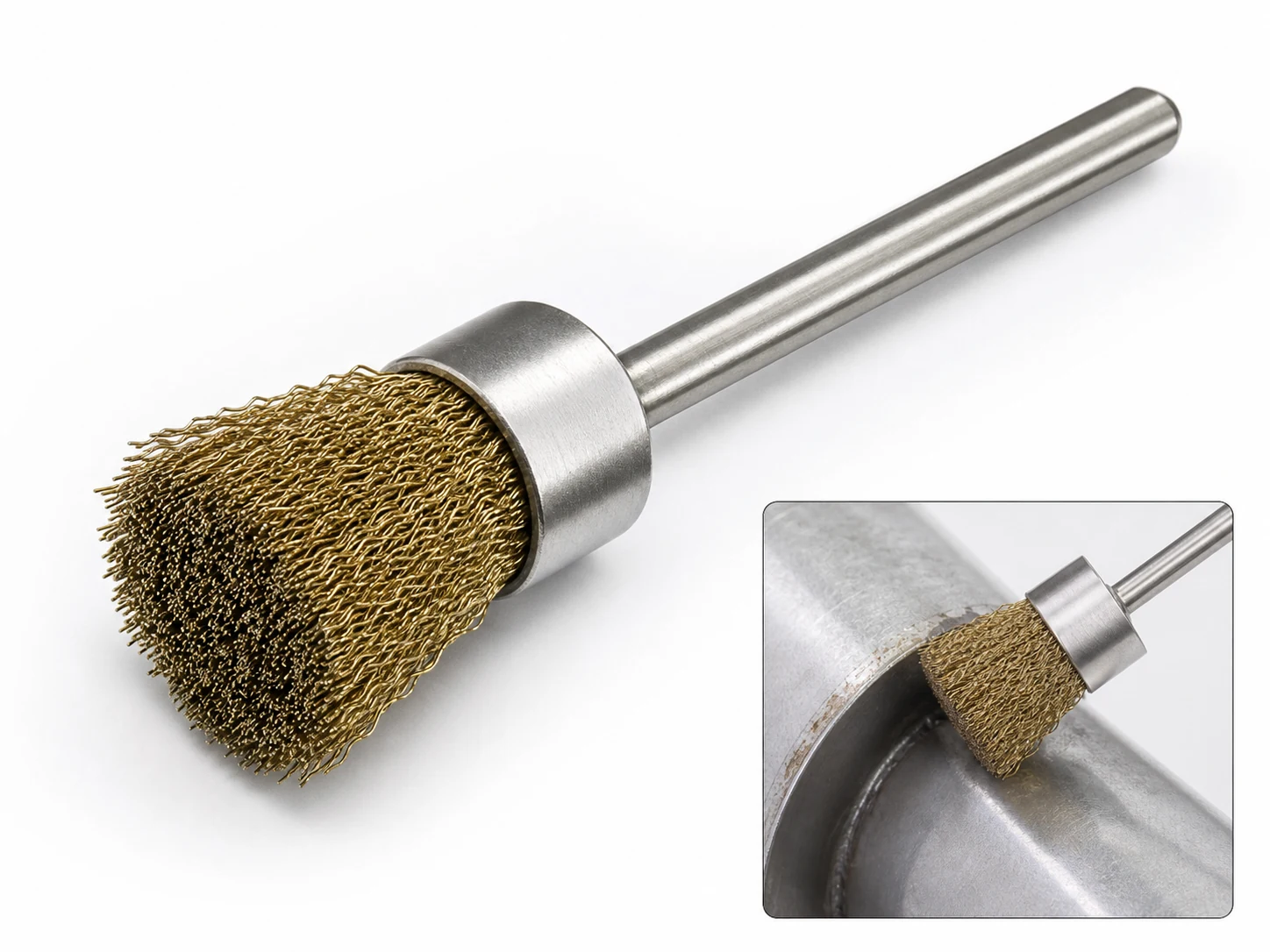
Custom welding bevel cleaning brushes for removing chips, coolant, oil, scale, oxide, and spatter from weld prep surfaces.
- Head Ø
- 20–350 mm
- Head length
- 10–400 mm

Custom Cleaning Brush Manufacturer
PRODUCT CATEGORY
Surface preparation is a controlled material-removal job. The right brush must remove burrs, rust, oxide, scale or polishing residue without taking more base material or changing the finish beyond what the process allows. This hub leads directly to brushes used for deburring, cleaning and surface conditioning.
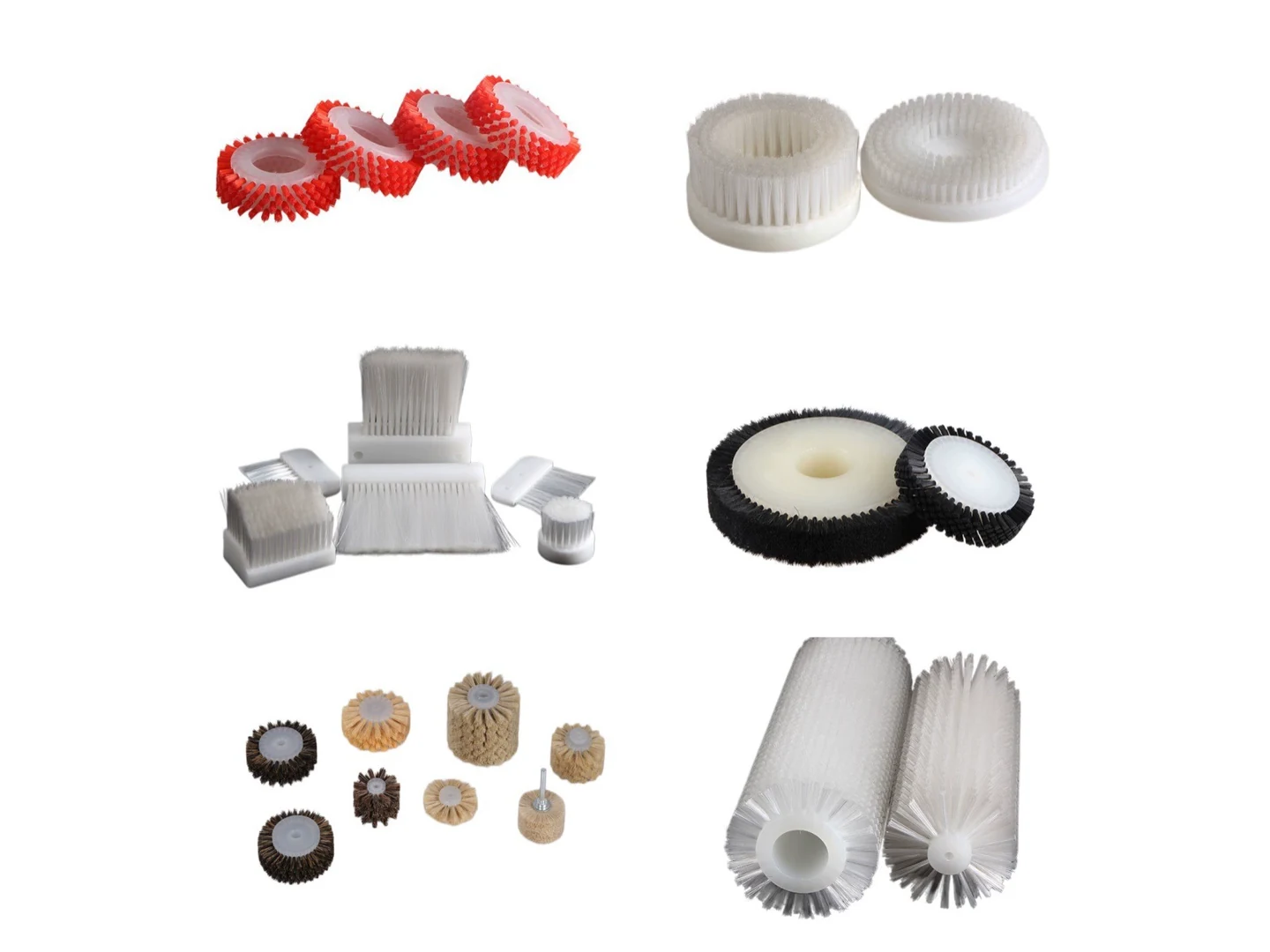
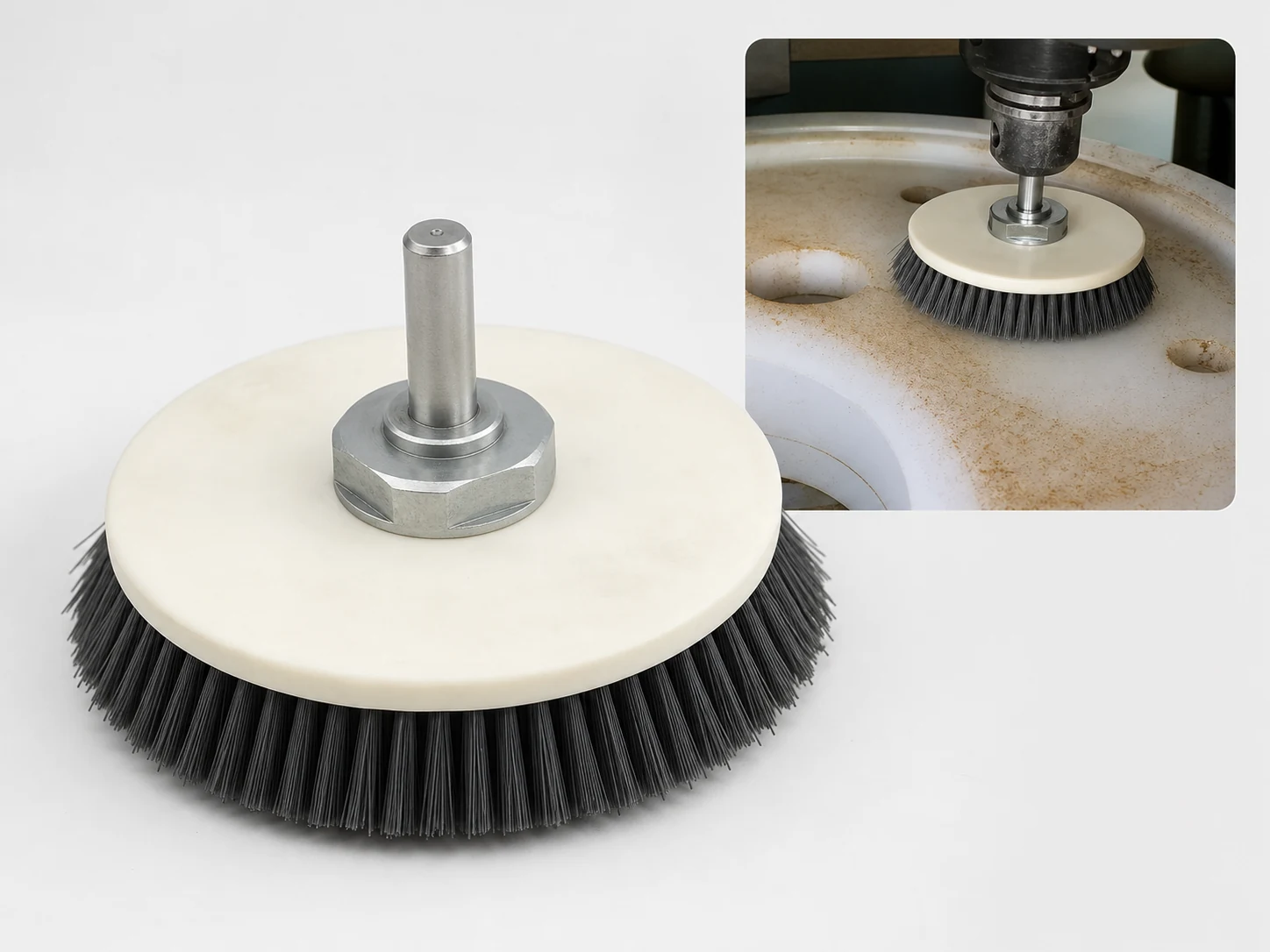
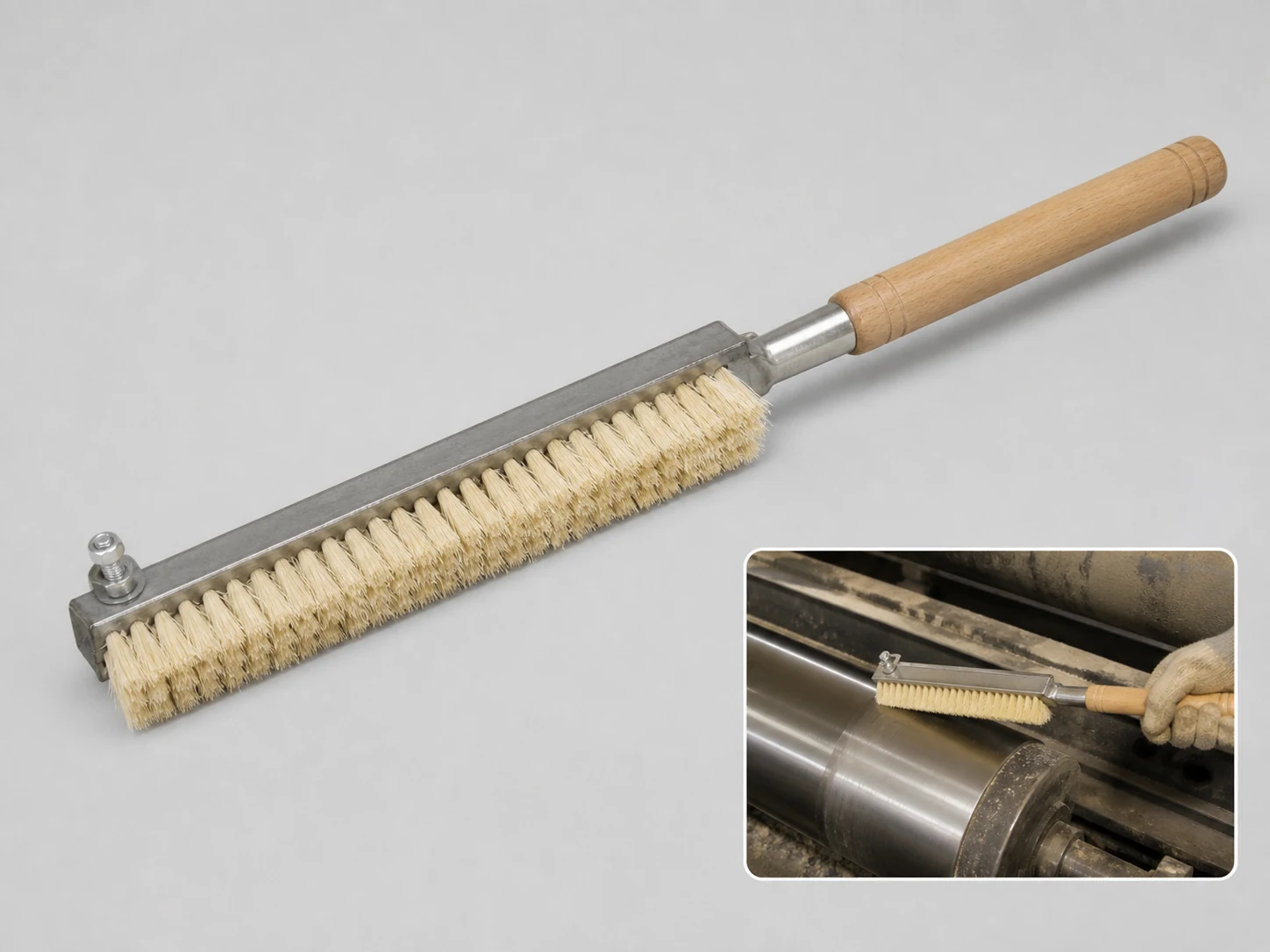
Compare cup, wheel, end, disc and roller formats used for weld cleanup, edge deburring, rust removal, glass-edge work, polishing and other surface-conditioning tasks.
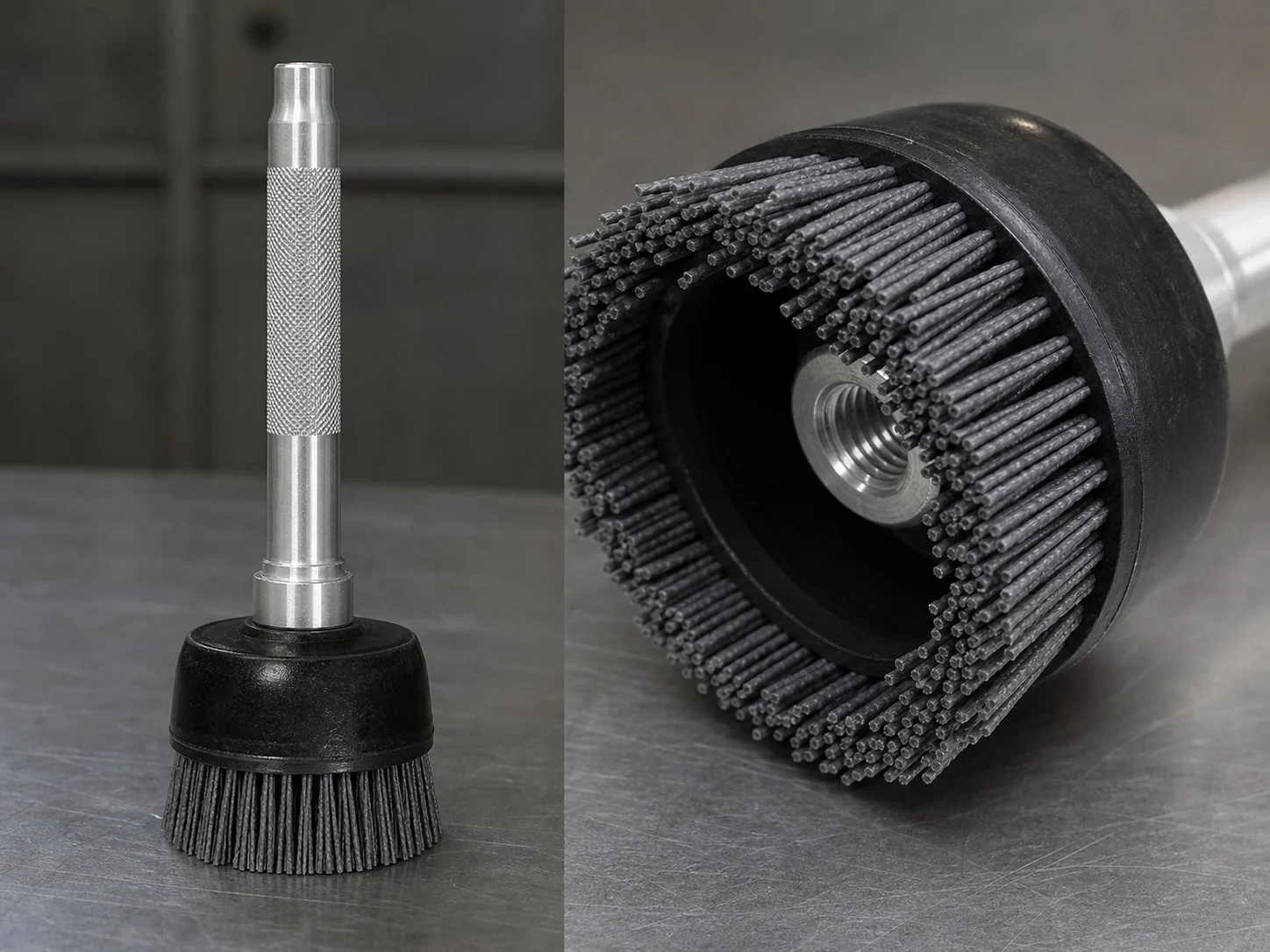
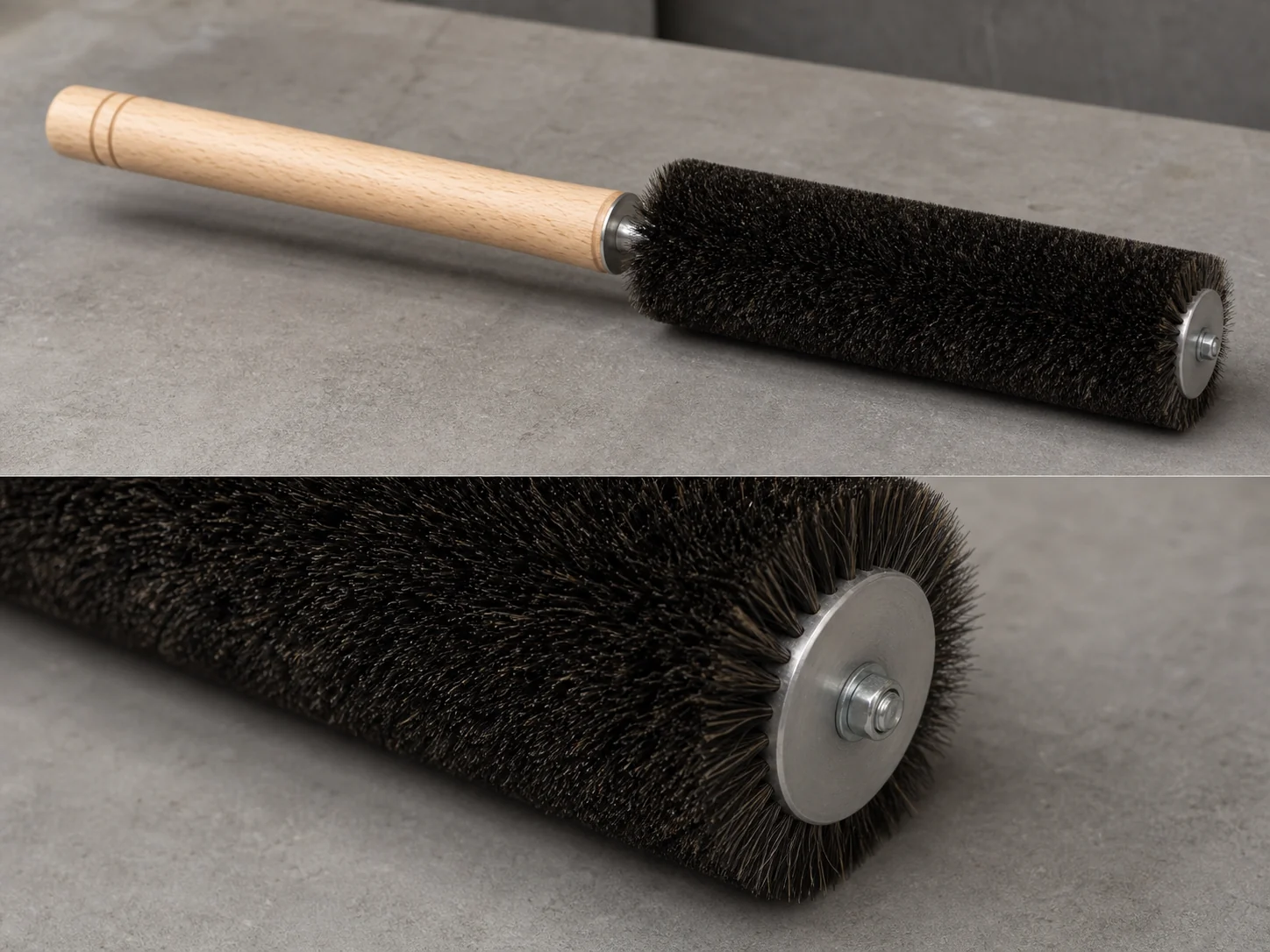
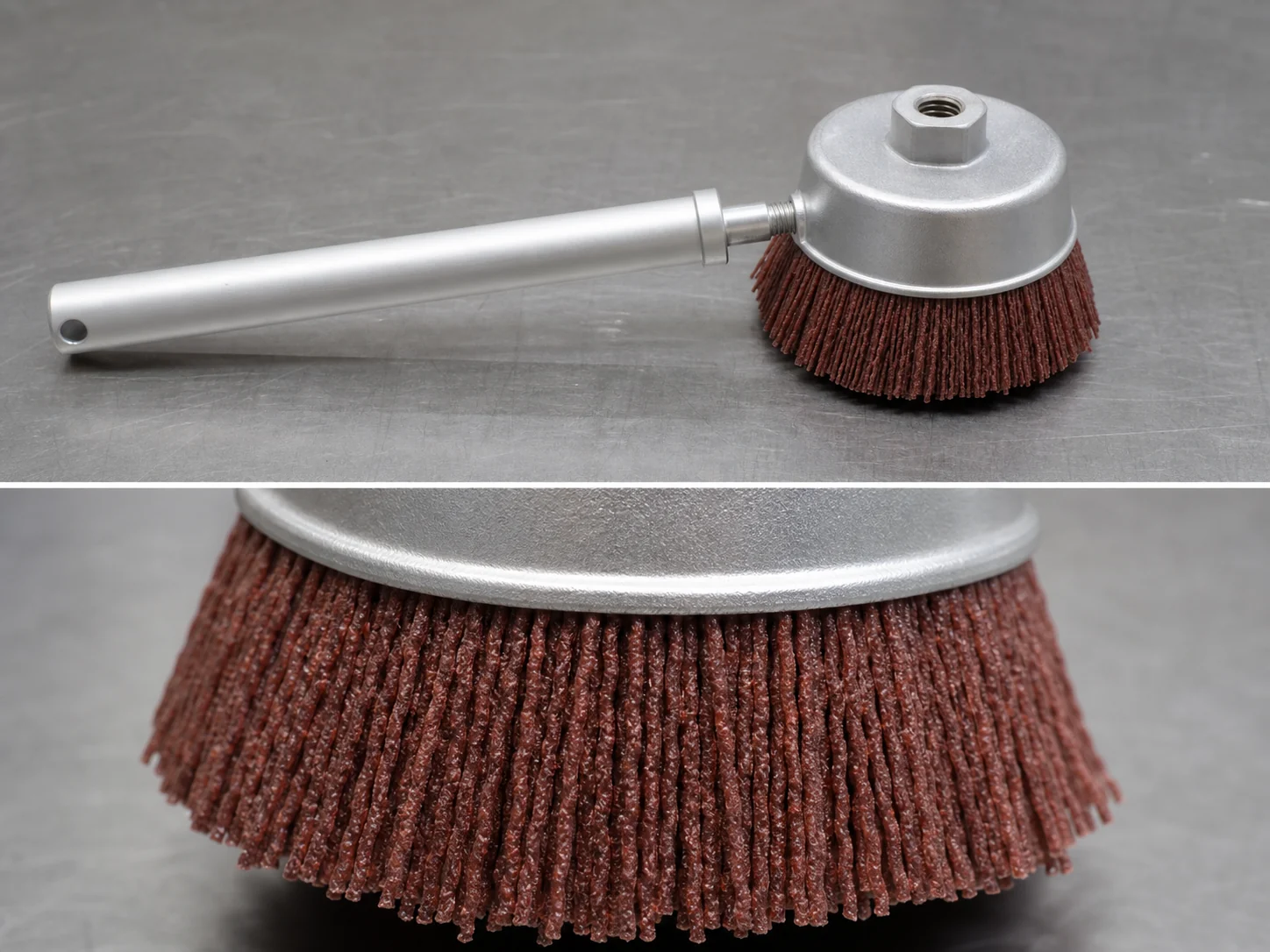
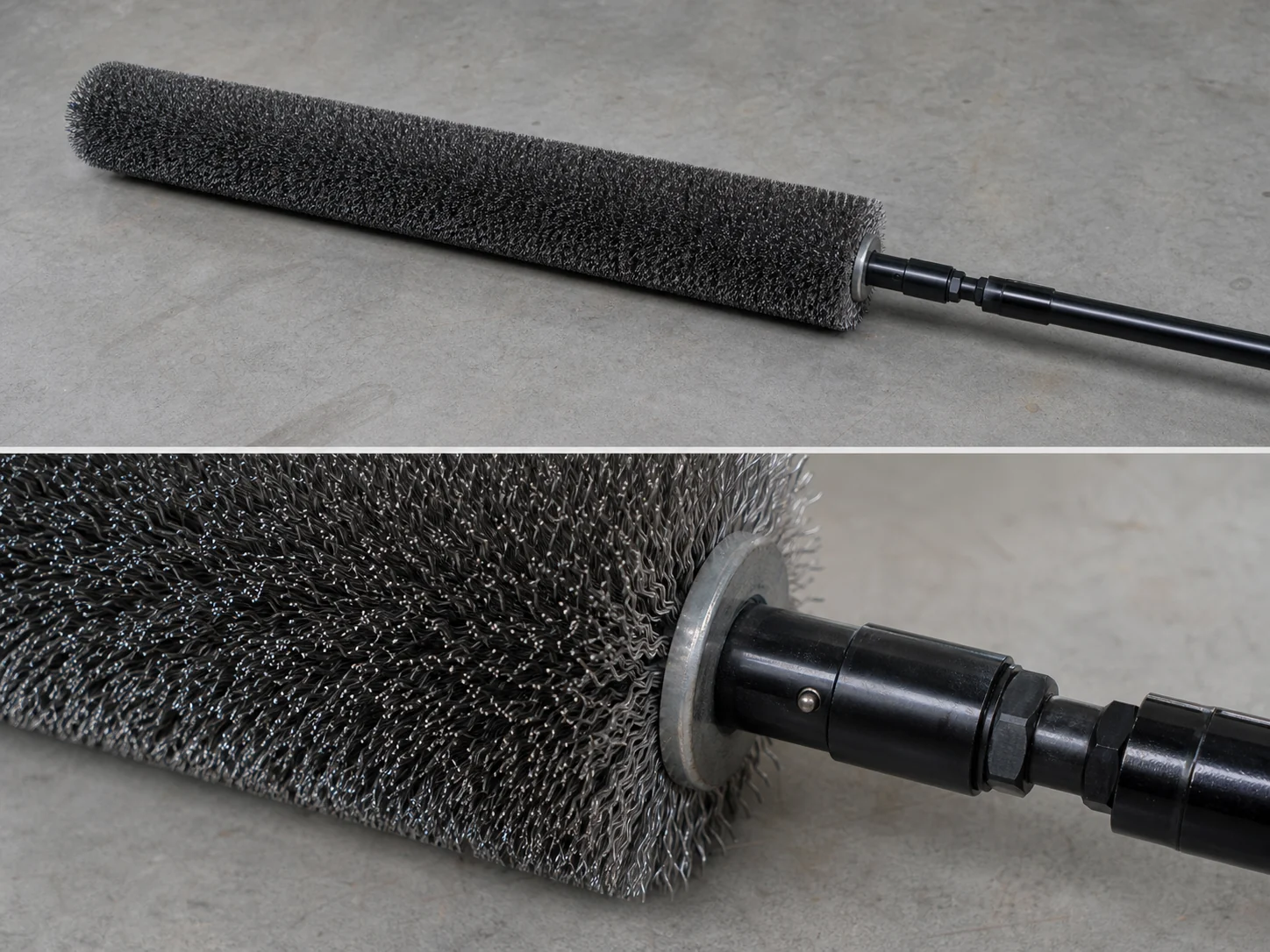
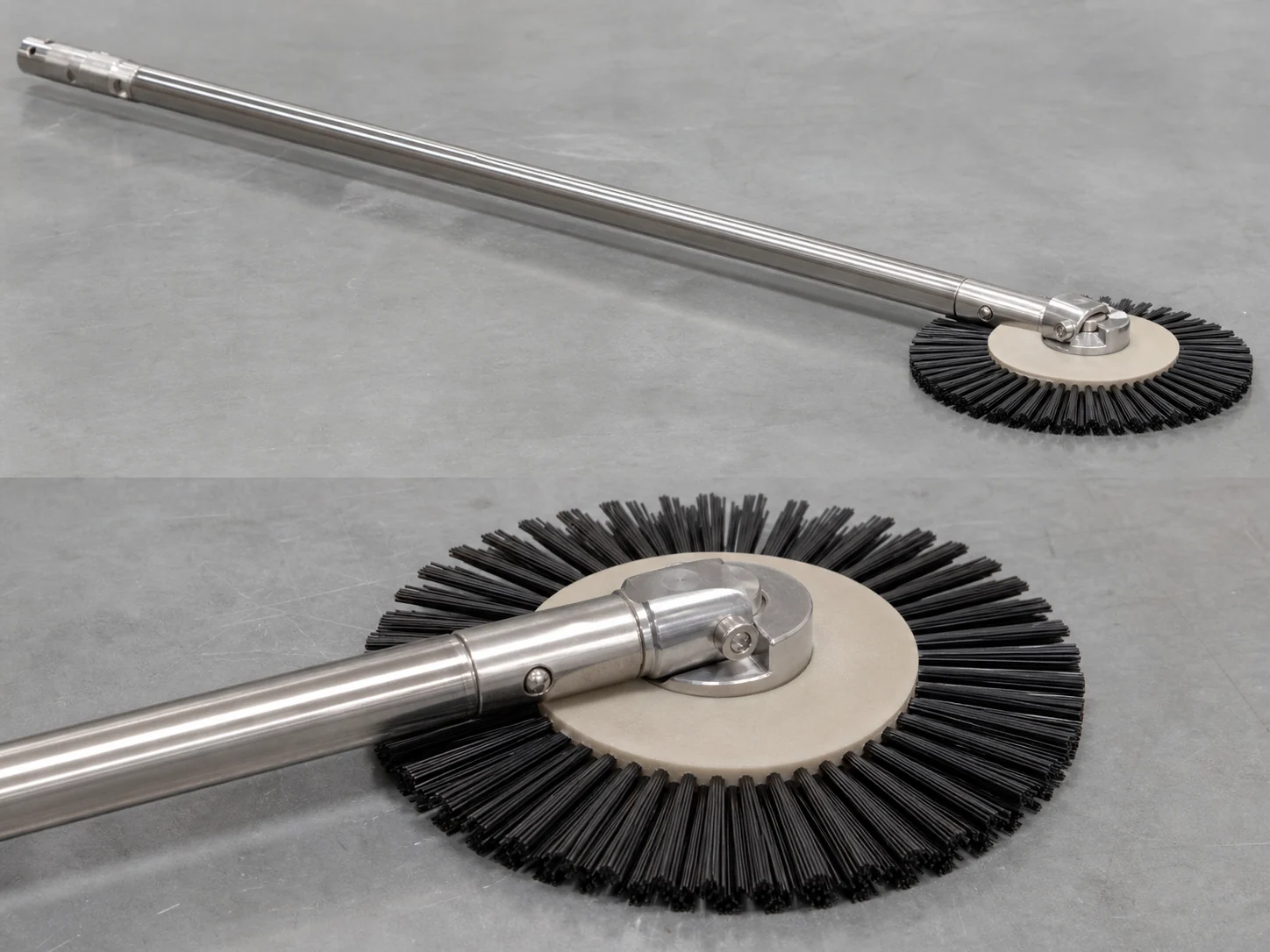
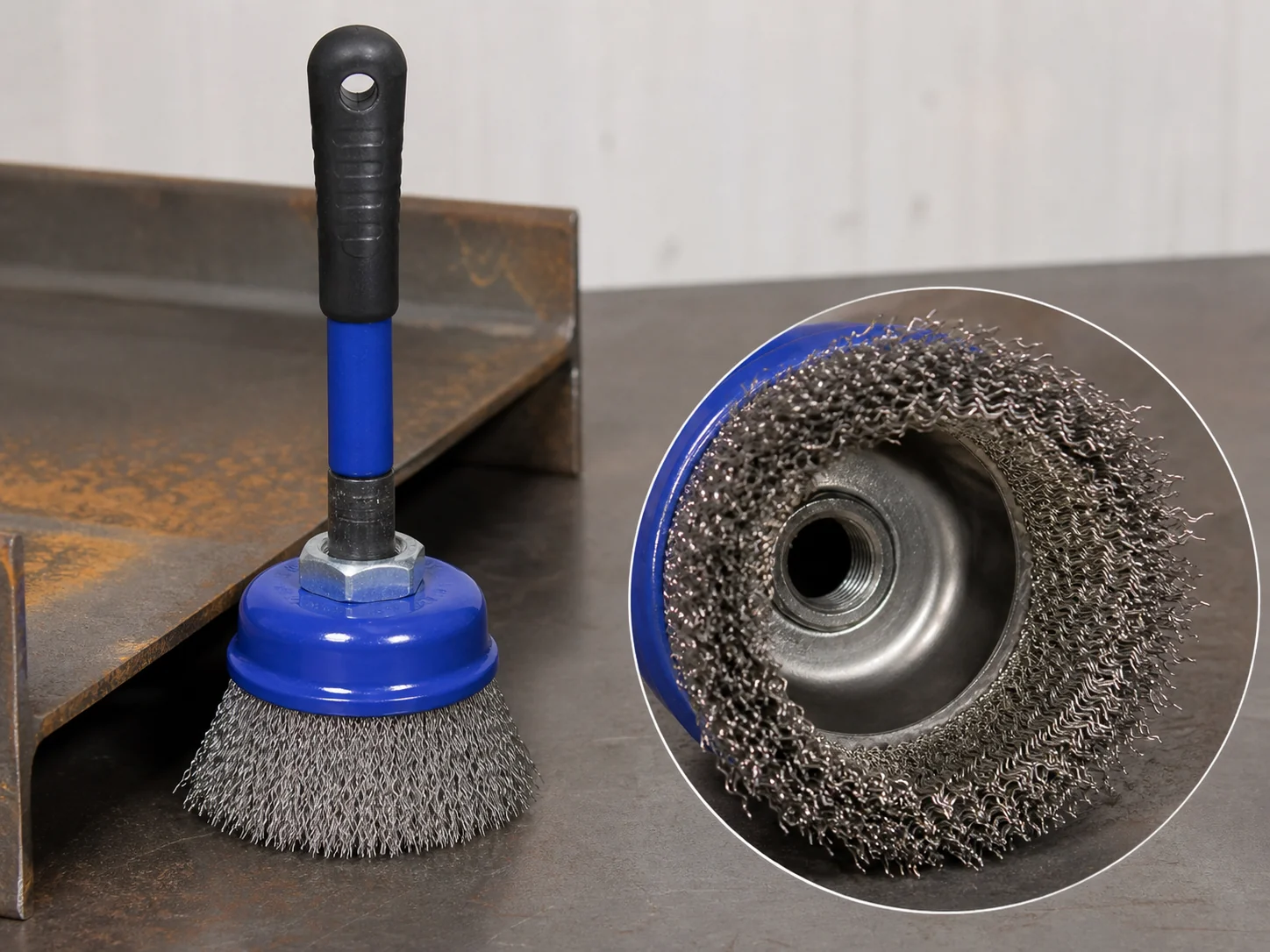
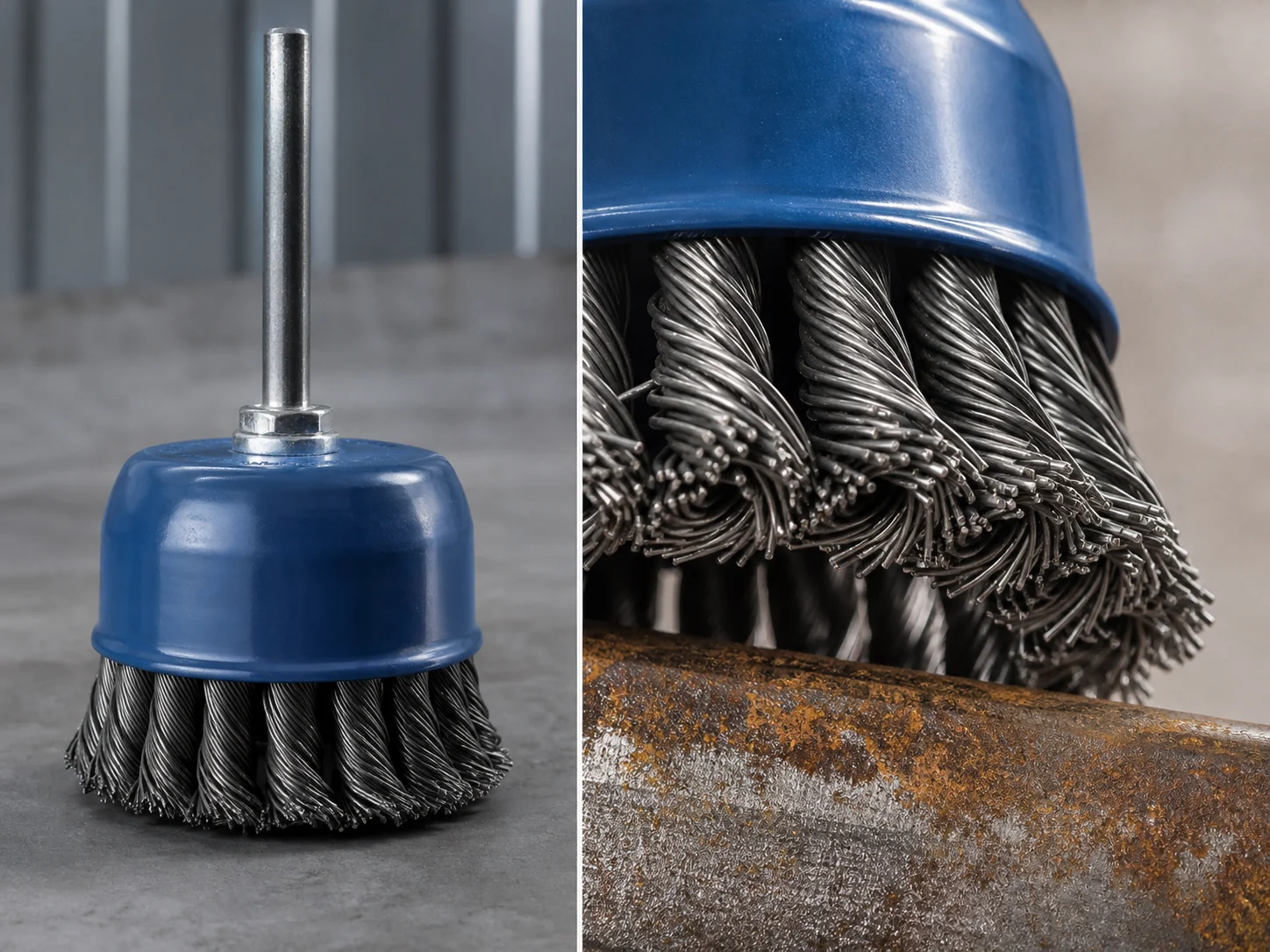
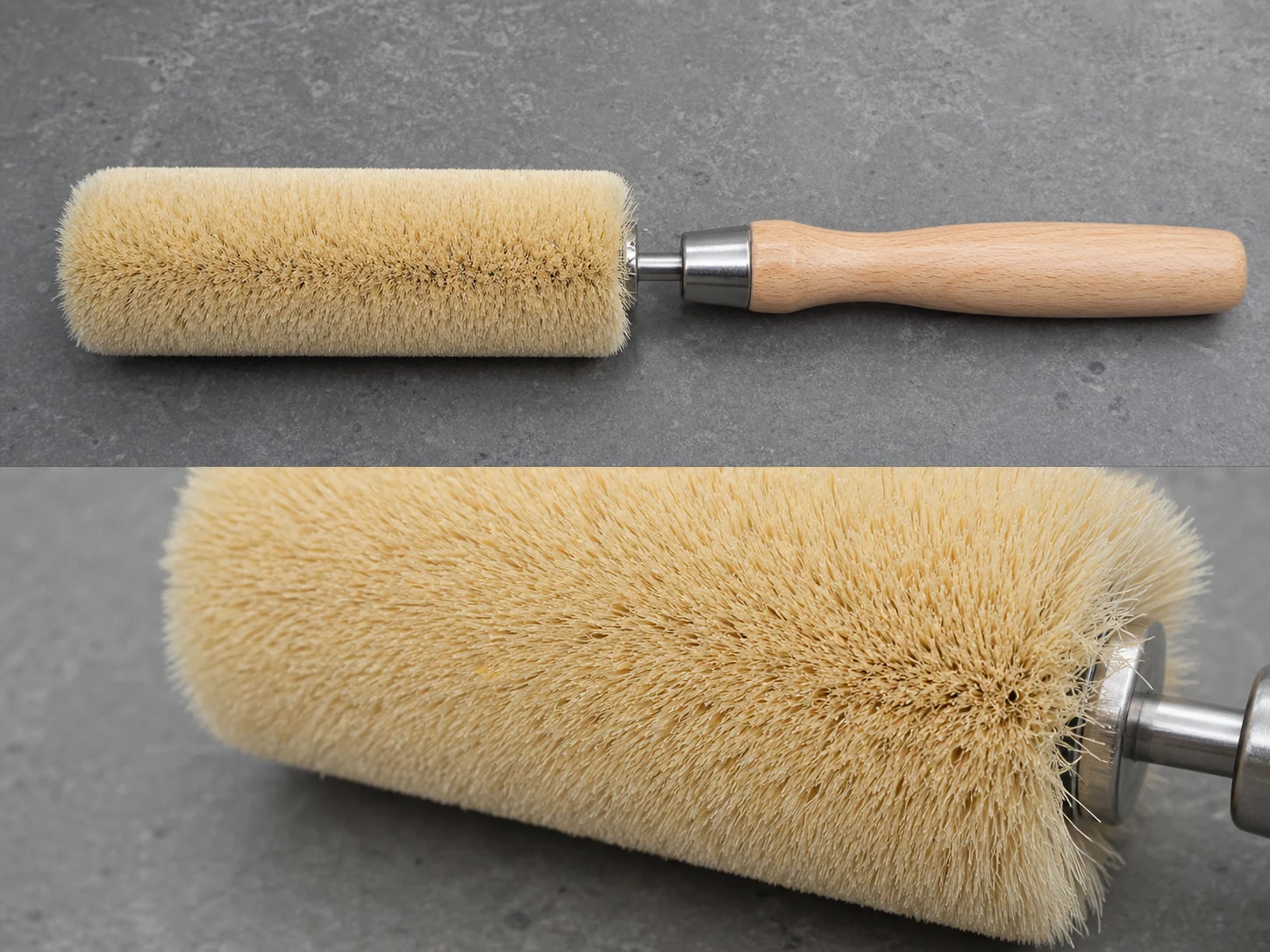
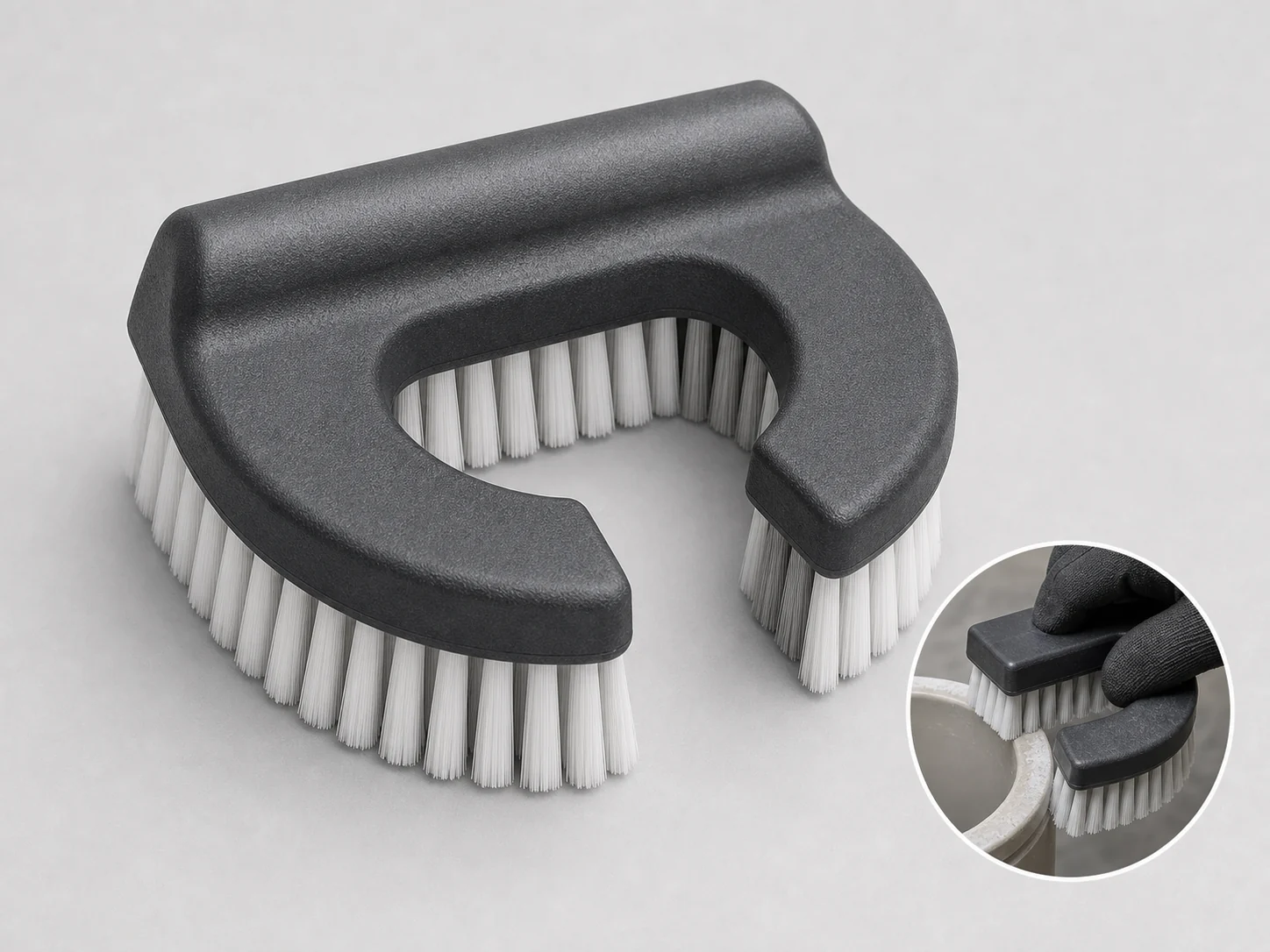
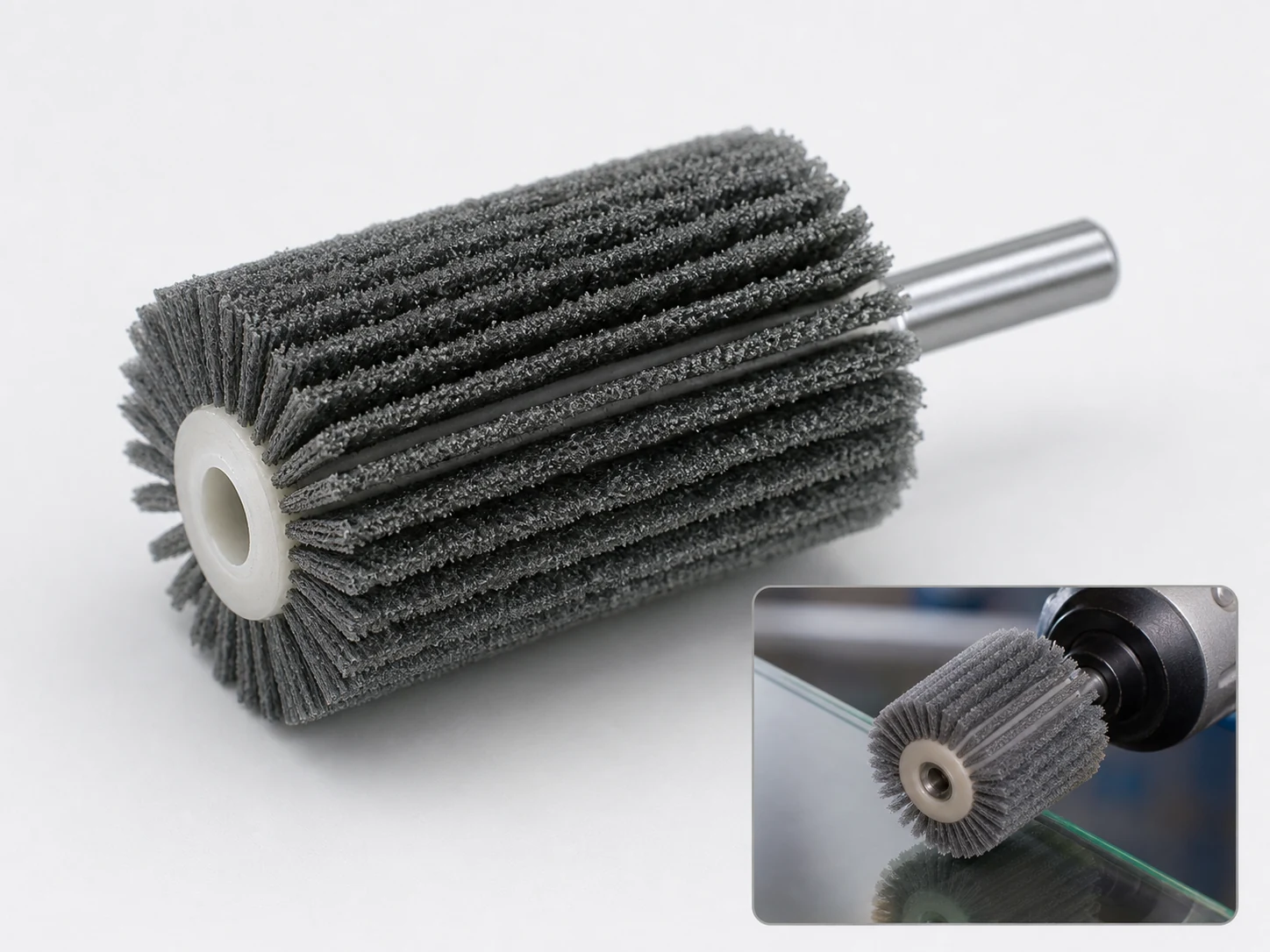
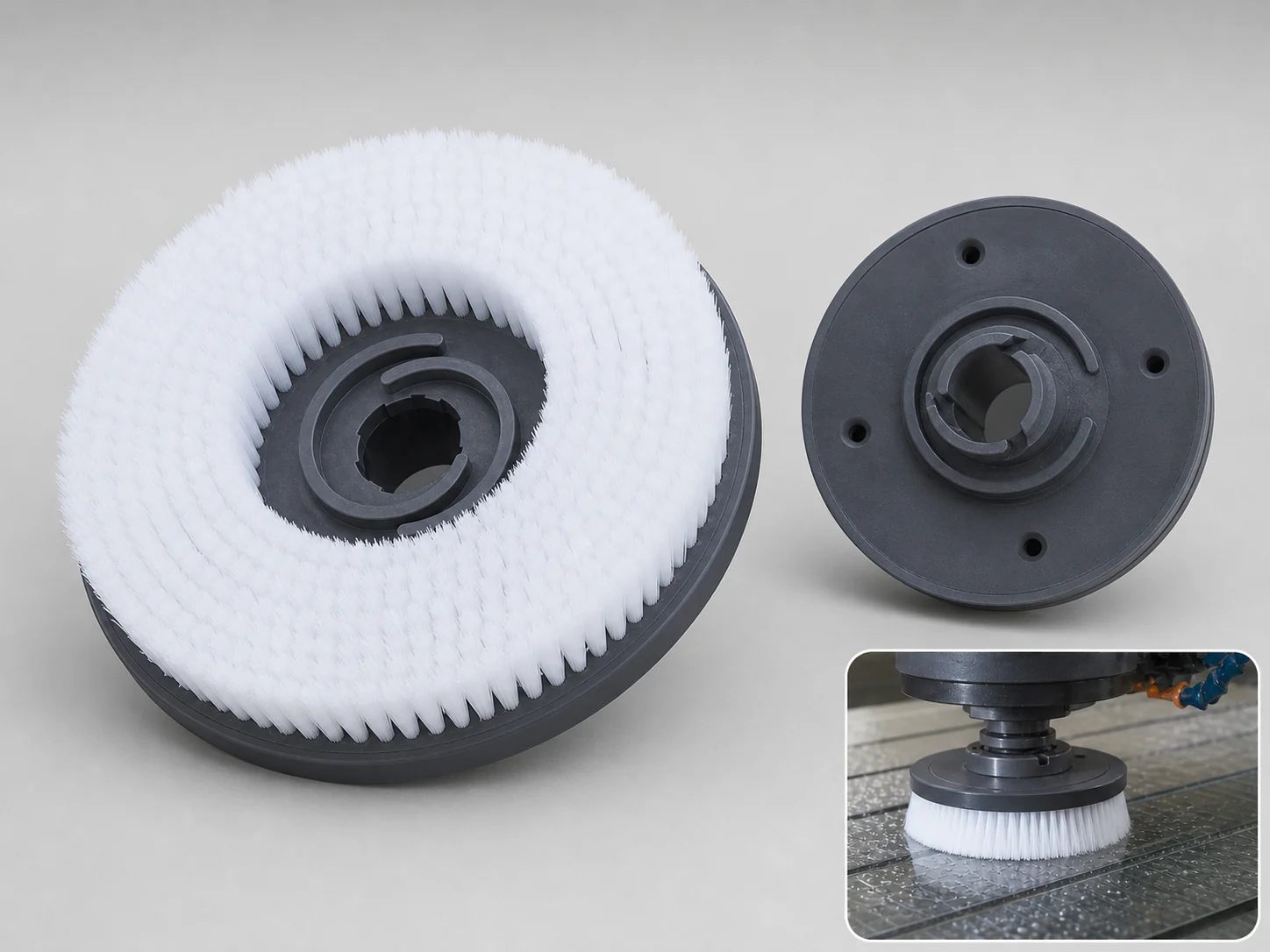
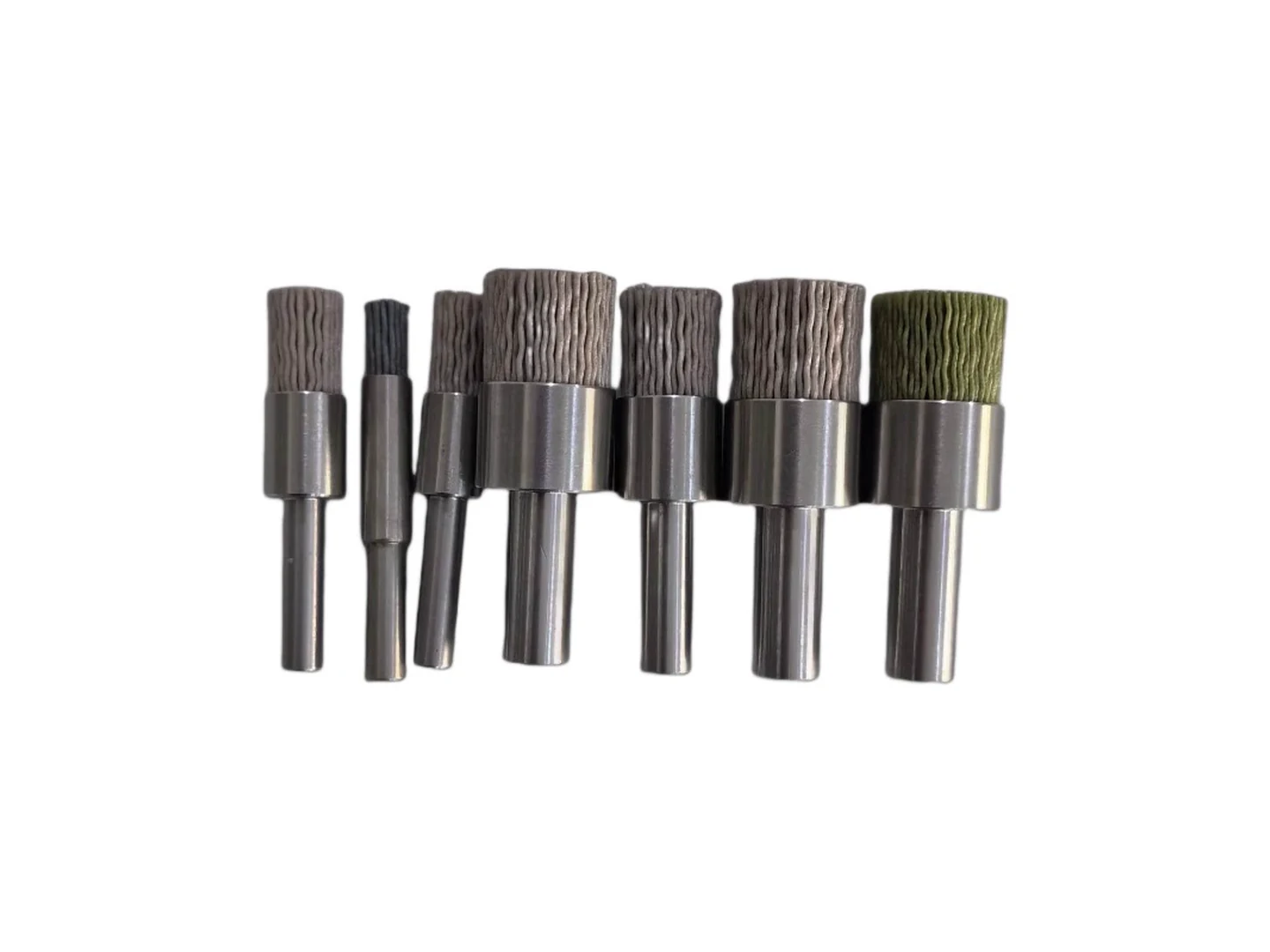
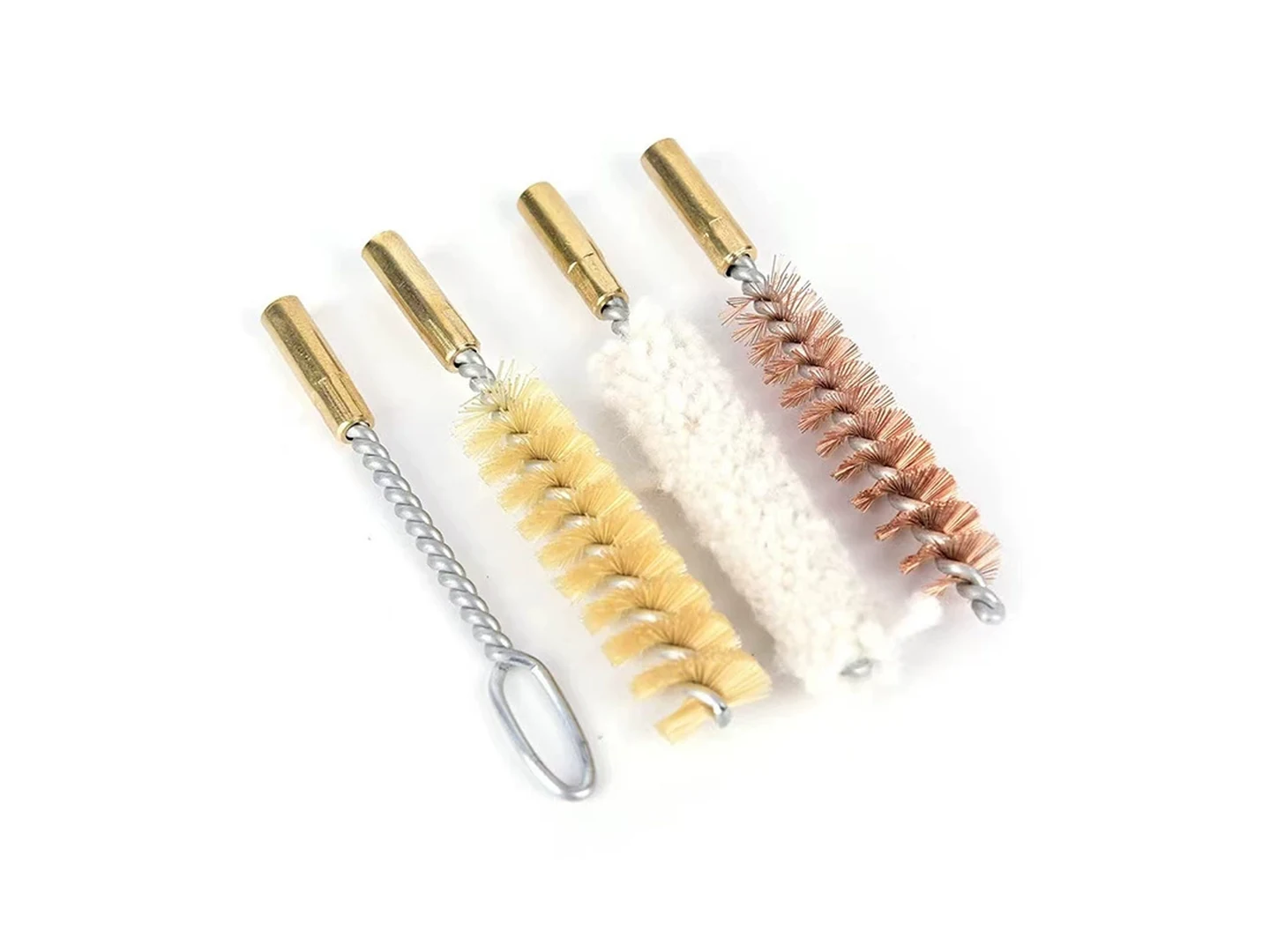
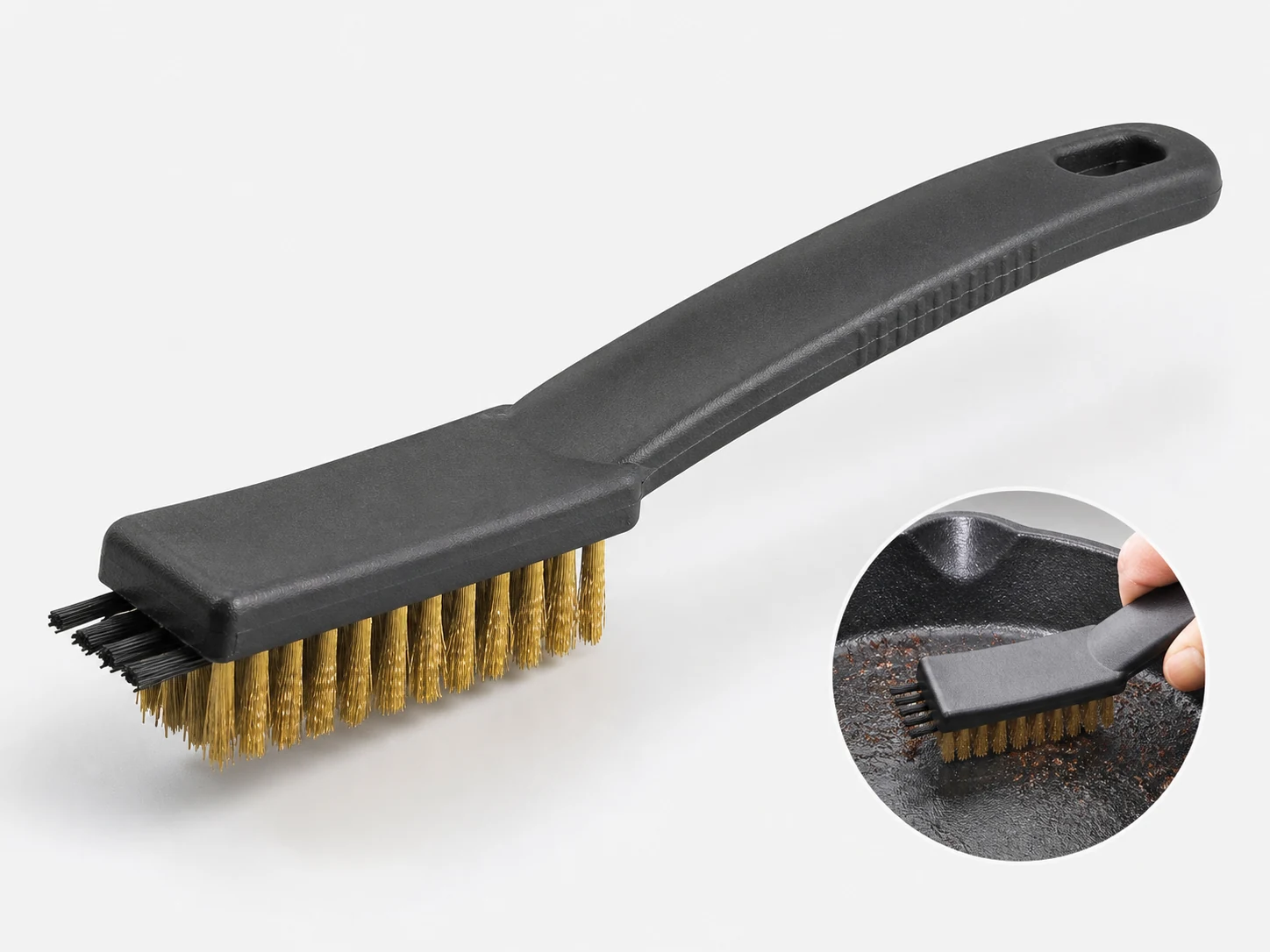
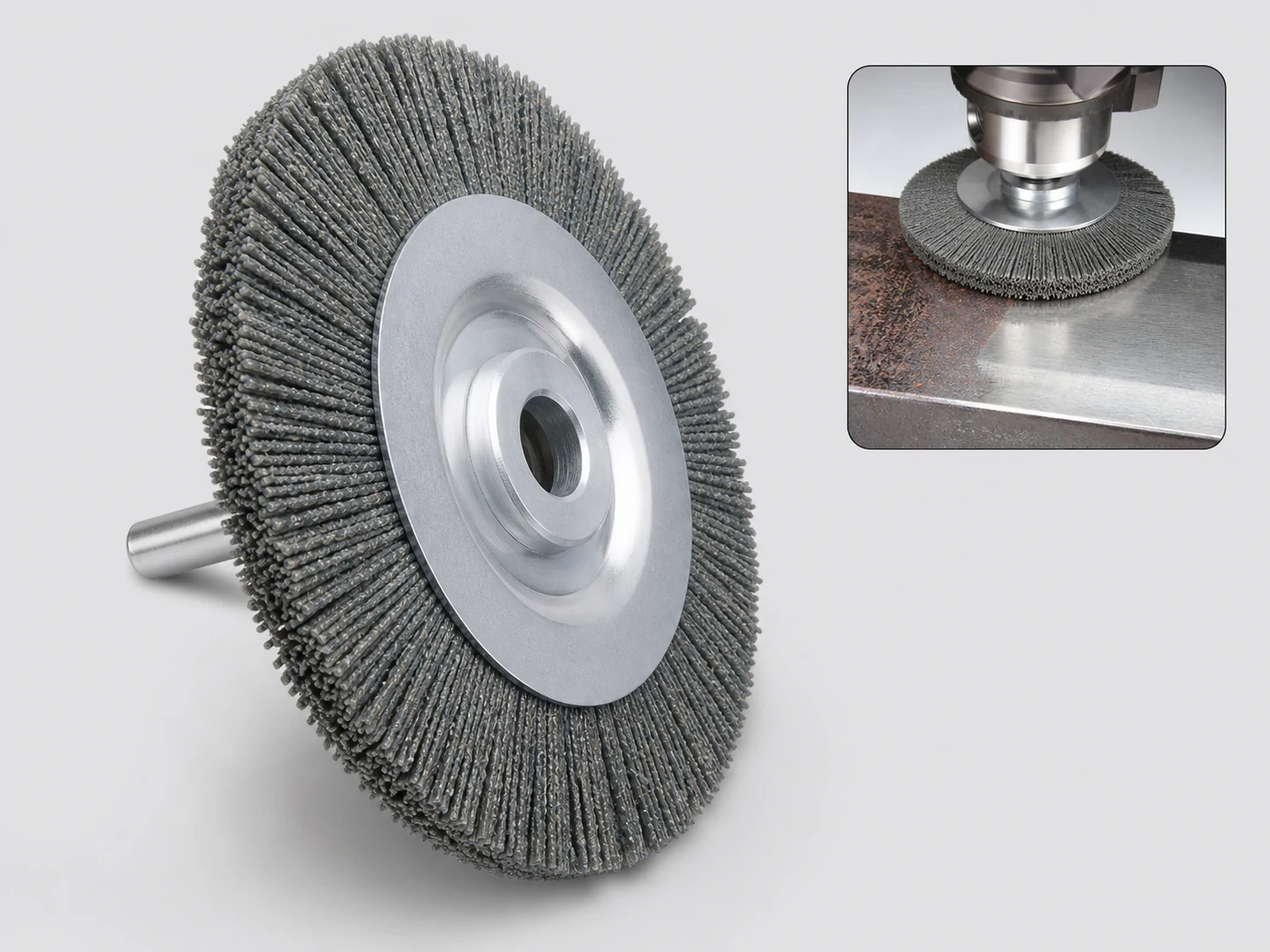
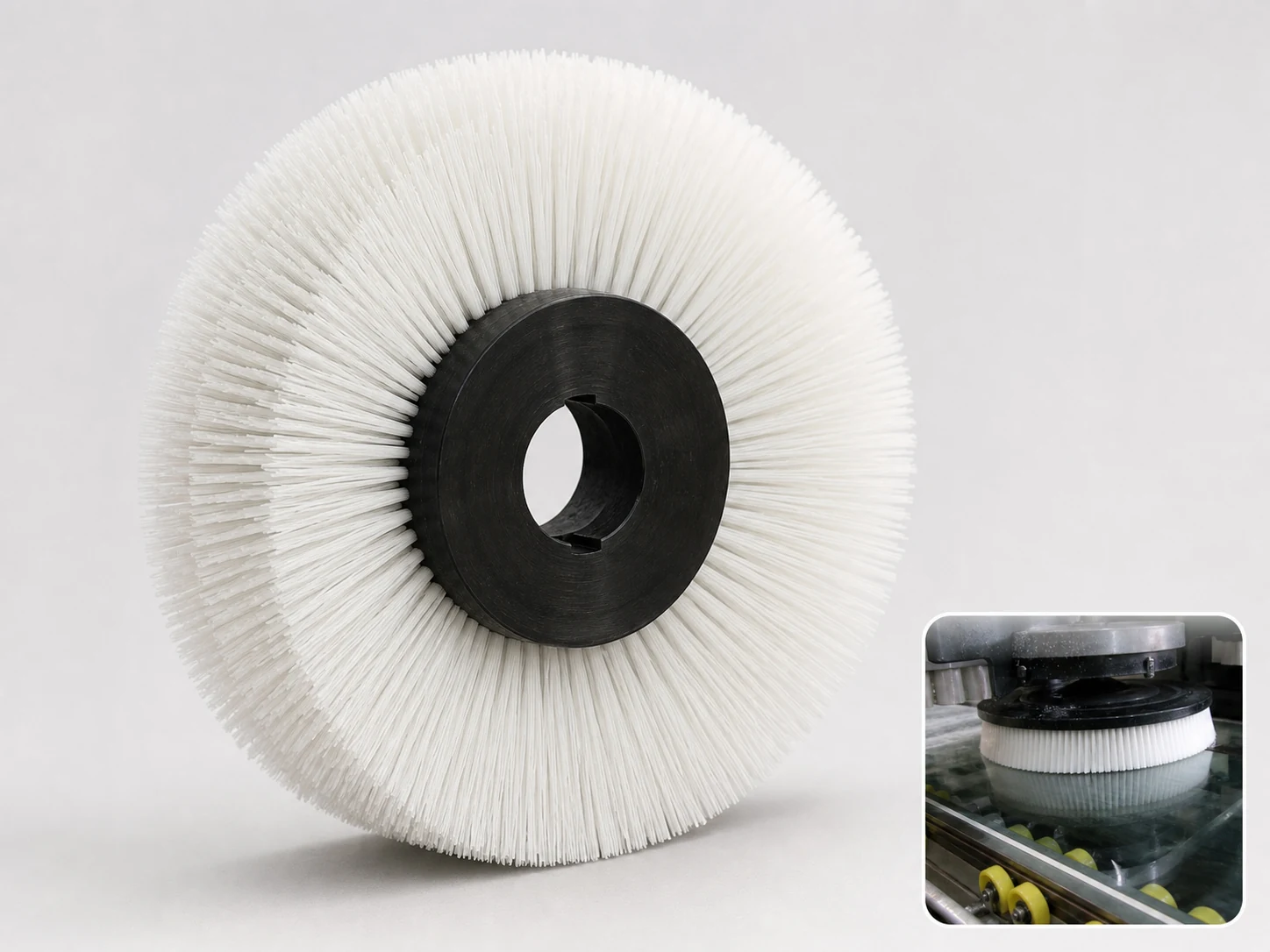
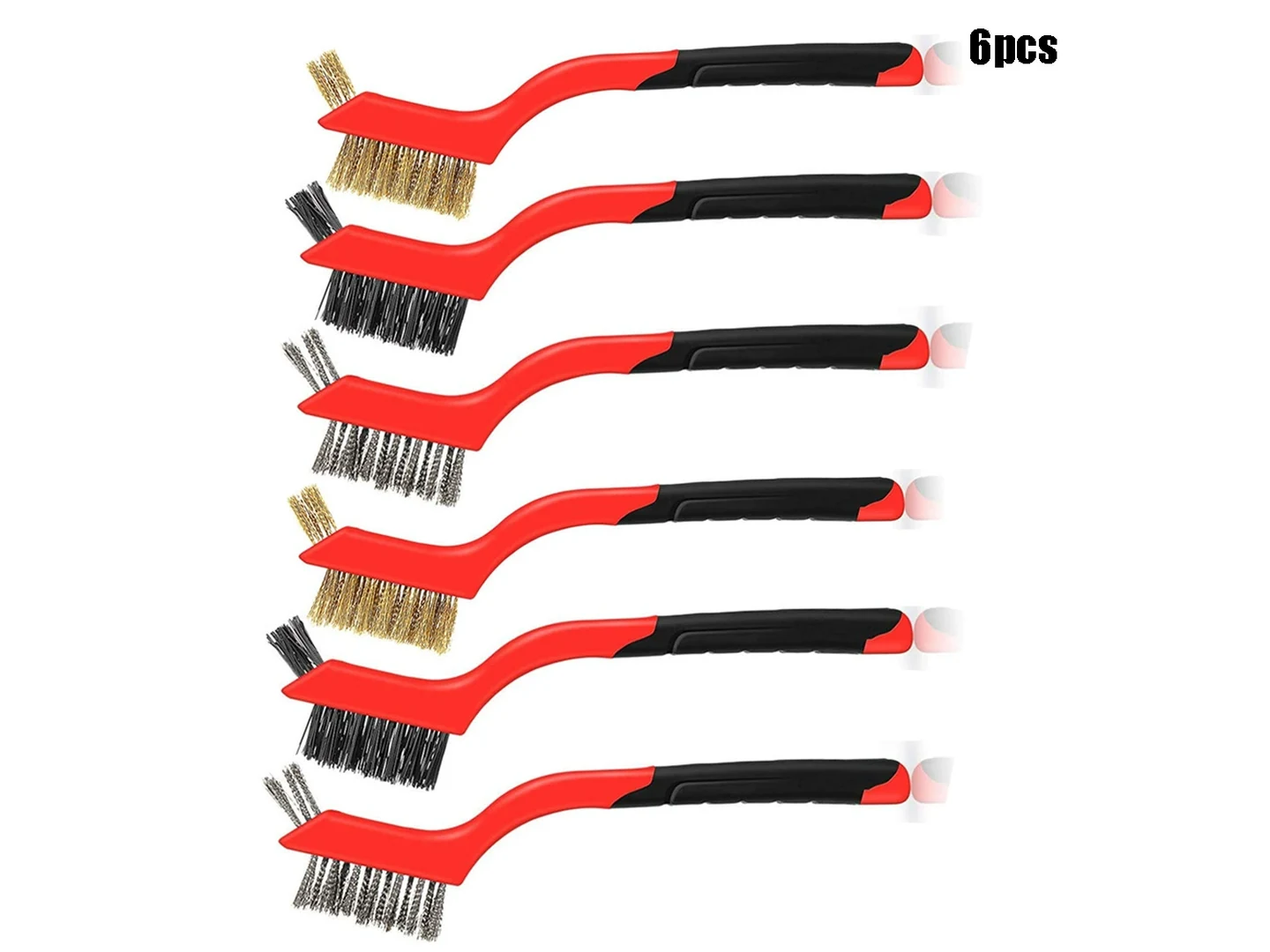
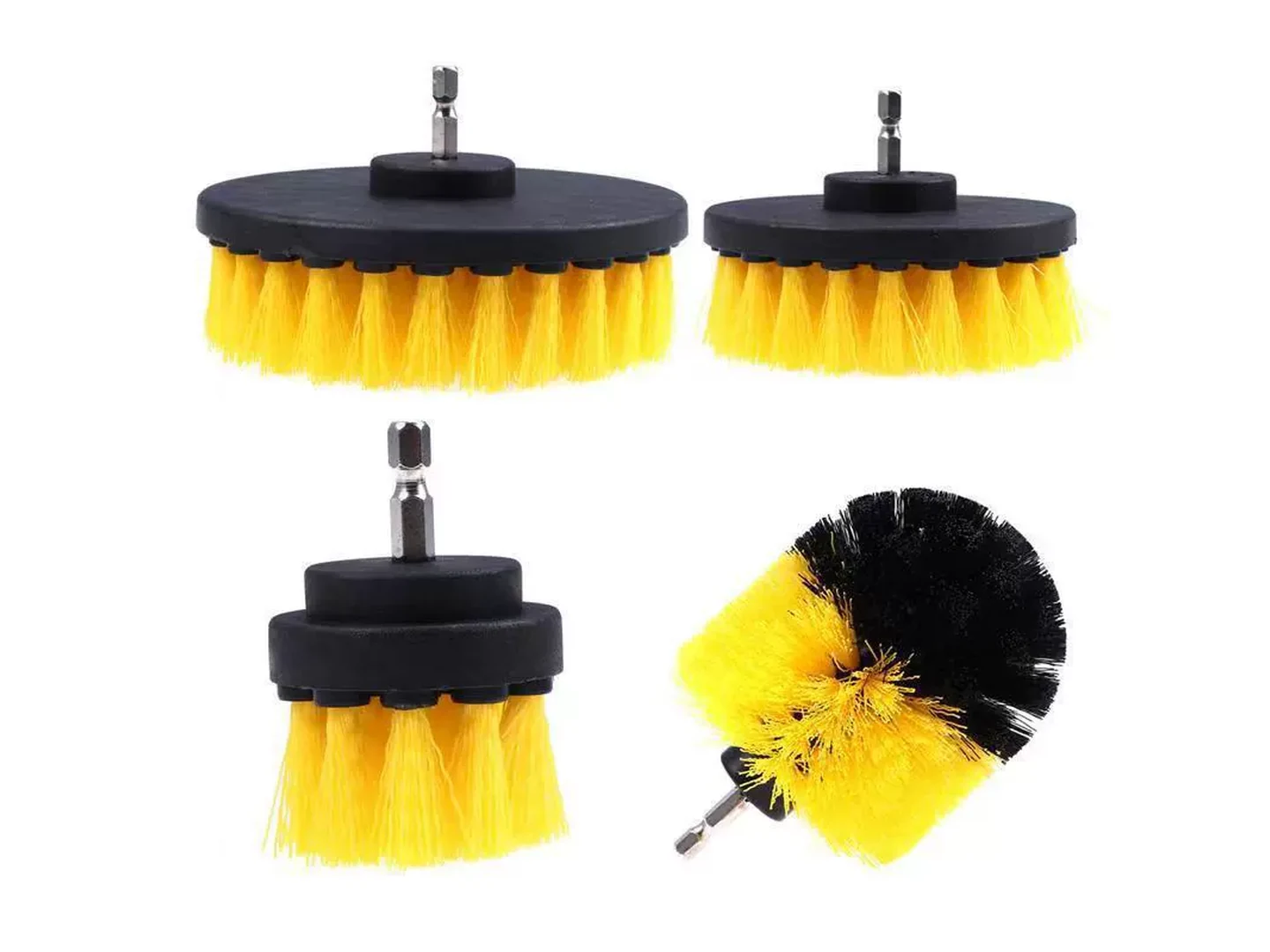
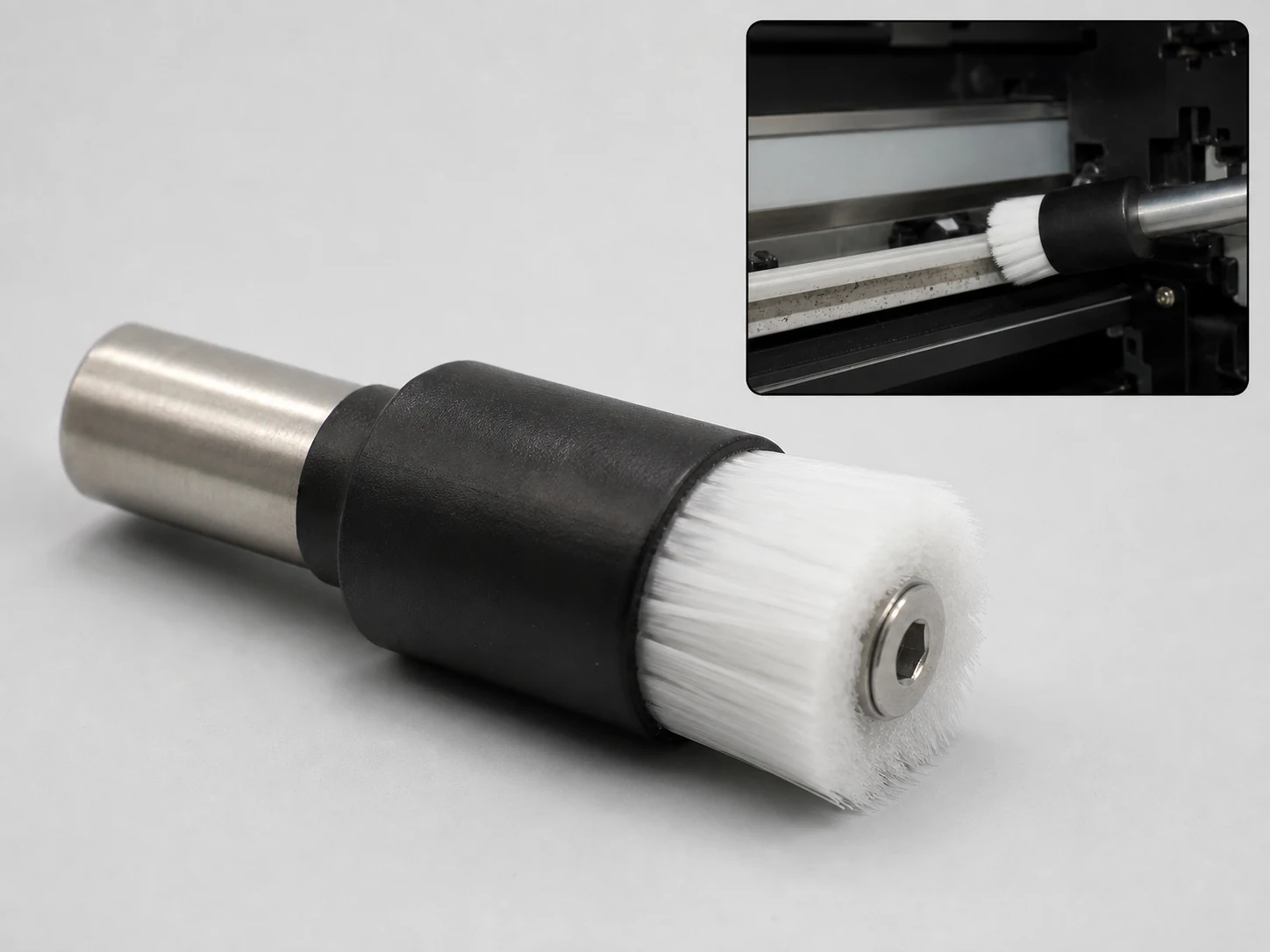
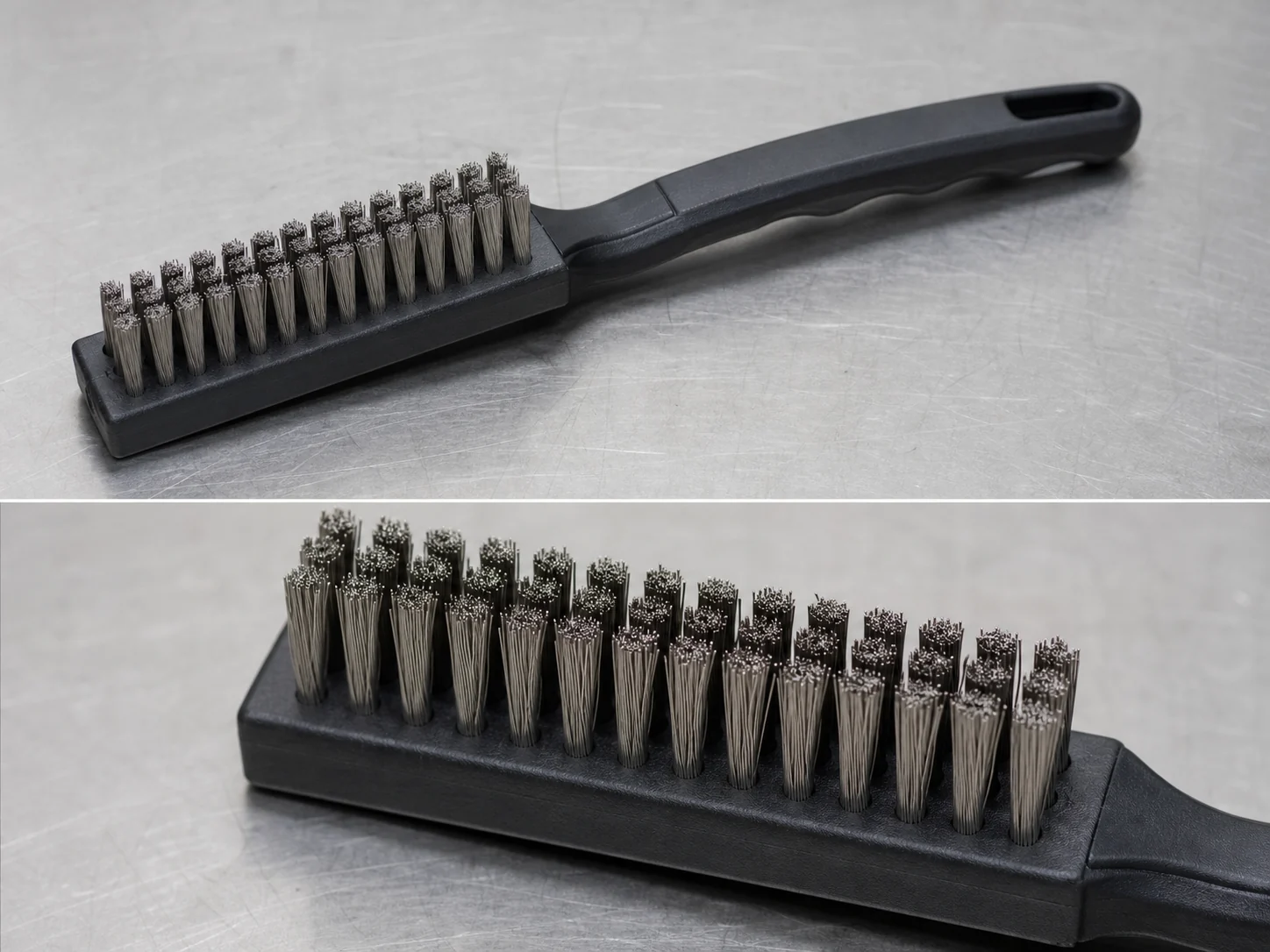
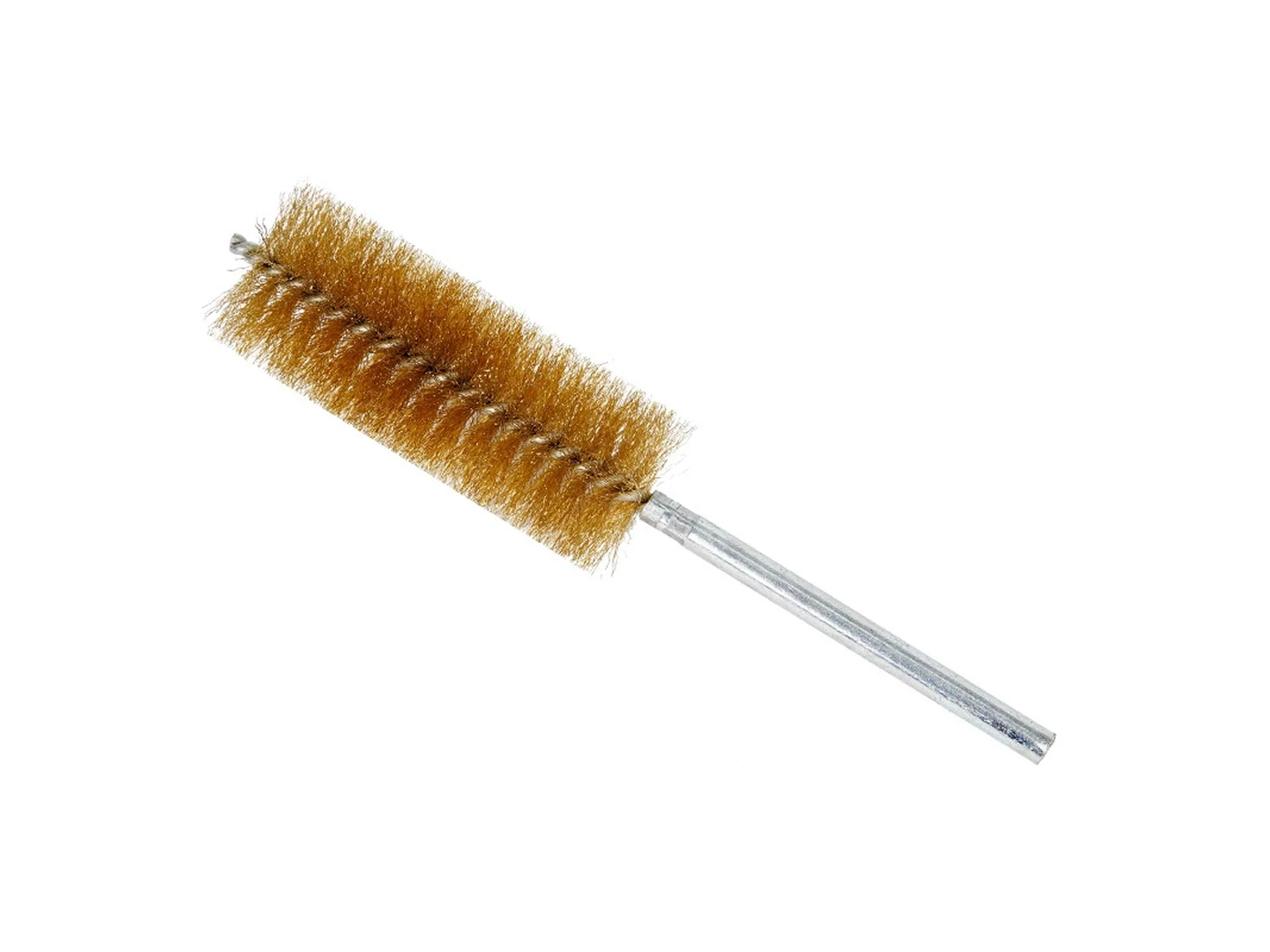
Choose from the desired result backward: what must be removed, what surface must remain, how much edge rounding is acceptable and whether the brush is hand-driven or machine-driven.
Steel, stainless, aluminum, glass, ceramic and coated surfaces tolerate very different filament and abrasive choices.
Light oxide, welding discoloration, burrs, scale and polishing marks require different levels of cutting action.
A brush for aggressive rust removal should not be selected the same way as one used for cosmetic blending or a controlled glass edge.
Driven cup, wheel and roller brushes need appropriate speed, balance and trim geometry; hand brushes prioritize local control and access.
These products overlap in shape but not in outcome. A knotted wire cup is meant to cut aggressively, while a horsehair or tampico roller is used where gentler polishing or cleaning is needed. The category is organized around the finish you are trying to create.
Diameter, face width, trim length, filament or abrasive type, wire form, density, mounting and working speed can be adjusted. The substrate, starting condition and required finish should be specified together.
Tell us the substrate, what must be removed, acceptable finish, tool or machine, speed if driven, and working dimensions. That prevents selecting a brush that is either too mild or too aggressive.
Choose your brush type, cleaning task, material direction, and key details before sending a custom brush request.