
Custom Cleaning Brush
Carpet Cleaning Brush
Rotary carpet cleaning brush for carpet shampoo and scrub machines. Nylon filament lifts embedded soil, distributes cleaning solution, and grooms pile.
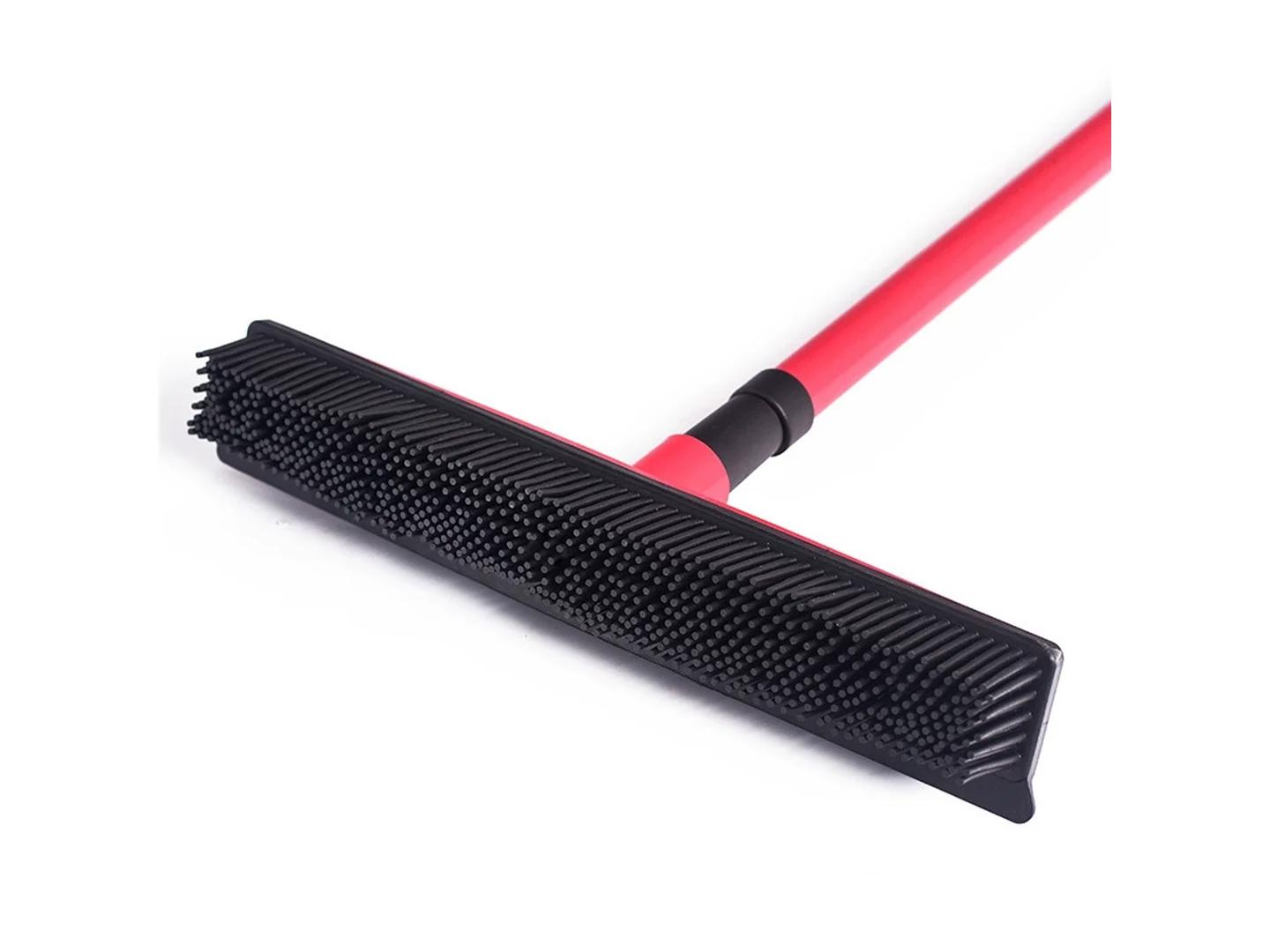
Large-format brush
100 pcs
Minimum order
Built one at a time on a core or channel: full-width rollers, sweeper brooms and long strip.
Production lead time, once the specification is confirmed
- Up to 100 pcsWithin 20 days
- 101–1,000 pcsWithin 30 days
- Over 1,000 pcsConfirmed with your quotation
Peak season can extend these times; the shipping date is confirmed in writing with your quotation. Sampling and shipping are quoted separately.
A rotary carpet cleaning brush for low-speed floor machines used in carpet shampooing, pre-spray agitation, and encapsulation cleaning. Nylon filament construction scrubs embedded soil out of carpet pile while distributing cleaning solution evenly for faster drying and a groomed finish.
What can this brush do for you?
Lifts embedded soil, hair, and lint out of the pile
The nylon filaments penetrate between carpet fibers and mechanically agitate the pile, dislodging dirt, pet hair, lint, and other debris that vacuuming leaves behind. This is the brush you run after pre-spray and before extraction, when soil is loosened but still trapped at the base of the fibers.
Works shampoo and pre-spray into the carpet without overwetting
Rotating filaments push the cleaning solution through the pile and into the backing, then lift it back toward the surface. Even distribution means the chemical has time to react on the fibers instead of pooling in one spot, which shortens drying time and reduces the risk of wick-back stains.
Grooms the pile for a professional, uniform finish
As the brush passes over the carpet, it stands the fibers upright and removes crushing or matting from foot traffic. The result is a cleaner-looking carpet even before it is fully dry, which matters when your customer is standing in the doorway waiting to walk on it.
Scrubs without shredding or fuzzing synthetic carpet
Nylon filament is stiff enough to break up soil bonds but resilient enough to spring back instead of tearing fibers. For low-pile commercial carpet and most residential synthetic carpet, this brush delivers aggressive cleaning action without the pile damage you get from wire or overly stiff abrasive brushes.
Holds up to wet, detergent-laden operation
Nylon absorbs very little moisture, resists common carpet detergents, and retains its stiffness after repeated wet-dry cycles. The tufts stay anchored in the block, so the brush keeps its cleaning performance through hundreds of cleaning jobs instead of going limp after the first few uses.
Direct drive/clutch fit for your floor machine
The brush block is molded or machined to match the clutch plate and drive lugs of your rotary floor machine. No adapters, no wobble, no burned-out drive blocks. You drop it in, lock it, and the machine drives the brush the way it was designed to.
What is a Carpet Cleaning Brush?
A Carpet Cleaning Brush is a rotary brush head that mounts under a low-speed floor machine and rotates against the carpet pile. It is the working contact point between the machine and the carpet during shampooing, bonnet cleaning, encapsulation cleaning, or pre-spray agitation. Unlike a vacuum brush roll, it does not rely on suction; it cleans by direct mechanical scrubbing.
The brush consists of a rigid block with densely tufted nylon filaments. The block attaches to the machine’s drive clutch and spins at 150–350 rpm. The operator guides the machine across the carpet, and the rotating filaments flex into the pile, scrubbing the fiber sides and the base of the tufts where soil hides. The same rotation also works liquid cleaning solution through the carpet and lifts the fibers back into an upright position.
This is a wet-capable cleaning tool. It is designed to run with water-based detergents, pre-sprays, and encapsulation solutions. It is not a dry vacuum brush and not a hard-floor scrub brush. If you need to clean tile, concrete, or wood, a different brush with stiffer or abrasive filament is required.
Two operating notes matter in practice. First, the brush diameter must match the machine deck; a brush that is too large will hit the shroud, and one that is too small leaves an uncleaned ring around the machine path. Second, the trim length and filament stiffness must be selected for the carpet pile height. A low-pile commercial carpet needs shorter, denser tufts; a high-pile residential carpet needs longer trim and softer filament so the brush does not mat the fibers.
Technical Specifications
The table below shows standard configuration ranges for our rotary carpet cleaning brushes. Every dimension, material, and drive parameter can be adjusted to your machine model and cleaning application.
| Parameter | Value / Options |
|---|---|
| Product form | Rotary brush head for low-speed carpet shampoo / scrub machines |
| Brush diameter | 13″, 15″, 17″, 19″, 20″ (330–508 mm), or custom to match machine deck |
| Drive / clutch | Standard 3-lug, 5-lug, or proprietary clutch plate matched to machine model |
| Block material | Polypropylene, ABS, or water-resistant composite block |
| Filament material | Nylon PA6 or PA6.6 (standard); PET or PBT available for softer contact |
| Filament diameter | 0.30–0.80 mm depending on pile height and soil load |
| Trim length | 12–25 mm exposed filament; longer trim for deep pile, shorter for low pile |
| Fill pattern | Full-face dense tufting, open rows, or perimeter ring for edge cleaning |
| Tuft retention | Stapled (dry/intermittent wet) or epoxied (prolonged wet/detergent use) |
| Recommended machine speed | 150–350 rpm |
| Chemical exposure | Compatible with water-based detergents and pre-sprays; verify for bleach or high-pH strippers |
| Temperatures | Up to 60°C (140°F) wash water and cleaning solution |
| Color | Natural, black, gray, or custom molded color |
| Brush type | Custom Floor Scrubber Sweeper Brushes |
| How it is driven | Supplied hand-guided or machine-mounted |
| Cleaning target | commercial carpet maintenance, pre-spray agitation, and encapsulation and bonnet cleaning system cleaning |
| Surface or part | floors, carpet pile, concrete, tile, traps, pads, guides, and wood |
| Residue or debris | fiber, hair, and leaves |
| Mounting / connection | Standard 3-lug, 5-lug, or proprietary clutch plate matched to machine model |
If you are replacing a worn brush, send us the machine make and model, the existing brush diameter, and a photo of the clutch plate. We will match the drive connection exactly.
Where does this brush work best?
Commercial carpet maintenance — hotels, offices, retail stores, schools, and healthcare facilities where rotary floor machines are used for scheduled carpet shampooing or encapsulation cleaning. The brush handles the daily soil load of high-traffic commercial carpet.
Pre-spray agitation before hot water extraction — when you apply a pre-spray and then run this brush over the carpet before extraction, you break up soil films and distribute the chemical so the extractor can pull out more residue.
Encapsulation and bonnet cleaning systems — the brush works the encapsulation chemistry into the fibers, where it crystallizes and traps soil for later vacuum removal. On low-pile commercial carpet, this is often the fastest low-moisture maintenance method.
Rental carpet cleaner machines — if you supply replacement brushes for rental carpet shampooers, this brush can be produced to the exact OEM specification for block diameter, clutch, and trim length.
High-traffic residential carpet — for homeowners using a rented or owned rotary carpet machine on synthetic carpet, this brush provides the agitation needed to remove ground-in dirt in entryways, hallways, and family rooms.
Pet hair and fiber removal before vacuuming — a quick pass with the brush lifts embedded pet hair and carpet fibers to the surface, so the vacuum removes them instead of leaving them buried at the base of the pile.
How do I choose the right one?
Start with the machine drive and deck size
Measure the diameter of the brush your machine is designed to accept and identify the clutch plate type. The brush block must fit the drive lugs without modification. If you are switching from another brush brand, do not assume the clutch is standard — send us the machine model and we will verify.
Match filament stiffness to the carpet fiber and soil load
Nylon filament is the default choice for most synthetic carpet. For delicate wool, berber, or loop-pile carpet, switch to PET or PBT filament with a smaller filament diameter. The brush should scrub without causing fuzzing, loop pulls, or pile distortion. If you are unsure, test the brush in an inconspicuous area first.
Select trim length for the pile height
Low-pile commercial carpet needs a shorter trim (12–16 mm) and dense tufting so the filaments reach the backing without matting. High-pile or shag carpet needs a longer trim (20–25 mm) and more open spacing so the brush flexes through the pile instead of dragging it flat.
Decide between stapled and epoxied tufts
Stapled tufts are fine for dry or lightly damp operation. If the brush will run continuously wet with detergents, choose epoxied tufts. The epoxy locks the filaments in place and prevents water wicking into the block, which extends brush life and prevents tuft loss.
When to use a different brush or method
Do not use this carpet brush on hard floors. It is not a concrete or tile scrub brush, and the nylon filaments will not clean those surfaces. For heavy gum, paint, or adhesive removal from carpet, use a stiffer scrub brush with abrasive-impregnated filament or a specialized spot tool. For very delicate or antique carpet, bonnet cleaning with a cotton or microfiber pad is safer than rotary bristle agitation. And if the carpet requires dry-only maintenance, confirm that your chemical system is compatible with rotary brushing before use.
Can I customize this brush?
Every carpet cleaning brush we produce is built to the machine and the carpet it will clean. To define your custom configuration, we will need the machine make and model, clutch type, desired brush diameter, carpet pile height and fiber type, cleaning method (shampoo, encapsulation, pre-spray), and the detergents you use. A drawing or photo of the existing brush helps us match the drive exactly.
We can adjust:
- Block and drive — diameter, thickness, clutch plate, lug count, and drive opening to match any floor machine
- Filament material — nylon PA6 or PA6.6, PET, PBT, or abrasive-impregnated nylon for extra scrubbing power
- Trim length and filament diameter — matched to carpet pile height and soil type
- Fill pattern — full-face, open rows, ring-only, or custom tufting pattern for edge cleaning or solution distribution
- Tuft retention — stapled for dry/intermittent wet, epoxied for continuous wet operation
- Color and branding — custom molded block color, pad printing, or laser marking for identification
- Packaging — bulk cartons, individual retail boxes, or private-label packaging
If your project requires documentation, material declarations, inspection reports, or third-party testing, we can assist with those requirements during the customization process.
When is a carpet cleaning brush worn out rather than just dirty?
How do I verify that this brush will fit my carpet machine?
Check the machine manufacturer’s specified brush diameter and clutch type. Then compare those two measurements with the brush you are replacing. If you do not have the original brush, send us the machine model and a photo of the drive plate, and we will confirm the correct block and clutch configuration.
Can I run this brush dry on carpet without any cleaning solution?
Yes, but dry brushing is mainly for grooming or lifting surface debris. It will not remove embedded soil. The brush is designed to work with a pre-spray, shampoo, or encapsulation solution. Dry operation also generates more heat and can cause static; for regular maintenance, use the brush with the appropriate chemical.
How can I tell when the brush needs to be replaced?
Measure the trim length. When the exposed filament is worn down to about 50% of its original length, the brush no longer reaches the base of the pile and cleaning performance drops. Also replace the brush if filaments are bent flat, matted, or missing in large patches, or if the block is cracked or the clutch lugs are worn.
Will this brush damage wool or loop-pile carpet?
It can, if the filament is too stiff or the trim is too short. For wool, berber, or other delicate carpet, request PET or PBT filament with a smaller diameter and a longer trim. Always test the brush in a hidden area before cleaning the entire carpet. If you see fuzzing, loop pulls, or pile distortion, switch to a softer configuration or a bonnet pad.
Can I use this brush with a hot water extraction machine?
Yes, but as a pre-agitation step. Run the brush over the carpet after pre-spray and before extraction. Do not use the brush itself as the extraction tool; the extractor needs a separate vacuum and rinse pass. The brush’s job is to work the chemical into the pile so the extractor can remove more soil.
How do I clean and store the brush after use?
Rinse the brush with clean water to remove detergent residue, remove any hair or fibers wrapped around the tufts, and shake out excess water. Store the brush with the filaments facing up so they do not take a permanent set. Do not leave the brush submerged in chemical solution, and do not store it in direct sunlight for extended periods, as UV can degrade nylon over time.
Guides that go deeper on this
RELATED BRUSH RESOURCES
Recommended Reading & Related Brush Resources
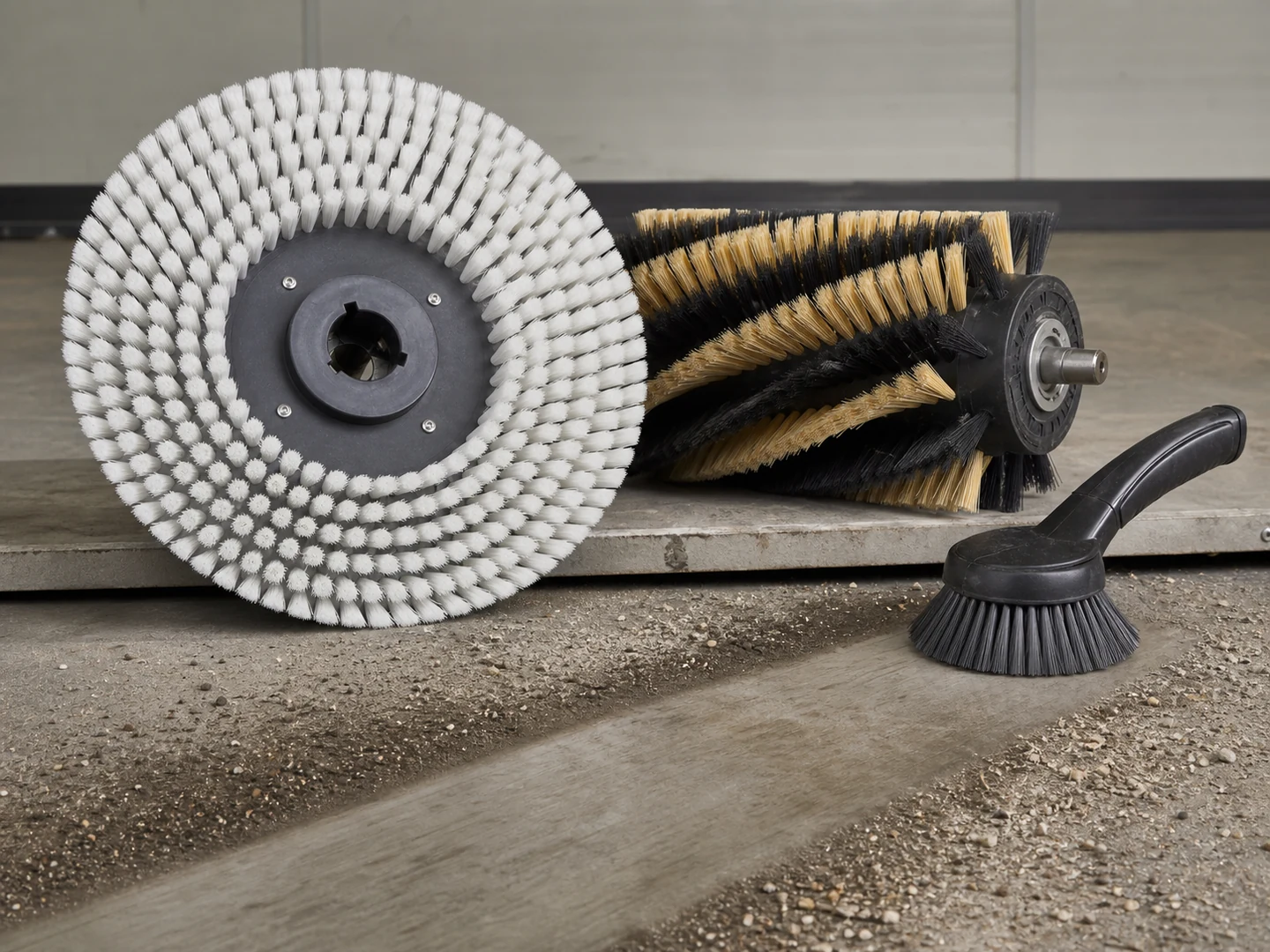
Custom Floor Scrubber Sweeper Brushes
Choose this brush type when a floor machine needs a disc, roller, main broom,…
See how this type is built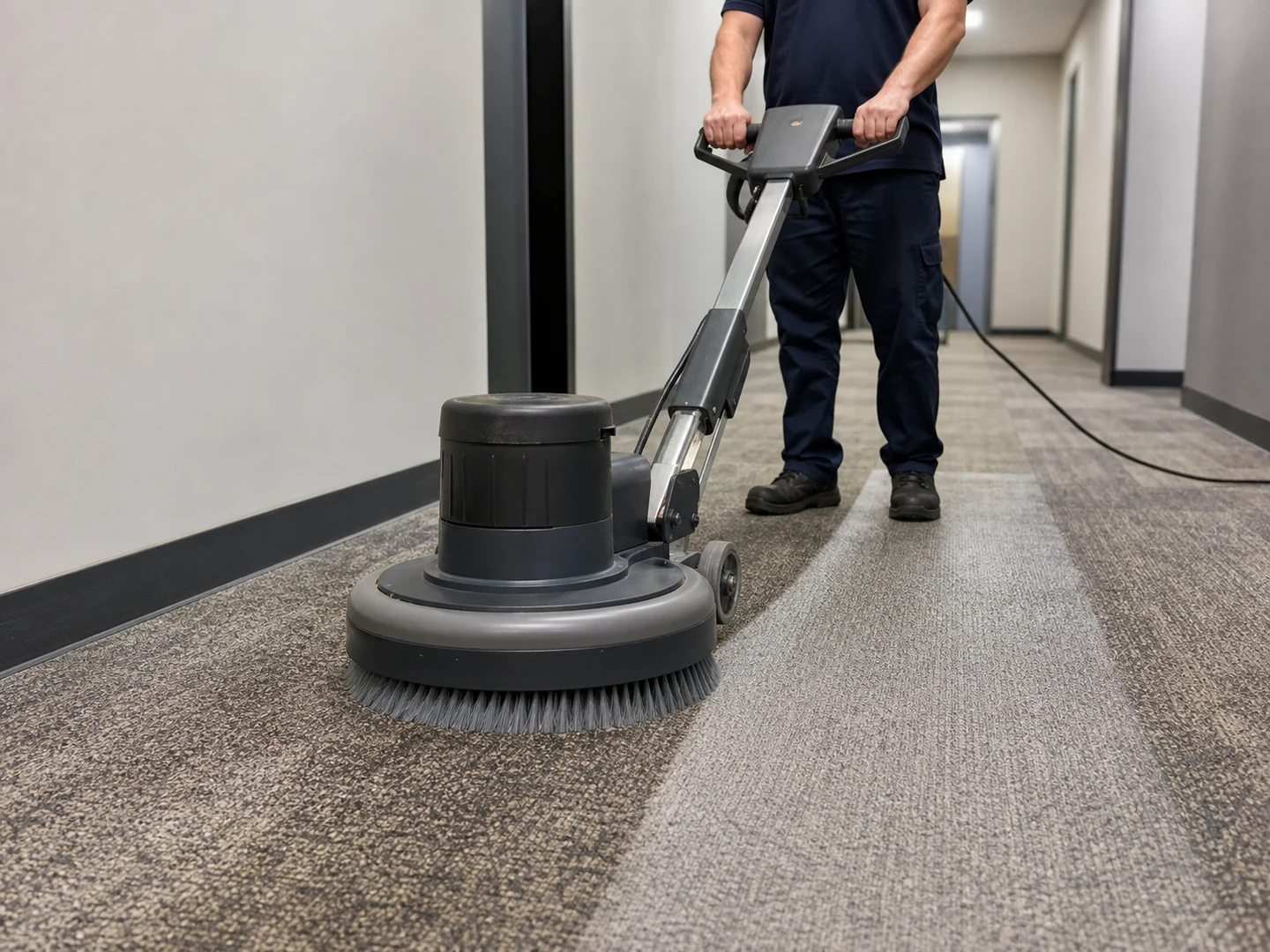
Carpet Machine Cleaning
For Carpet Machine Cleaning, the brush must reach the working area, disturb or collect…
See the cleaning job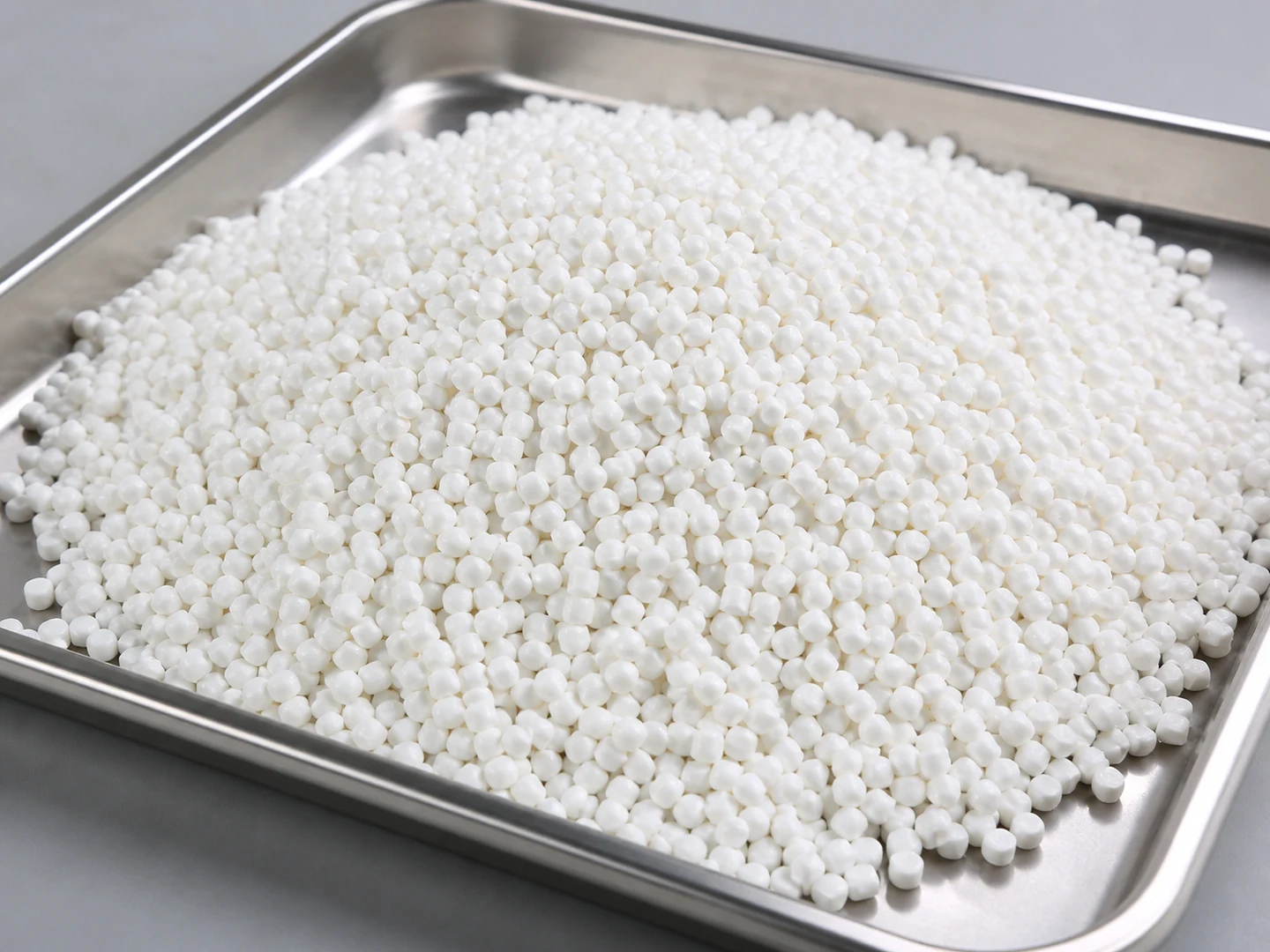
PBT
Choose PBT based on its stiffness, recovery, wear, wet-service, chemical, and temperature behavior. Do…
Compare this material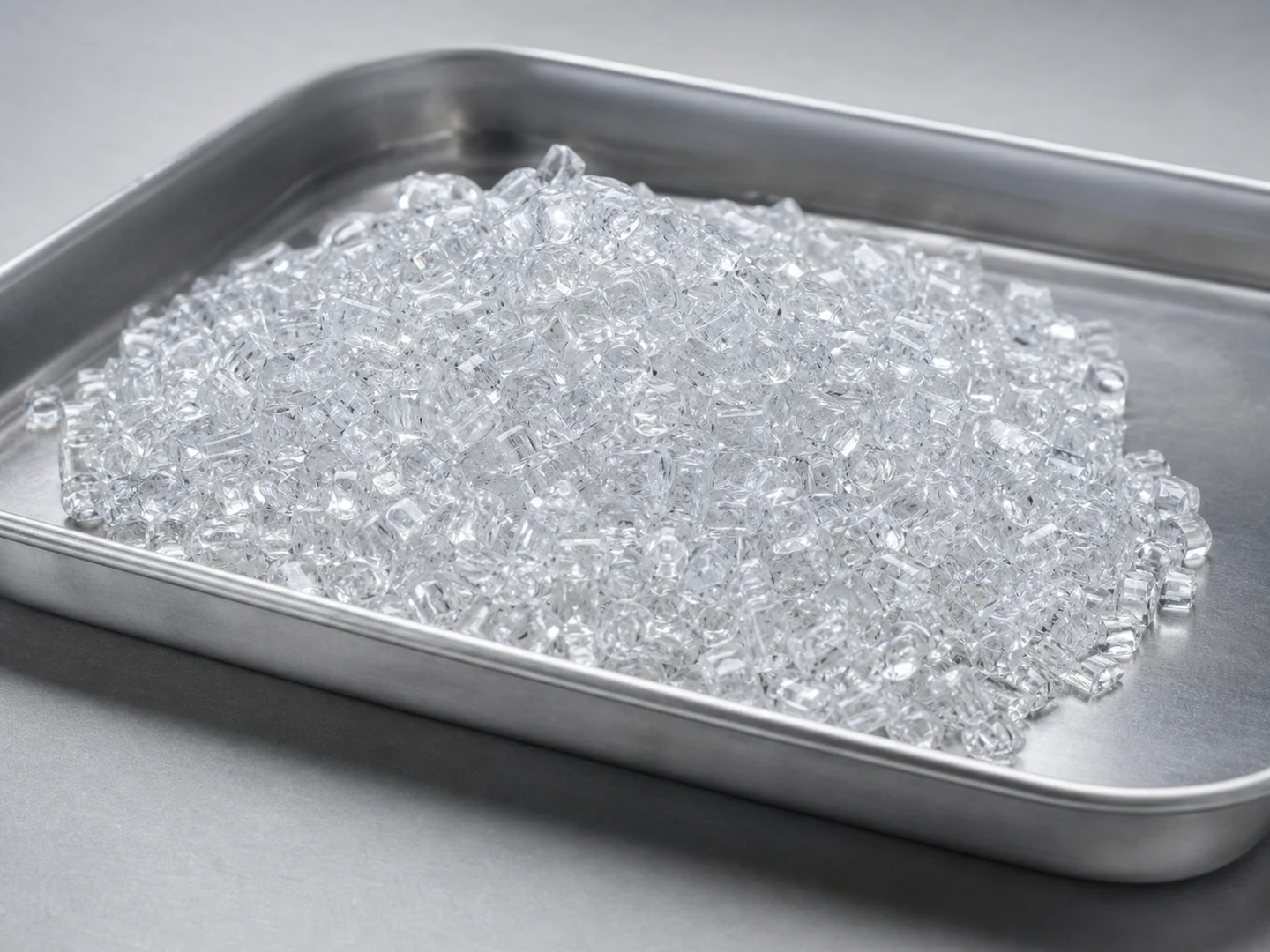
PET Polyester
Choose PET Polyester based on its stiffness, recovery, wear, wet-service, chemical, and temperature behavior.
Compare this materialCustom Manufacturing RFQ
Describe Your Application
Please share the brush dimensions, working area, residue type, material direction, quantity, and a drawing or photo for quotation.
Drawing or photo optional — it speeds things up, it does not gate the enquiry.
Custom Brush RFQ
Send Your Brush Project
Upload a drawing, product photo, or sample photo and provide the core dimensions and cleaning conditions.
“We need a brush to remove wet residue from a stainless steel conveyor, about 800mm wide. The current brush wears quickly. We can send photos.”
“We sell drinkware and need a cleaning brush to include with the product. Quantity around 5,000 pieces.”