
Application
Bakery Tray Cleaning
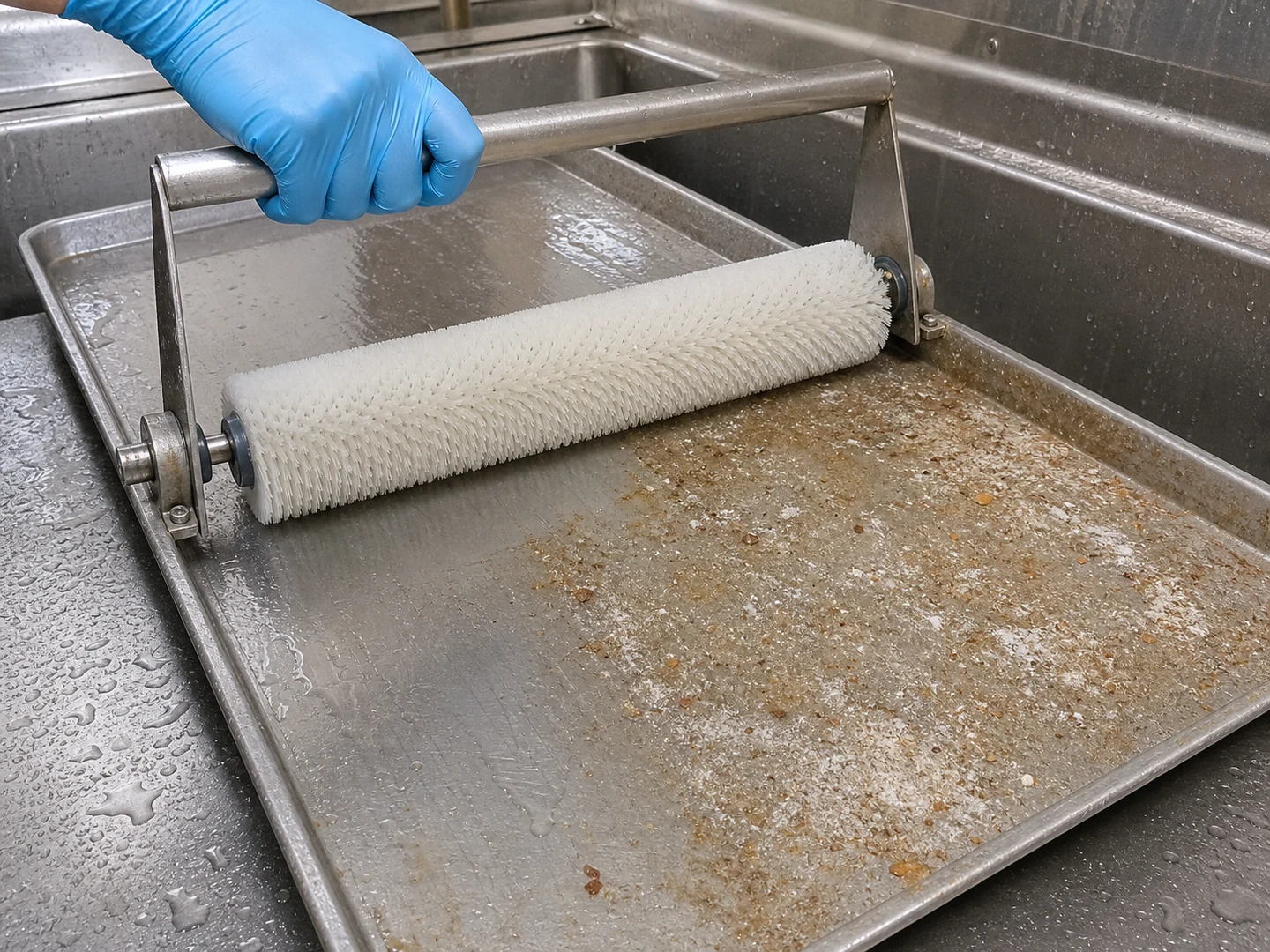
For Bakery Tray Cleaning, the brush must reach the working area, disturb or collect carbonized grease/dough residue/syrup/carbonized residue, and release it without creating unacceptable surface damage or process interference. The right structure is set by how the brush reaches the area, how it moves, and how the cleaning is performed.
At a glance
- Cleaning target
- Carbonized Grease/Dough Residue/Syrup/Carbonized Residue
- Working environment
- Wet Indoor Area / Food Processing Area
- Cleaning method
- Wet Brushing / Soaking / Steam Cleaning
- Requirements to check
- FDA 21 CFR Food-Contact Requirements; EU 10/2011; HACCP Color Coding
Baking trays fail on carbonized grease, and the tray’s own coating decides how hard you may work on it — abrasive fill belongs only on bare, robust trays.
What makes Bakery Tray Cleaning different from other food and beverage cleaning?
The main difficulty is removing crumbs, flour, fat, protein, syrup, dough, and product film from food equipment, belts, trays, tanks, containers, and process parts without damaging the surface, loading the brush, or carrying contamination back into the process.
The work happens in wet indoor area and food processing area against carbonized grease, dough residue, syrup and carbonized residue.
The part people get wrong: the residue tells you the filament, but the access opening tells you the construction. Get them in that order and the shortlist is short.
What are the most common cleaning targets in Bakery Tray Cleaning?
5 targets, each with its own opening, residue and contact requirement.
| Part or area | Residue type | Cleaning requirement |
|---|---|---|
| Flat Baking Tray | Carbonized Grease, Dough Residue, Syrup, Carbonized Residue | The face must stay flat against the surface so the whole working width contacts, with filament soft enough not to mark it. |
| Perforated Tray | ||
| Wire Rack | The brush must reach between bars or slots and clean both faces of each member. | |
| Baguette and Molded Tray | The face must stay flat against the surface so the whole working width contacts, with filament soft enough not to mark it. | |
| Carbonized Grease Removal | Carbonized Grease, Dough Residue, Syrup, Carbonized Sugar | The head must reach the working face and apply even contact without marking the surface. |
What the equipment leaves you to work inside:
| Parameter | Typical range |
|---|---|
| Head width | 50–300 mm |
| Trim length | 20–60 mm |
| Overall length | 200–600 mm |
| Filament diameter | 0.25–0.80 mm |
| Working width / head size | 20–2,000 mm |
| Wash temperature | 20–85°C |
Which brush types work for each cleaning target?
Hand tray brush, wide roller, rotating disc or machine-mounted tray-cleaning roller.
| Cleaning target | Recommended brush type | Why it fits |
|---|---|---|
| Flat Baking Tray | Handheld Detail Brushes | A flat tray is uninterrupted, so the whole head face stays down and shears the carbonized film off in strokes instead of picking at it. |
| Perforated Tray | A perforated tray has to be cleared without driving dough into the holes, so the head is worked across the perforation pattern and the debris lifted off the top face. | |
| Wire Rack | A rack is round wire with no flat side, so a narrow head follows each bar and reaches the underside that a flat pad never touches. | |
| Baguette and Molded Tray | A molded tray is a row of troughs, so the head has to be narrow enough to sit into the trough radius and still keep its face on the surface. | |
| Carbonized Grease Removal | Carbonized grease is bonded rather than loose, so this is a pressure job and a hand-guided head lets the operator load one small area at a time until the film releases. |
How the brush is usually carried on the machine:
- Driven brush — use when crumbs, flour, fat, protein, syrup, dough, and product film needs repeatable scrubbing or controlled relative movement
- Passive or free-running brush — use for loose contamination and lower process complexity on food equipment, belts, trays, tanks, containers, and process parts
- Localized hand, strip, or tube brush — use where only an edge, gap, port, or maintenance point needs contact
In practical brush terms: match the construction to the access before anything else. A geometry that cannot reach the target will not be rescued by a better filament.
What filament materials work best for Bakery Tray Cleaning?
PBT, nylon or polypropylene for general washing; abrasive filament only for uncoated robust trays; documented materials where food contact is possible.
| If the condition is… | Filament to start with | Why |
|---|---|---|
| Sensitive or coated surface | PBT | stable wet stiffness and low moisture uptake |
| Wet, washdown, or detergent service | Polypropylene PP | acid, alkali, water, and detergent resistance |
| Bonded residue or aggressive cleaning | PA612 Nylon | low water absorption and strong bend recovery |
What the duty rules out before you start comparing grades:
| Constraint | Value for this application |
|---|---|
| Filament hardness | Medium–Hard |
| Maximum service temperature | 140°C |
| Chemical exposure | Neutral Detergent pH 6–8; Alkaline Degreaser pH 9–13; Hot Water/Steam Cleaning |
| Cleaning method | Wet Brushing, Soaking, Steam Cleaning |
How do I choose the right brush for my bakery tray equipment?
Tray coating caps the fill before anything else. The perforation or wire pattern then decides between a hand brush, a roller and a disc.
Work through it in this order:
- Identify the target part and measure the access opening or clearance
- Describe the residue: what it is, how thick it sits, and how strongly it holds
- Choose the construction that can physically reach that target
- Set the filament from surface risk, working temperature and cleaning chemistry
- Fix filament diameter, free trim length and density for the contact pressure you need
- Run one cycle and check the result before committing to a production quantity
Before you commit to a quantity, send the tray dimensions, the perforation or wire pattern, and say whether the tray is coated or bare.
When is a bakery tray brush the wrong tool?
A tray washer running hot caustic strips carbonized grease that no hand brush shifts, and a burn-off oven handles the worst of it. Once a tray’s release coating has failed it is re-coated or scrapped, because brushing only accelerates the loss.
What common mistakes should I avoid in Bakery Tray Cleaning?
- Leaving out whether the tray is coated or bare, which decides whether abrasive fill is permitted at all
- Changing brush material while leaving excessive engagement, poor alignment, or no discharge path unchanged
- Copying a worn brush without recording motion, direction, mounting, and the original working diameter
If the brush is already in service and the result is wrong, work from the symptom:
| Symptom | What to change |
|---|---|
| Residue remains | Increase relative motion or discharge, then change filament diameter or density; do not add pressure before checking loading by crumbs, flour, fat, protein, syrup, dough, and product film. |
| Surface marks or scratches | Reduce engagement, use finer or softer fill, and remove trapped abrasive particles from contact with food equipment, belts, trays, tanks, containers, and process parts. |
| Rapid wear or uneven cleaning | Check alignment, runout, support, motion, temperature, chemical attack, and whether the brush covers the complete working path. |
| Brush loads or redeposits residue | Open the fill pattern or add wash, vacuum, air, scraping, or a collection path so removed crumbs, flour, fat, protein, syrup, dough, and product film leaves the contact zone. |
Questions this page is asked
How should a brush process be trialed on baked-on tray residue?
Use a representative soiled tray and control pre-soak, approved cleaner, temperature, dwell, brush angle, force and stroke count for corners, perforations and the open surface. After rinsing and drying, compare soil removal with gloss, coating integrity, scratching and metal exposure before releasing the method.
What physical-contaminant checks should close bakery-tray brushing?
Inspect perforations, folds and corners for detached filament, exposed wire, loose coating and metal particles, and compare the brush before and after the batch. Account for missing brush material and remove the tool from service when its fill, core or joint cannot be inspected or restored to a clean condition.
Guides that go deeper on this
Bakery Tray and Mold Brushes: Residue and Material Choice
Read this guideGuideBakery Tray Brush: Specs for Ingredient-Contact Areas
Read this guideGuideBakery Tray Cleaning Brush: What Decides Fill, Form and Mounting?
Read this guideGuideWhen to Use a Bakery Tray Brush in Wet Food Zones
Read this guideGuideWhich Bakery Tray Cleaning Brush Meets Conveyor Sanitation?
Read this guideContinue Exploring
Recommended Reading & Related Brush Resources
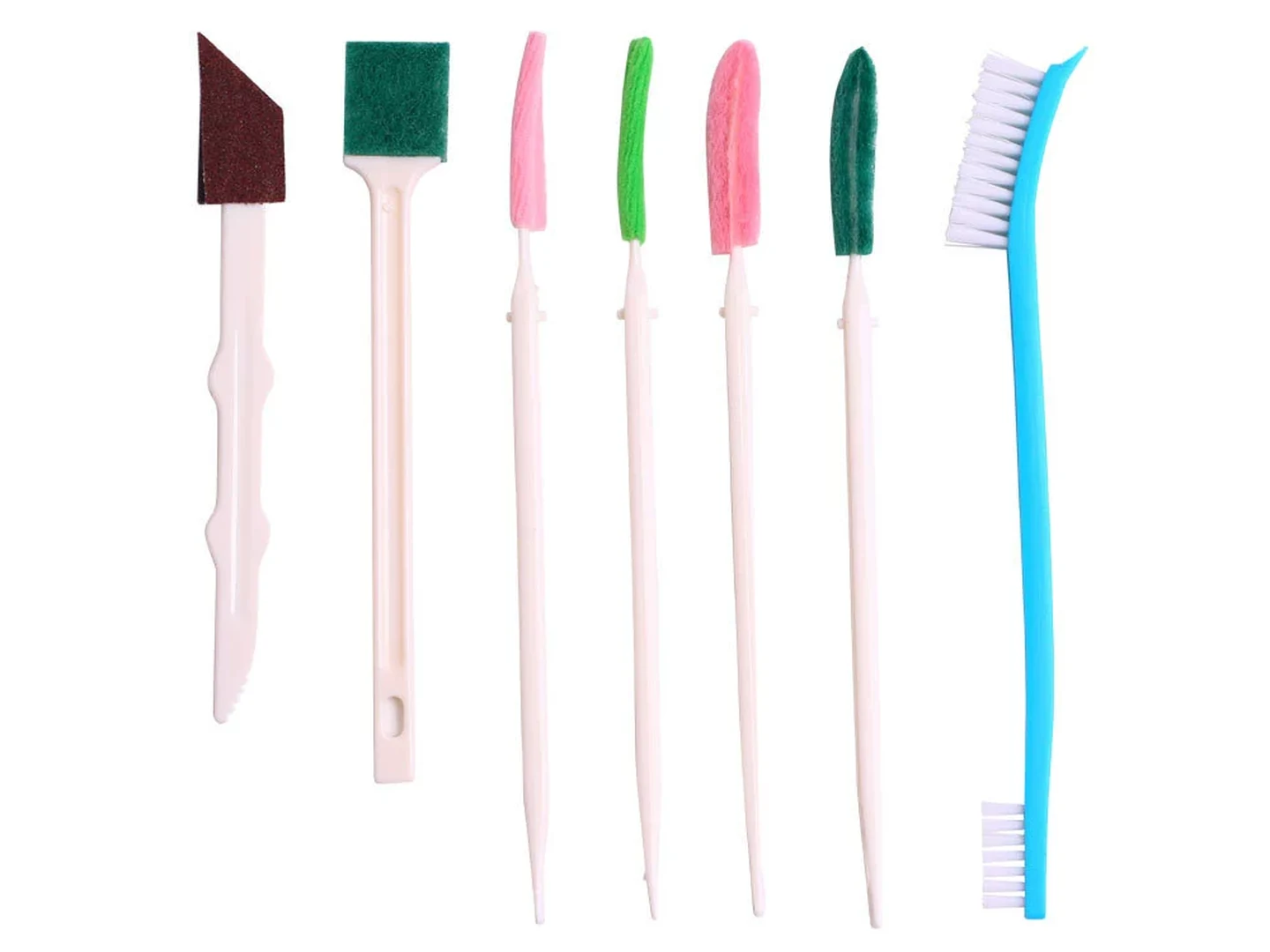
Bakery Mold Cleaning Brush
Food-grade bakery mold cleaning brush with PBT or nylon filaments for mold cavities, perforated…
See the specification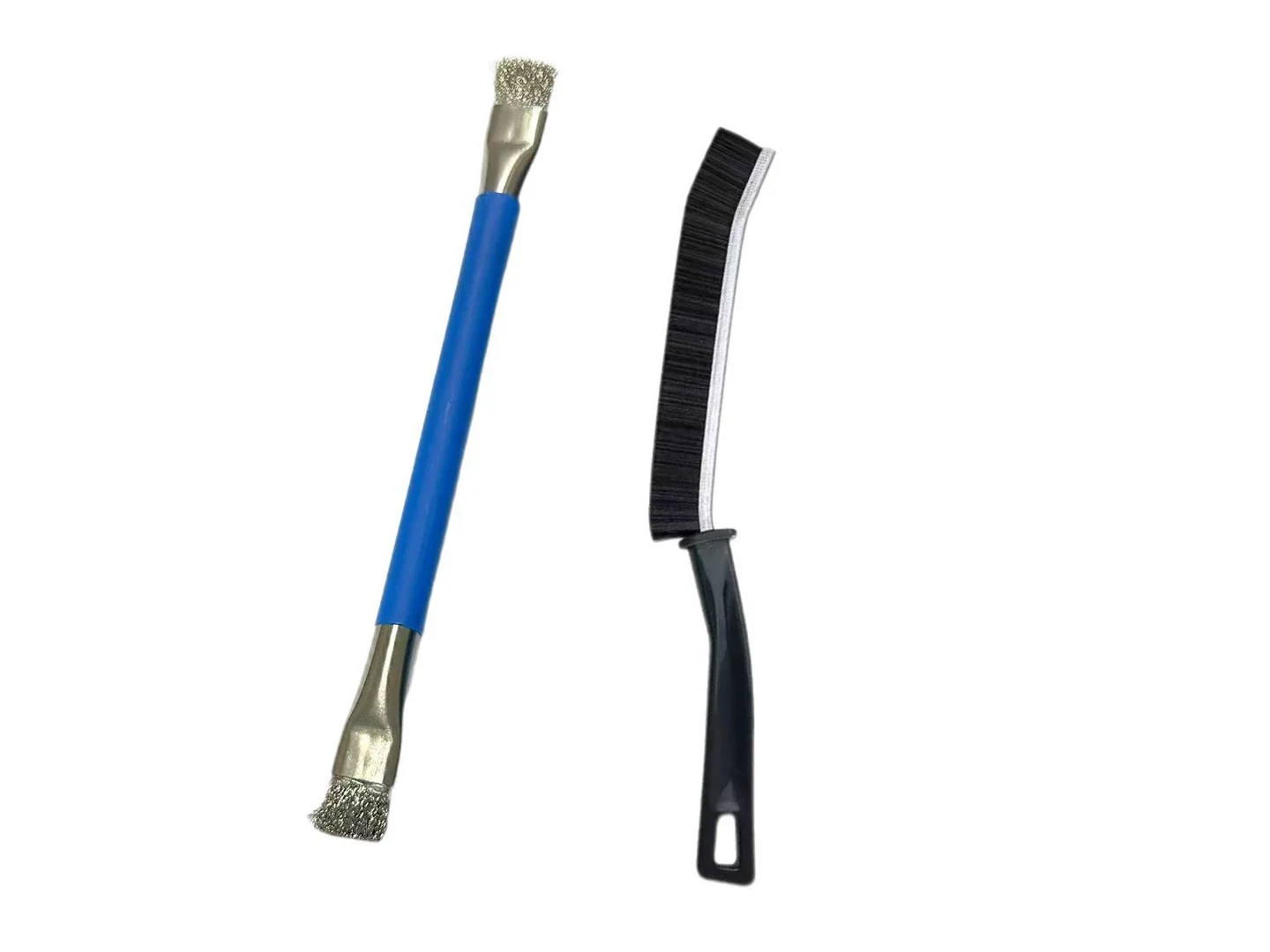
Baking Tray Cleaning Brush
Custom baking tray cleaning brushes for bakeries and food processing. PBT or PP filaments,…
See the specification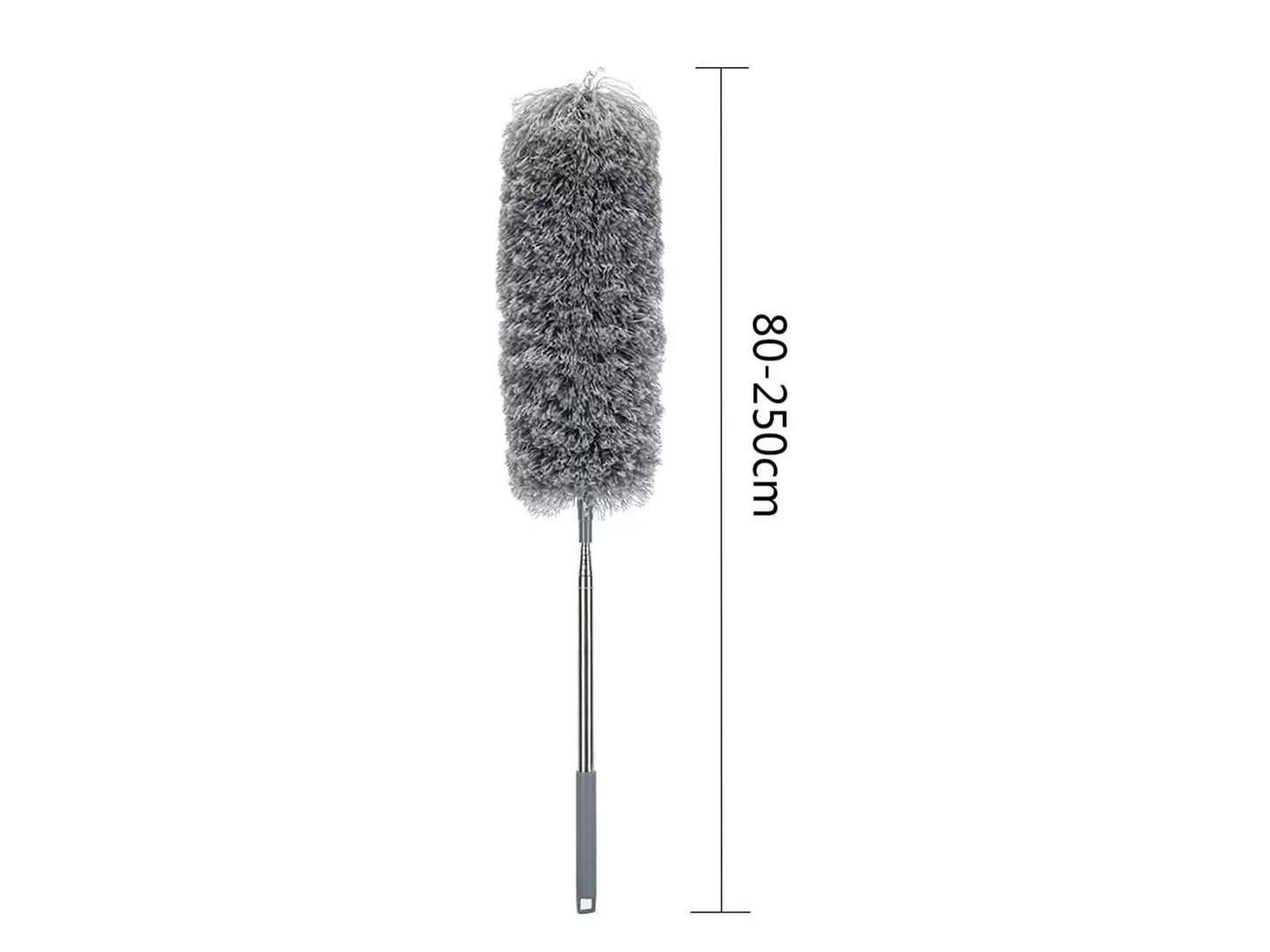
Flour Dust Removal Brush
Soft horsehair and nylon PA flour dust removal brushes for bakery lines, conveyors, hoppers,…
See the specification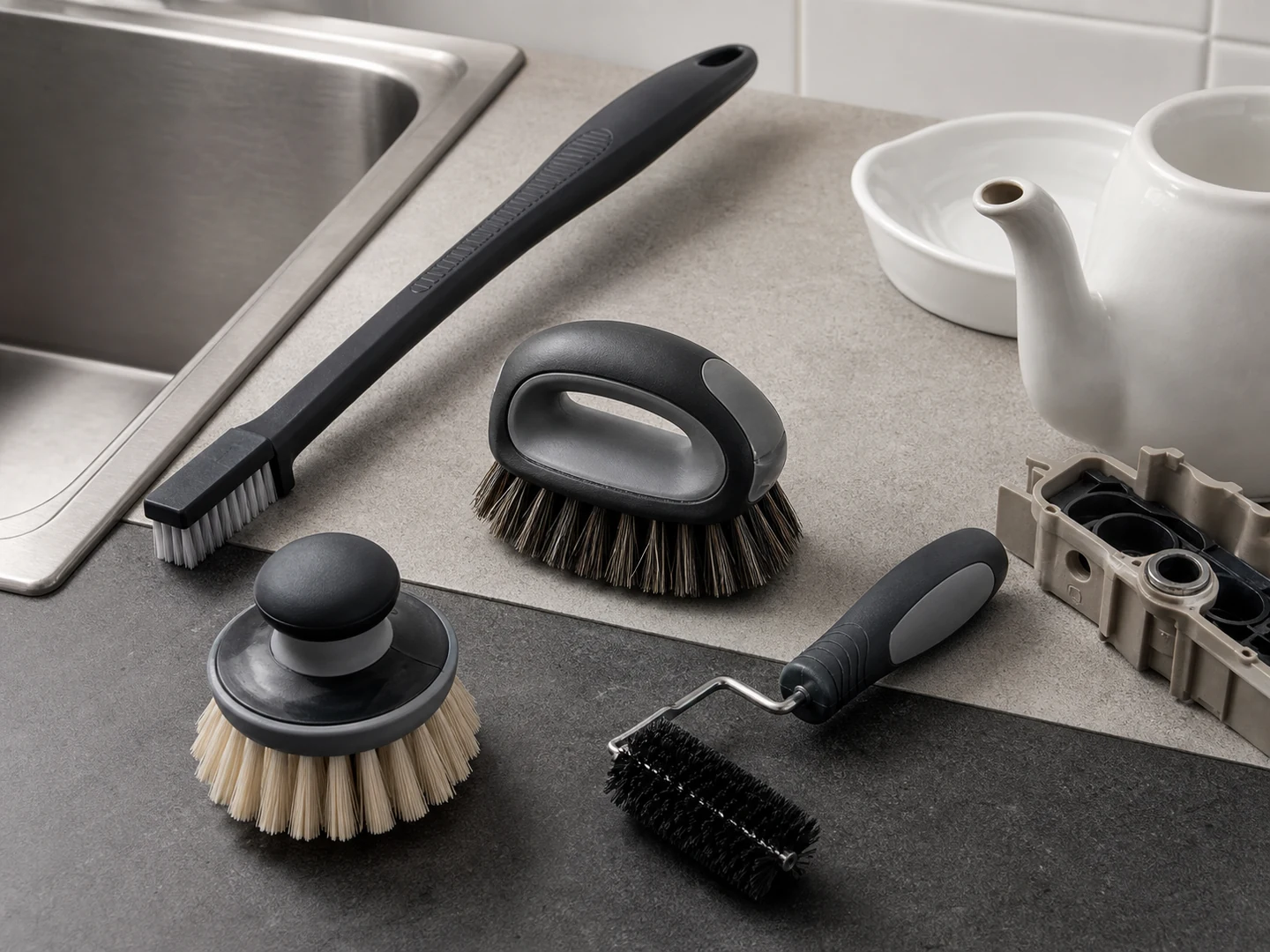
Custom Handheld Detail Brushes
Choose a handheld detail brush when you need direct control in seams, recesses, fittings,…
See how this type is built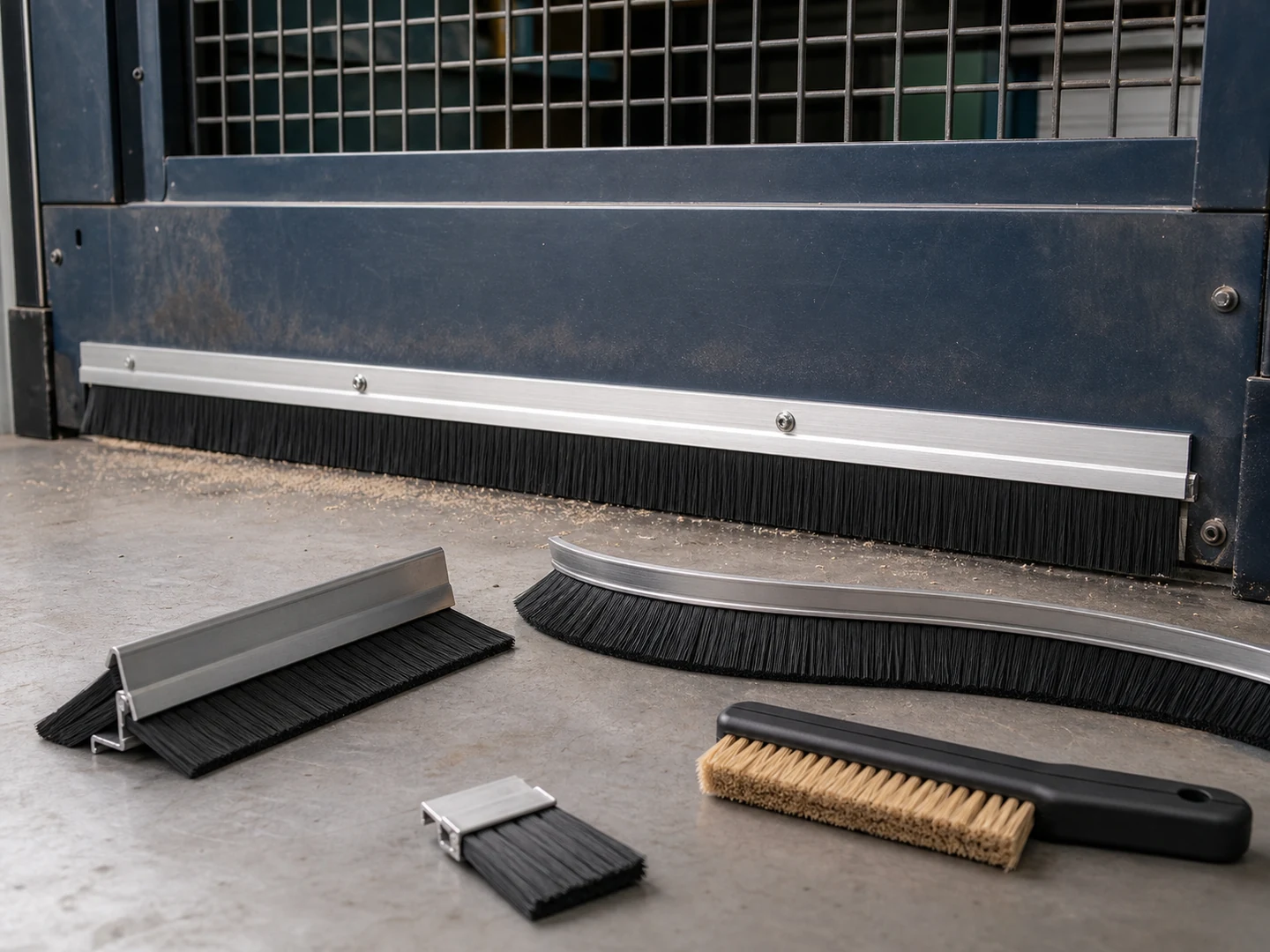
Custom Strip Seal Brushes
Choose a strip seal brush when a continuous line of filament must seal, wipe,…
See how this type is built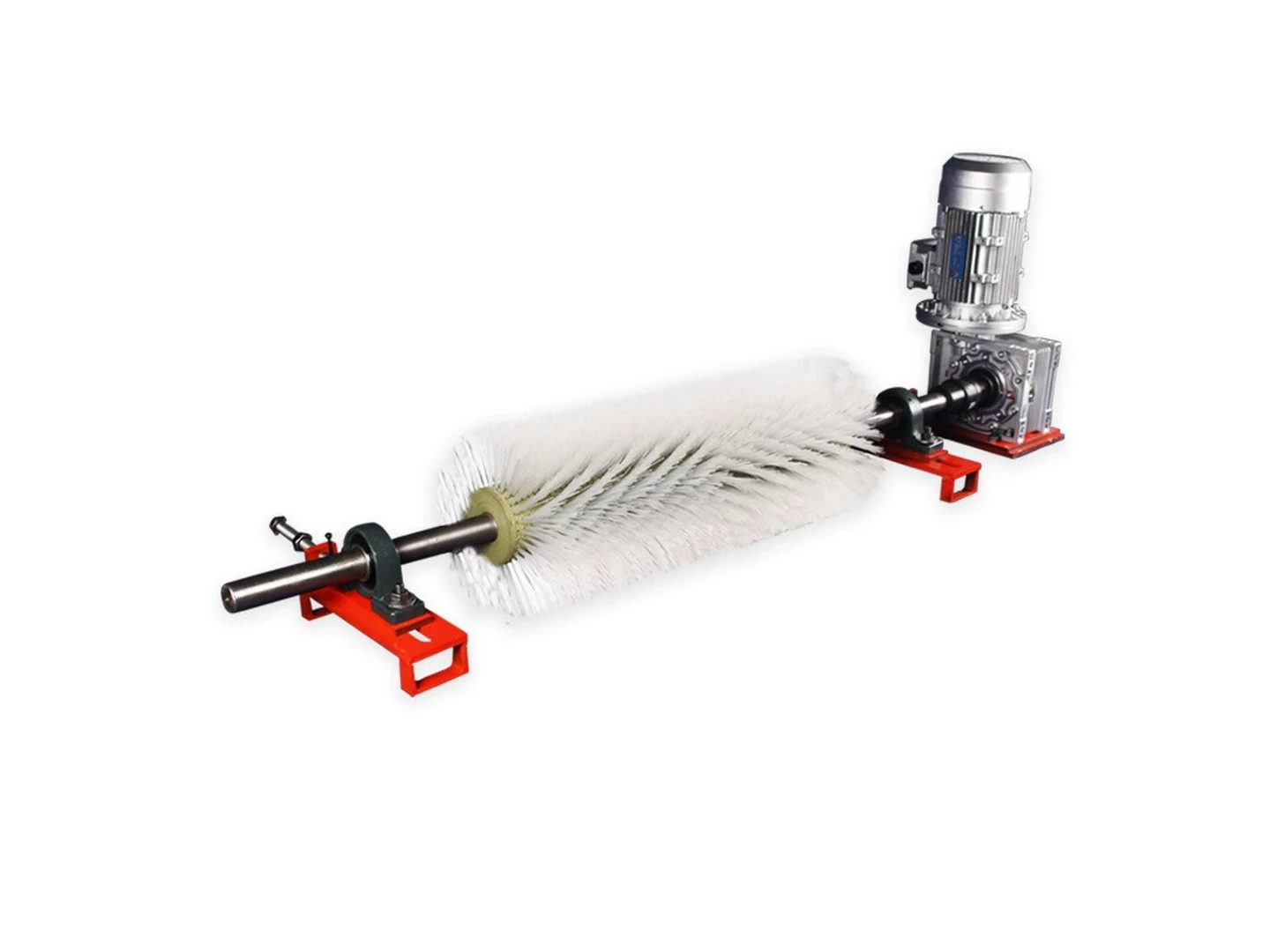
Custom Roller and Conveyor Brushes
Choose a roller or conveyor brush when a cylindrical brush must clean, wipe, guide,…
See how this type is built
Nylon PA
Choose Nylon PA based on its stiffness, recovery, wear, wet-service, chemical, and temperature behavior.
Compare this material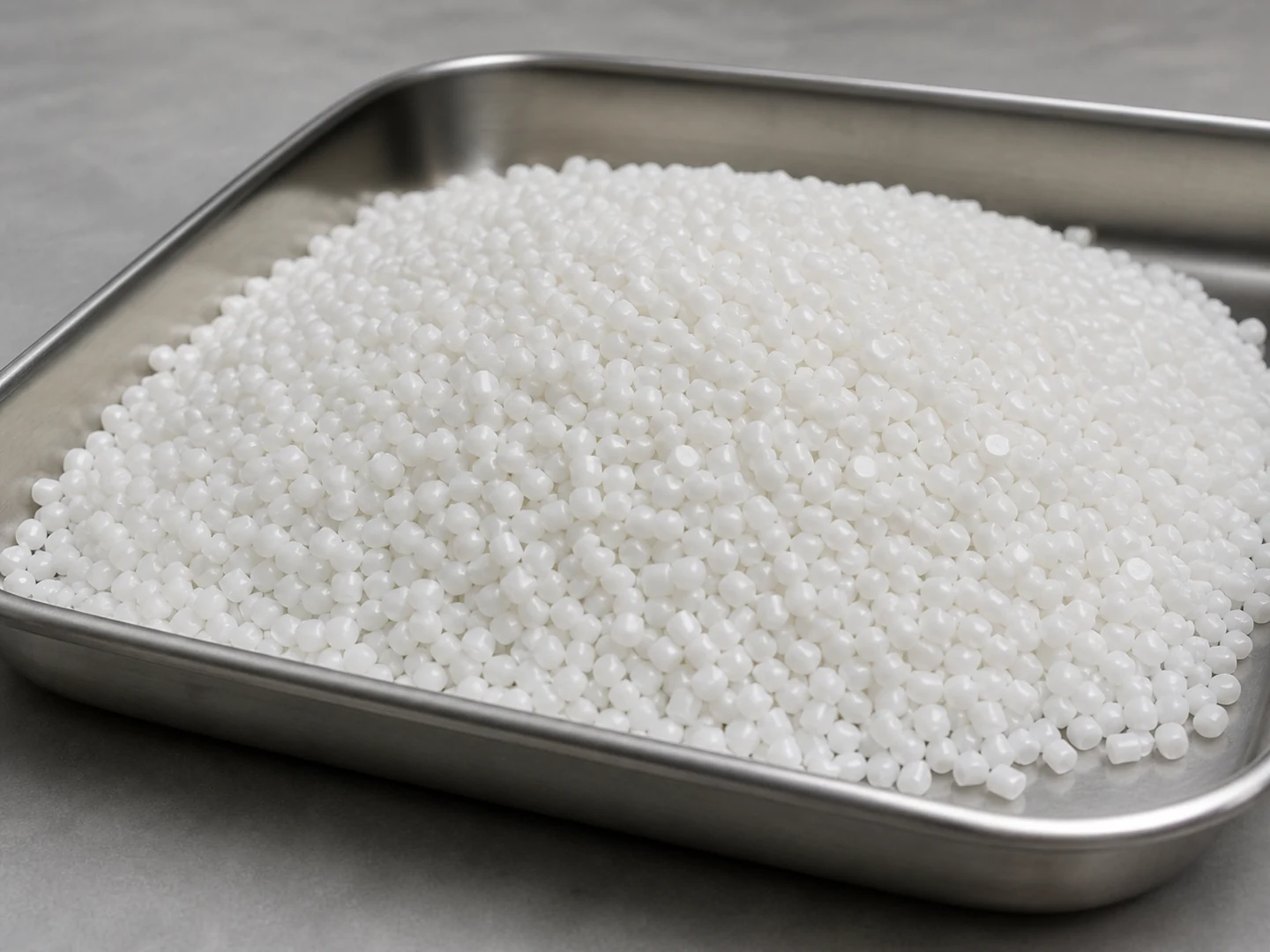
Polypropylene PP
Choose Polypropylene PP based on its stiffness, recovery, wear, wet-service, chemical, and temperature behavior.…
Compare this materialCustom Manufacturing RFQ
Discuss This Application
Share the working surface, residue, dimensions, material direction, interface, quantity and drawing or sample photo.
Custom Brush RFQ
Request a Custom Cleaning Brush Quote
Upload a drawing, product photo, or sample photo and provide the core dimensions and cleaning conditions.
“We need a brush to remove wet residue from a stainless steel conveyor, about 800mm wide. The current brush wears quickly. We can send photos.”
“We sell drinkware and need a cleaning brush to include with the product. Quantity around 5,000 pieces.”