
Application
Automotive Detail Cleaning
For Automotive Detail Cleaning, the brush must reach the working area, disturb or collect engine oil/oily sludge/road dust, and release it without creating unacceptable surface damage or process interference. Access space, brush movement, and cleaning method are the main factors in selecting the structure.
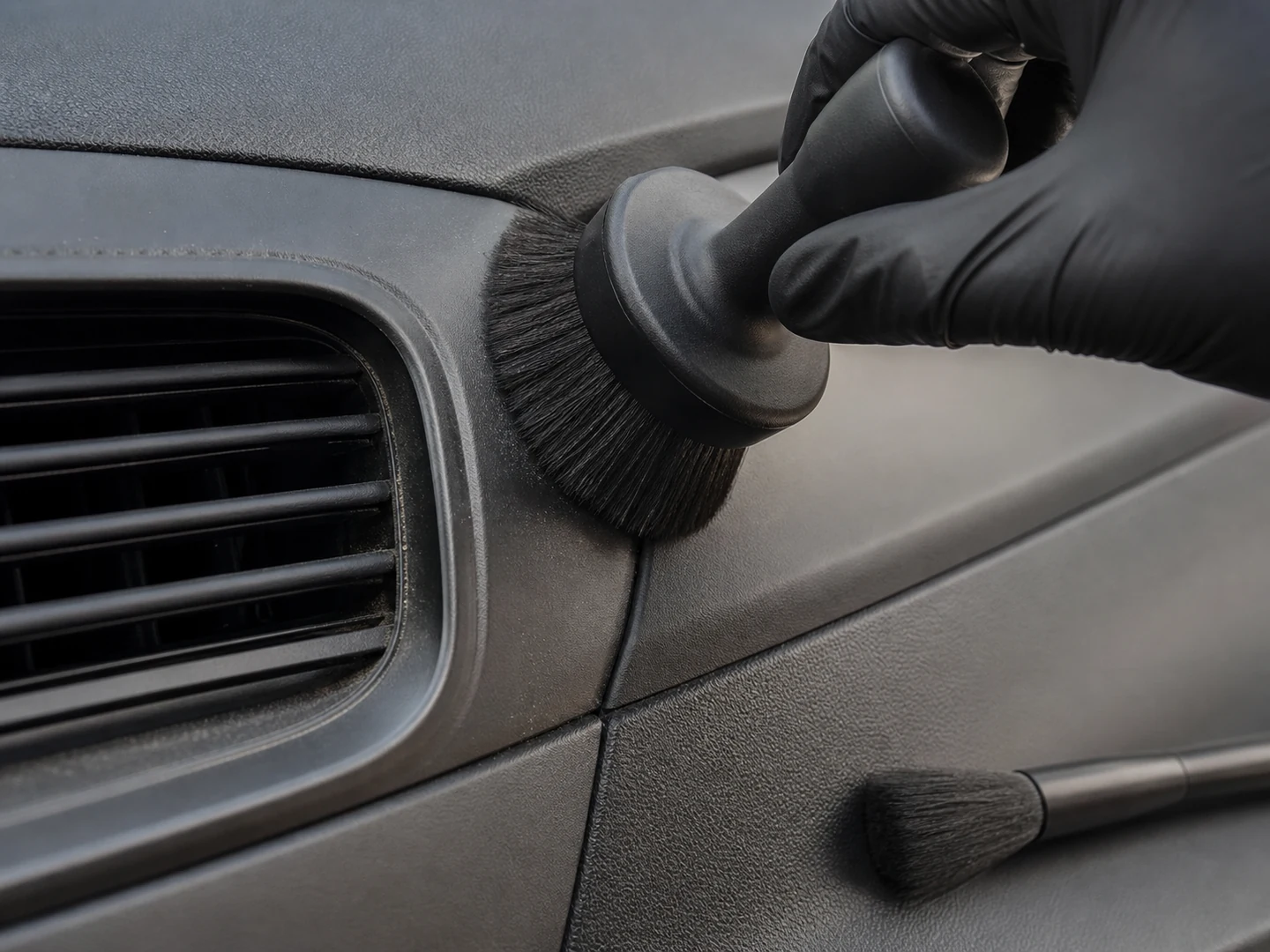
At a glance
- Cleaning target
- Engine Oil/Oily Sludge/Road Dust
- Working environment
- Wet Indoor Area / Outdoor
- Cleaning method
- Dry Brushing / Wet Brushing
- Requirements to check
- Electrical Connector Waterproofing and Chemical-Compatibility SOP
Detailing crosses painted panels, bare engine bays and interior trim within one job, so the fill changes with the surface: soft flagged tips on paint, chemical-resistant fill under the hood.
What makes Automotive Detail Cleaning different from other automotive and transportation cleaning?
The main difficulty is removing brake dust, road film, grease, mud, carbon, and loose particles from paint, wheels, tires, chains, vents, grills, and vehicle details without damaging the surface, loading the brush, or carrying contamination back into the process.
The work happens in wet indoor area and outdoor against engine oil, oily sludge and road dust.
The part people get wrong: this is not one job. The same equipment carries several targets, each with a different opening and a different residue, and one brush rarely covers them all.
What are the most common cleaning targets in Automotive Detail Cleaning?
There are 6 distinct targets here, and the brush that suits one will usually not reach another.
| Part or area | Residue type | Cleaning requirement |
|---|---|---|
| Exterior Crevice Detailing | Road grime, wax build-up, dust, traffic film | The head must be narrower than the opening and stiff enough to lift residue without splaying at the mouth. |
| Engine-Bay | Engine oil, oily sludge, road dust, grease | The head must reach the working face and apply even contact without marking the surface. |
| Interior Crevice | Dust, crumbs, hair, skin oil, fiber lint | The head must be narrower than the opening and stiff enough to lift residue without splaying at the mouth. |
| Wheel and Rim Detailing | Brake dust, iron particles, road salt, grease | The head must reach the working face and apply even contact without marking the surface. |
| Tire and Sidewall | Road grime, silt, old tire dressing, rubber wax layer | |
| Emblem and Trim | Wax residue, polish build-up, road film, dust |
What the equipment leaves you to work inside:
| Parameter | Typical range |
|---|---|
| Cleaning zones | Vents, seams, emblems, lug recesses, wheel spokes/barrels, trim, and tire details |
| Brush form | Small detail brush for tight areas; dedicated wheel/tire brush for larger or more aggressive zones |
| Fill | Soft synthetic or natural-fibre detail fill for painted/interior surfaces; firmer synthetic fill for tire rubber |
| Critical dimensions | Head width, trim, and handle reach follow the actual recess, spoke, or vent clearance; no universal size range |
| Surface control | Do not transfer tire or grill-wire stiffness to painted, coated, or soft-metal surfaces |
Which brush types work for each cleaning target?
Round ferrule detail brushes, crevice heads, long-reach barrel brushes and small block brushes.
| Cleaning target | Recommended brush type | Why it fits |
|---|---|---|
| Exterior Crevice Detailing | Handheld Detail Brushes | Panel gaps, badge edges and window channels are too narrow for a mitt, and a slim detail head lifts road grit out of them instead of dragging it along the paint. |
| Engine-Bay | An engine bay is a field of brackets, looms and hose clamps, so a hand-guided head is the only way to place contact on the oily surfaces and keep it off the connectors. | |
| Interior Crevice | Seat rails, seam stitching and console gaps hold hair and crumbs, so a narrow head enters the gap and sweeps the debris out to where the vacuum can take it. | |
| Wheel and Rim Detailing | Wheels and rims are finished surfaces, so a compliant hand-guided head follows the barrel curve and passes between the spokes without leaving swirl marks on the coating. | |
| Tire and Sidewall | A sidewall is a soft, deeply lettered curve, so a stiffer hand-held head reaches into the lettering and clears dressing build-up that a flat pad rides over. | |
| Emblem and Trim | Badges and trim strips have raised edges that trap wax, so a small hand-guided head works around the outline without loading pressure onto the adhesive. |
How the brush is usually carried on the machine:
- Driven brush — use when brake dust, road film, grease, mud, carbon, and loose particles needs repeatable scrubbing or controlled relative movement
- Passive or free-running brush — use for loose contamination and lower process complexity on paint, wheels, tires, chains, vents, grills, and vehicle details
- Localized hand, strip, or tube brush — use where only an edge, gap, port, or maintenance point needs contact
In practical brush terms: match the construction to the access before anything else. A geometry that cannot reach the target will not be rescued by a better filament.
What filament materials work best for Automotive Detail Cleaning?
Soft synthetic, flagged nylon/PBT, microfiber or natural-hair blends for delicate areas; stiffer chemical-resistant fill for robust unpainted zones.
| If the condition is… | Filament to start with | Why |
|---|---|---|
| Sensitive or coated surface | Nylon PA | balanced flex life and abrasion resistance |
| Wet, washdown, or detergent service | Microfiber | fine particle pickup on sensitive surfaces |
| Bonded residue or aggressive cleaning | Wool | soft compound retention and polishing |
What the duty rules out before you start comparing grades:
| Constraint | Value for this application |
|---|---|
| Filament hardness | Medium–Hard |
| Maximum service temperature | 100°C |
| Chemical exposure | Alkaline Degreaser pH 9–13; Hydrocarbon Solvent |
| Cleaning method | Dry Brushing, Wet Brushing |
How do I choose the right brush for my automotive detail equipment?
Build the set by surface class — paint, trim, bare metal — because the fill changes across them even where the shapes look alike.
The order that avoids rework:
- Identify the target part and measure the access opening or clearance
- Describe the residue: what it is, how thick it sits, and how strongly it holds
- Choose the construction that can physically reach that target
- Set the filament from surface risk, working temperature and cleaning chemistry
- Fix filament diameter, free trim length and density for the contact pressure you need
- Run one cycle and check the result before committing to a production quantity
Before you commit to a quantity, list the surfaces the set has to cover and mark which are painted, which are trim, and which are bare metal.
When is an automotive detail brush the wrong tool?
Pressure washing and foam do the bulk of the removal, and a brush that meets grit-loaded paint before that step is a scratch waiting to happen. Detail brushes come out afterwards, for the crevices the wash could not flush.
What common mistakes should I avoid in Automotive Detail Cleaning?
- Asking for one detail set without saying which surfaces are painted, which are trim and which are bare
- Changing brush material while leaving excessive engagement, poor alignment, or no discharge path unchanged
- Copying a worn brush without recording motion, direction, mounting, and the original working diameter
If the brush is already in service and the result is wrong, work from the symptom:
| Symptom | What to change |
|---|---|
| Residue remains | Increase relative motion or discharge, then change filament diameter or density; do not add pressure before checking loading by brake dust, road film, grease, mud, carbon, and loose particles. |
| Surface marks or scratches | Reduce engagement, use finer or softer fill, and remove trapped abrasive particles from contact with paint, wheels, tires, chains, vents, grills, and vehicle details. |
| Rapid wear or uneven cleaning | Check alignment, runout, support, motion, temperature, chemical attack, and whether the brush covers the complete working path. |
| Brush loads or redeposits residue | Open the fill pattern or add wash, vacuum, air, scraping, or a collection path so removed brake dust, road film, grease, mud, carbon, and loose particles leaves the contact zone. |
Guides that go deeper on this
Vehicle and Wheel Maintenance Brush Design
Read this guideGuideCar Interior Vent Brush: Does It Work on Wheel Barrels?
Read this guideGuideCar Interior Vent Brush: Material and Size for Lug Nuts
Read this guideGuideCar Wheel Brush vs Standard: Drill and Grinder Mounting
Read this guideGuideCar Wheel Brush: Material and Size for Weld Cleanup
Read this guideGuideHow to Choose Soft Detailing Brush for Wheel Barrels
Read this guideGuideHow to Choose the Right Car Wheel Brush for Rust Removal
Read this guideGuideLong-Reach Wheel Brush Mistakes on Lug Nuts
Read this guideGuideWhen to Use a Long-Reach Wheel Brush on Wheel Barrels
Read this guideGuideWhen to Use a Soft Detailing Brush on Lug Nuts
Read this guideContinue Exploring
Recommended Reading & Related Brush Resources
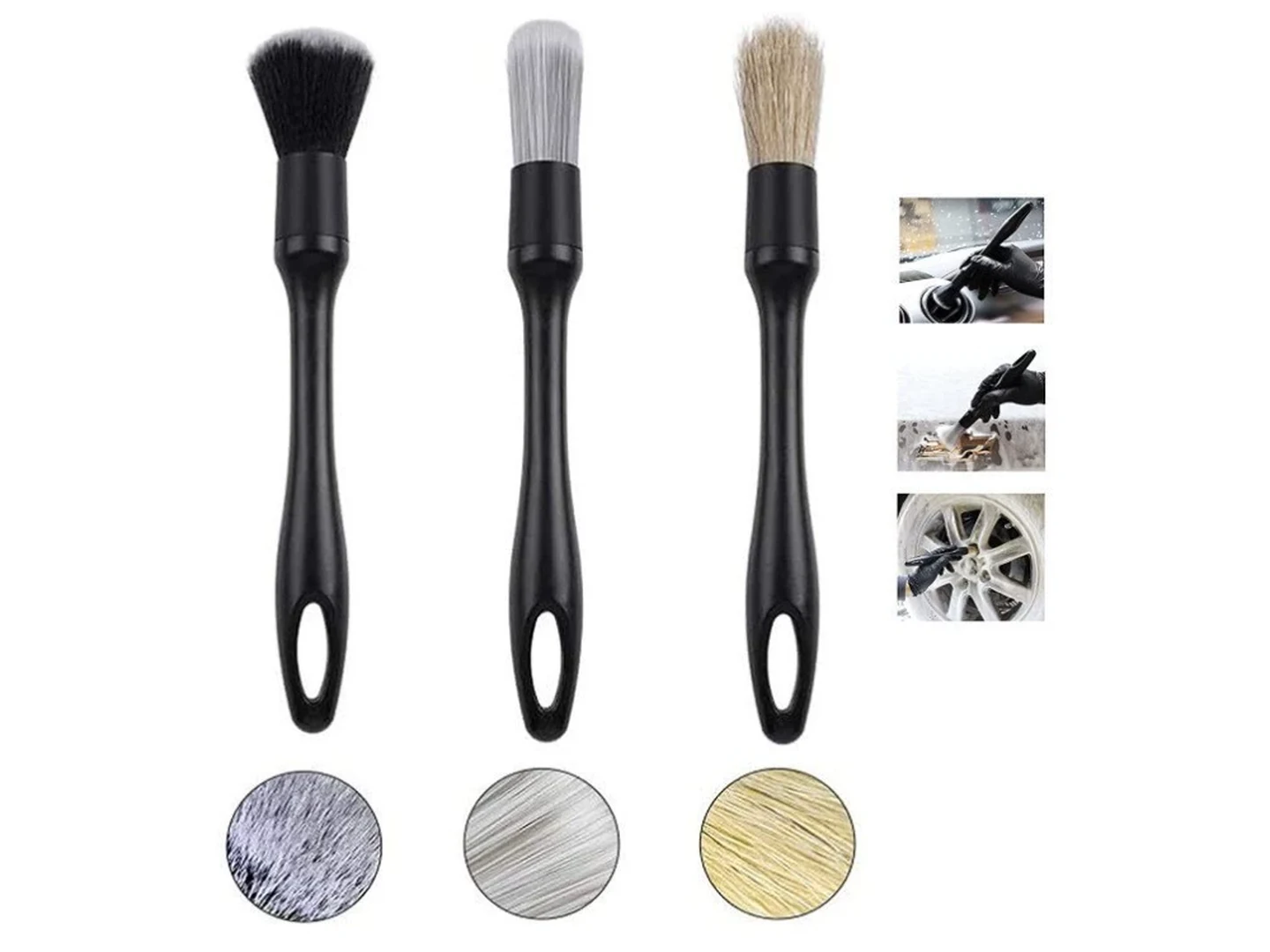
Automotive Detail Brush
Custom automotive detail brush with boar bristle, nylon PA, or microfiber fill for wheel…
See the specification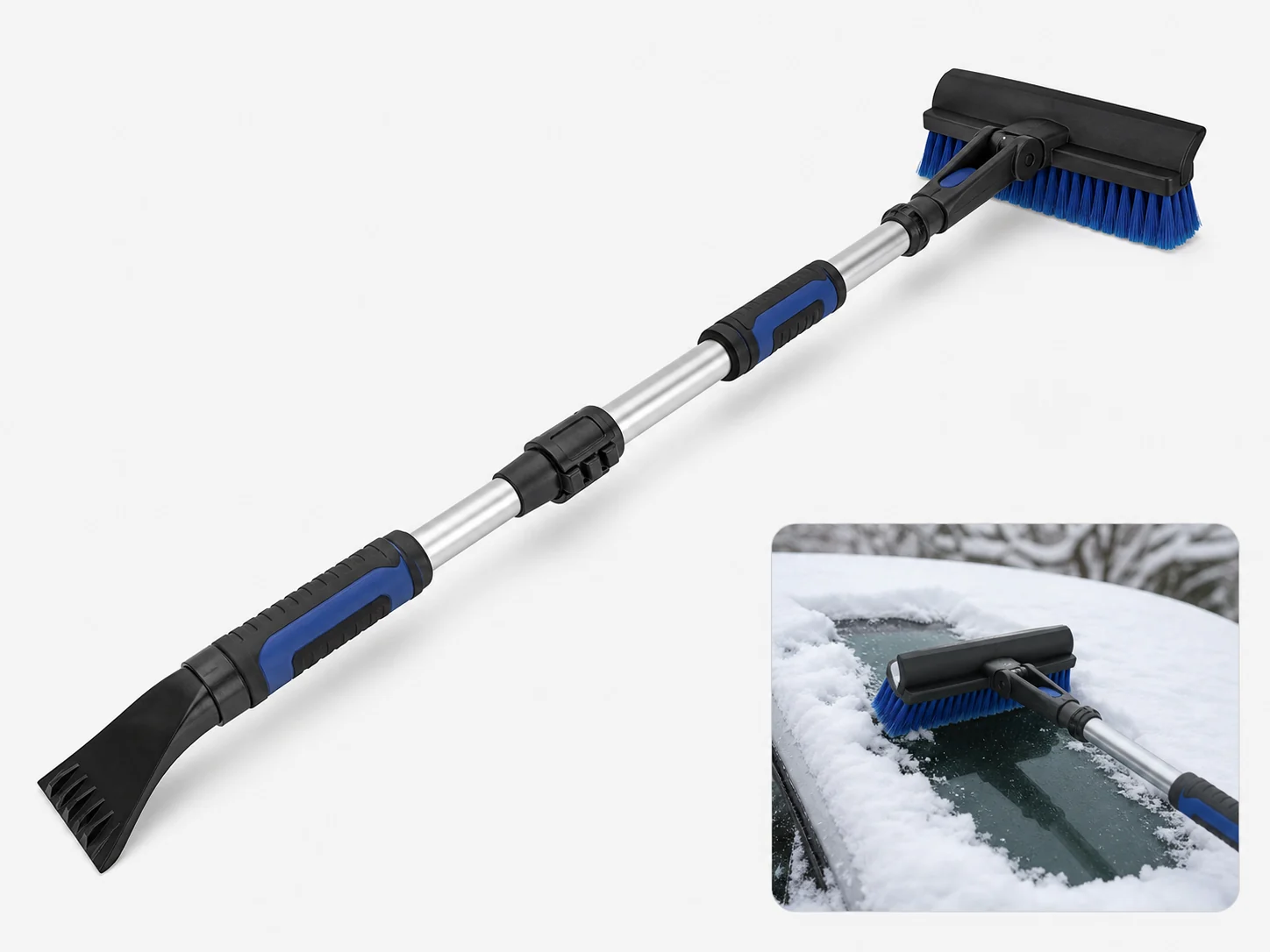
Automotive Snow Cleaning Brush
Extendable automotive snow cleaning brush with non-scratch PET or PP fill and ABS ice…
See the specification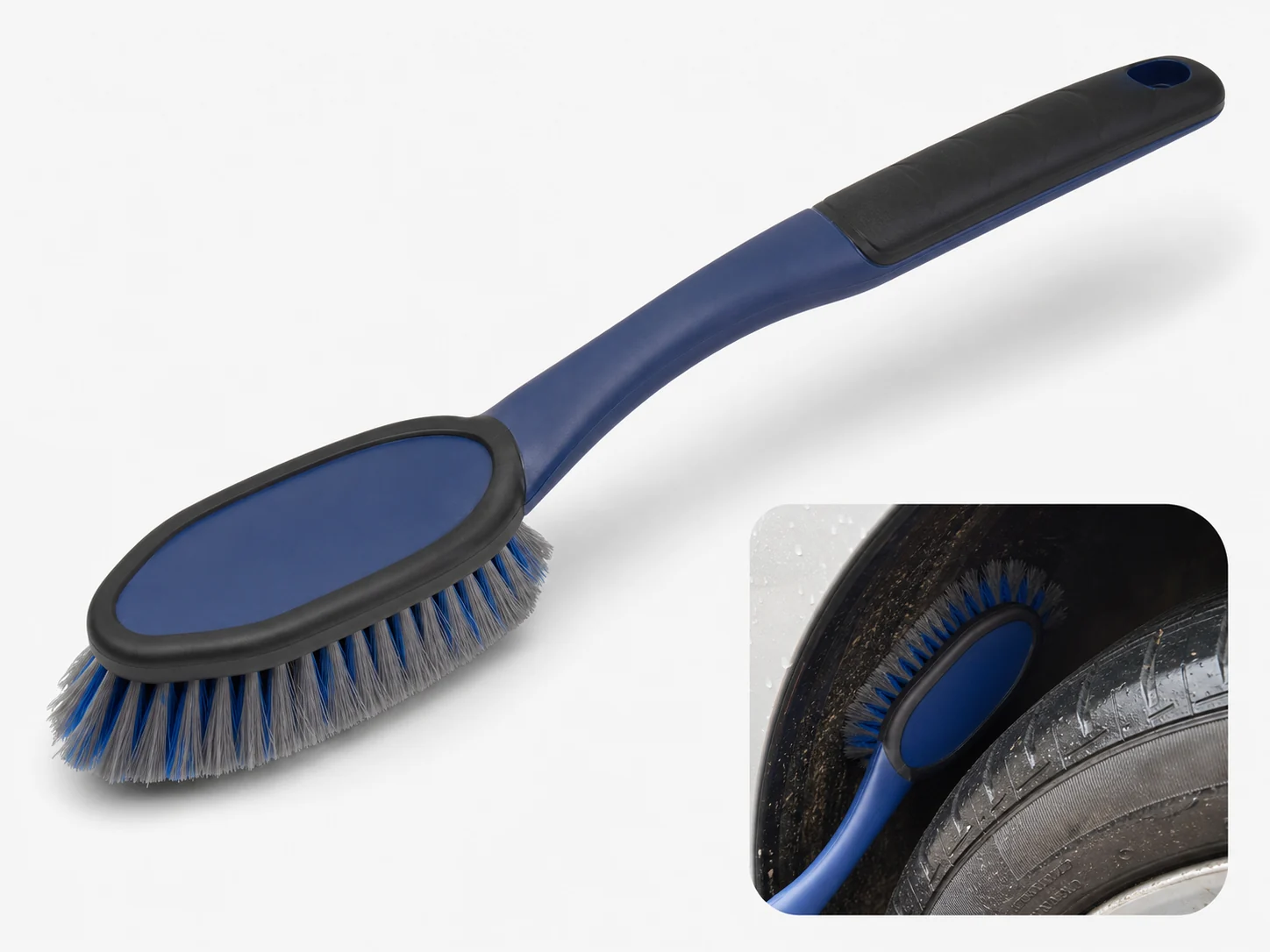
Automotive Fender and Wheel-Well Cleaning Brush
Long-reach fender & wheel-well brush with soft flagged nylon or Tampico fill. Reach behind…
See the specification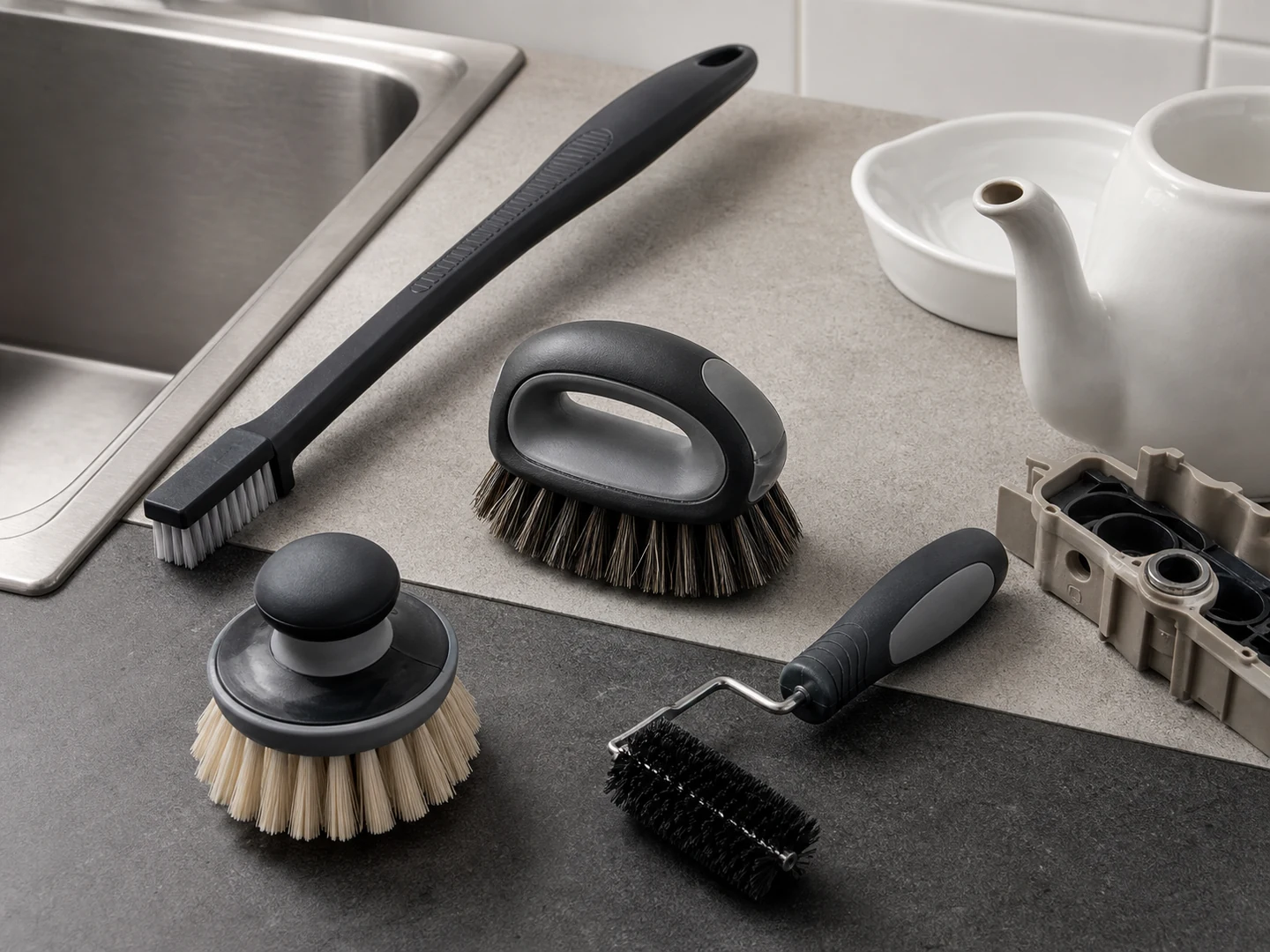
Custom Handheld Detail Brushes
Choose a handheld detail brush when you need direct control in seams, recesses, fittings,…
See how this type is builtCustom Manufacturing RFQ
Discuss This Application
Share the working surface, residue, dimensions, material direction, interface, quantity and drawing or sample photo.
Custom Brush RFQ
Request a Custom Cleaning Brush Quote
Upload a drawing, product photo, or sample photo and provide the core dimensions and cleaning conditions.
“We need a brush to remove wet residue from a stainless steel conveyor, about 800mm wide. The current brush wears quickly. We can send photos.”
“We sell drinkware and need a cleaning brush to include with the product. Quantity around 5,000 pieces.”