
Custom Cleaning Brush
Bottle Cleaning Brush
Custom bottle cleaning brush for narrow-neck bottles. Filament head 20–70 mm cleans sidewalls, bases, and neck threads; PP, PA, PBT, or boar fill.

Small brush
500 pcs
Minimum order
Held in one hand: tube, bottle, detail and swab brushes — including long-handled ones with a small head.
Production lead time, once the specification is confirmed
- Up to 500 pcsWithin 7 days
- 501–50,000 pcsWithin 14 days
- Over 50,000 pcsWithin 21 days
Peak season can extend these times; the shipping date is confirmed in writing with your quotation. Sampling and shipping are quoted separately.
A hand-guided bottle cleaning brush for narrow-neck bottles and containers. The twisted-wire core and full-circumference filament fill compress through the opening, then scrub sidewalls, shoulders, base transitions, neck threads, and lip areas to remove beverage film, powder, biofilm, and particles.
Head diameter, working length, fill material, and handle are selected for the bottle geometry and cleaning process.
What can this brush do for you?
Cleans the body, not only the opening
Because the head is sized slightly larger than the narrowest neck ID, the filaments flex on entry and recover inside the container. The result is continuous contact along the internal sidewall even when the bottle widens beyond the neck. One push-pull-and-rotate stroke covers the full body instead of stopping at the shoulder.
Tufted end reaches the base and shoulder transition
Flat brushes and cloths stop where the wall curves into the bottom. The tufted-end head form carries filament fill beyond the wire tip, so the brush follows the contour into the base corner and scrubs the shoulder where residue gathers. A rounded or loop-protected tip prevents the wire core from contacting the bottom directly.
Filament material and diameter match the residue, not just the container
PP covers routine beverage film and powder at ambient to warm wash temperatures. Nylon PA provides stiffer, more aggressive scrubbing for sticky syrup and dried juice residue. PBT holds its shape through repeated hot washing and aggressive detergent chemistries. Boar bristle gives a soft, water-holding fill for delicate or coated interiors with light soiling. Filament diameter from 0.10 mm to 0.50 mm tunes conformability against scrubbing force.
Neck threads and lip get scrubbed in the same pass
The full-circumference fill that cleans the body also contacts the neck, internal threads, and lip area as the brush passes in and out. For containers with valves, pump components, or deep thread grooves, a secondary tufted tip or narrower detail head can cover those small surfaces without changing tools.
Stainless wire stem stays straight enough to push, flexible enough to follow
The 304 stainless steel twisted-wire core supports the fill along the entire working length, so the head does not fold when it meets residue near the base. It also follows gentle bottle contours and resists corrosion through detergent and rinse cycles, which keeps the brush usable longer than a plain carbon-wire alternative.
What is a Bottle Cleaning Brush?
A Bottle Cleaning Brush is a hand-guided cleaning tool that mounts a fill material around or onto a center stem and reaches into containers with openings too small for a cloth, sponge, or flat brush. The standard build uses a twisted stainless steel wire core with filament held between the wire strands; the wire continues into a handle or loop at the operator end.
In use, the operator inserts the head through the bottle neck, then combines push-pull strokes with rotation. The filament fill flexes as it passes the neck, recovers inside the body, and scrubs the sidewall while the working end sweeps the base and shoulder. All cleaning happens through the opening; the outside surfaces are not contacted.
This brush is for mechanical removal of attached residue—beverage film, sugars, yeast, powder clumps, soft biofilm, and particles—usually with detergent, water, or a cleaning solution. It is not a replacement for chemical soaking, sanitization, or machine washing, and it is not intended for hard mineral scale, baked-on carbon, or cured deposits that require stronger abrasive or chemical pre-treatment.
Operating considerations: the brush works wet and should be rinsed after use. The handle and hanging feature keep it accessible; the filament fill needs to air dry so it does not hold moisture between shifts. For food/beverage contact, fill and handle materials are selected for the actual wash temperature and sanitizer chemistry rather than assumed.
Technical Specifications
The values below are standard configuration ranges. Head diameter, working length, fill material, filament diameter, and handle are confirmed against the bottle drawing and cleaning process before production.
| Parameter | Value / Options |
|---|---|
| Head diameter | 20–70 mm |
| Working length (filament-filled section) | 120–300 mm |
| Overall length | 200–450 mm |
| Filament diameter | 0.10–0.50 mm |
| Head form | Cylindrical, tapered, tufted-end, sponge, or silicone |
| Fill materials | Polypropylene PP, nylon PA, PBT, and boar bristle |
| Stem / wire core | 304 stainless steel twisted wire; other stainless or coated grades available for corrosive washdown chemistries |
| Handle | PP / TPE overmold, stainless wire loop, or custom shape; hanging hole optional |
| Neck fit | Head sized 5–25% larger than narrowest bottle ID for filament fill; silicone and sponge heads can compress further depending on hardness |
| Tip treatment | Rounded wire tip, closed loop, or tufted end to minimize bottom contact and scratching |
| Operating temperature by fill | PP up to 80°C, PA up to 100°C, PBT up to 140°C; boar for ambient use only |
| Packing options | Bulk, individually bagged, hang tag, retail sleeve, or multi-piece set |
| Brush type | Custom Bottle & Container Brushes |
| How it is driven | Hand-guided |
| Cleaning target | reusable drinkware and insulated bottle, and beverage production container cleaning |
| Surface or part | containers, necks, sidewalls, shoulders, thread, glass, valves, and cavities |
| Residue or debris | powder, beverage film, biofilm, particles, syrup, sugar, yeast, and mineral scale |
| Mounting / connection | Fixed |
Where does this brush work best?
- Reusable drinkware and insulated bottles: water bottles, tumblers, sports bottles, and travel mugs where the neck is narrower than the body and the base is outside the reach of a sponge.
- Beverage production containers: wine, beer, kombucha, juice, and syrup bottles with yeast, fruit film, sugar residue, and fermentation deposits in the shoulder, sidewall, and base.
- Laboratory media and reagent bottles: borosilicate glass, polypropylene, and HDPE bottles that need internal residue removed before washing, neutralizing, or sterilization.
- Food and nutrition powder containers: protein shakers, formula-mixing bottles, and powder storage containers with caked powder, oils, and film in threads, valves, and gasket seating areas.
- Cosmetic and personal care bottles: lotion, cream, and dispensing containers where product film builds in the neck, threads, and pump cavity.
- Narrow-mouth flasks and sample bottles: labware and small containers where manual sidewall scrubbing is still required between processing steps.
How do I choose the right one?
Start with the bottle, not the brush. We will need the narrowest opening ID, the widest internal body diameter, the internal depth, the surface material, the residue type, and the wash chemistry and temperature. These drive head diameter, working length, fill material, filament diameter, and handle construction.
1. Size the head to the neck and body
Measure the narrowest opening. A filament-fill head should be 5–25% larger than the neck ID so it compresses through and recovers against the sidewall. If it binds at the neck or folds over and loses contact, it is too large. If it slips through without touching the wall, it is too small. Wide-bodied bottles may need a larger head or longer filament to hold contact after recovery.
2. Match fill material and filament diameter to the residue and surface
- PP polypropylene: general-purpose fill for beverage film, light powder, and soft residues at ambient to warm wash temperatures. Avoid high heat and strong solvents.
- Nylon PA: stiffer filament for dried juice, syrups, fermentation residue, and heavier deposits. Handles hot washing and repeated flexing better than PP; check compatibility with strong oxidizing chemistries.
- PBT: dimensionally stable, hydrolysis-resistant fill for repeated hot-water washing, steam rinse, and aggressive detergent chemistries. Use when the environment is harsher than the residue alone suggests.
- Boar bristle: soft, water-absorbing natural fill for coated or scratch-sensitive interiors with light soiling. Not suitable for hot sanitizing cycles or high-microbial-control processes.
Filament diameter works with the material: 0.10–0.15 mm bends easily and protects fine surfaces; 0.30–0.50 mm applies concentrated scrubbing pressure for stubborn deposits but increases scratch risk on soft substrates. Use fine filament on PET or coated surfaces, coarse filament on glass and hard plastics.
3. Set working length and overall length for control
The working length must reach the base. Overall length adds the handle and grip; too much unsupported length reduces control and lets the stem bow. Deep containers may need a thicker wire gauge or a two-handed handle design rather than simply a longer stem.
4. Pick the head form for the geometry
- Cylindrical fill: straight or slightly tapered sidewalls.
- Tapered head: conical containers and bottles that narrow toward the base.
- Tufted end: extra reach into the base corner and shoulder; best when residue collects in the bottom transition.
- Sponge or silicone head: light film and scratch-sensitive surfaces; less aggressive than filament, with lower scrubbing capacity for dried deposits.
5. Consider the cleaning process before finalizing materials
Hot washdown, chlorine or quaternary sanitizers, alkaline detergent, and acidic rinse all affect filament and handle life. Specify the actual wash temperature and chemical exposure so the brush is built to the process. The sterilization and drying steps also need to be confirmed; the wire and handle materials must tolerate the same cycle.
When to use a different brush or method
Use a tube brush when the passage is smaller than the practical filament head range or the opening is a capillary. Use an abrasive or wire-fill brush when the deposit is hard mineral scale, carbonized, or cured. Use a machine-mounted brush or spray-ball system when cleaning volume is too high for manual operator time. Use a disposable swab when cross-contamination control is the primary requirement and the brush cannot be effectively cleaned between batches.
Can I customize this brush?
Bottle cleaning brush production is driven by the container geometry and the buyer’s cleaning process. The following variables can be adjusted without retooling; radical geometry may require a dedicated mold or tooling.
- Head geometry: diameter, working length, overall length, head form, tip treatment, and filament length or density.
- Filament fill: material, diameter, color, stiffness, crimped or straight, food-use grades, and tufting pattern.
- Stem or core: 304 or 316 stainless steel, coated wire, alternative alloys, wire gauge, flexible polymer core, or reinforced shank for machine use.
- Handle: material, length, ergonomic grip profile, hanging loop or hole, color coding, and printed or molded identification.
- Connections or interfaces: straight hand handle, loop end, threaded shank, hex chuck end for power-assisted cleaning, or double-ended brush configuration.
- Packaging: bulk, individual polybag, hang tag, retail card, tray, or custom set packaging.
To define a custom configuration, provide a bottle drawing or photos with the narrowest neck ID, widest body ID, internal depth, surface material, residue description, cleaning chemical and temperature, and preferred handle form. A sample bottle is useful for verification. If the project requires material documentation, food-contact declarations, third-party testing, or inspection protocols, we can assist as part of the customization scope.
Which filament survives the cleaning chemicals a bottle cleaning brush meets?
Can one brush cover multiple bottle sizes?
A single brush can cover multiple bottles only when the narrowest neck still allows the head to pass and the widest body is still contacted after recovery. Check the range with sample bottles before ordering; if sidewall contact is weak on the largest bottle or the head jams in the smallest neck, split the range into two head diameters.
Will the bristles pull out during normal use?
Bristle retention depends on twisted-wire core tension, filament length, and filament material. In pre-production samples, perform a manual pull test and a 100-cycle wash test, then check for loose or protruding filaments. Specify a minimum pull-out force and verify that no bare wire is exposed after flexing.
How should the brush be cleaned and stored between uses?
Rinse the head and stem with clean water immediately after use, shake out excess liquid, and hang by the loop or hole to air dry. Do not leave the brush soaking in concentrated sanitizer or detergent overnight. If the process requires sanitizing, use the chemical concentration and contact time approved for the selected materials, then rinse. Replace the brush if filaments remain matted or the stem shows kinks or corrosion.
Can this brush remove visible biofilm from the bottle interior?
A filament bottle brush can remove soft, hydrated biofilm when used with detergent and a scrubbing motion, but brushing alone does not eliminate microorganisms. After brushing, rinse, inspect under good light, and run the bottle through the facility’s normal sanitization or sterilization step. If biofilm persists, switch to PBT or nylon fill, add a pre-soak, or move to a stronger chemical/automated wash before relying on the brush.
When should I choose a sponge or silicone head instead of filament fill?
Choose sponge or silicone when the interior surface is scratch-sensitive or the only residue is thin film that releases easily. Filament fill generates more scrubbing force for dried or sticky deposits but increases the chance of scratching a coated or PET surface. A hybrid option with a filament body and a soft tufted tip is available when the sidewall needs scrubbing but the base needs gentle contact.
Can the brush be used with a power drill?
Standard hand-guided bottle brushes use a twisted-wire stem and hand handle that are not designed for high-torque rotation. If power-assisted cleaning is required, request a reinforced shank with a chuck or hexagonal interface, a thicker wire core, and a shorter free working length. Never run a hand-handle brush at drill speed without confirming the configuration is rated for it.
Guides that go deeper on this
Baby Bottle Brush Mistakes in Home and Pro Kitchens
Read this guideGuideBaby Bottle Brush: Material and Size for Feeding Items
Read this guideGuideBottle Brush Mistakes on Baby Feeding Items
Read this guideGuideBottle Brush Set Mistakes on Glass Cups
Read this guideGuideBottle Brush Set: Material and Size for Narrow Mouth Bottles
Read this guideGuideBottle Brush Set: Which Pieces Do Baby Bottles Need?
Read this guideGuideBottle Brush Sponge: Material and Size for Baby Bottles
Read this guideGuideBottle Brushes for Narrow-Mouth Containers: Picking a Size
Read this guideGuideDo Glass Cups Need a Long Handle Bottle Brush?
Read this guideGuideDoes a Silicone Bottle Brush Survive Chemical Exposure?
Read this guideGuideElectric or Hand Bottle Brush: Which Cleans Baby Bottles?
Read this guideGuideFeeder Bottle Brush: Specs for Dry Dust
Read this guide32 guides are indexed against this one. The rest are in the technical resources library.
RELATED BRUSH RESOURCES
Recommended Reading & Related Brush Resources
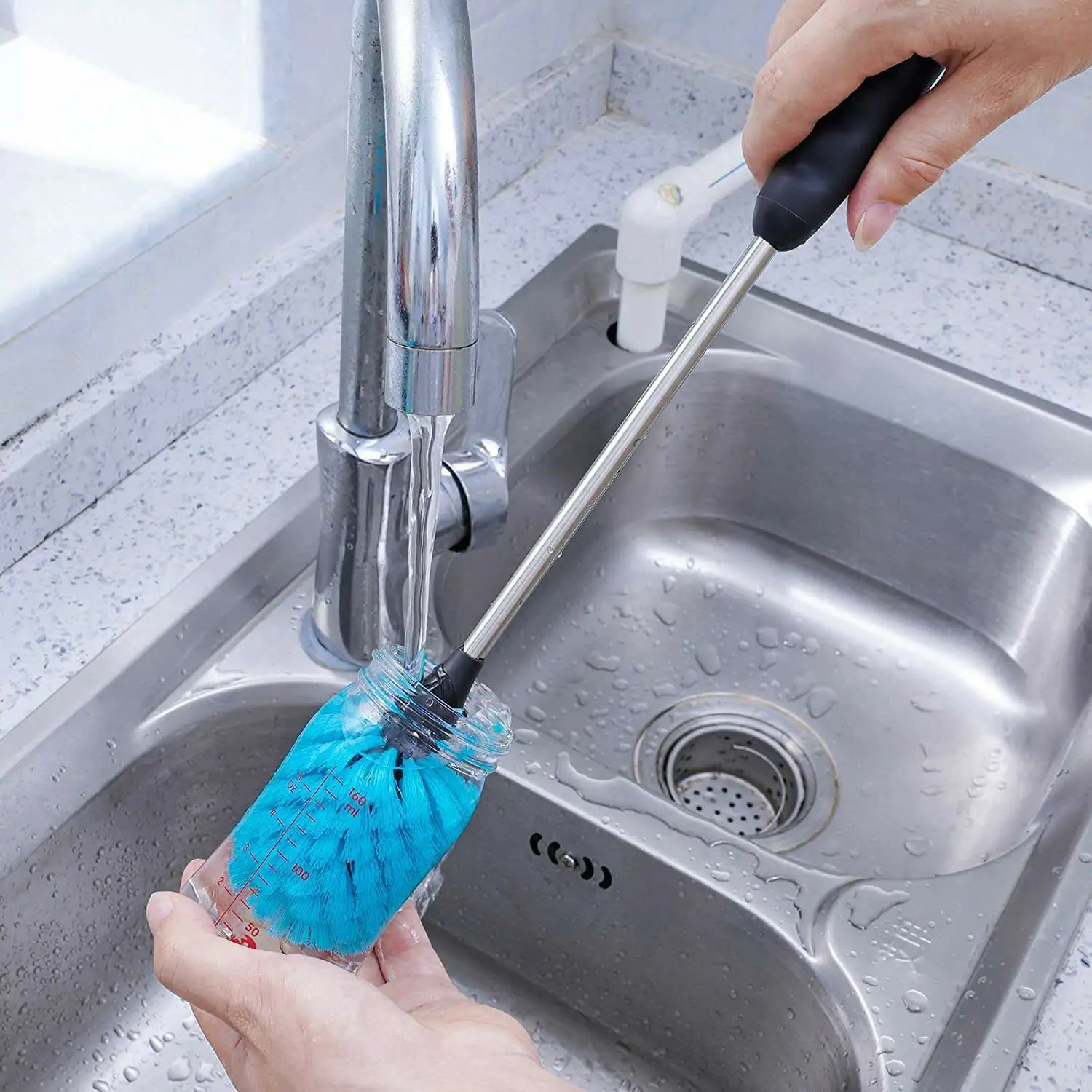
Custom Bottle & Container Brushes
Choose a bottle or container brush when the head must pass through an opening…
See how this type is builtBottle & Container Cleaning
For Bottle & Container Cleaning, the brush must reach the working area, disturb or…
See the cleaning job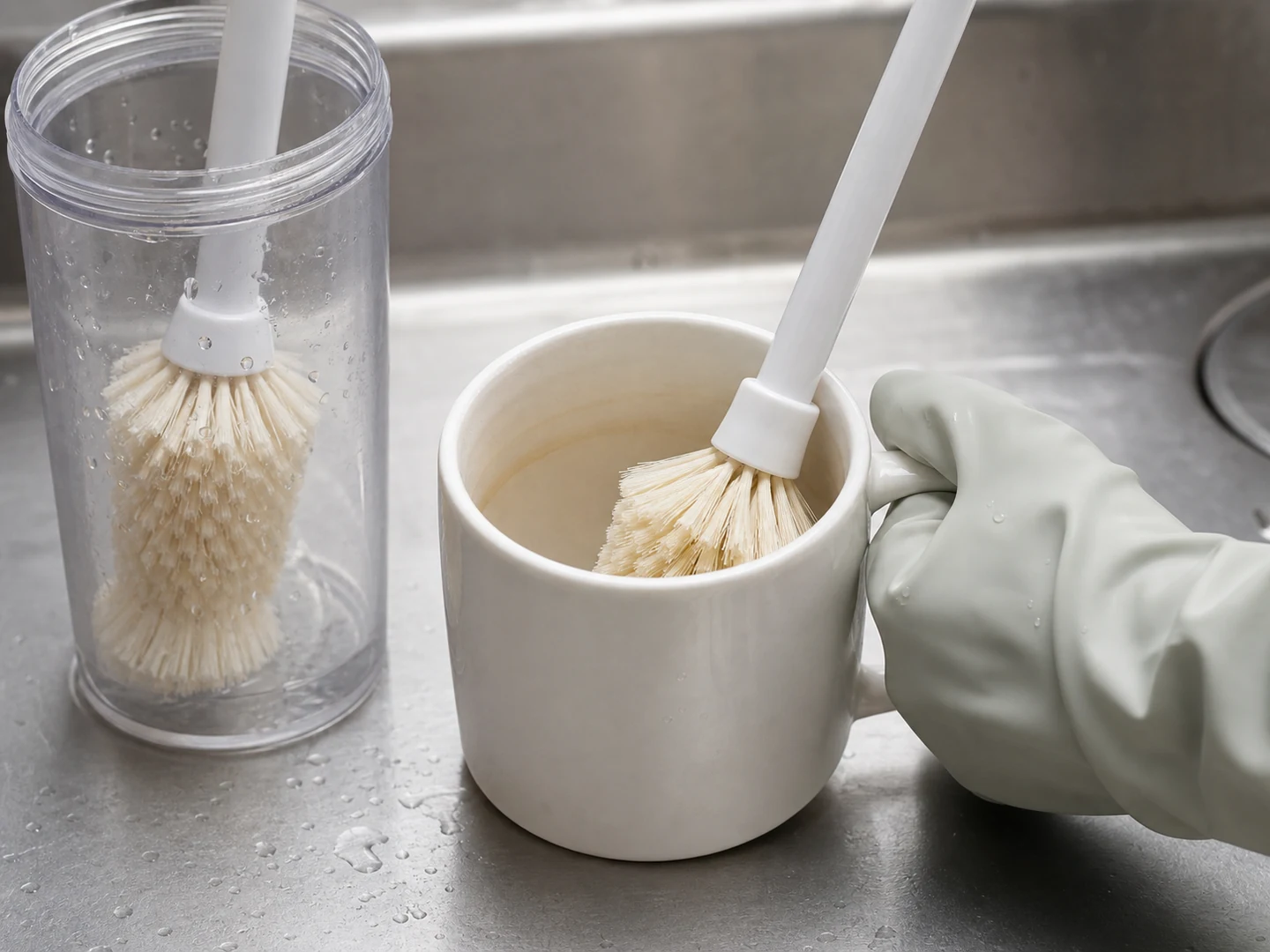
Cup & Mug Cleaning
For Cup & Mug Cleaning, the brush must reach the working area, disturb or…
See the cleaning job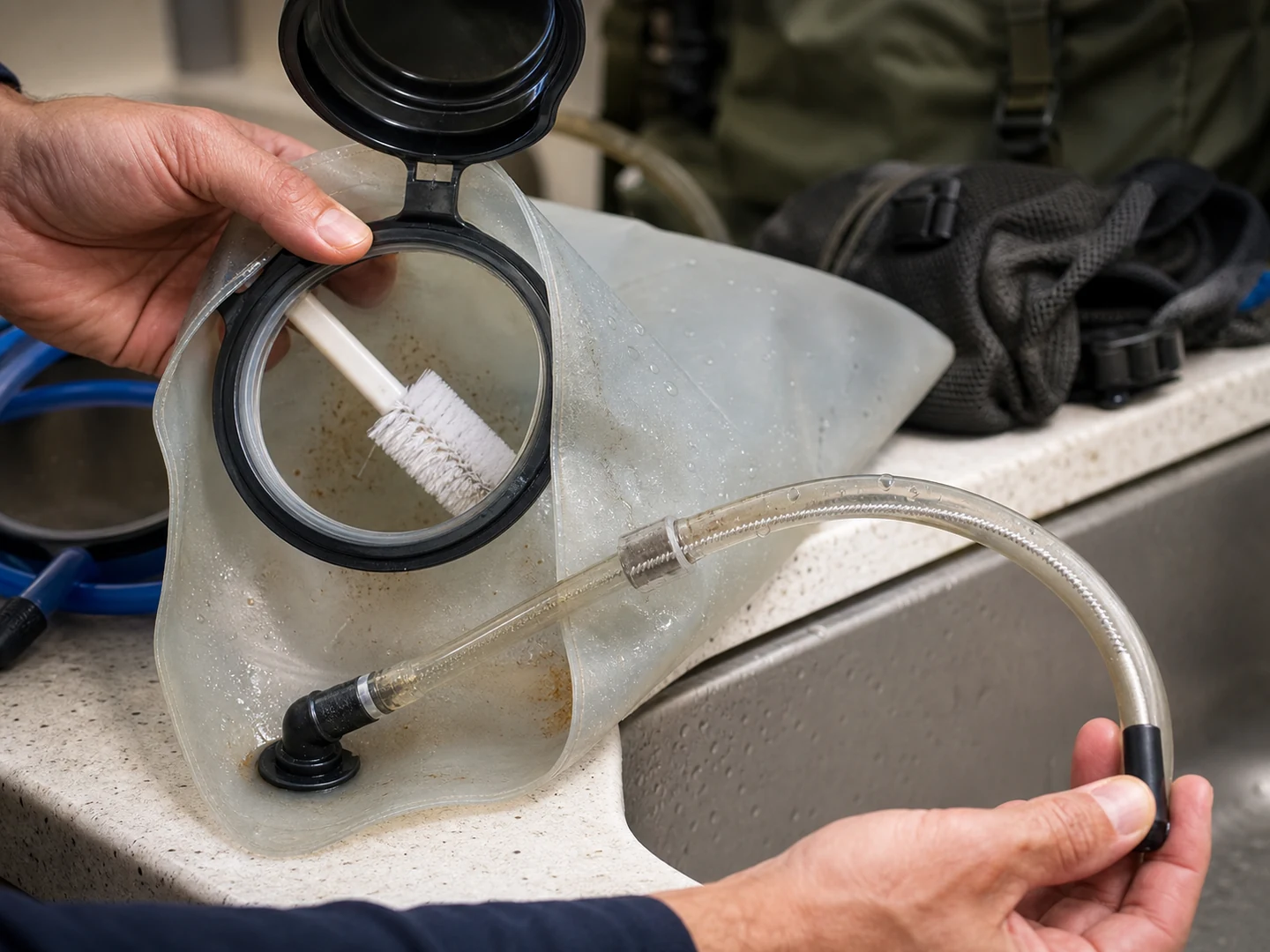
Hydration Bag Cleaning
For Hydration Bag Cleaning, the brush must reach the working area, disturb or collect…
See the cleaning job
Polypropylene PP
Choose Polypropylene PP based on its stiffness, recovery, wear, wet-service, chemical, and temperature behavior.…
Compare this material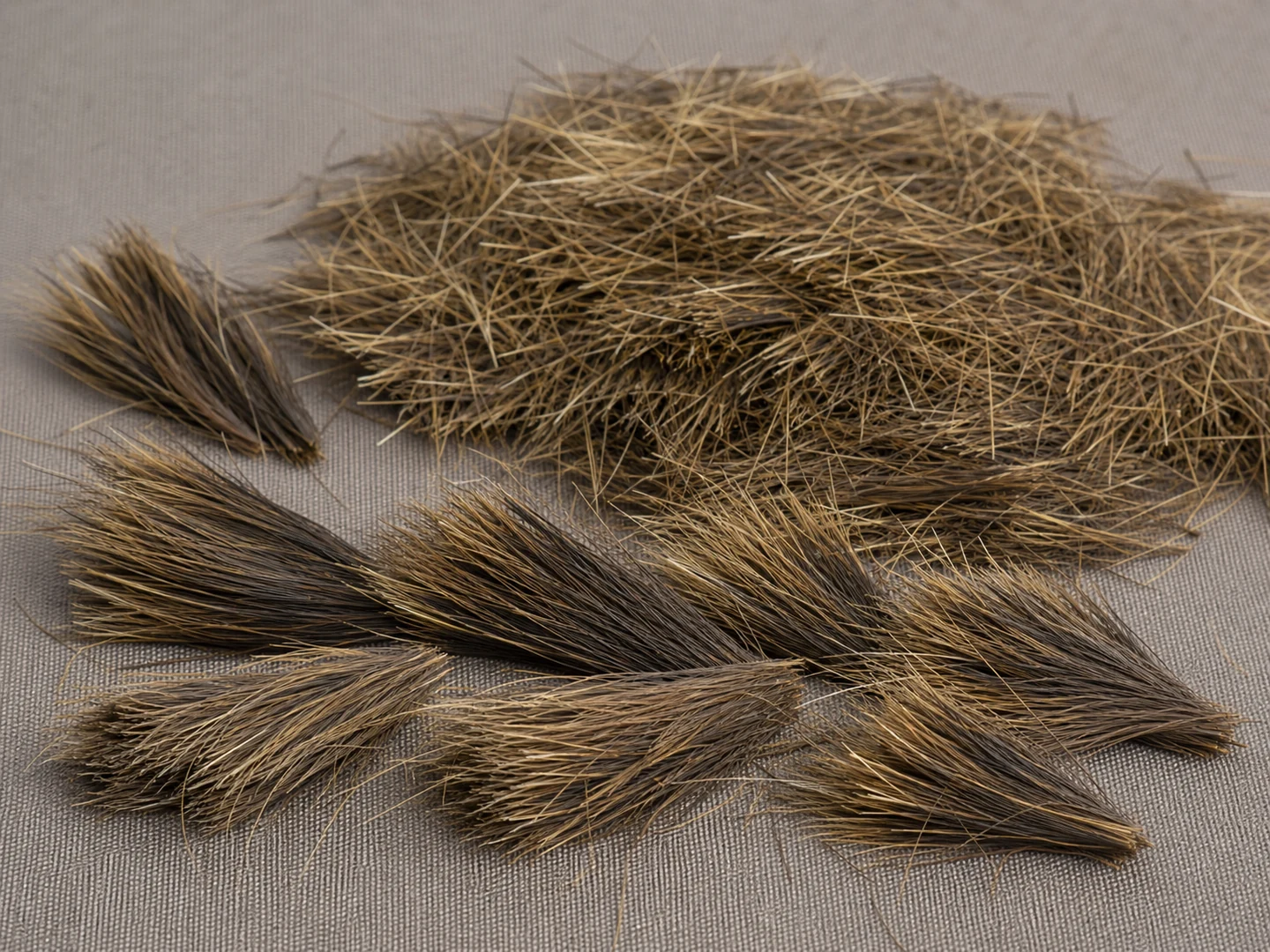
Boar Bristle
Choose Boar Bristle based on its stiffness, recovery, wear, wet-service, chemical, and temperature behavior.
Compare this material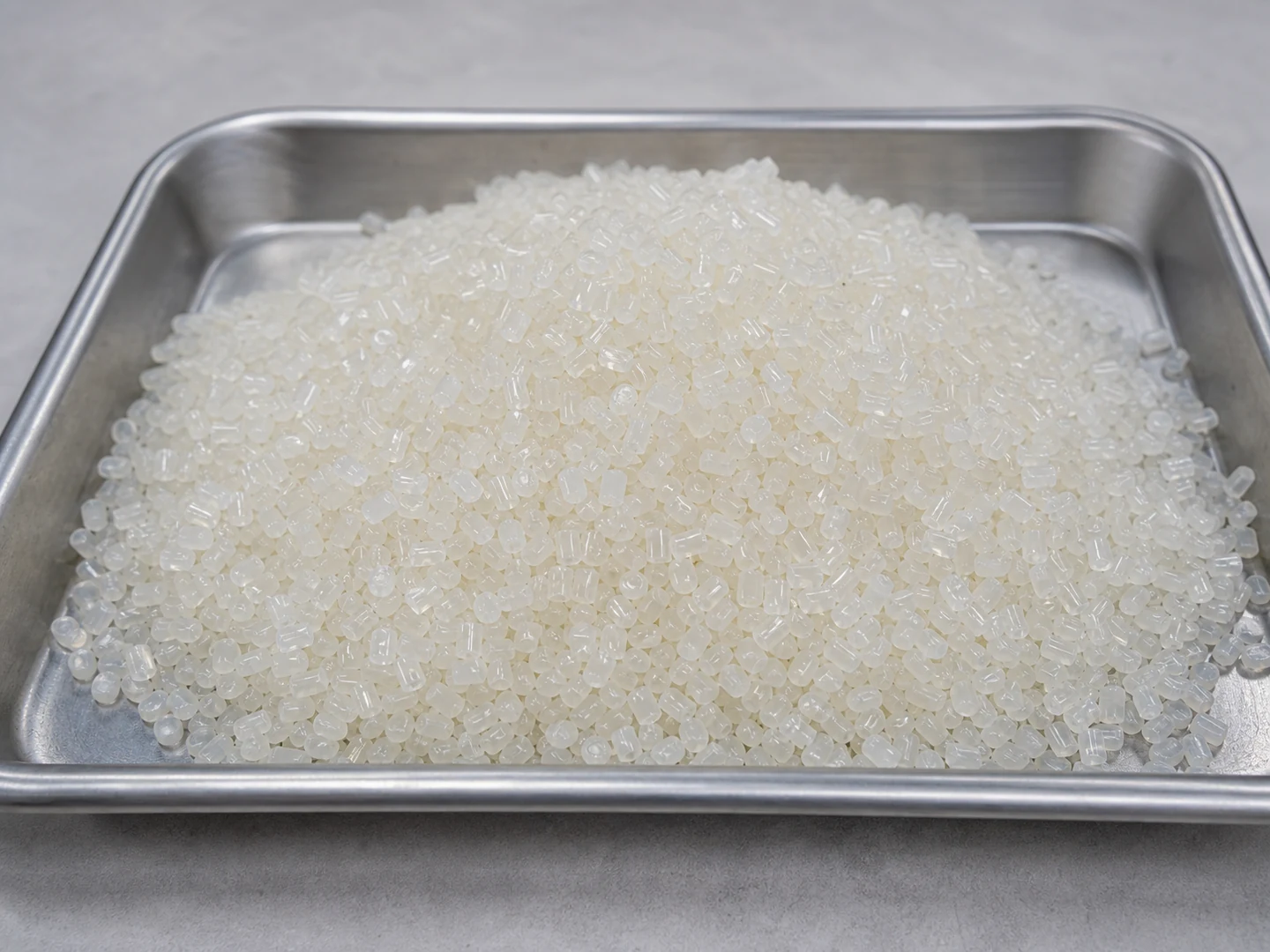
Nylon PA
Choose Nylon PA based on its stiffness, recovery, wear, wet-service, chemical, and temperature behavior.
Compare this material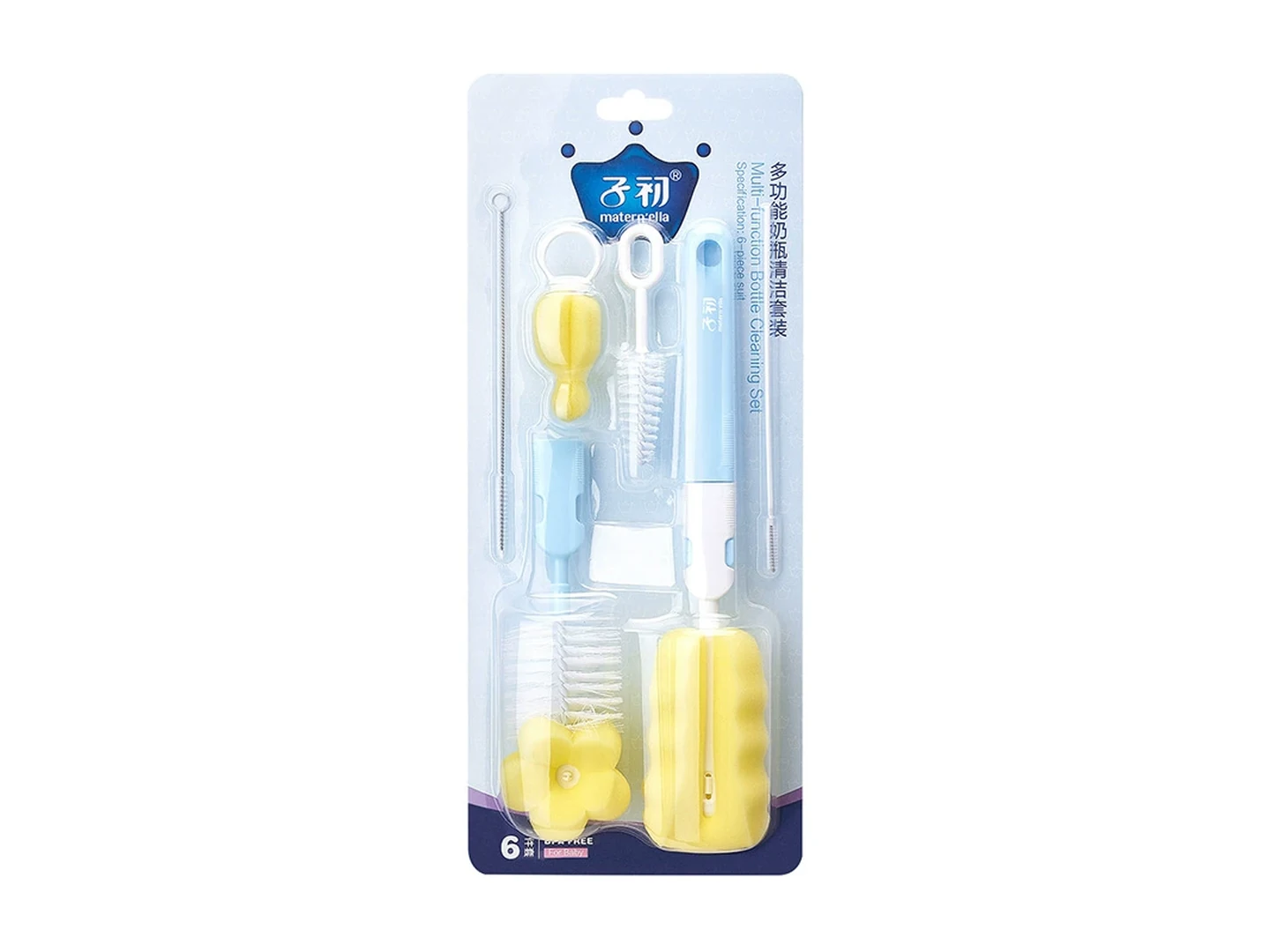
Baby Bottle Brush
Custom baby bottle brush for feeding products. Soft PBT or silicone bristles, sterilizable design,…
Compare the specificationCustom Manufacturing RFQ
Describe Your Application
To quote this brush accurately, send the size, material, cleaning target, residue, quantity, and any available drawing or sample photo.
Drawing or photo optional — it speeds things up, it does not gate the enquiry.
Custom Brush RFQ
Send Your Brush Project
Upload a drawing, product photo, or sample photo and provide the core dimensions and cleaning conditions.
“We need a brush to remove wet residue from a stainless steel conveyor, about 800mm wide. The current brush wears quickly. We can send photos.”
“We sell drinkware and need a cleaning brush to include with the product. Quantity around 5,000 pieces.”