
Custom Cleaning Brush
Pool Wall Brush
Order custom pool wall brushes with PP or nylon fills, 100–300mm head widths, and standard pole sockets for algae removal on plaster, tile, vinyl.
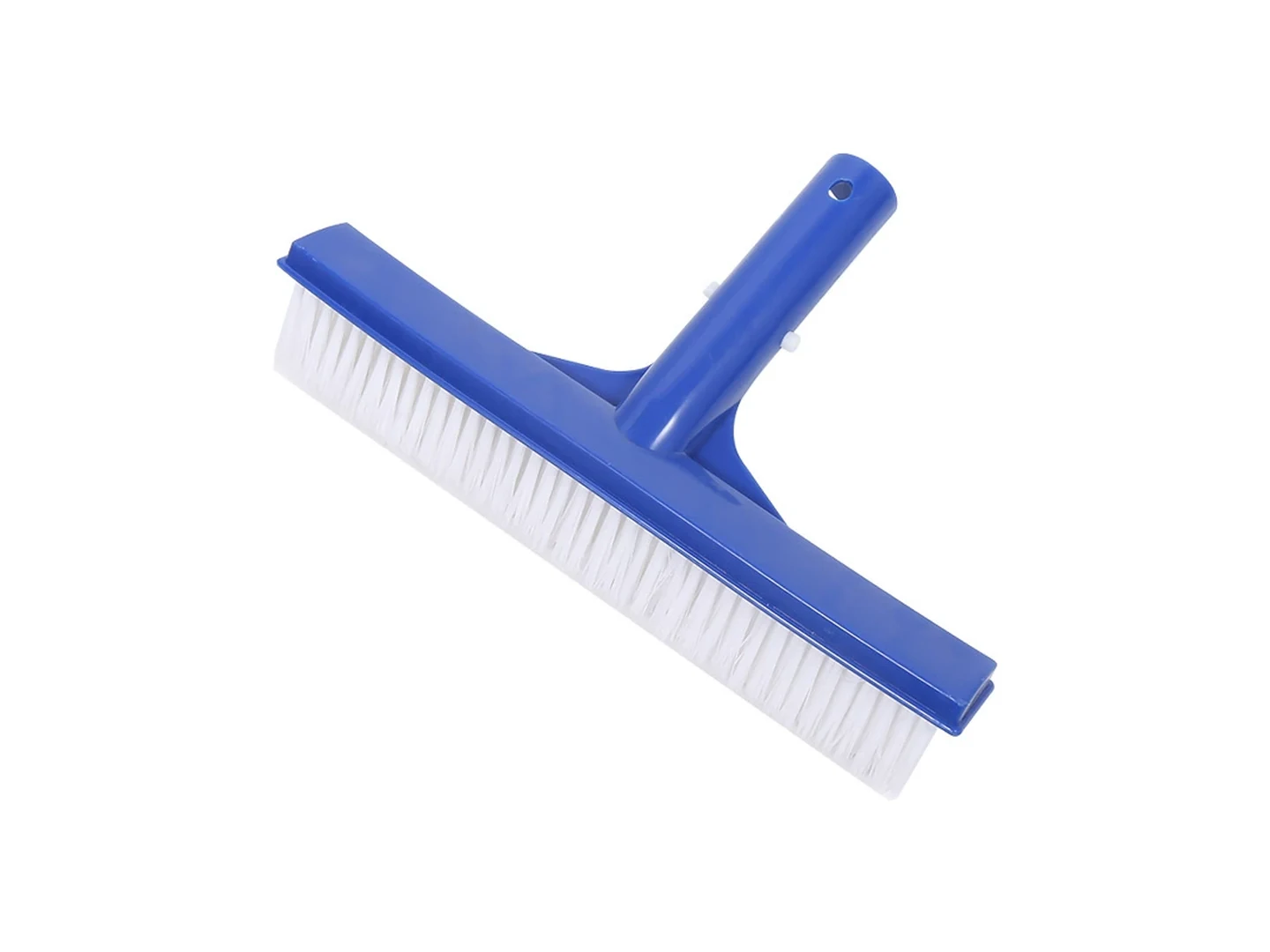
Medium brush
100 pcs
Minimum order
Worked with two hands or on a pole: chimney, gutter and pond-filter brushes, discs, cups and tank brushes.
Production lead time, once the specification is confirmed
- Up to 100 pcsWithin 7 days
- 101–5,000 pcsWithin 14 days
- 5,001–50,000 pcsWithin 21 days
- Over 50,000 pcsConfirmed with your quotation
Peak season can extend these times; the shipping date is confirmed in writing with your quotation. Sampling and shipping are quoted separately.
A configurable manual pool wall brush for scrubbing algae, biofilm, and loose deposits from pool walls, floors, steps, and the waterline. Choose PP or nylon fills, head widths from 100 to 300 mm, and a pole socket that matches your service fleet.
What can this brush do for you?
Cover more wall area per stroke
A wide head face, up to 300 mm, lets service crews push a full-width contact patch across flat sections in a single pass. The result is fewer overlapping strokes, less time per pool, and lower operator fatigue on commercial routes.
Match bristle aggression to the surface you are scrubbing
Two fill materials are available for this brush. Stiffer polypropylene filament breaks through algae biofilm on plaster, concrete, gunite, and grout. Softer nylon filament removes the same surface growth from vinyl liners and fiberglass shells without pulling, scuffing, or leaving brush marks. One brush platform can serve a mixed residential and commercial route without a separate tool for each surface type.
Reach into texture, not just across it
Trim length can be specified from 25 to 100 mm. Longer trim lets bristle tips enter pores, aggregate pockets, and grout joints on rough pool surfaces, which is where algae roots often survive a shallow surface wipe. Shorter trim gives controlled, low-flex contact on smooth tile and gelcoat surfaces where excessive bending wastes motion.
Use the poles your crews already carry
The brush block can be molded with an M18, 3/4 in, or ACME socket, so the head drops onto the standard telescopic poles already in your fleet. No adapter rings, no field modifications, no re-training the crew on a new interface.
Keep drag manageable during long sweeps
The block is built from glass-filled or UV-stabilized polypropylene with a fill pattern sized to the job, not simply packed to maximum density. Less unnecessary water resistance means a steadier push along the wall and less shoulder strain over a full day of pool maintenance.
What is a Pool Wall Brush?
A pool wall brush is a hand-guided brush head that attaches to the end of a pool pole and is moved across submerged or waterline surfaces with push, pull, and rotating strokes. The bristle face sits at a right angle to the pole, allowing the operator to scrub walls, floors, steps, benches, and tile lines from outside the water.
During a typical cleaning cycle, the brush breaks the biofilm layer that holds algae and suspended dirt onto the pool surface. Once the layer is loosened, the pool filtration system and sanitizer can carry the released material away. The brush is therefore one stage in a complete water-treatment sequence; it does not replace filtration, chemical balancing, or vacuuming.
The two working materials in this product family cover the main pool surface groups. Polypropylene fill is the harder-working option for plaster, concrete, pebble, and tile surfaces where algae can anchor into pores and joints. Nylon fill is the safer option for vinyl, fiberglass, and coated surfaces that need cleaning without aggressive abrasion. The head width, trim length, and filament diameter are adjusted so the brush applies pressure where the operator aims it, not across an uncontrolled contact patch.
Technical Specifications
| Parameter | Options / Details |
|---|---|
| Head width | 100–300 mm, selected for pool size and surface area |
| Trim length | 25–100 mm, shorter for smooth surfaces, longer for textured plaster or aggregate |
| Filament diameter | 0.25–1.20 mm, matched to surface sensitivity and residue type |
| Fill material | Polypropylene (PP) or Nylon (PA), or custom blend |
| Brush block material | Glass-filled or UV-stabilized polypropylene |
| Fill pattern | Straight rows, staggered tufts, or custom tuft density for high-wear zones |
| Pole socket | M18, 3/4 in, ACME, or common 1-1/4 in conical pole fitting |
| Operating temperature | -20 to 100°C |
| Chemical exposure | Stable in typical pool chlorine and bromine levels; confirm concentration for aggressive water chemistry |
| Working reach | 1–4 m when paired with a compatible telescopic pool pole |
| Surface compatibility | PP fill for plaster, concrete, gunite, and tile; nylon fill for vinyl, fiberglass, and coated surfaces |
| Brush type | Custom Handheld Detail Brushes |
| How it is driven | Hand-guided |
| Cleaning target | plaster and concrete commercial pool, gunite and pebble-aggregate finish, and tile and grout waterline cleaning |
| Surface or part | walls, floors, tile, pool walls, plaster, fiberglass, concrete, and tile lines |
| Residue or debris | algae, biofilm, loose deposits, particles, and scale |
| Mounting / connection | Fixed |
All dimensions, materials, and interfaces in the table can be adjusted during project development. The values shown are typical starting points, not fixed catalog limits.
Where does this brush work best?
- Plaster and concrete commercial pools where green or yellow algae forms a persistent layer on walls, steps, and the tile line. The longer PP trim reaches into the porous surface and breaks the anchoring biofilm.
- Gunite and pebble-aggregate finishes that retain algae between aggregate particles. A shallow trim cannot make effective contact; 75–100 mm polypropylene filaments get into the pockets.
- Tile and grout waterlines in hotels, resorts, and water parks where biofilm builds continuously and needs regular mechanical removal above and below the waterline.
- Vinyl liner and fiberglass residential pools that require brushing to prevent algae but cannot tolerate stiff bristles. Nylon fill with 25–50 mm trim removes the film without damaging the surface.
- Pool service routes and maintenance companies that want one brush head platform covering multiple surface types across their daily schedule.
- High-bather-load facilities such as swim schools, therapy pools, and apartment complexes where walls and floors need frequent mechanical cleaning between chemical treatments.
How do I choose the right one?
Start with the pool surface
The surface material, not the residue alone, determines the safe working aggressiveness of the fill. Mismatching the fill is the most common cause of surface damage and customer complaints on pool routes.
| Pool surface | Recommended fill | Typical trim | Selection reason |
|---|---|---|---|
| Plaster, concrete, gunite | Polypropylene | 50–100 mm | Reaches pores and aggregate texture where algae anchors |
| Tile and grout | Polypropylene or nylon | 25–75 mm | PP for grout lines and hard scale, nylon for polished tile faces |
| Vinyl liner | Nylon | 25–50 mm | Prevents tears, scuffs, and liner abrasion |
| Fiberglass or coated shell | Nylon | 25–50 mm | Preserves gelcoat and smooth finish |
Match the head width to the job
A 100–150 mm head is easier to control on steps, benches, swim-outs, and curved transitions. A 200–300 mm head clears large flat walls and floors in a commercial setting much faster. If the crew services both, a mid-range width or two head sizes may be the right platform.
Pick trim length and filament diameter together
Longer trim gives more flex and reach but applies less direct pressure at the bristle tips. Shorter trim transfers more of the operator’s push into the contact point. Thicker filaments resist bending and hold their shape on rough surfaces; thinner filaments conform better and are gentler on smooth shells. For heavy algae on a rough plaster wall, choose longer trim with a larger filament diameter. For routine maintenance on a fiberglass spa, choose shorter trim with a smaller diameter.
Confirm the pole interface before ordering
Measure the socket inside diameter and thread form on the poles your crews already use, then select the matching M18, 3/4 in, ACME, or conical fitting. A head that does not seat firmly on the pole will rock during use and waste the operator’s stroke.
Consider water chemistry and UV exposure
The block and filament grade should tolerate the chlorine or bromine levels used in the pool. If the brush will be stored outdoors or left on a service truck, UV-stabilized PP block material extends service life. For unusually high sanitizer concentrations or salt systems, specify the water chemistry during customization so the plastic compound can be selected accordingly.
When to choose a different brush
If the problem is hardened calcium scale, deeply rooted black algae in plaster, or mineral deposits that need abrasive removal, a stainless steel wire pool brush is usually the better tool. If the pool has an acrylic spa shell or polished stone surface, select soft nylon with reduced trim or consider a non-abrasive cleaning method. Polypropylene and nylon are the right choice for routine algae and biofilm control, not for aggressive mechanical descaling.
Can I customize this brush?
Every pool wall brush we build is configured around the pool type, surface material, pole standard, and residue problem. To define the right configuration, we typically need the following information:
- Pool surface material and condition
- Target residue: algae type, biofilm, loose scale, dirt, or combination
- Head width preference and access areas, such as steps, corners, or waterline only
- Pole socket type and thread on the equipment already in use
- Chemical concentration and storage conditions
- Any branding, color coding, or packaging requirements
With those inputs, we can adjust:
- Head geometry — width from 100 to 300 mm, straight or curved face, radius corners, stair tread shape, or waterline angle
- Fill system — PP, nylon, or blended filament; color coding by surface type; filament diameter from 0.25 to 1.20 mm; trim length from 25 to 100 mm
- Tuft pattern — straight rows, staggered tufts, double tufting, or denser fill in high-wear edge zones
- Block construction — glass-filled or UV-stabilized PP, stiffening ribs, recessed bolt holes, or reinforced socket collar
- Pole interface — M18, 3/4 in, ACME, conical socket, or a quick-release adapter for mixed pole fleets
- Branding and identification — embossed logo, custom color, product code marking, private label packaging
If the project requires material declarations, inspection documents, or third-party testing support, we can assist with those requirements as part of the customization process.
How is a pool wall brush mounted, and how long does it last?
How can I tell whether my current brush fill is too aggressive for a vinyl or fiberglass surface?
Inspect the surface in direct light after brushing. Visible scuff marks, whitening on vinyl, or fine scratches in the gelcoat are signs that the filament is too stiff or the trim is too short. Test a small, low-visibility area first when changing fill materials, then expand once the result is confirmed.
Will brushing alone remove black algae?
No. Black algae forms a protective layer that must be chemically treated before brushing can expose the roots. Brushing is part of the removal sequence, but persistent black algae in plaster often also requires a stainless steel brush and repeated treatments. A polypropylene or nylon pool wall brush is not a substitute for correct chemical dosing.
How often should a pool wall brush head be replaced?
Monitor trim length and bristle condition. When the trim wears down to roughly half its original length or the tufts become matted and curled, scrubbing effectiveness drops and the risk of uneven contact rises. Replace the head before the bristles wear far enough to expose the block, especially on vinyl and fiberglass pools.
Does the brush float or sink during use?
The brush head is designed with slightly negative buoyancy so it stays in contact with walls and floors while the operator controls position with the pole. If a floating or neutral-buoyancy head is needed for a specific application, that behavior can be specified during customization.
What should the crew do after brushing a pool with heavy algae?
Brush to break the biofilm, then allow the filtration system time to capture the suspended material. Backwash or clean the filter as needed, recheck sanitizer levels, and inspect corners and steps for residue the brush may have missed. Rinse the brush with fresh water after use and store it out of direct sunlight to extend filament and block life.
Can this brush be mounted on an automatic cleaner or robotic system?
No. This is a manual brush head designed for use with a standard hand pole. It is not built for robotic mounting, motorized drives, or automatic cleaner attachments. If your project requires a brush head for automated equipment, we can evaluate a different configuration with the necessary mounting interface.
Guides that go deeper on this
We have not written a guide specific to this one yet. The material that covers selection, filament, dimensions, maintenance and sourcing is collected in the technical resources library.
RELATED BRUSH RESOURCES
Recommended Reading & Related Brush Resources
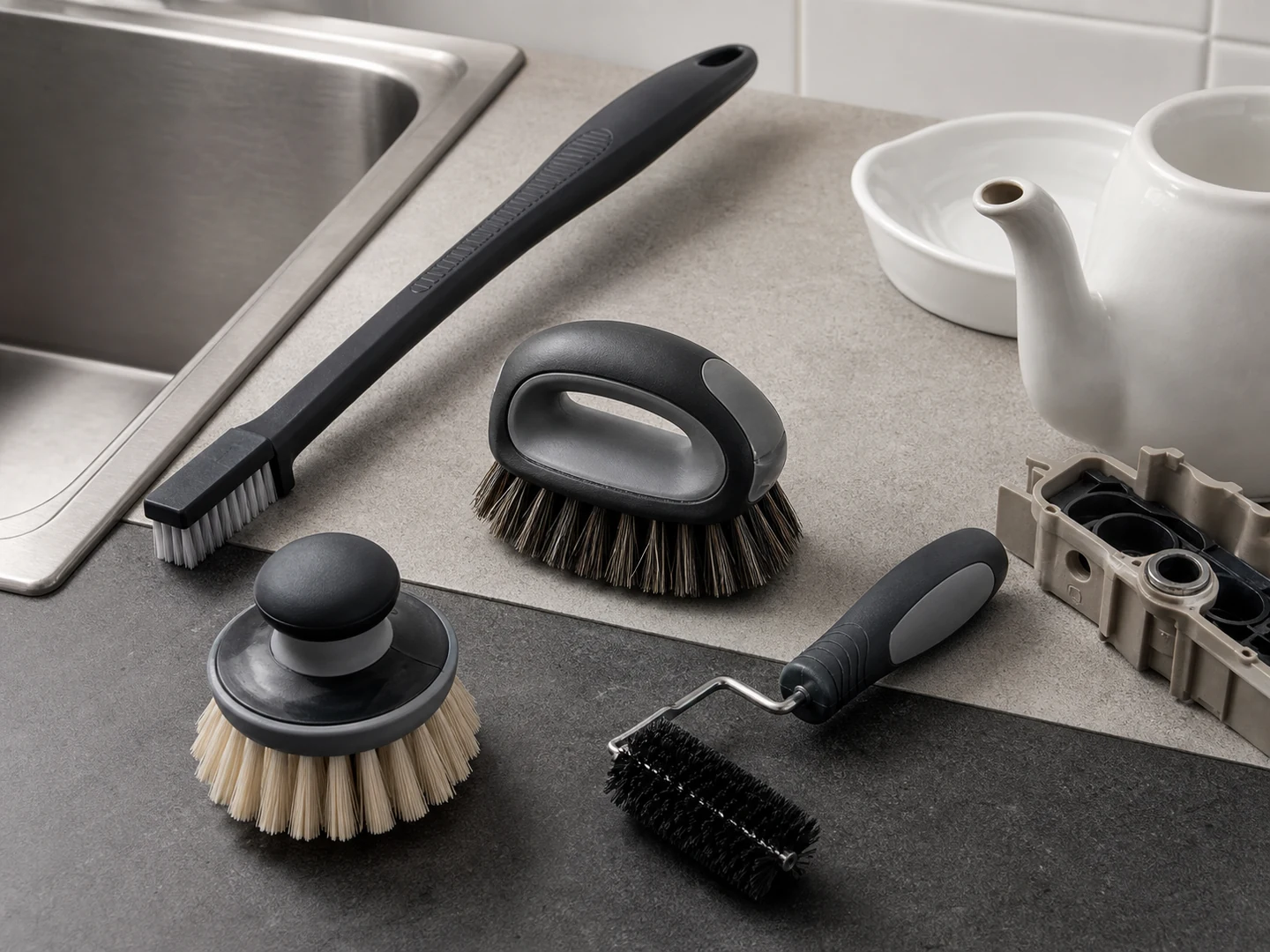
Custom Handheld Detail Brushes
Choose a handheld detail brush when you need direct control in seams, recesses, fittings,…
See how this type is built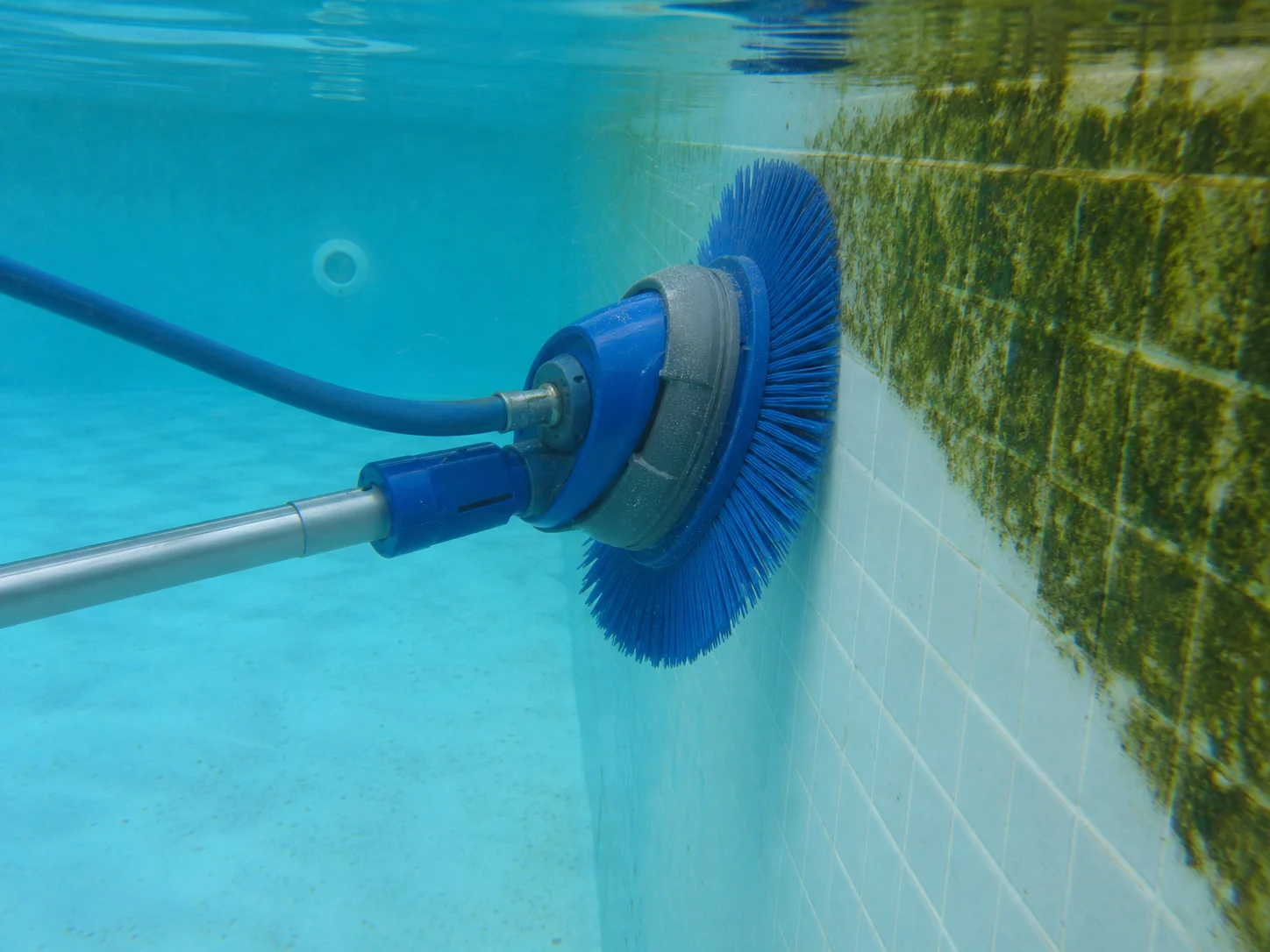
Swimming Pool Wall Algae Cleaning
For Swimming Pool Wall Algae Cleaning, the brush must reach the working area, disturb…
See the cleaning job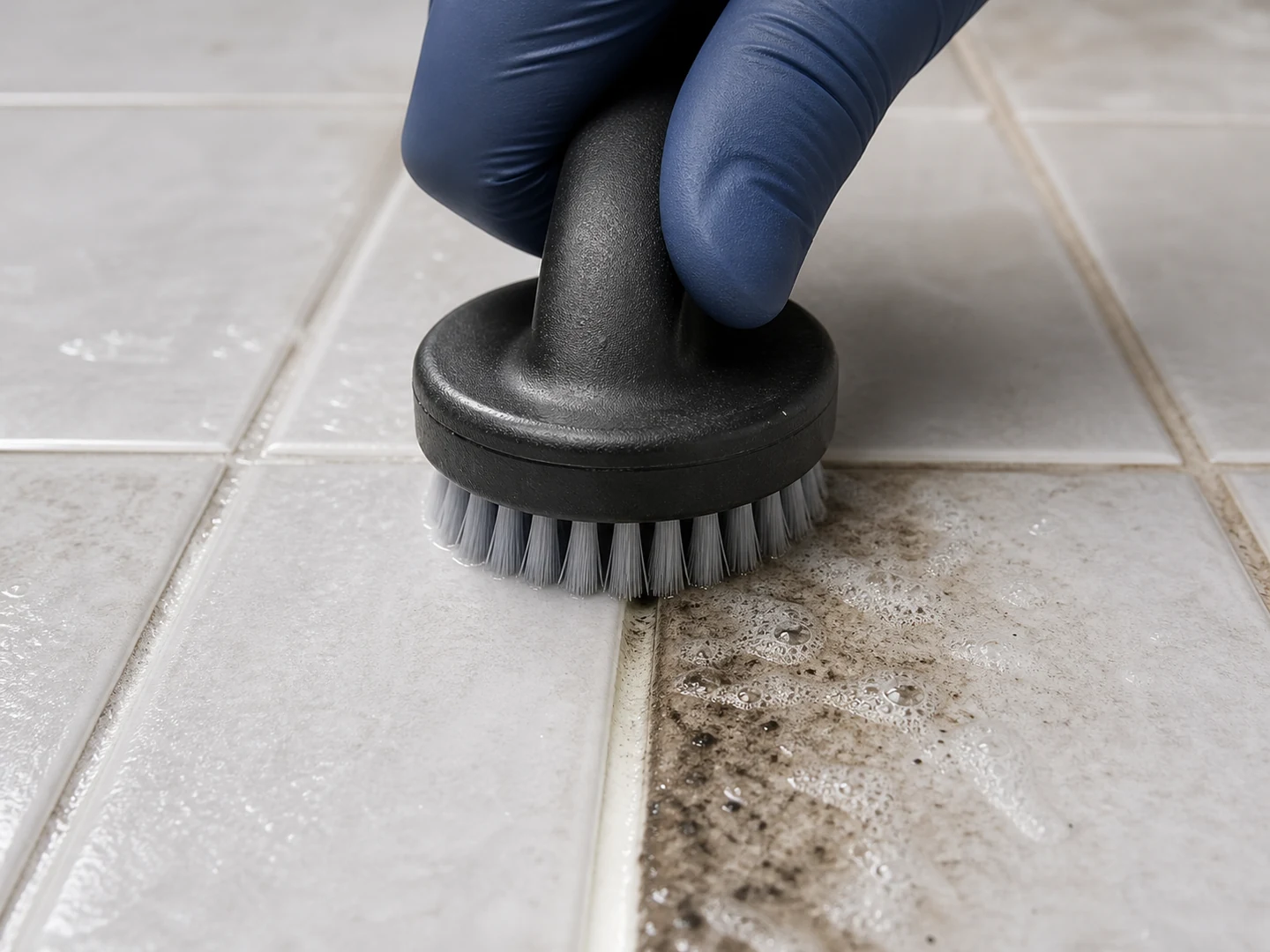
Tile Grout Cleaning
For Tile Grout Cleaning, the brush must reach the working area, disturb or collect…
See the cleaning job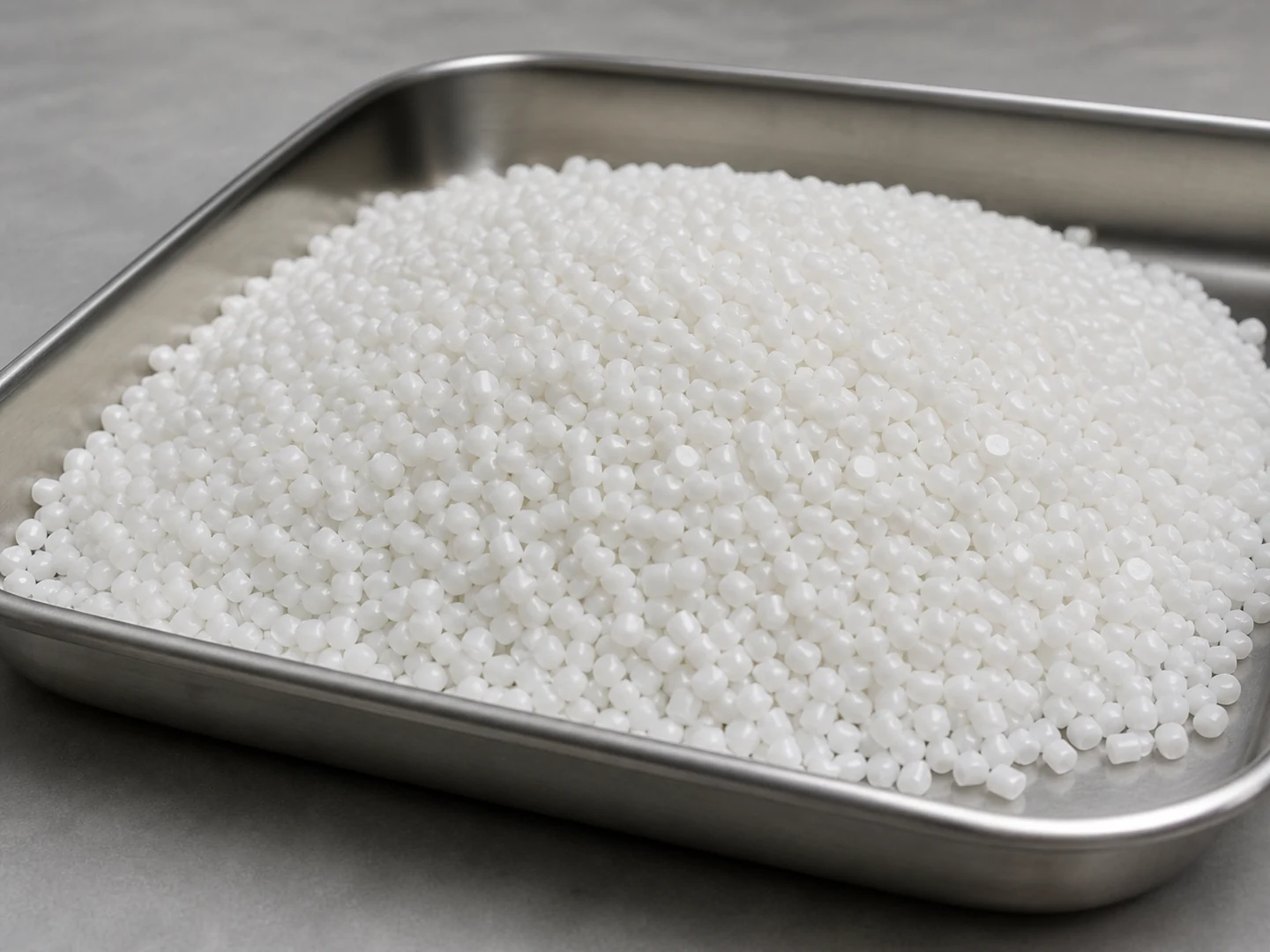
Polypropylene PP
Choose Polypropylene PP based on its stiffness, recovery, wear, wet-service, chemical, and temperature behavior.…
Compare this material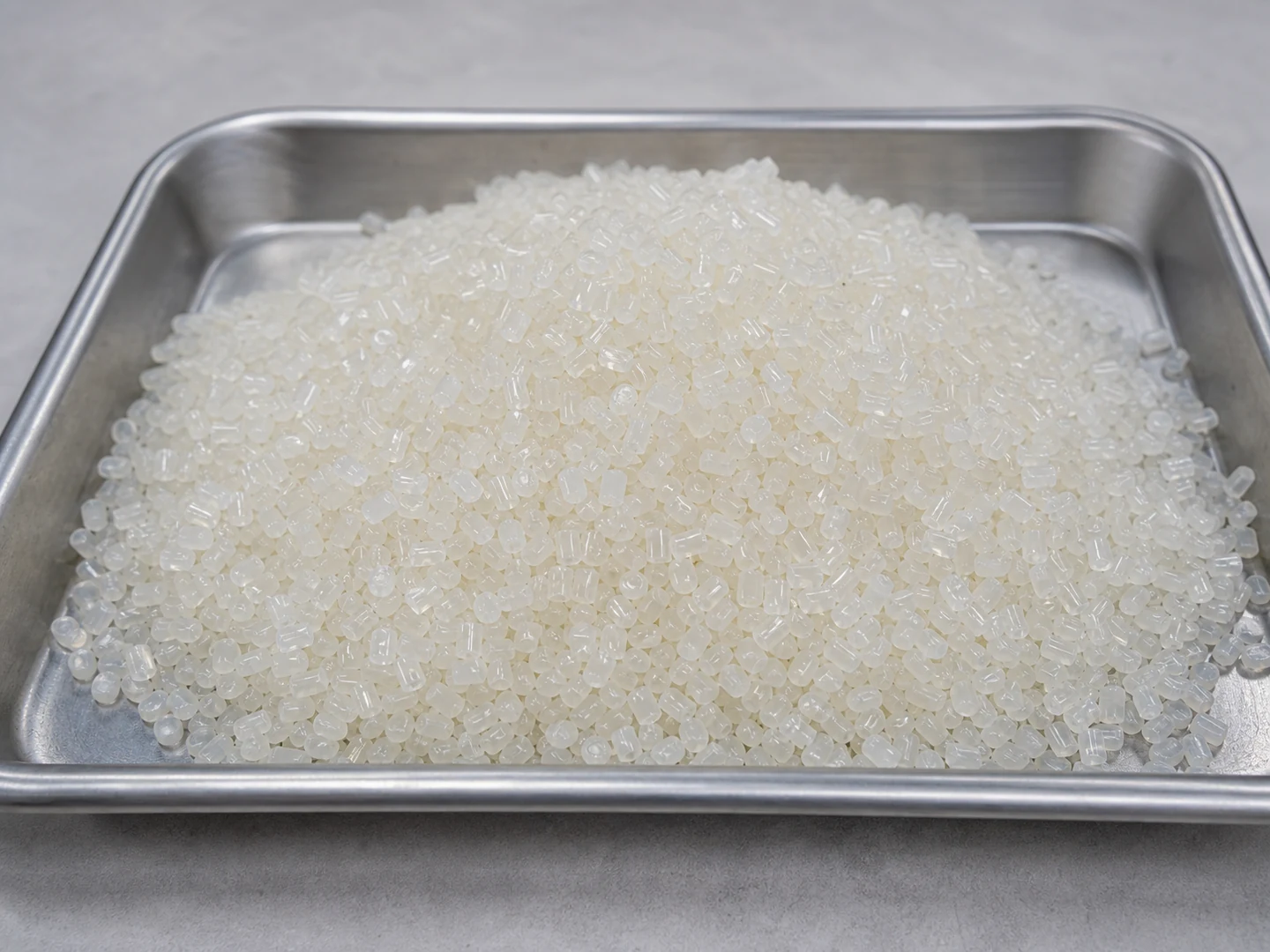
Nylon PA
Choose Nylon PA based on its stiffness, recovery, wear, wet-service, chemical, and temperature behavior.
Compare this material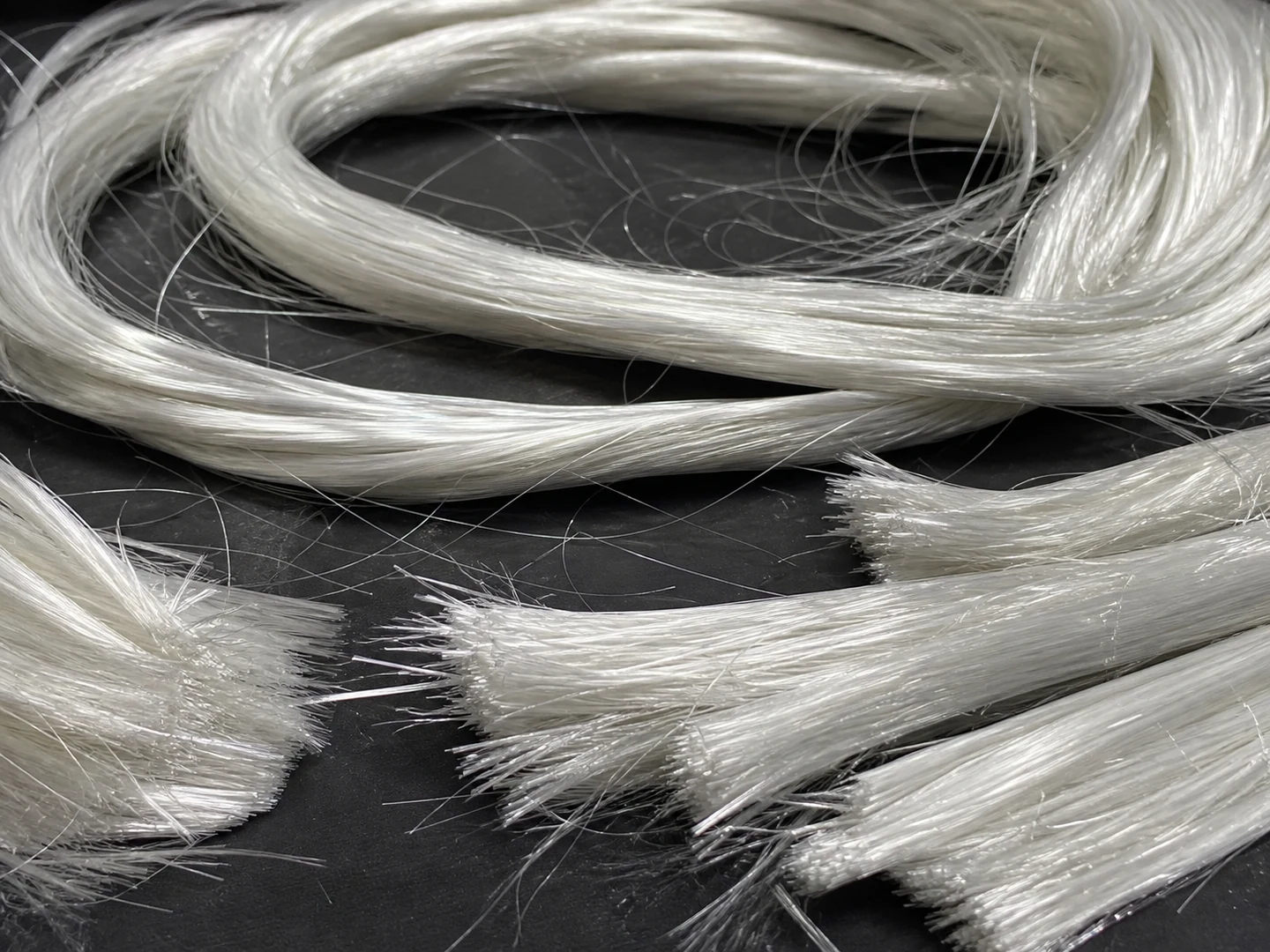
Fiberglass Filament
Choose Fiberglass Filament based on its stiffness, recovery, wear, wet-service, chemical, and temperature behavior.…
Compare this material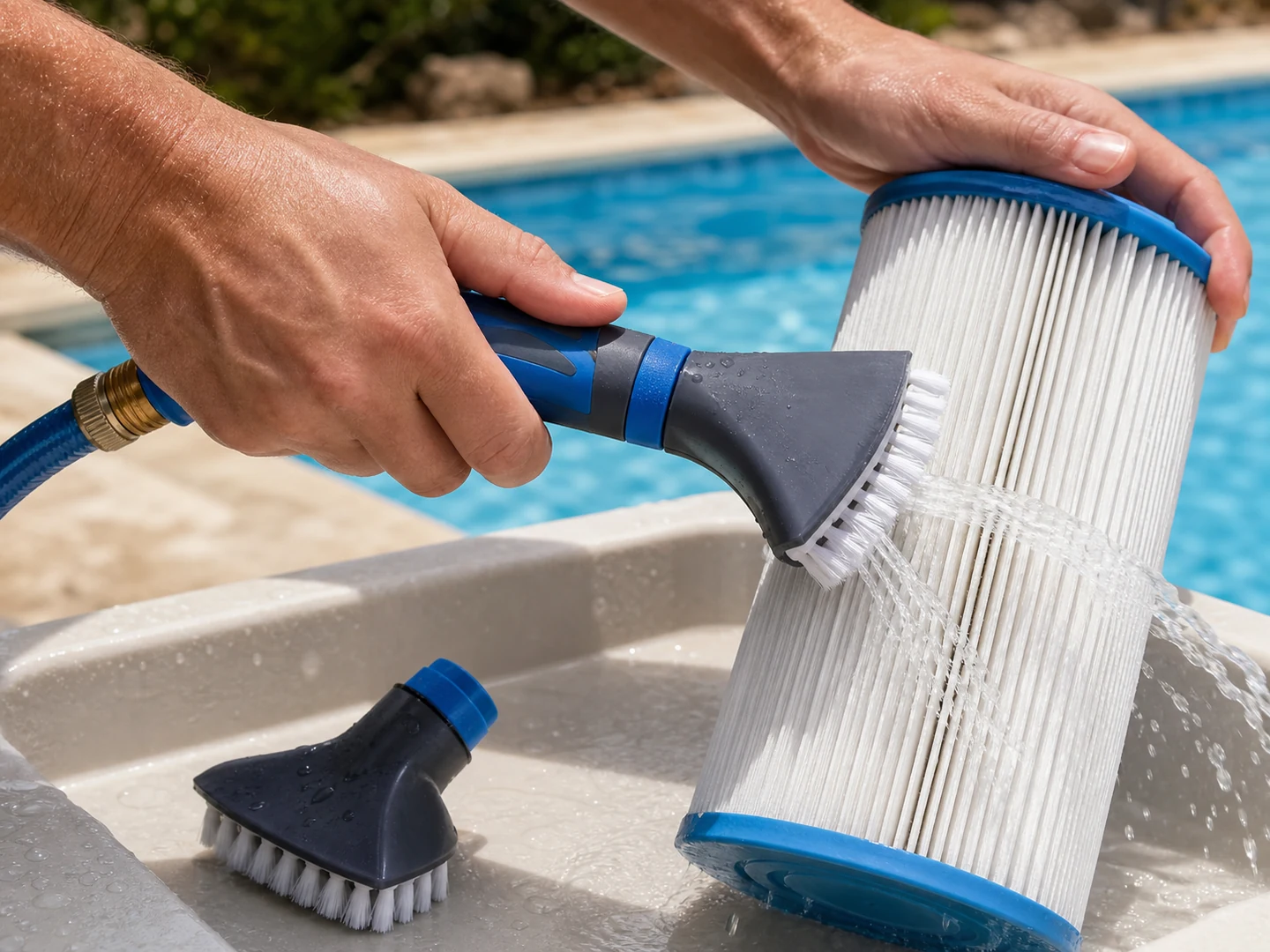
Pool Filter Cartridge Brush
Head width and filament spacing matched to pleat pitch, so the tips slide into…
Compare the specification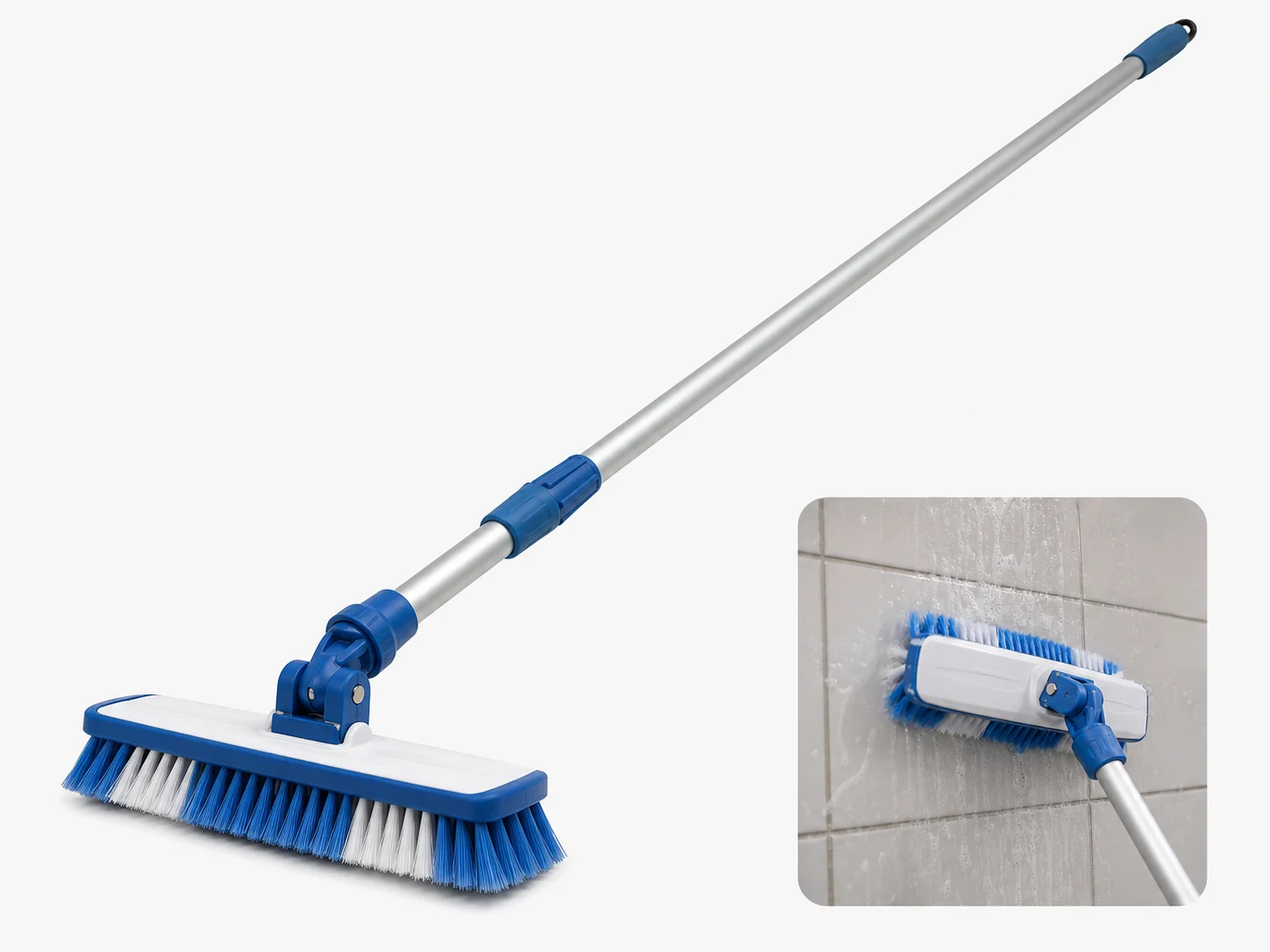
Outdoor Wall Cleaning Brush
Outdoor wall cleaning brush with a 100–300 mm head and extendable 300–2000 mm handle.…
Compare the specificationCustom Manufacturing RFQ
Describe Your Application
For a custom quote, we need the key dimensions, surface or part, residue, material preference, quantity, and reference image or drawing.
Drawing or photo optional — it speeds things up, it does not gate the enquiry.
Custom Brush RFQ
Send Your Brush Project
Upload a drawing, product photo, or sample photo and provide the core dimensions and cleaning conditions.
“We need a brush to remove wet residue from a stainless steel conveyor, about 800mm wide. The current brush wears quickly. We can send photos.”
“We sell drinkware and need a cleaning brush to include with the product. Quantity around 5,000 pieces.”