
Material
PVC Board Brush Base
Brush base material
PVC Board Brush Base is evaluated as a brush component material rather than as filament. Select the component material from the working load, mating geometry, connection method, exposure conditions, and maintenance process.
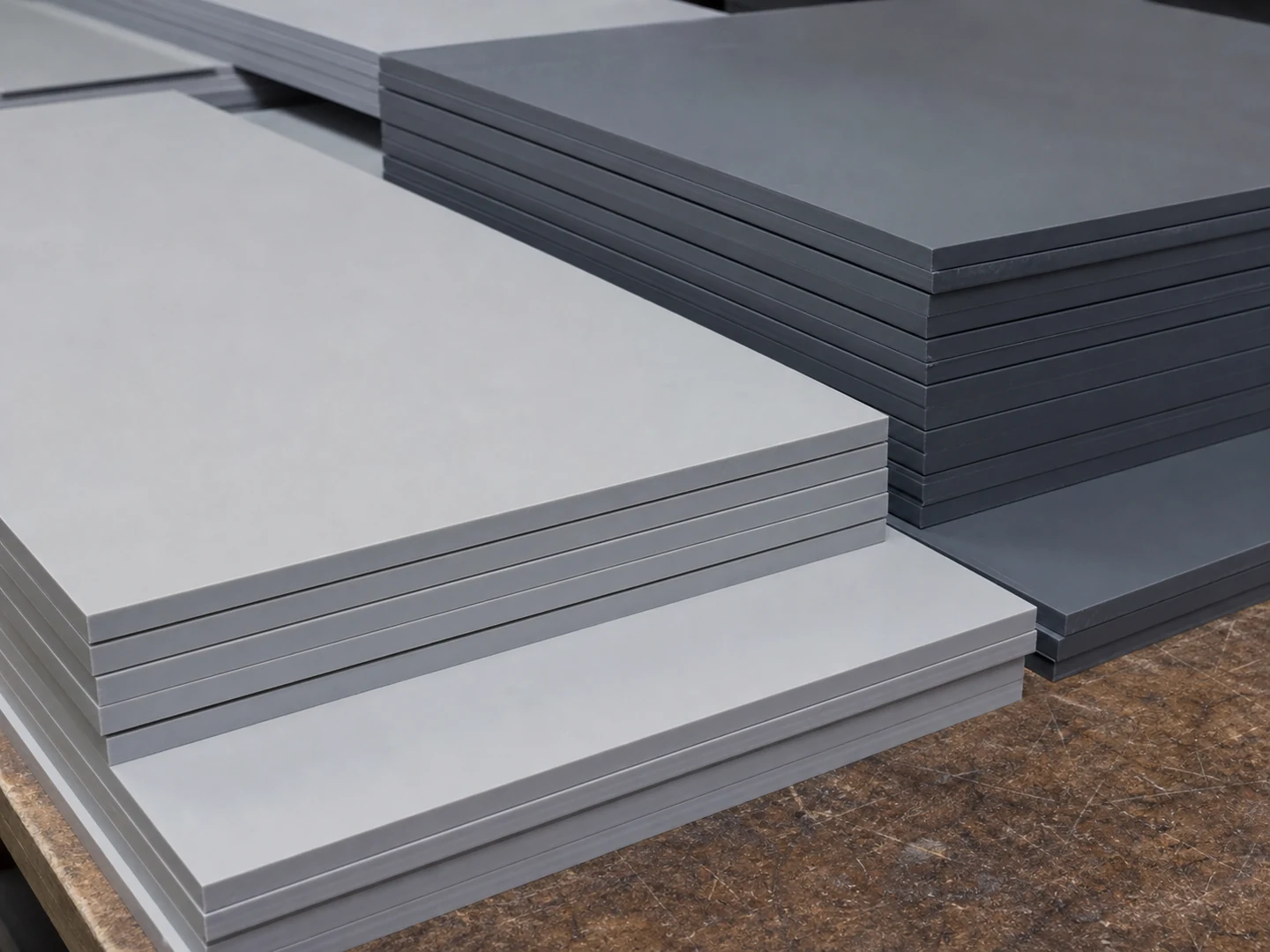
Datasheet values
- Density
- 1.35–1.45 g/cm³
- Board thickness
- 3–30 mm
- Use temperature
- -10–60°C
- Water absorption
- below 0.1%
- Machining tolerance
- ±0.2–0.5 mm
PVC board is a rigid compounded polyvinyl chloride sheet used as a structural brush backing or plate.
What is PVC Board Brush Base, and what makes it different from other brush filaments?
PVC Board Brush Base sits in the brush base material family, supplied as rigid pvc sheet or board, machined block and drilled plate backing.
PVC Board Brush Base is used in custom cleaning brushes for wet block brushes, guard panels and strip-brush backing under modest structural and temperature loads.
Where a project stalls on material choice, the comparison is normally against Hardwood Brush Base and Aluminum Holder, and it turns on wet stiffness and working temperature.
Compare PVC Board Brush Base with PE board, PP board, hardwood, aluminum holder. Change material when wet stiffness, temperature, chemical resistance, conductivity, particle shedding, or surface marking becomes the limiting factor.
What stiffness and contact pressure can I expect from PVC Board Brush Base?
PVC Board Brush Base is rigid but section-dependent; thinner board can flex and loaded screws can creep or pull out; PVC Board Brush Base changes brush stiffness through filament diameter, free trim, density, crimp, and contact. Use finer filament and longer trim for conformable contact; use coarser filament, shorter trim, or higher density for stronger displacement or cutting.
The part people get wrong: this component does not set brush stiffness. It holds the fill and takes the mounting load, and the scrubbing pressure comes from the filament specified separately.
How does water affect PVC Board Brush Base performance?
PVC Board Brush Base takes up below 0.1%.
Good water-barrier behavior for many compounds.
What this means for your application: moisture does not move this component, which is why it survives washdown without loosening the fill.
A practical check: soak a sample and re-measure the mounting dimension and hole spacing. If either has moved, the fill will not stay seated in service.
What temperature limits apply to PVC Board Brush Base?
Usable temperature depends on the rigid PVC board compound, thickness, mechanical load and fastener design. Confirm the board manufacturer data for sustained heated service because creep and softening can become limiting before any melting point.
Where it stops working: validate with a sample if the process sits near the top of that band. A permanent bend under load means the answer is a higher-temperature filament family, not a heavier trim.
Diameter, trim length and applied load all shift the real limit, so a thin filament touching lightly survives conditions that would flatten a thick one under pressure.
What chemicals attack PVC Board Brush Base?
Often useful in wet and corrosive environments, but solvent and oxidizer compatibility checked for the board compound.
Compatibility is a function of concentration, temperature and contact time together. A short rinse in a dilute solution is a different exposure from an overnight soak in a concentrated one, even with the same chemical on the label.
Before you commit to a quantity: Specify the exact PVC Board Brush Base grade or alloy, filament or profile size, color, straight or crimped form, working temperature, wet or dry use, chemical exposure, surface finish, and any required material documentation.
What is the practical lower limit for filament diameter?
Filament diameter does not apply to PVC Board Brush Base. It is a brush component rather than the fill, so it carries no filament of its own and sets no lower diameter limit.
The dimensions that do decide it are the bore or mounting size it has to fit, its wall section or thickness, and the hole pattern that receives the fill. Those come from the machine interface, not from the cleaning task.
If the sample comes back rejected: fix the component dimensions against the equipment first, then choose the fill material and its diameter for the residue you are removing. The two are specified separately.
What applications typically use PVC Board Brush Base?
Wet block brushes, guard panels and strip-brush backing under modest structural and temperature loads.
The cleaning work it is specified for most often:
- Brick, Tile & Building Material Machine Brush Use
- Industrial Machine Cleaning
- Dust Removal
- Mold Cavity Cleaning
- Mining Boot Cleaning & Heavy-Duty Footwear Brush Use
- Floor Scrubbing
Brush types built with this fill:
- Custom Machine Table Brush Plates
- Custom Disc Brushes
In practical brush terms: Lower heat and stiffness margin than metal, possible creep and uncertain fastener retention under cyclic load.
How do I specify PVC Board Brush Base for a custom brush?
Send the brush type, filament diameter, free trim length, density, contact setting, wet or dry duty, working temperature and the actual cleaning chemistry together. Any one of them on its own leaves the stiffness undefined.
What usually goes wrong at this step:
- Selecting PVC Board Brush Base from the material name alone without setting filament diameter, trim length, and density
- Using dry stiffness to predict wet behavior without checking moisture absorption or liquid exposure
- Ignoring trapped abrasive particles, chemical concentration, temperature, or contact motion when assessing surface risk
Reference standards behind the figures on this page: ISO 527-1:2019; ASTM D638; ISO 62:2008; ASTM D570-22; ISO 868:2003; ASTM D2240-15(2021); ISO 4892-3:2024; ASTM G154-23; UL 94; ISO 139; ISO 5079; ISO 20743.
Source: Westlake — PVC and PS resin property summary. Rigid PVC backing softens under combined heat and load, and the behaviour is compound-dependent. The previous universal 60°C continuous rating was removed because no grade-specific board data supported it.
Questions this page is asked
How should fasteners and tuft anchors be validated in a PVC board base?
Test the released hole, thread, insert, through-bolt or anchor geometry in the actual board thickness under installation torque, sustained load, vibration or brushing cycles and the highest service and cleaning temperatures. Measure pull-through, thread damage, hole growth, permanent set, warpage and tuft or hardware movement after conditioning, and use supported joints when the test shows local creep is controlling.
How should a PVC brush base be checked for chemical service?
Expose loaded coupons and representative fastened bases to the exact chemical, concentration, contaminants, temperature, dwell, rinse and number of cycles, then examine mass and dimensions, hardness or tensile retention, swelling, softening, crazing, cracks and joint movement. Use the board supplier's compound data as a screen and release only the combined assembly result, especially where solvent or oxidizer exposure acts together with stress and heat.
Where these figures come from
| Property | Published value | Source |
|---|---|---|
| Chemical resistance | Often useful in wet and corrosive environments, but solvent and oxidizer compatibility checked for the board compound. | Westlake Retrieved 2026-07-20 |
| Published datasheet figures |
|
Westlake Retrieved 2026-07-20 |
| Hardness and stiffness | Rigid but section-dependent; thinner board can flex and loaded screws can creep or pull out. | Westlake Retrieved 2026-07-20 |
| Limitations | Lower heat and stiffness margin than metal, possible creep and uncertain fastener retention under cyclic load. | Westlake Retrieved 2026-07-20 |
| Temperature resistance | Continuous service: up to 60°C. | Westlake Retrieved 2026-07-20 |
| Water resistance | Good water-barrier behavior for many compounds. | Westlake Retrieved 2026-07-20 |
Guides that go deeper on this
We have not written a guide specific to this one yet. The material that covers selection, filament, dimensions, maintenance and sourcing is collected in the technical resources library.
Continue Exploring
Recommended Reading & Related Brush Resources
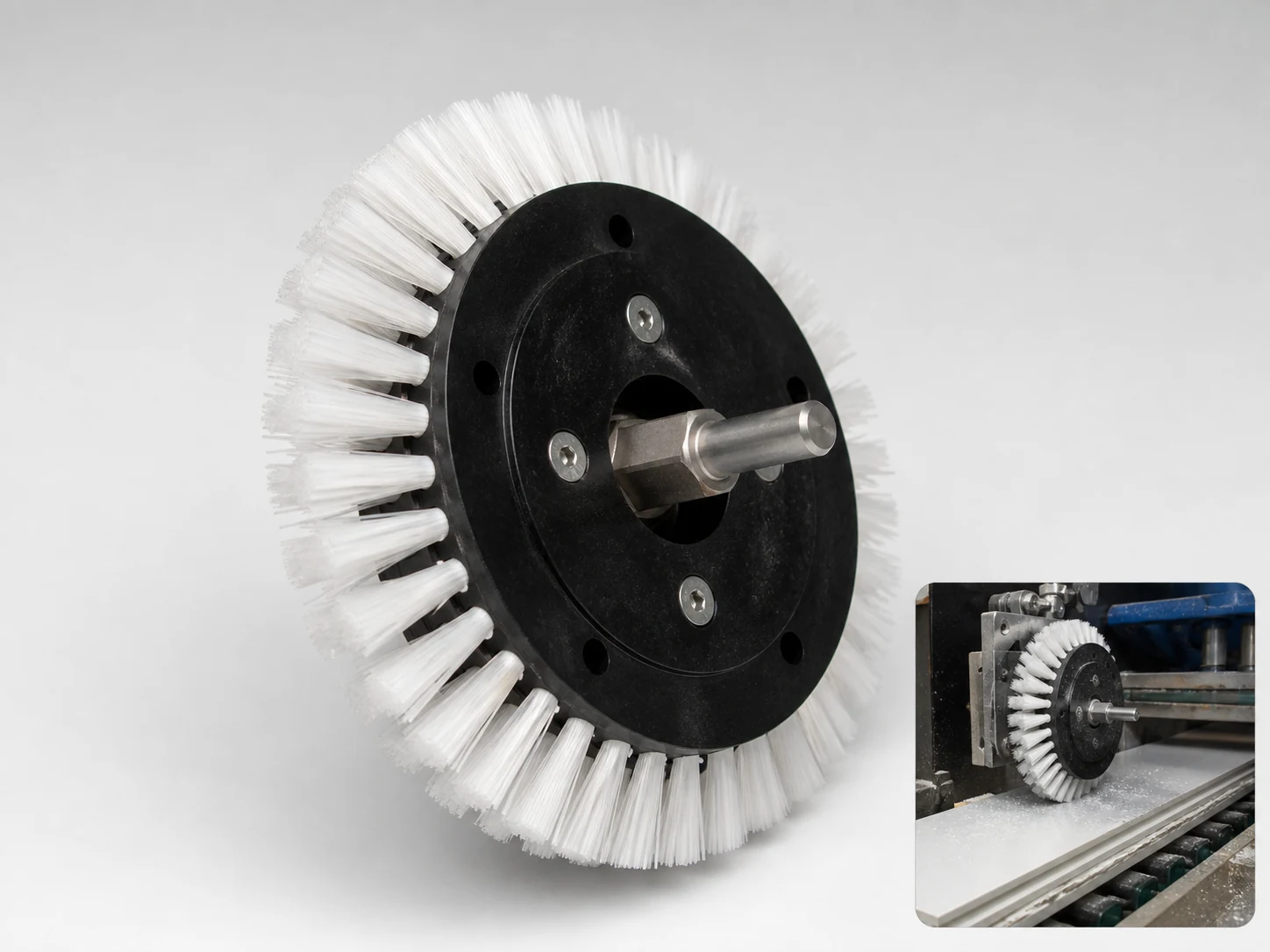
Nylon PVC Brush Plate
Custom PVC-backed nylon brush plates for CNC, punch, and sheet-processing tables. Sweep dust and…
See the specification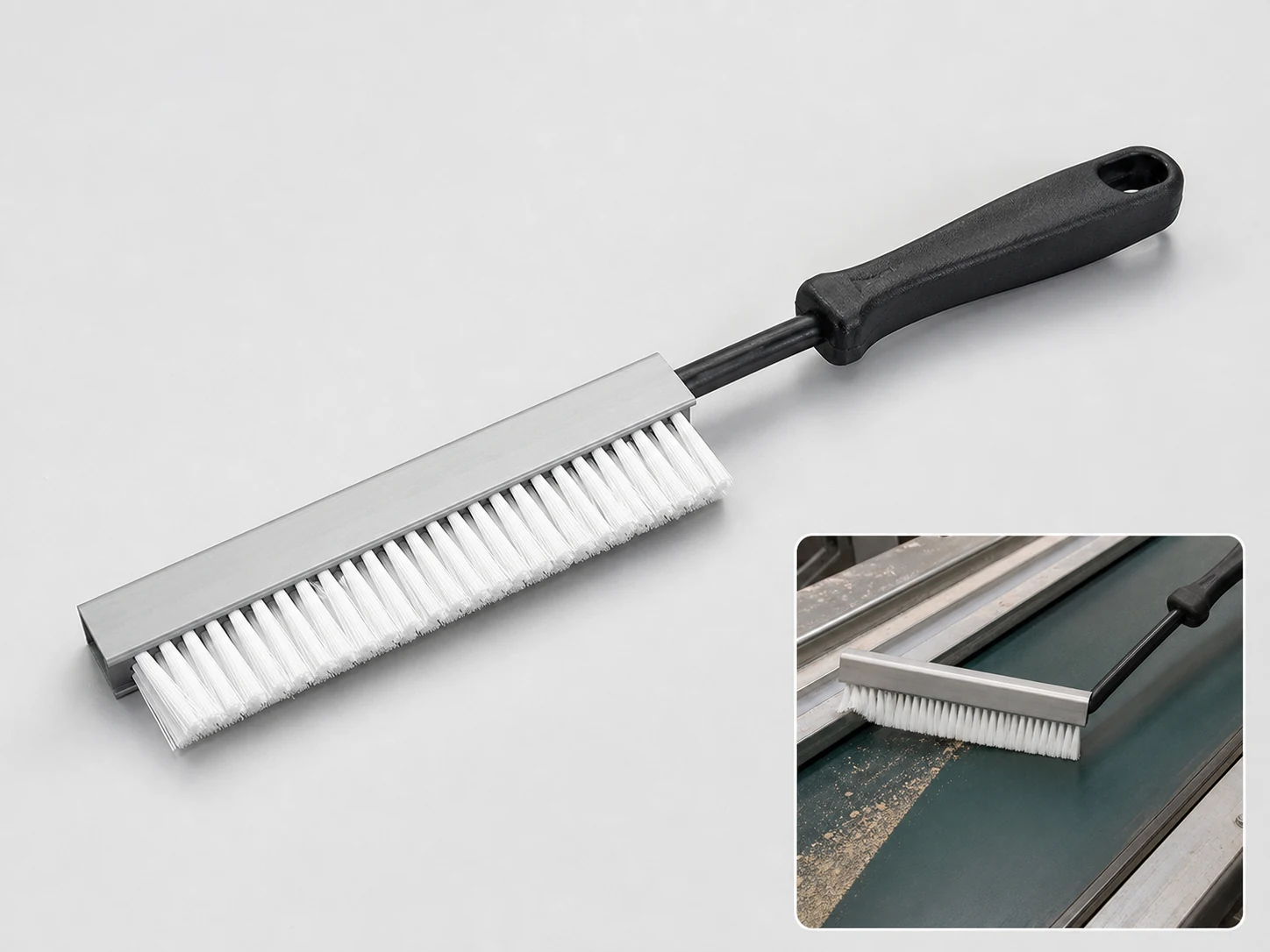
PVC Brush
Custom PVC brush with nylon PA bristles for wiping, dust control, and gap sealing…
See the specification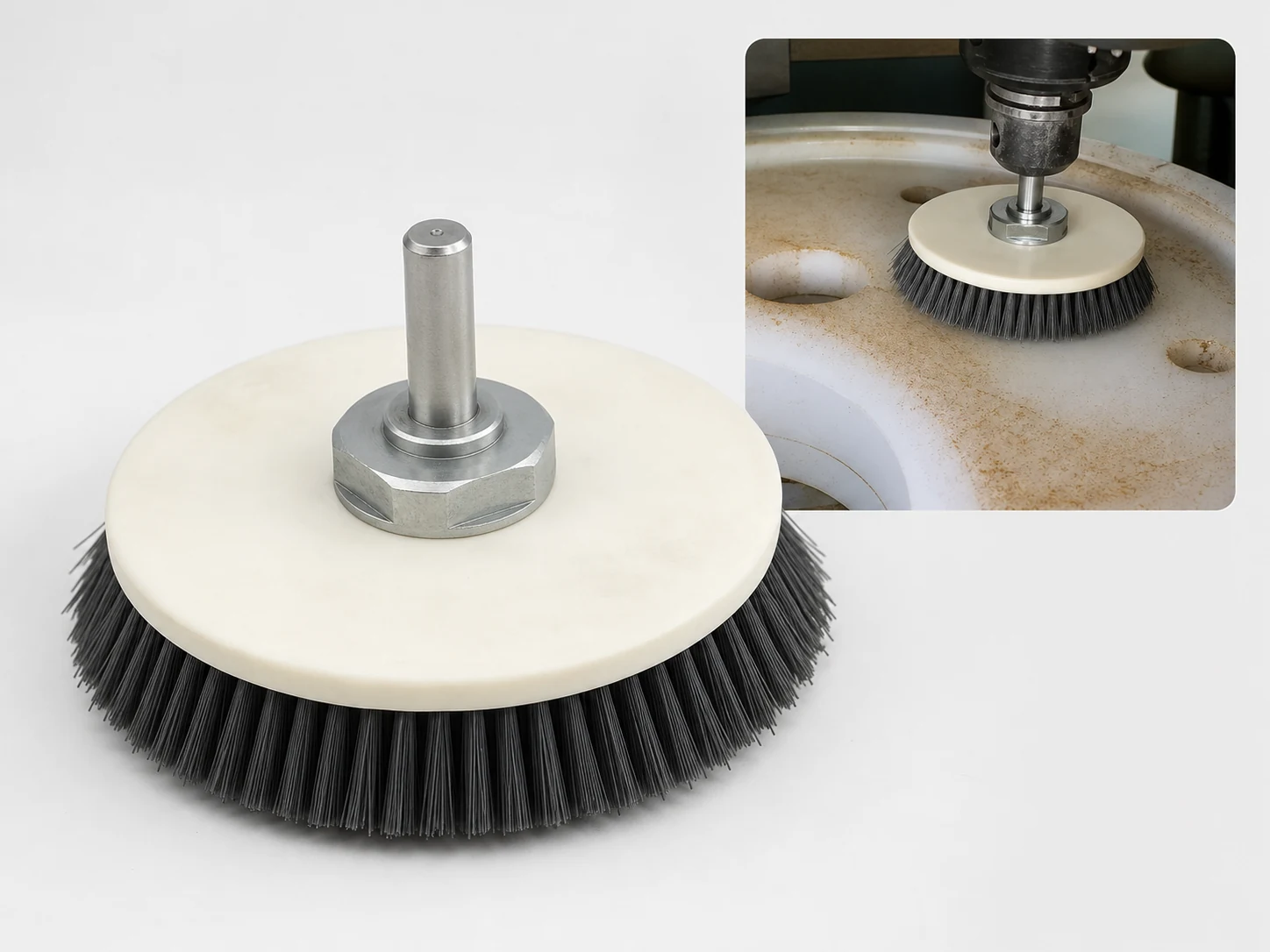
PVC Disc Brush
Custom PVC disc brush with nylon filament face for deburring, cleaning, and finishing. Specify…
See the specification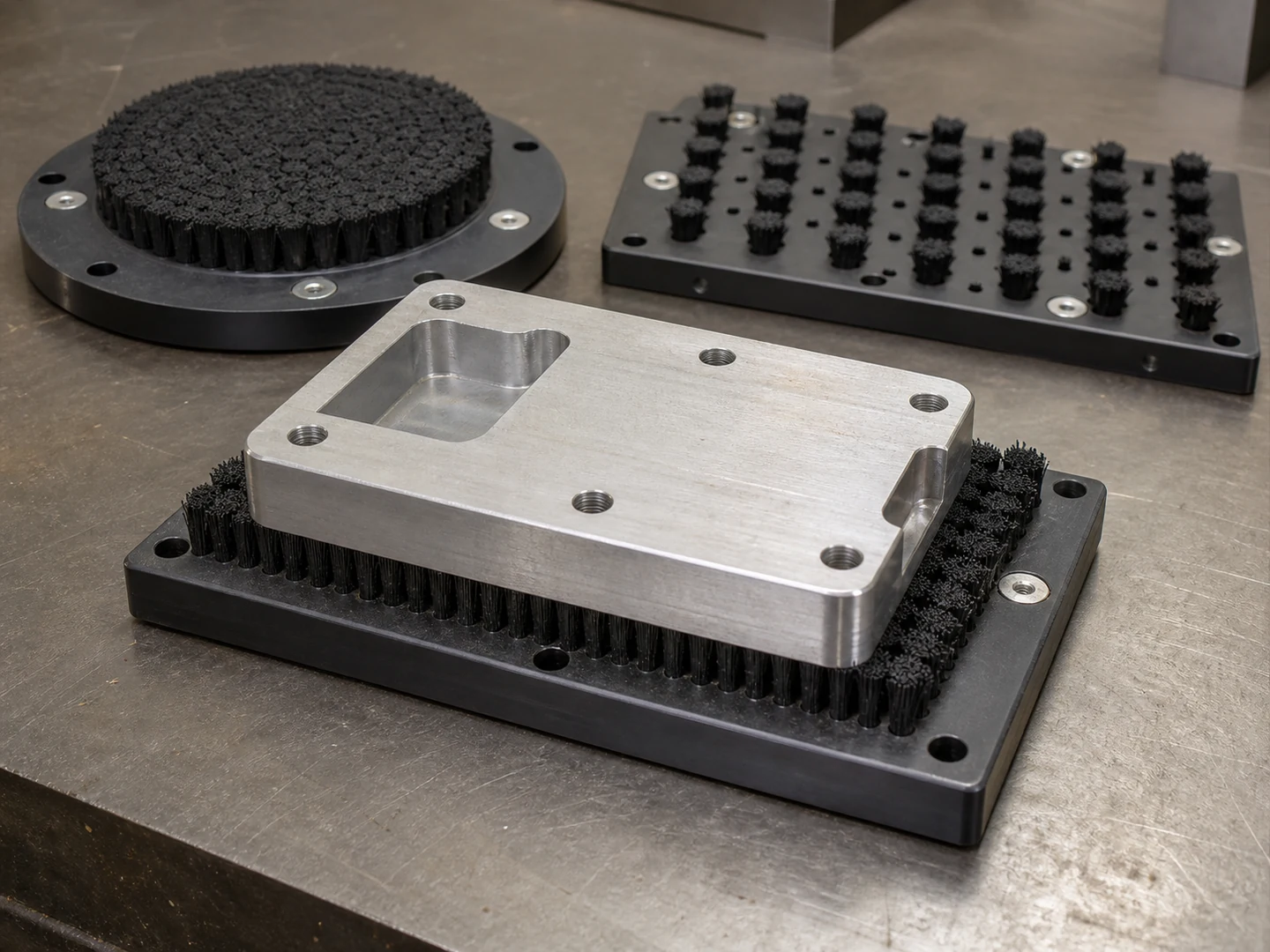
Custom Machine Table Brush Plates
Choose a machine table brush plate when a broad field of bristles must support,…
See how this type is built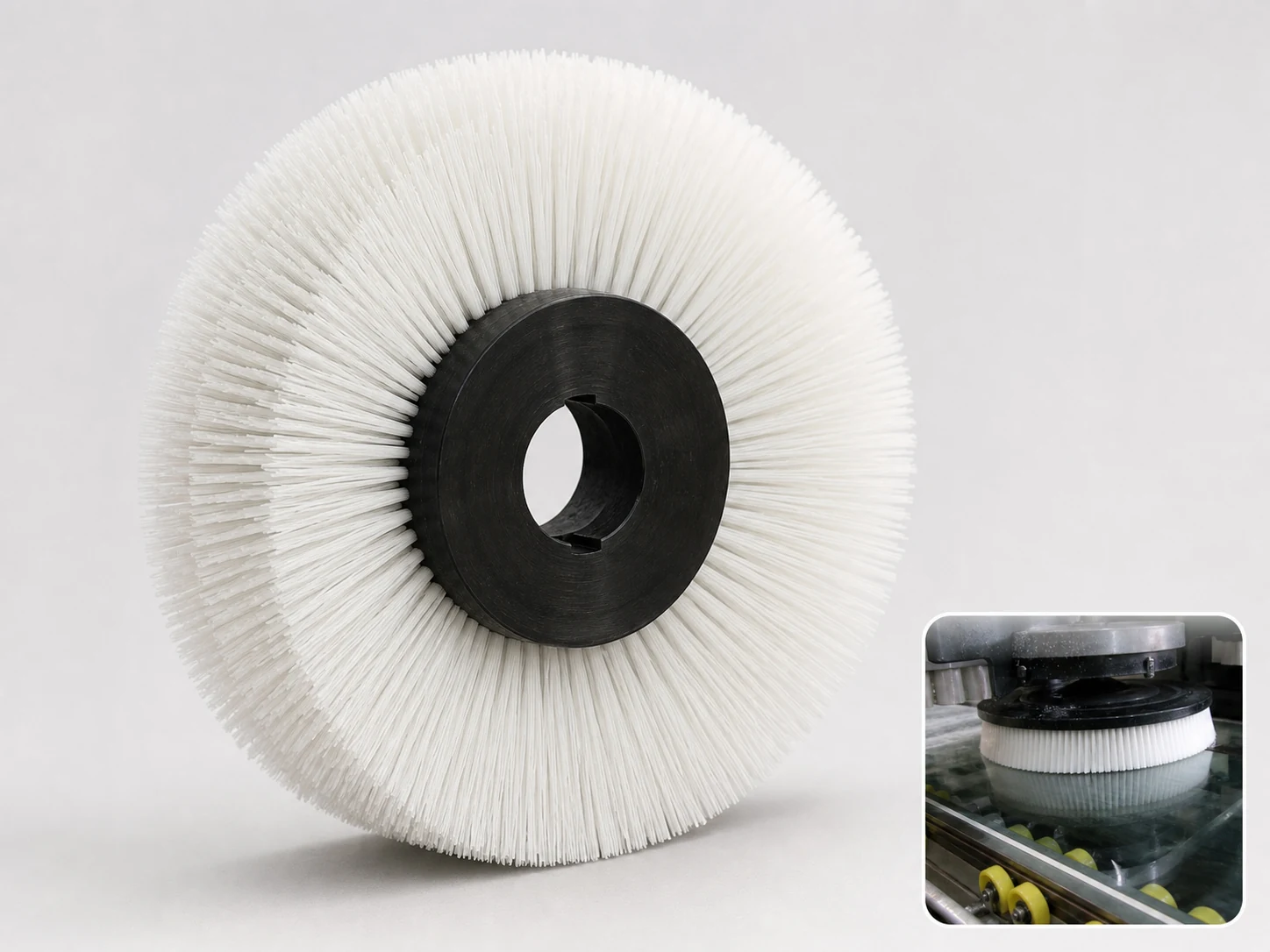
Custom Disc Brushes
Choose a disc brush when a circular face must scrub, wipe, polish, sweep, or…
See how this type is built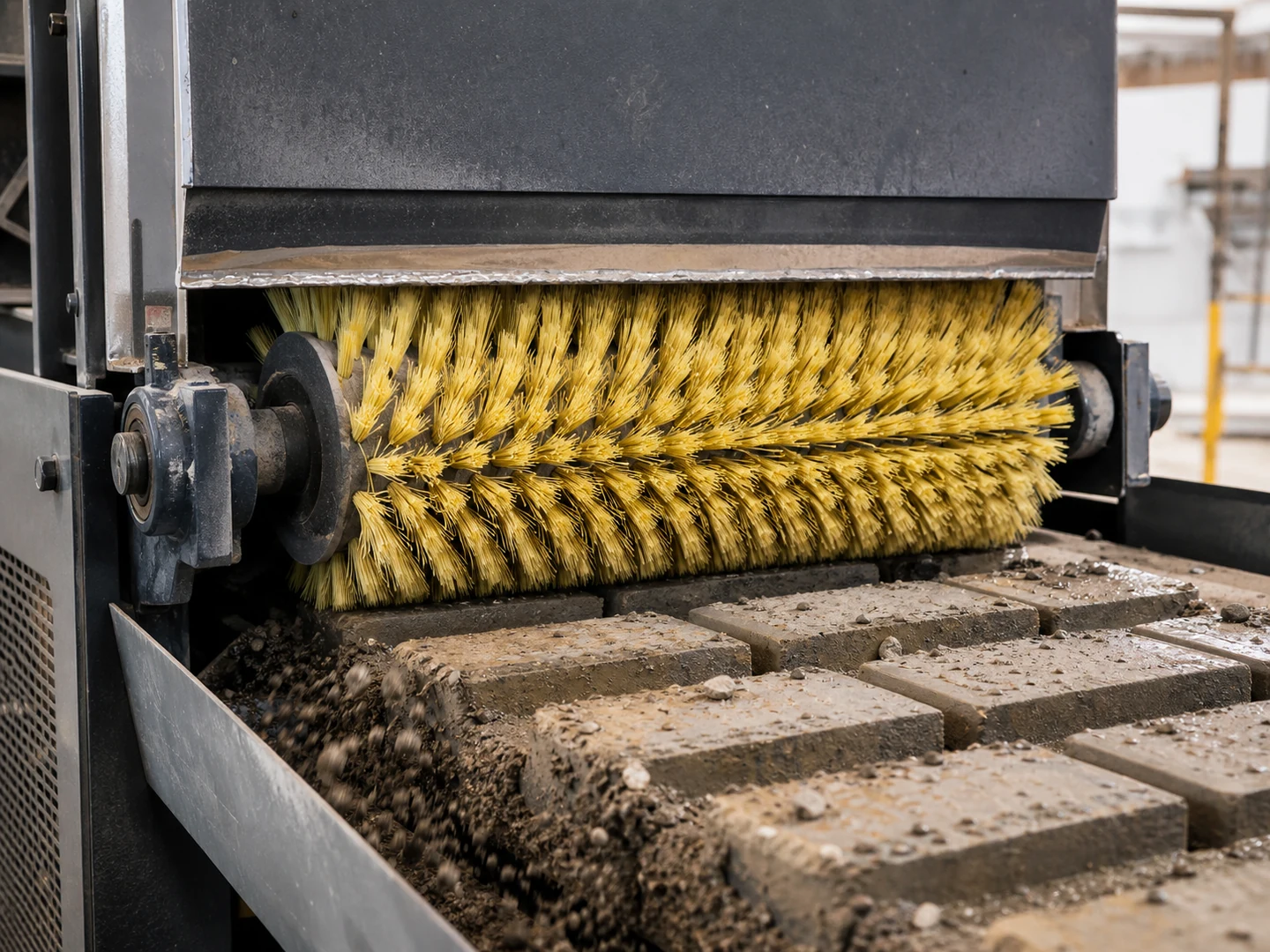
Brick, Tile & Building Material Machine Brush Use
For Brick, Tile & Building Material Machine Brush Use, the brush must reach the…
See the cleaning job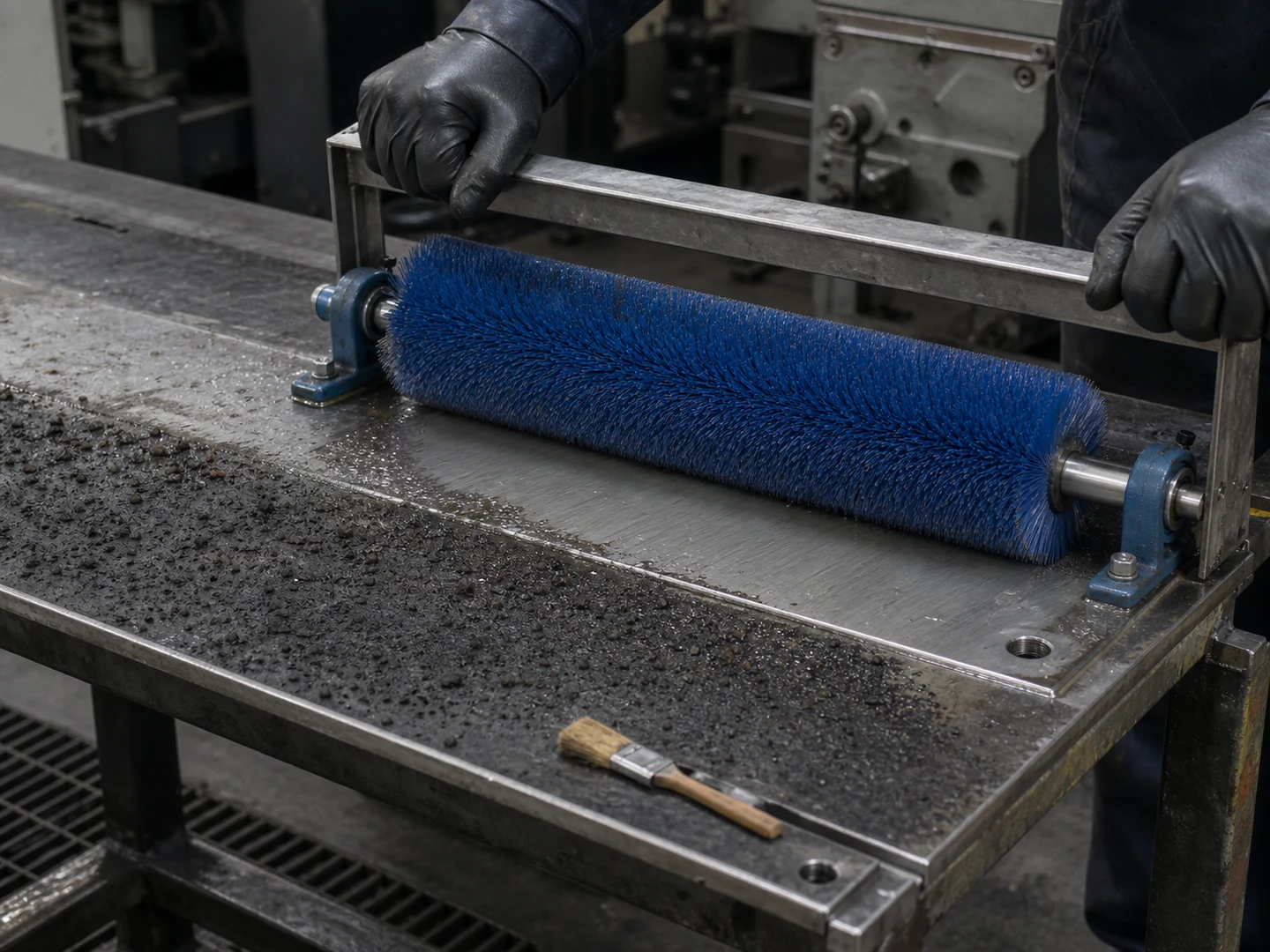
Industrial Machine Cleaning
For Industrial Machine Cleaning, the brush must reach the working area, disturb or collect…
See the cleaning job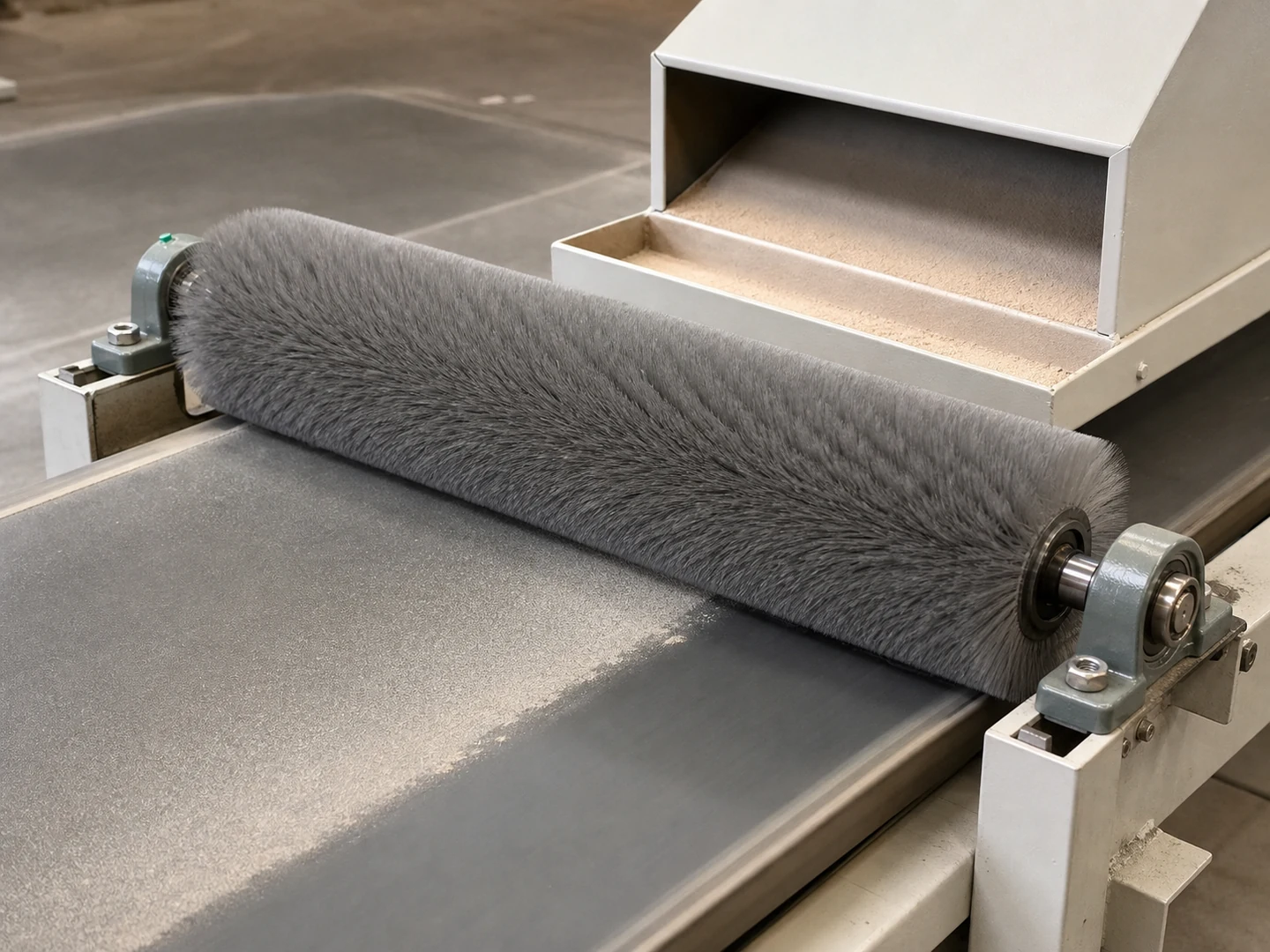
Dust Removal
For Dust Removal, the brush must reach the working area, disturb or collect loose…
See the cleaning jobCustom Manufacturing RFQ
Discuss This Material
Share the working surface, residue, dimensions, material direction, interface, quantity and drawing or sample photo.
Custom Brush RFQ
Request a Custom Cleaning Brush Quote
Upload a drawing, product photo, or sample photo and provide the core dimensions and cleaning conditions.
“We need a brush to remove wet residue from a stainless steel conveyor, about 800mm wide. The current brush wears quickly. We can send photos.”
“We sell drinkware and need a cleaning brush to include with the product. Quantity around 5,000 pieces.”