
Custom Cleaning Brush
Floor Scrubber Brush
Custom floor scrubber brush for concrete, tile, epoxy, and asphalt. Nylon PA, polypropylene PP, or rubber fill with machine-specific hubs.
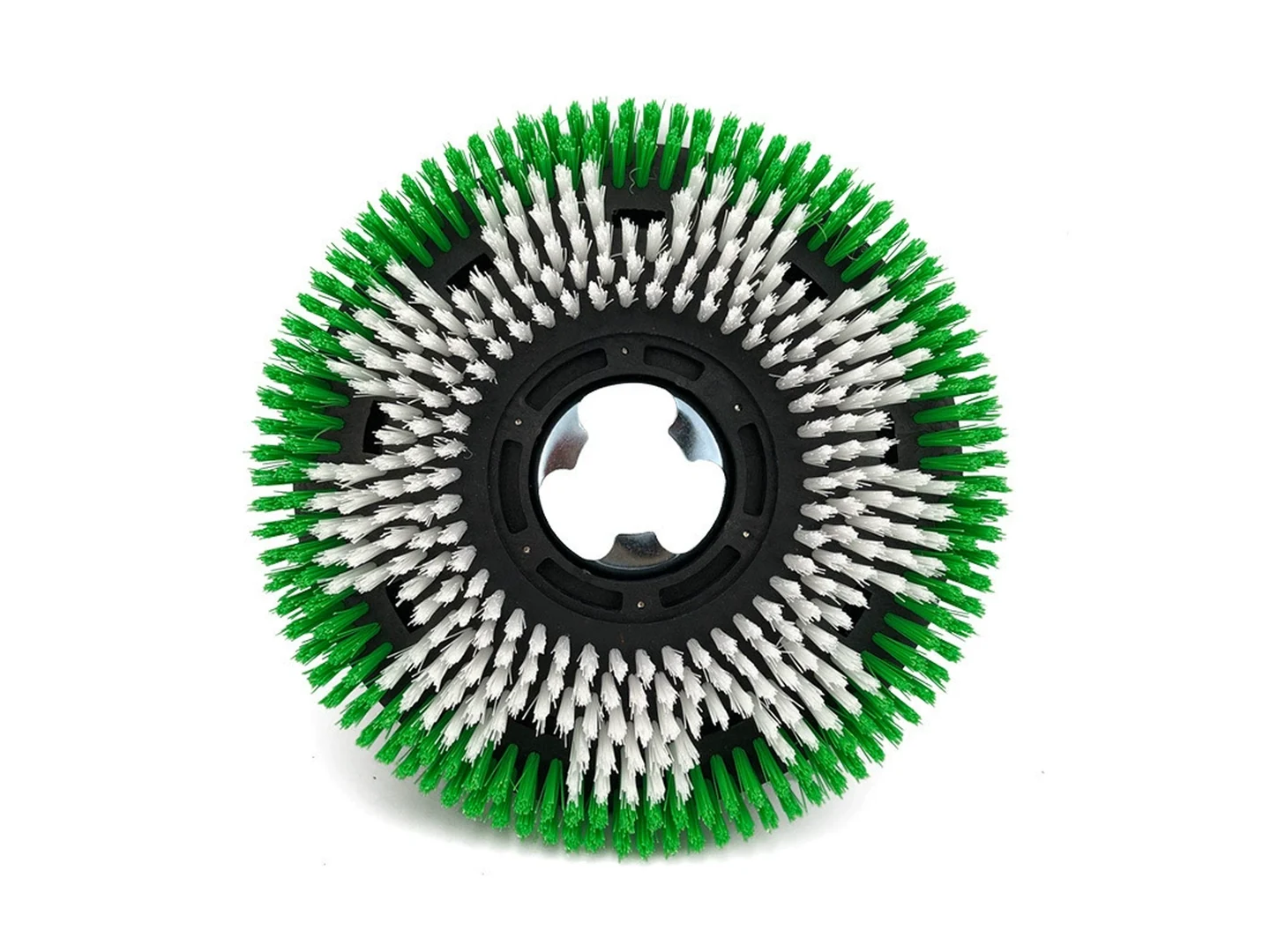
Large-format brush
100 pcs
Minimum order
Built one at a time on a core or channel: full-width rollers, sweeper brooms and long strip.
Production lead time, once the specification is confirmed
- Up to 100 pcsWithin 20 days
- 101–1,000 pcsWithin 30 days
- Over 1,000 pcsConfirmed with your quotation
Peak season can extend these times; the shipping date is confirmed in writing with your quotation. Sampling and shipping are quoted separately.
A rotary floor scrubber brush engineered for machine-driven cleaning of concrete, tile, epoxy, asphalt, and textured floors. It removes embedded dirt, oil, tire marks, and light coatings while the fill material is selected to match both the residue and the floor surface.
What can this brush do for you?
Lifts Embedded Dirt Out of Poured and Textured Floors
Firm nylon PA filaments with filament diameters up to 1.20 mm drive into pits, joints, and textured profiles to release compacted dust, sand, and mud that a flat pad skims over. The bristle tips work the uneven surface instead of just polishing the high spots.
Tackles Oil and Tire Marks Without Extra Hand Labor
When paired with a compatible detergent, a medium-to-stiff polypropylene fill keeps tire rubber, hydraulic oil film, and light grease in suspension long enough for the scrubber’s vacuum system to recover it. This replaces most manual spot-scrubbing on loading docks and garage lanes.
Follows Curbs, Edges, and Stair Treads
Configured as a side brush or a smaller diameter disc brush, the trim can be set longer on the outer rows so the bristle tips reach into low edges and vertical transitions. Walk-behind scrubbers benefit from this on curbs, stair landings, and tight perimeter runs.
Protects Coated and Polished Floors
Soft rubber fills and fine polypropylene filaments give compliance on coated and polished floors where an aggressive nylon brush would cloud or scratch the finish. The same brush form factor can be built as a gentle scrubber or a heavy soil remover by changing the fill rather than the machine.
Direct Machine Mounting, No Adapters
The hub is machined or molded to match the drive plate, clutch, spline, or threaded coupling of your scrubber. Correct engagement keeps the brush concentric, reduces vibration, and prevents the wobble that shortens both brush and machine bearing life.
What is a Floor Scrubber Brush?
A floor scrubber brush is the rotating contact element on a powered floor scrubber or sweeper-scrubber. It mounts under the machine’s deck, rotates at machine speed, and uses water or cleaning solution plus mechanical action to release soil from the floor so the vacuum or squeegee system can recover it.
The brush itself consists of a rigid block or plate that carries the fill and the machine interface. Fill is arranged in rows, tufts, or continuous strips, and the fill material and filament diameter set the aggressiveness. A typical rotary scrub brush can be built from 100 mm for edge machines up to 1200 mm working width for ride-on scrubbers, with trim lengths between 20 and 80 mm so operators can trade stiffness for bristle life and floor contact.
This is a mechanical scrubbing tool, not a finishing tool. It removes soil that has bonded to the floor or penetrated the surface profile. Final polishing, burnishing, or high-gloss maintenance typically requires a separate burnishing pad or a different brush fill and machine program.
Technical Specifications
We adjust the brush diameter, working width, trim, hub, and fill to match your machine and floor. Typical specification ranges are shown below.
| Parameter | Value / Options |
|---|---|
| Brush diameter | 100–500 mm, selected to the machine disc or side brush position |
| Working width | 100–1200 mm, matched to the scrubber deck and cleaning path |
| Trim length | 20–80 mm, longer for textured or uneven floors, shorter for flat surfaces |
| Hub or spline | Machine-specific bore, clutch, spline, or thread to fit drive plate |
| Filament diameter | 0.25–1.20 mm, thinner for fine scrubbing, thicker for aggressive cleaning |
| Fill materials | Nylon PA, Polypropylene PP, or rubber; grade selected for chemical and temperature exposure |
| Brush block material | Machined plastic, molded polypropylene, or aluminum depending on machine weight and corrosion requirements |
| Max recommended speed | Set to the scrubber manufacturer’s specification; typical rotary scrub brushes operate at 150–300 RPM |
| Chemical exposure | Detergents, degreasers, sanitizers, or water; specify chemistry for correct filament grade |
| Brush type | Custom Floor Scrubber Sweeper Brushes |
| How it is driven | Machine-driven, mounted in the equipment |
| Cleaning target | concrete warehouse and distribution floor, tile, and asphalt drive lane and parking deck cleaning |
| Surface or part | floors, tile, pads, concrete, epoxy, edges, asphalt, and profiles |
| Residue or debris | oil, tire marks, embedded dirt, oil film, dust, grease, mud, and sand |
| Mounting / connection | Snap-Fit / Quick-Change Coupling |
Set deck pressure so the bristle tips contact the floor with a slight deflection, not crushed flat. Overpressure wears the fill prematurely and reduces cleaning efficiency.
Where does this brush work best?
- Concrete warehouse and distribution floors — removes dust, sand, mud, and embedded grime from high-traffic slab surfaces.
- Tile in commercial kitchens, restrooms, and lobbies — scrubs grout lines and anti-slip tile profiles where flat pads cannot reach.
- Epoxy and coated floors — cleans without damaging the coating when the correct fill and filament diameter are selected.
- Asphalt drive lanes and parking decks — lifts oil films, tire marks, and road film with detergent-assisted scrubbing.
- Curb edges, stairs, and textured anti-slip surfaces — side brush or smaller disc configurations reach low edges and vertical transitions.
- Loading docks and garage lanes — removes tire rubber deposits, hydraulic oil, and light grease that regular sweeping misses.
How do I choose the right one?
Start with the machine drive and mounting pattern, then match the fill material and geometry to the floor and residue.
Step 1: Confirm the machine drive and mounting pattern
Identify the drive type (clutch plate, spline, threaded hub, or lug mount), brush diameter or working width, and rotation direction. The hub must match exactly; a wrong pattern causes eccentric rotation and uneven wear.
Step 2: Choose the fill material for the floor and residue
| Fill Material | Best For | Limitations |
|---|---|---|
| Nylon PA | Aggressive scrubbing of concrete with embedded dirt, oil, tire marks; high abrasion resistance | Can cloud or scratch soft coatings if filament diameter is too large; absorbs water, so dryness matters |
| Polypropylene PP | Tile, epoxy, food areas; good chemical resistance, tolerates heat and most cleaning solutions | Less aggressive than nylon; not ideal for heavy carbon or scale |
| Rubber | Coated floors, sticky residues, light scrubbing, surface protection; good for glossy surfaces | Low aggressiveness; not suitable for porous concrete or deep soil removal |
Step 3: Set filament diameter and trim length for the right balance
Thicker filaments (0.80–1.20 mm) provide aggressive scrubbing and longer wear on tough surfaces. Thinner filaments (0.25–0.60 mm) are gentler and better for surface preservation. Longer trim (60–80 mm) follows uneven surfaces, edges, and grout lines; shorter trim (20–40 mm) gives more contact pressure on flat floors.
Step 4: Check chemical and temperature exposure
Detergents, degreasers, sanitizers, and hot water affect filament life. Polypropylene tolerates stronger chemicals and higher temperatures than standard nylon. Specify your exact chemistry so the correct grade is used.
Step 5: When to choose a different tool
If the floor requires a high-gloss finish, use a burnishing pad. If the residue is thick sludge, large debris, or standing solids, sweep or vacuum first. If the floor is polished stone or very sensitive, a softer pad or less aggressive brush may be required. This floor scrubber brush is for routine industrial and commercial scrubbing, not demolition-level removal.
Can I customize this brush?
Floor scrubber brushes are built to the machine and the floor. To specify a custom configuration, provide the machine make and model, brush diameter or working width, hub or drive plate details, floor surface type, residue description, chemical exposure, and preferred brush life. A sample brush or photo of the existing brush helps us match the mounting exactly.
Adjustable parameters include:
- Brush block — diameter, working width, shape, block material, and overall height
- Fill material — nylon PA, polypropylene PP, rubber, or a mixed fill for dual action
- Filament geometry — diameter, trim length, crimp or straight, tuft density and pattern
- Machine interface — hub, bore, clutch, spline, thread, or lug pattern
- Color and marking — fill color, block color, pad print, laser marking, or identification coding
- Packaging — bulk, individual box, retail sleeve, or project-specific packing
For projects that require material documentation, inspection reports, or third-party testing, we can assist with the requirements during the customization process.
Which filament survives the cleaning and still lasts on a floor scrubber brush?
How do I know the brush is worn and should be replaced?
Measure the trim length. When the bristle tips have worn so that less than half the original trim remains (for example, a 50 mm trim worn to 20 mm), cleaning efficiency drops sharply. Also check for excessive bristle breakage, split filaments, or tufts pulling out of the block. Replace the brush when the floor shows streaking or residue remains after a normal pass.
Can I use a nylon brush on an epoxy-coated floor?
Yes, but only if the filament diameter is small enough. Nylon PA with 0.25–0.40 mm filaments works on many epoxy coatings with moderate pressure. For older or softer coatings, switch to polypropylene or rubber fill to avoid dulling or scratching the surface. Always test in an inconspicuous area first.
What is the correct brush pressure setting?
The deck should be set so the bristle tips just deflect under load—about 20 to 30 percent of the trim length. If you see the block riding directly on the floor or the bristles splayed completely flat, pressure is too high. Check the machine manual for the manufacturer’s recommended downforce and adjust from there.
Should I use the scrubber brush dry or with water/chemicals?
For most floor scrubbers, use the brush with the machine’s solution and recovery system. Water or cleaning solution lubricates the bristles, controls dust, and carries loosened soil into the vacuum. Dry scrubbing is possible on some machines, but it accelerates filament wear and may generate dust or static. Follow the scrubber manufacturer’s guidance.
How do I store the brush between uses?
Rinse the brush, remove tangled debris, and stand it on the bristle tips or hang it from the hub so the block does not rest on the fill. Store in a cool, dry place away from direct sunlight and strong solvents. Never soak the brush block in standing water for long periods; it can soften the block material or loosen the tufts.
What residue requires a more aggressive brush than this standard floor scrubber brush?
Thick paint spills, cured epoxy drips, heavy scale, or deeply carbonized deposits usually need a more aggressive tool such as a wire brush, abrasive cup brush, or dedicated stripping pad on a low-speed machine. This floor scrubber brush is designed for routine industrial soil, not demolition-level removal.
Guides that go deeper on this
Carpet Machine Brush vs Floor Scrubber Brush: Which Fits?
Read this guideGuideFloor Scrubber Brush Selection: Disc Brush vs Roller Brush
Read this guideGuideHow to Choose Floor Scrubber Brush
Read this guideGuideHow to Choose Floor Scrubber Brush Roll
Read this guideGuideHow to Clean Brush Rollers in Floor Scrubbers and Sweepers
Read this guideGuideWhich Floor Scrubber Brush Clears Outdoor Debris?
Read this guideGuideWhich Floor Scrubber Brush Lifts Warehouse Dust?
Read this guideGuideHow to Optimize Floor Burnisher Brushes Without Floor Damage
Read this guideRELATED BRUSH RESOURCES
Recommended Reading & Related Brush Resources
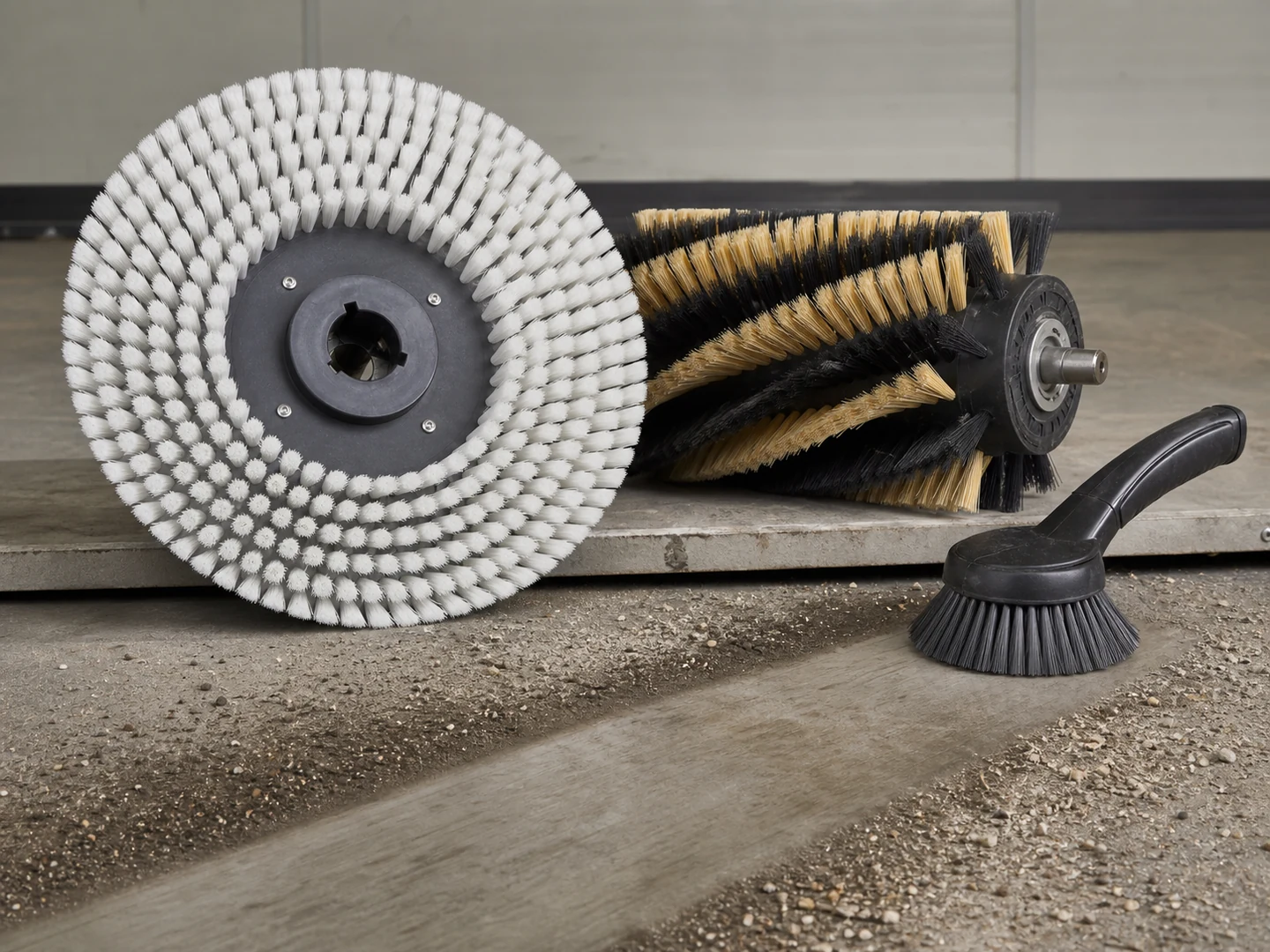
Custom Floor Scrubber Sweeper Brushes
Choose this brush type when a floor machine needs a disc, roller, main broom,…
See how this type is built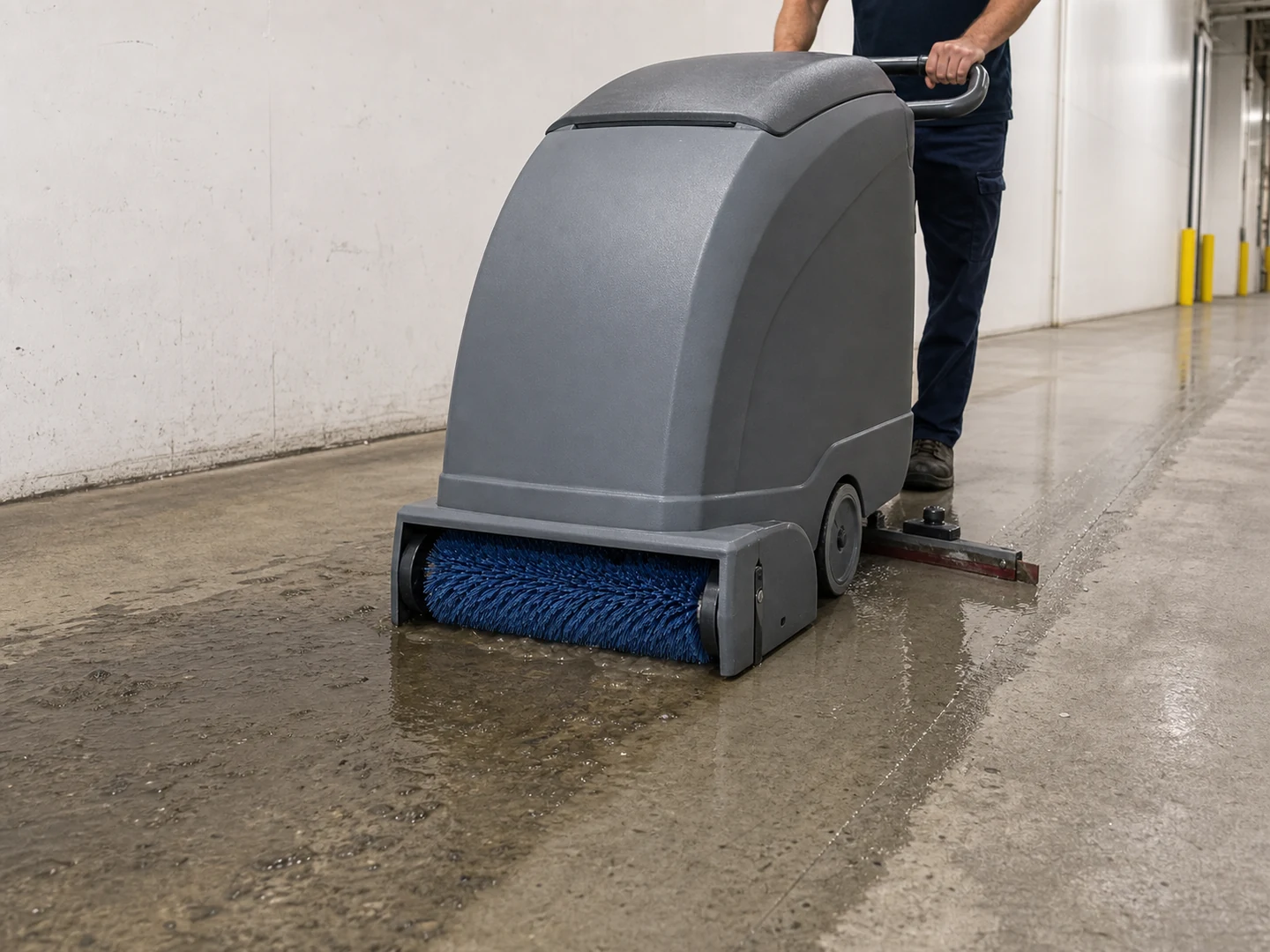
Floor Scrubbing
For Floor Scrubbing, the brush must reach the working area, disturb or collect dust/soil/oil…
See the cleaning job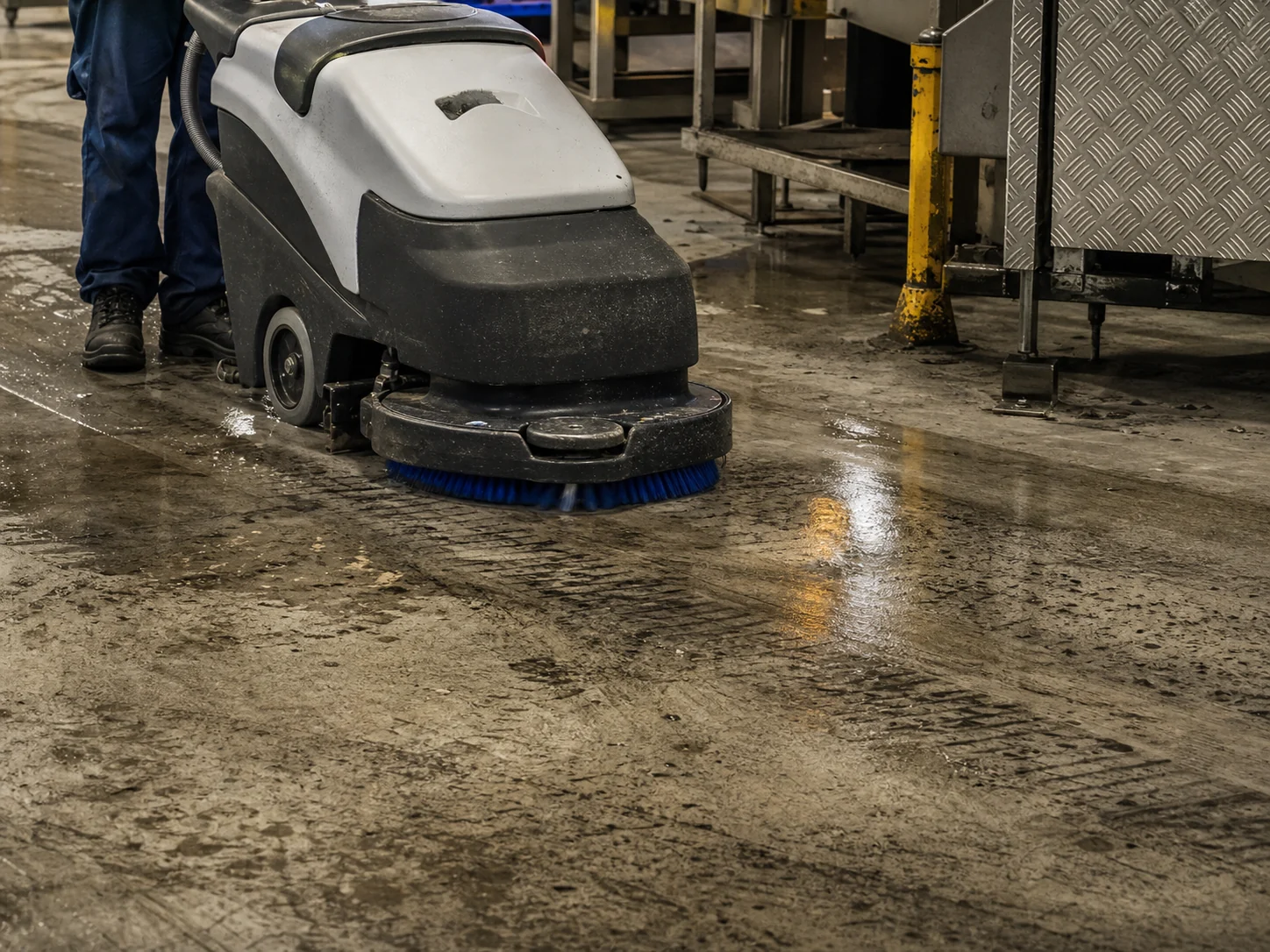
Heavy Grease Industrial Floor Cleaning
For Heavy Grease Industrial Floor Cleaning, the brush must reach the working area, disturb…
See the cleaning job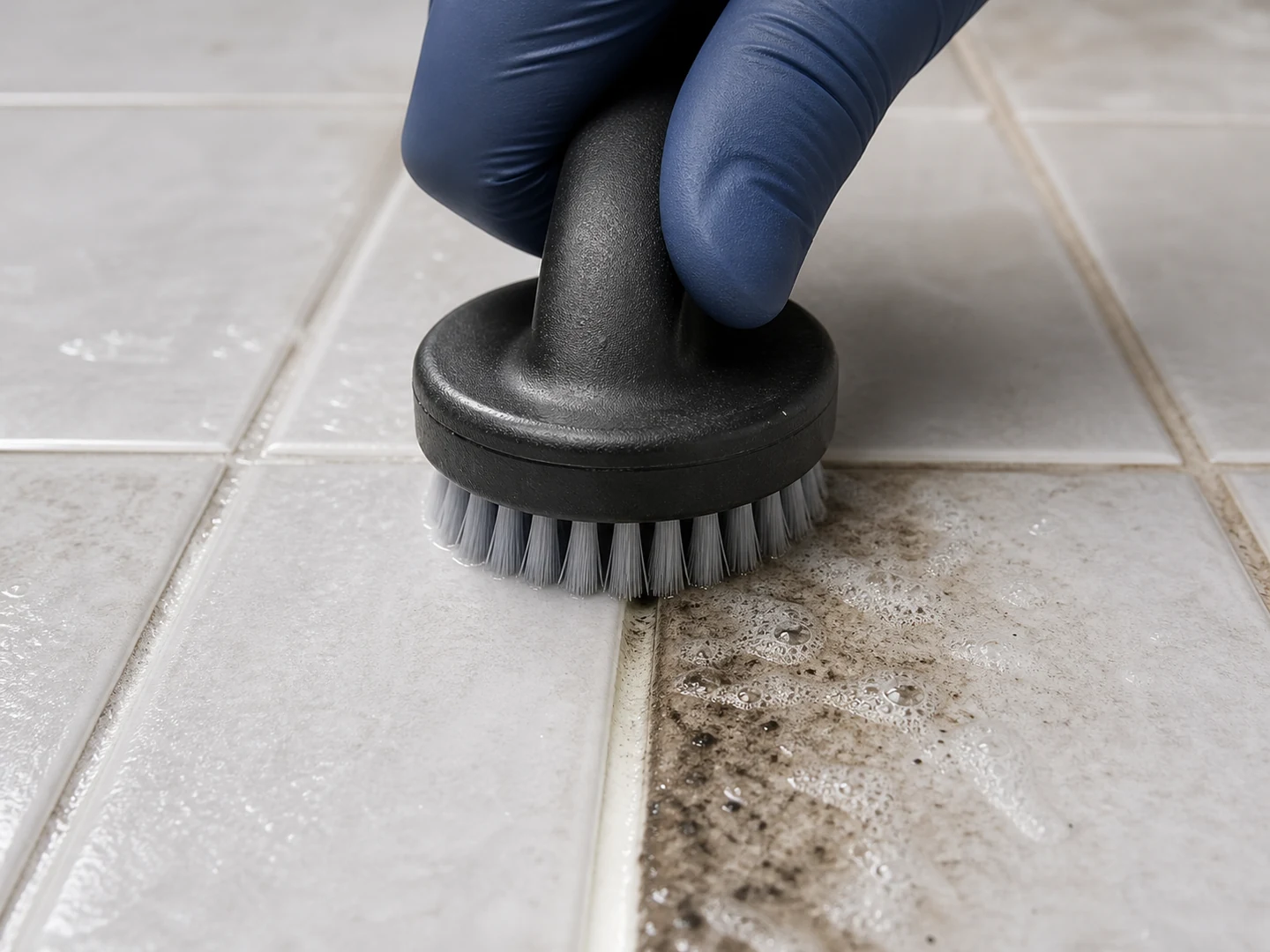
Tile Grout Cleaning
For Tile Grout Cleaning, the brush must reach the working area, disturb or collect…
See the cleaning job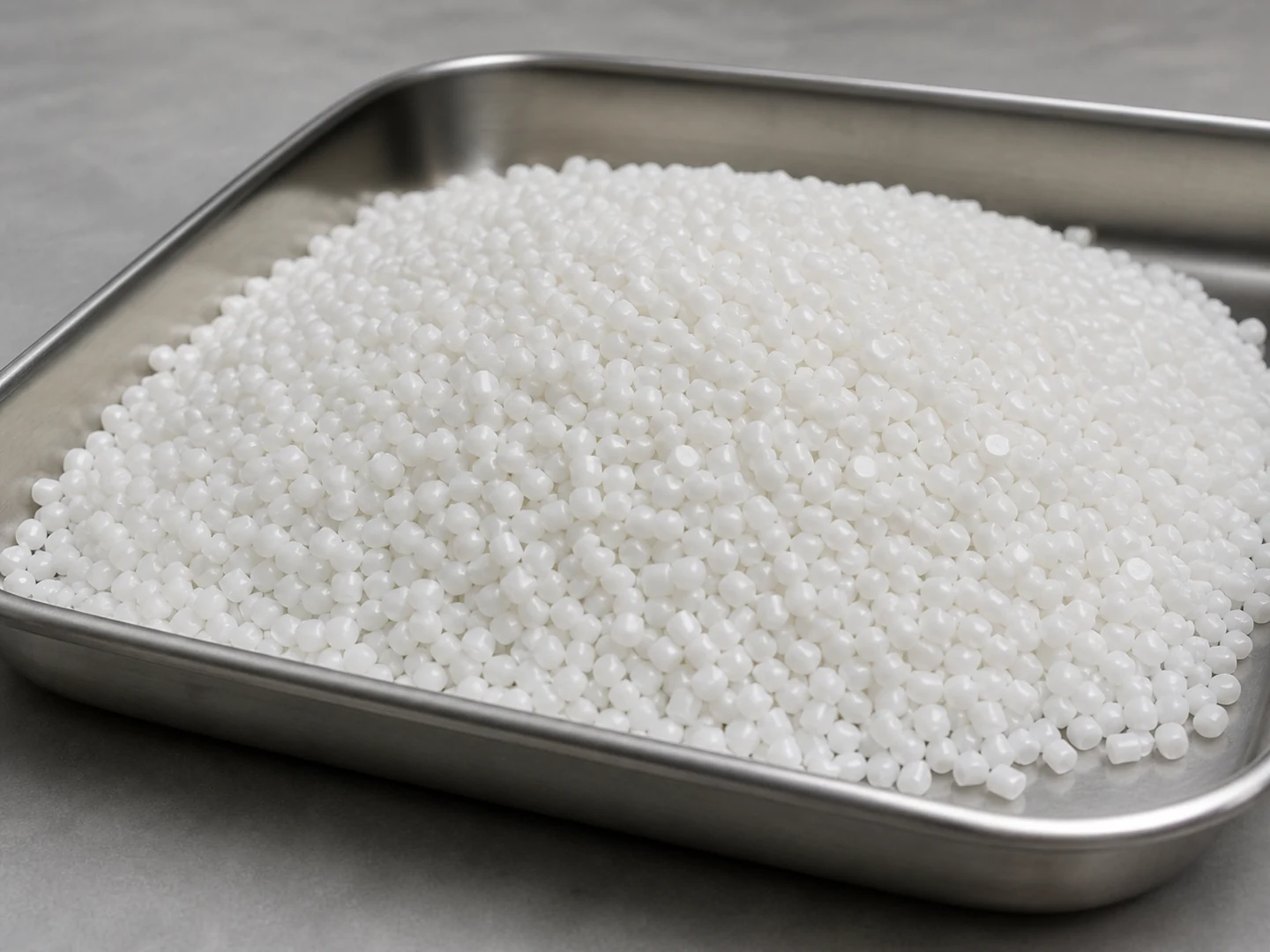
Polypropylene PP
Choose Polypropylene PP based on its stiffness, recovery, wear, wet-service, chemical, and temperature behavior.…
Compare this material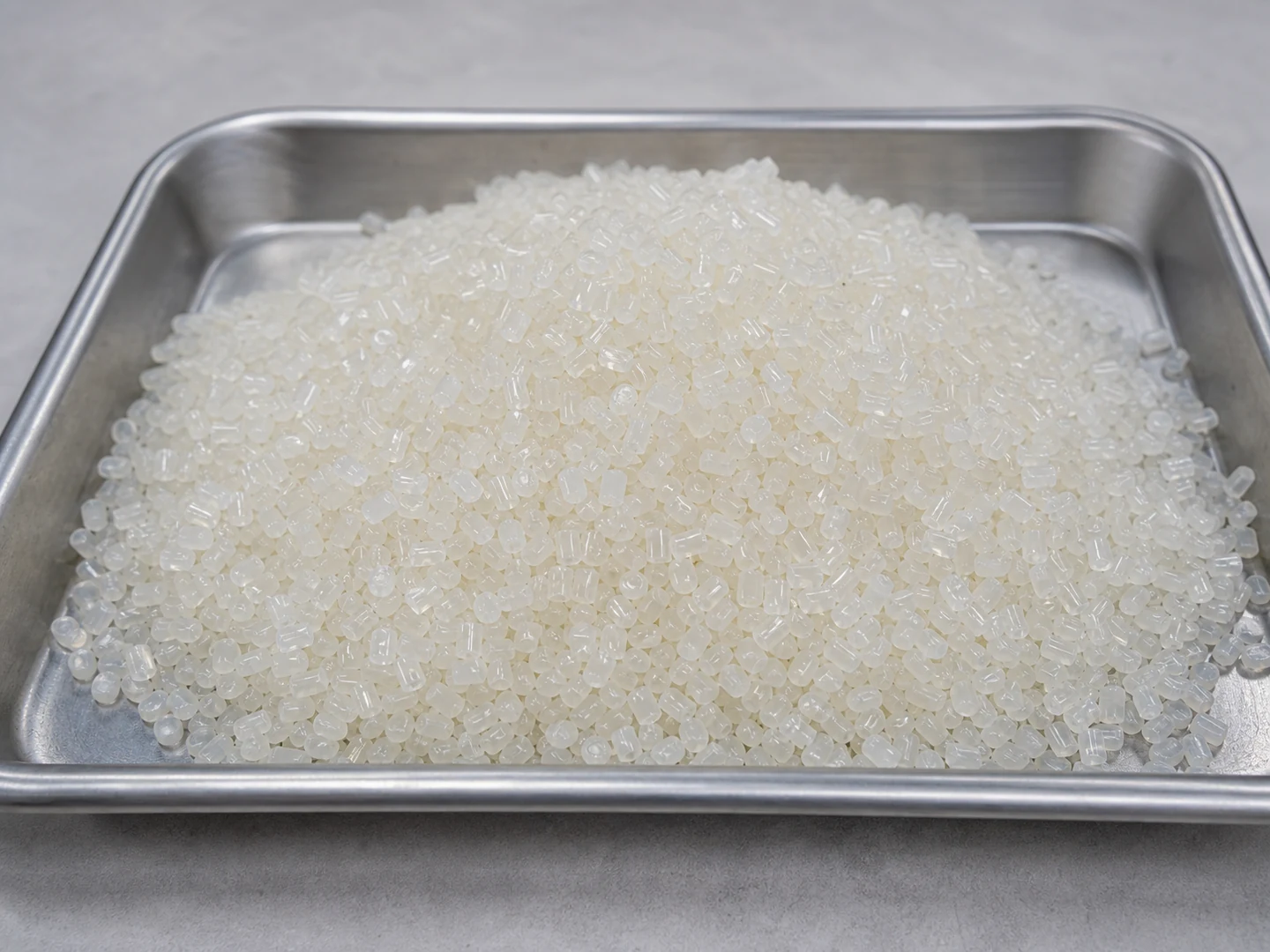
Nylon PA
Choose Nylon PA based on its stiffness, recovery, wear, wet-service, chemical, and temperature behavior.
Compare this material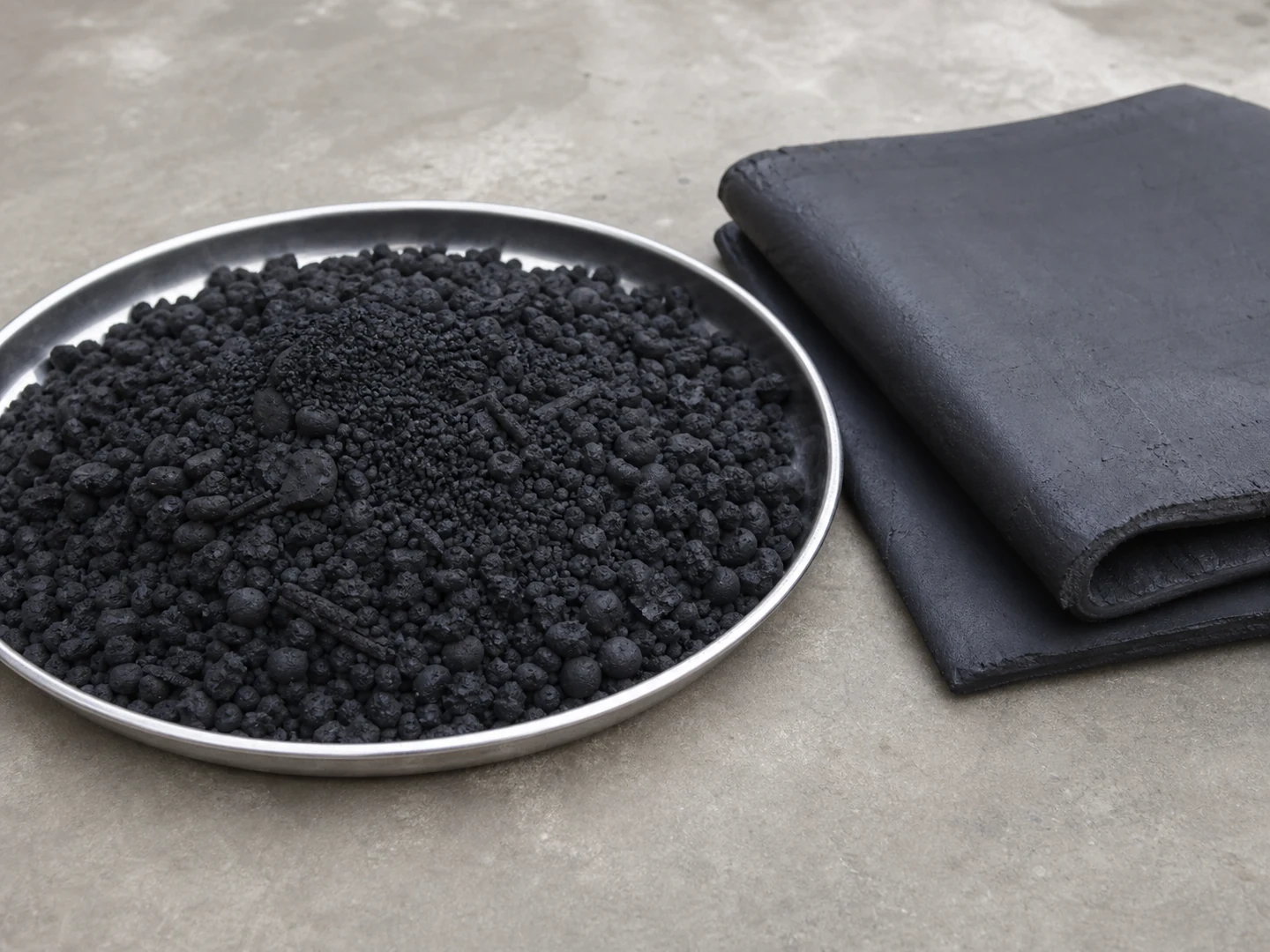
Rubber
Choose Rubber based on its stiffness, recovery, wear, wet-service, chemical, and temperature behavior.
Compare this material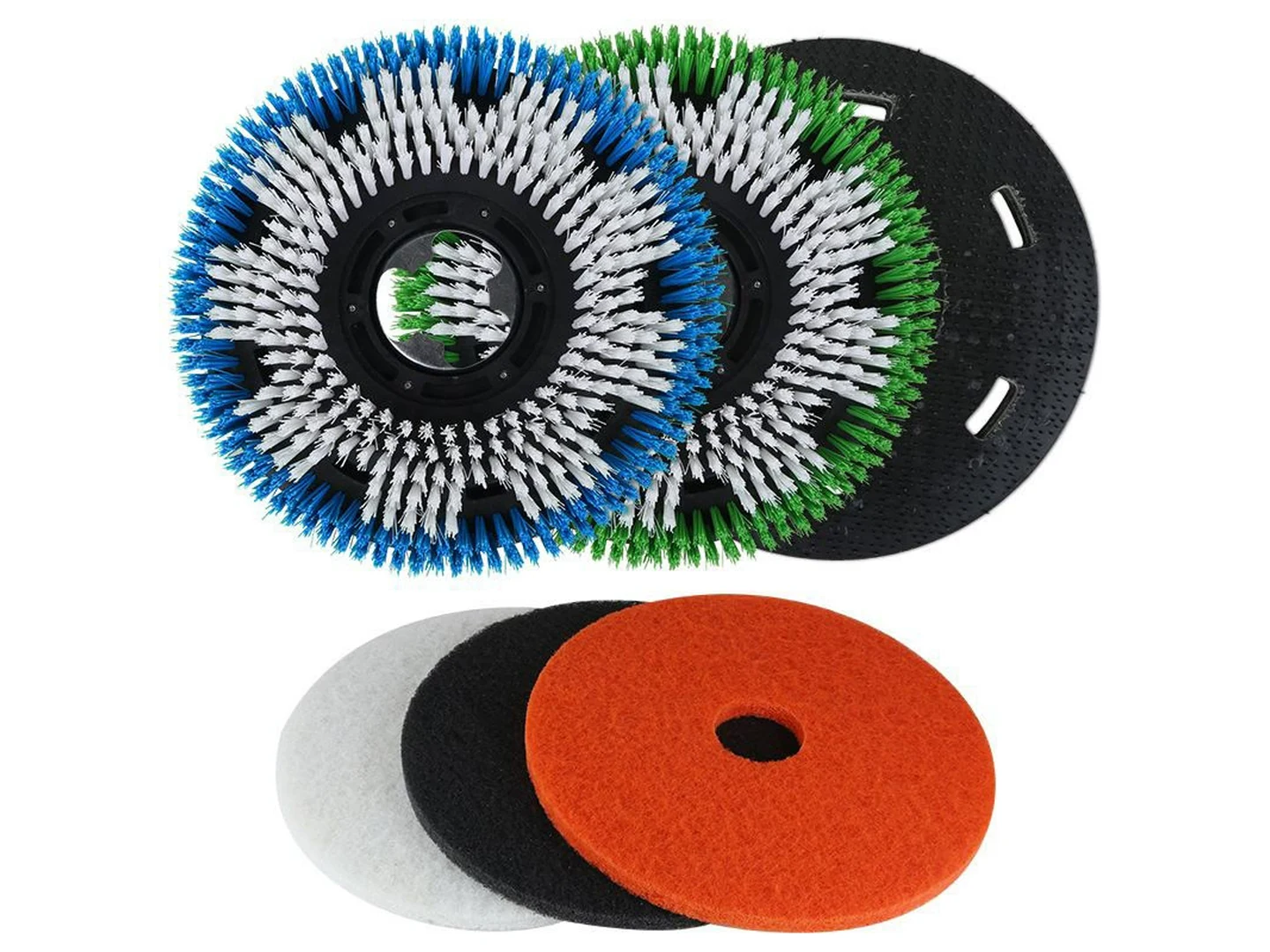
Floor Scrubber Replacement Brush
Replace worn floor scrubber brushes with machine-specific disk or cylindrical brushes. Nylon, PP, PBT…
Compare the specificationCustom Manufacturing RFQ
Describe Your Application
For a custom quote, we need the key dimensions, surface or part, residue, material preference, quantity, and reference image or drawing.
Drawing or photo optional — it speeds things up, it does not gate the enquiry.
Custom Brush RFQ
Send Your Brush Project
Upload a drawing, product photo, or sample photo and provide the core dimensions and cleaning conditions.
“We need a brush to remove wet residue from a stainless steel conveyor, about 800mm wide. The current brush wears quickly. We can send photos.”
“We sell drinkware and need a cleaning brush to include with the product. Quantity around 5,000 pieces.”