
Brush Type
Custom Cup Brushes
Cup Brush
Choose a cup brush when a rotating brush face must cover a broader flat or slightly contoured area than a wheel brush can reach efficiently.
At a glance
- How it is driven
- Machine-driven
- How it mounts
- Threaded Removable
When should you choose this brush type?
Choose a cup brush when a broad rotating face needs to work on an accessible surface such as plate, castings, weld areas, or open contours. Choose a wheel brush for narrower edge or profile contact, or an end brush for a confined recess where the cup body blocks access.
What are Cup Brushes?
Cup brushes set wire or abrasive filament into a cup-shaped body so the working ends contact the surface as a broad rotating face. They are used for rust, paint, scale, weld discoloration, deburring, and surface preparation on plate, castings, and accessible contours.
Diameter, cup profile, trim, fill construction, thread or arbor, and customer-supplied tool conditions control coverage and aggression. Straight or crimped fill is more conformable; knotted wire increases cutting action; abrasive nylon offers more controlled conditioning and lower wire-break risk.
What dimensions can I customize?
| Head diameter | 65–75 mm |
|---|---|
| Head or working length | 25–30 mm |
| Mounting interface | Threaded Removable |
Where is this brush type commonly used?
Start with the job the brush needs to do, then confirm dimensions, contact direction, material, and mounting.
What configurations are available?
Crimped-wire cup
Flexible wire face for general cleaning, light scale, paint, and irregular surface contact.
Knotted-wire cup
Twisted wire bundles for heavier deposits and aggressive preparation on robust metal surfaces.
Abrasive-nylon cup
Grit-bearing filament for controlled deburring, blending, and finish-sensitive conditioning.
Flared cup
An outward working angle increases edge reach and coverage around contours.
Compact straight cup
A more contained face for localized cleaning and smaller tool envelopes.
What material is right for this brush type?
Carbon steel wire
Heavy cleaning on ferrous surfaces where carbon contamination is acceptable.
Stainless steel wire
Corrosion-resistant metallic cleaning and reduced carbon-steel contamination risk.
Brass wire
Softer wire action for suitable parts and lower-aggression surface cleaning.
Silicon carbide or aluminum oxide nylon
Controlled abrasive action selected by grit, filament diameter, and finish target.
Filament materials to compare
What do I need to know before ordering?
Specify the surface material and area, residue, desired finish, cup diameter and profile, thread or arbor, tool and guard clearance, rotation direction, customer-supplied speed, contact angle, and quantity.
Questions this page is asked
Why must a cup brush be checked at running speed for clearance?
The fill can flare beyond the stationary diameter and change its contact band as speed and pressure rise. Verify clearance from guards, shoulders, fixtures and adjacent surfaces at the approved speed, and stop if the brush contacts outside the intended face or becomes unstable.
How should a cup brush be accepted for a finished surface?
Trial the identified brush on representative material with the approved speed, angle, pressure and dwell, then inspect for profile change, staining, embedded wire and coating damage. Retire it for loose or missing fill, severe flare, cracked mounting, cross-material contamination or vibration that remains after cleaning and correct installation.
Guides that go deeper on this
Abrasive Filament Brush Dressing: Extending Brush Life
Read this guideGuideAlumina Ceramic Deburring Brush: What Sets the Ra?
Read this guideGuideAngle Grinder Brushes: Matching Brush, Workpiece and Speed
Read this guideGuideAngle Grinder Wire Wheel Brush Mistakes in Weld Cleanup
Read this guideGuideBrush Mounting Method: Shaft, Thread or Bolt-On?
Read this guideGuideBrush Trim Length and Density: How to Specify for Custom Orders
Read this guideGuideCar Wheel Brush vs Standard: Drill and Grinder Mounting
Read this guideGuideCar Wheel Brush: Material and Size for Weld Cleanup
Read this guideGuideCup Brush vs Wheel Brush Speed and Pressure Trade-Offs
Read this guideGuideCup Brush vs Wheel Brush: Which One to Use
Read this guideGuideCustom Brush Mounting: Shaft, Thread and Bolt Pattern Design
Read this guideGuideHow to Choose Nylon Abrasive Wheel Brush
Read this guide30 guides are indexed against this one. The rest are in the technical resources library.
Continue Exploring
Recommended Reading & Related Brush Resources
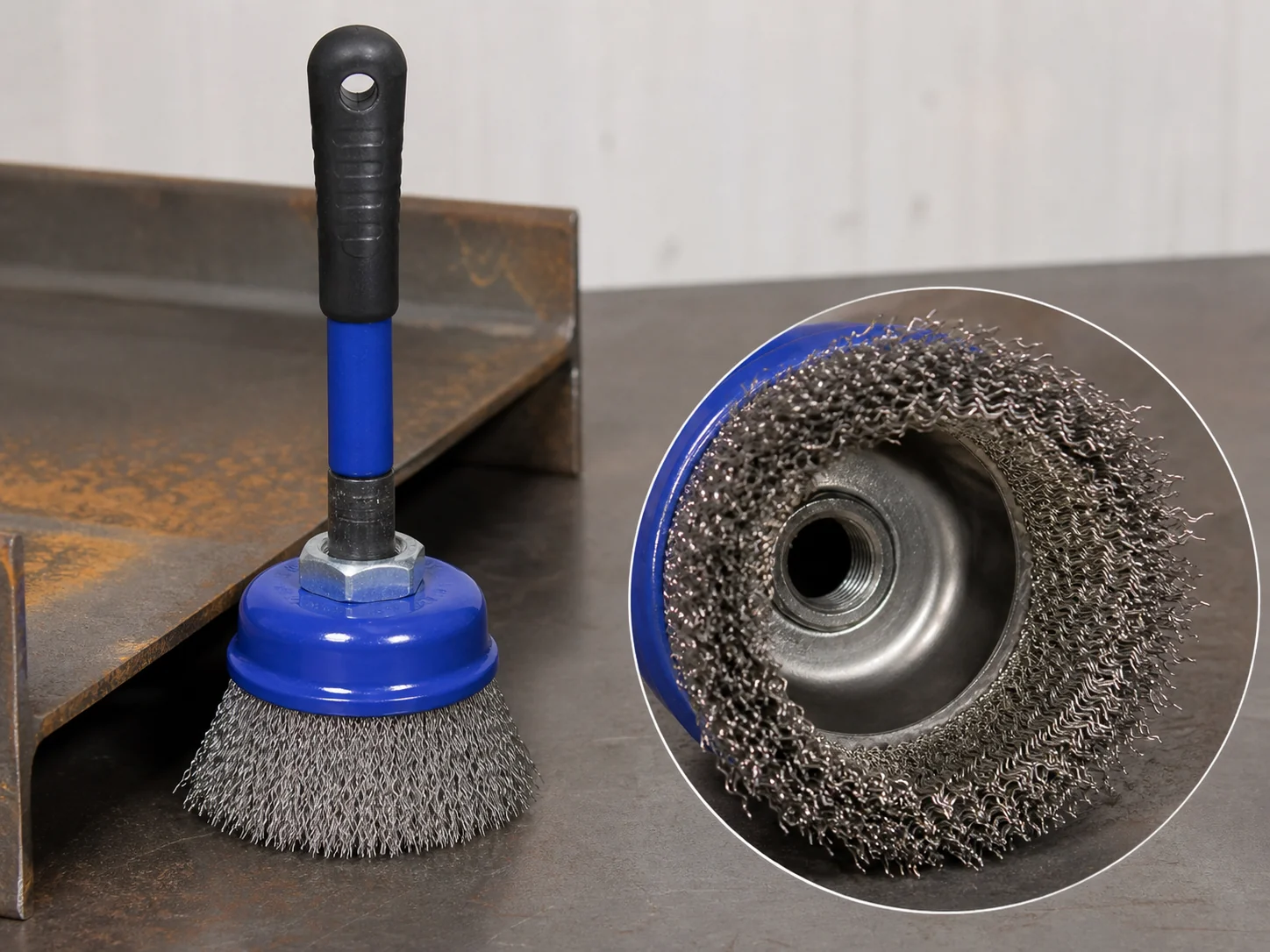
65mm SS304 Cup Brush
65mm SS304 cup brush removes rust, mill scale, weld discoloration, and coatings from steel…
See the specification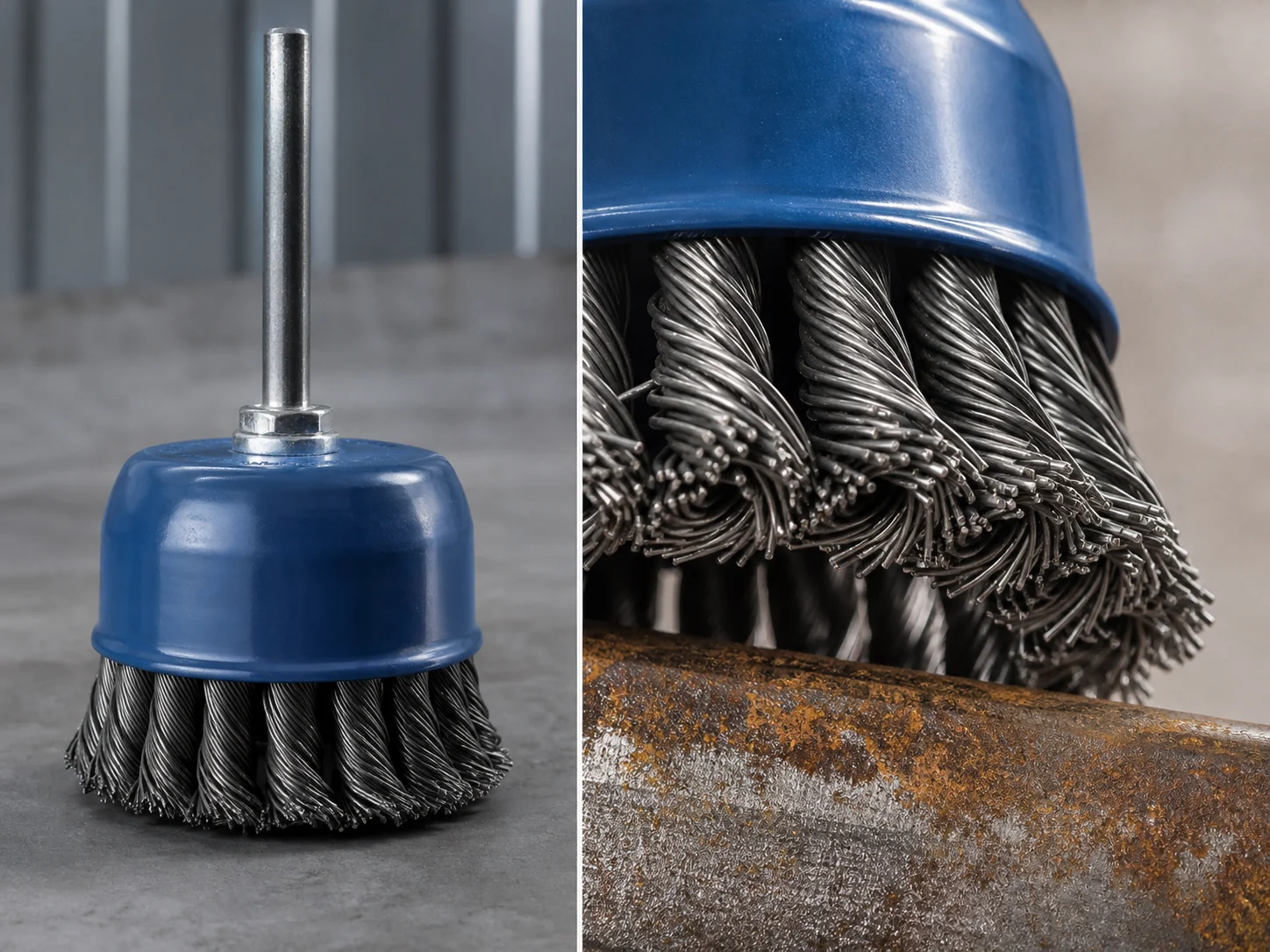
75mm Knotted Hcs Cup Brush
75 mm knotted HCS cup brush for angle grinders strips rust, mill scale, weld…
See the specification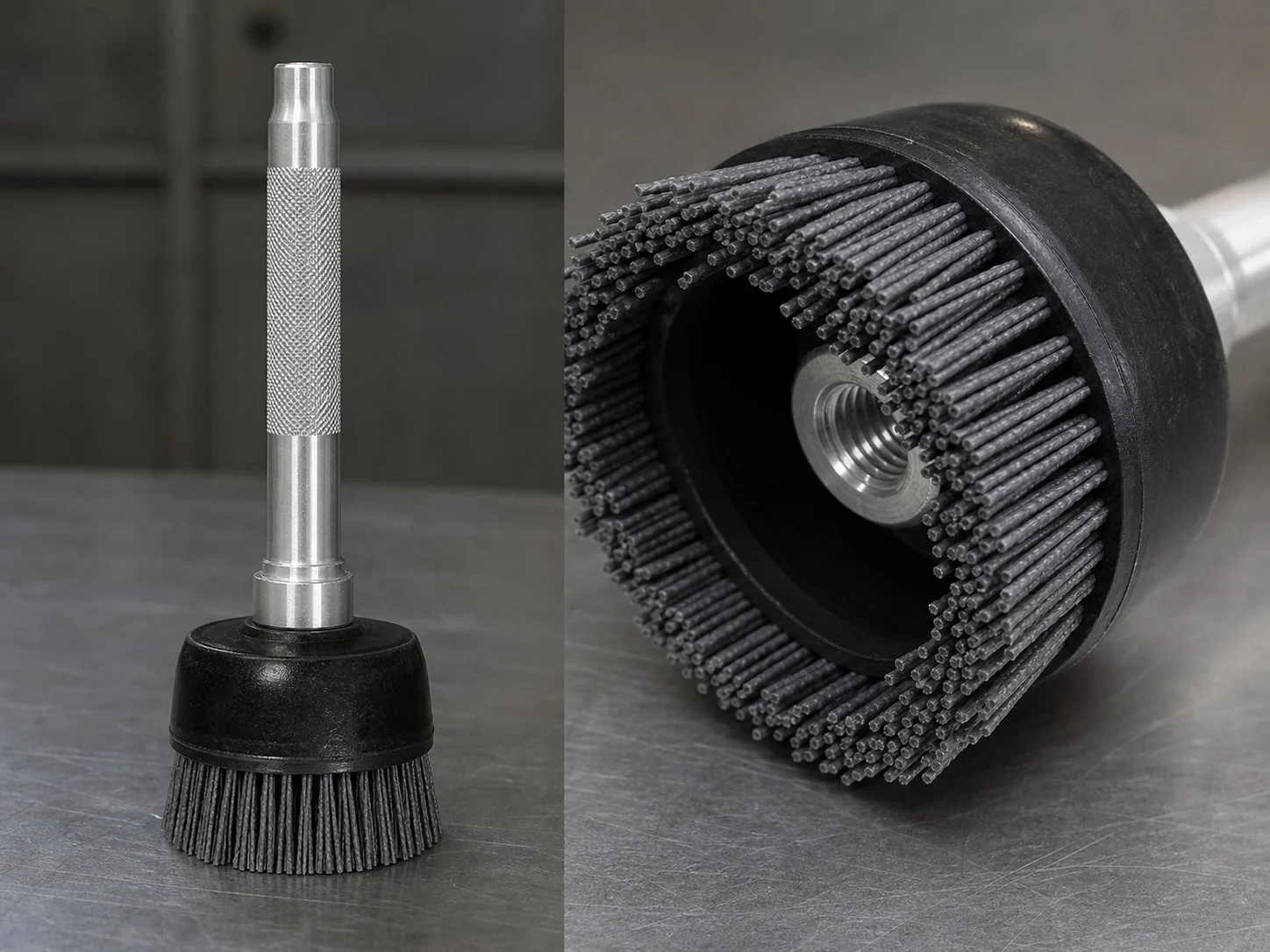
100mm P120 SiC Cup Brush
100mm P120 SiC abrasive nylon cup brush for angle grinders: deburring, weld blending, oxide…
See the specification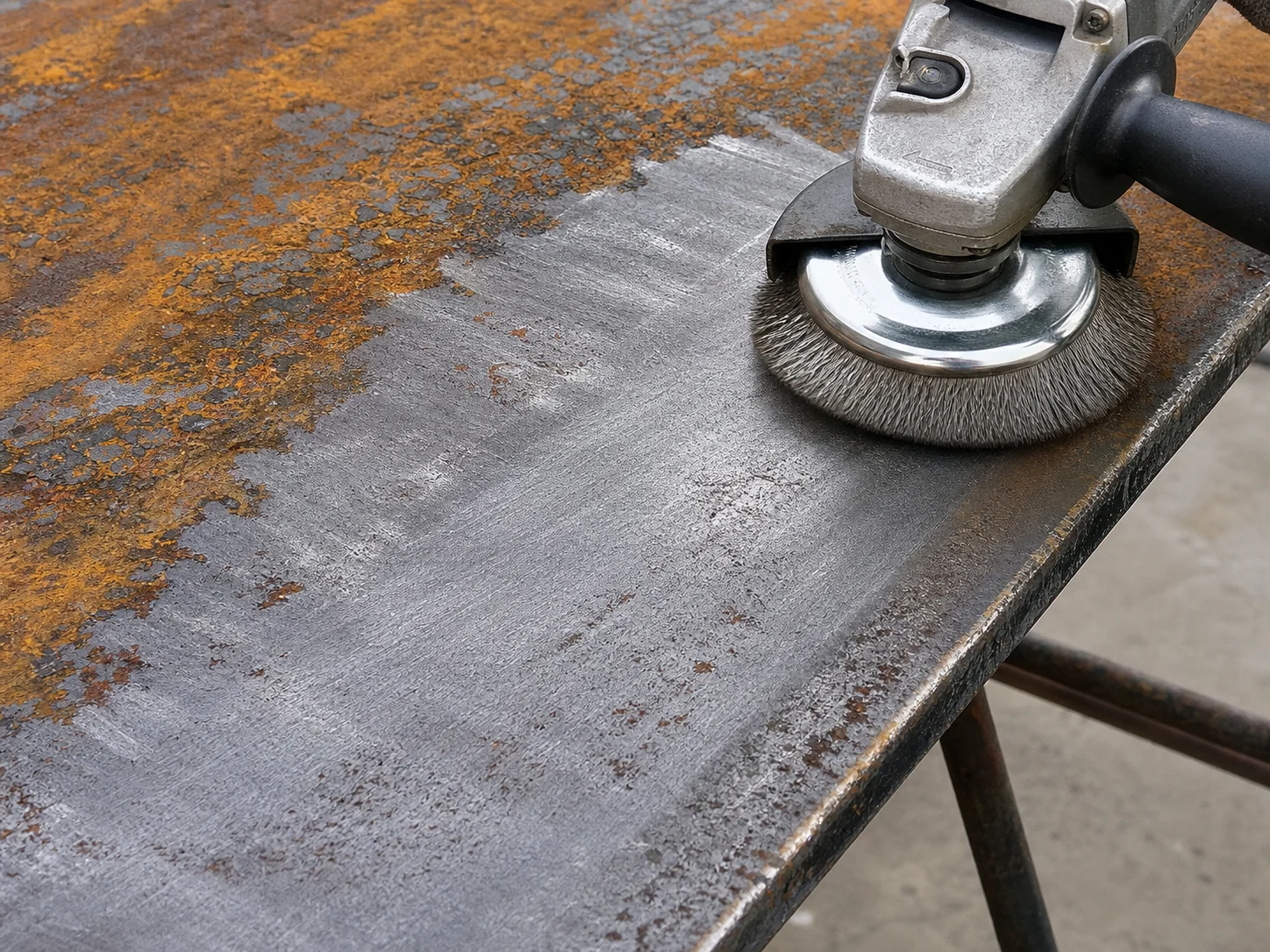
Steel Rust Removal
For Steel Rust Removal, the brush must reach the working area, disturb or collect…
See the cleaning job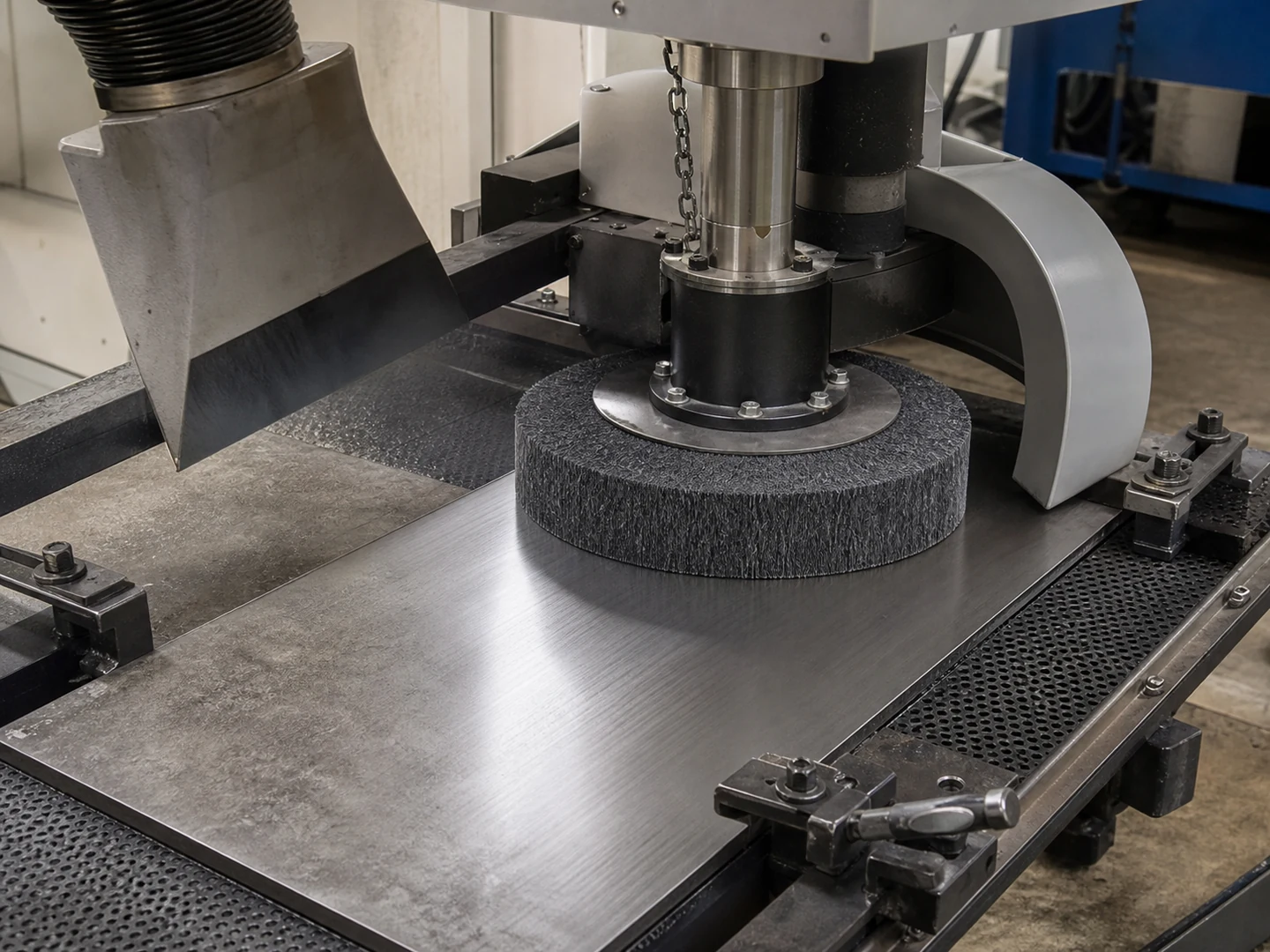
Surface Finishing
Surface Finishing is a process-use page rather than a general cleaning category.
See the cleaning job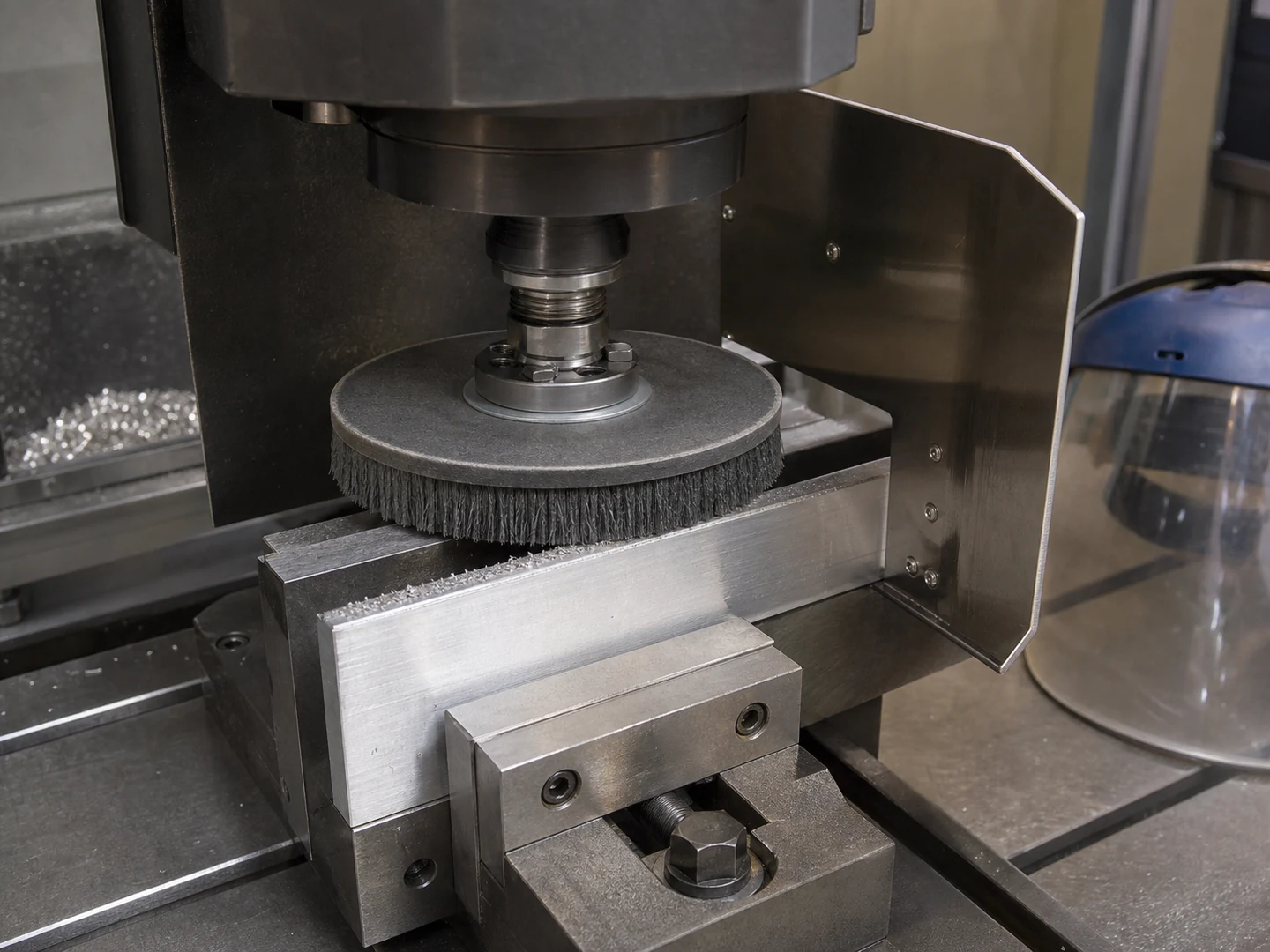
Deburring & Edge Breaking
Deburring & Edge Breaking is a process-use page rather than a general cleaning category.
See the cleaning job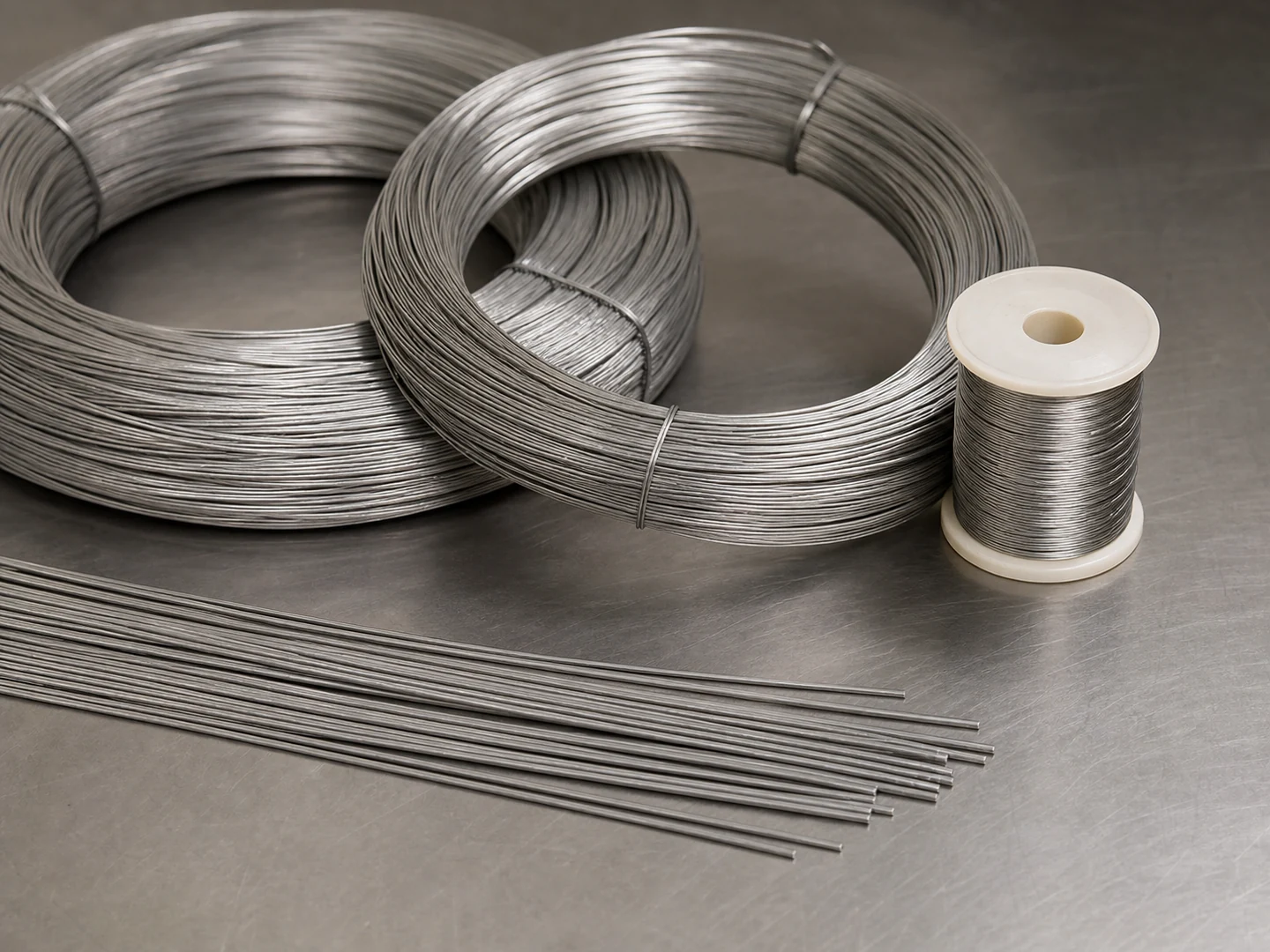
AISI 304 Stainless Steel Wire
Choose AISI 304 Stainless Steel Wire based on its stiffness, recovery, wear, wet-service, chemical,…
Compare this material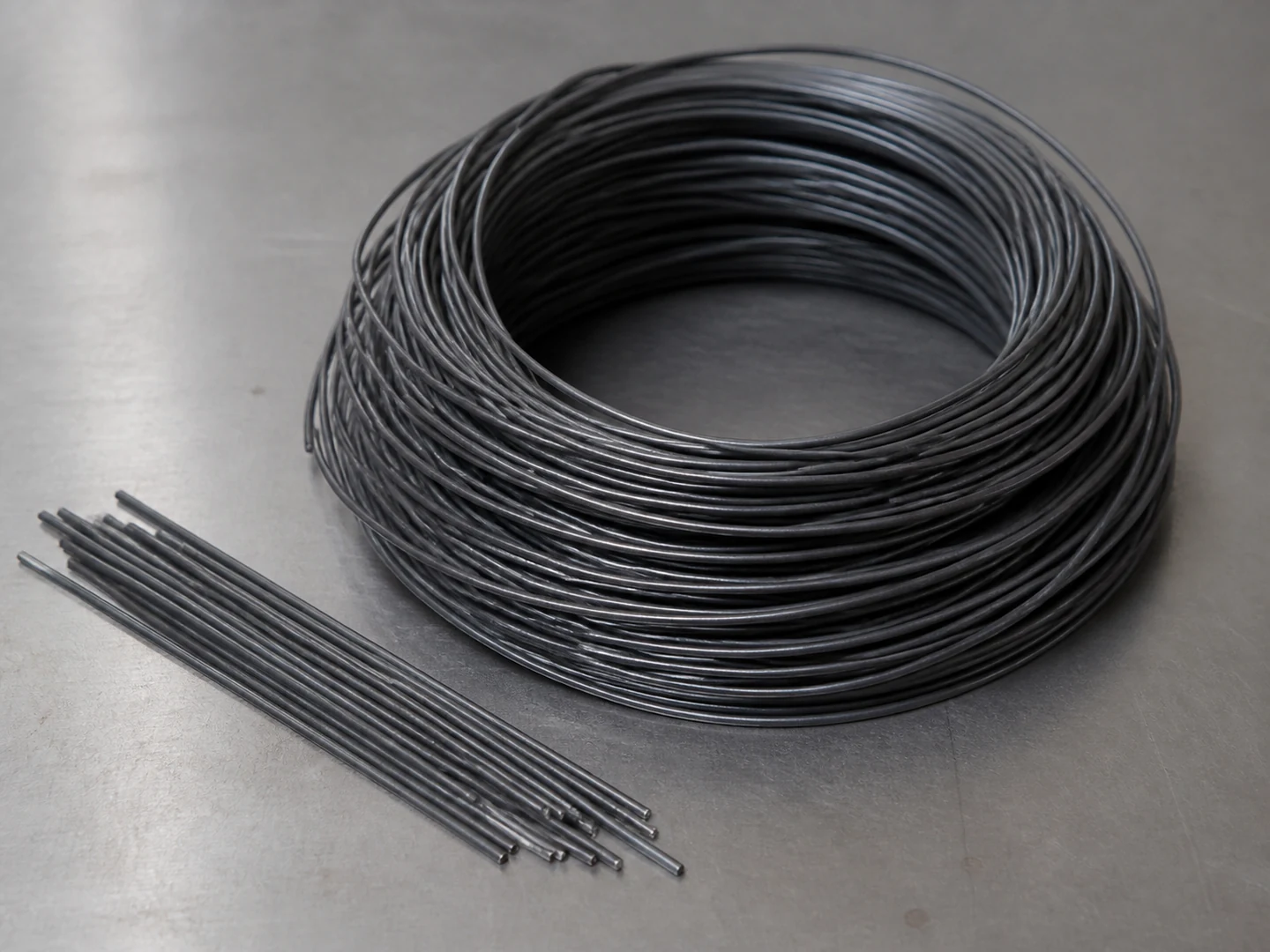
Carbon Steel Wire
Choose Carbon Steel Wire based on its stiffness, recovery, wear, wet-service, chemical, and temperature…
Compare this materialCustom Manufacturing RFQ
Discuss This Brush Type
Share the working surface, residue, dimensions, material direction, interface, quantity and drawing or sample photo.
Custom Brush RFQ
Request a Custom Cleaning Brush Quote
Upload a drawing, product photo, or sample photo and provide the core dimensions and cleaning conditions.
“We need a brush to remove wet residue from a stainless steel conveyor, about 800mm wide. The current brush wears quickly. We can send photos.”
“We sell drinkware and need a cleaning brush to include with the product. Quantity around 5,000 pieces.”