
Custom Cleaning Brush
Test Tube Brush
Custom test tube brushes with twisted-wire stems and PBT, PP, or nylon filament fills sized to tube bores, conical bottoms, and lab washing conditions.
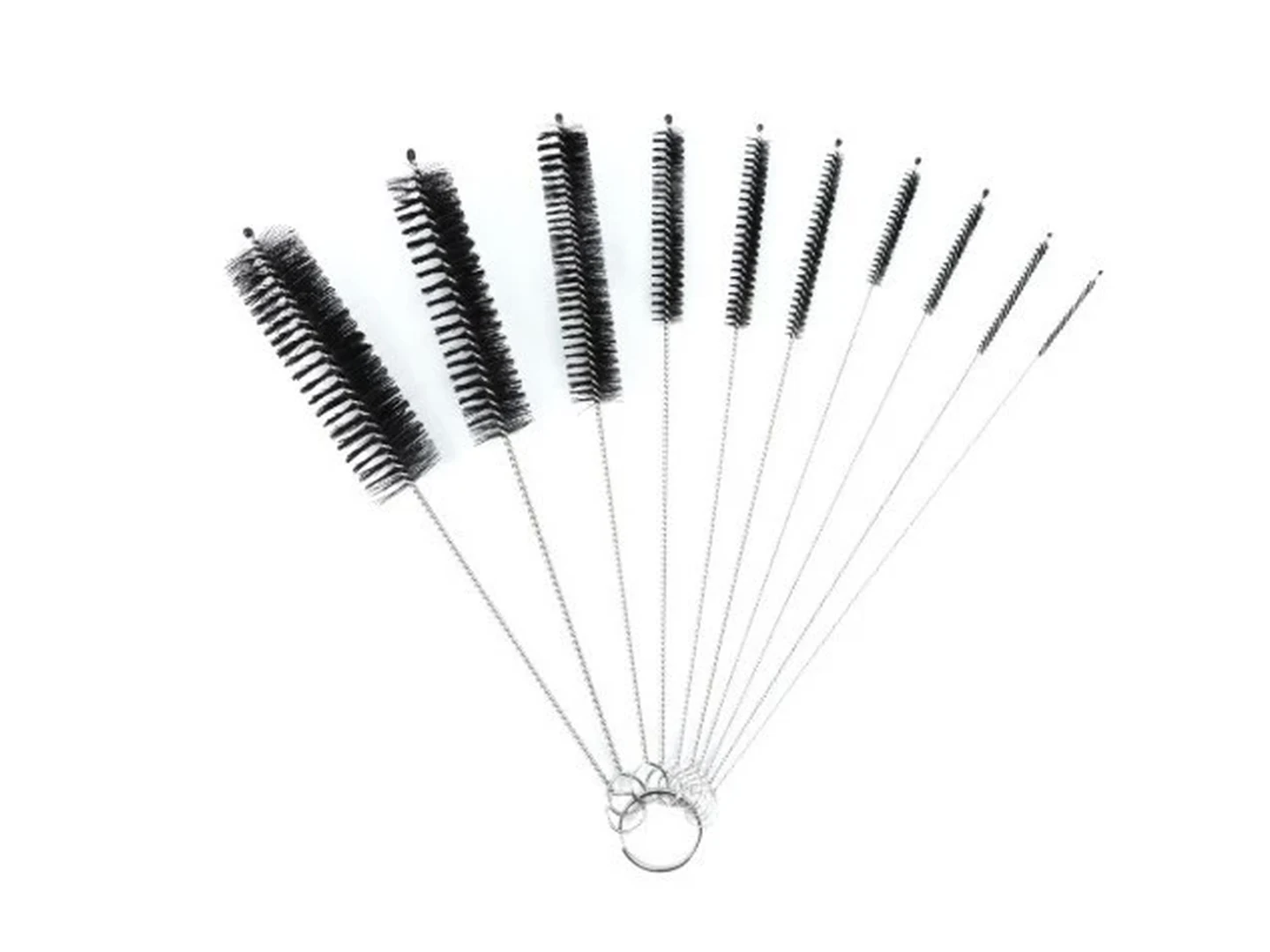
Small brush
500 pcs
Minimum order
Held in one hand: tube, bottle, detail and swab brushes — including long-handled ones with a small head.
Production lead time, once the specification is confirmed
- Up to 500 pcsWithin 7 days
- 501–50,000 pcsWithin 14 days
- Over 50,000 pcsWithin 21 days
Peak season can extend these times; the shipping date is confirmed in writing with your quotation. Sampling and shipping are quoted separately.
A hand-guided laboratory cleaning brush with a twisted-wire stem and filament working end sized for test tubes, boiling tubes, centrifuge tubes, and narrow glassware. It reaches rounded and conical bottoms to wipe reagent film, precipitates, powders, and detergent residue while protecting glass and sensitive bores.
What can this brush do for you?
Filament Fill Sized to the Tube Bore Creates Real Sidewall Contact
The working end can be built near the internal diameter of the tube or slightly oversize. A near-size fill wipes film from the wall without forcing the stem, while 5–20% oversize in polymer filament provides the scrubbing pressure needed to release dried reagent or powder from glass. The result is contact across the full bore, not just a loose bristle bundle sliding down the center.
Twisted-Wire Stem Puts Pressure Where the Residue Sits at the Bottom
The twisted wire carries the force of a straight push to the base of the tube. Unlike a flexible handle, it does not buckle against the rounded or conical bottom, so the end fill stays engaged with the last few millimeters where precipitate and drying film collect.
End Profiles Match Flat, Conical, and Rounded Tube Bottoms
Choose a tufted tip for gentle contact at a rounded base, a fan or sponge end to spread contact across a conical or flat bottom, or a cylindrical fill for straight sidewalls. The end geometry is the part of the brush that decides whether the bottom is actually wiped, not simply poked.
Filament and Stem Materials Can Be Matched to the Wash Chemistry
PBT, polypropylene, and nylon each bring a different balance of stiffness, chemical resistance, water absorption, and heat tolerance. The stem can be supplied with a plain loop, a coated handle, or a protective covering. The brush is configured for the solvent or detergent it will see, not just for the tube it will enter.
What is a Test Tube Brush?
A Test Tube Brush is a manual cleaning tool built around a twisted-wire stem with a filament fill captured between the wire turns. The operator inserts the working end into the open mouth of a tube, pushes it toward the base, and rotates or strokes it so the filament tips wipe the bore. It is normally used after fluid transfer or reaction when reagent film, precipitate, powder, or detergent residue remains on the glass wall or bottom.
The brush is defined by three fits: the working diameter to the tube bore, the filled length to the zone that actually gets dirty, and the overall length to the operator’s reach and grip. For open-top laboratory tubes, this means the filament must cover the sidewall and terminate in an end shape that follows the bottom contour without leaving a dead spot.
This is a hand tool, not a replacement for a washing machine, ultrasonic bath, or chemical digestion. It removes attached residue mechanically. It does not sterilize, and it does not replace rinsing. The right build depends on glass versus plastic, residue hardness, wash chemicals, and whether the tubes are autoclaved after cleaning.
Technical Specifications
The dimensions below are the production ranges we commonly build. Because tube bores and protocols vary, working diameter, fill length, overall length, and end style are set for the project.
| Parameter | Value / Options |
|---|---|
| Working end diameter | 9.5–44.5 mm, selected near tube ID or with 5–20% polymer oversize |
| Filled brush length | 76–114 mm, adjusted to the dirty zone and bottom reach |
| Overall length | 159–305 mm, including loop or coated handle |
| Filament diameter | 0.15–0.30 mm, lower for softer contact, higher for more scrubbing stiffness |
| Filament materials | PBT, polypropylene PP, nylon PA, selected for chemical and temperature exposure |
| End shape | Tufted tip, sponge, fan, cylindrical, or custom molded/trimmed profile |
| Stem construction | Twisted wire with loop handle, coated handle, or custom protective sleeve |
| Core wire | Stainless steel or galvanized steel, selected for wash chemistry and corrosion resistance |
| Fill density | Standard to dense fill based on contact pressure and residue release |
| Brush type | Custom Tube & Pipe Bore Brushes |
| How it is driven | Hand-guided |
| Cleaning target | test tube and boiling tube, culture tube and sample vial, and narrow vertical glassware cleaning |
| Surface or part | tubes, bores, test tubes, glass, walls, glassware, plastic, and tapers |
| Residue or debris | precipitate, reagent film, powder, detergent residue, and dust |
| Mounting / connection | Threaded Removable / Fixed |
Where does this brush work best?
- Test tubes and boiling tubes with reagent film, dried precipitates, or powder dust left behind after reaction or sampling.
- Centrifuge and conical tubes where the bottom tapers and a straight cylindrical brush cannot follow the sloped wall.
- Culture tubes and sample vials that need a clean bore before sterilization or reuse.
- Narrow vertical glassware such as small graduated cylinders and sample containers when the mouth and depth fit the selected fill and stem.
How do I choose the right one?
Start with the tube bore and bottom shape, then match the filament and stem to the cleaning environment.
- Measure the internal diameter. For glass tubes with soft film, a near-size fill or 5–10% oversize is usually enough. For more stubborn dried residue on glass, 10–20% oversize gives more scrub. For plastic tubes, keep the fill near size or use a softer filament to prevent gouging.
- Select the filament by the residue and chemical exposure. Nylon offers good flexibility and solvent resistance; PBT holds stiffness in wet use and works well for harder soft films; PP is lighter and often preferred for mild aqueous cleaning or lower temperature protocols.
- Match the filled length to the actual dirty zone. The fill needs to cover the sidewall from the mouth to the base, including the bottom curve. An overall length that leaves the operator’s hand too close to the tube mouth is harder to control and carries splash risk.
- Choose the end shape for the bottom contour. A fan or sponge end covers flat and conical bottoms; a tufted end follows a rounded bottom; a cylindrical fill without a special end is best for straight walls.
- Consider the cleaning environment before locking the specification. Autoclave temperature, solvent type, disinfectant compatibility, and whether the stem must be non-metallic or coated all change material choice.
| Tube condition | Suggested configuration |
|---|---|
| Glass test tube with reagent film | Nylon or PBT, near-size to 10% oversize, tufted tip |
| Plastic centrifuge tube | PP or soft nylon, near-size fill, coated stem |
| Dried precipitate on glass bottom | PBT or nylon, 10–20% oversize, fan or sponge end |
| Long culture tube | Narrower fill, longer overall length, simple loop handle |
If you are cleaning hard mineral scale, burned-on deposits, or heavily carbonized residue, a plastic-filament test tube brush may be the wrong tool. A wire-filled tube brush or a chemical soak followed by brushing is more effective for those cases. For very narrow bores, capillaries, or NMR tubes, use a swab or pipe-cleaner style tool instead of forcing an oversized brush.
Can I customize this brush?
Test tube brushes are normally customized around the tube, not copied from a catalog size. To define a build, we need the tube internal diameter, bottom shape, overall depth, glass or plastic material, residue type, wash chemistry, maximum wash or autoclave temperature, and the handle form required. A drawing, sample tube, or photo of the tube and the current brush speeds the design.
- Working end dimensions — diameter, filled length, taper, and contour to the bottom geometry.
- Filament configuration — PBT, PP, or nylon; filament diameter; fill density; color coding by lab area or tube size.
- End shape — tufted, sponge, fan, cylindrical, or a custom tipped profile.
- Stem and handle — wire material, coating or sleeve, loop size, straight or angled grip, and length adjustment.
- Marking and packaging — laser-marked or color-coded handles, bulk packing, individual sleeves, or project-specific labels.
If your project requires material documentation, inspection records, or third-party testing for your internal protocol, we can support those requirements during customization.
When is a test tube brush worn out rather than just dirty?
How do I tell if the brush diameter is too large for the tube?
Insert the dry brush slowly. The filament tips should bend and contact the wall with light resistance. If the twisted wire stem bows or the brush will not enter without strong force, the fill is too large. In a plastic tube, any sharp scraping sound or visible score marks from the wire means the fill or the stem protection needs to change.
Can I use the same brush on glass and plastic tubes?
Only if the bore sizes and wall sensitivity are compatible. A brush built with high interference for glass can leave scratches or micro-grooves on softer plastic. Use a near-size or softer filament build with a coated stem for polymer tubes, and keep a separate brush set if your lab runs both materials.
What should I inspect before each shift?
Check the twisted wire for kinks, broken wire ends, or exposed sharp points. Run the fill between two fingers to feel for brittleness or filament shedding. Inspect the end profile to confirm it still matches the tube bottom. If the wire is bent, the fill is flattened, or the end no longer sweeps the bottom, replace the brush.
Does the brush replace soaking or ultrasonic cleaning?
No. The brush removes attached film and loose debris mechanically. Hard or thermally set deposits often need a soak first. Ultrasonic cleaning, rinsing, and any required sterilization still follow as separate steps in the lab protocol.
How can I verify the bottom of the tube is actually clean?
After brushing and rinsing, hold the tube against a light source and rotate it. Look for any film or granular residue at the bottom transition and along the sidewall. For critical applications, wipe the bottom with a clean white swab and compare it to a new swab. Any visible transfer means the end shape or contact pressure needs adjustment.
When should I use a swab or pipe cleaner instead of a test tube brush?
Use a swab for bores that are too narrow for the filament fill, for single-use or contamination-sensitive sampling, or when the tube has a delicate internal coating. If the required diameter is below what a twisted-wire fill can support without damaging the tube, a disposable cleaning tool is safer.
Guides that go deeper on this
Does a Nylon Test Tube Brush Work in Curved Pipes?
Read this guideGuideHow Small an Internal Diameter Can a Nylon Test Tube Brush Clean?
Read this guideGuideIs a Nylon Test Tube Brush Right for Food and Beverage Tubing?
Read this guideGuideLaboratory Glassware Brushes: Test Tubes, Flasks and Beakers
Read this guideGuideWhat Is the Function of a Test Tube Brush in Narrow Bores?
Read this guideGuideWhen Does Channel Cleaning Call for a Nylon Test Tube Brush?
Read this guideGuideWhen to Use a Test Tube Brush in Curved Glassware Necks
Read this guideGuideWhen to Use a Test Tube Brush on Laboratory Glassware
Read this guideGuideHow to Maintain Chimney and Boiler Tube Brushes in Production
Read this guideGuideHow to Maintain Tube Brushes for Plastic Processing Lines
Read this guideRELATED BRUSH RESOURCES
Recommended Reading & Related Brush Resources
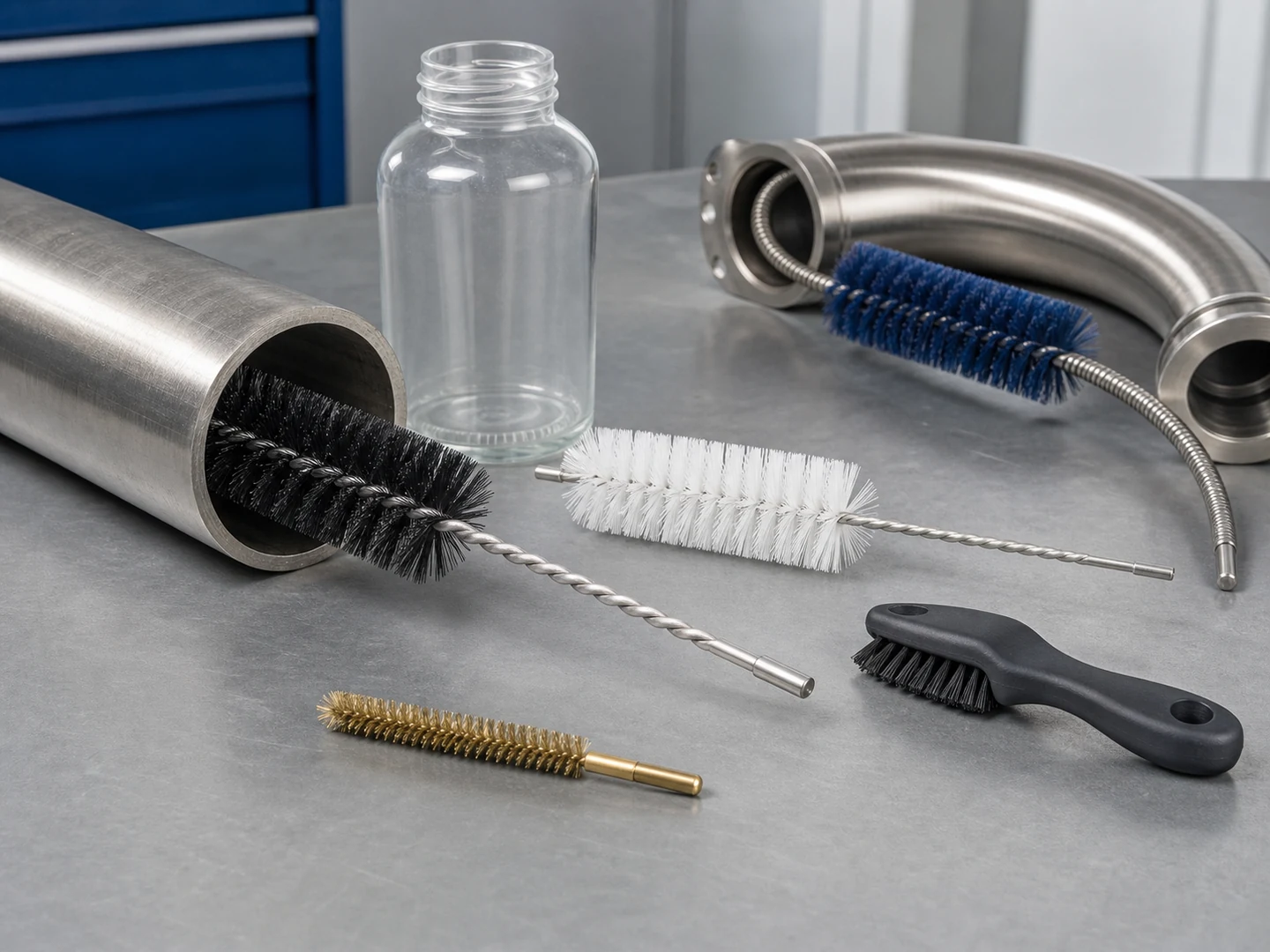
Custom Tube & Pipe Bore Brushes
Choose a tube, pipe, or bore brush when the working surface is inside a…
See how this type is built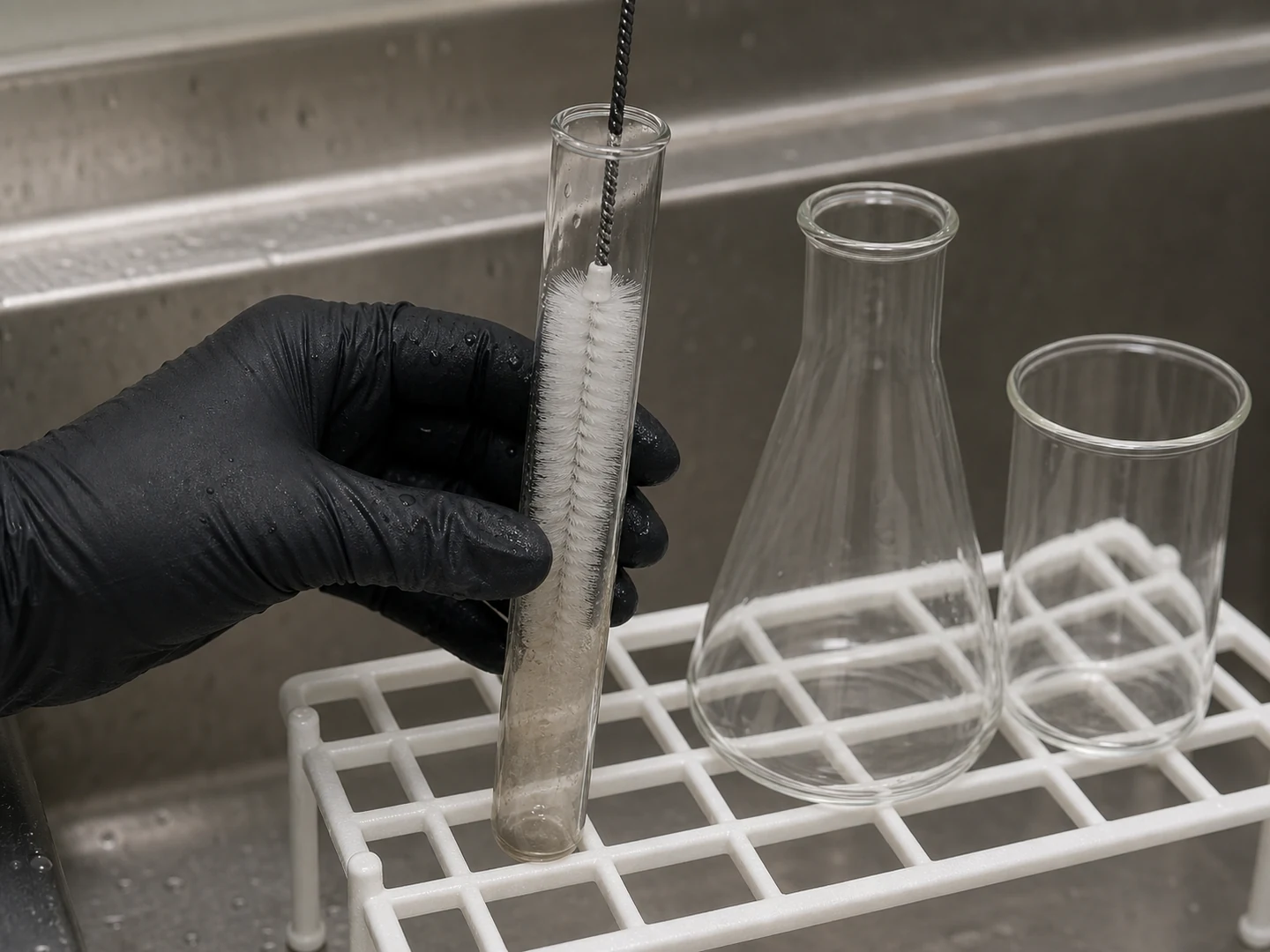
Laboratory Tube Cleaning
For Laboratory Tube Cleaning, the brush must reach the working area, disturb or collect…
See the cleaning job
Polypropylene PP
Choose Polypropylene PP based on its stiffness, recovery, wear, wet-service, chemical, and temperature behavior.…
Compare this material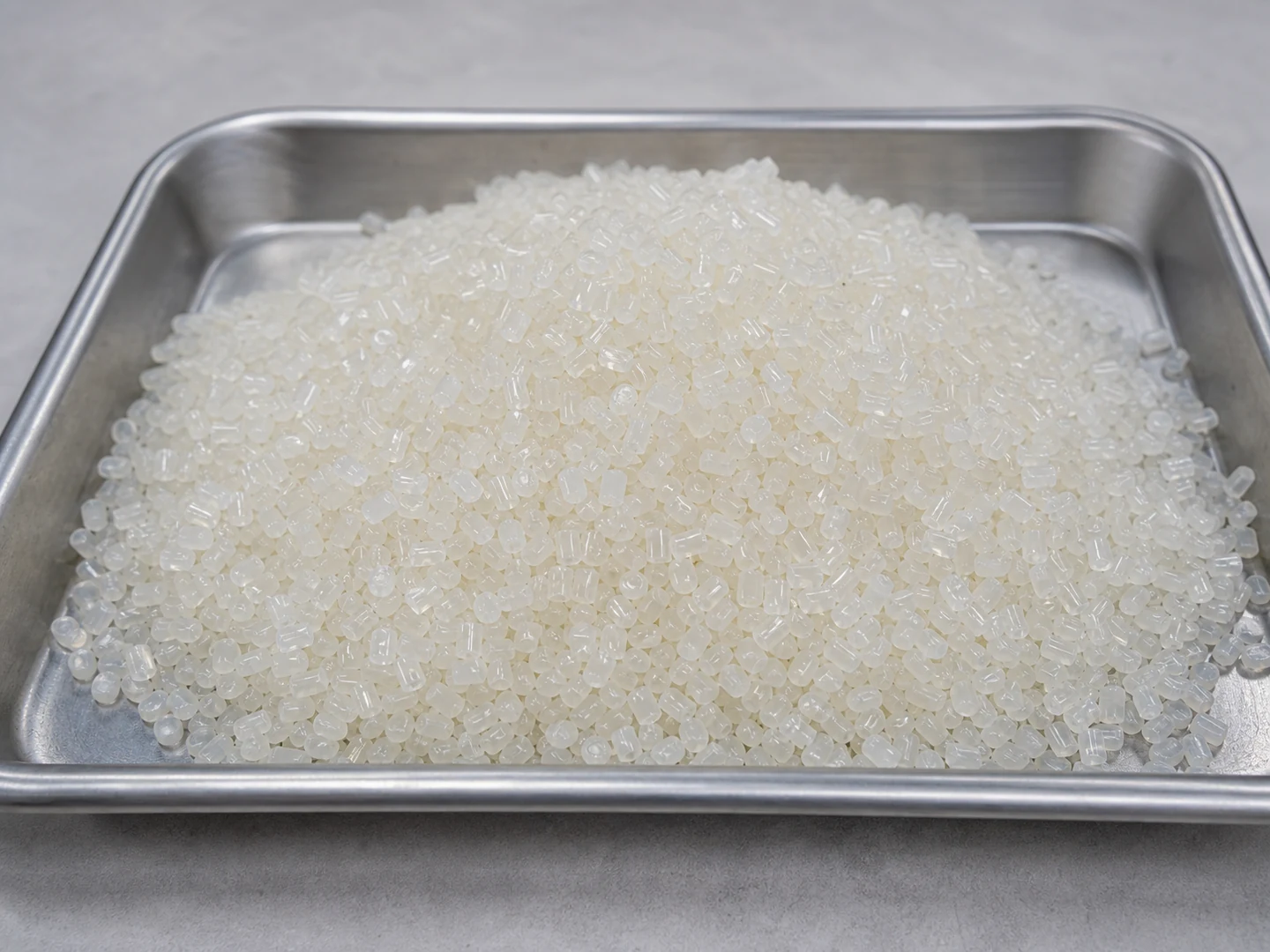
Nylon PA
Choose Nylon PA based on its stiffness, recovery, wear, wet-service, chemical, and temperature behavior.
Compare this material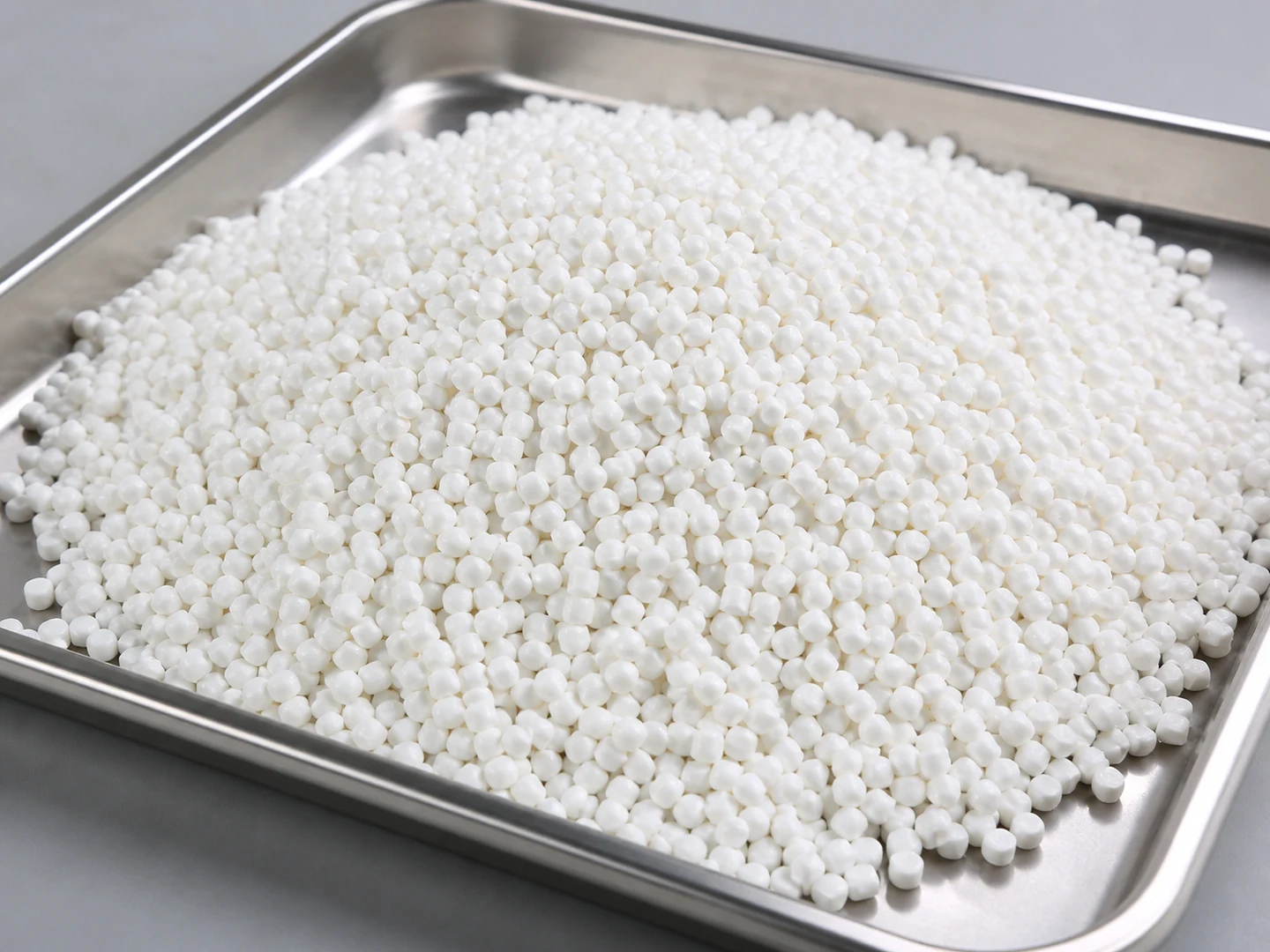
PBT
Choose PBT based on its stiffness, recovery, wear, wet-service, chemical, and temperature behavior. Do…
Compare this material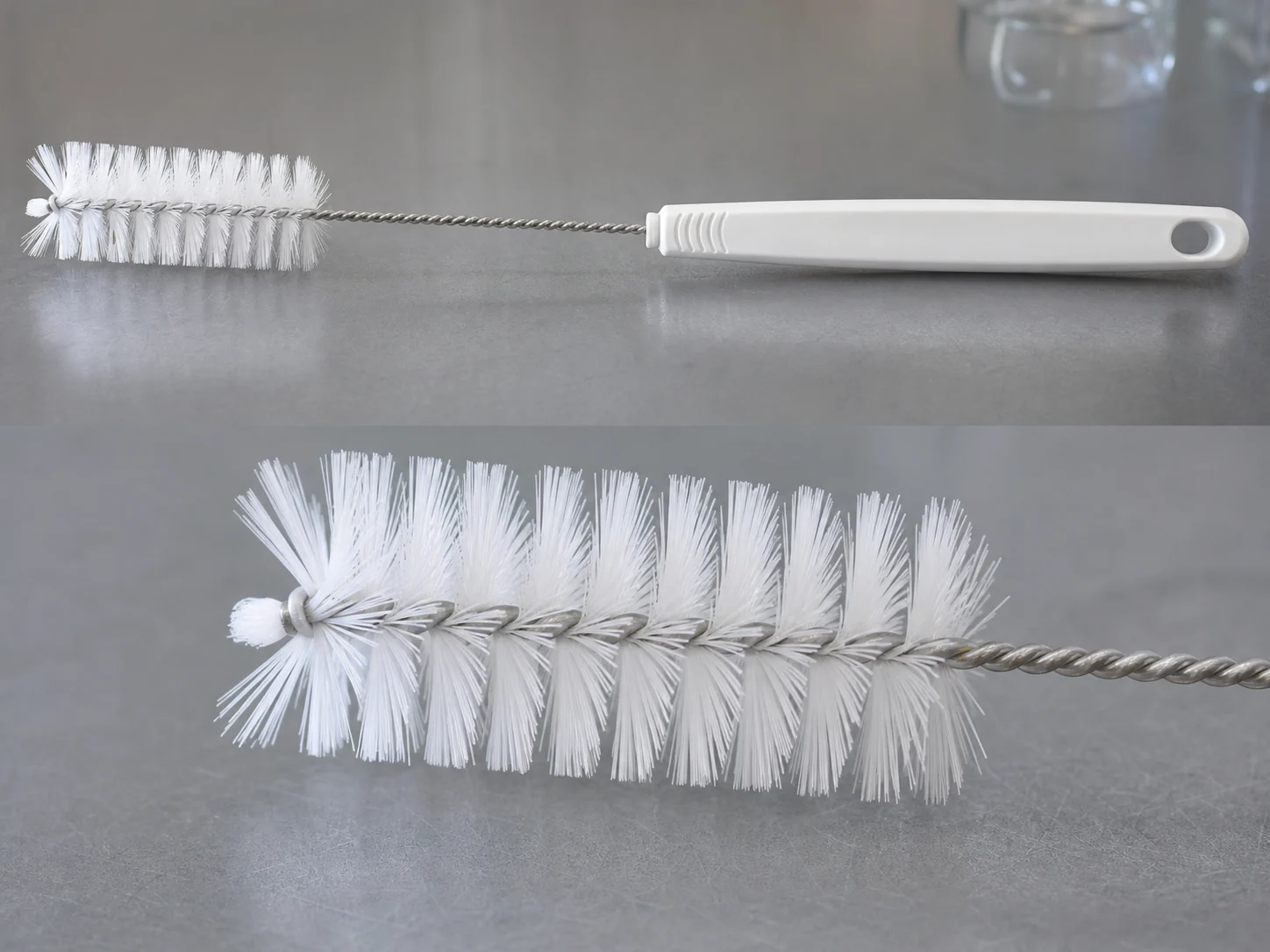
35mm PBT Test Tube Brush
35mm PBT test tube brush with twisted SUS304 core for lab glassware cleaning. Removes…
Compare the specification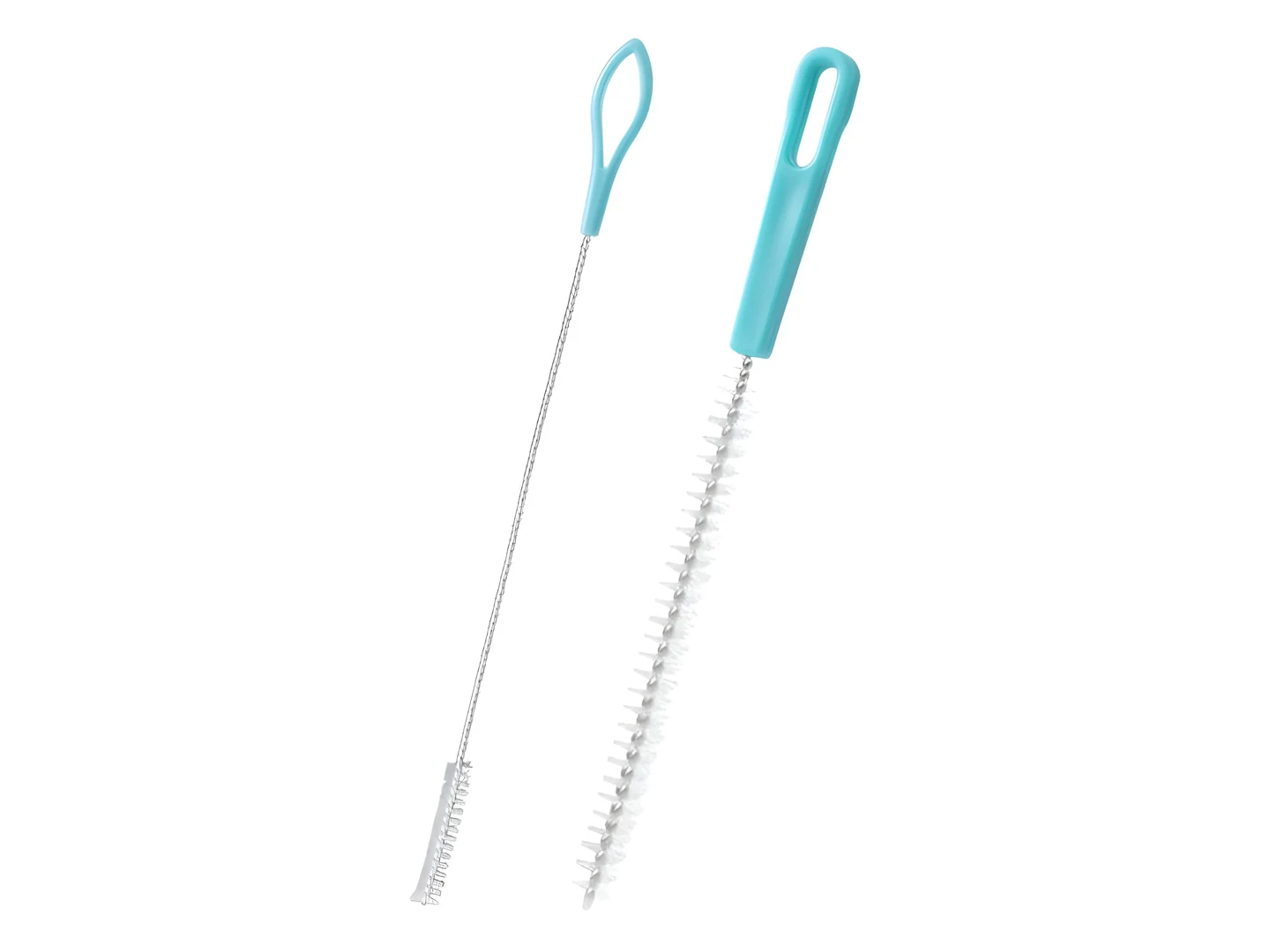
Pastry Tube Brush
Custom pastry tube brush for piping tips and nozzles. Food-contact PBT/nylon fill, stainless wire…
Compare the specification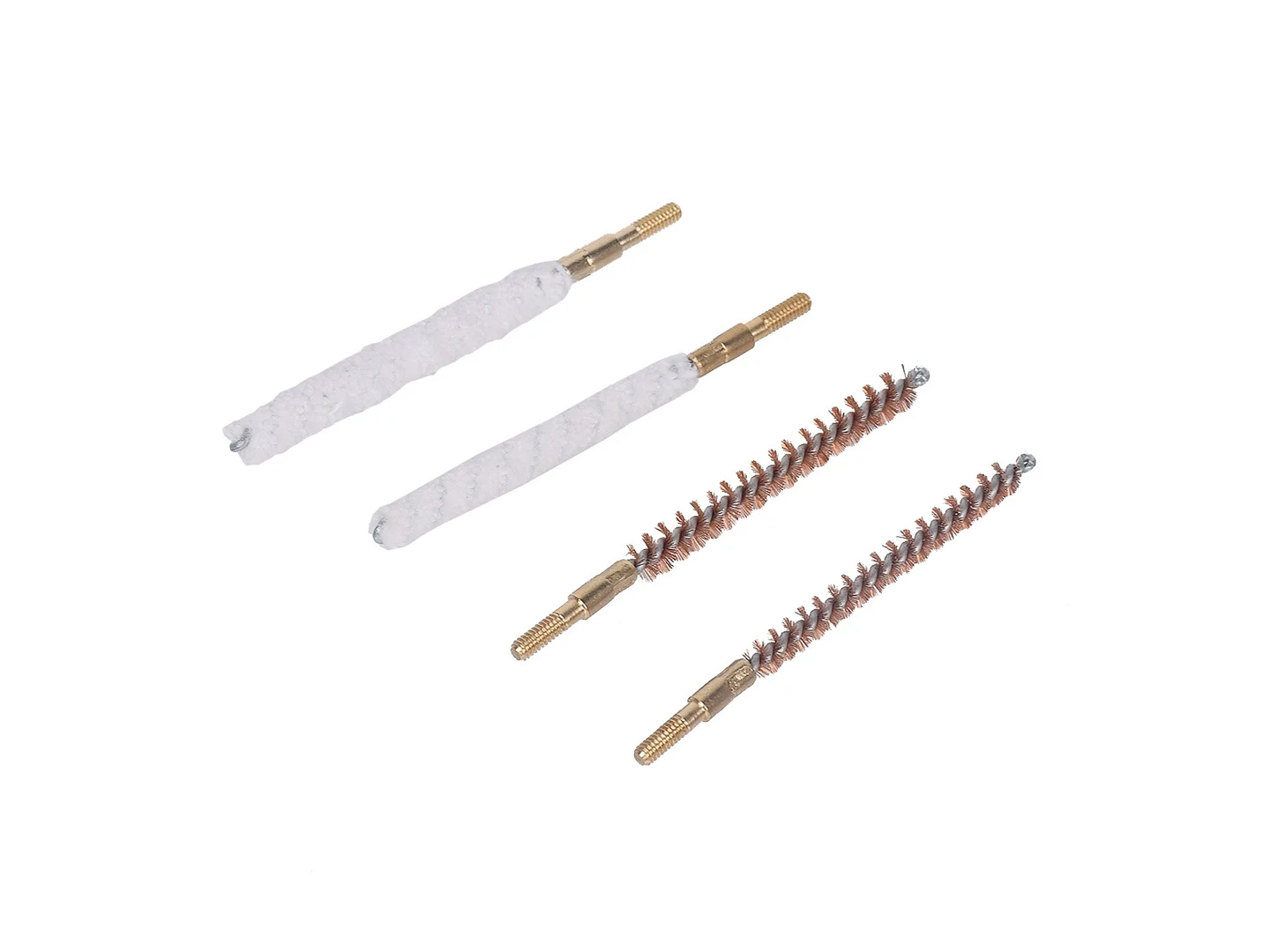
Brass Tube Brush
Brass fill expands into thread roots and cross-hole intersections, clearing chips and carbon while…
Compare the specificationCustom Manufacturing RFQ
Describe Your Application
Send the key measurements, cleaning requirement, residue, material direction, mounting method, quantity, and drawing or photo.
Drawing or photo optional — it speeds things up, it does not gate the enquiry.
Custom Brush RFQ
Send Your Brush Project
Upload a drawing, product photo, or sample photo and provide the core dimensions and cleaning conditions.
“We need a brush to remove wet residue from a stainless steel conveyor, about 800mm wide. The current brush wears quickly. We can send photos.”
“We sell drinkware and need a cleaning brush to include with the product. Quantity around 5,000 pieces.”