
Custom Cleaning Brush
Tire Cleaning Brush
Rugged tire cleaning brush with nylon or PP filaments for sidewalls, tread grooves, and lettering. Customizable head, trim, stiffness, and handle.
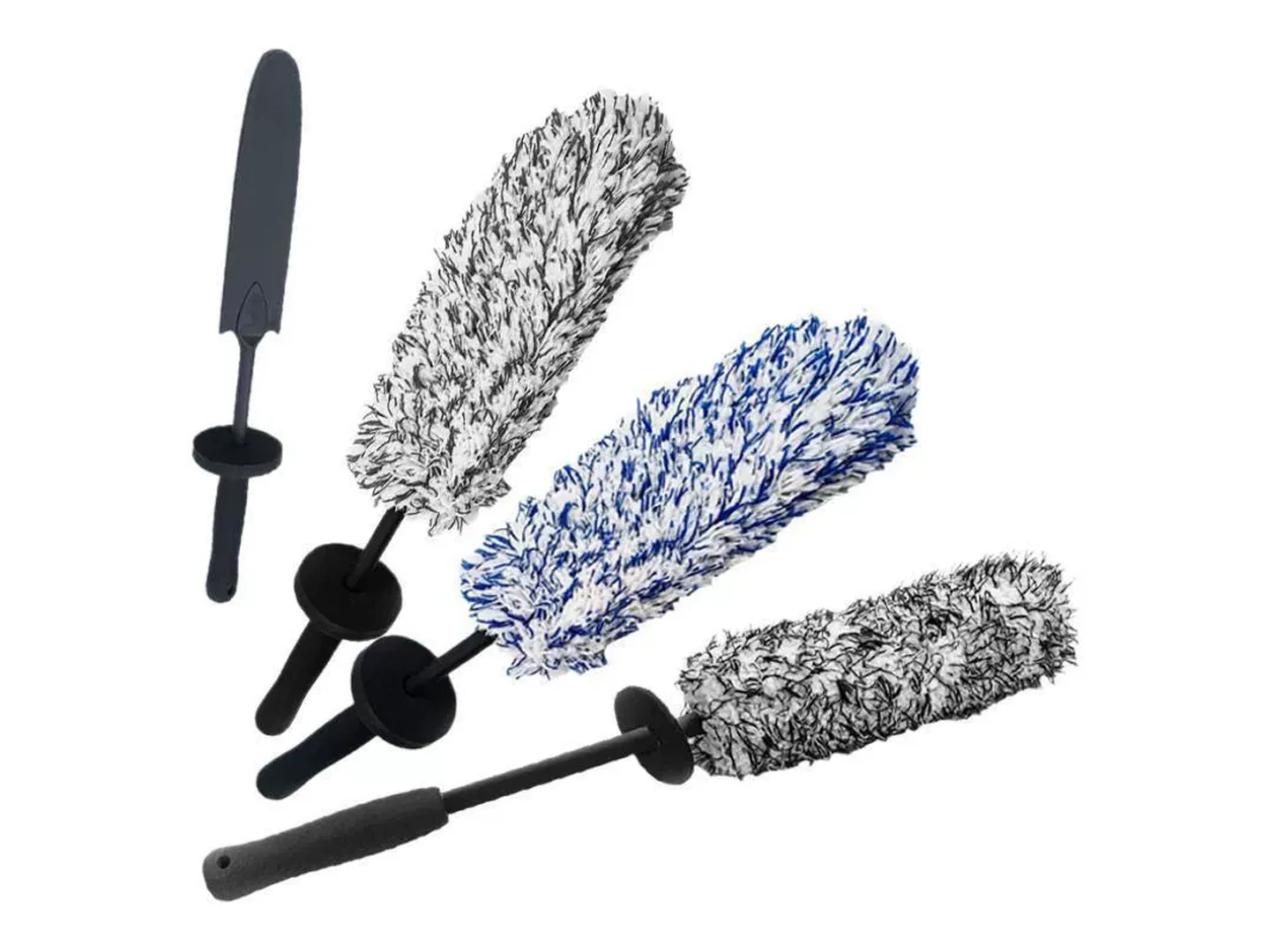
Small brush
500 pcs
Minimum order
Held in one hand: tube, bottle, detail and swab brushes — including long-handled ones with a small head.
Production lead time, once the specification is confirmed
- Up to 500 pcsWithin 7 days
- 501–50,000 pcsWithin 14 days
- Over 50,000 pcsWithin 21 days
Peak season can extend these times; the shipping date is confirmed in writing with your quotation. Sampling and shipping are quoted separately.
A medium-to-stiff hand brush built for scrubbing tire tread blocks, sidewalls, lettering, and shoulder grooves before applying dressing or after off-road use. Nylon or polypropylene filaments in a chemical-resistant handle remove road film, old dressing, mud, and rubber bloom without the brush collapsing under repeated use.
What can this brush do for you?
Reaches Into Tread Grooves and Sidewall Lettering
Trim lengths between 25 mm and 45 mm let the filaments follow the rubber profile instead of skating across the high points. The tips drop into tread sipes, shoulder ribs, and raised lettering, pulling out old dressing and embedded dirt that a flat sponge or cloth leaves behind.
Cleans the Sidewall in Fewer Strokes
Head widths from 60 mm to 150 mm cover a broad contact area, so an operator can scrub a full passenger-car sidewall in a few passes. Wider configurations suit truck and SUV tires; narrower heads follow low-profile sidewalls with less wasted motion.
Lifts Old Dressing and Browning Before Reapplication
Nylon and polypropylene filaments stay firm when wet and work with alkaline tire cleaners, degreasers, and water-based dressing removers. The brush scrubs oxidized rubber bloom and silicone film out of the surface microtexture, which helps the next coat of dressing bond evenly instead of peeling.
Keeps Its Grip and Shape in Wet Work
The handle is molded from chemical-resistant polypropylene with an optional TPE overmold, ribs, or a hang hole. It stays controllable in soapy hands and dries without cracking or swelling after repeated exposure to tire cleaning chemicals.
Holds Filaments Through Repeated Detailing Cycles
Filaments are staple-set or epoxy-set into the head, depending on the project. Well-anchored fill means fewer loose bristles on the shop floor or between the tread blocks, and the brush keeps a consistent working face after hundreds of tires.
What is a Tire Cleaning Brush?
A Tire Cleaning Brush is a hand-guided scrubbing tool with a wide, low-profile head filled with nylon or polypropylene filaments. It is built for contact with rubber tire surfaces only — tread blocks, sidewalls, shoulder lugs, and raised lettering — not for painted wheels, chrome, or polished metal.
In a typical cleaning sequence, the operator sprays the tire with a cleaner, works the brush across the sidewall and around the tread circumference, then rinses with water. The brush action pushes the cleaner into grooves and microtexture that a towel or sponge cannot reach. Afterwards, the tire is dried and dressed if the process calls for it.
A tire cleaning brush is not a wire brush or a wheel brush. Its compliant filament tips provide scrubbing force without gouging the rubber, but they will not remove baked-on deposits or replace pressure washing for heavily caked mud. That boundary matters when you are selecting tooling for a detailing bay, car wash tunnel, or fleet maintenance program.
Technical Specifications
The following are the primary parameters we use when configuring a tire cleaning brush. Common production ranges are shown; dimensions and materials are adjusted to the project.
| Parameter | Value / Options |
|---|---|
| Head width | 60–150 mm; 80–100 mm standard for passenger tires, wider for truck/SUV |
| Head length | 60–150 mm, matched to tire curvature and stroke path |
| Trim length | 25–45 mm; longer for deep tread, shorter for firmer scrubbing |
| Overall length | 180–320 mm, including handle |
| Filament diameter | 0.40–0.80 mm; 0.50–0.60 mm standard for sidewall work |
| Fill material | Nylon PA6 or PA66, polypropylene, or blended; straight, crimped, or flag-tipped ends |
| Handle / base material | Polypropylene (PP), glass-filled PP, or PP with TPE overmold |
| Filament retention | Staple-set or epoxy-set; epoxy-set recommended for chemical-intensive use |
| Chemical exposure | Nylon: good resistance to alkaline tire cleaners and mild solvents; PP: broad acid/alkali resistance; confirm cleaner type during ordering |
| Operating temperature | -10°C to 80°C for standard handle and fill construction |
| Working method | Manual hand scrubbing; extension pole adapter available on request |
| Brush type | Custom Handheld Detail Brushes |
| How it is driven | Hand-guided |
| Cleaning target | auto detailing and ceramic coating prep, hand wash and car wash bay, and truck and fleet maintenance cleaning |
| Surface or part | sidewalls, lettering, shoulders, roads, grooves, tread blocks, metal, and ceramic |
| Residue or debris | dressing, mud, road film, rubber bloom, and dried mud |
| Mounting / connection | Fixed |
If the tire, cleaner, or operating process requires a dimension outside these ranges, the construction can be adjusted during customization.
Where does this brush work best?
- Auto detailing and ceramic coating prep: cleaning sidewalls and lettering before tire dressing or coating so the product bonds to clean rubber.
- Hand wash and car wash bays: fast tire scrubbing between the wheel-cleaning and final rinse steps.
- Truck and fleet maintenance: large tires, trailer equipment, and delivery vehicles that collect road film and grime in daily operation.
- Off-road and motorsport prep: removing dried mud and debris from tread lugs, shoulder blocks, and sidewall ribs before inspection or competition.
- Tire service and retread operations: surface preparation and visual inspection support where loose dirt needs to be removed without damaging the rubber.
How do I choose the right one?
Match the head, trim, and filament to the tire and the residue, not just to the cheapest available brush.
Size the head to the tire
Low-profile passenger tires usually work better with a 70–90 mm head that follows the narrow sidewall curve. Larger SUV, truck, and commercial tires benefit from a 100–150 mm head that covers more area per stroke. Match the head length to the sidewall height so the brush does not overreach onto the wheel.
Set stiffness by the residue and rubber surface
Dried dressing, browning, and moderate road film respond well to medium stiffness, around 0.50 mm nylon with 25–35 mm trim. Heavy mud and old, thick dressing require firmer fill, around 0.70–0.80 mm nylon or crimped PP. If the tire has delicate raised white lettering or a soft rubber compound, use flag-tipped or 0.40 mm fill to avoid visible marks.
Choose the filament material for the chemistry and wear
Nylon PA6 or PA66 holds stiffness when wet, resists abrasion, and tolerates most alkaline tire cleaners and mild solvents. Polypropylene offers broad acid and alkali resistance at a more economical cost, but it is generally less stiff. If the cleaner is aggressive or the brush runs continuously, specify epoxy-set fill and a glass-filled PP or TPE-overmolded handle.
Think about the operator and the interface
Wet, gloved hands need a handle with enough thickness, ribs, or TPE overmold to stay secure. If the brush will be used with an extension pole for elevated truck tires, specify the thread or clamp interface at ordering rather than modifying the handle later.
When a different tool is the better choiceUse a dedicated wheel brush for painted, clear-coated, or polished rims — a tire brush can transfer scrub marks if it drifts onto the wheel. For caked clay or heavy mud packed into deep lugs, pressure wash first and use the tire brush for the remaining film. For metal wire or severe rubber buffing jobs, use a wire brush or tire rasp, not this filament brush.
Can I customize this brush?
Most tire cleaning brushes are configured around the tire sizes, cleaner chemistry, and expected duty cycle. To specify a project, we need typical tire diameter and width, sidewall height, tread depth, the cleaner or degreaser used, and whether the brush is for passenger cars, trucks, or off-road equipment. A sample or drawing helps us converge faster.
Adjustable elements include:
- Head geometry: rectangular, contoured, angled, narrow profile, or dual-width design for sidewall and tread sections.
- Trim and fill density: trim length, filament diameter, rows per head, and density tuned for groove penetration or surface contact.
- Filament material and tip style: nylon PA6/PA66, polypropylene, straight, crimped, flag-tipped, or dual-stiffness zones (stiffer center, softer outer rows).
- Handle and interface: molded grip, TPE overmold, loop handle, hang hole, extension-pole thread, or clamp adapter.
- Color and branding: custom colors, pad print, embossed logo, mold-in text, or product code marking.
- Packaging: bulk cartons, shrink-wrapped, hook card, retail sleeve, or project-specific packing.
If your project requires material documentation, inspection records, or third-party testing for a specific market, we can support those requirements during the customization process.
Which filament survives the cleaning chemicals a tire cleaning brush meets?
How do I know if the brush is too stiff for low-profile tires?
If the filaments dig into the rubber and leave visible brush marks, or if the brush skips across shallow tread instead of flexing into it, the fill is too stiff. Medium-stiffness 0.50 mm nylon with 25–30 mm trim is usually safe for low-profile sidewalls; test on a hidden section before full production.
Can this brush be used on the wheel rim or center cap?
No. Keep it on rubber tire surfaces only. Use a separate wheel brush for painted, clear-coated, or polished rims. Even brief contact between the tire brush and a wheel face can transfer scrub marks, especially with stiffer filament fills.
How should I clean and store the brush?
Rinse the head with clean water after use, shake out excess, and hang it by the hole with bristles pointing down. Avoid soaking the handle in aggressive solvents for long periods. Replace the brush when the filaments flatten, splay, or no longer stand upright.
What type of tire cleaner works best with this brush?
Alkaline degreasers and pH-neutral tire cleaners both work with nylon and polypropylene fill. Strong oxidizers or very aggressive acid-based cleaners may accelerate filament degradation over time, so share the actual cleaner SDS during ordering if the brush will be soaked or used continuously with one chemical.
How do I check filament retention before buying a large order?
Pull several bristles firmly from the working face. In a properly staple-set or epoxy-set brush, the filaments should not release with moderate hand force. For large-volume programs, request a pre-production sample and check filament pull-out after a few wet use cycles.
When should I use flag-tipped filaments instead of straight trim?
Flag-tipped (split-end) filaments fan out to reduce point pressure, so they are safer on raised white lettering, delicate sidewall graphics, and soft rubber compounds. Straight trim is the better choice for deep tread scrubbing, heavy dressing removal, and mud where you need more tip aggression.
Guides that go deeper on this
How to Choose a Tire Mold Groove Cleaning Brush
Read this guideGuideHow to Choose the Right Tire Brush for Mold Grooves
Read this guideGuideTire Brush: Specs for Sidewall Cleaning
Read this guideGuideTire Cleaning Brush Mistakes in Retreading Prep
Read this guideGuideWhen to Use a Tire Cleaning Brush on Sidewalls
Read this guideGuideTire Brushes for Washing, Scrubbing and Retreading: Which Fill?
Read this guideGuideTire Lubricant Swab Head: Cotton or Synthetic Fiber?
Read this guideRELATED BRUSH RESOURCES
Recommended Reading & Related Brush Resources
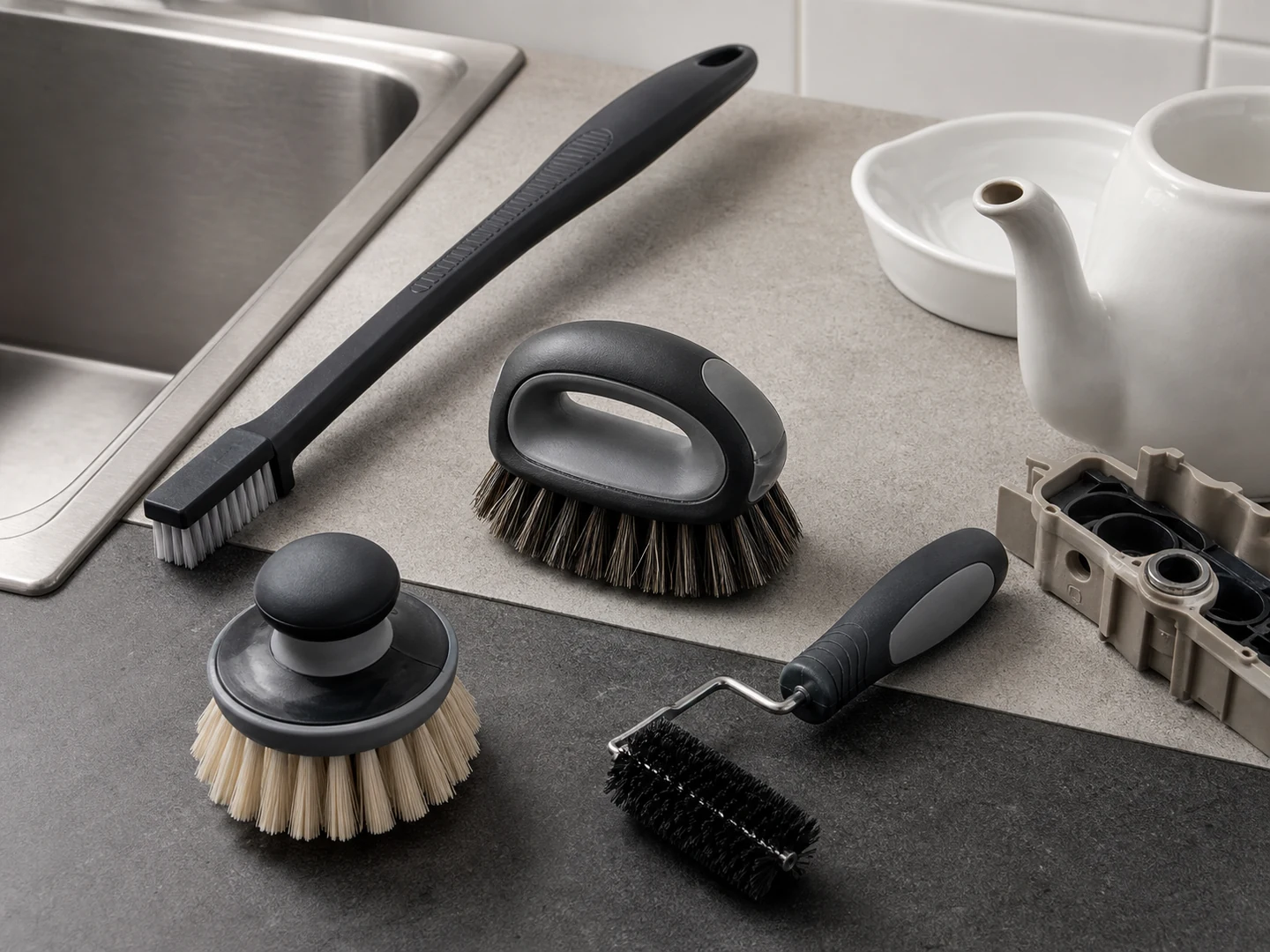
Custom Handheld Detail Brushes
Choose a handheld detail brush when you need direct control in seams, recesses, fittings,…
See how this type is built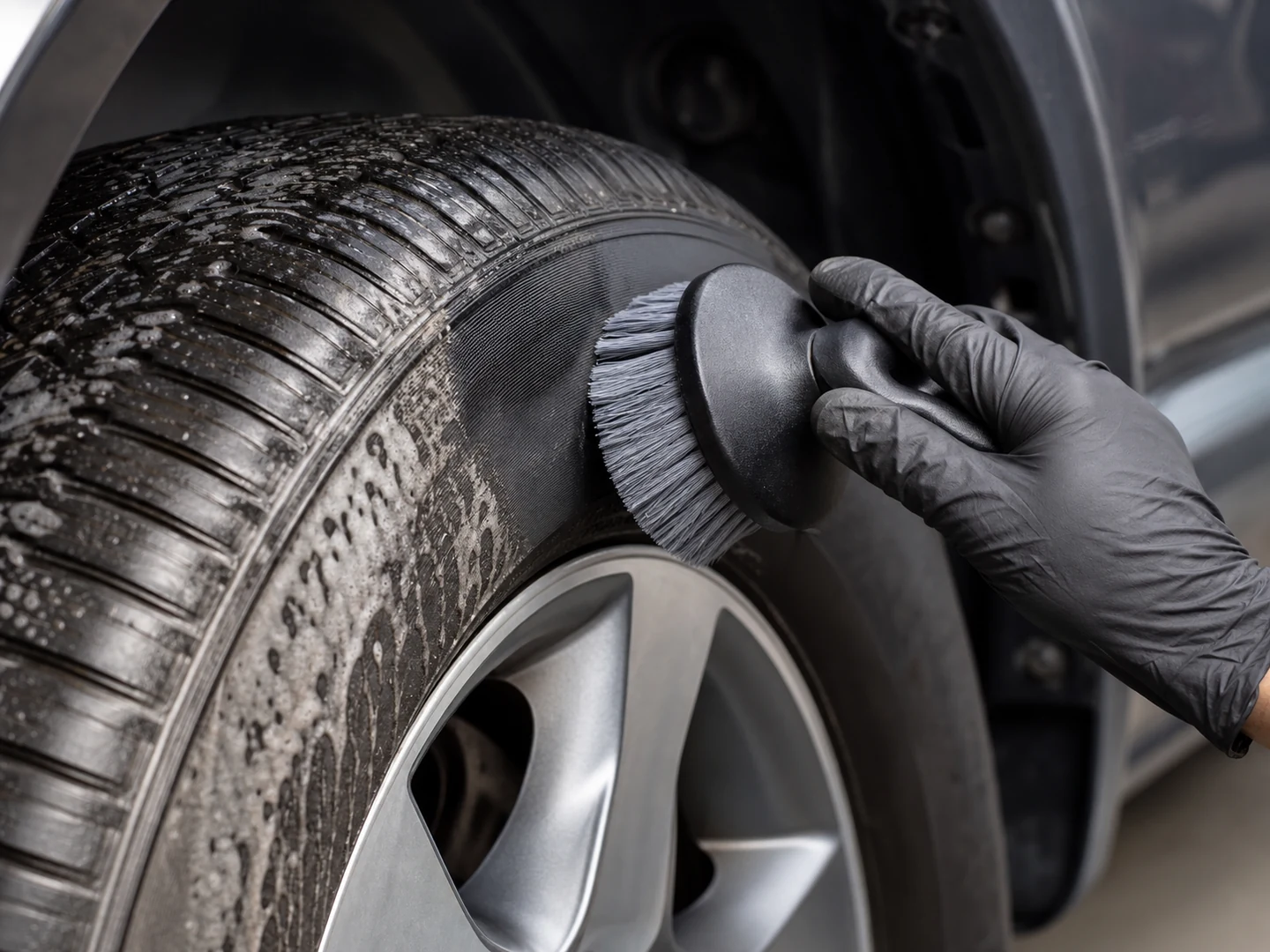
Tire Cleaning
For Tire Cleaning, the brush must reach the working area, disturb or collect silt…
See the cleaning job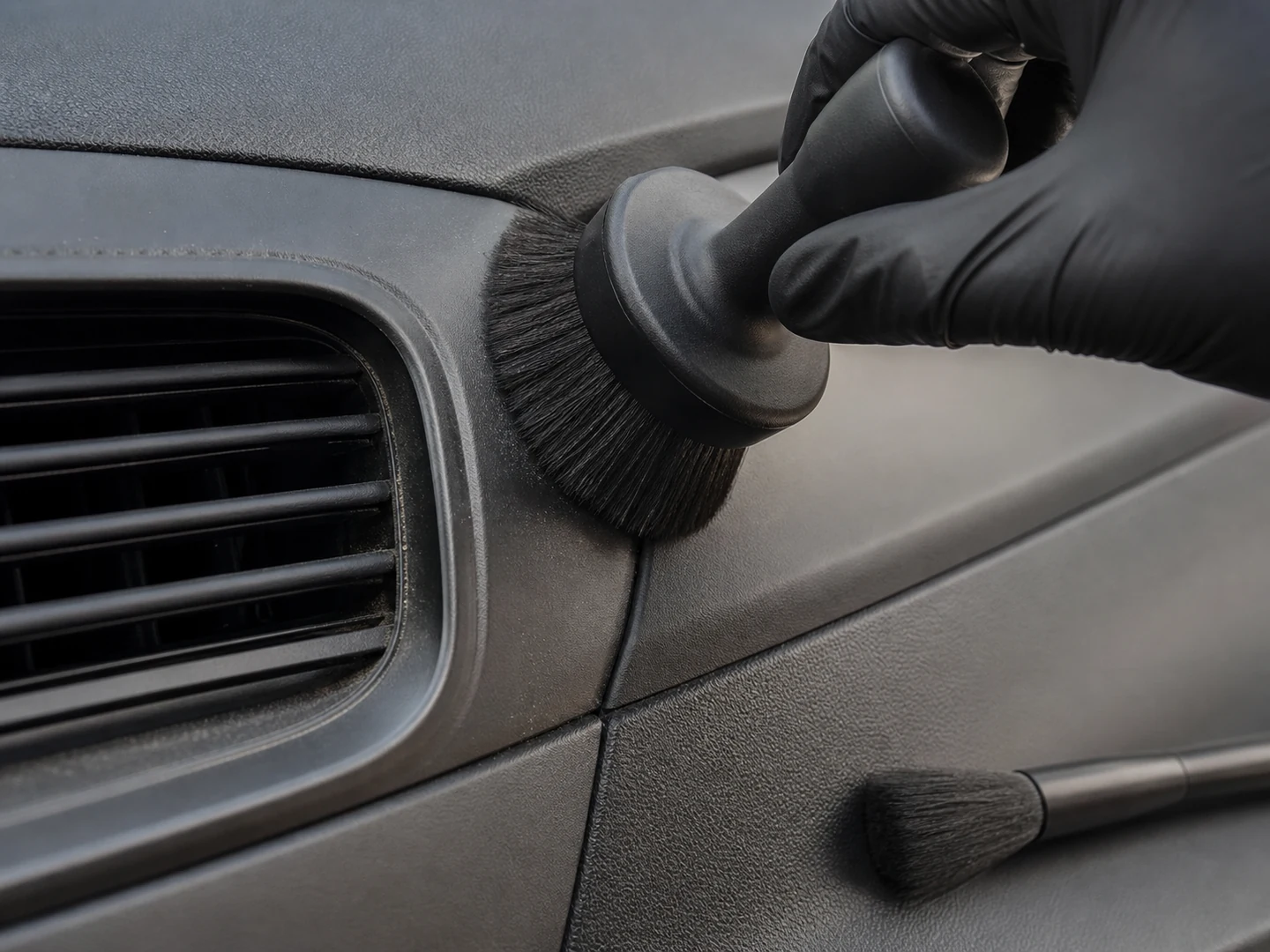
Automotive Detail Cleaning
For Automotive Detail Cleaning, the brush must reach the working area, disturb or collect…
See the cleaning job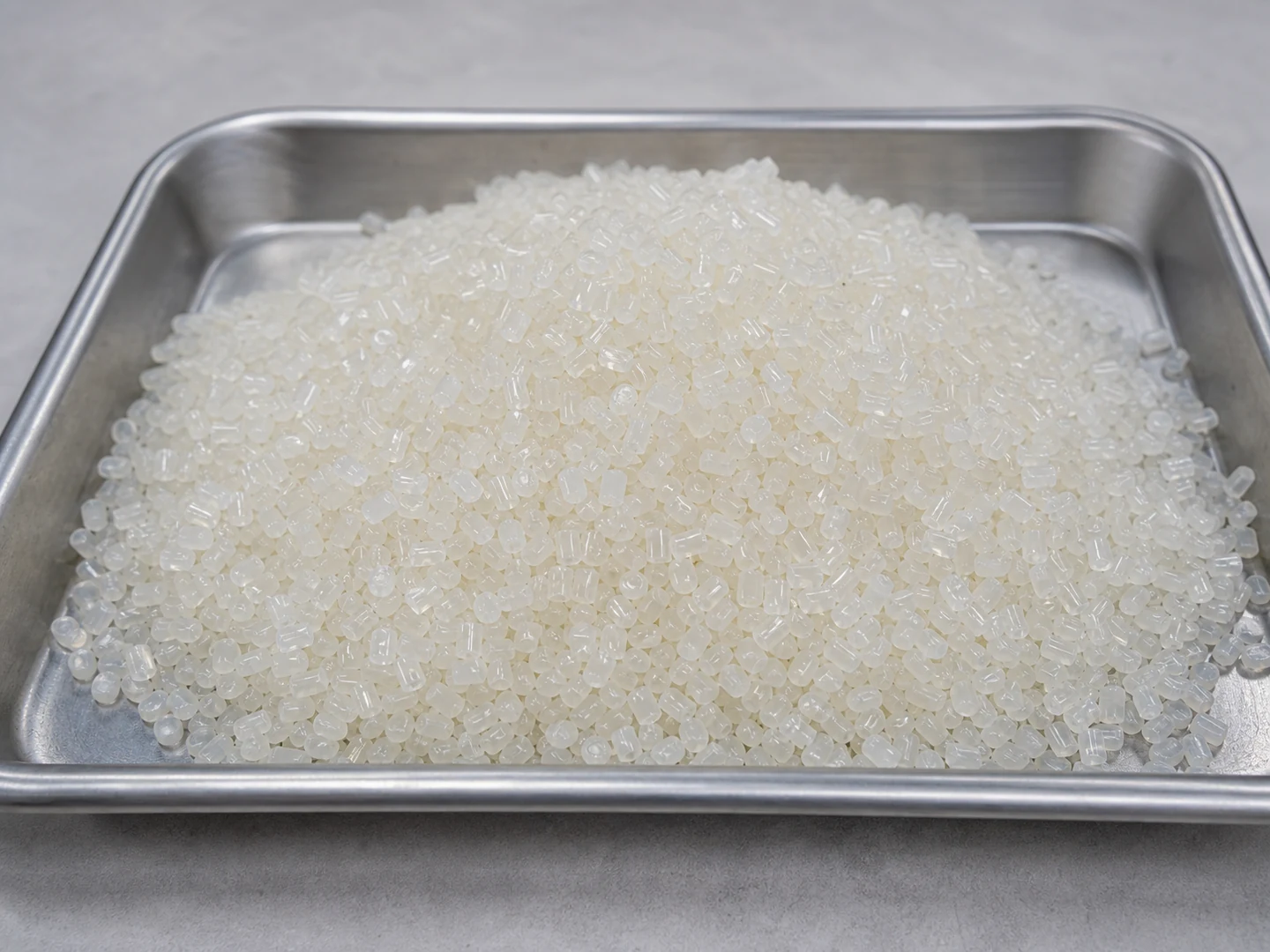
Nylon PA
Choose Nylon PA based on its stiffness, recovery, wear, wet-service, chemical, and temperature behavior.
Compare this material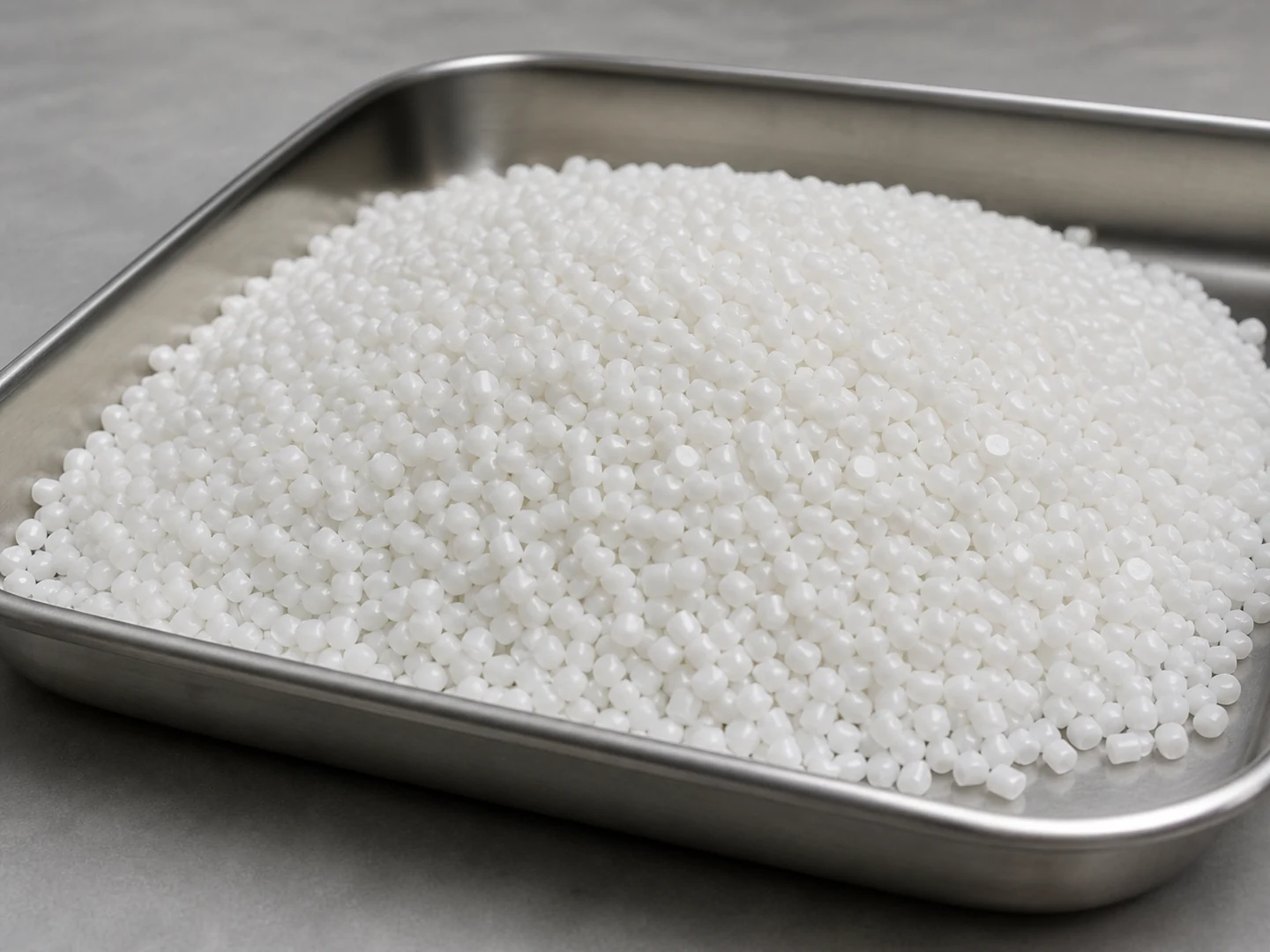
Polypropylene PP
Choose Polypropylene PP based on its stiffness, recovery, wear, wet-service, chemical, and temperature behavior.…
Compare this material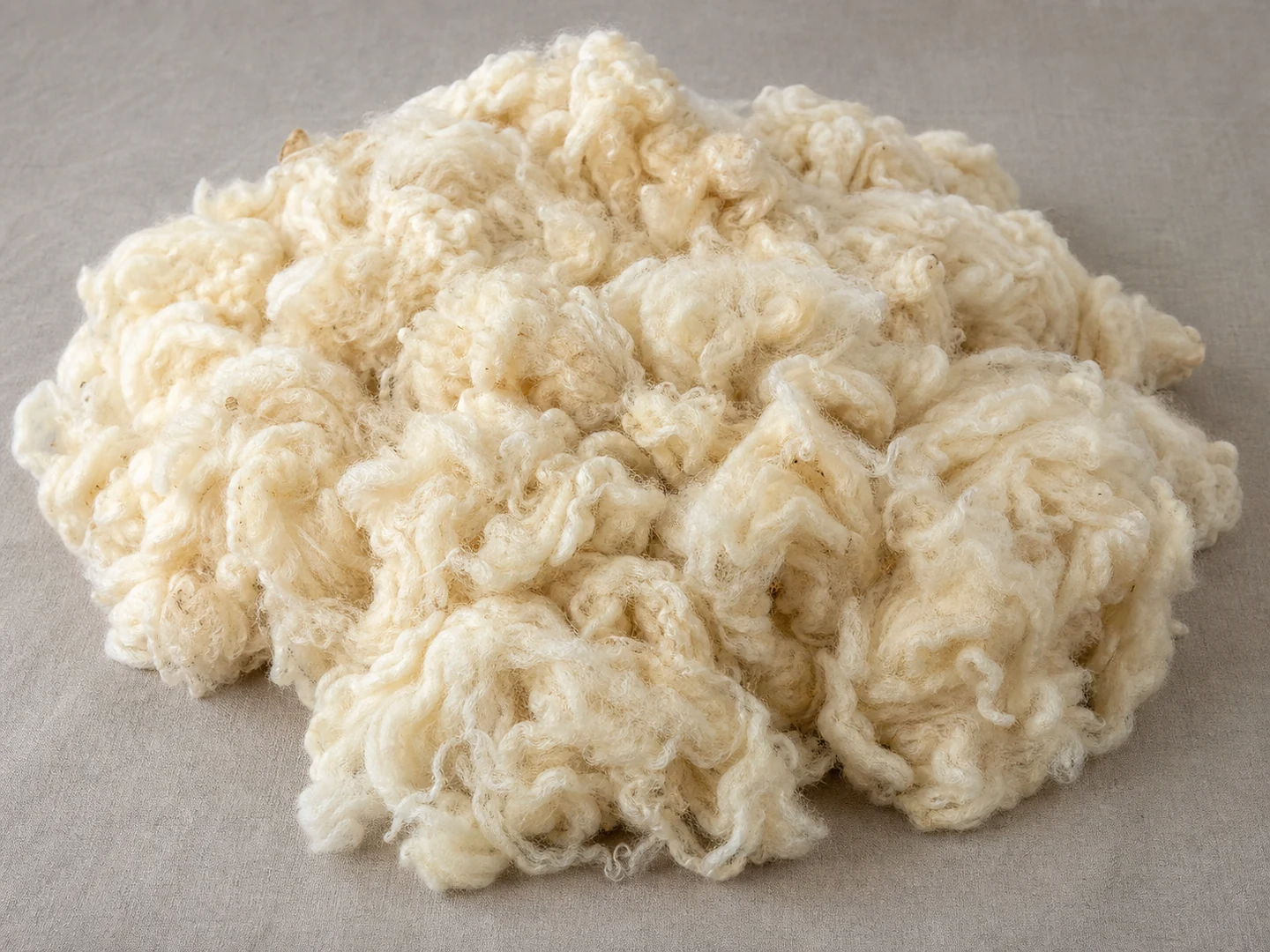
Wool
Choose Wool based on its stiffness, recovery, wear, wet-service, chemical, and temperature behavior.
Compare this material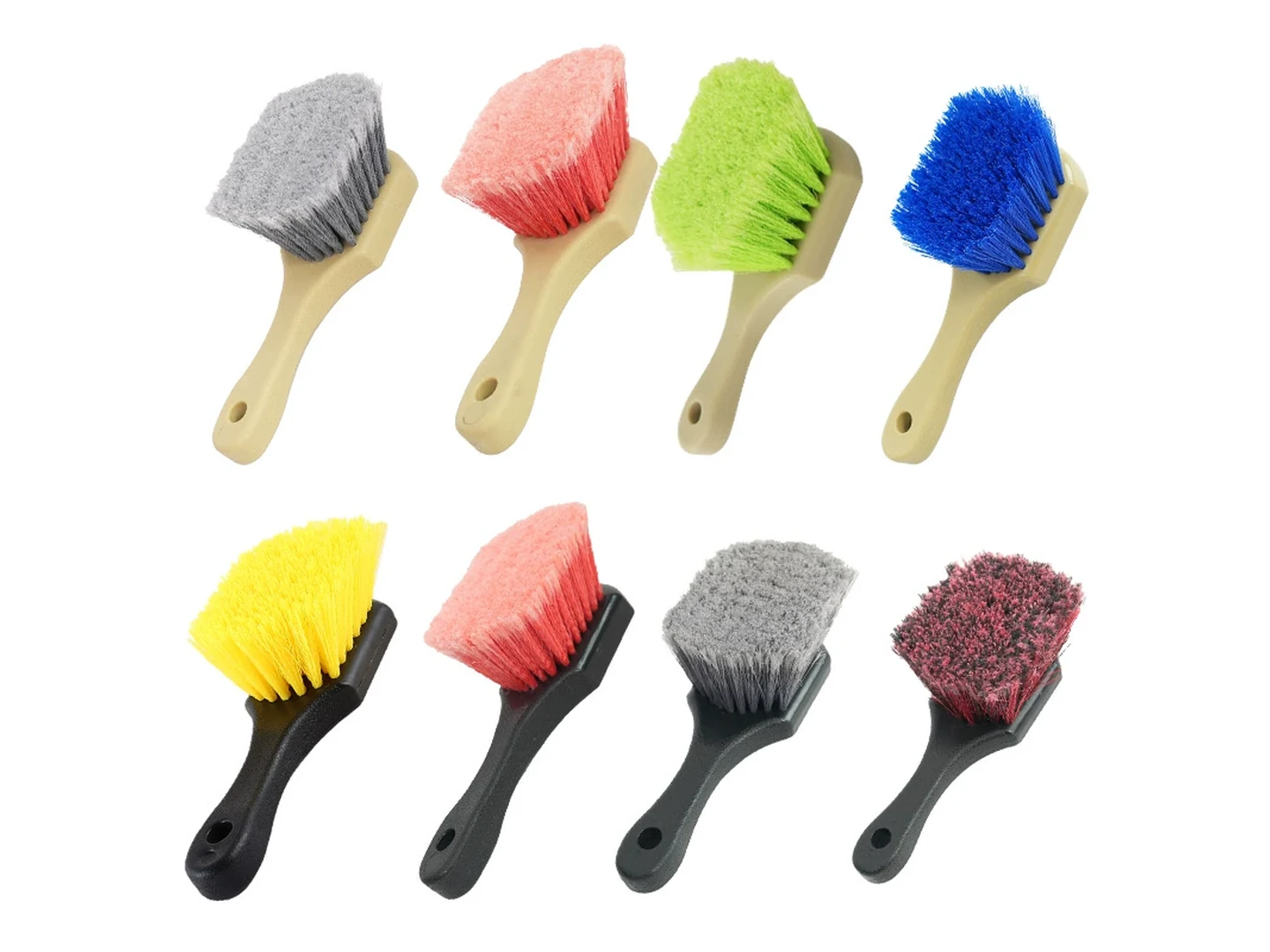
Cleaning Brush Mold Tire
Custom tire mold cleaning brush with PA66/PA6 nylon filament shaped to follow tread grooves,…
Compare the specification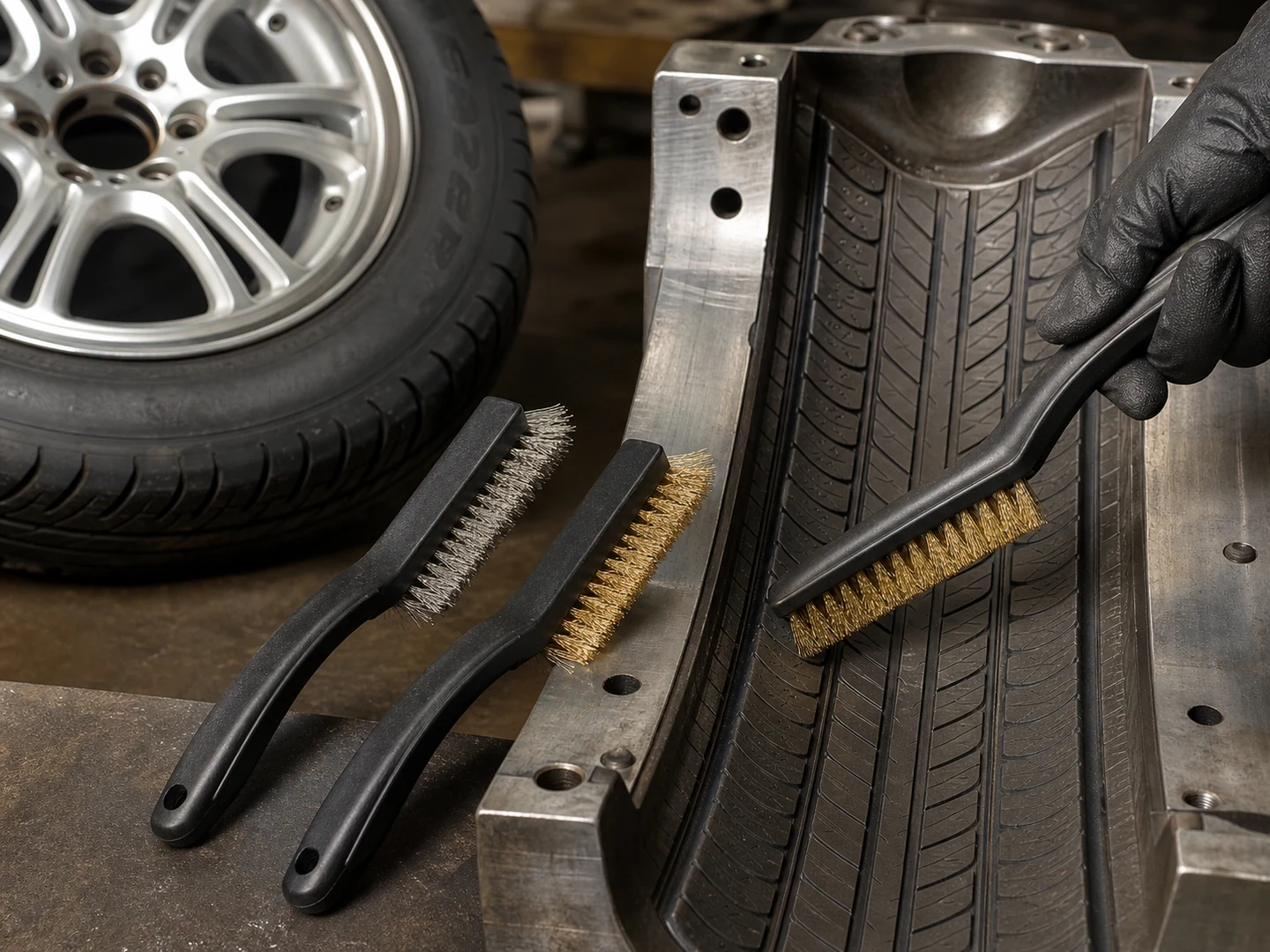
Stainless Steel Brass Mold Tire Brush
316 stainless steel and brass wire mold tire brush in cup, wheel, or end…
Compare the specificationCustom Manufacturing RFQ
Describe Your Application
An accurate custom quote starts with the dimensions, working surface, residue, material choice, connection, quantity, and reference files.
Drawing or photo optional — it speeds things up, it does not gate the enquiry.
Custom Brush RFQ
Send Your Brush Project
Upload a drawing, product photo, or sample photo and provide the core dimensions and cleaning conditions.
“We need a brush to remove wet residue from a stainless steel conveyor, about 800mm wide. The current brush wears quickly. We can send photos.”
“We sell drinkware and need a cleaning brush to include with the product. Quantity around 5,000 pieces.”