
Custom Cleaning Brush
Glass Washing Machine Brush Roller
Custom glass washing machine brush rollers for flat glass washer lines. Nylon PA, PA610, PA612 or PVA sponge fill; 60–150mm OD, 800–2500mm working width.
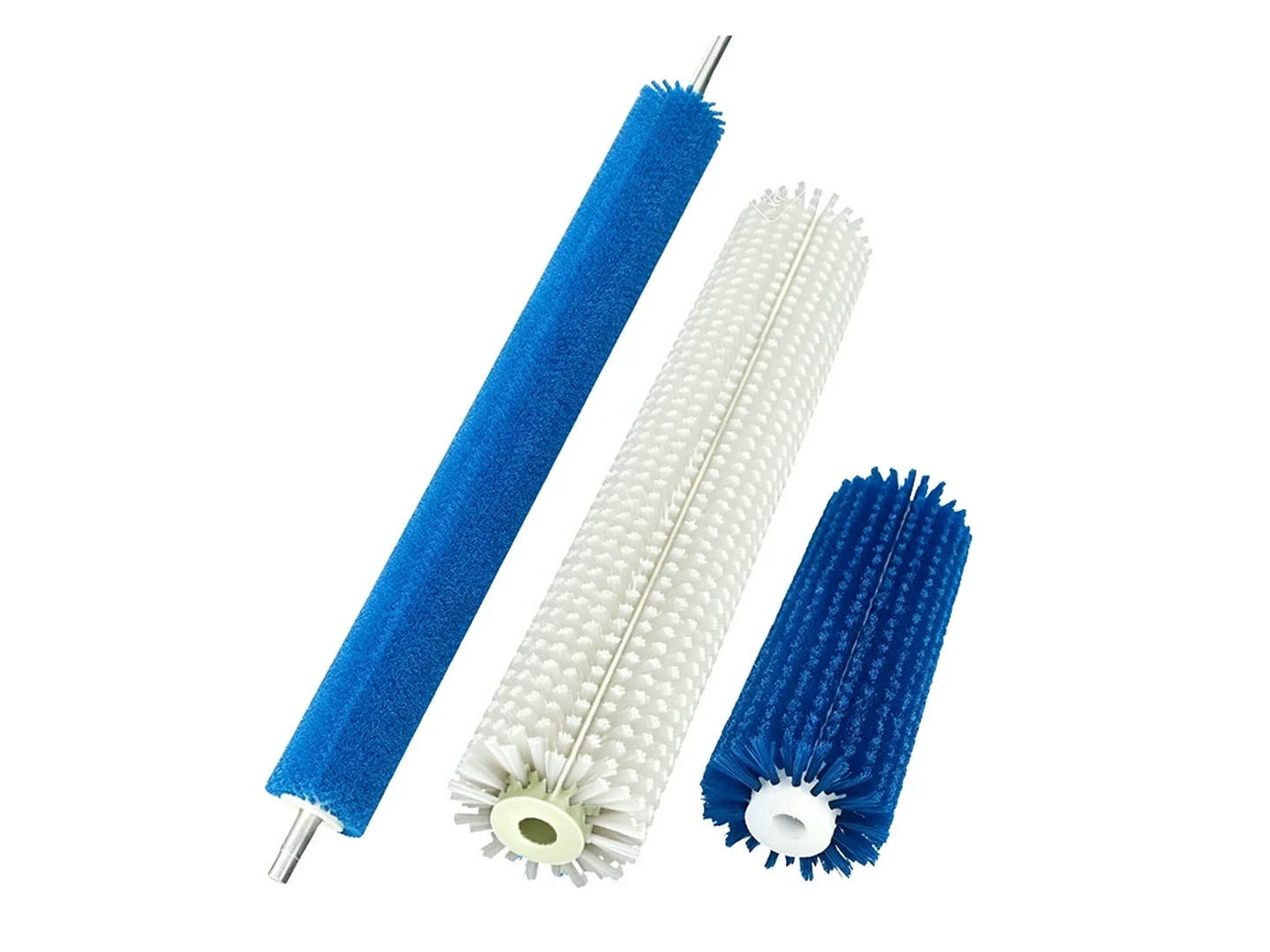
Large-format brush
100 pcs
Minimum order
Built one at a time on a core or channel: full-width rollers, sweeper brooms and long strip.
Production lead time, once the specification is confirmed
- Up to 100 pcsWithin 20 days
- 101–1,000 pcsWithin 30 days
- Over 1,000 pcsConfirmed with your quotation
Peak season can extend these times; the shipping date is confirmed in writing with your quotation. Sampling and shipping are quoted separately.
Engineered for the washing section of inline flat-glass processing lines, this cylindrical brush roller removes dust, glass fines, cutting oil, and wash-process residue from glass faces as the sheet passes through the machine. Roller diameter, working width, core/shaft ends, and nylon or PVA sponge fill are matched to the customer’s machine drawing for drop-in replacement or new-line specification.
What can this brush do for you?
Even tip pressure across the full working width
Nylon fill is wound or set continuously across the roller, so every point on the sheet face receives similar brush contact. Low-pressure bands that leave dust or water film behind are reduced, which matters most before coating, lamination, or tempering where a single missed streak can reject a sheet.
Non-marring, carbon-free fill for coated and display glass
PA610 and PA612 fills with fine filament diameters from 0.15 mm provide controlled tip pressure and reduce bristle fragment release. On low-E, ITO, and printed glass lines, this is what keeps the brush from becoming a source of defects while it removes the particles already on the surface.
Stable shape in continuous wet service
PA610 and PA612 absorb less water than standard PA6, so the brush OD and filament standing behavior stay closer to the set values through continuous spray. PVA sponge sections, where specified, absorb and release water instead of stiffening, making them suitable for the final rinse or water-removal station.
Direct fit to existing washer geometry
Stub shafts, bearing seats, keyways, retaining collars, and overall length copy the original roller drawing or measured sample. Maintenance can install a replacement without changing frame spacers, drive coupling, or control parameters.
Built to hold a straight contact line on long sheets
Core stiffness and fill distribution can be designed for working lengths up to 2500 mm and beyond, so the roller does not scrub harder at the center or the edges. This reduces edge streak complaints and uneven wear on wide architectural and automotive glass lines.
What is a Glass Washing Machine Brush Roller?
A glass washing machine brush roller is a rotating cylindrical cleaning tool installed in the washing section of an inline flat-glass washer. It normally operates as one of an upper/lower pair: the lower roller contacts the underside of the sheet and the upper roller contacts the top face while the glass is carried through on a roller conveyor or belt. Spray bars deliver water and detergent around the brush contact area, and the rotating fill loosens and removes dust, glass fines, edgework residue, and process oils before the sheet enters the rinse, drying, or coating stages.
The fill can be nylon brush strip, wound filament, or tufted construction, with PVA sponge sections used where the machine needs a soft absorbent wipe behind the brush stations. The core is typically aluminum or steel, with turned stub shafts or bored ends that match the washer drive and bearing arrangement. Because the roller works wet and in continuous contact with moving glass, the most important operating parameters are the installed OD, the engagement depth into the glass path, the fill density, and the filament’s ability to recover after being deflected by the sheet.
This is a process brush for surface cleaning in a transport washer, not a hand scrubbing tool and not an edge-grinding or polishing wheel.
Technical Specifications
The table below shows the standard range for these rollers. Diameter, length, shaft configuration, and fill are finalized from the customer’s washer drawing, not from a fixed catalog size.
| Parameter | Value / Options |
|---|---|
| Product form | Cylindrical brush roller for inline flat-glass washing machines |
| Roller outside diameter | 60–150 mm, selected to the washer’s specified installed OD |
| Working length | 800–2500 mm standard; other lengths up to washer working widths of 600–3300 mm available |
| Overall length and shaft ends | Built from machine drawing: stub shaft diameter/length, journal position, keyway, flat, or flange connection |
| Fill material | Nylon PA6, PA610, PA612; PVA sponge sections for final water removal or soft wipe |
| Filament diameter | 0.15–0.50 mm depending on surface sensitivity and residue |
| Fill construction | Continuous strip, spiral wound, or tufted sections; density and trim length to specification |
| Core material | Aluminum or steel, selected for stiffness, weight, and corrosion resistance in wet service |
| Glass thickness compatibility | 0.7–21 mm, depending on washer class and roller set configuration |
| Operating condition | Wet washing section with water/detergent spray; ambient to process wash temperatures |
| Surface contact option | Non-marring and carbon-free fill specification for coating, display, and low-iron glass lines |
| Brush type | Custom Roller and Conveyor Brushes |
| How it is driven | Machine-driven, mounted in the equipment |
| Cleaning target | insulating glass line, coating washer, and screen and digital printing cleaning |
| Surface or part | glass, roller, sheets, edges, aluminum, glass faces, conveyors, and ceramic |
| Residue or debris | dust, oil, glass fines, adhesive, and coolant residue |
| Mounting / connection | Shaft-Mounted / Quick-Change Coupling |
Where does this brush work best?
- Insulating glass lines: cleaning both faces before spacer and sealant application, where dust and process oil reduce seal adhesive performance.
- Tempering and laminating lines: removing glass fines and cutting/coolant residue from cut, ground, or seamed sheets before furnace heating or interlayer assembly.
- Coating washers: controlled non-marring contact for low-E, photovoltaic, and display glass before vacuum deposition, including BENTELER and similar through-washer designs.
- Screen and digital printing: preparing clean, dry faces for ink or ceramic frit deposition.
- Automotive and architectural glass processing: continuous washing after CNC cutting, drilling, or edge seaming where manual wiping is too slow.
How do I choose the right one?
Start with the existing roller, because fit is the first failure point. If you are replacing a worn roller, measure overall length, face length, installed OD, shaft diameter, journal spacing, keyway or flat, and rotation direction. Also photograph the machine nameplate and conveyor width. For a new build, send the washer drawing; do not select a roller from OD alone.
Then match the fill to the job.
| Glass surface / residue | Suggested fill |
|---|---|
| Standard float glass, dust, cutting oil, light wash residue | Nylon PA6 or PA610, 0.25–0.40 mm filament, medium density |
| Low-E, coated, display, or low-iron sheet where marks or fragments are defects | Carbon-free PA610 or PA612, 0.15–0.30 mm filament, even tip distribution |
| Final rinse / water-film removal behind brush stations | PVA sponge sections with controlled absorbency |
| Heavy dust or sticky oil film on standard glass | Denser fill with shorter trim and selected engagement depth |
Confirm the installed diameter against the washer manual. A roller that is too large presses too hard and increases drive load, flattening, and potential chattering on thin glass. A roller that is too small loses contact, leaving low-pressure bands that surface as streaks after drying.
For long rollers, ask about core support and bow. On working widths over 1500 mm, a solid aluminum or steel core must be stiff enough to keep the fill in contact at the center without edge overload. End-supported rollers can sag or bounce if the core is undersized for the line speed.
Also report the wash water pH, detergent type, and maximum temperature. PA610 and PA612 tolerate wet service better than standard PA6, but no nylon fill should be assumed compatible with strong acid or caustic wash chemistry without confirmation.
Use another cleaning method when the residue is not mechanical film: hard water scale and mineral deposits need a chemical descaling step; cured adhesives and sealants need solvent stripping; and edge finish defects need a seaming or polishing wheel rather than a face brush.
Can I customize this brush?
Every roller is fitted to the machine because OD, length, and shaft ends are not interchangeable across washer brands. To configure it, we need the original roller drawing or a full measured sample, the machine make and model, glass width and thickness range, line speed, wash chemistry, and the specific defect you are trying to stop.
- Roller geometry: outside diameter, face length, overall length, end collars, stub-shaft length and diameter, keyway or flat, and retaining features.
- Core and shaft: aluminum or steel core, solid or bored configuration, plating or coating if required for corrosion resistance.
- Fill material and structure: PA6, PA610, or PA612 nylon; strip, spiral, or tufted fill; filament diameter from 0.15 to 0.50 mm; trim length and density.
- PVA sponge sections: segment thickness, hardness/pore structure, absorbency, and placement across the roller face or at dedicated final-rinse positions.
- Multi-zone rollers: different fill diameter or stiffness in center and edge zones when edge contact or coating edges require different pressure.
- Identification: end-cap color, engraved job number, or tag for maintenance tracking.
- Packaging: individual tip protection, support collars for long rollers, and export crating to prevent bowed or damaged fill in transit.
If your project requires material declarations, dimensional reports, wear testing, or third-party inspection for process qualification, those can be arranged during the customization stage.
When is a glass washing machine brush roller worn out rather than just dirty?
How can I tell if the replacement roller will fit without a factory drawing?
Measure the worn roller in the machine: overall length, face length, outside diameter, shaft diameter and length at both ends, bearing journal positions, and any key, flat, or set-screw feature. Note the machine manufacturer, model, and working width, and send photos of the roller ends and mounting area. Worn diameter is not the original diameter, so measure at an unworn section or state that the OD shown has been worn.
Do PVA sponge sections need preparation before the first run?
Yes. PVA sponge must be fully saturated with water or a water/detergent solution before it contacts glass. Dry PVA is stiff and can chatter, scuff, or load the drive. Pre-soak the roller, turn it by hand to remove excess water, and bring it into contact gradually during the first minutes of production.
What should I check when a new roller still leaves streaks?
Paint or chalk a reference line across the glass and observe the contact patch as the sheet passes. If only the center or edges touch, the roller OD, core support, or installed height is wrong. If the patch is uniform but streaks remain, check filament condition, detergent rinse, spray bar blockage, and whether the opposite-side roller is worn beyond the same replacement interval.
When does a brush roller need to be replaced instead of cleaned?
Replace it when the filament no longer recovers after washdown, when the OD has worn below the washer’s minimum specification, or when tufts are missing, bent, or permanently flattened. PVA sponge should be replaced when it hardens, cracks, or stops absorbing water evenly. Track running hours and mark the highest streak rate sheets to find the replacement window for your line.
Can this brush roller remove hard water spots or mineral scale?
No. The roller removes loose particles, glass fines, oil film, and wash-process residue, but it cannot dissolve or abrade mineral deposits that have bonded to the glass. Use a chemical descaling or acid rinse step first, then use the brush line to remove loosened material. Continuing to run a brush against scale just wears the fill without cleaning the glass.
Does one roller clean both faces of the sheet?
No. A single roller contacts one face in one direction of travel. Upper and lower rollers work as a pair, and many washers use multiple rows per side. When replacing one roller, check the paired roller and the downstream station at the same time, otherwise the defect may appear to continue because the untouched side is still being cleaned by a worn unit.
Guides that go deeper on this
Abrasive Nylon Grit and Filament Selection
Read this guideGuideBrush Roller Conveyor Mistakes with Dry Dust
Read this guideGuideBrush Speed, Engagement, and Heat
Read this guideGuideCapsule Polishing Machine Brushes: Selection and Maintenance
Read this guideGuideConveyor Belt Cleaning Brush Design
Read this guideRELATED BRUSH RESOURCES
Recommended Reading & Related Brush Resources
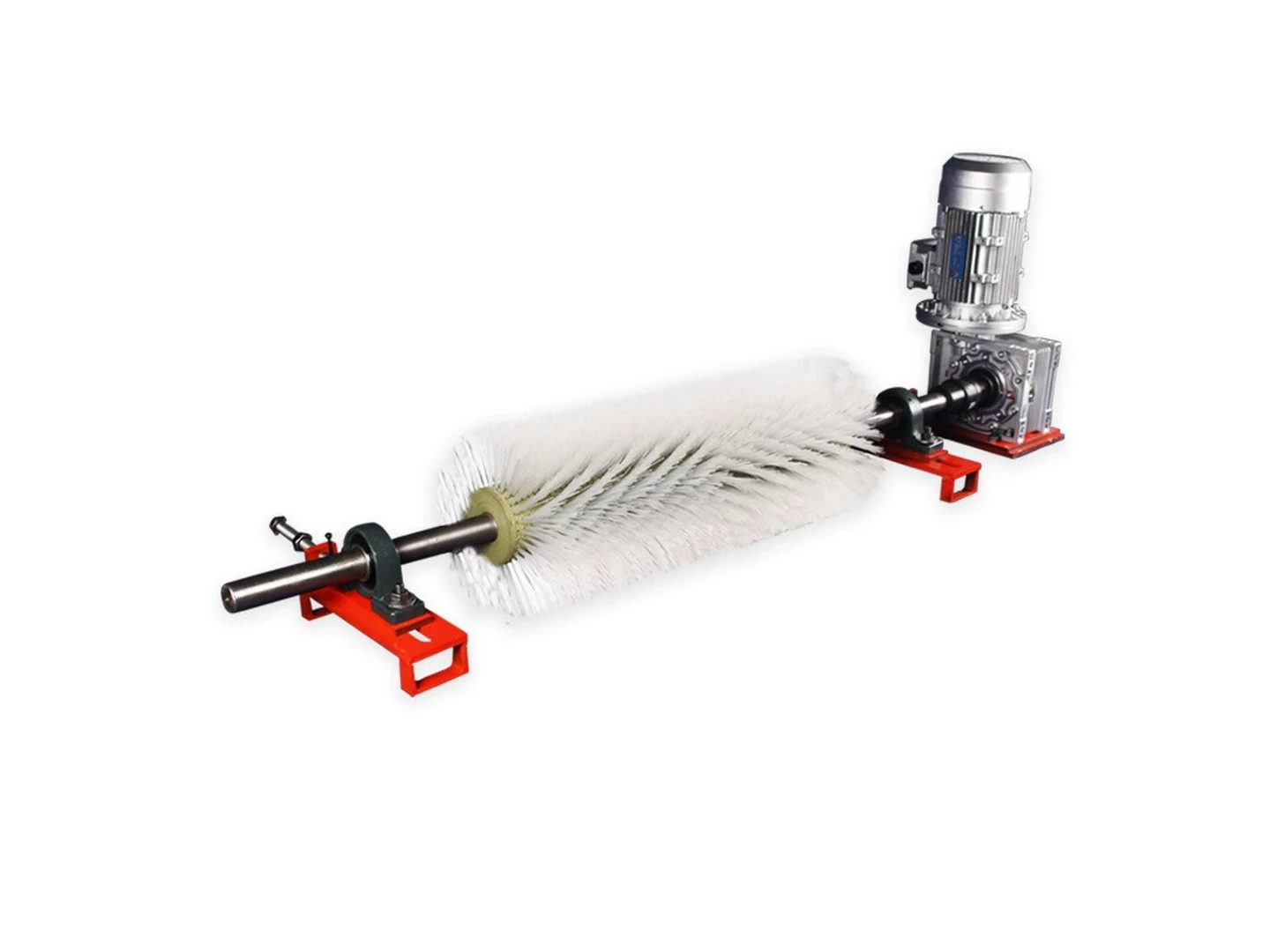
Custom Roller and Conveyor Brushes
Choose a roller or conveyor brush when a cylindrical brush must clean, wipe, guide,…
See how this type is built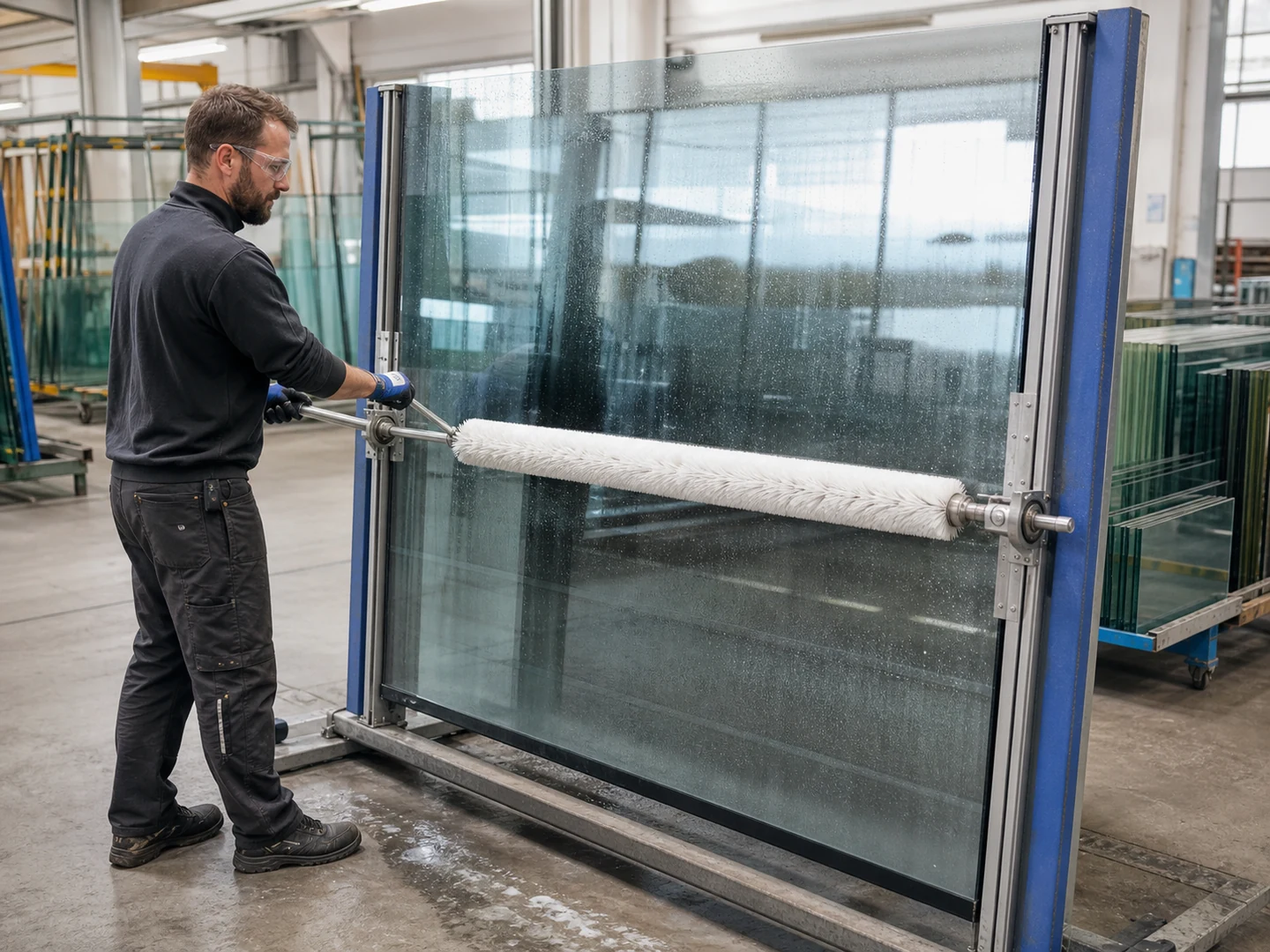
Glass Surface Cleaning
For Glass Surface Cleaning, the brush must reach the working area, disturb or collect…
See the cleaning job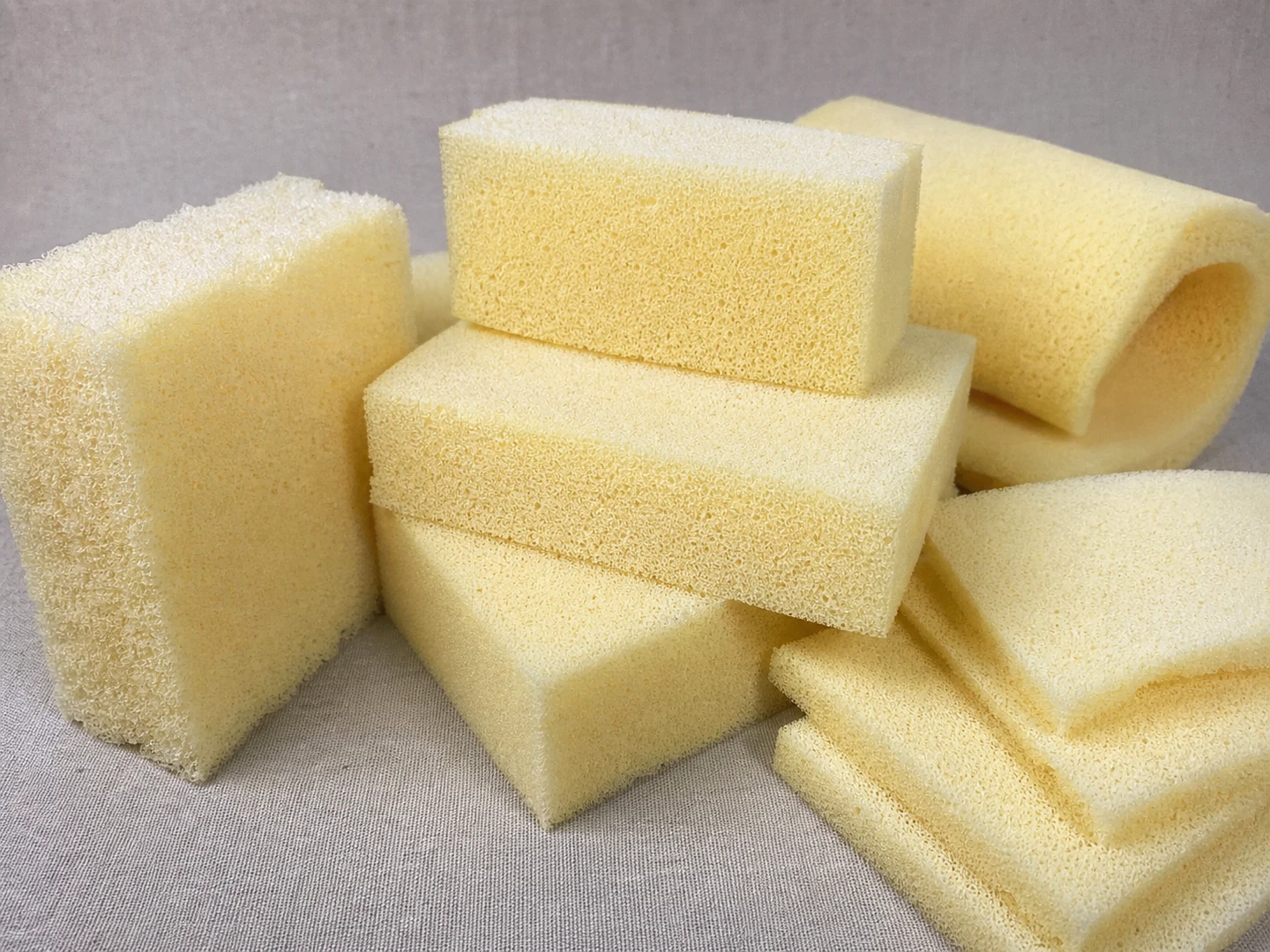
PVA Sponge
Choose PVA Sponge based on its stiffness, recovery, wear, wet-service, chemical, and temperature behavior.
Compare this material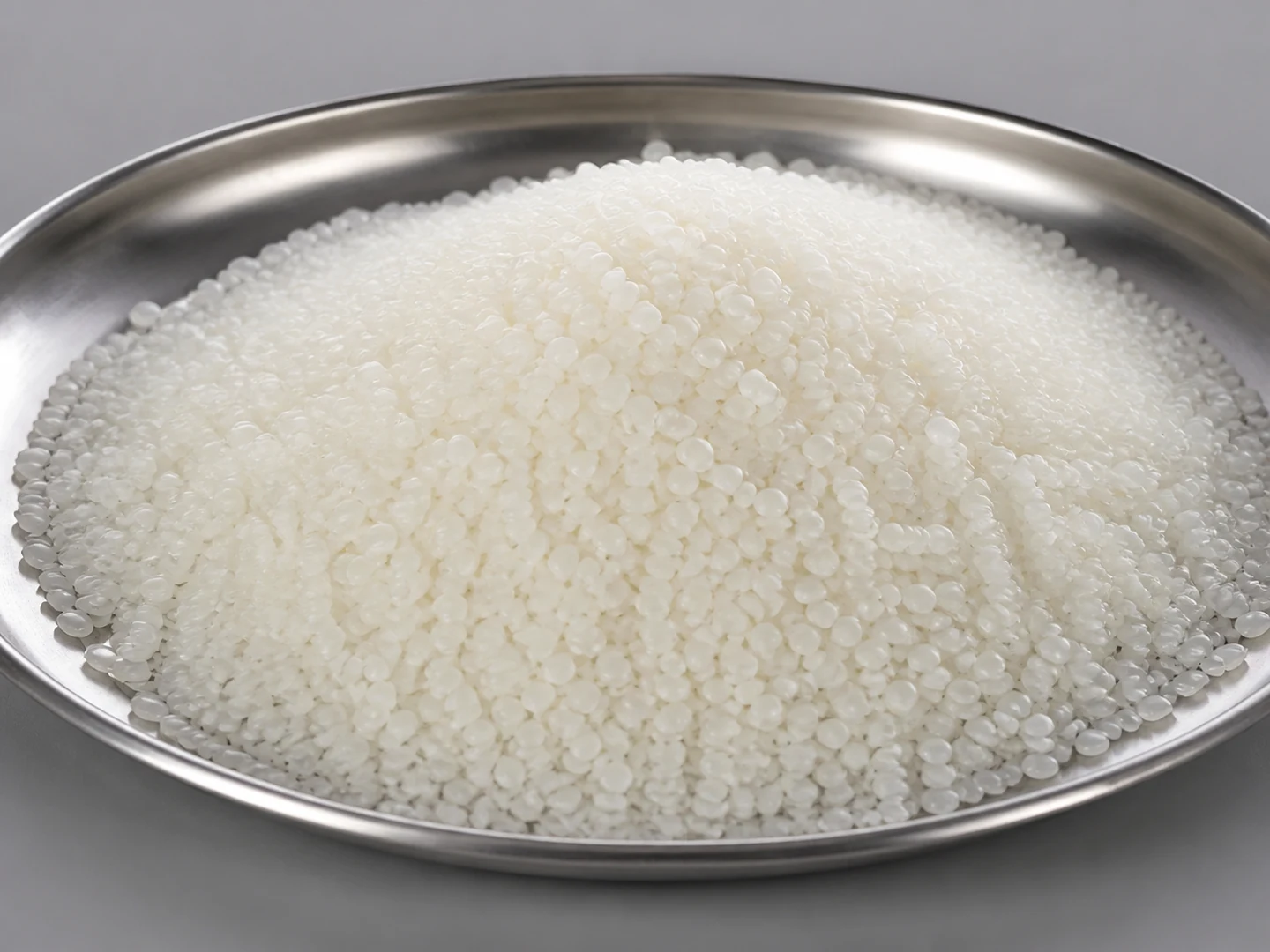
PA612 Nylon
Choose PA612 Nylon based on its stiffness, recovery, wear, wet-service, chemical, and temperature behavior.
Compare this material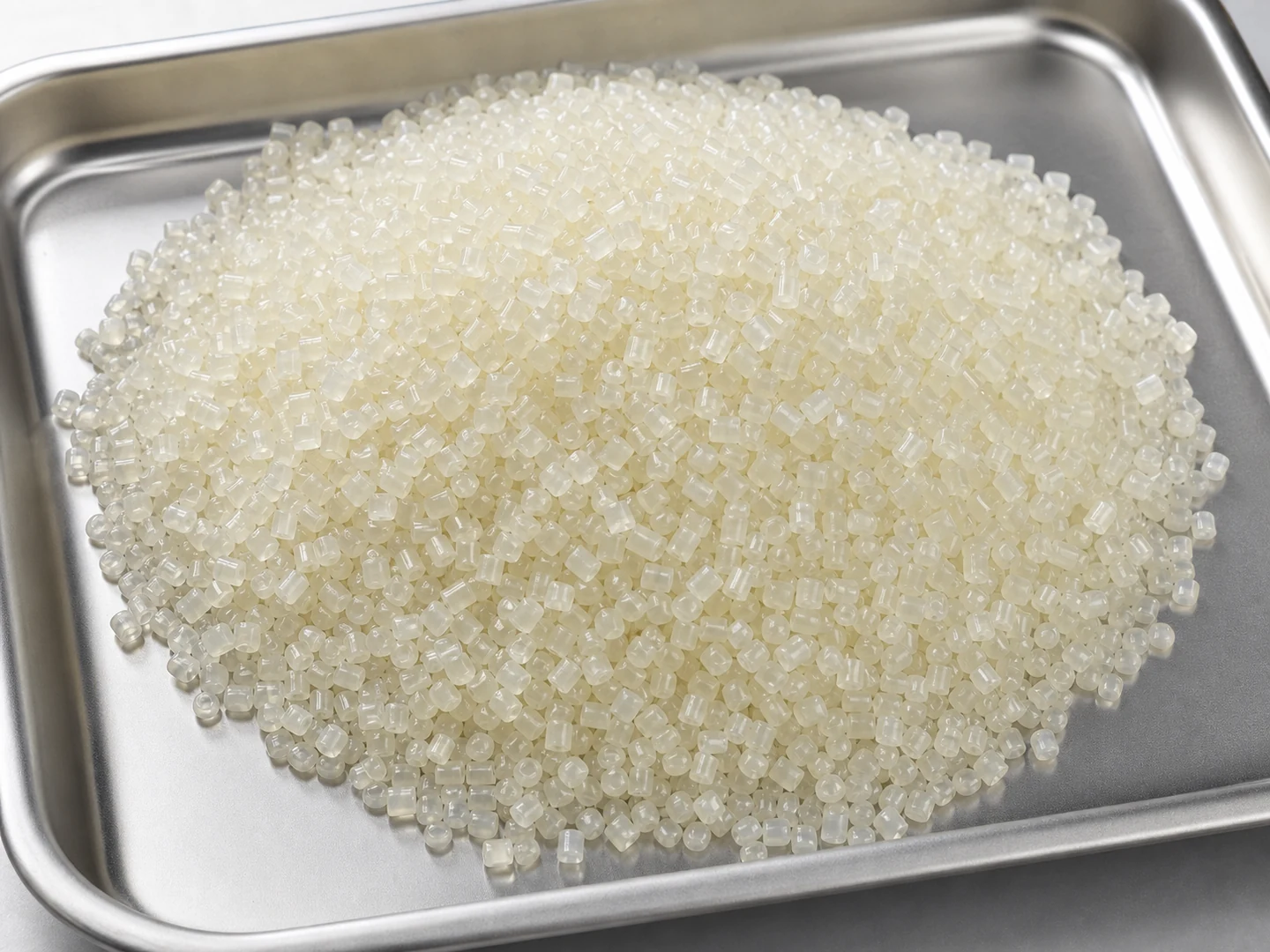
PA6 Nylon
Choose PA6 Nylon based on its stiffness, recovery, wear, wet-service, chemical, and temperature behavior.
Compare this material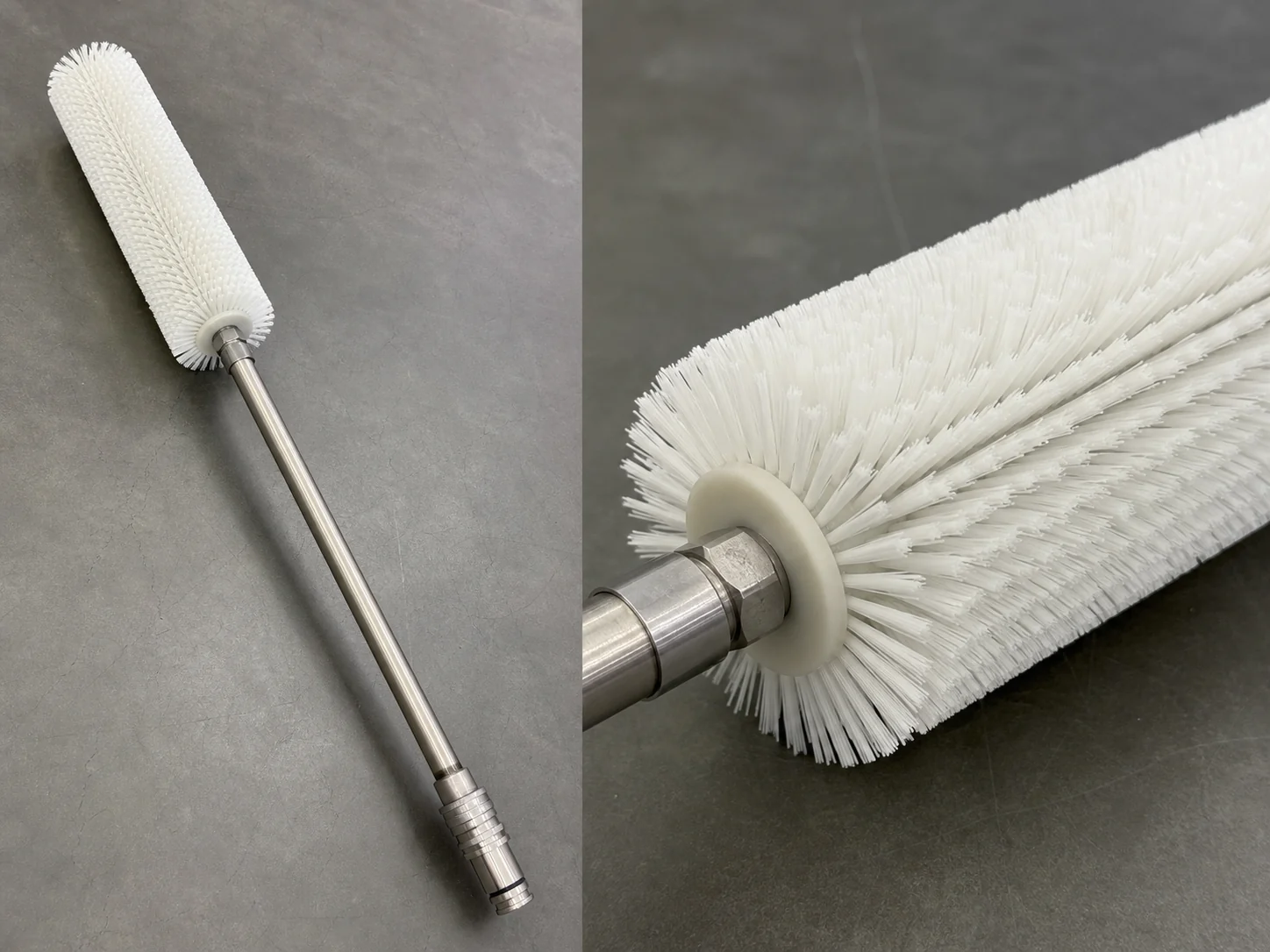
80x500mm PBT Glass Washing Roller Brush
80 mm x 500 mm PBT roller brush for glass washing lines. Scratch-safe cleaning…
Compare the specification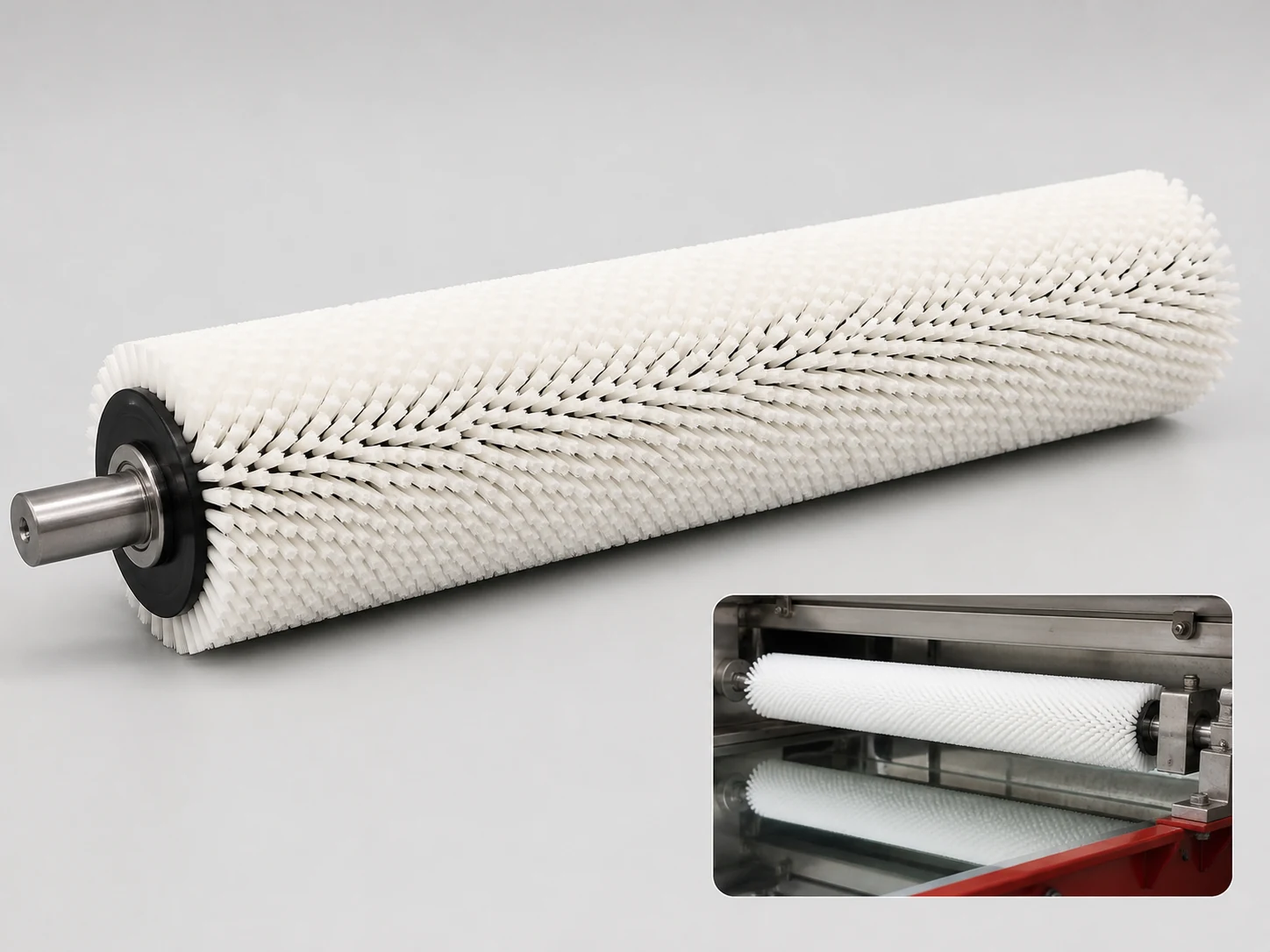
Brush Roller Glass
Custom brush roller glass for flat glass washing machines. Nylon non-marring filaments, widths 600–3300mm,…
Compare the specification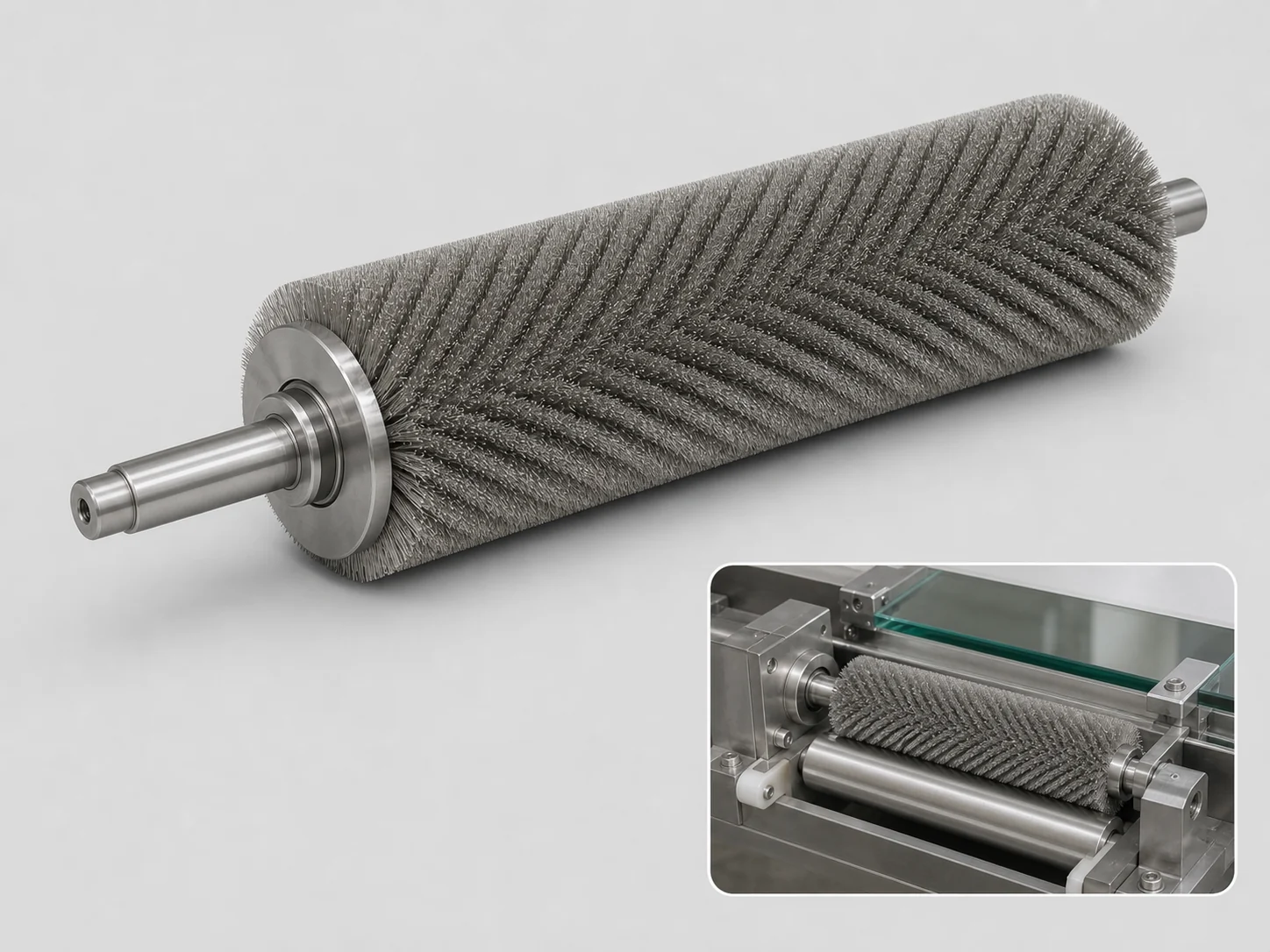
Stainless Steel Brush Roller Glass
Fine non-marring nylon tips on a corrosion-resistant stainless shaft give full-width contact that clears…
Compare the specificationCustom Manufacturing RFQ
Describe Your Application
For an accurate quotation, please provide the main dimensions, material preference, working surface, residue, quantity, and a drawing or photo.
Drawing or photo optional — it speeds things up, it does not gate the enquiry.
Custom Brush RFQ
Send Your Brush Project
Upload a drawing, product photo, or sample photo and provide the core dimensions and cleaning conditions.
“We need a brush to remove wet residue from a stainless steel conveyor, about 800mm wide. The current brush wears quickly. We can send photos.”
“We sell drinkware and need a cleaning brush to include with the product. Quantity around 5,000 pieces.”