
Custom Cleaning Brush
Stainless Steel Brush Roller Glass
Stainless Steel Brush Roller Glass provides controlled brush contact for conveyor and production-line cleaning across belts, rollers, and chains. Working width, brush geometry, mounting, and fill are set around the machine path and the way powder, crumbs, and fibers must be released or carried away.
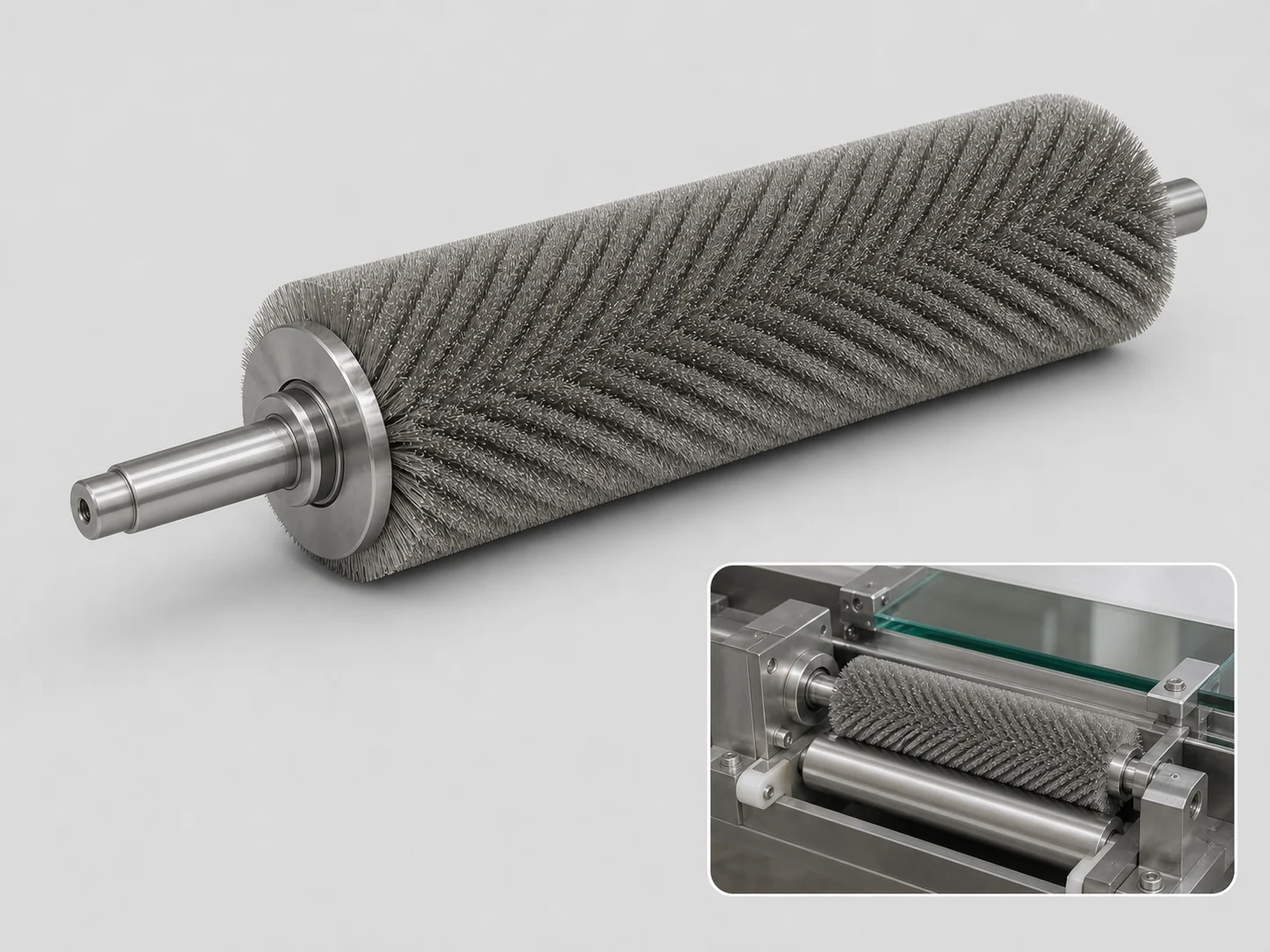
Product Features
Corrosion-resistant rotary cleaning for robust glass processes — Stainless wire removes scale, coating, and hardened residue.
Uniform working width — The roller provides continuous contact across edges or surfaces.
Fine wire options limit aggression — Wire gauge and trim can be tuned for the glass process.
Straight, spiral, and segmented layouts — Patterning can match the equipment.
Heavy-duty shafted construction — Steel cores and hubs support industrial lines.
Stainless roller matched to the glass line — Diameter, width, stainless grade, wire gauge, pattern, shaft, and operating conditions can be customized.
Product Overview
Stainless Steel Brush Roller Glass is used where repeatable contact is needed across belts, rollers, and chains rather than isolated hand cleaning. The active brush face clears powder, crumbs, and fibers while the holder, shaft, plate, or hub stays outside the interference path and supports the required working width. The brush must cover the moving path, accommodate tracking, and discharge residue away from the product zone.
Key dimensions start with Brush head diameter 100–250 mm and Brush head length 300–2000 mm. The structure uses a roller or conveyor arrangement so the brush can follow a moving surface or machine path. The specified interface is shaft-mounted / quick-change coupling. AISI 316 Stainless Steel Wire, Carbon Steel Wire, and Nylon PA are the principal material directions in the current specification. The brush should be specified from the real machine connection and operating speed, not from a generic RPM value.
Technical Specifications
| Working width | 300–2000 mm |
|---|---|
| Brush diameter | 100–250 mm |
| Trim length | 20–40 mm |
| Nylon filament diameter | 0.05–0.25 mm |
| Core or shaft | Machine-specific bore, key, or through-shaft |
| Helix | Straight row, helical, or segmented build |
| Contact setting | Use 1–5 mm engagement, low runout, and full-width support to avoid bands or edge loading. |
| Surface load | 0.5–3 N/cm² for controlled low-pressure contact |
| Fill materials | Stainless Steel Wire, Carbon Steel Wire, and Nylon PA |
| Cleaning zone | conveyor and production-line cleaning |
| Contact surface | belts, rollers, chains, rails, transfer points, web paths, and machine guides |
| Residue class | powder, crumbs, fibers, chips |
| Access and motion | the brush must cover the moving path, accommodate tracking, and discharge residue away from the product zone |
| Cleaning duty | conveyor, production-line cleaning on belts, rollers, chains, rails |
| Variant configuration | Stainless Steel Brush Roller Glass: roller, spiral construction with Stainless Steel Wire, Carbon Steel Wire, Nylon PA fill for conveyor and production-line cleaning on belts, rollers, chains, rails. |
Application Areas
Stainless Steel Brush Roller Glass is primarily mapped to Glass Surface Cleaning. Before switching to a new application, make sure the surface, debris path, and finish requirement are clearly defined.
- Stainless Steel Brush Roller Glass is best suited to glass washing, rinsing, dust removal, and conveyor-line cleaning.
- The soft cylinder or segmented roller for glass washing and panel transport follows flat glass, coated glass, edges, conveyor rollers, and wash-machine contact zones while the fill displaces handling dust, particles, polishing residue, oil film, and wash residue.
- Use this configuration when the available access supports uniform low-pressure contact across glass, coated glass, or panel surfaces.
Selection Guidance
Structure fit
Match the roller and conveyor brush geometry to belts, rollers, and chains, the available access, and powered operation. Confirm Brush head diameter 100–250 mm and Brush head length 300–2000 mm against the complete working envelope before finalizing the brush.
Contact material
Choose from AISI 316 Stainless Steel Wire, Carbon Steel Wire, and Nylon PA according to the behavior of powder, crumbs, and fibers, the surface sensitivity, and any wet, chemical, temperature, or hygiene requirements. Choose stiffness by looking at filament size, free trim length, and density together with the material.
When to use another solution
For Stainless Steel Brush Roller Glass, use another cleaning method when powder, crumbs, and fibers cannot be released by controlled filament contact, when belts, rollers, and chains cannot tolerate the selected contact material, or when the access path prevents safe engagement and residue removal.
Customization Options
| Brush Head Diameter (mm) | 100–250 |
|---|---|
| Brush Head Length (mm) | 300–2000 |
| Handle Length (mm) | Not Applicable (No separate handle in this product configuration) |
| Handle Grip Diameter (mm) | Not Applicable (No explicit grip or handle-diameter dimension in the product specification) |
| Bristle Material | AISI 316 Stainless Steel Wire, Carbon Steel Wire, Nylon PA |
| Handle Material | 304 Stainless Steel |
| Mounting / Interface | Shaft-Mounted / Quick-Change Coupling |
| Grip Style | Not Applicable (Machine-Mounted Brush) |
| Color | Custom PANTONE Color ([Industry Reference Range]) |
| Logo Process | Laser Engraving / Screen Printing / Pad Printing ([Industry Reference Range]) |
| Surface Treatment | Smooth / Textured / Overmolded / Coated (Depending on Substrate; [Industry Reference Range]) |
Frequently Asked Questions
How should Stainless Steel Brush Roller Glass be selected?
Start with glass washing, rinsing, dust removal, and conveyor-line cleaning, flat glass, coated glass, edges, conveyor rollers, and wash-machine contact zones, and handling dust, particles, polishing residue, oil film, and wash residue. Then set Working width, Brush diameter, and Trim length, choose the fill from the material and residue table, and match the mounting interface and operating condition.
Which dimensions define Stainless Steel Brush Roller Glass?
The primary dimensions are Working width (300–2000 mm), Brush diameter (100–250 mm), and Trim length (20–40 mm). Also provide the minimum clearance, working envelope, trim or engagement, and the existing holder, shaft, stem, thread, or handle.
Which filament or contact material is used for Stainless Steel Brush Roller Glass?
The primary options are Stainless Steel Wire, Carbon Steel Wire, and Nylon PA. The final choice follows surface sensitivity, residue adhesion, wet or dry use, temperature, chemicals, conductivity, and required cutting action.
When is Stainless Steel Brush Roller Glass not the best cleaning method?
Stainless Steel Brush Roller Glass is not the first choice for PVA sponge, microfiber, air knife, or deionized-water rinse for final particle and water removal.
What information is required to quote Stainless Steel Brush Roller Glass?
Send the part or machine drawing, photos of flat glass, coated glass, edges, conveyor rollers, and wash-machine contact zones, Working width, Brush diameter, Trim length, and Nylon filament diameter, the residue description, wet or dry conditions, motion or use method, temperature, preferred Stainless Steel Wire, Carbon Steel Wire, and Nylon PA, quantity, and the existing interface or sample.
RELATED BRUSH RESOURCES
Recommended Reading & Related Brush Resources
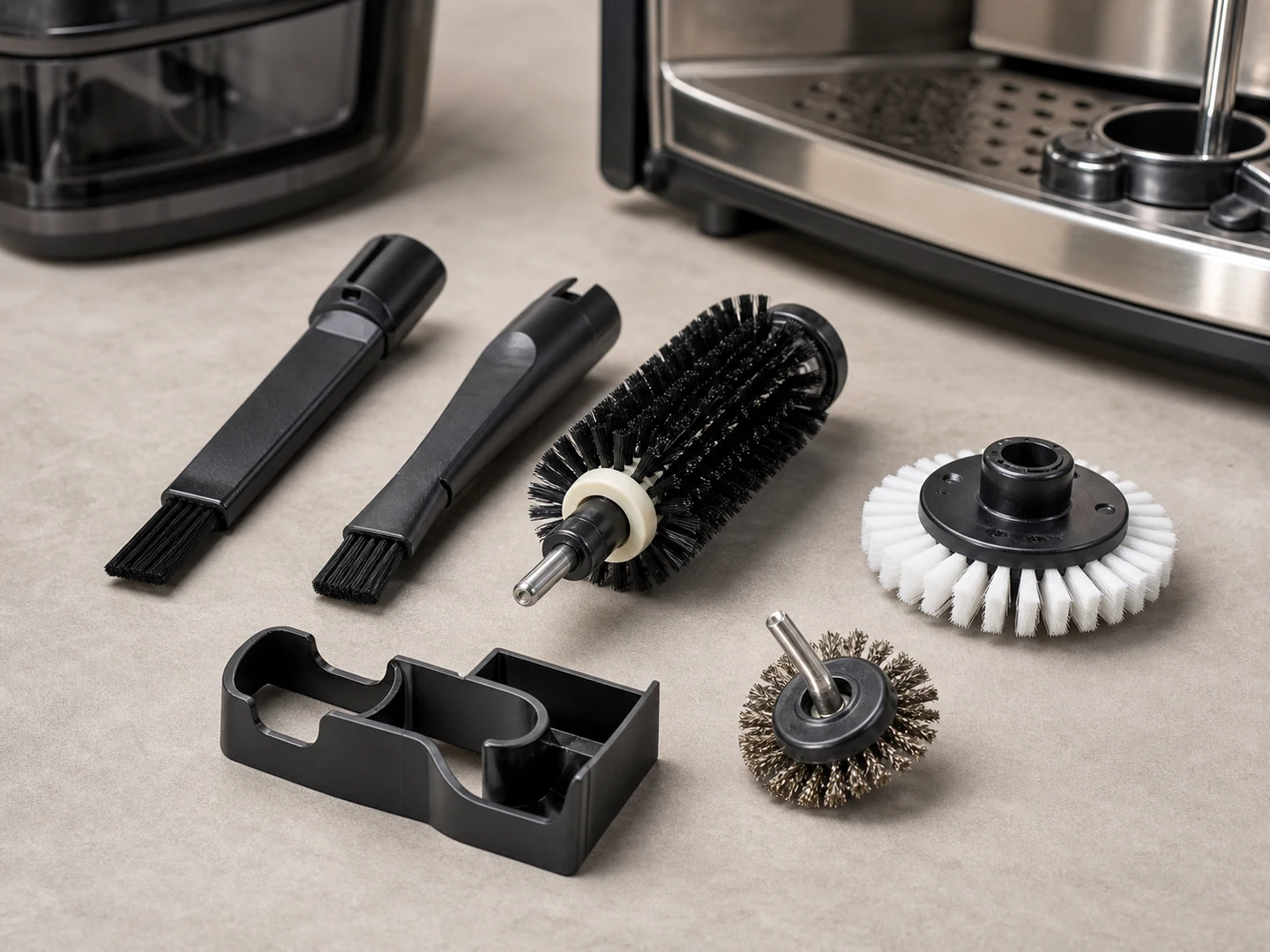
Custom Roller and Conveyor Brushes
Choose a roller or conveyor brush when a cylindrical brush must clean, wipe, guide,…
Explore this brush type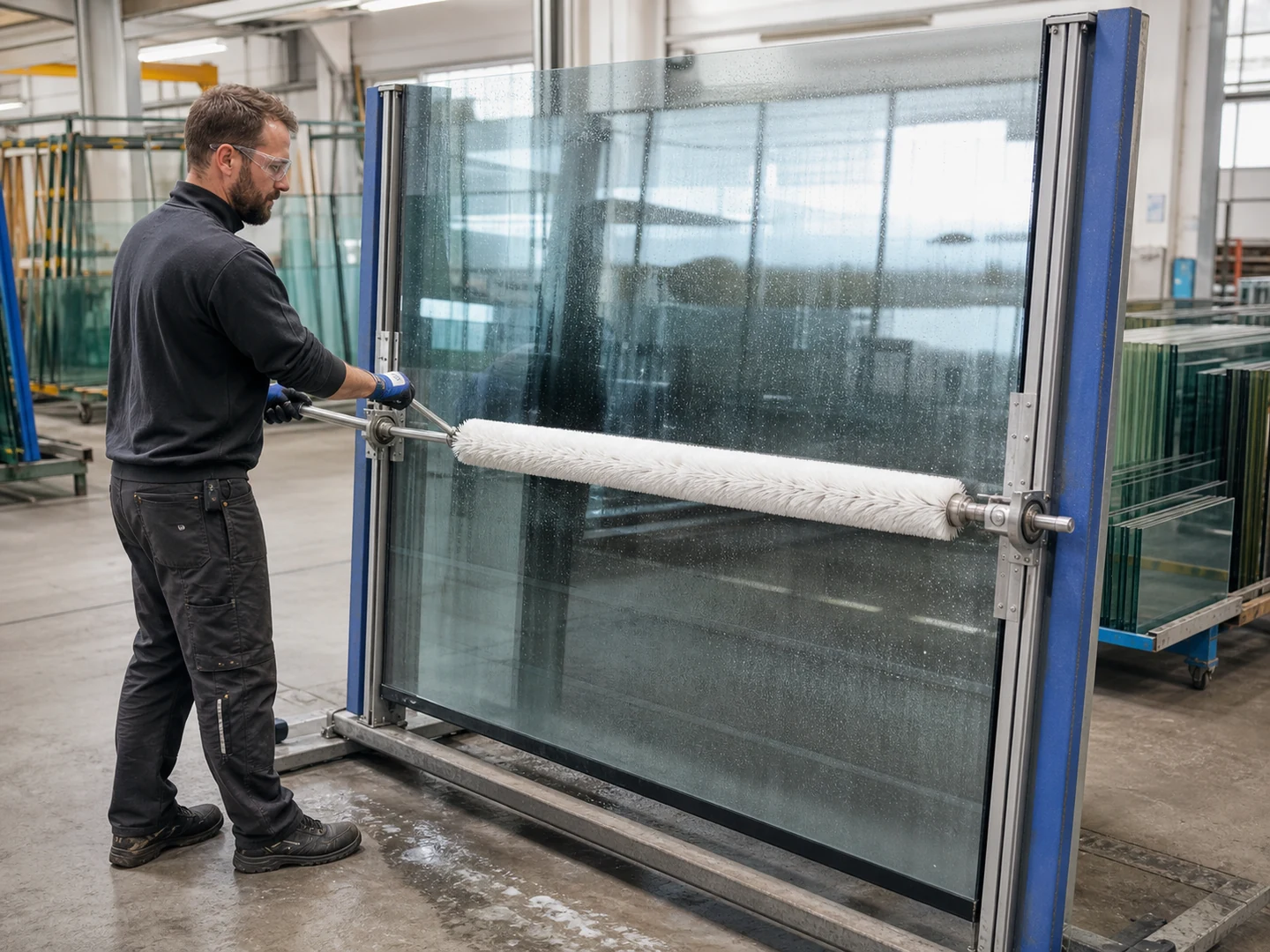
Glass Surface Cleaning
For Glass Surface Cleaning, the brush must reach the working area, disturb or collect…
Review application guidance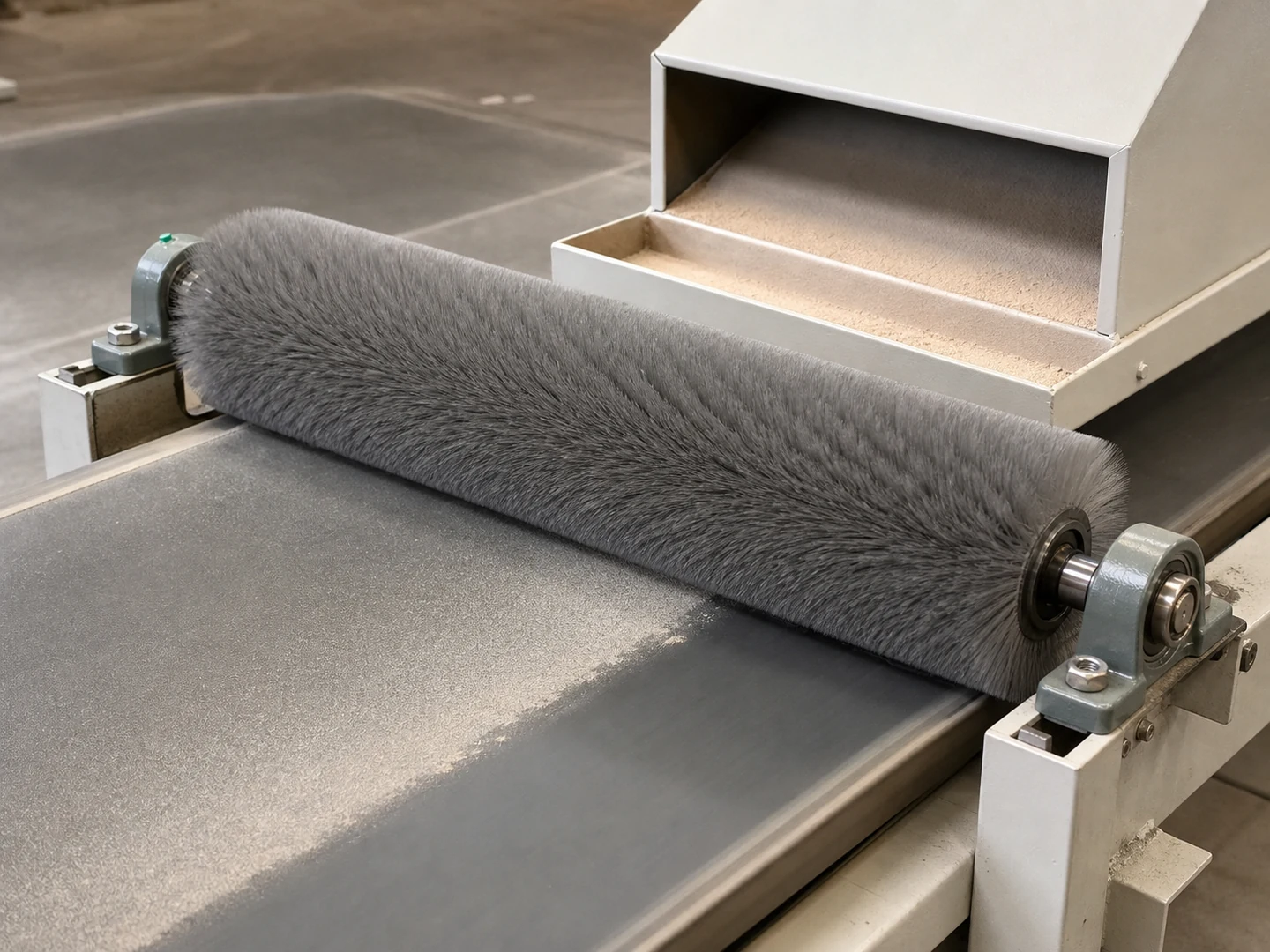
Dust Removal
For Dust Removal, the brush must reach the working area, disturb or collect loose…
Review application guidance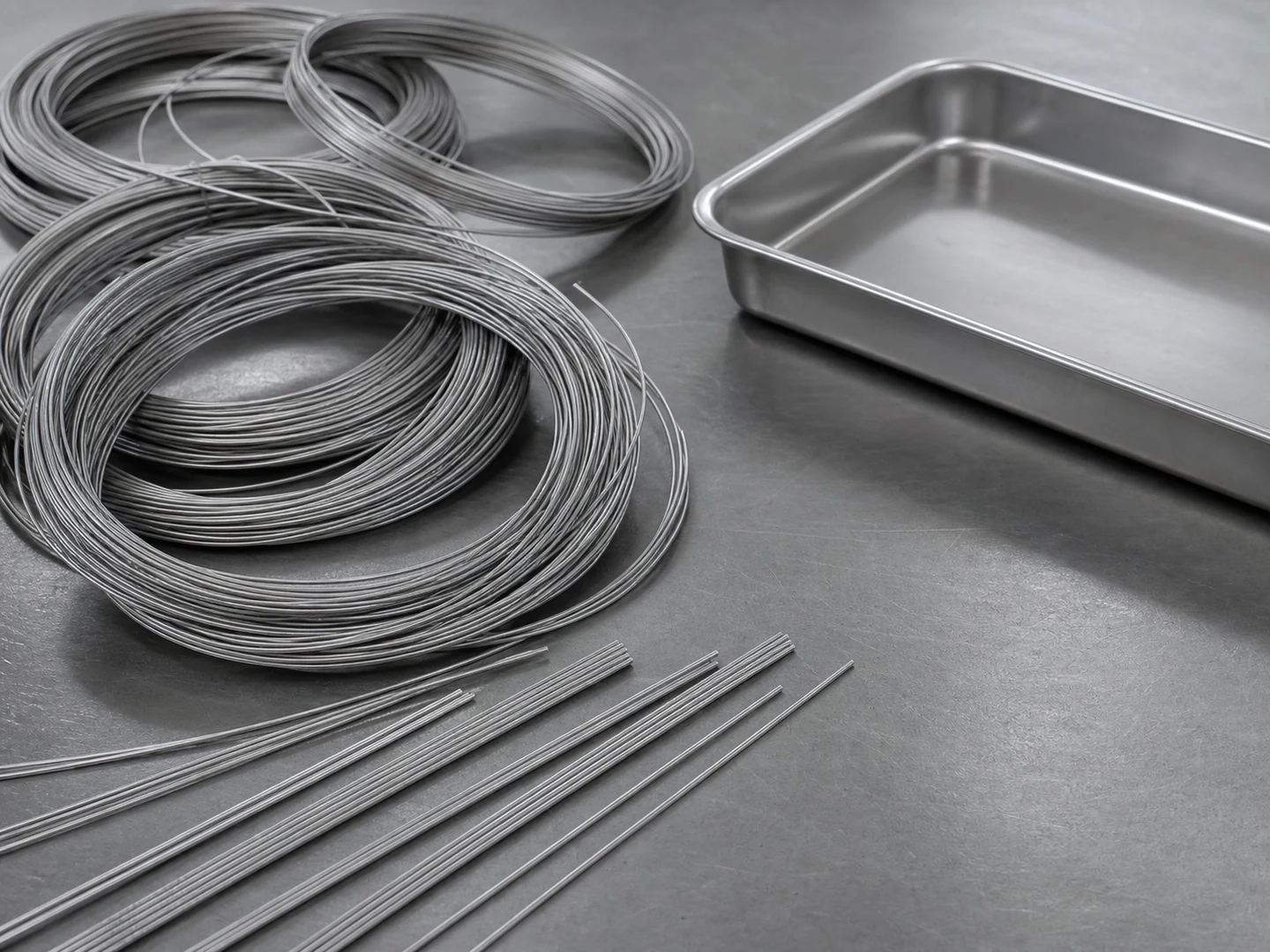
AISI 316 Stainless Steel Wire
AISI 316 Stainless Steel Wire is selected from its stiffness, recovery, wear, wet-service, chemical,…
Compare material considerations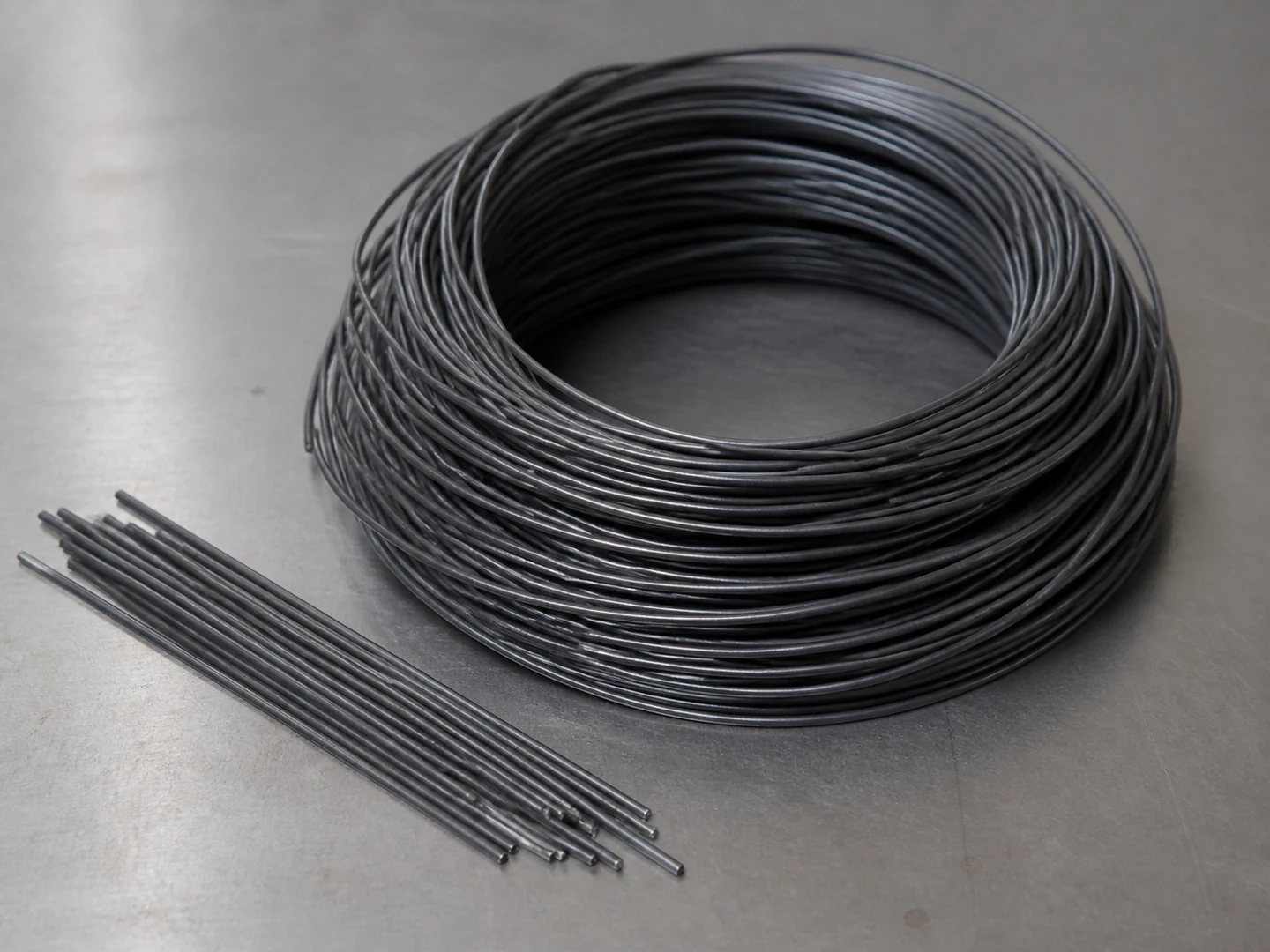
Carbon Steel Wire
Carbon Steel Wire is selected from its stiffness, recovery, wear, wet-service, chemical, and temperature…
Compare material considerationsCustom Manufacturing RFQ
Upload the Brush Drawing, Product Photo or Sample Details
For a custom quote, we need the key dimensions, surface or part, residue, material preference, quantity, and reference image or drawing.
Custom Brush RFQ
Send Your Brush Project
Upload a drawing, product photo, or sample photo and provide the core dimensions and cleaning conditions.