
Brush Type
Custom Tube & Pipe Bore Brushes
Tube / Bore Brush
Choose a tube, pipe, or bore brush when the working surface is inside a cylindrical passage and the brush diameter, stem, and motion must follow that internal geometry.
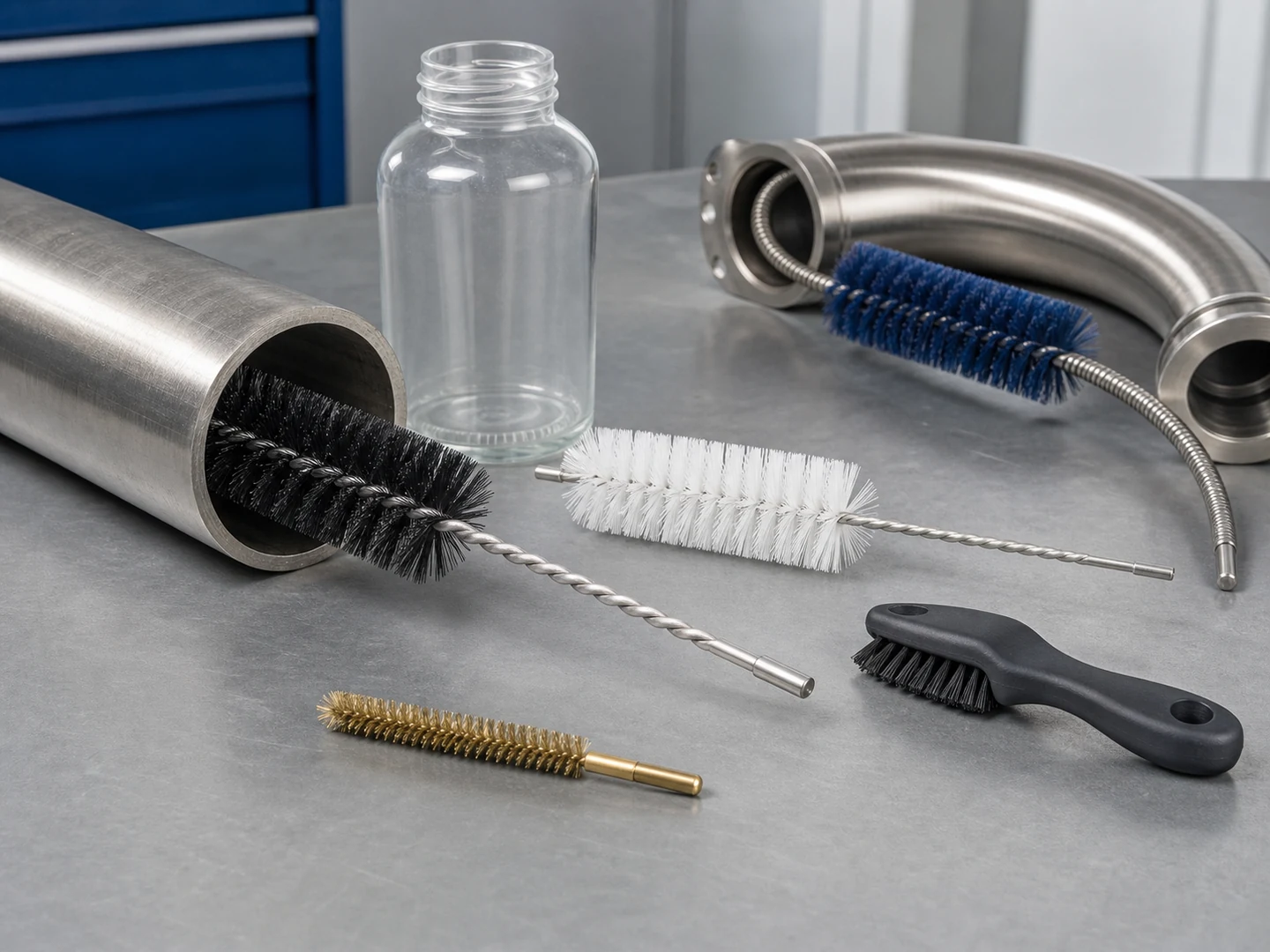
At a glance
- How it is driven
- Hand-guided · Pushed and pulled through the passage · Machine-driven
- How it mounts
- Loop handle, twisted-wire stem, threaded end, integral shank, flexible extension or powered holder.
When should you choose this brush type?
Choose a tube or bore brush when the cleaning surface is inside a defined opening and the bristles need radial contact along an internal wall, thread, port, or passage. Use a wheel or cup brush when the work is mainly on an external edge, weld, profile, or open face where an internal stem would not improve access.
What are Tube & Pipe Bore Brushes?
Tube and bore brushes place radial filament around a twisted-wire core, molded stem, shank, or flexible extension. The brush enters the passage and cleans by push-pull, rotation, reciprocation, or a combination of these motions. Stepped, tapered, double-spiral, and abrasive versions adapt the contact to bores, threads, cross holes, heat-exchanger tubes, hoses, and irregular internal profiles.
Selection begins with the minimum opening, internal diameter, length, bends, blind end, and access side. The brush normally needs controlled oversize or defined engagement so the filament tips contact the wall without jamming the core, damaging the surface, or trapping residue deeper in the passage.
What dimensions can I customize?
| Contact setting | Use near-size contact for wiping and 5–20% oversize for flexible polymer scrubbing |
|---|---|
| Filament diameter | 0.08–0.25 mm; 0.30–1.20 mm; 0.03–0.25 mm |
| Overall length | 152–406 mm; 1200–2200 mm; 150–450 mm |
| Fill | Nylon, PBT, brass, stainless steel, carbon steel, horsehair, or abrasive nylon; Nylon, brass, stainless steel, carbon steel, or abrasive nylon; Nylon, phosphor bronze, brass, stainless, or carbon steel |
Where is this brush type commonly used?
Start with the job the brush needs to do, then confirm dimensions, contact direction, material, and mounting.
What configurations are available?
Single-spiral twisted-wire brush
A general-purpose radial brush with a compact core for tubes, holes, and internal threads.
Double-spiral or double-stem brush
Denser and more durable construction for repeated industrial cleaning and deburring.
Flexible-shaft assembly
A tube brush connected to a cable, spring, or extension for long, curved, or obstructed passages.
Threaded or shank-mounted brush
A replaceable head for rods, powered holders, reciprocating equipment, or automated cleaning.
Stepped, tapered, or profile brush
Different diameters or shapes clean entrances, shoulders, cross holes, and non-uniform bores in one pass.
What material is right for this brush type?
Nylon PA or PBT
General wet and dry internal cleaning; filament diameter and trim control the radial force.
Polypropylene PP
Wet and chemical-contact service where low density and chemical tolerance are useful.
Brass wire
Metal cleaning with a softer wire contact than carbon or stainless steel in suitable applications.
Stainless steel wire
Rust, scale, and deposit removal where corrosion resistance and metallic contact are required.
Abrasive nylon
Controlled internal deburring, honing, and surface conditioning with grit selected to the finish target.
Filament materials to compare
What do I need to know before ordering?
Provide the complete bore path, minimum and maximum diameter, length, bend radius, blind or through condition, access side, residue, surface material and finish, brush motion, stem or thread interface, wet or dry process, and customer-supplied equipment data.
Questions this page is asked
How should brush oversize and rotation be established for a powered bore operation?
Use the brush maker's range for the exact construction and trial it in a representative bore at the approved tool speed, feed and rotation direction. Stop if the brush stalls, sheds, unwinds, scores the wall or forces the flexible shaft into an unstable bend, and do not transfer an oversize rule from honing to simple cleaning.
How is a bore-cleaning cycle closed out after the brush is withdrawn?
Inspect or test the bore using the process-approved endpoint for the actual residue, then remove loosened material by the specified rinse, purge or capture method. Examine the full brush, stem, coupling and shaft against their pre-use condition and investigate any missing fill, deformation or detached part before releasing the component.
Guides that go deeper on this
Tube Brush Sizing for Bores and Internal Passages
Read this guideGuideAlumina Ceramic Deburring Brush: What Sets the Ra?
Read this guideGuideBrush Anatomy and Terminology
Read this guideGuideBrush Diameter, Trim Length, and Filament Diameter
Read this guideGuideCleaning, Drying, and Storing Industrial Brushes
Read this guideGuideCustom Brush Sampling and Validation Plan
Read this guideGuideFilter and Screen Cleaning Brush Design
Read this guideGuideHow to Choose a Custom Cleaning Brush
Read this guideGuideHow to Maintain Chimney and Boiler Tube Brushes in Production
Read this guideGuideHow to Maintain Tube Brushes for Plastic Processing Lines
Read this guideGuideHow to Send a Custom Brush RFQ
Read this guideGuideNon-Sparking Wire Brush: Brass, Bronze or Beryllium Copper?
Read this guide24 guides are indexed against this one. The rest are in the technical resources library.
Continue Exploring
Recommended Reading & Related Brush Resources
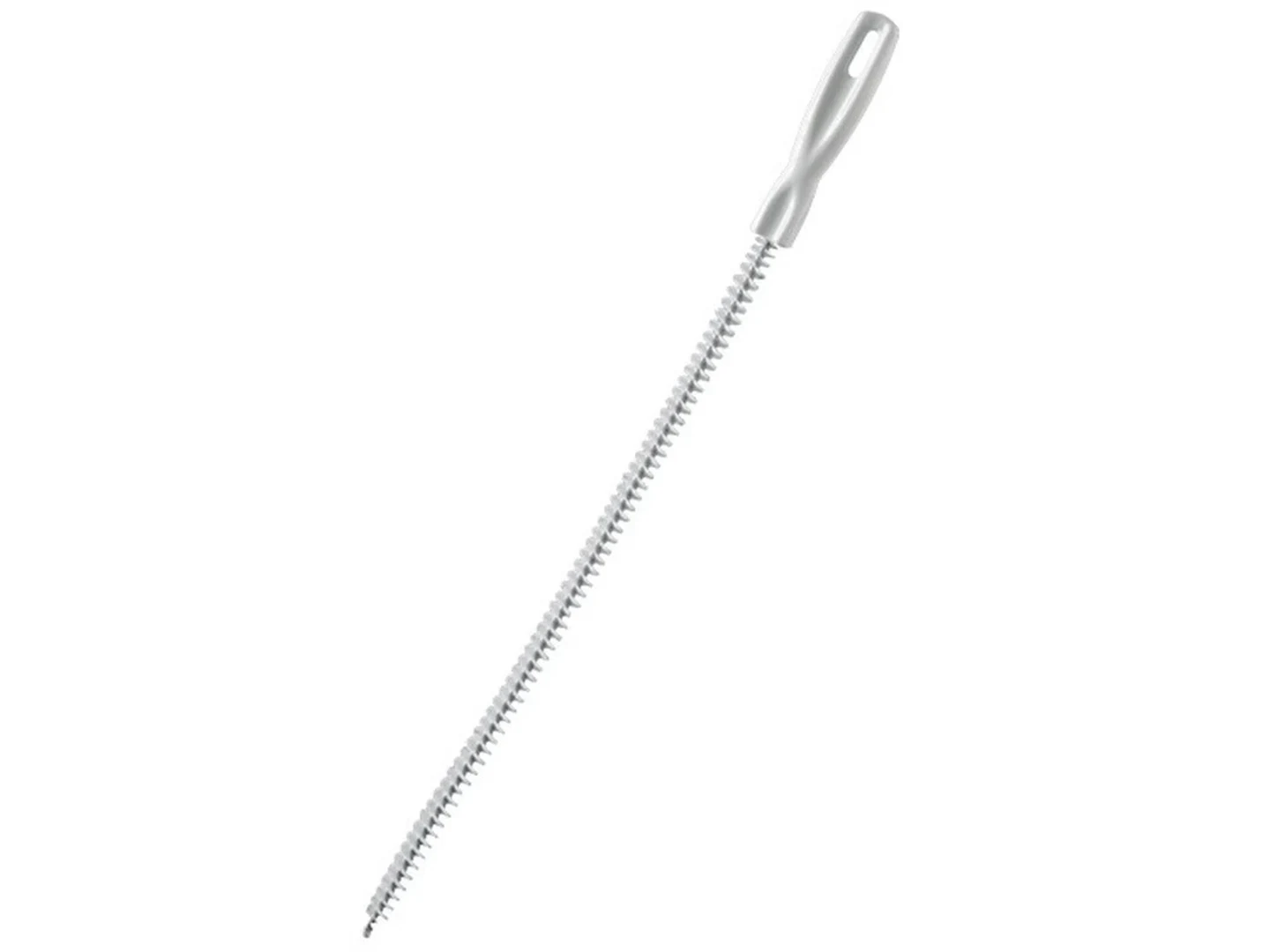
Pipe Tube Brush
Configure pipe tube brushes in nylon, brass, stainless steel, or abrasive nylon for bore,…
See the specification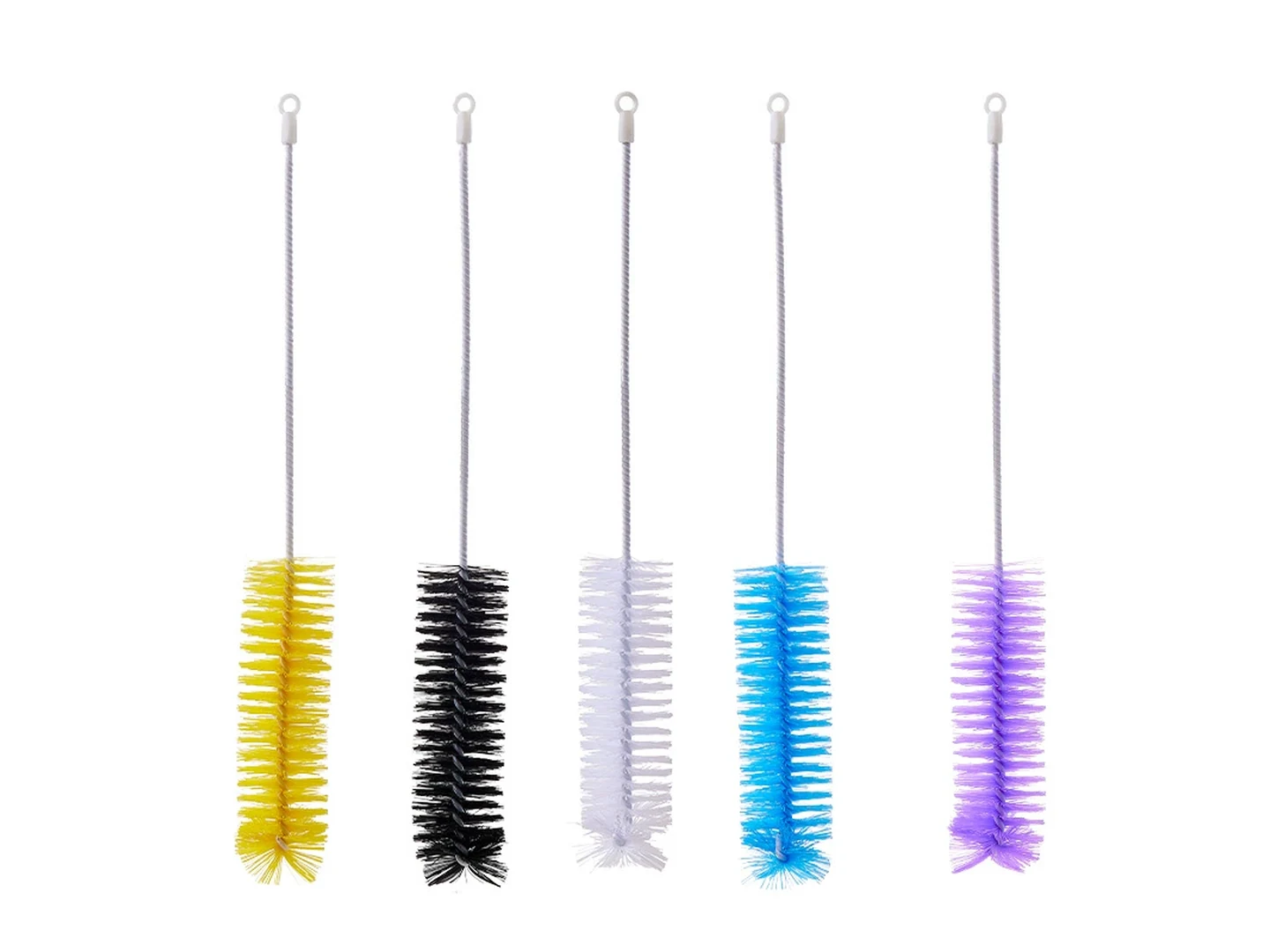
Filter Housing Bore Cleaning Brush
Filter housing bore brushes in PBT, nylon, or wire fill. Diameters 3.2–50.8 mm, stems…
See the specification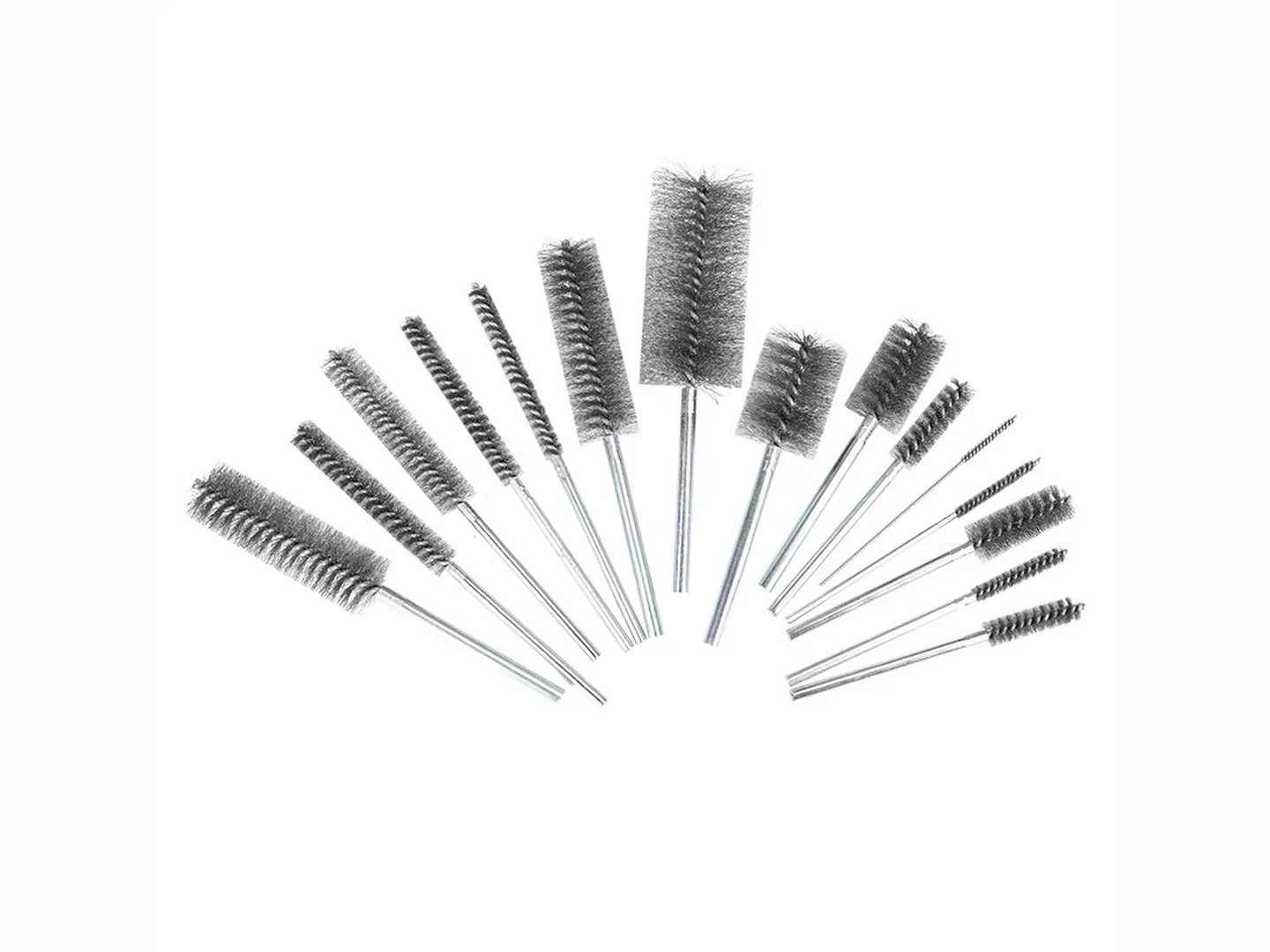
Bore Brush
Wire and nylon bore brushes for cleaning internal bores, tubes, pipes, and ports. Diameters…
See the specification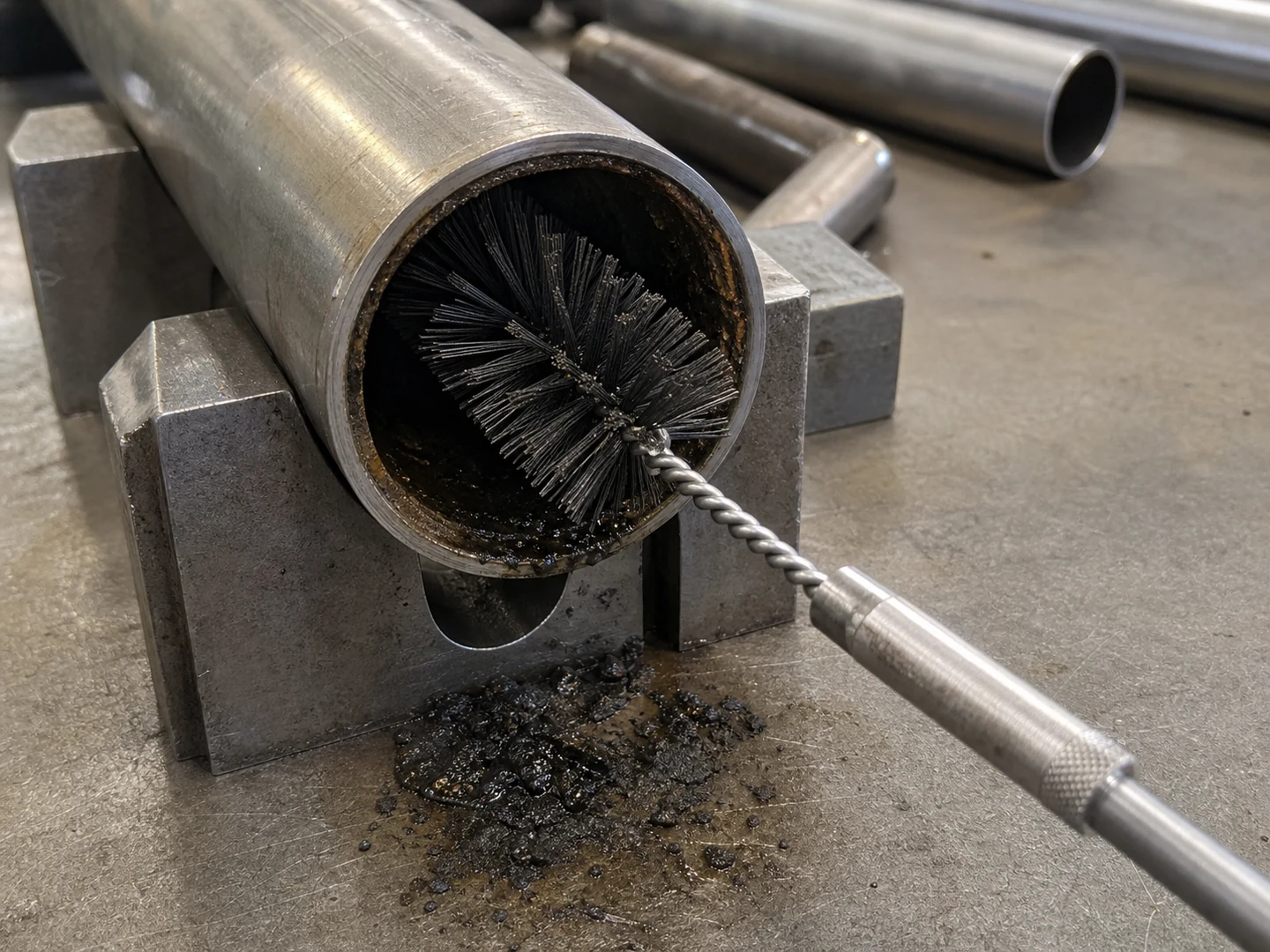
Tube & Pipe Cleaning
For Tube & Pipe Cleaning, the brush must reach the working area, disturb or…
See the cleaning job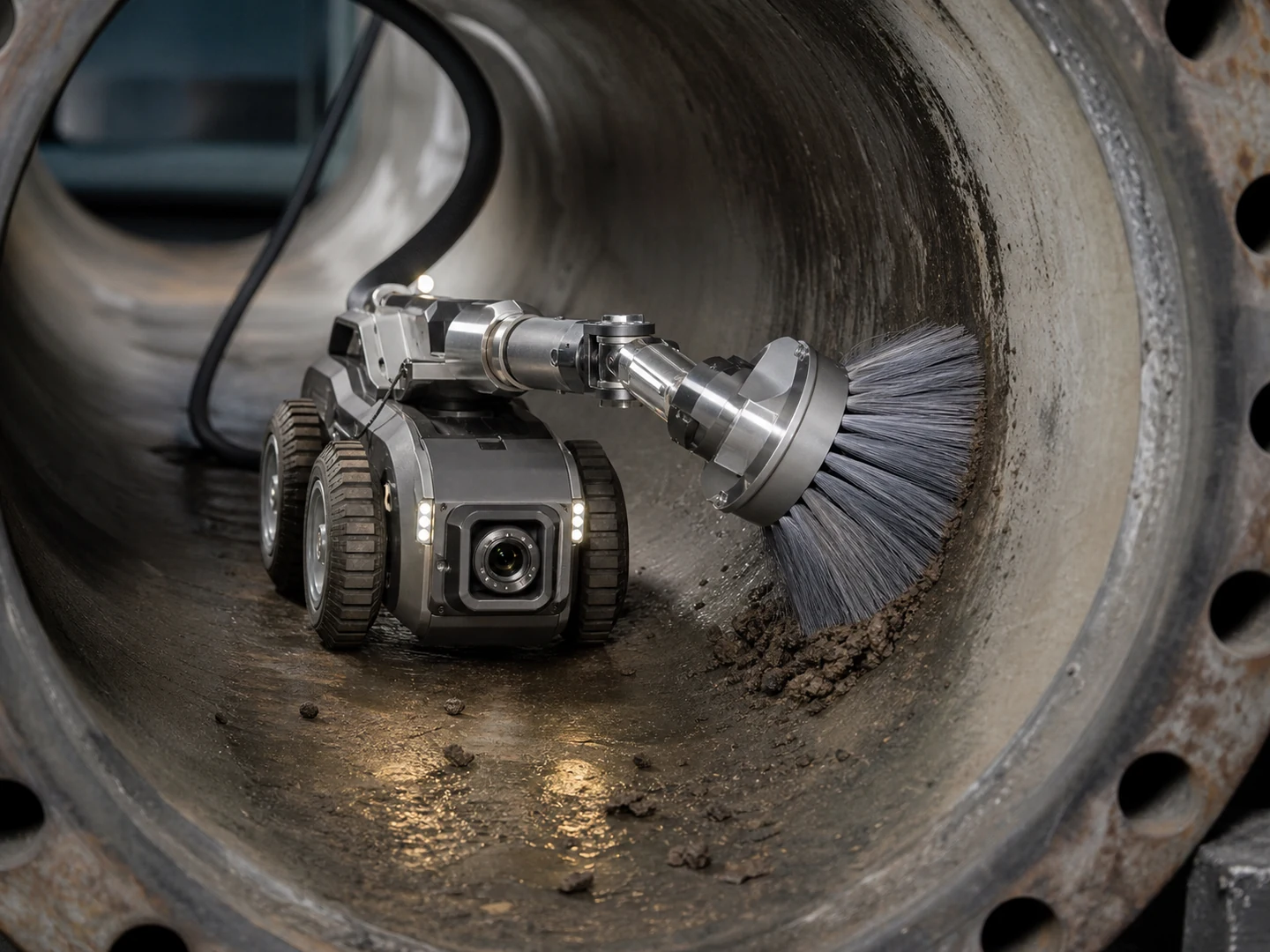
Pipe Robot Brush Attachment Use
For Pipe Robot Brush Attachment Use, the brush must reach the working area, disturb…
See the cleaning job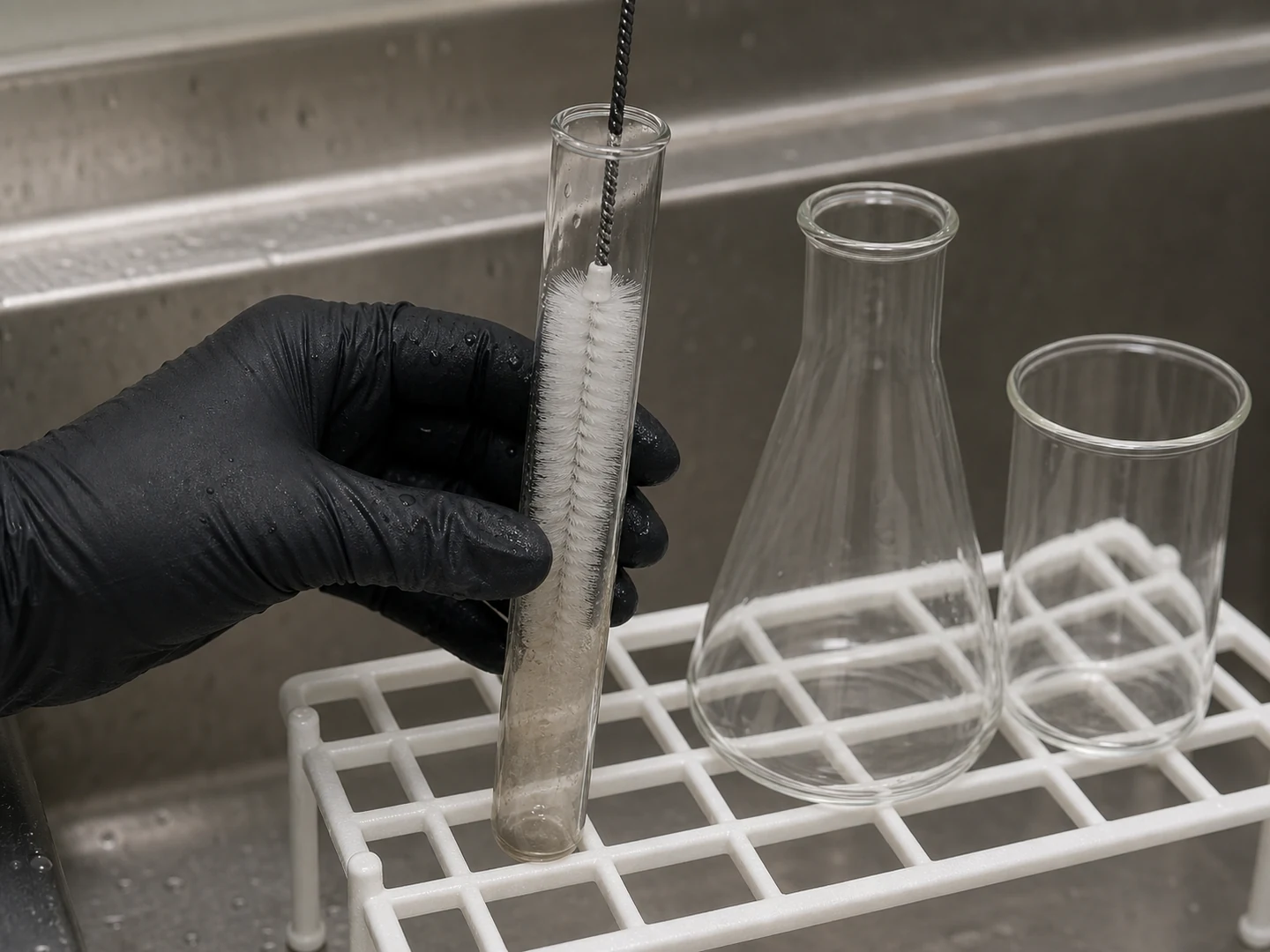
Laboratory Tube Cleaning
For Laboratory Tube Cleaning, the brush must reach the working area, disturb or collect…
See the cleaning job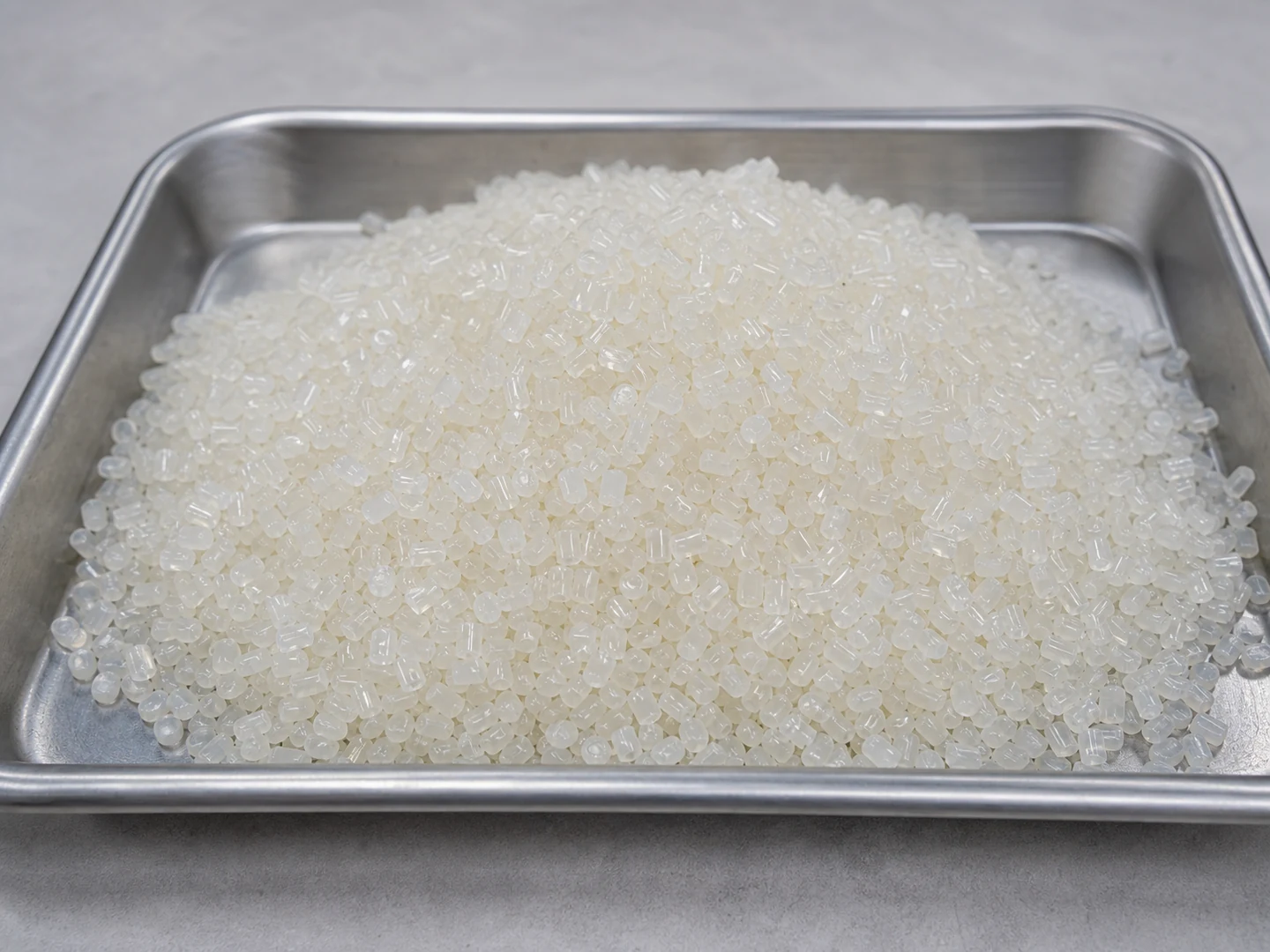
Nylon PA
Choose Nylon PA based on its stiffness, recovery, wear, wet-service, chemical, and temperature behavior.
Compare this material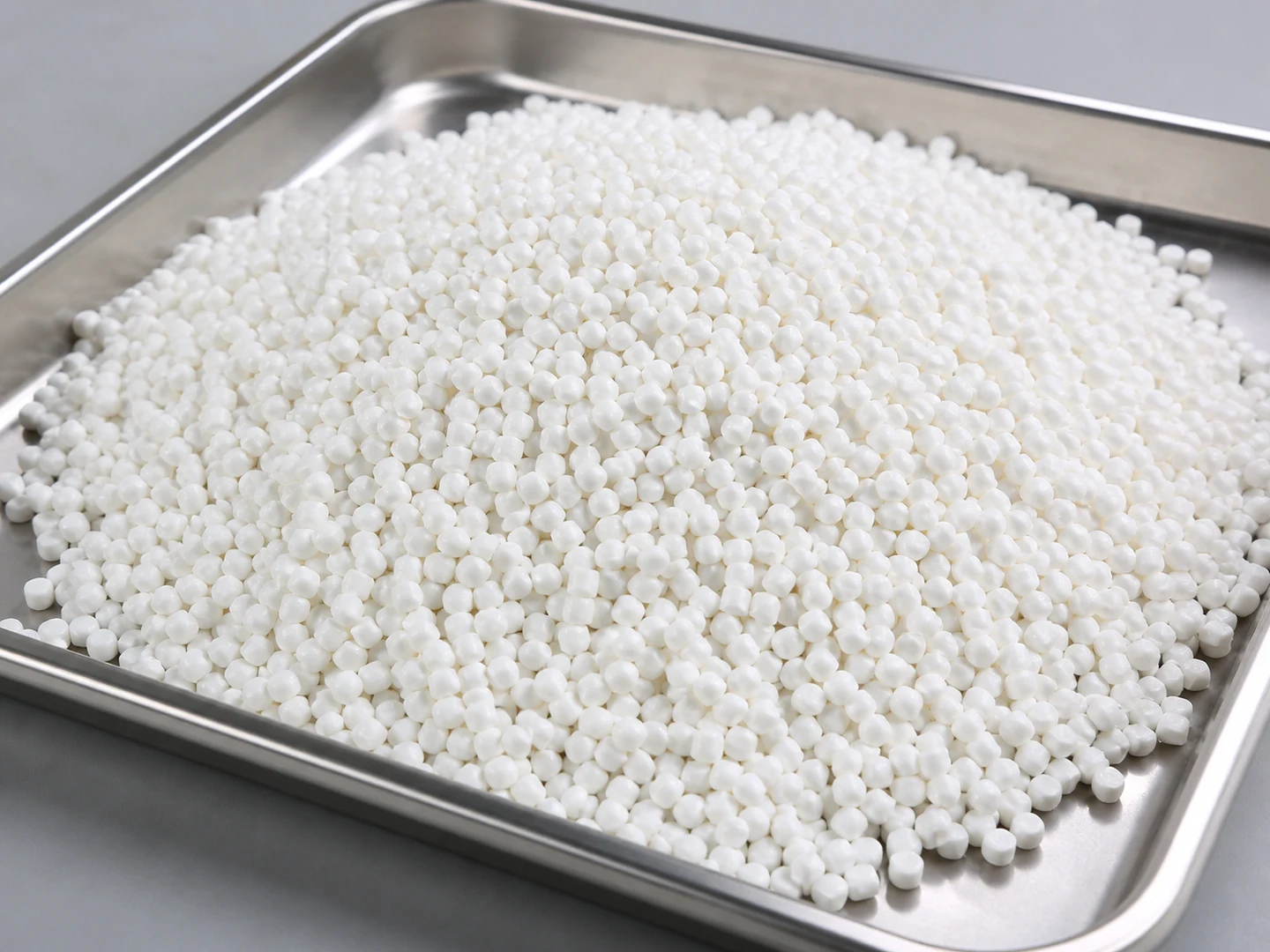
PBT
Choose PBT based on its stiffness, recovery, wear, wet-service, chemical, and temperature behavior. Do…
Compare this materialCustom Manufacturing RFQ
Discuss This Brush Type
Share the working surface, residue, dimensions, material direction, interface, quantity and drawing or sample photo.
Custom Brush RFQ
Request a Custom Cleaning Brush Quote
Upload a drawing, product photo, or sample photo and provide the core dimensions and cleaning conditions.
“We need a brush to remove wet residue from a stainless steel conveyor, about 800mm wide. The current brush wears quickly. We can send photos.”
“We sell drinkware and need a cleaning brush to include with the product. Quantity around 5,000 pieces.”