
Brush Type
Custom End Brushes
End Brush
Choose an end brush when concentrated rotating or reciprocating tip contact is needed inside a recess, pocket, hole entrance, weld detail, or other localized area.
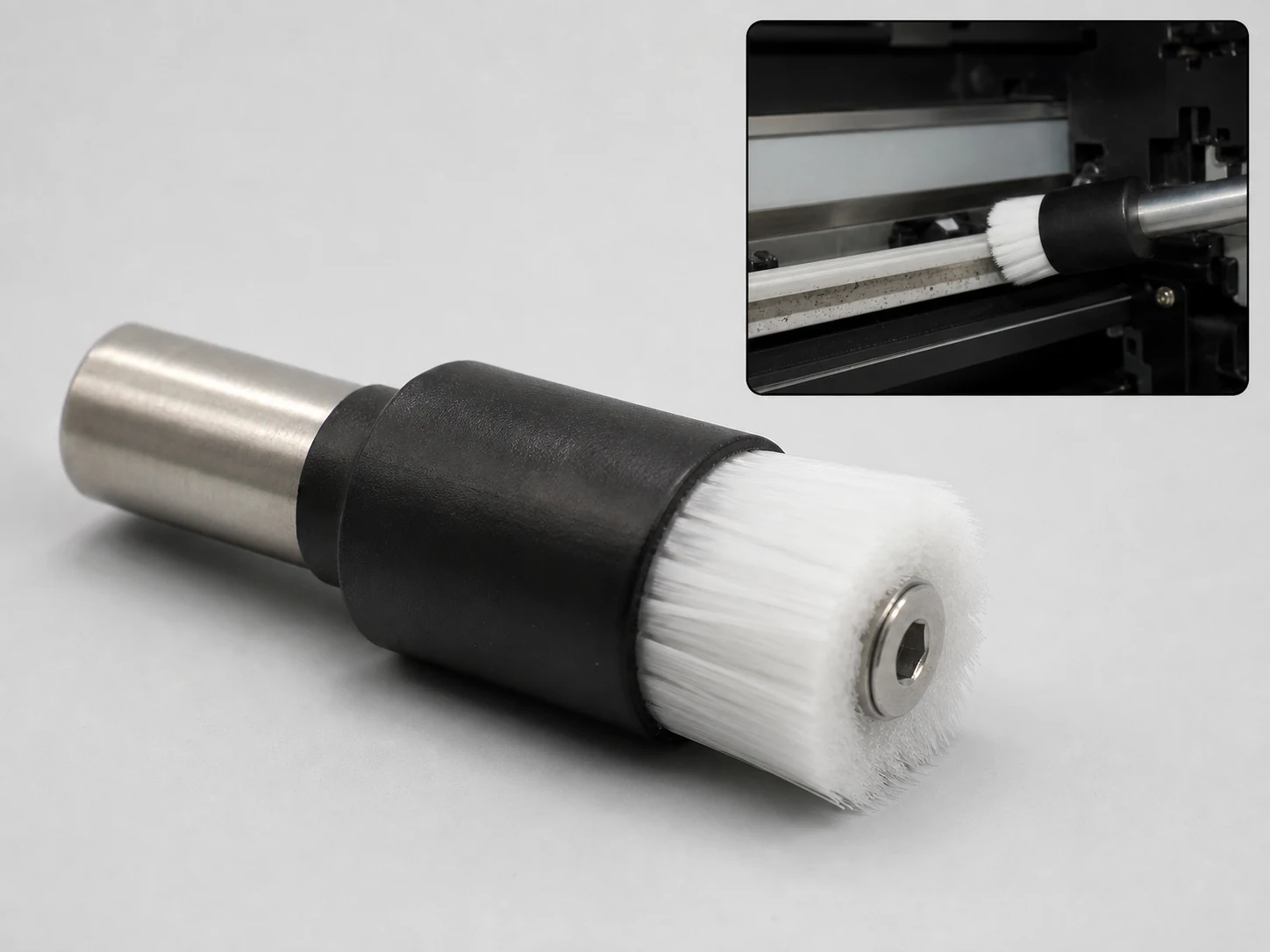
At a glance
- How it is driven
- Machine-driven
- How it mounts
- Fixed
When should you choose this brush type?
Choose an end brush when the working area is a small recess, hole entrance, corner, or local feature that needs contact at the end of a compact stem. A wheel brush covers a longer edge or profile more efficiently, and a cup brush is better for a broad open face.
What are End Brushes?
End brushes carry a compact tuft of wire or abrasive filament at the end of a stem or small holder. The working tips enter confined areas that a wheel or cup brush cannot reach, and the tuft may remain straight, flare under rotation, or be shaped for a specific pocket.
Head diameter, tuft length, filament construction, stem or shank, and available clearance determine the contact pattern. The brush should work with the filament tips rather than excessive side pressure, which can spread the tuft, increase fatigue, and reduce precision.
What dimensions can I customize?
| Head diameter | 12–20 mm |
|---|---|
| Head or working length | 20–25 mm |
| Mounting interface | Fixed |
Where is this brush type commonly used?
Start with the job the brush needs to do, then confirm dimensions, contact direction, material, and mounting.
What configurations are available?
Straight crimped end brush
A compact flexible tuft for light rust, residue, and general cleaning in recesses.
Knotted or bundled end brush
A firmer concentrated tuft for heavier localized deposits where the surface permits aggressive contact.
Abrasive-filament end brush
Grit-bearing polymer filament for precision deburring and controlled conditioning.
Flared end brush
The tuft opens to contact a larger pocket or shoulder after entering through a smaller access area.
Miniature shank-mounted brush
Small diameters and precision shanks for tools, molds, bores, and detailed components.
What material is right for this brush type?
Brass wire
Softer metallic tip contact for suitable threads, recesses, and non-ferrous workpieces.
Stainless steel wire
Corrosion-resistant cleaning and localized removal on compatible surfaces.
Carbon steel wire
Aggressive cleaning on ferrous parts where contamination requirements permit.
Abrasive nylon
Controlled deburring and finish adjustment with lower aggression than wire.
Filament materials to compare
What do I need to know before ordering?
Provide the recess or hole geometry, access diameter and depth, workpiece material, residue or burr, required finish, brush diameter and tuft length, shank or thread, tool clearance, customer-supplied motion data, and quantity.
Questions this page is asked
How is an end brush qualified to pass through a small opening while rotating?
Check the maker's maximum running envelope, then trial the brush at the approved speed in a representative opening with the same entry edge and depth. Allow for filament flare and runout, and stop if the fill catches the rim, folds backward or prevents controlled withdrawal.
What contact method protects an end brush from excessive side loading?
Present the filament tips to the intended spot with the tool aligned and use light, controlled axial contact within the brush maker's limits. Do not force the tuft sideways to enlarge the working face, because the bent fill and shank can whip, shed or cut an unintended wall.
Which defects should stop an end brush before powered use?
Reject a bent, scored or undersize shank, poor collet seating, visible runout, loose fill, a split ferrule, corrosion or an altered tuft profile. After any jam or impact, isolate the tool and brush and recheck the complete assembly instead of restarting to see whether the vibration clears.
Guides that go deeper on this
Abrasive Filament Brush Dressing: Extending Brush Life
Read this guideGuideBrush Trim Length and Density: How to Specify for Custom Orders
Read this guideGuideCustom Brush Mounting: Shaft, Thread and Bolt Pattern Design
Read this guideGuideHow to Choose the Right Car Wheel Brush for Rust Removal
Read this guideGuideHow to Choose Wire Wheel Brush
Read this guideGuideThread Cleaning Brush: Internal vs External Technique
Read this guideGuideWheel Brush: Material and Size for Rust Removal
Read this guideGuideWhen to Use an Angle Grinder Wire Wheel Brush on Power Tools
Read this guideContinue Exploring
Recommended Reading & Related Brush Resources
End Brush
Shank-mounted end wire brushes for die grinders, drills and flexible shafts. Carbon steel, 316…
See the specification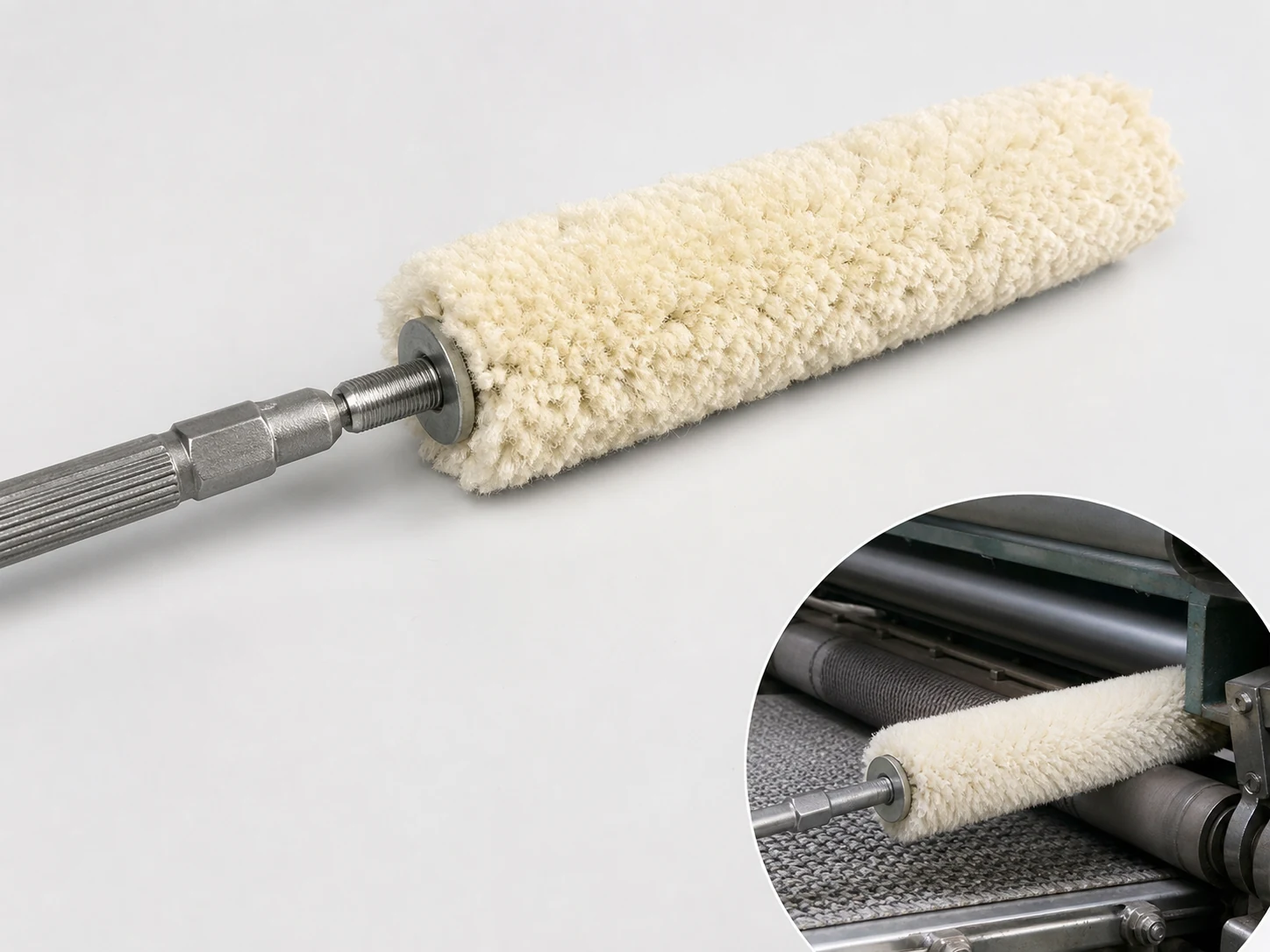
Wool Brush
Custom wool brushes for dusting, polishing, and controlled dye, wax, and adhesive application on…
See the specification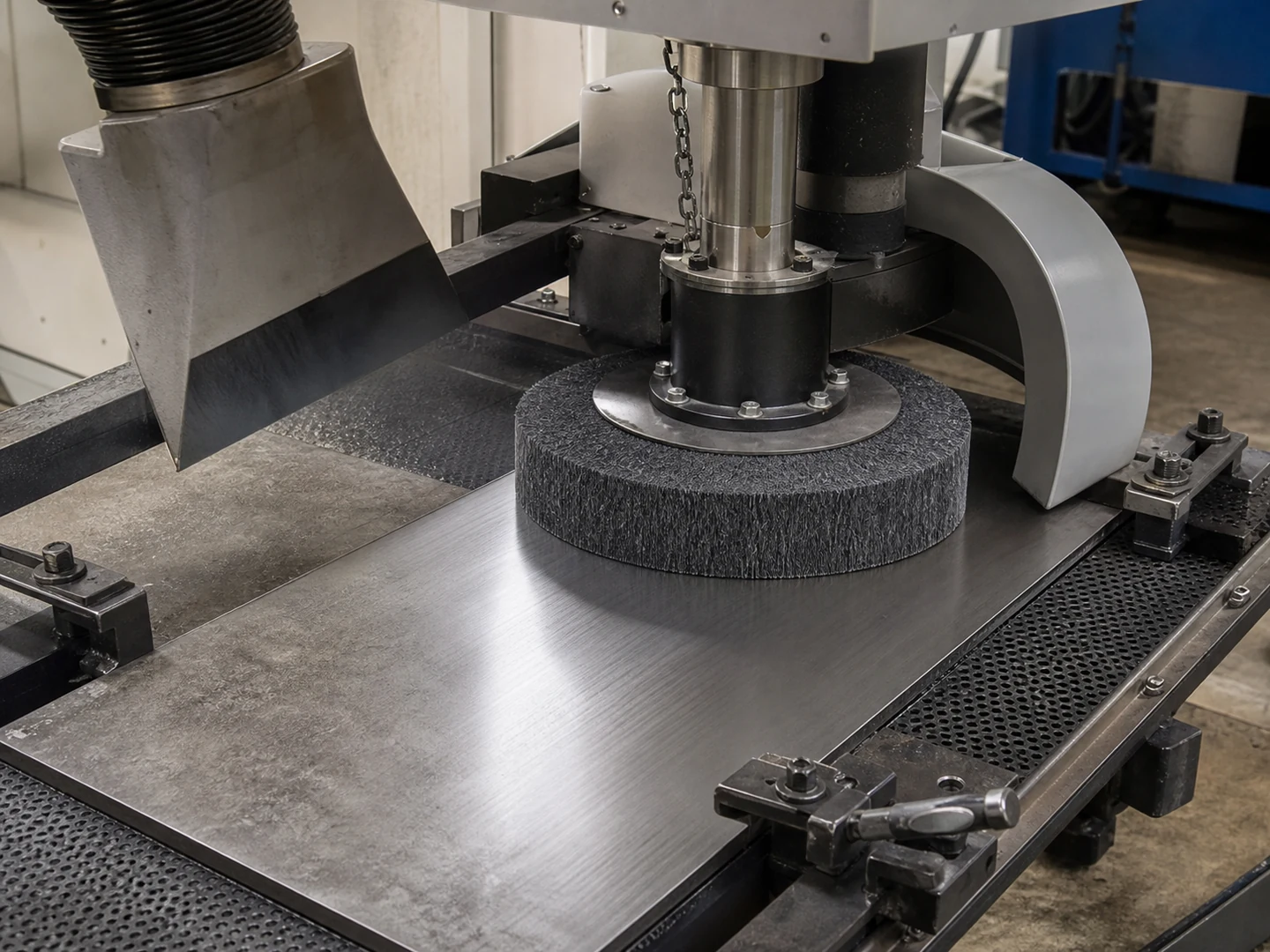
Surface Finishing
Surface Finishing is a process-use page rather than a general cleaning category.
See the cleaning job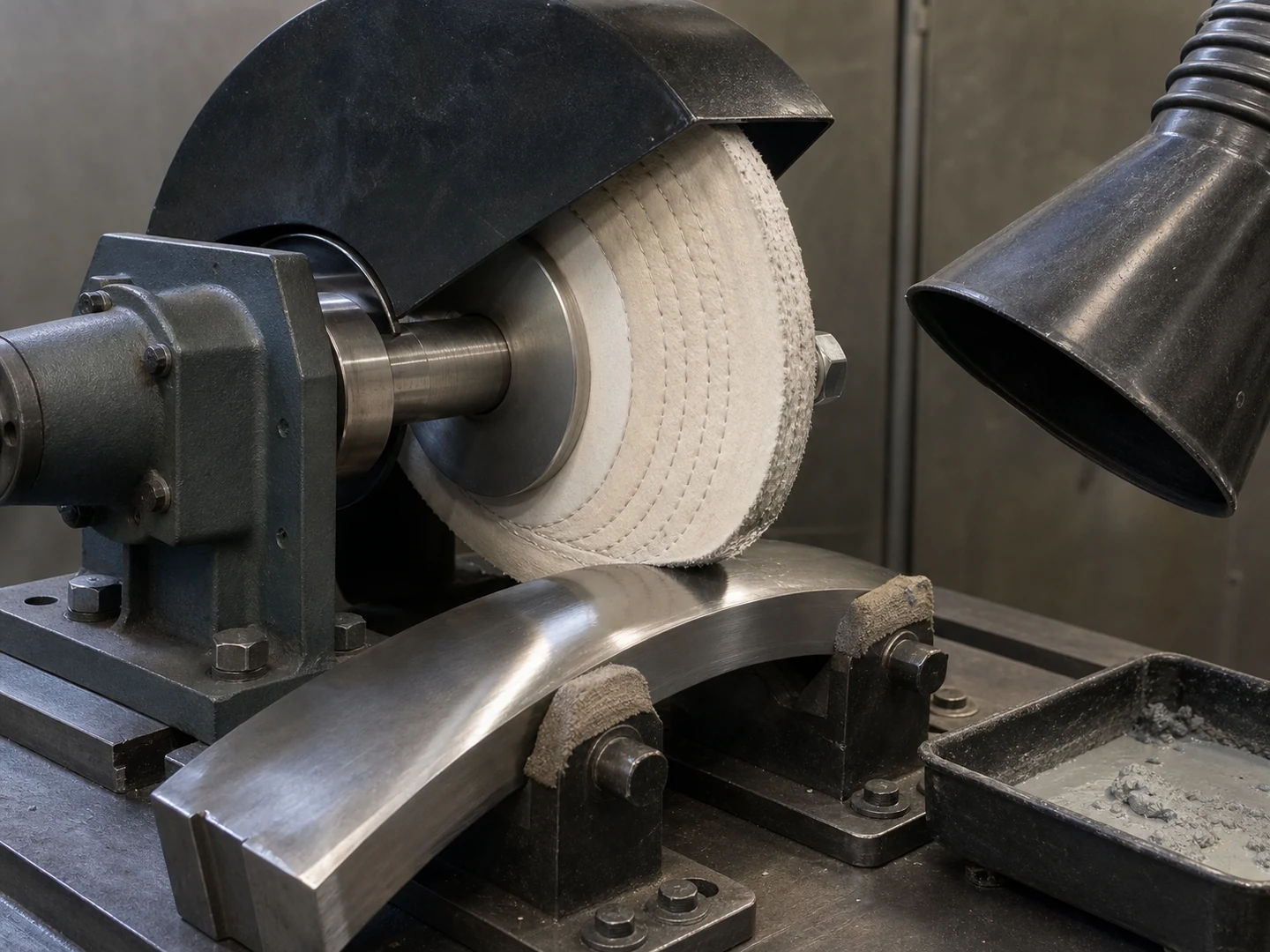
Polishing
Polishing is a process-use page rather than a general cleaning category.
See the cleaning job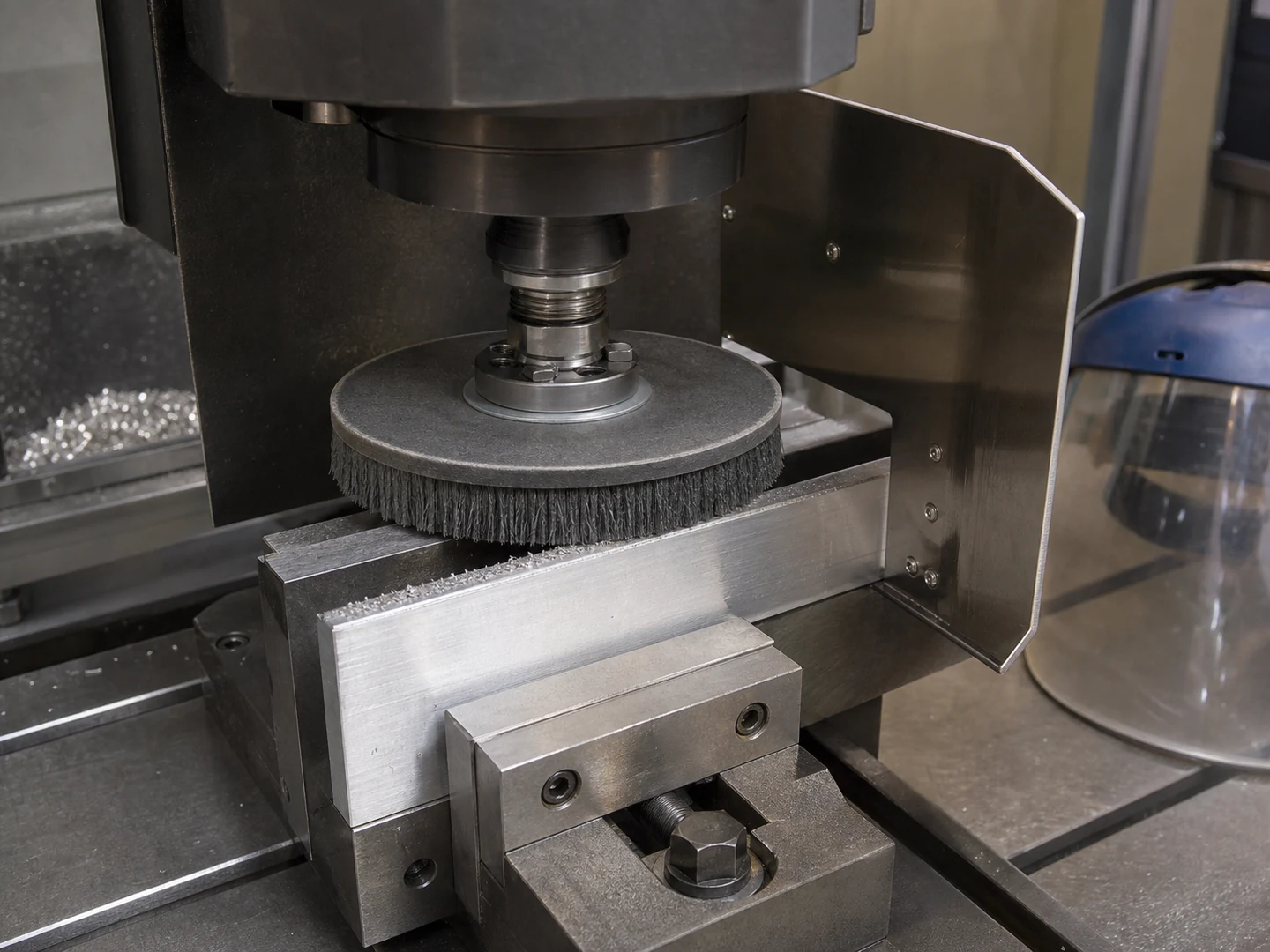
Deburring & Edge Breaking
Deburring & Edge Breaking is a process-use page rather than a general cleaning category.
See the cleaning job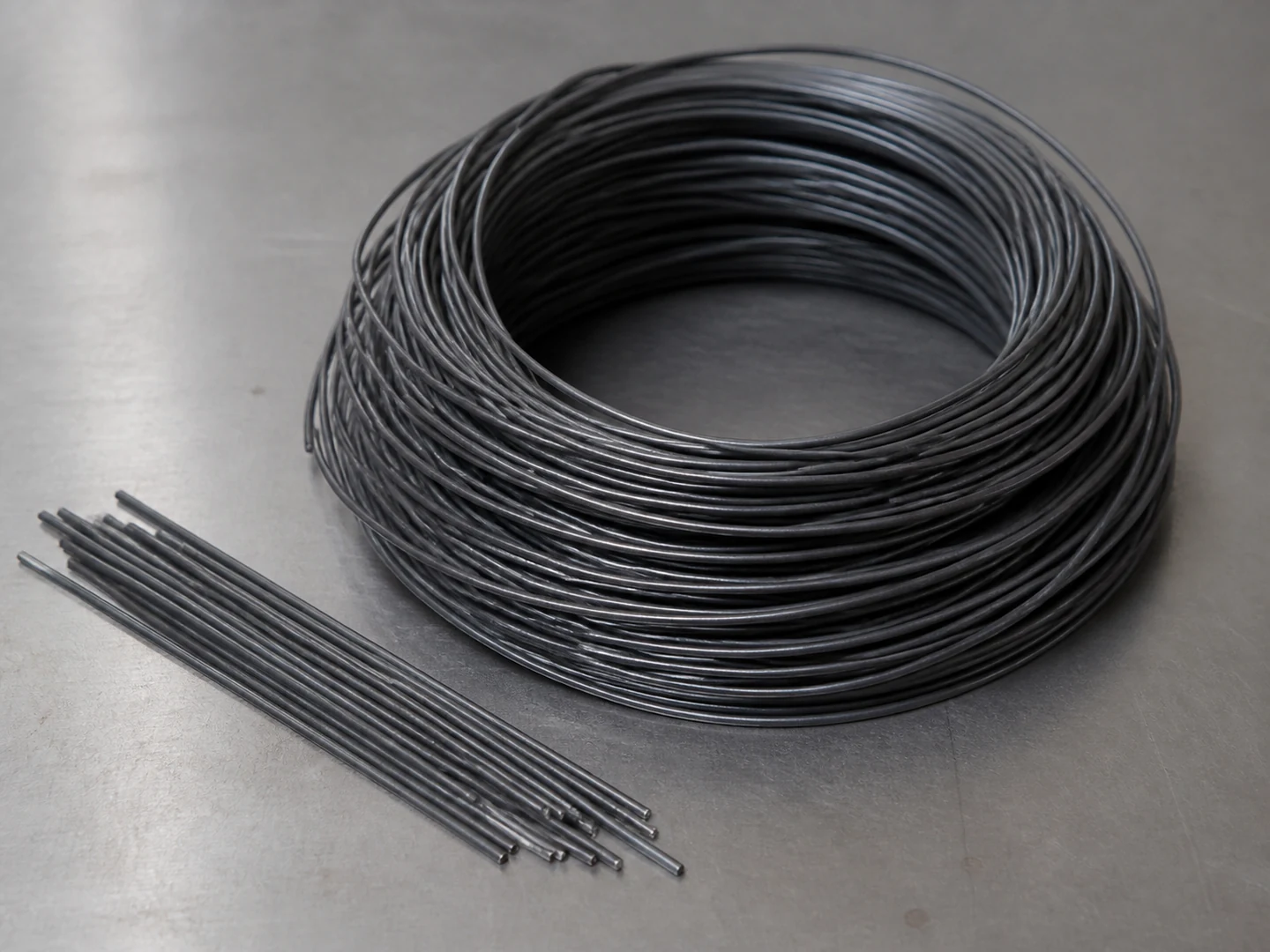
Carbon Steel Wire
Choose Carbon Steel Wire based on its stiffness, recovery, wear, wet-service, chemical, and temperature…
Compare this material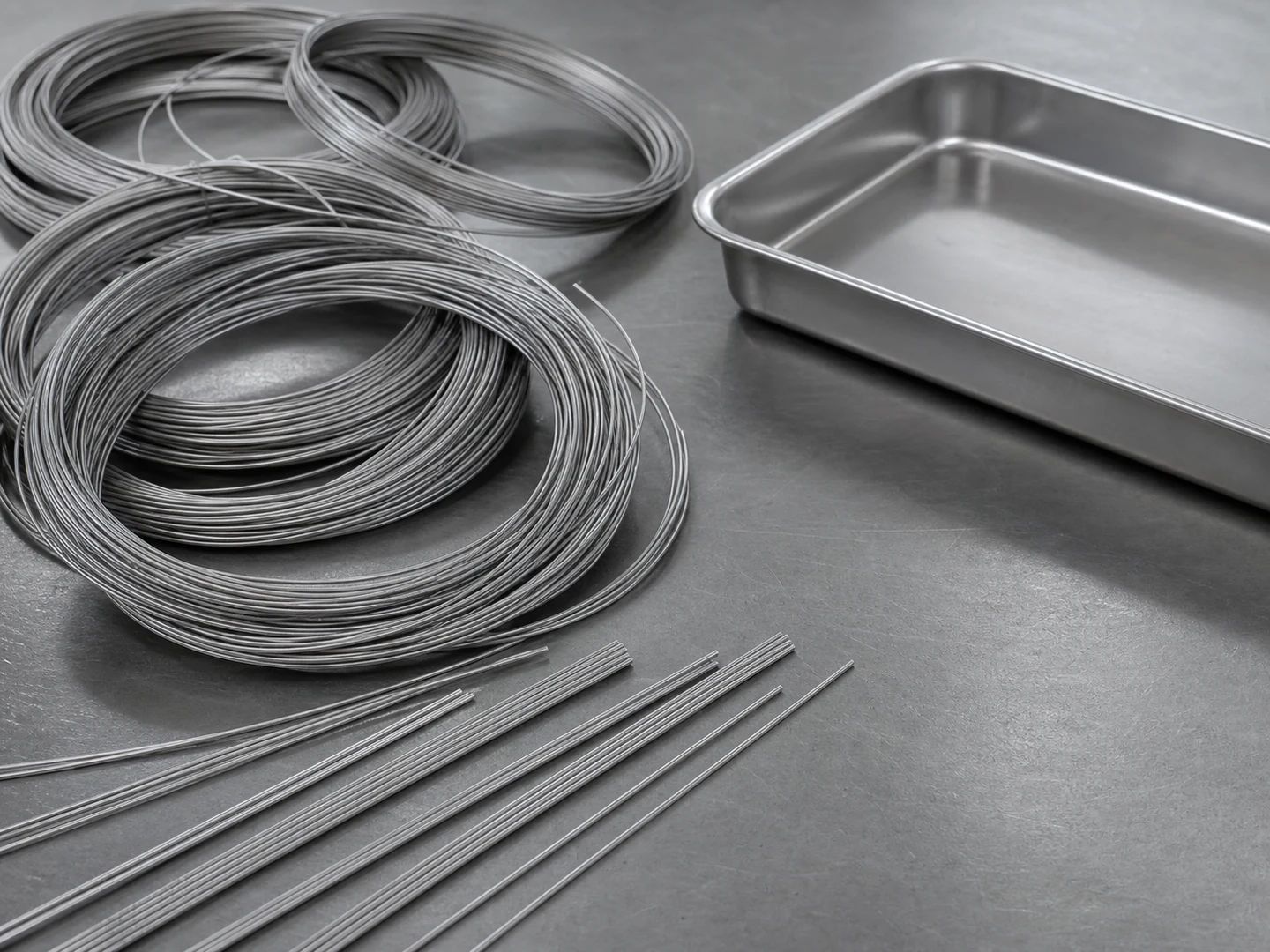
AISI 316 Stainless Steel Wire
Choose AISI 316 Stainless Steel Wire based on its stiffness, recovery, wear, wet-service, chemical,…
Compare this material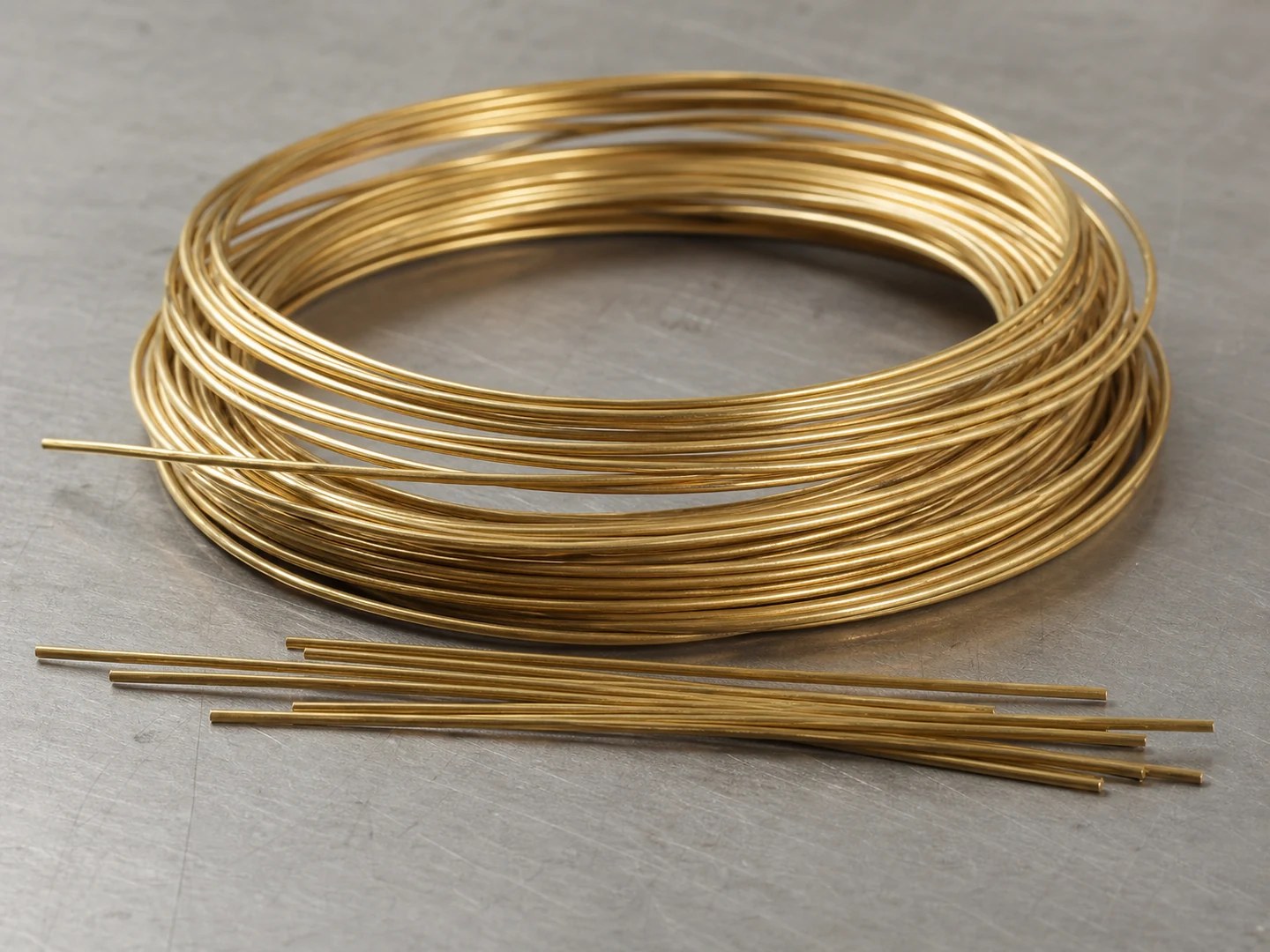
Brass Wire
Choose Brass Wire based on its stiffness, recovery, wear, wet-service, chemical, and temperature behavior.
Compare this materialCustom Manufacturing RFQ
Discuss This Brush Type
Share the working surface, residue, dimensions, material direction, interface, quantity and drawing or sample photo.
Custom Brush RFQ
Request a Custom Cleaning Brush Quote
Upload a drawing, product photo, or sample photo and provide the core dimensions and cleaning conditions.
“We need a brush to remove wet residue from a stainless steel conveyor, about 800mm wide. The current brush wears quickly. We can send photos.”
“We sell drinkware and need a cleaning brush to include with the product. Quantity around 5,000 pieces.”