
Application
Fiber Optic Connector End-face Cleaning
For Fiber Optic Connector End-face Cleaning, the brush must reach the working area, disturb or collect dust/sebum/end-face particles/ferrule debris, and release it without creating unacceptable surface damage or process interference. Access, contact movement, and the selected cleaning method determine which brush structure will work.
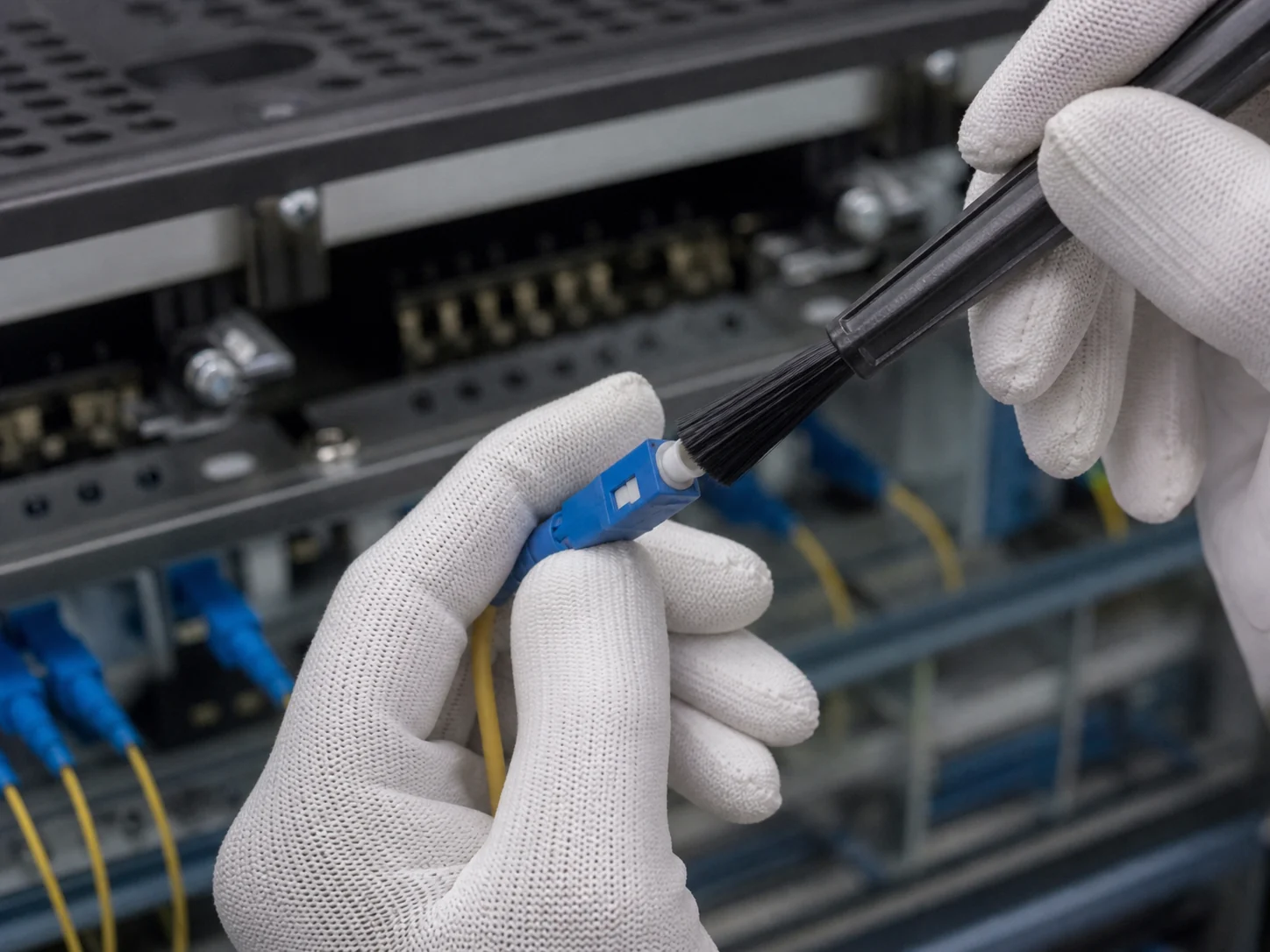
At a glance
- Cleaning target
- Dust/Sebum/End-Face Particles/Ferrule Debris
- Working environment
- Cleanroom / Data Center / Telecommunications Equipment Room
- Cleaning method
- Dry Brushing / Wet Brushing
- Requirements to check
- IEC 61300-3-35:2022 End-Face Inspection and Cleaning; Low Shedding; Low Residue
A ferrule end-face is a polished optical surface a fraction of a millimetre across, so cleaning is about lifting one particle off centre without leaving residue or touching the polish.
What makes Fiber Optic Connector End-face Cleaning different from other electronics and precision cleaning?
The task is to remove Dust/Sebum/End-Face Particles/Ferrule Debris while controlling surface damage, residue carryover, brush shedding and chemical or temperature degradation.
The work happens in cleanroom, data center and telecommunications equipment room against dust, sebum, end-face particles and ferrule debris.
The part people get wrong: the residue tells you the filament, but the access opening tells you the construction. Get them in that order and the shortlist is short.
What are the most common cleaning targets in Fiber Optic Connector End-face Cleaning?
5 targets, each with its own opening, residue and contact requirement.
| Part or area | Residue type | Cleaning requirement |
|---|---|---|
| LC and SC Ferrule | Dust, Sebum, End-Face Particles, Ferrule Debris | The brush must concentrate contact on a small feature without touching the surrounding surface. |
| MPO and MTP Multi-Fiber | The head must reach the working face and apply even contact without marking the surface. | |
| Bulkhead Adapter | ||
| Patch-Cord Endface | ||
| Expanded-Beam Connector |
What the equipment leaves you to work inside:
| Parameter | Typical range |
|---|---|
| Contaminant | Dust/Sebum/End-Face Particles/Ferrule Debris |
| Required hardness | Soft |
| Maximum temperature | 85°C |
| Chemical exposure | 99% Isopropyl Alcohol; No Added Medium |
| Cleaning method | Dry Brushing/Wet Brushing |
| Environment | Cleanroom/Data Center/Telecommunications Equipment Room |
Which brush types work for each cleaning target?
Two geometries cover all five: a fine hand-guided head for anything with an exposed end-face, and a small bore brush for the adapter sleeve you cannot see into.
| Cleaning target | Recommended brush type | Why it fits |
|---|---|---|
| LC and SC Ferrule | Handheld Detail Brushes | A fine hand-guided head places controlled contact on the ferrule endface, where any lateral load or abrasive action would scratch the polish. |
| MPO and MTP Multi-Fiber | A hand-guided head works across the multi-fiber array evenly, so every fiber in the row gets the same light contact. | |
| Bulkhead Adapter | Tube & Pipe Bore Brushes | A small bore brush enters the adapter sleeve and cleans the internal alignment surfaces a hand-guided head cannot reach. |
| Patch-Cord Endface | Handheld Detail Brushes | A fine hand-guided head cleans the endface in place without disturbing the connector body or the cable strain relief. |
| Expanded-Beam Connector | A hand-guided head cleans the expanded-beam lens face with controlled pressure, since the optical surface marks easily. |
Four are hand tools used at the connector; the one bore brush enters the bulkhead adapter sleeve, the only place here a hand tool cannot reach.
In practical brush terms: match the construction to the access before anything else. A geometry that cannot reach the target will not be rescued by a better filament.
What filament materials work best for Fiber Optic Connector End-face Cleaning?
Microfibre, and it has to be lint-free — a single fibre left on a ferrule end-face fails the same inspection the cleaning was meant to pass.
| If the condition is… | Filament to start with | Why |
|---|---|---|
| End-face inspection after cleaning | Microfiber | lint-free, because one stray fibre fails the inspection the cleaning was for |
| 99% IPA wet-then-dry cleaning | Microfiber | wets and releases without leaving residue on the ferrule |
What the duty rules out before you start comparing grades:
| Constraint | Value for this application |
|---|---|
| Filament hardness | Soft |
| Maximum service temperature | 85°C |
| Chemical exposure | 99% Isopropyl Alcohol; No Added Medium |
| Cleaning method | Dry Brushing, Wet Brushing |
How do I choose the right brush for my fiber optic connector end-face equipment?
Start with soft fill, an 85°C ceiling and 99% isopropyl alcohol, then let the connector type decide whether a brush is the right tool at all.
Work through it in this order:
- Identify the target part and measure the access opening or clearance
- Describe the residue: what it is, how thick it sits, and how strongly it holds
- Choose the construction that can physically reach that target
- Set the filament from surface risk, working temperature and cleaning chemistry
- Fix filament diameter, free trim length and density for the contact pressure you need
- Run one cycle and check the result before committing to a production quantity
Before you commit to a quantity, send the connector type, the ferrule diameter, and whether the connection is bulkhead or patch-cord.
When is a fiber optic connector end-face brush the wrong tool?
Cassette cleaners and one-click tools are the standard method and are far more repeatable than any brush. A scratched, pitted or cracked end-face is re-terminated or replaced, because no cleaning restores a damaged polish.
What common mistakes should I avoid in Fiber Optic Connector End-face Cleaning?
- Asking for a brush when the connector type — LC, SC or MPO — decides a cassette or one-click tool instead
- Changing the filament while leaving excessive engagement, poor alignment or no discharge path unchanged
- Copying a worn brush without first recording its motion, direction, mounting and original working diameter
If the brush is already in service and the result is wrong, work from the symptom:
| Symptom | What to change |
|---|---|
| Residue remains | Increase discharge or relative motion before adding pressure |
| Surface marks | Reduce engagement and use finer/softer fill |
| Rapid wear | Check alignment, temperature and chemical attack |
| Redeposition | Add wash, vacuum or collection path |
Guides that go deeper on this
Continue Exploring
Recommended Reading & Related Brush Resources
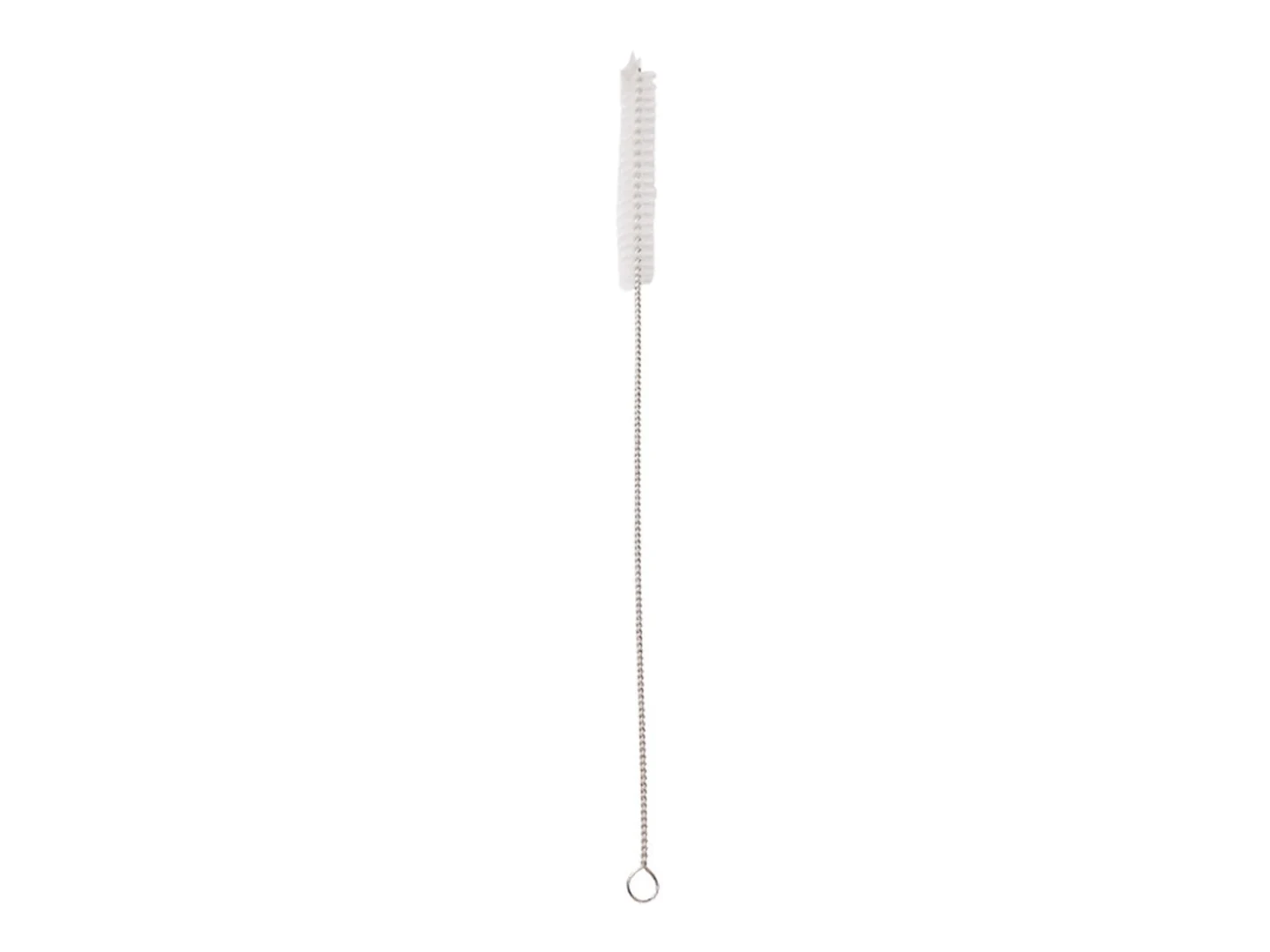
Fiber Optic Connector Cleaning Brush
Precision soft-bristle brush for cleaning 0.6 mm guide pin holes in fiber optic connectors.…
See the specification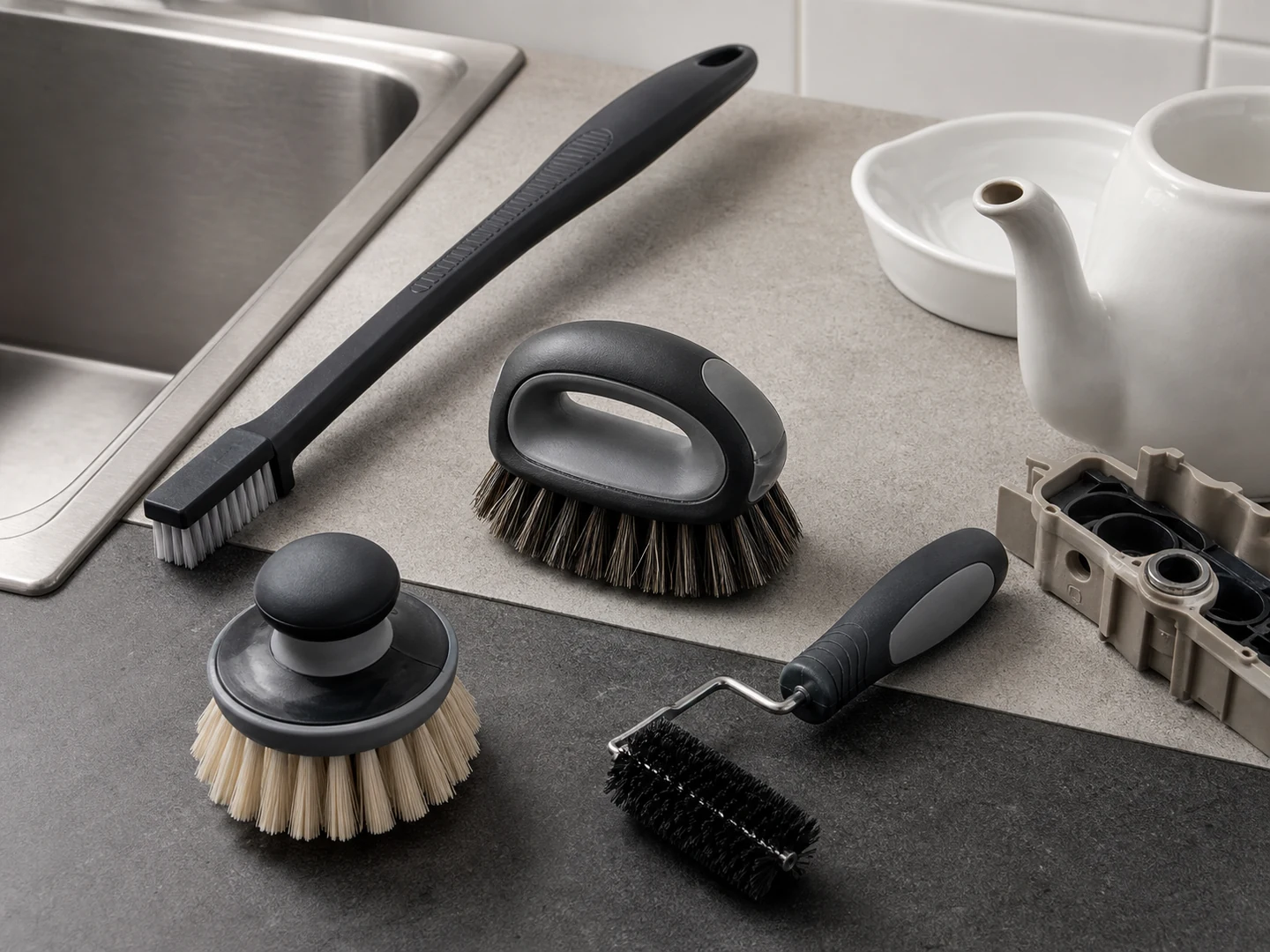
Custom Handheld Detail Brushes
Choose a handheld detail brush when you need direct control in seams, recesses, fittings,…
See how this type is built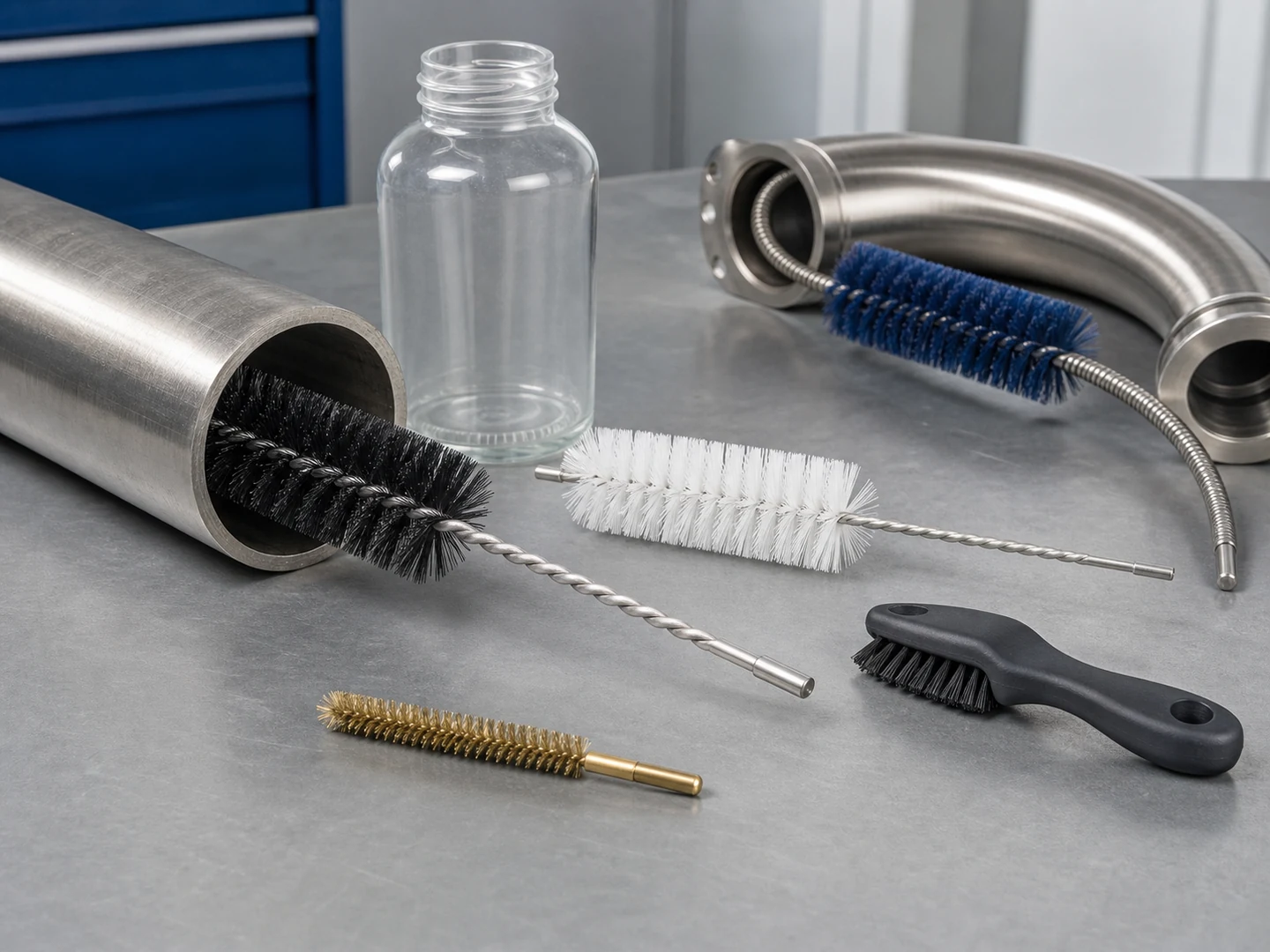
Custom Tube & Pipe Bore Brushes
Choose a tube, pipe, or bore brush when the working surface is inside a…
See how this type is built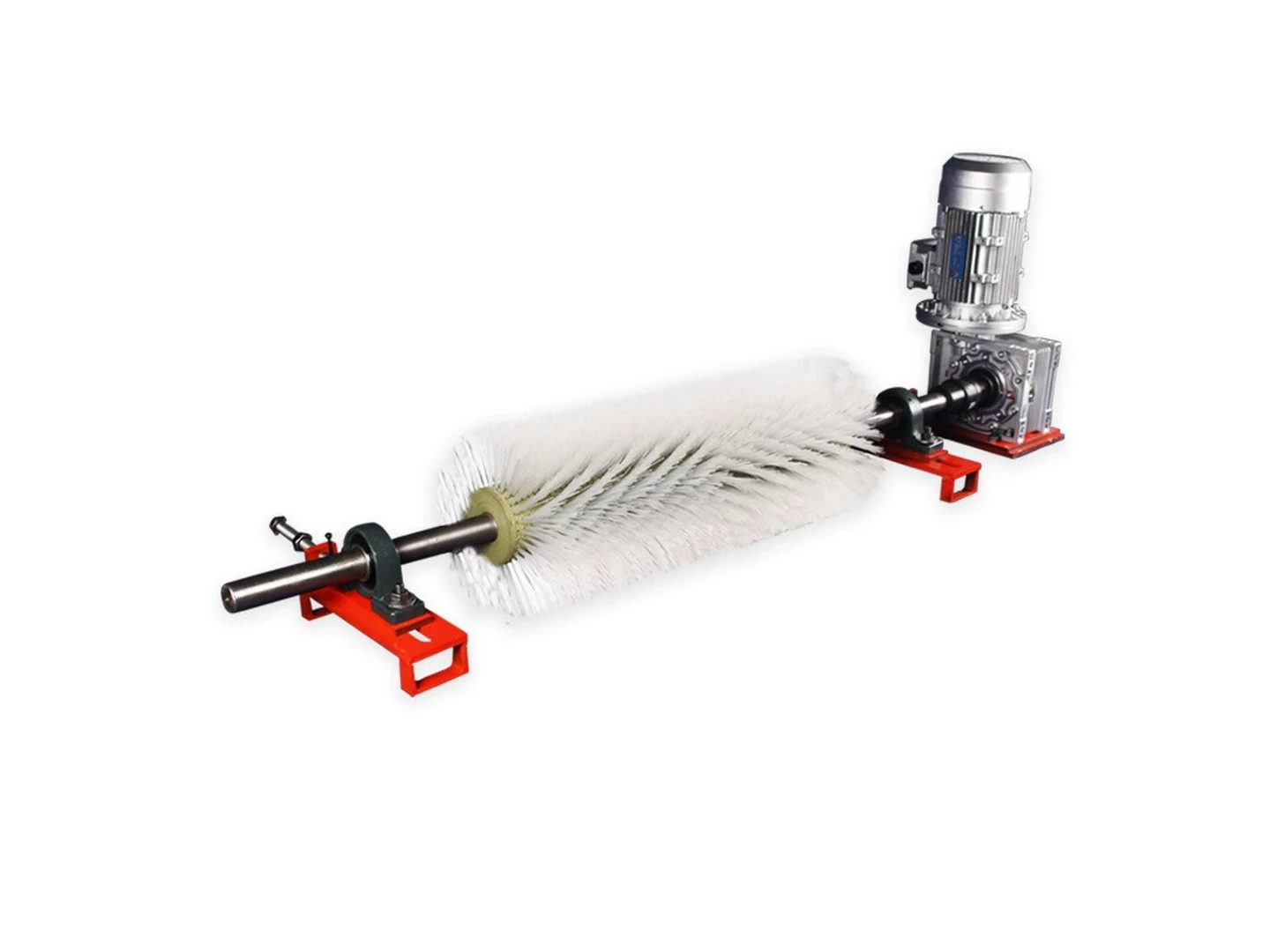
Custom Roller and Conveyor Brushes
Choose a roller or conveyor brush when a cylindrical brush must clean, wipe, guide,…
See how this type is builtCustom Manufacturing RFQ
Discuss This Application
Share the working surface, residue, dimensions, material direction, interface, quantity and drawing or sample photo.
Custom Brush RFQ
Request a Custom Cleaning Brush Quote
Upload a drawing, product photo, or sample photo and provide the core dimensions and cleaning conditions.
“We need a brush to remove wet residue from a stainless steel conveyor, about 800mm wide. The current brush wears quickly. We can send photos.”
“We sell drinkware and need a cleaning brush to include with the product. Quantity around 5,000 pieces.”