
Custom Cleaning Brush
Dishwashing Brush
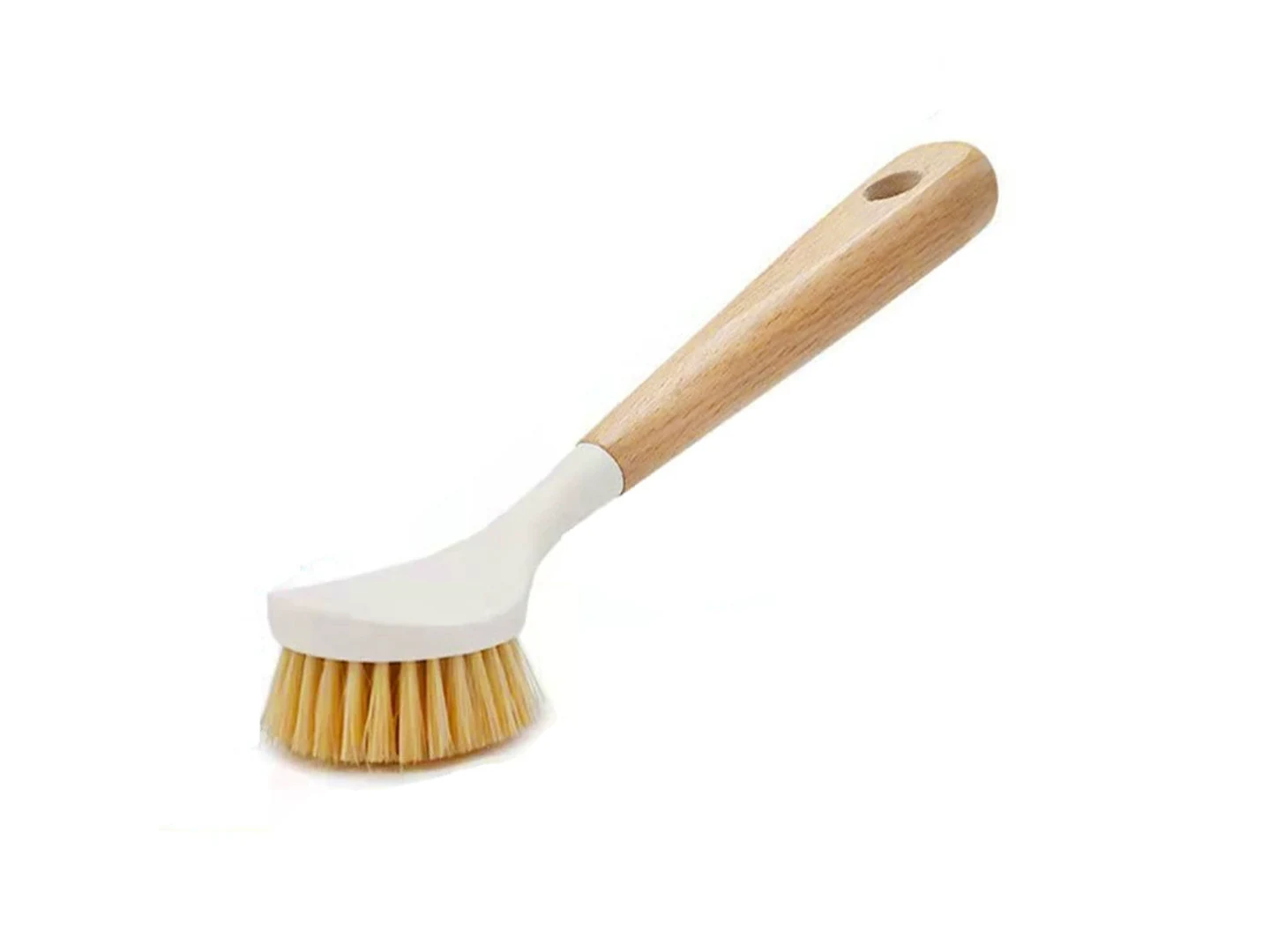
Manual dishwashing brush with nylon, PBT, or PP fill for plates, cookware, glasses, and sink details. Customize head width, trim, handle, and packaging.
Small brush
500 pcs
Minimum order
Held in one hand: tube, bottle, detail and swab brushes — including long-handled ones with a small head.
Production lead time, once the specification is confirmed
- Up to 500 pcsWithin 7 days
- 501–50,000 pcsWithin 14 days
- Over 50,000 pcsWithin 21 days
Peak season can extend these times; the shipping date is confirmed in writing with your quotation. Sampling and shipping are quoted separately.
A hand-guided dishwashing brush with a shaped filament head and a comfortable handle, built for daily washing of plates, bowls, glasses, cookware, and utensils. The fill material, trim length, and head width are selected to match the surfaces and residue your kitchens and customers actually work with.
What can this brush do for you?
Filament Pattern Reaches Rims, Undersides, and Utensil Crevices
The fill is laid out in dense rows across the head face, with filament tips trimmed to a working length that keeps pressure on the contact zone instead of folding flat. Plate rims, cup bottoms, fork tines, and the inside edges of bowls get direct tip contact without switching to a sponge or a separate tool.
Grease and Food Film Release During the Rinse
Nylon and PBT filaments absorb very little water and do not retain fats the way natural fiber does. Detergent stays in the working zone, loosened grease moves off the filament ends, and the brush rinses clean with less odor buildup between uses.
Hot Water Does Not Collapse the Brush Head
PBT fill holds its stiffness in sustained hot-wash conditions, while nylon PA6 and PA6.12 provide a firm, quick-drying contact for daily sink use. This means the brush keeps the same scrubbing feel at the end of a stack of greasy pans as it did at the start.
Handle Keeps Hands Out of Hot Water and Soap
The handle length is selected so the operator grips above the water level while the head reaches into deep pots and sink corners. A wet-grip overmold can be added for commercial dish stations where hands stay wet for hours.
Non-Scratching Contact for Coated and Delicate Surfaces
Finer filament diameters and softer PP fill produce a flexible tip contact that removes film without marking nonstick coatings, anodized aluminum, or printed surfaces. For stainless and porcelain enamel, stiffer nylon or PBT with a shorter trim provides more scraping power.
What is a Dishwashing Brush?
A dishwashing brush is a hand-cleaning tool made from a molded handle and a bristled working head. The operator applies dish detergent to wet surfaces, then works the filament tips across plates, bowls, cookware, and utensils with short push, pull, and rotating strokes. The dense filament fill holds soap and water against the soiled surface while the handle provides the grip and reach.
In our product line, the brush is built from a polypropylene handle and a filled head using nylon PA/PA6.12, PBT, or PP filament selected for the cleaning environment. The head can be a straight rectangular face for plates and trays, a narrower angled face for glasses and mugs, or a contoured head that reaches pan corners and utensil crevices. The working head and handle are designed as one assembly, but the head geometry, trim length, and filament diameter are set by the application.
This is an open-surface manual brush. It cleans the outside of dishes, the inside of wide bowls and pots, and exposed kitchen details. It is not a narrow-passage tool for bottles and tubing, and it is not a substitute for soaking or scraping when carbonized or mineralized deposits have bonded to the surface.
Technical Specifications
| Parameter | Standard Configuration | Project Range / What It Controls |
|---|---|---|
| Fill material | Nylon PA6 or PA6.12 | PP, PBT, or mixed fill; selected for stiffness, hot-water tolerance, and chemical exposure |
| Overall length | 240 mm | 120–450 mm; hand clearance, reach into deep pots, storage space |
| Head width | 40 mm | 20–100 mm; contact area and access to narrow glass or mug interiors |
| Working length | 40 mm | 10–120 mm; how far the filament tips reach from the head base |
| Trim length | 18 mm | 8–40 mm; shorter trim = firmer scrubbing, longer trim = conforming contact |
| Filament diameter | 0.30 mm | 0.20–0.40 mm for dish contact; 0.50–0.80 mm for heavy cookware |
| Handle material / grip diameter | PP, 26 mm grip | PP, TPE overmold; 8–35 mm diameter; hanging hole optional |
| Operating temperature | Up to 80 °C repeated hot-water wash | PBT fill for intermittent 100 °C hot-water contact; continuous-use rating confirmed per fill and handle grade |
| Brush type | Custom Handheld Detail Brushes | |
| How it is driven | Hand-guided | |
| Cleaning target | everyday tableware and glassware, cookware and bakeware, and utensil and small tool cleaning | |
| Surface or part | bowls, utensils, cookware, pans, plates, glass, corners, and pots | |
| Residue or debris | food film, and grease | |
| Mounting / connection | Fixed |
Dimensions and fill parameters are production-selected for each project. Use the application details in your inquiry to set the head width for the narrowest item you need to clean and the trim length for the residue you need to remove.
Where does this brush work best?
- Everyday tableware and glassware: plate faces, bowl rims, cup interiors, and the lip underside where food film collects.
- Cookware and bakeware: nonstick fry pans, stainless pots, sheet pans, and roasting racks; filament stiffness matched to the coating and burned edge residue.
- Utensils and small tools: fork tines, whisk wires, spatula slots, ladle edges, and pastry tools with recessed seams.
- Sink-area and adjacent kitchen details: faucet bases, drain baskets, sink corners, cutting board surfaces, and tile grout lines when a shorter trim and stiffer fill are specified.
- Commercial dish stations and catering prep: manual warewashing support where staff need a durable hand brush that does not fall apart in hot soapy water.
How do I choose the right one?
Match the fill stiffness to the surface and residue
For nonstick, anodized, or soft plastic items, use PP or fine nylon filament with rounded tips, 0.20–0.30 mm, and a medium trim. For stainless, glazed ceramic, enamel, and dried-on food, use PBT or thicker nylon filament, 0.40–0.60 mm, with a shorter trim. If the brush is expected to remove baked-on grease from pan corners, the stiffness should come from filament diameter and trim—not from a longer handle that only adds leverage.
Set the head shape by the narrowest item
Measure the opening of the smallest glass, mug, or container the brush must enter. The head width should be no more than that opening minus clearance for the handle angle. A 20–30 mm head cleans glasses and travel mugs; a 50–80 mm head covers plates, trays, and sheet pans more quickly. Angle the head when users scrub a pan wall while holding the handle horizontally.
Set the trim length for the type of contact you need
Longer trim, 25–40 mm, conforms around curved rims and reaches recessed bases. Shorter trim, 8–15 mm, resists bending and applies firmer tip pressure for grease films and limescale. The working length should place the filament tips on the soil line without letting the plastic head base contact the dish.
Choose the handle for the work environment
A straight PP handle with a 24–30 mm grip is right for residential and light commercial use. Add a TPE overmold or textured grip for wet hands and continuous dish-station work. Specify a longer 350–450 mm handle only when users must reach into deep stockpots without submerging the hand; the increased leverage can make the brush feel harsher on delicate surfaces if the fill is too stiff.
When a dishwashing brush is the wrong tool
Use a wire or abrasive brush when the residue is carbonized, rusted, or mineral scale that has hardened. Use a bottle brush for narrow-neck containers and tubing. Use a deck scrub brush for floors and large flat areas. A dishwashing brush is the right fit for open, accessible dishware and kitchen tools where controlled filament contact and surface preservation matter.
Can I customize this brush?
Dishwashing brushes are project-configured because head access, grip, and filament feel vary by kitchen. We can adjust the following to your product program:
- Head geometry: rectangular, oval, angled, contoured, or a head with a molded scraper/detail tip; width and working length project-set.
- Filament system: nylon PA6/PA6.12, PBT, or PP; diameter 0.10–0.80 mm; straight, crimped, or mixed; trim length 8–40 mm; color and fill density.
- Handle: PP, TPE overmold, texture, hanging hole, grip diameter, overall length, ergonomic or straight shape.
- Marking and color: custom handle color, pad print, laser marking, molded logo, or in-mold label.
- Packaging: bulk, polybag, hanging card, display carton, retail sleeve, or project-specific packing.
To define the configuration, provide the surface materials, the toughest residue the brush must remove, hot-water or chemical exposure, the narrowest opening the head must enter, target overall length, and any packaging or marking requirements. A drawing, competitor sample, or photograph of the use site speeds up the design review. If your project requires material documentation, inspection support, or third-party testing, we can assist with those requirements during development.
Which filament survives the cleaning and still lasts on a dishwashing brush?
How do I know if the filament is safe for a nonstick pan?
Run a short test on a hidden area of the pan with normal hand pressure. If the coating shows visible marks or the filament tips leave a haze, the filament is too stiff. Switch to PP or a finer nylon filament and confirm that the tips flex when pressed against the surface rather than standing rigid.
How long should a dishwashing brush last in a busy kitchen?
Inspect the head after each shift: replace the brush when the center bristles stay bent or flattened, when food particles no longer rinse out, or when the handle shows cracks at the head joint. Household brushes may last several months; commercial dish stations often cycle through brushes much faster.
Can the brush be cleaned in a dishwasher or sanitizer?
The standard PP handle with nylon or PBT fill tolerates normal residential dishwasher cycles. For commercial high-temperature sanitation, choose PBT fill and confirm the handle grade against the sanitizer temperature and chemicals. Do not boil the brush unless that condition was specified in the project.
Does brushing remove bacteria from dishes?
No. Brushing removes attached food film and debris so the surface can be rinsed. Bacterial reduction requires the sanitizing or disinfection step in your cleaning process. The brush itself should also be rinsed and dried between uses so it does not become a source of cross-contamination.
What is the best way to store the brush so the bristles don’t bend?
Hang the brush by the handle hole or store it head-up in a draining holder. Do not rest the brush on its bristles with weight on top, and keep it out of standing water. If the head arrives with a protective sleeve, keep the sleeve in place during transport and until first use.
When should someone use a bottle brush instead of a dishwashing brush?
Use a bottle brush when the cleaning area is inside a narrow neck, tube, or vessel where the dish brush head cannot enter freely and the operator cannot see the contact zone. Dishwashing brushes are for open faces, wide openings, and exposed edges; bottle brushes are for internal restricted passages.
Guides that go deeper on this
We have not written a guide specific to this one yet. The material that covers selection, filament, dimensions, maintenance and sourcing is collected in the technical resources library.
RELATED BRUSH RESOURCES
Recommended Reading & Related Brush Resources
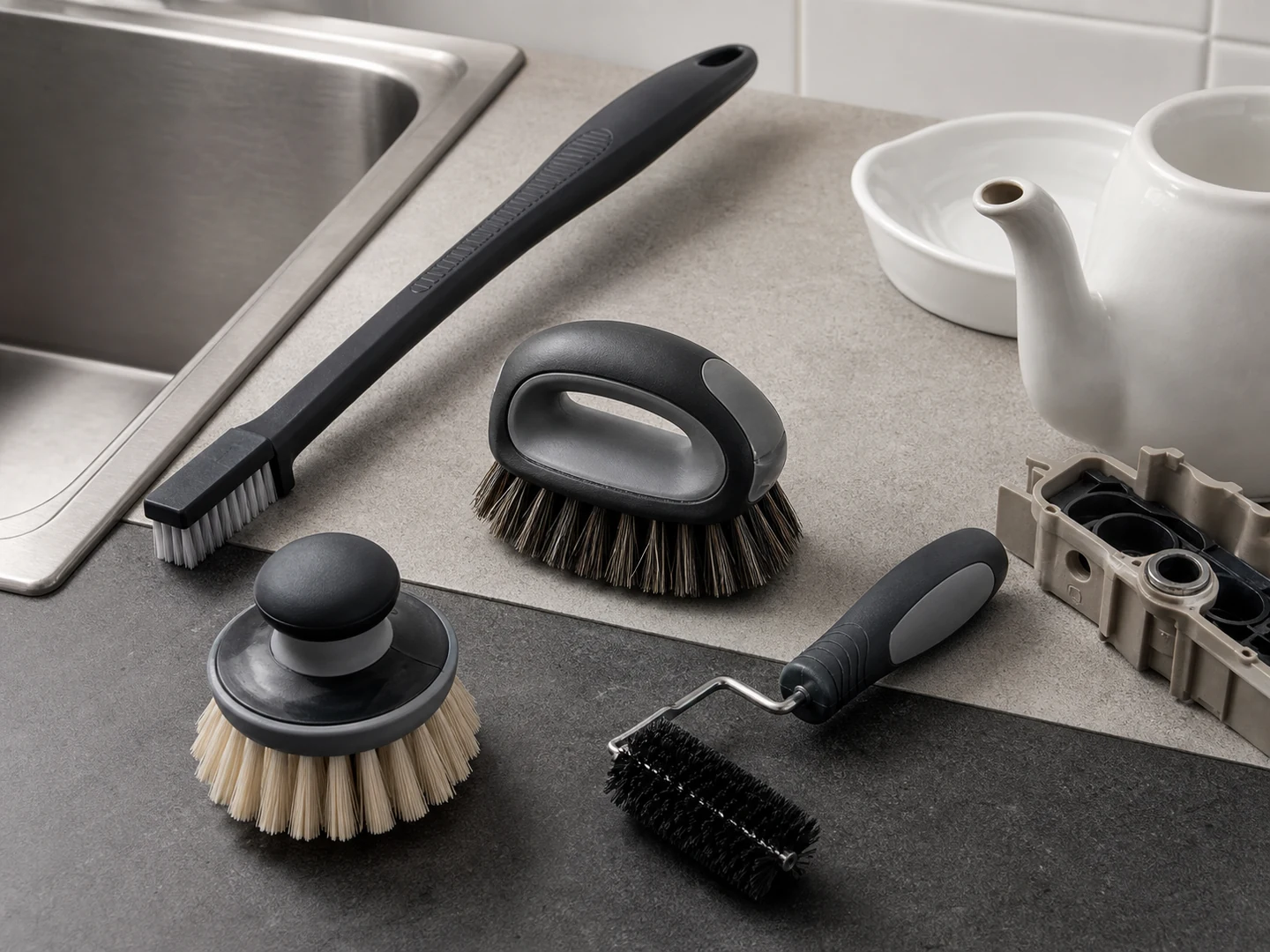
Custom Handheld Detail Brushes
Choose a handheld detail brush when you need direct control in seams, recesses, fittings,…
See how this type is built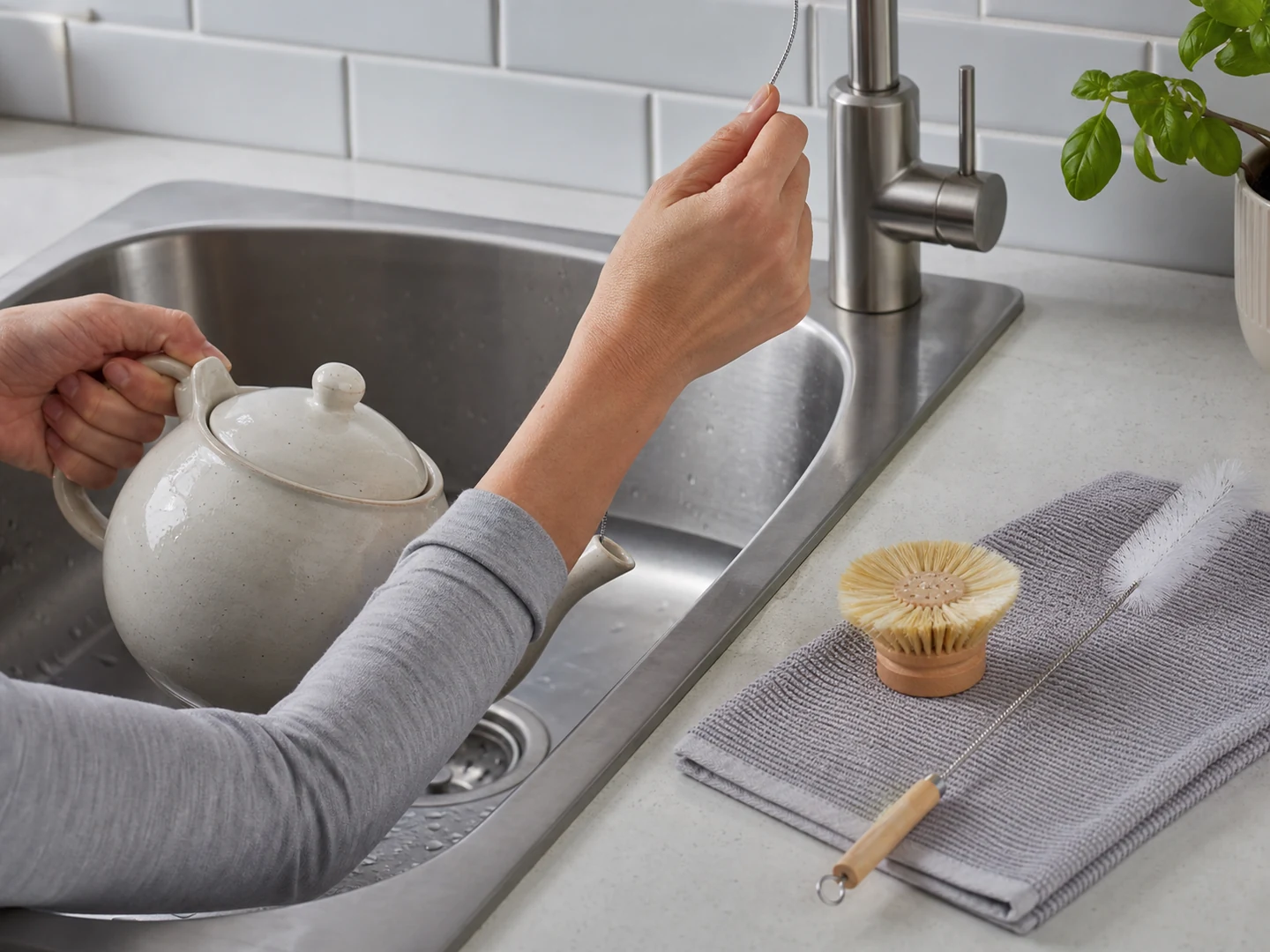
Household Dish, Teapot & Kitchen Detail Cleaning
For Household Dish, Teapot & Kitchen Detail Cleaning, the brush must reach the working…
See the cleaning job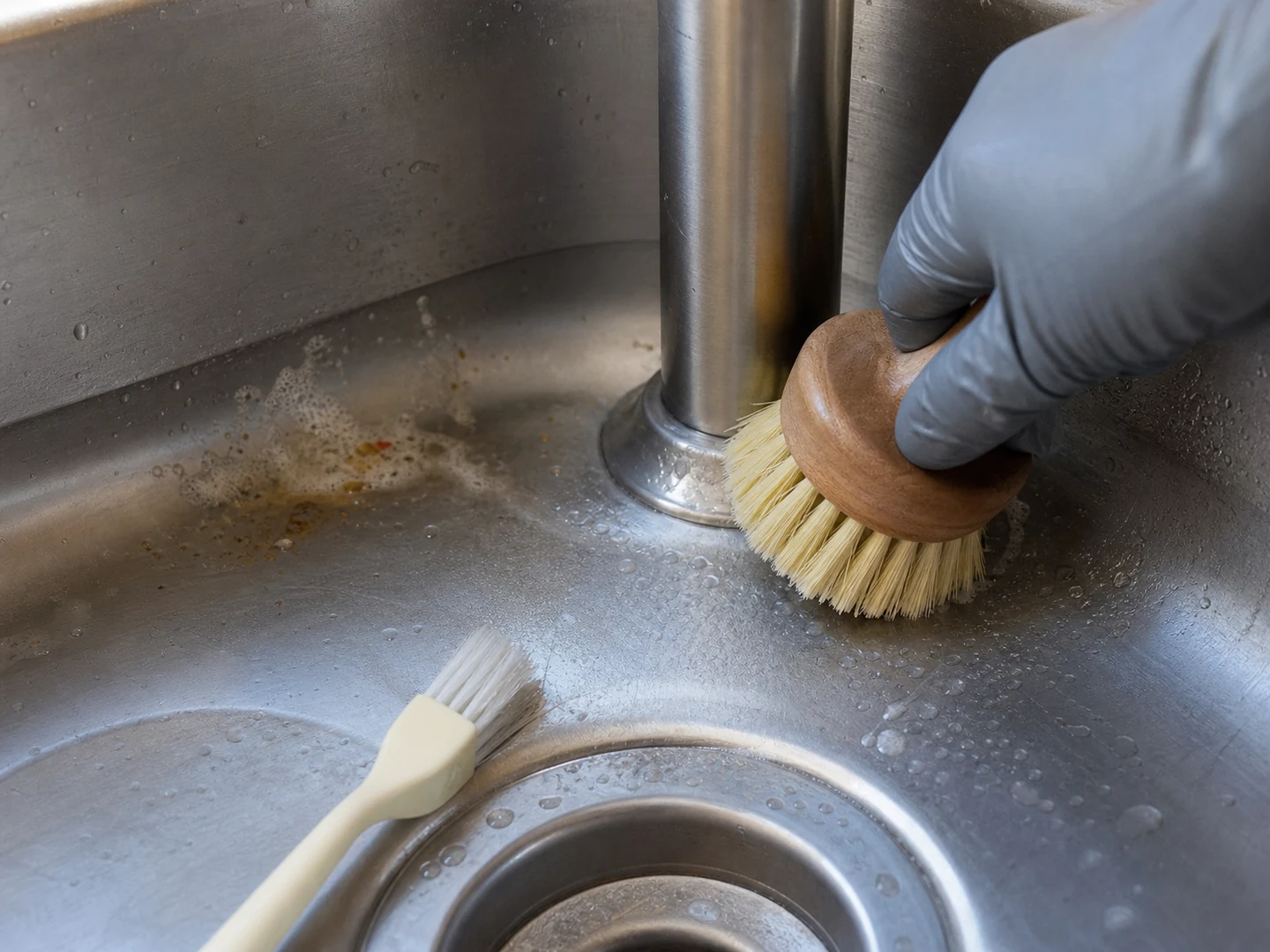
Sink & Kitchen Detail Cleaning
For Sink & Kitchen Detail Cleaning, the brush must reach the working area, disturb…
See the cleaning job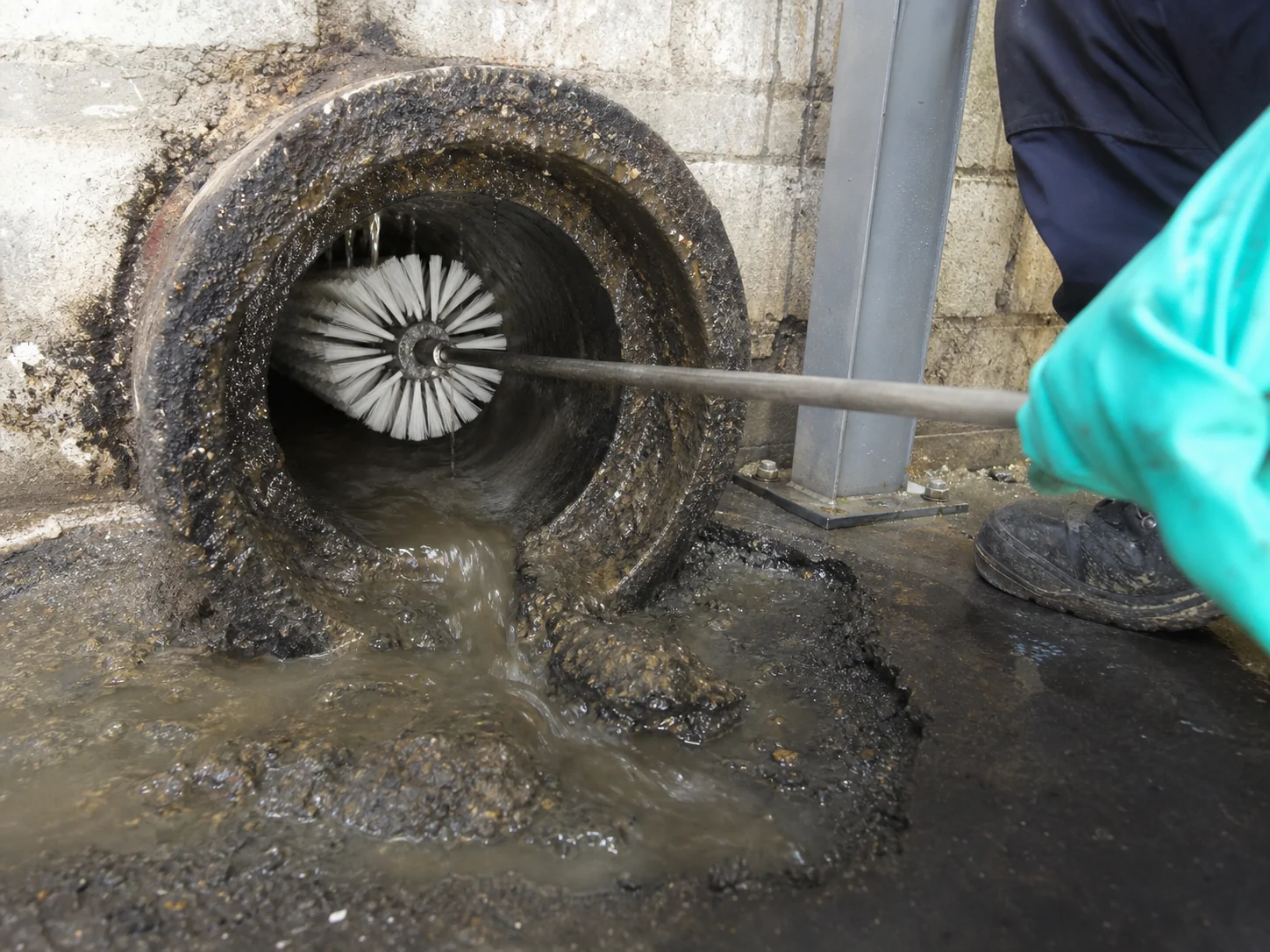
Drain and Sewer Pipe Sludge Cleaning
For Drain and Sewer Pipe Sludge Cleaning, the brush must reach the working area,…
See the cleaning jobCustom Manufacturing RFQ
Describe Your Application
Please share the brush dimensions, working area, residue type, material direction, quantity, and a drawing or photo for quotation.
Drawing or photo optional — it speeds things up, it does not gate the enquiry.
Custom Brush RFQ
Send Your Brush Project
Upload a drawing, product photo, or sample photo and provide the core dimensions and cleaning conditions.
“We need a brush to remove wet residue from a stainless steel conveyor, about 800mm wide. The current brush wears quickly. We can send photos.”
“We sell drinkware and need a cleaning brush to include with the product. Quantity around 5,000 pieces.”