
Custom Cleaning Brush
CNC Tool Cleaning Brush
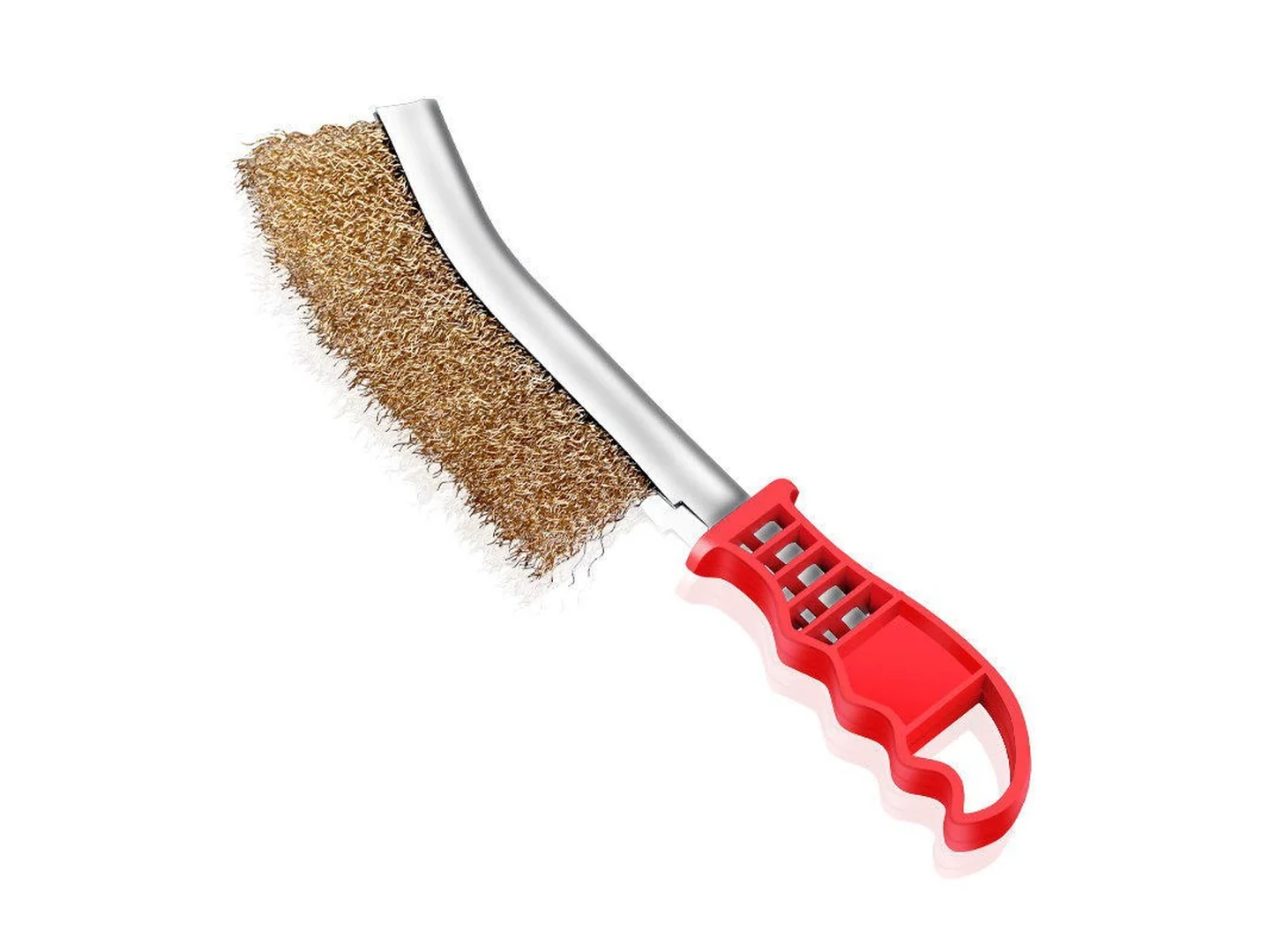
CNC tool cleaning brush with bronze or nylon bristles for ER collets, HSK/BT tapers, spindle noses, and mold surfaces.
Medium brush
100 pcs
Minimum order
Worked with two hands or on a pole: chimney, gutter and pond-filter brushes, discs, cups and tank brushes.
Production lead time, once the specification is confirmed
- Up to 100 pcsWithin 7 days
- 101–5,000 pcsWithin 14 days
- 5,001–50,000 pcsWithin 21 days
- Over 50,000 pcsConfirmed with your quotation
Peak season can extend these times; the shipping date is confirmed in writing with your quotation. Sampling and shipping are quoted separately.
A hand-guided cleaning brush built for CNC collets, tool holders, spindle interfaces, and precision machine-tool surfaces. The compact bronze-wire or nylon bristle head removes chips, coolant residue, oil, and light oxide from tapers, slots, and mating faces without damaging hardened or ground surfaces.
What can this brush do for you?
Penetrate collet slits and taper grooves that wipes and rags cannot reach
The 40 × 15 mm bristle area is sized to enter ER, TG, and similar collet slots, tool-holder keyways, and spindle-nose grooves. Bronze wire bristles slide into these narrow channels and lift out compacted chips, swarf, and dried coolant instead of pushing debris deeper into the seat.
Remove debris without changing the tooling surface
Bronze is softer than hardened tool steel and most carbide surfaces, so it scrapes away contaminants without scratching precision tapers or ground seats. When cleaning aluminum fixtures, coated tool holders, or polished locating faces, the nylon PA bristle option provides a completely non-marring alternative.
Grab release agent, polymer flash, and baked deposits from mold and fixture surfaces
The bristle tips concentrate manual pressure into a small contact patch, which helps dislodge semi-baked release agent, polymer flash, and carbon films from parting lines, vent channels, and textured mold faces. For heavier deposits, a silicon-carbide-impregnated nylon bristle adds abrasive action while still being gentler than steel wire.
Keep your hand clear of sharp edges and rotating components
The 150 mm overall length gives enough standoff to brush chips away from collet slots and tool-holder tapers without placing fingers inside the spindle bore or against cutter edges. The beechwood handle stays firm in gloved hands, even when wet with coolant or oil.
One brush covers the multiple surfaces around a tool-change station
Beyond the tool holder itself, the same brush works on fixture locators, vise jaws, chuck jaws, boring-bar seats, and tool presetter surfaces. A single compact tool handles the small-area cleaning jobs that accumulate at every machine setup and teardown.
What is a CNC Tool Cleaning Brush?
A CNC Tool Cleaning Brush is a hand-held maintenance brush designed specifically for the precision interfaces on machining centers, lathes, and toolroom equipment. It is used before loading a tool into the spindle, after removing it, or during preventive maintenance to clear away anything that could compromise tool runout, clamping force, or repeatability.
The brush consists of a compact bristle bundle mounted into a ferrule on a turned beechwood handle. The bristle area is deliberately small — 40 × 15 mm with 15 mm bristle height — so the operator can direct pressure into collet slits, around tool-holder tapers, and along fixture recesses without displacing adjacent precision surfaces.
During use, the operator draws the bristles across the collet bore, taper, or locating face with short, firm strokes. The wire tips dislodge chips, oil, coolant film, and light oxidation. The brush is not powered and not meant for aggressive stock removal; it replaces rags, compressed-air-only cleaning, or improvised tools that leave debris behind.
Typical users are machine operators, tool crib technicians, setup personnel, and mold-maintenance teams. The brush is most valuable where a contaminated tool interface can cause taper fretting, poor tool life, bad surface finish, or scrapped parts.
Technical Specifications
The following values reflect the standard production configuration. Dimensions and materials can be adjusted to match a specific tooling inventory or cleaning protocol.
| Parameter | Value / Options |
|---|---|
| Overall length | 150 mm (customizable from 120 mm to 250 mm) |
| Bristle area (width × depth) | 40 × 15 mm |
| Bristle height | 15 mm |
| Bristle material | Bronze wire; nylon PA; SiC-impregnated nylon (project-dependent) |
| Bristle wire diameter | 0.10–0.30 mm for bronze; selected by stiffness and residue type |
| Handle material | Beechwood (sealed); alternatives: PP, aluminum, or stainless steel |
| Ferrule | Brass or stainless steel, crimped and sealed |
| Maximum operating temperature | 120°C continuous for wood handle and nylon bristles; bronze withstands higher, but handle limits the practical working range |
| Chemical compatibility | Resistant to common machine coolants, mineral oil, mild alkaline degreasers, and alcohol-based cleaners; avoid strong acids with nylon unless specified |
| Cleaning motion | Manual, linear or short arc strokes; not for powered rotation |
| Brush type | Custom Handheld Detail Brushes |
| How it is driven | Hand-guided |
| Cleaning target | da collet, iso tool-holder taper, and spindle nose and tool-change arm cleaning |
| Surface or part | tapers, fixtures, bores, slots, jaws, parting lines, vents, and textured faces |
| Residue or debris | chips, coolant, oil, release agent, carbon, oxide, polymer flash, and coolant residue |
| Mounting / connection | Fixed |
Bristle trim length and density can be tuned for individual collet families. If you need a longer reach for deep spindle bores or larger collets, the overall length and bristle area can be extended without changing the working principle.
Where does this brush work best?
- ER, TG, and DA collets — cleaning slits and bore surfaces before installing a new tool, especially when coolant dries into the slits and reduces clamping consistency.
- HSK, BT, CAT, and ISO tool-holder tapers — wiping chips, oil, and light oxidation from the critical taper that determines runout and repeatability.
- Spindle noses and tool-change arms — clearing coolant mist residue and fine chips from the surfaces that contact the tool holder during exchange.
- Vise jaws, chuck jaws, and fixture locators — removing packed chips and preservative oil from locating surfaces before part loading.
- Injection-mold parting lines, vents, and textured faces — dislodging polymer flash, release agent build-up, and carbon film from areas that affect part ejection and sealing.
- Boring-bar seats and lathe tool pockets — cleaning the seating surfaces where dirt causes tool height variation and chatter.
- Tool presetter stations — keeping calibration and contact surfaces free of chips and coolant film between tool measurements.
How do I choose the right one?
The correct configuration depends on what you are cleaning, what contaminant is on the surface, and how much surface protection you need.
Start with the bristle material
Bronze wire is the default for hardened steel collets, tool holders, and machine-tool parts. It removes chips, oil, dried coolant, and light rust or oxide without scratching the hardened surface. Choose bronze when the cleaning target is a precision seat or taper and you need more mechanical action than a rag can provide.
Nylon PA is the choice for aluminum fixtures, coated tool holders, polished pins, or any surface where even bronze could leave a visible mark. It also holds up better in humid or water-based coolant environments where bronze might develop a patina that transfers to hands or parts.
SiC-impregnated nylon is for stubborn baked deposits, carbon build-up, or release agent that has hardened on mold surfaces. The abrasive particles increase removal rate while the nylon matrix keeps the contact softer than a wire brush. Use this version when standard bronze or plain nylon is not aggressive enough.
Check the access space
The standard 40 × 15 mm bristle area fits most collet slots and tool-holder keyways. Measure the narrowest opening the bristles must enter. If the slot is narrower than about 3 mm, the bristle bundle may need to be trimmed or a thinner wire configuration selected. If the target area is larger — a full spindle face or wide fixture pocket — a larger bristle area or a second brush with a wider head may be more efficient.
Match the handle length to the work position
The 150 mm overall length is a balance between control and standoff. When cleaning deep in a machine enclosure or reaching into a spindle bore from the side, a longer handle from 200 mm to 250 mm gives better access without putting the operator’s hand near moving components. A shorter handle around 120 mm provides more precise fingertip control for delicate mold work.
Consider the cleaning chemical and temperature
The sealed beechwood handle tolerates coolant, oil, and mild degreaser exposure, but it is not intended for continuous immersion or autoclave cycles. If the brush will sit in a cleaning tank or be used with aggressive solvents, question the handle material — a PP or stainless handle can be substituted. Nylon softens at high temperature; bronze does not. The working environment therefore affects both bristle and handle choice.
When this brush is the wrong tool
Do not use this brush for heavy rust scale, weld spatter, or baked-on carbon thicker than a surface film. Those jobs call for a steel-wire brush, a powered wheel brush, or mechanical cleaning. Do not use it in a drill, die grinder, or CNC spindle — the construction is for hand use only. If the target is a blind hole or very deep internal channel, use a tube brush or pipe cleaner instead, because the flat bristle area cannot be inserted far into a bore. If you need to clean a large flat surface quickly, a wider hand brush or bench brush is more productive.
Can I customize this brush?
This brush is routinely adjusted to match a specific tooling family or plant maintenance procedure. To define the custom configuration, provide the tooling types (e.g., ER32 collets, HSK63 holders), the residues you need to remove, the cleaning chemicals used, the temperature and humidity in the work area, and the required reach or handle length. A dimensioned drawing or sample of the collet/tool holder helps us hit the right bristle area and trim profile.
We can adjust:
- Bristle material — bronze wire, brass wire, nylon PA, PBT, or SiC-impregnated nylon
- Bristle size and stiffness — wire diameter, filament diameter, trim length, and bristle density for more or less aggression
- Bristle area geometry — width, depth, shape (rectangular, chisel edge, tapered tip, or formed to a specific groove profile)
- Handle — length, diameter, material (beechwood, PP, aluminum, stainless), ergonomic grip, hanging hole, or anti-roll flat
- Ferrule — brass, stainless, nickel-plated, or a molded polymer end cap
- Color and marking — custom handle color, pad print, laser marking, or color-coded bristle for tool-room identification
- Packaging — bulk, individual sleeve, tool-cart kit quantities, or project-specific labeling
If your maintenance protocol requires material declarations, inspection reports, or third-party verification for the bristle and handle materials, we can support those project requirements during the customization process.
Which filament survives the cleaning and still lasts on a CNC tool cleaning brush?
How do I know when the brush should be replaced?
Inspect the bristle area before each shift. Replace the brush when bronze bristles are bent flat, significantly shortened, or no longer spring back after pressure. For nylon, replace when the tips mushroom, melt, or lose stiffness. A brush that cannot reach the bottom of a collet slit or leaves visible residue behind after a normal stroke is already past its useful life.
Will bronze bristles scratch my HSK or BT tool-holder taper?
Bronze is softer than the hardened and ground steel used on tool-holder tapers, so it will not scratch the surface under normal hand pressure. The risk appears when the brush is used on an already-contaminated surface with hard chips embedded in the bristles. Clean the brush regularly and avoid dragging loose carbide or hardened steel particles across the taper.
Can I clean the brush after use, or is it disposable?
The brush can be cleaned. Rinse the bristles with solvent or warm soapy water to remove coolant and oil, then air-dry with the bristles pointing down. Do not soak the beechwood handle for extended periods. If the bristles are heavily loaded with embedded chips that cannot be flicked out, it is time to replace the brush rather than trying to pick them out by hand.
Does this brush work for cleaning a spindle taper while the machine is running?
No. The brush is designed for manual cleaning only when the spindle is stopped and the machine is in a safe, locked-out state. Never insert any hand tool into a rotating spindle or tool-change mechanism. Follow your machine builder’s lockout/tagout procedure before cleaning spindle bores or tool-holder interfaces.
What is the best way to remove dried coolant from collet slits?
Brush the slit in line with its length first, then across at an angle. If the coolant has dried into a hard film, apply a mild alkaline cleaner or warm water to soften it before brushing. Avoid scraping with a hardened steel pick, because that can damage the slit edges and affect collet closing force. If the film does not soften, consider the SiC-nylon bristle version or a dedicated solvent.
Is one brush enough for an entire toolroom, or do I need separate brushes for different materials?
It depends on cross-contamination risk. If the same brush is used on aluminum and steel without cleaning, aluminum particles can transfer to steel surfaces and cause galvanic or cosmetic issues. For most toolrooms, one bronze brush for ferrous tooling and one nylon brush for nonferrous or coated surfaces is a practical baseline. Color-coded handles or bristle colors are an easy way to keep them separated.
Guides that go deeper on this
RELATED BRUSH RESOURCES
Recommended Reading & Related Brush Resources
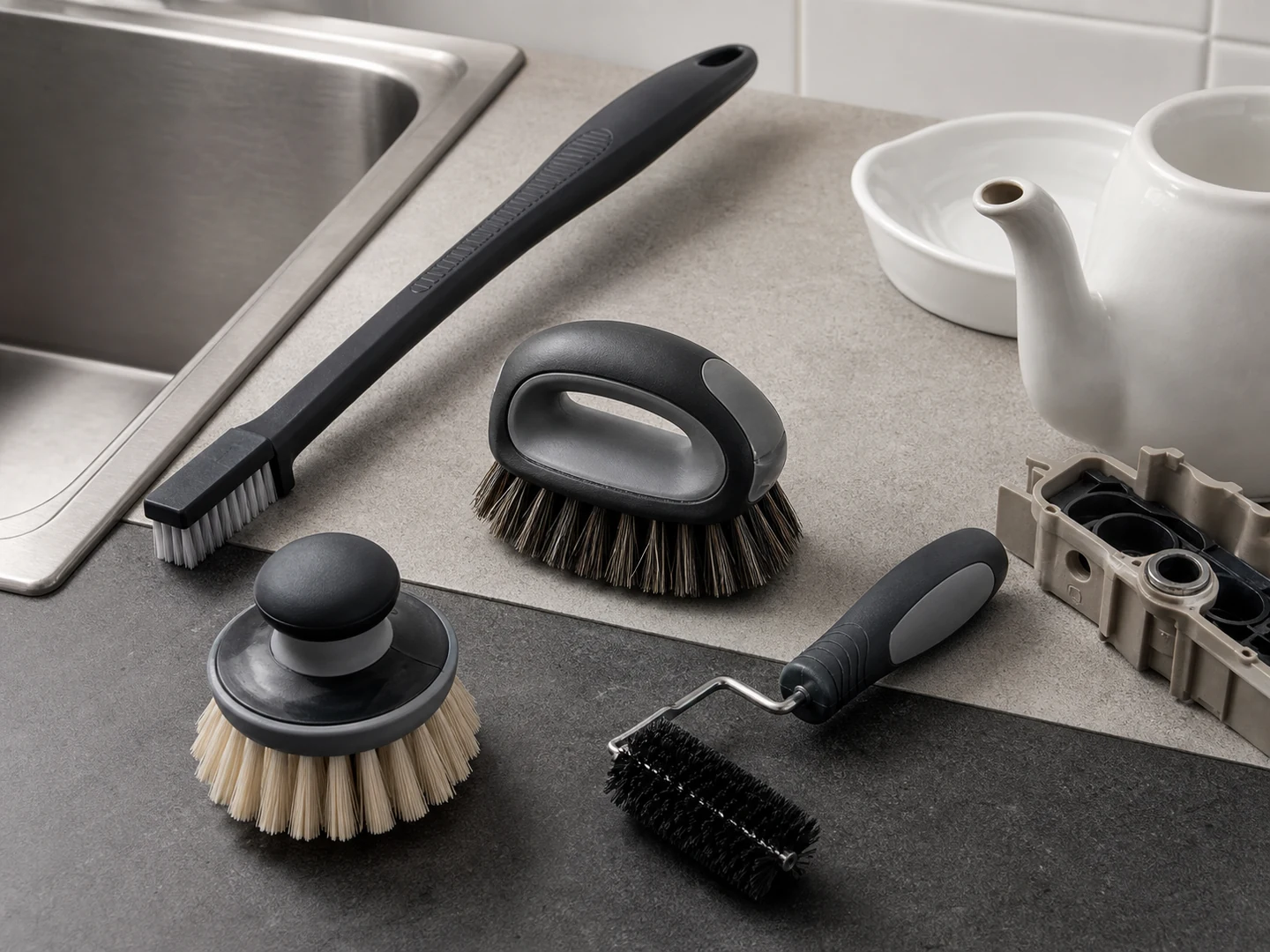
Custom Handheld Detail Brushes
Choose a handheld detail brush when you need direct control in seams, recesses, fittings,…
See how this type is built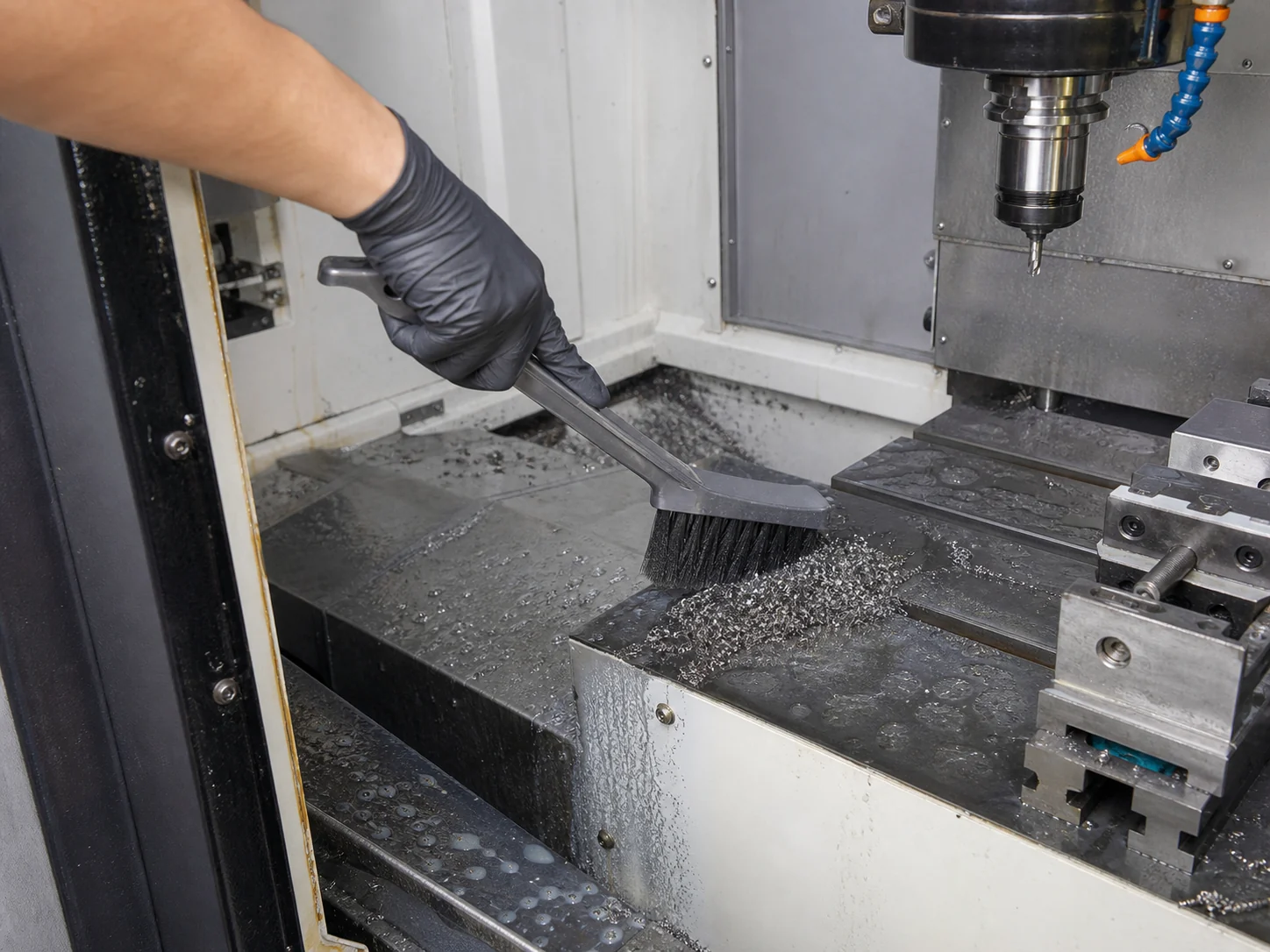
CNC Machine Chip Cleaning
For CNC Machine Chip Cleaning, the brush must reach the working area, disturb or…
See the cleaning job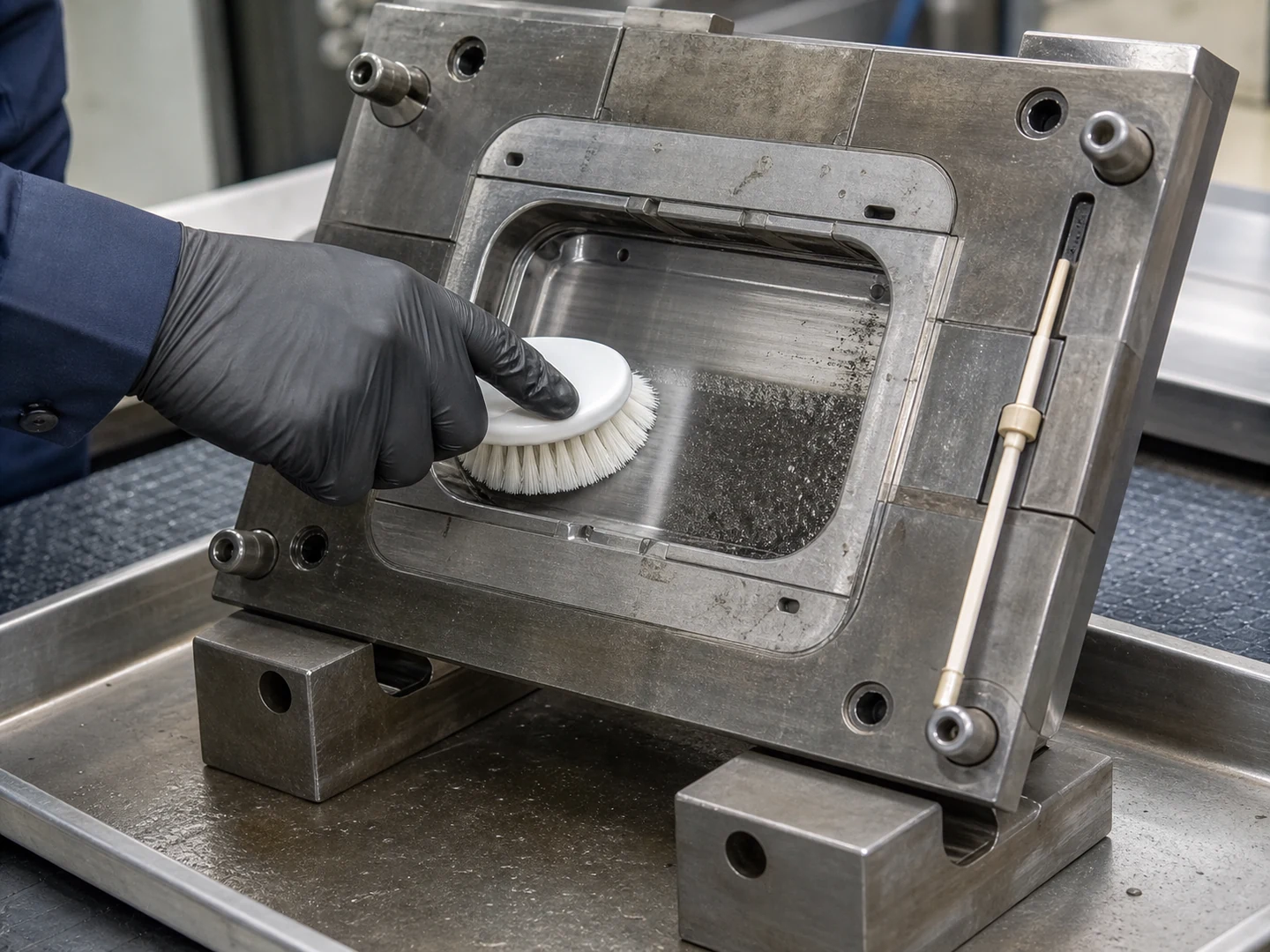
Mold Cavity Cleaning
For Mold Cavity Cleaning, the brush must reach the working area, disturb or collect…
See the cleaning job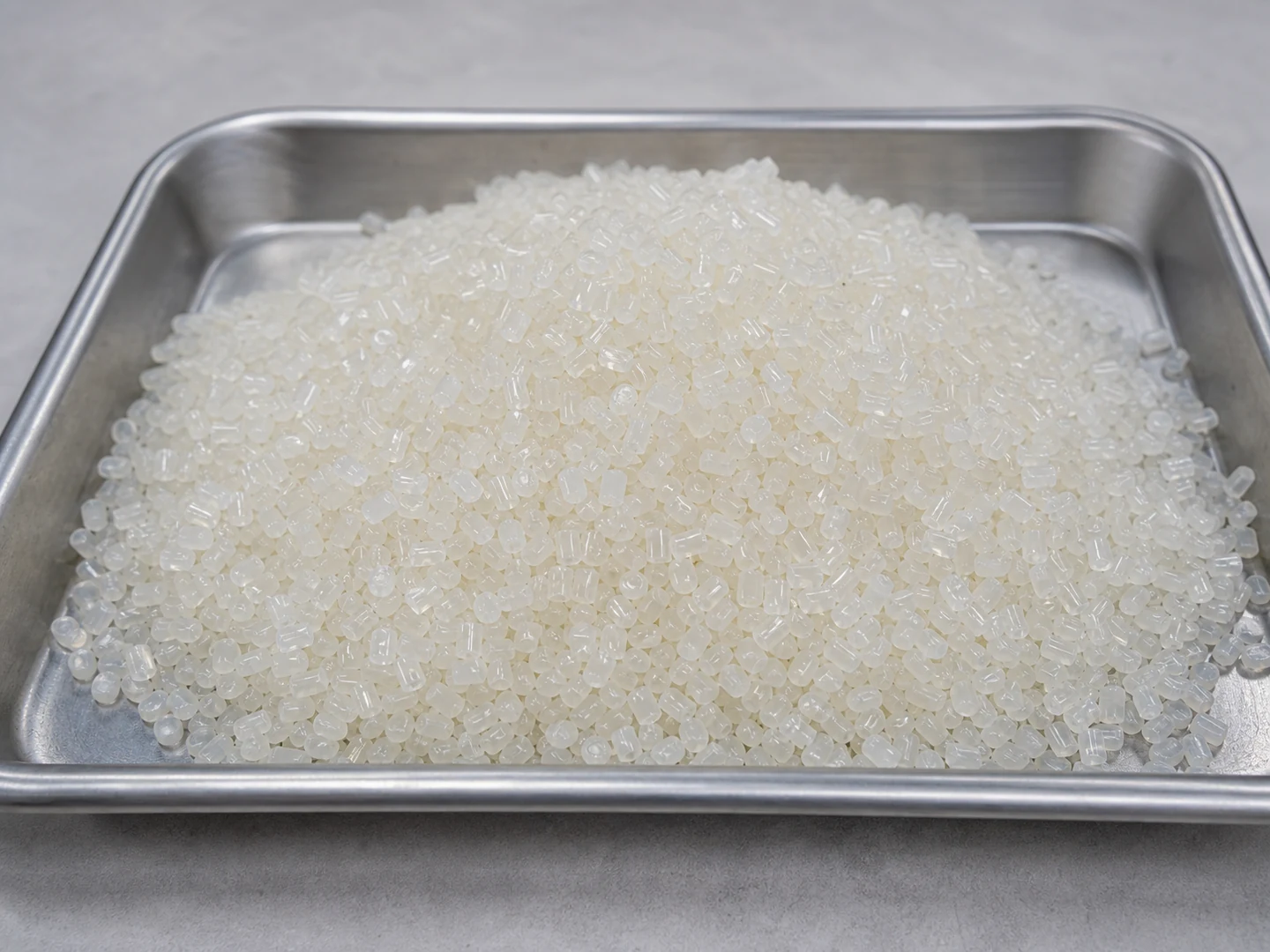
Nylon PA
Choose Nylon PA based on its stiffness, recovery, wear, wet-service, chemical, and temperature behavior.
Compare this materialCustom Manufacturing RFQ
Describe Your Application
Please include the main sizes, application, residue, preferred material, interface, quantity, and any drawing or sample available.
Drawing or photo optional — it speeds things up, it does not gate the enquiry.
Custom Brush RFQ
Send Your Brush Project
Upload a drawing, product photo, or sample photo and provide the core dimensions and cleaning conditions.
“We need a brush to remove wet residue from a stainless steel conveyor, about 800mm wide. The current brush wears quickly. We can send photos.”
“We sell drinkware and need a cleaning brush to include with the product. Quantity around 5,000 pieces.”