What Is a CNC Tool Cleaning Brush?
A CNC tool cleaning brush is a tool used to clean the critical mating surfaces between a machine tool spindle and its tool holders (such as BT, CAT, HSK, or CAPTO interfaces). These brushes remove metallic chips, dried coolant, oil residue, and other contaminants that can compromise clamping accuracy, cause tool runout, reduce machining quality, and damage spindle tapers. They come in various forms, from hand-held manual brushes to automated spindle-mounted systems.
Common Types of CNC Tool Cleaning Brushes
CNC tool cleaning brushes can be grouped by bristle material, shape, and mounting method. Each type targets a specific cleaning need and machine interface.
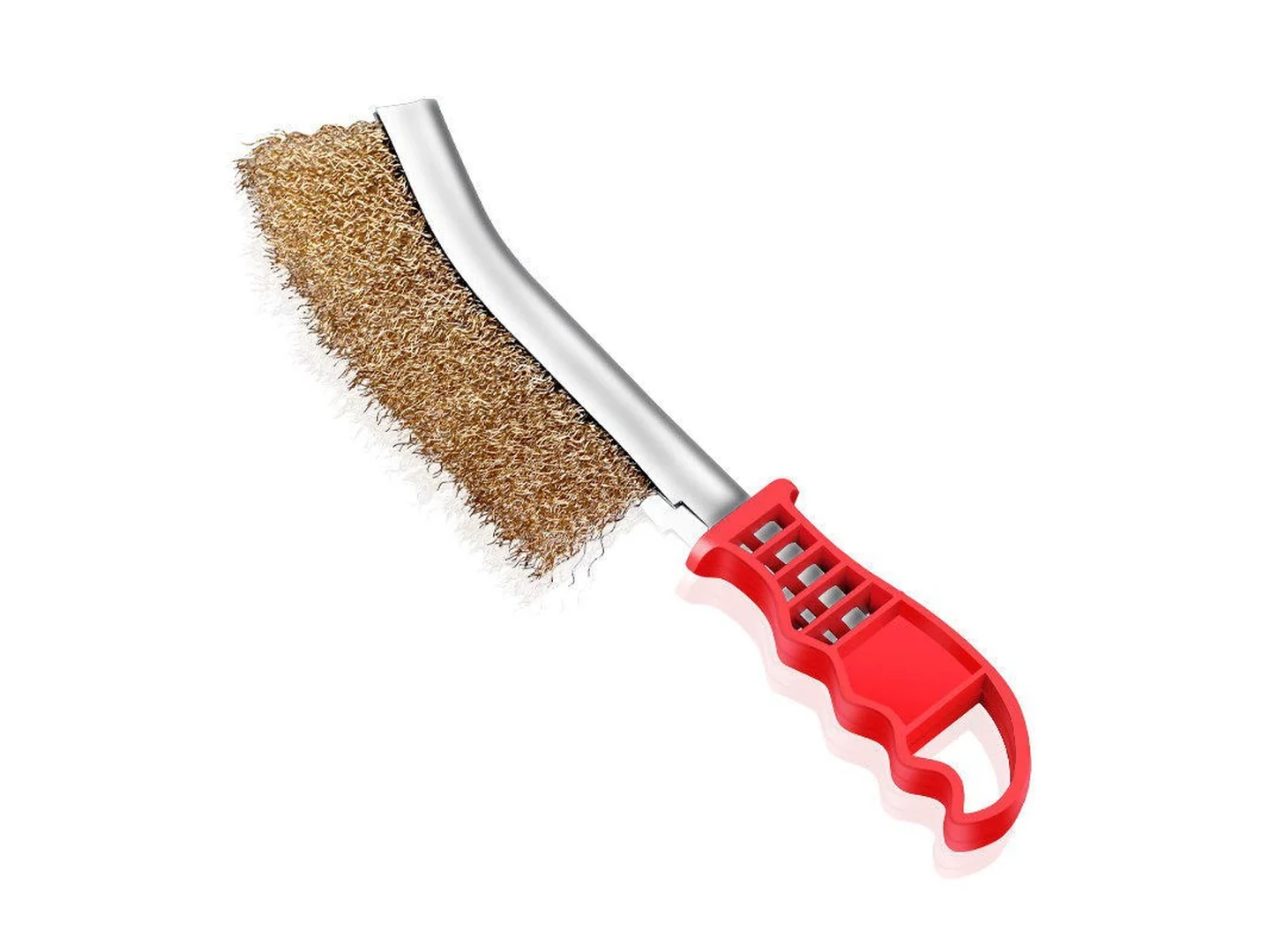
- Bristle materials: Nylon, brass, stainless steel, abrasive nylon (impregnated with grit), natural fiber. Soft nylon is safe for delicate surfaces; brass removes stubborn residue without scratching; stainless steel is for heavy-duty rust and chip removal; abrasive nylon offers light honing.
- Brush shapes: Cylindrical (spindle taper brushes), conical (angled tapers), cup (end-facing surfaces), end brush (small bores and threads), and custom profiles (for special tool holder geometries).
- Mounting methods: Straight shank (for drill chucks or hand-held drivers), arbor hole (for dedicated cleaning stations), quick-change adapters (for automated systems), and manual handles.
Comparison of Common CNC Tool Cleaning Brush Configurations
| Configuration | Bristle Material | Typical Use Case | Key Benefit | Limitation |
|---|---|---|---|---|
| Cylindrical spindle brush | Nylon | Light cleaning of CAT/BT tapers after machining | Non-marring, cost-effective | Ineffective on hard dried coolant |
| Cylindrical spindle brush | Brass | Moderate residue on steel tool holders | Better chip removal, won’t damage tool holder surface | Bristles can bend under heavy pressure |
| Cup brush | Stainless steel | End-face cleaning of tool holder flanges | Aggressive rust and chip removal | Risk of scratching polished surfaces |
| Abrasive nylon brush | Nylon with SiC or Al2O3 grit | Light deburring and surface conditioning of tool holder tapers | Restores smooth finish, extends tool life | Removes small amount of material; not for heavy stock removal |
| Quick-change machine-mounted brush | Nylon or brass | Automated cleaning in high‑volume production | Reduces manual labor, consistent cleaning | Requires compatible quick-change system; higher upfront cost |
How to Choose the Right CNC Tool Cleaning Brush
Consider these factors when selecting a brush for your CNC environment:
- Equipment interface: Match the brush shape and size to the spindle taper standard (e.g., 40-taper, 50-taper, HSK‑63) and tool holder type. A brush that doesn’t fully contact the taper leaves residue in the critical clamping zone.
- Contact surface sensitivity: For coated or polished tool holders, use softer nylon or brass bristles. Reserve stainless steel for uncoated, robust surfaces or heavy contamination.
- Residue type: For light chips and oil, a nylon brush often suffices. For dried coolant or light rust, brass provides better cutting action. For heavy rust or scale, stainless steel or abrasive nylon may be necessary—but test on a sample first.
- Operating environment: In wet environments with continuous coolant, choose corrosion-resistant bristle materials (nylon, stainless steel). In dry machining, the risk of static buildup might influence bristle material choice.
- Replacement cycle: Brushes wear. Nylon bristles can fray; wire bristles can break. Monitor brush condition and replace when bristle density or length diminishes, typically after hundreds to thousands of cycles depending on use. Budget and plan for replacements based on usage frequency.
Common Mistakes to Avoid
- Using a wire brush on sensitive surfaces: Stainless steel bristles can scratch HSK or BIG‑PLUS tapers, leading to poor clamping and runout. Reserve wire brushes for steel tool holders or heavy corrosion removal only.
- Ignoring brush size fit: A brush that is too small won’t clean the entire taper; too large may not enter the spindle or could damage internal features. Always check size against the manufacturer’s specifications.
- Assuming one brush fits all holders: Different tool holder interfaces (CAT vs. HSK vs. CAPTO) have unique geometries. A brush designed for CAT40 will not properly clean an HSK63 taper.
- Neglecting mounting compatibility: If using a powered spindle cleaning tool or quick-change system, ensure the brush mounting matches your machine’s interface. A shank brush may not fit an automatic tool change magazine.
- Cleaning in the wrong direction: Some spindle brushes are designed to rotate in a specific direction to prevent bristle collapse or to eject debris. Always follow the brush manufacturer’s rotational direction guidelines.
When a Standard CNC Tool Cleaning Brush Isn’t Enough
Standard off-the-shelf brushes work for most common tool holder tapers. However, you may need a custom solution when:
- You have non-standard or proprietary tool holder interfaces with complex internal geometries.
- Your application requires very high cleanliness (e.g., aerospace or medical machining) where even microscopic residue is unacceptable.
- You are integrating cleaning into a fully automated cell that demands a specific form factor or mounting pattern not available commercially.
- The residue is extremely hard, chemically bonded, or requires a specialized bristle material with specific abrasive grit or additive.
- You need to clean multiple surfaces in a single operation (e.g., taper, face, and coolant tube) with a brush that combines multiple profiles.
In these cases, consult with a brush manufacturer and provide a drawing or sample of your tool holder and spindle interface. A custom brush can be designed with the exact diameter, bristle layout, stem length, and mounting features required.
Final Takeaway
Selecting the right CNC tool cleaning brush is a balance of bristle aggressiveness, compatibility with your spindle and tool holder geometry, and the residue you typically encounter. Start with the least abrasive material that does the job, ensure correct size and shape, and adopt a regular replacement schedule. When standard options fail, a custom brush based on a precise drawing or sample is the logical next step to protect your precision investment.
Frequently Asked Questions
Can I use a wire brush on my HSK or BIG‑PLUS tool holders?
It is not recommended. Wire bristles can scratch the precision ground surfaces of HSK and similar interfaces, which may affect clamping accuracy and repeatability. Use nylon or brass brushes instead.
How often should I replace a CNC spindle cleaning brush?
Replacement frequency depends on usage and contamination level. Inspect brushes daily for bent, broken, or excessively worn bristles. A good rule of thumb is to replace the brush after every 500–1000 cleaning cycles, or sooner if bristle density is visibly reduced.
What bristle material is safest for carbide tool holders?
Nylon is generally the safest because it is non-abrasive and won’t scratch carbide surfaces. Brass can also be used, but avoid stainless steel and abrasive nylon unless you are certain the carbide can withstand the abrasion.
Do I need different brushes for coolant vs. dry chips?
Often, yes. Coolant residue can be sticky and may require a brush with slightly stiffer bristles (brass) or a cup design to break the film. Dry chips are usually easier to remove with nylon brushes, unless they are packed or magnetic.
How do I measure for the correct brush size?
Measure the largest diameter of the spindle taper or tool holder cavity you need to clean. The brush should be slightly larger (1–3 mm) than that diameter to ensure adequate contact, but not so large that it cannot enter or might bind during rotation.
Can I use a manual brush instead of a machine-mounted one?
Yes, manual brushes are common in low-volume shops. However, they require consistent operator technique and may miss some residue in hard-to-reach areas. Machine-mounted automated brushes provide repeatability and are preferred for high-volume or high-precision applications.
What mounting type works best with automatic tool changers?
Quick-change or tool-holder-style mounting (such as BT or HSK shanks) that can be loaded into the tool magazine like a cutting tool. These allow the machine to automatically pick up the brush, perform the cleaning cycle, and return it to the magazine.
Technical References
Which bristle material fits this job — Nylon PA, AISI 304 Stainless Steel Wire or Abrasive Nylon?
| Material | Continuous temperature (°C) | Peak temperature (°C) | Water absorption | Hardness |
|---|---|---|---|---|
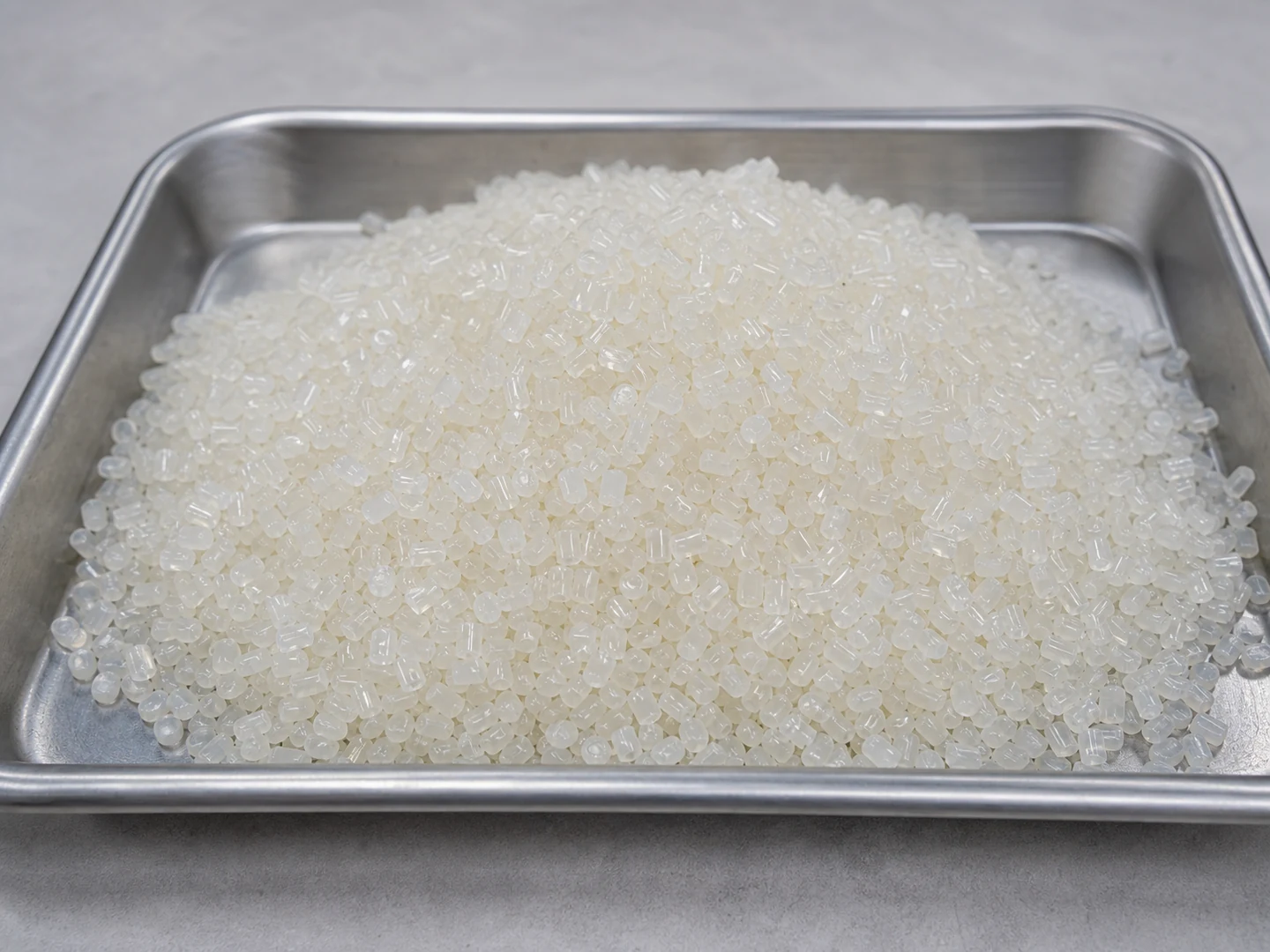
| Nylon PA | 93 | 121 | 0.3–9% by PA grade and conditioning | Medium to firm; filament diameter and trim length control bending force. |
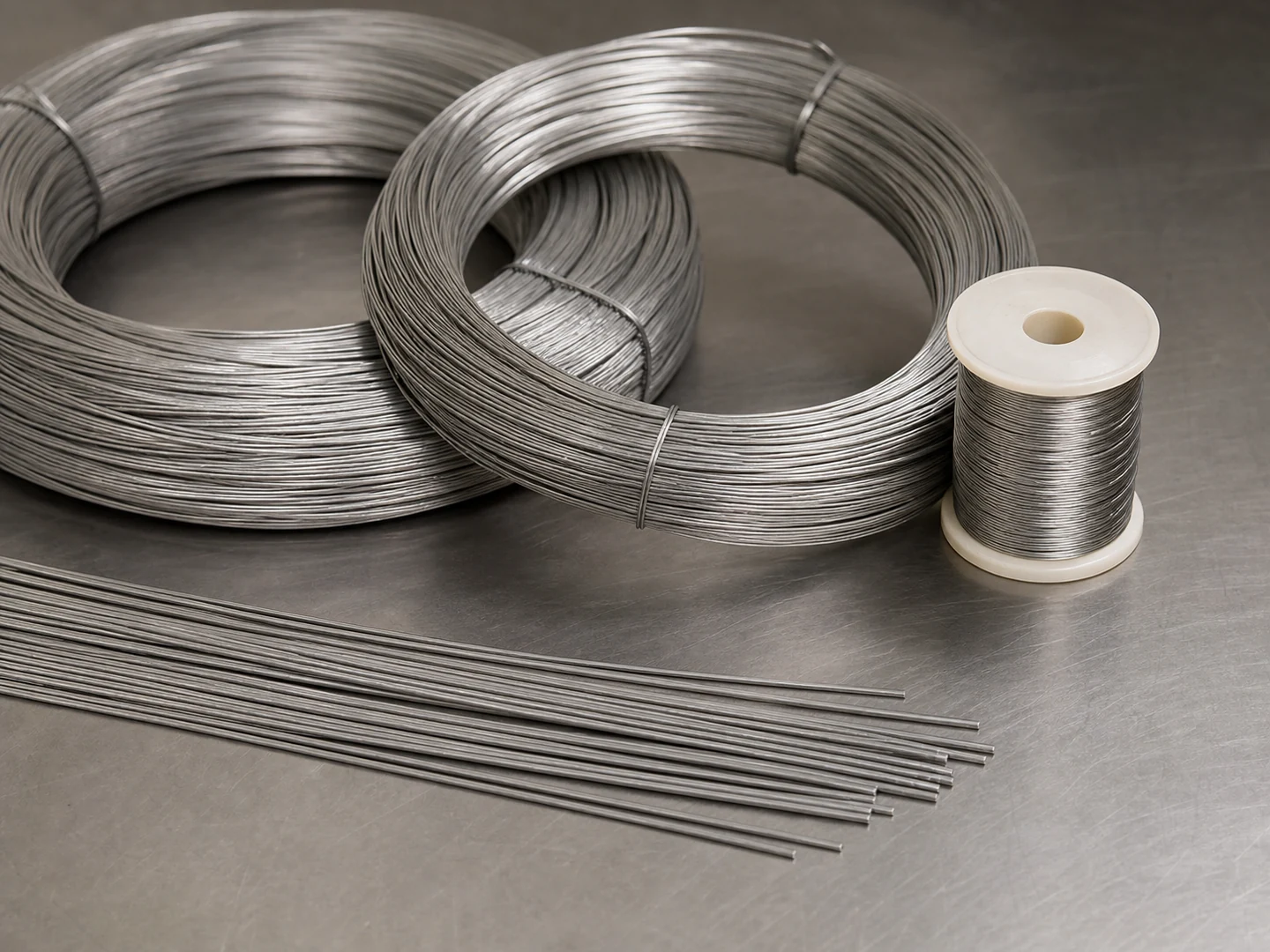
| AISI 304 Stainless Steel Wire | 400 | 500 | 0% | Rockwell B 70–95 depending on temper and cold work |
| Abrasive Nylon | 120 | 150 | 0.1–1.0% | Abrasive filament; stiffness and cutting level is controlled by PA base, grit type, grit size, filament diameter and trim height. |
Figures as published by Brushtec / DuPont; Alleima; Perlon. Confirm the exact grade against the supplier datasheet before ordering.
When are Handheld Detail Brushes the wrong choice for cnc tool cleaning brush?
- Handheld Detail Brushes — Use a tube brush, powered brush, scraper, wipe, sponge, or vacuum when the target is internal, heavily bonded, or highly delicate.
- Nylon PA — The nylon family spans several grades, so heat, moisture and chemical limits should follow the selected PA resin rather than a generic nylon value.
- AISI 304 Stainless Steel Wire — Avoid using AISI 304 as the default in marine, brine, hypochlorite, and persistent chloride environments; use AISI 316 when higher pitting and crevice-corrosion resistance is required.
- Abrasive Nylon — Exposed grit can change a surface finish, and high heat or aggressive chemicals can weaken the polymer carrier.
What should replace Handheld Detail Brushes for cnc tool cleaning brush?
- Handheld Detail Brushes — Handheld detail brushes cover general precision cleaning; auto-detailing brushes impose tighter controls for painted, polished, leather, display, and trim surfaces.
- Nylon PA — Compare Nylon PA with PP, PBT, PET. Change material when wet stiffness, temperature, chemical resistance, conductivity, particle shedding, or surface marking becomes the limiting factor.
- AISI 304 Stainless Steel Wire — Use AISI 316 stainless steel wire for chloride, marine, dairy, beverage, chemical washdown, or higher pitting-resistance requirements. Use carbon steel for dry aggressive cutting and brass or abrasive nylon for lower marking risk.
- Abrasive Nylon — Compare Abrasive Nylon with PP, PBT, PET. Change material when wet stiffness, temperature, chemical resistance, conductivity, particle shedding, or surface marking becomes the limiting factor.