Quick Answer
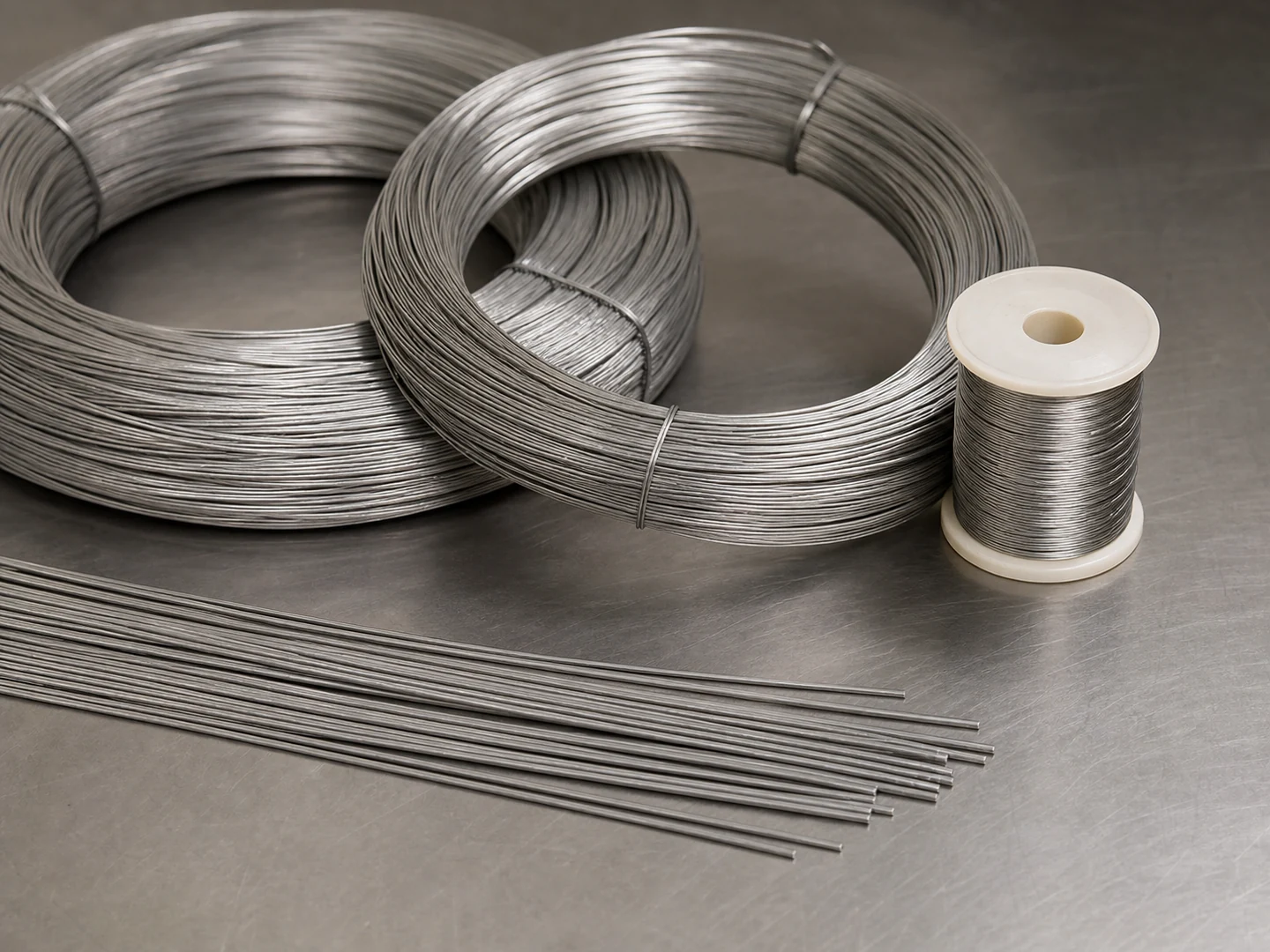
Carbon steel gives strong cutting at low cost on ferrous work. Stainless steel adds corrosion resistance and avoids after-rust on stainless, aluminum, and high-strength alloys. Brass is the softest common metal brush wire for light-to-medium cleaning and luster finishing.
Direct Comparison
| Wire | Published heat limit | Cleaning behavior | Primary cautions |
|---|---|---|---|
| Carbon steel | 148°C | Strong cutting, fatigue resistance, economical rust and scale removal | Can rust and contaminate stainless or non-ferrous work |
| Stainless steel 302/304/316 | 426°C | Corrosion-resistant cleaning, deburring, edge blending, hot and wet use | Once used on carbon steel, do not reuse on stainless work |
| Brass alloy 260 | 260°C | Soft metal contact, light/medium cleaning, luster finishing | Copper/zinc transfer may be unacceptable on some surfaces |
| Phosphor bronze | 260°C | Stronger and longer-lasting than brass; corrosion and flex-fatigue resistance | Higher cost; conductivity lower than copper |
Wire Diameter and Trim
Fine crimped wire gives dense, conformable contact and a finer finish. Straight wire cuts more directly. Coarser wire and shorter trim increase aggressiveness. Before moving to a larger wire diameter, reduce brush loading, correct alignment, and check whether the deposit can be softened or removed with a finer wire at higher relative motion.
Contamination Control
- Use dedicated stainless brushes on stainless, aluminum, and high-alloy parts.
- Mark or color-code brushes so a tool used on carbon steel never returns to stainless work.
- Use brass or phosphor bronze only where copper-alloy transfer is acceptable.
- Clean the work area so loose carbon-steel particles do not recontaminate the finished surface.
When Abrasive Nylon Is Better
Use abrasive nylon where a controlled finish, reduced wire fragment risk, and conformable cutting are more important than the highest metal-wire cutting rate. It is especially useful on complex profiles, threads, and surfaces that must retain dimensional edges.
RFQ Inputs
Send the work material, deposit, required finish, maximum surface change, wet or dry use, temperature, brush speed, tool diameter, mounting, contamination restrictions, and current wire type and wear pattern.
Technical References
- Copper Development Association — Wrought Brasses
- ABMA — ANSI B165.1 Power Brush Safety
- OSHA — 1910.215 Abrasive Wheel Machinery
Which bristle material fits this job — AISI 304 Stainless Steel Wire, AISI 316 Stainless Steel Wire or Carbon Steel Wire?
| Material | Continuous temperature (°C) | Peak temperature (°C) | Water absorption | Hardness |
|---|---|---|---|---|
| AISI 304 Stainless Steel Wire | 400 | 500 | 0% | Rockwell B 70–95 depending on temper and cold work |
| AISI 316 Stainless Steel Wire | 400 | 500 | 0% | Rockwell B 70–95 depending on temper and cold work |
| Carbon Steel Wire | 200–300 | 350–450 | 0% | Rockwell C 40–60 |
| Brass Wire | 150–200 | 250–300 | 0% | Rockwell B 40–90 |
Figures as published by Alleima. Confirm the exact grade against the supplier datasheet before ordering.
When are Wheel Brushes the wrong choice?
- Wheel Brushes — Use a cup brush for broad open surfaces, an end brush for confined recesses, or a non-brush process when the target finish or surface cannot tolerate rotating filament contact.
- Roller and Conveyor Brushes — Use a stationary strip brush for a fixed linear seal or wipe, or another process when rotating line contact interferes with the product or cannot discharge the residue safely.
- Tube & Pipe Bore Brushes — Use pigs, flushing, ultrasonic, chemical descaling, blasting, or a flexible cable system for long, sharply curved, or heavily scaled passages.
- AISI 304 Stainless Steel Wire — Avoid using AISI 304 as the default in marine, brine, hypochlorite, and persistent chloride environments; use AISI 316 when higher pitting and crevice-corrosion resistance is required.
What should replace Wheel Brushes when they stop working?
- Wheel Brushes — Wheel brushes give narrow edge contact; cup brushes cover a broader open face, while end brushes concentrate contact at the end of a small stem for recesses.
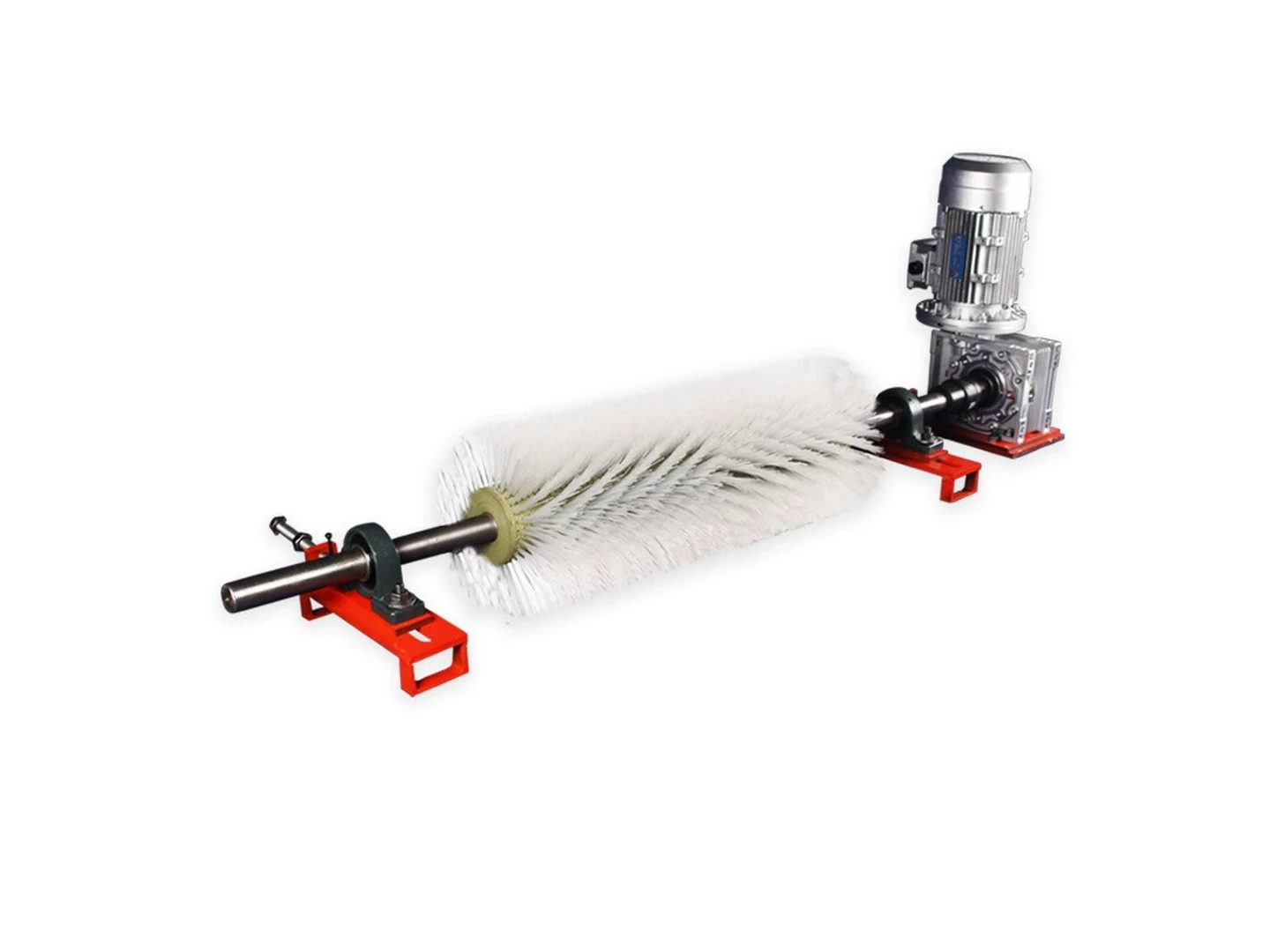
- Roller and Conveyor Brushes — Roller and conveyor brushes hold cylindrical line contact across a working width, including helix-wound builds where the filament path is set to move loosened material toward one side; a strip brush holds the same line without rotating, so it seals or wipes but cannot carry residue along the width.
- Tube & Pipe Bore Brushes — Tube and bore brushes work by radial contact inside a confined diameter; wire wheels and cups work mainly on external edges, profiles, welds, and broad surfaces.
- AISI 304 Stainless Steel Wire — Use AISI 316 stainless steel wire for chloride, marine, dairy, beverage, chemical washdown, or higher pitting-resistance requirements. Use carbon steel for dry aggressive cutting and brass or abrasive nylon for lower marking risk.