
Material
Horsehair
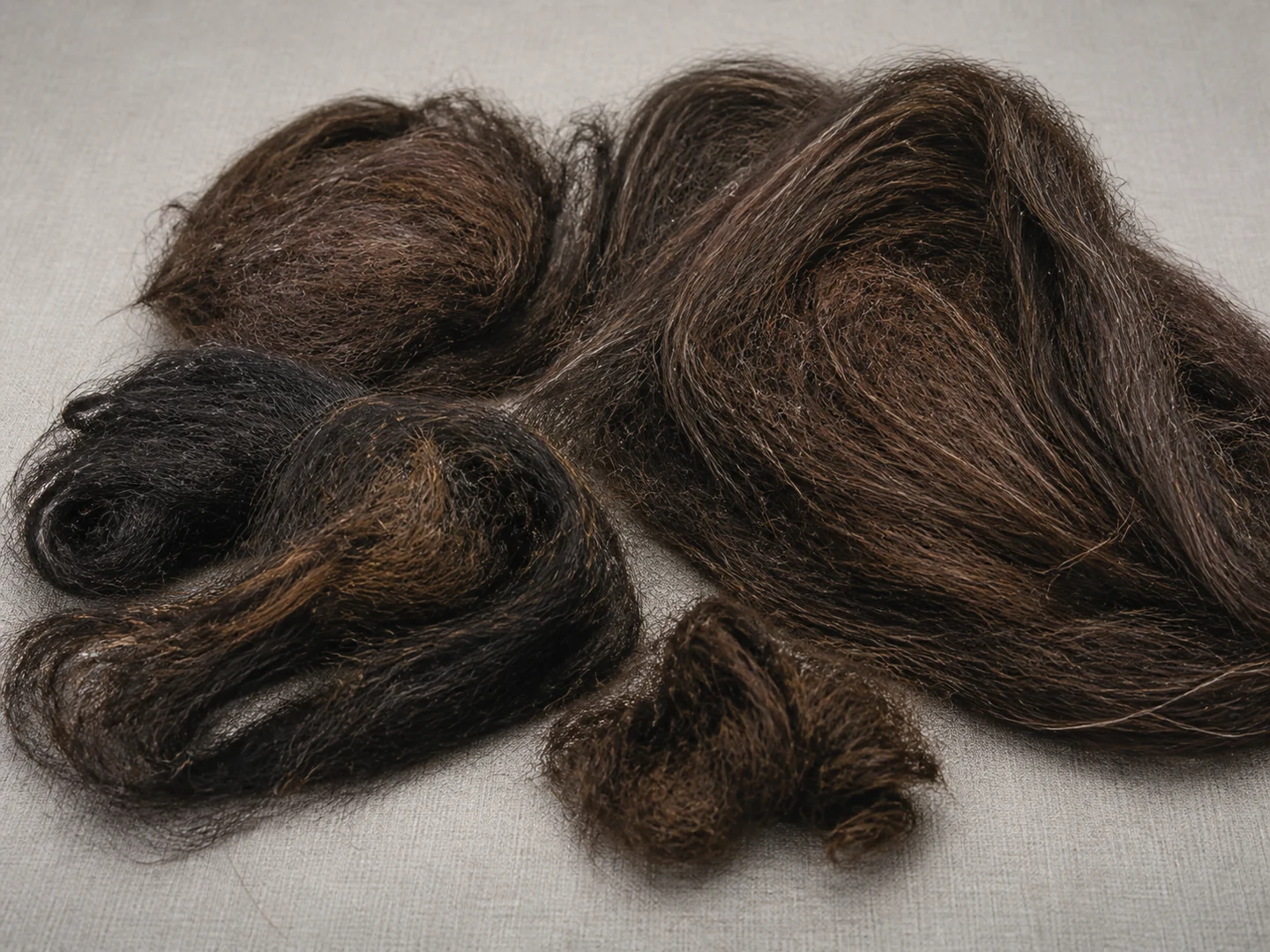
Natural animal hair filament
Choose Horsehair based on its stiffness, recovery, wear, wet-service, chemical, and temperature behavior. For brush stiffness, do not give only the material name. Filament diameter, free trim, density, grade, and service conditions must be specified together.
Datasheet values
- Fiber diameter
- 50–150 µm
- Density
- about 1.30 g/cm³
- Use temperature
- up to 80°C
- Moisture behavior
- absorbs water and softens slightly
- Brush stiffness
- soft to medium
Horsehair is natural animal hair whose tail and mane grades differ in stiffness; its scaled surface carries liquids and supports gentle finishing.
What is Horsehair, and what makes it different from other brush filaments?
Horsehair sits in the natural animal hair filament family, supplied as natural bristle and strip brush fill, drawn in natural near-round and oval sections and set in straight rows, staggered, zoned and random fill patterns.
Horsehair is used in custom cleaning brushes for fine dusting, polishing, leather care and gentle interior cleaning on appearance-sensitive surfaces.
Where a project stalls on material choice, the comparison is normally against Boar Bristle, Goat Hair and Microfiber, and it turns on moisture uptake and working temperature.
Compare Horsehair with Boar bristle, goat hair, microfiber. Change material when wet stiffness, temperature, chemical resistance, conductivity, particle shedding, or surface marking becomes the limiting factor.
What stiffness and contact pressure can I expect from Horsehair?
Horsehair is soft to medium natural hair; gentler than boar bristle and much softer than wire, and Horsehair changes brush stiffness through filament diameter, free trim, density, crimp, and contact. Use finer filament and longer trim for conformable contact; use coarser filament, shorter trim, or higher density for stronger displacement or cutting.
The published filament ranges, set against the grades it competes with. These are filament figures, not finished-brush values.
| Property | Horsehair | Boar Bristle | Goat Hair | Microfiber |
|---|---|---|---|---|
| Shore hardness | Not Applicable(Natural Fibers Have No Uniform Shore/Rockwell Hardness; industry reference range) | Not Applicable(Natural Fibers Have No Uniform Shore/Rockwell Hardness; industry reference range) | Not Applicable(Natural Fibers Have No Uniform Shore/Rockwell Hardness; industry reference range) | Not Applicable(Microfiber Is Characterized by Linear Density and Fabric Structure; industry reference range) |
| Continuous temperature (°C) | 60–80 | 60–80 | 50–70 | 80–120 |
| Peak temperature (°C) | 100–120 | 100–120 | 90–110 | 140–170 |
| Water absorption, 24 h | 8–15% (Equilibrium Moisture Uptake, industry reference range) | 10–18% (Equilibrium Moisture Uptake, industry reference range) | 12–20% (Equilibrium Moisture Uptake, industry reference range) | 0.2–1.0%Material Itself ; Structure Can Absorb 3–7 Times Its Own Weight(industry reference range) |
| Filament diameter (mm) | 0.08–0.25 | 0.10–0.35 | 0.02–0.10 | 0.005–0.050 |
| Flexibility | High Flexibility | Medium to High Flexibility | High Flexibility | High Flexibility |
The part people get wrong: the number that decides scrubbing pressure is diameter over trim length, not the grade name. Two brushes in this material can behave nothing alike.
How does water affect Horsehair performance?
Horsehair holds roughly 8–15% moisture at equilibrium, enough to soften the tip and carry liquid into the surface.
Absorbent fiber that carries liquid and softens slightly when wet.
What this means for your application: water changes the working diameter and the spring rate together, so wet performance has to be checked rather than assumed from a dry trial.
A practical check: soak a sample for an hour and re-measure the trim. If it has moved enough to change the contact band, the grade is wrong for the duty.
What temperature limits apply to Horsehair?
Use animal-hair fills mainly at ambient to moderate process temperatures unless the supplier provides a validated higher-temperature rating for the exact brush. Avoid treating a generic 70–80°C value as a universal continuous limit.
Design to that answer rather than to a raw-material datasheet figure: a brush rating already accounts for fiber working under load rather than loose fiber sitting in an oven.
Where it stops working: validate with a sample if the process sits near the top of that band. If the filament takes a permanent set under load, step up to Microfiber, which hold a higher continuous temperature.
The usable limit also moves with diameter, trim and contact pressure. A fine filament under light load tolerates more than a thick one under heavy scrubbing.
What chemicals attack Horsehair?
Compatible with water and mild detergent; strong alkali, bleach and prolonged soaking shorten fiber life.
The same cleaner can be harmless or destructive depending on how strong it is, how hot it runs and how long it sits. Quote the concentration and the dwell time, not just the product name.
Before you commit to a quantity: Specify the exact Horsehair grade or alloy, filament or profile size, color, straight or crimped form, working temperature, wet or dry use, chemical exposure, surface finish, and any required material documentation.
What is the practical lower limit for filament diameter?
About 0.08 mm. Below that the filament turns fragile and breaks under ordinary contact pressure, so 0.08–0.25 mm is the working range.
Free trim runs 8–120 mm, and the two interact: a finer filament needs a shorter trim to keep useful stiffness, while a thicker one carries a longer trim and still lands pressure on the tip.
Split the range by duty: roughly 0.08–0.12 mm for light wiping, dusting and surfaces that mark easily, and 0.12–0.25 mm where residue is packed on and point pressure matters more than surface risk.
Tip treatments available on this filament: cleaning and degreasing, carding, dyeing, anti-static treatment and sanitizing treatment.
In practical brush terms: reaching deep into a bore or crevice is a diameter problem before it is a length problem. A thicker filament on a moderate trim pushes further in before the tips fold over.
What applications typically use Horsehair?
Fine dusting, polishing, leather care and gentle interior cleaning on appearance-sensitive surfaces.
The cleaning work it is specified for most often:
- Industrial Machine Cleaning
- Dust Removal
- Brick, Tile & Building Material Machine Brush Use
- Bottle & Container Cleaning
- Cup & Mug Cleaning
- Coffee Grinder Cleaning
Brush types built with this fill:
- Custom Handheld Detail Brushes
- Custom Roller and Conveyor Brushes
- Custom Strip Seal Brushes
If the sample comes back rejected: Not for aggressive scrubbing or wet chemical process cleaning.
How do I specify Horsehair for a custom brush?
A usable specification carries the construction, the filament diameter and free trim, the density and contact setting, and the service conditions: wet or dry, temperature, and what the cleaner actually is.
The mistakes that most often send a sample back:
- Selecting Horsehair from the material name alone without setting filament diameter, trim length, and density
- Using dry stiffness to predict wet behavior without checking moisture absorption or liquid exposure
- Ignoring trapped abrasive particles, chemical concentration, temperature, or contact motion when assessing surface risk
Reference standards behind the figures on this page: ISO 139; ISO 5079; ISO 20743.
Source: International Wool Textile Organisation — Wool Notes — natural animal fibre properties. Horsehair is a coarse animal fibre with natural taper and spring. Its behaviour follows fibre diameter and length rather than any published temperature, and a hot wash will set it permanently.
What else does the datasheet specify for Horsehair?
| Filament cross-section | Natural Near-Round / Oval |
|---|---|
| Electrical behaviour | Anti-Static When Wet; Dry Surface Resistance Approximately 10^8–10^12 Ω(industry reference range) |
Questions this page is asked
How should a reusable horsehair brush be qualified for occasional wet cleaning?
Cycle the complete brush through the actual mild detergent, water temperature, dwell, rinse, squeezing or mechanical action and drying method, then compare trim profile, softness, recovery, breakage, odor, discoloration and anchor security. Store only after the validated dry state is reached, and do not transfer the result to strong alkali, bleach, prolonged soaking or another hair treatment without new evidence.
What should be checked before horsehair contacts a polished or appearance-sensitive surface?
Inspect and clean the brush for trapped abrasive particles, broken hair, exposed staples or wire and dried compound, then trial representative surfaces at the intended load and motion. Release criteria should cover scratches, gloss change, streaks, hair shedding and transferable residue in new and worn states, not merely the initial softness of clean hair.
Guides that go deeper on this
Biodegradable Kitchen Brush Mistakes in Sink Gaps
Read this guideGuideBiodegradable Kitchen Brush: Material and Size for Seams
Read this guideGuideHow to Choose the Right ESD Brush for Precision Carriers
Read this guideGuideNatural Fiber vs Synthetic Brush Filament
Read this guideGuideTablet Press Brushes: De-Dusting, Scraping and Transfer
Read this guideGuideWhen to Use an Escalator Skirt Brush in Door Gaps
Read this guideContinue Exploring
Recommended Reading & Related Brush Resources
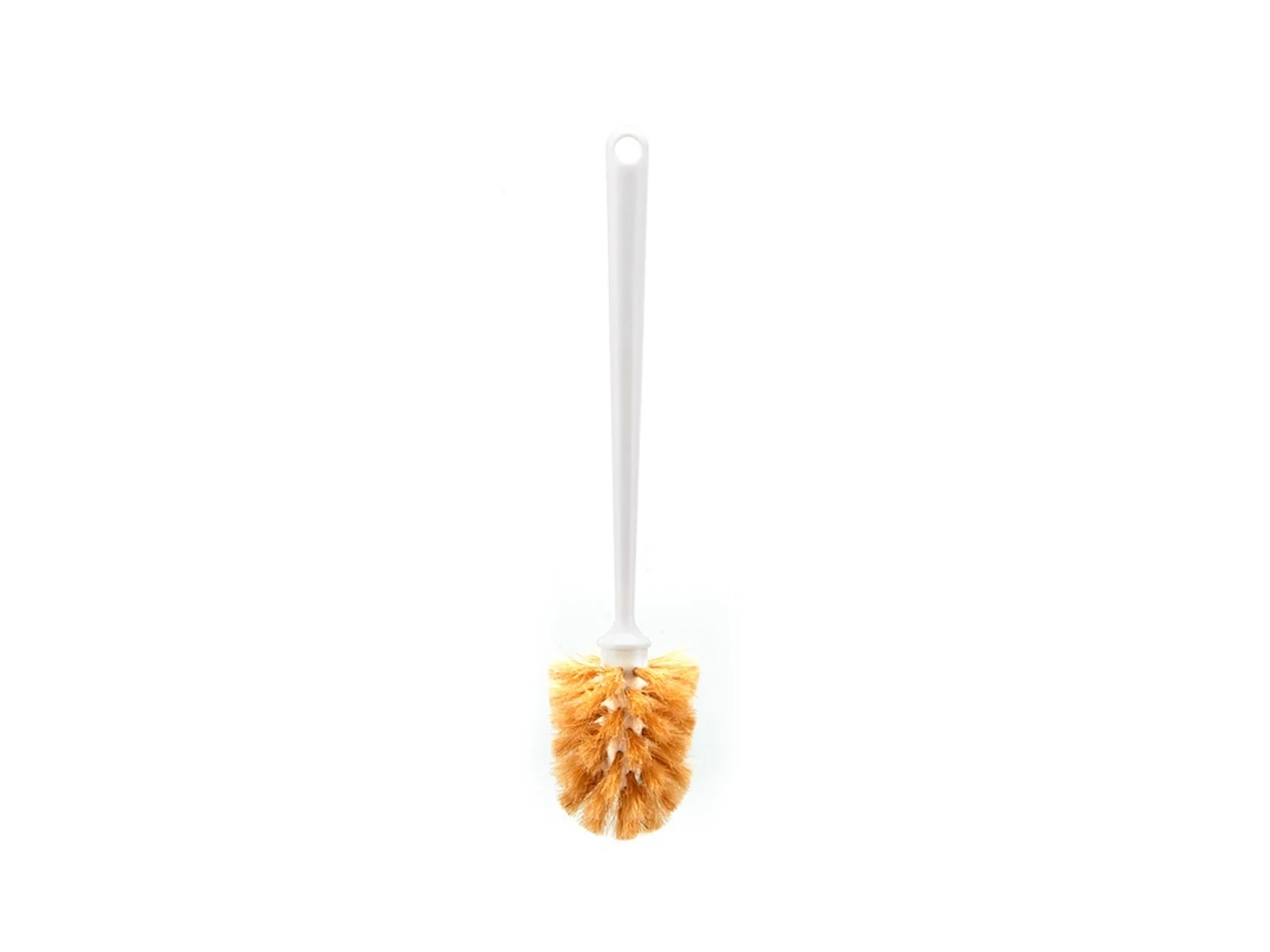
Horsehair Bottle Brush
Soft natural horsehair bottle brush for glass, crystal, stainless steel, and lab containers. Custom…
See the specification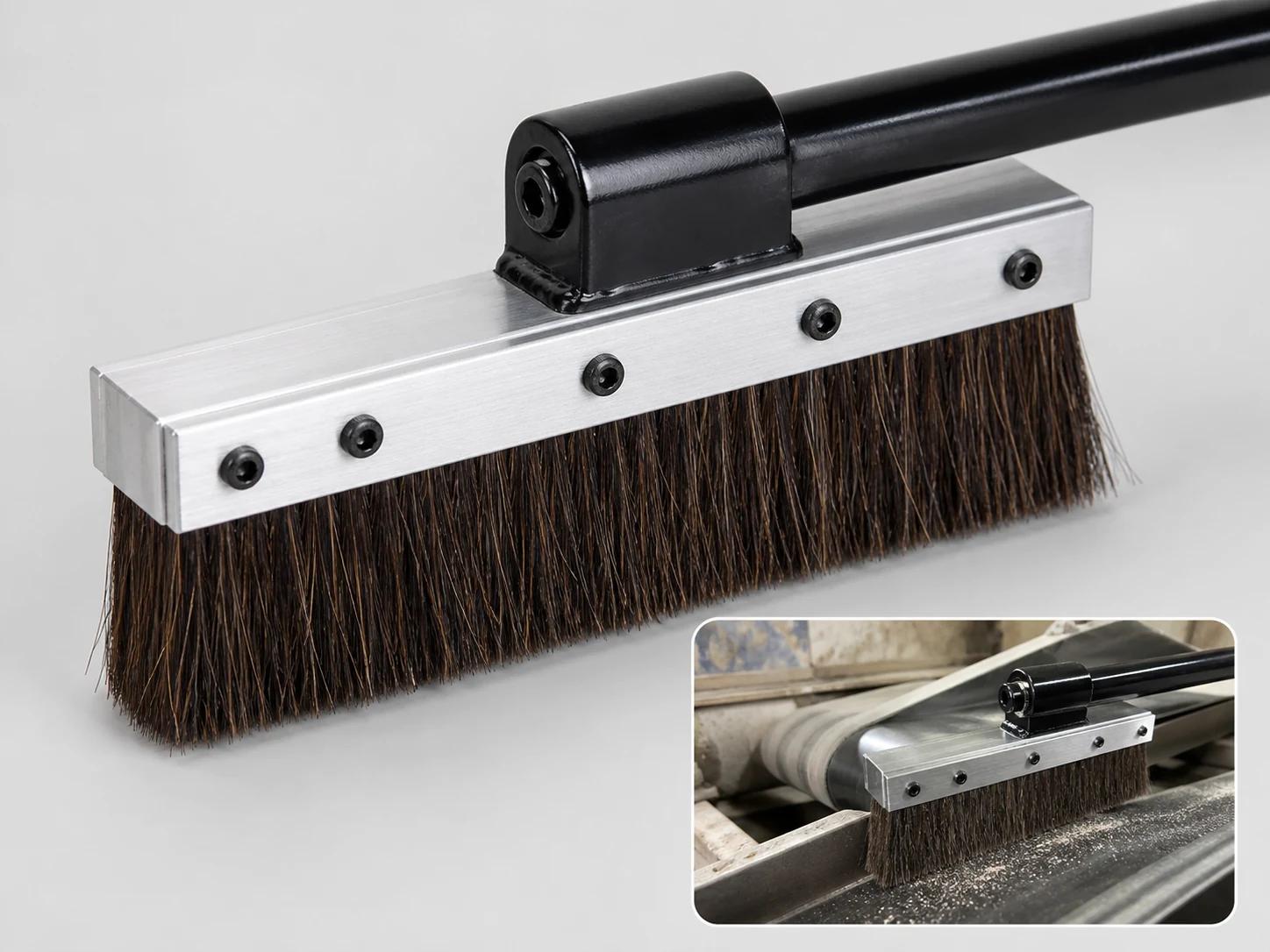
Horsehair Cleaning Brush Printing
Soft horsehair printing brushes for removing paper dust, lint, and powder from press webs,…
See the specification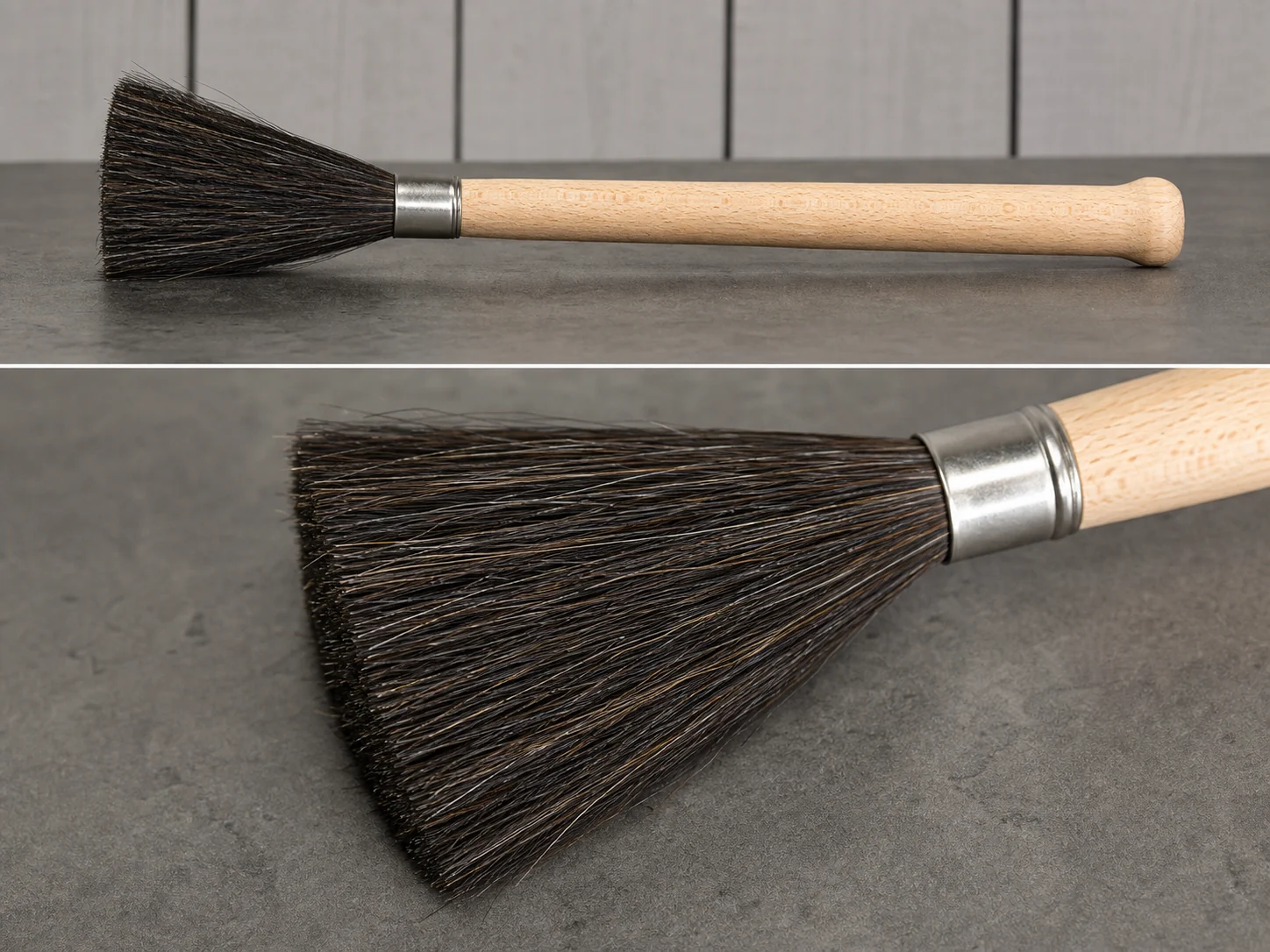
Horsehair Precision Dusting Brush
Soft natural horsehair dusting brush with fan-shaped head and beech wood handle for scratch-free…
See the specification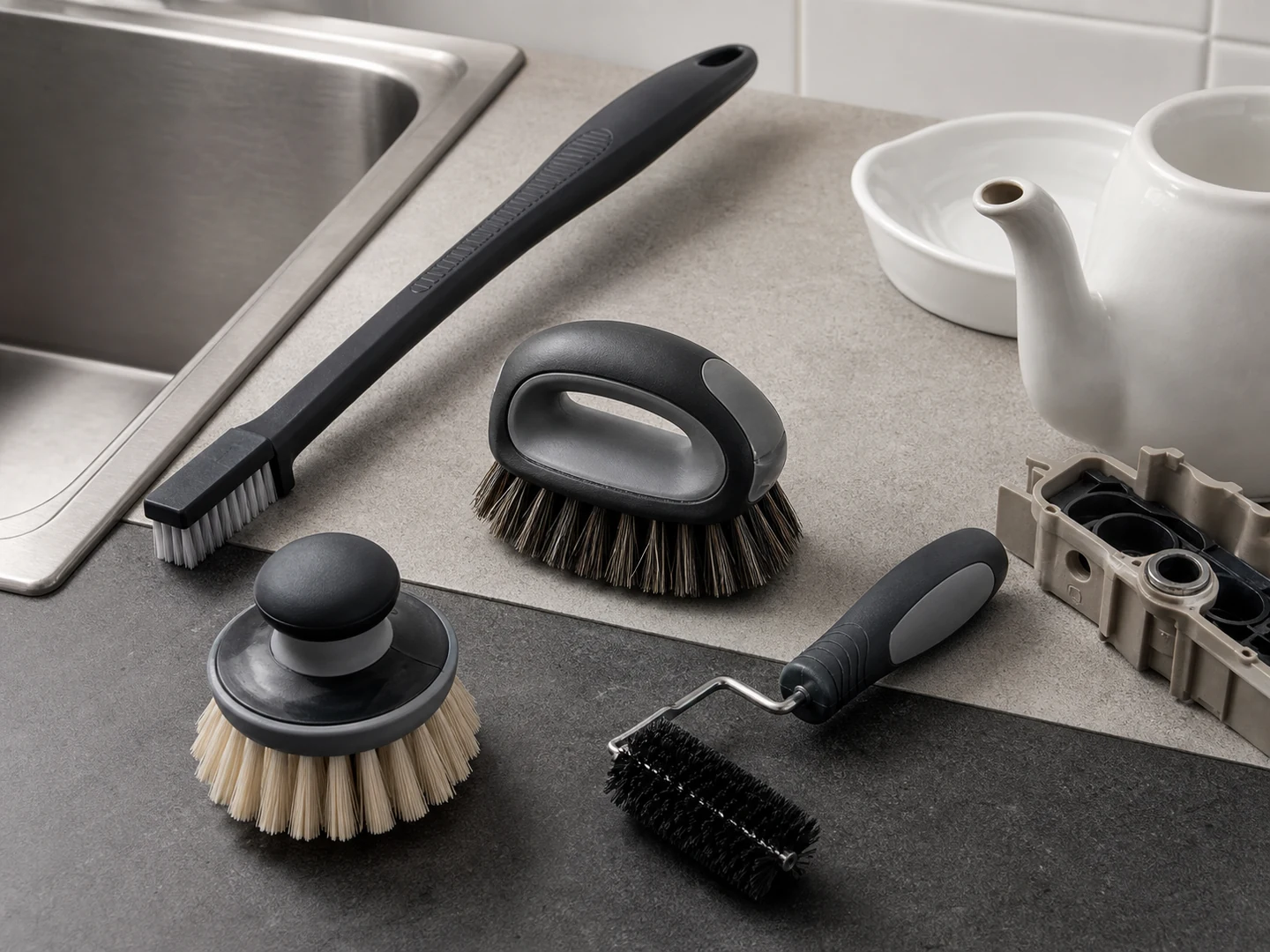
Custom Handheld Detail Brushes
Choose a handheld detail brush when you need direct control in seams, recesses, fittings,…
See how this type is built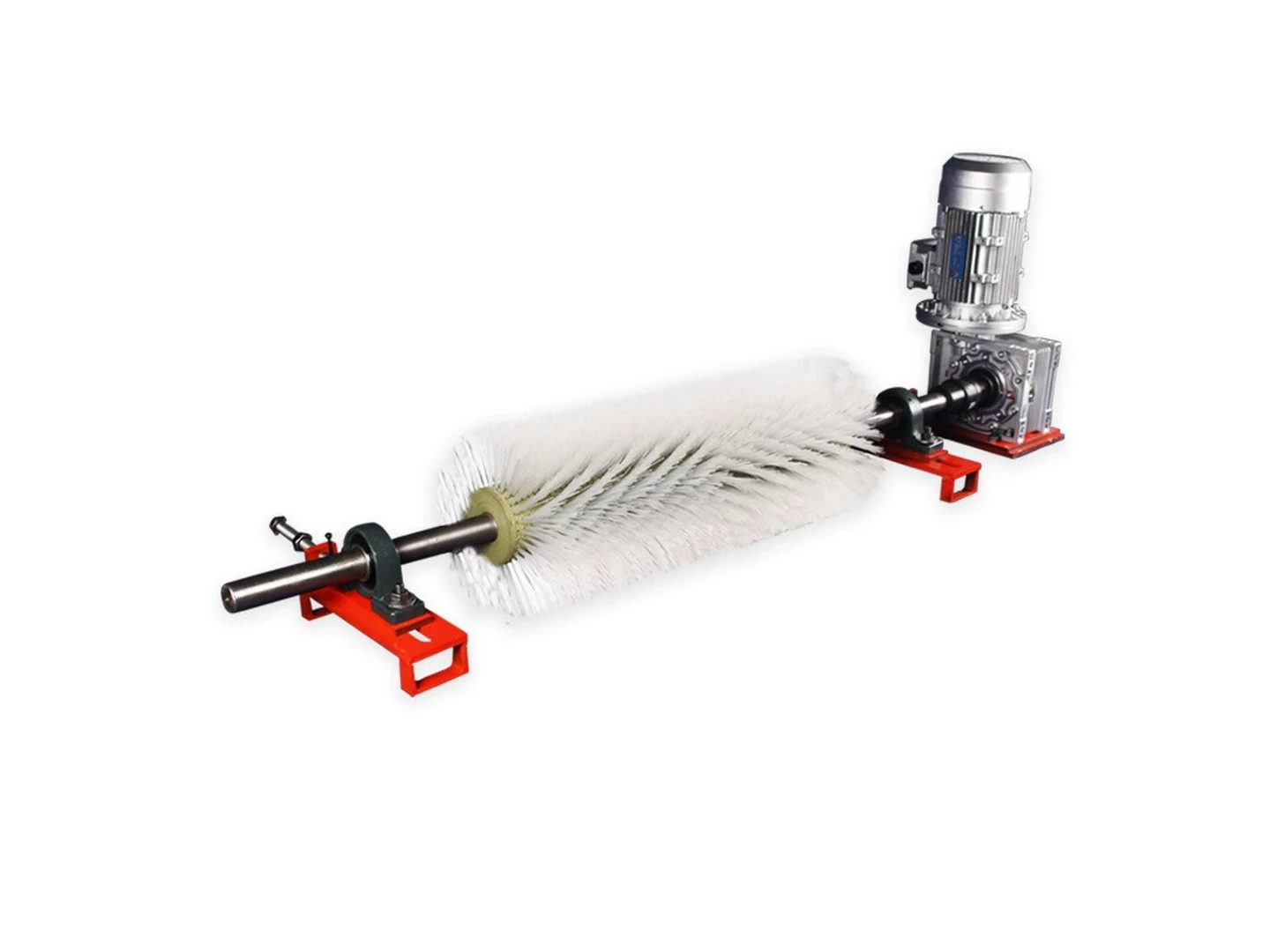
Custom Roller and Conveyor Brushes
Choose a roller or conveyor brush when a cylindrical brush must clean, wipe, guide,…
See how this type is built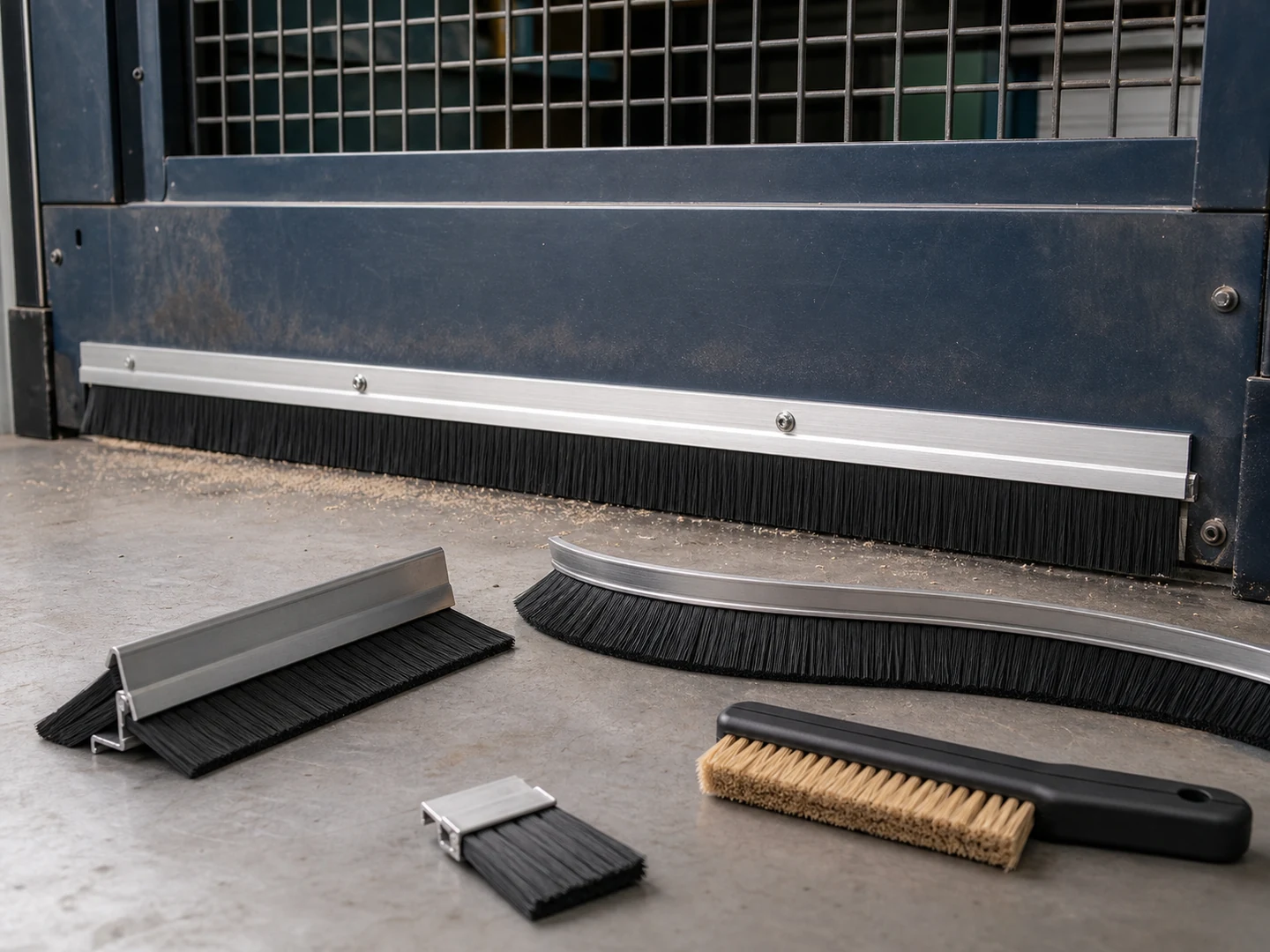
Custom Strip Seal Brushes
Choose a strip seal brush when a continuous line of filament must seal, wipe,…
See how this type is built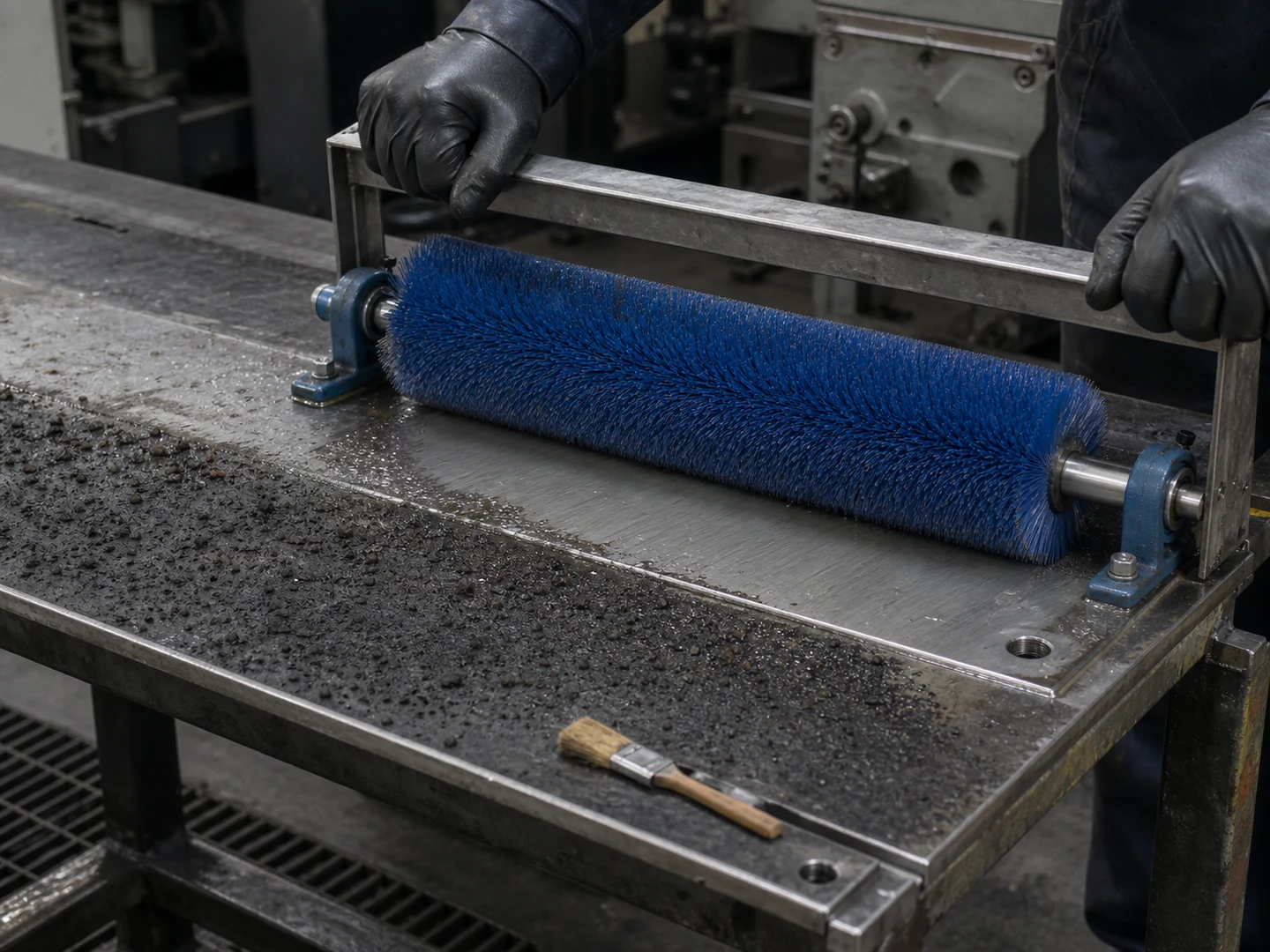
Industrial Machine Cleaning
For Industrial Machine Cleaning, the brush must reach the working area, disturb or collect…
See the cleaning job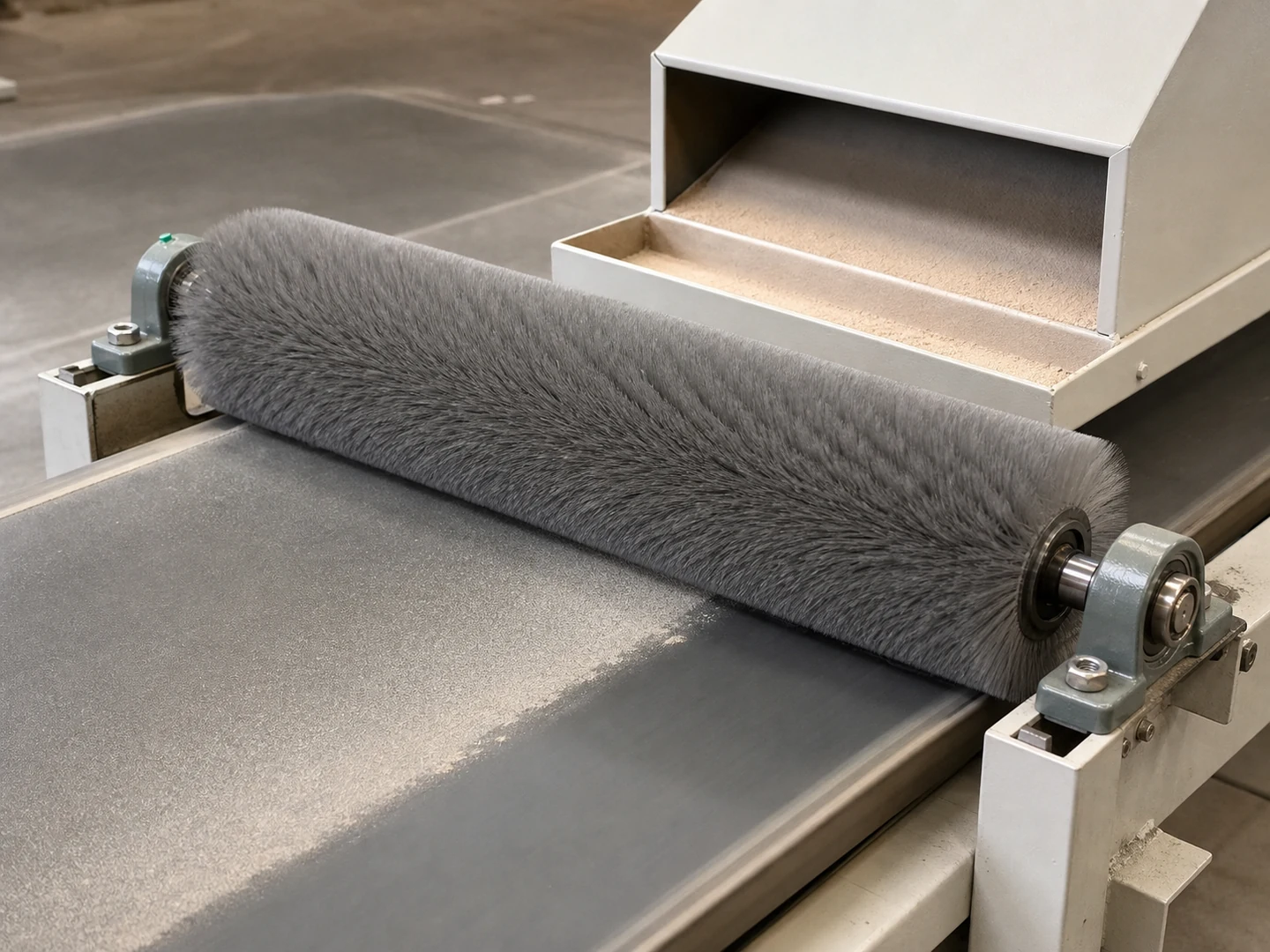
Dust Removal
For Dust Removal, the brush must reach the working area, disturb or collect loose…
See the cleaning jobCustom Manufacturing RFQ
Discuss This Material
Share the working surface, residue, dimensions, material direction, interface, quantity and drawing or sample photo.
Custom Brush RFQ
Request a Custom Cleaning Brush Quote
Upload a drawing, product photo, or sample photo and provide the core dimensions and cleaning conditions.
“We need a brush to remove wet residue from a stainless steel conveyor, about 800mm wide. The current brush wears quickly. We can send photos.”
“We sell drinkware and need a cleaning brush to include with the product. Quantity around 5,000 pieces.”