Natural fiber or synthetic filament: which is better?
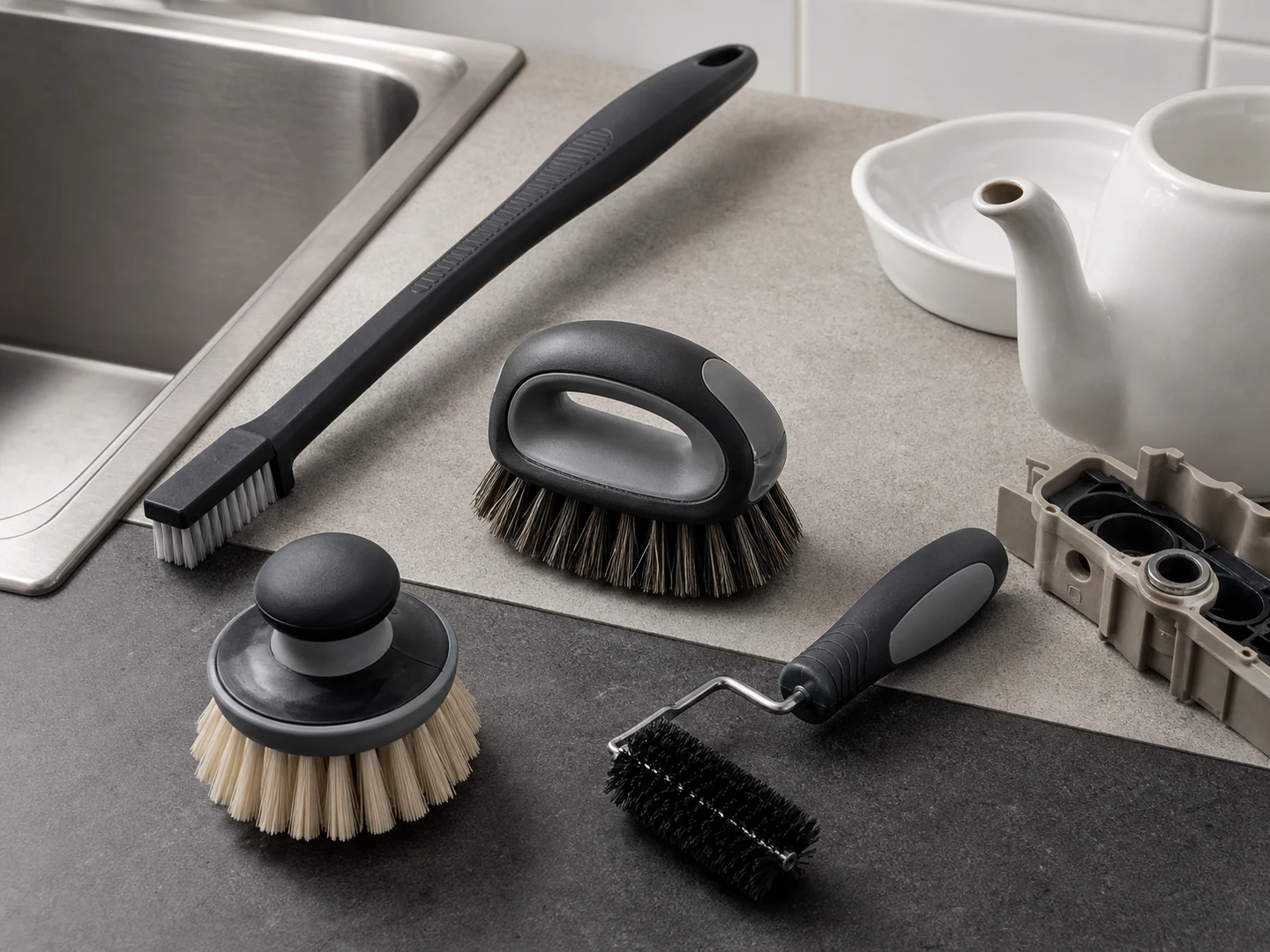
Each is better at different jobs. Natural fibers do soft contact, carrying liquid, polishing and dusting very well, and horsehair builds up less static than most synthetics. Synthetics give a repeatable diameter, predictable behavior in water, chemical resistance, color and stiffness to order, and they are easier to keep clean. Do not assume natural is always the softer choice: a fine synthetic can be softer than a stiff bristle.
How does each fill behave?
| Fill | Behavior | Best use |
|---|---|---|
| Horsehair | Soft to slightly stiff; absorbs and carries liquid; gentle on dry surfaces with a low risk of scratching; less prone to static than most synthetics. Check both on the real surface | Dusting, polishing, applying liquid, electronics and delicate surfaces |
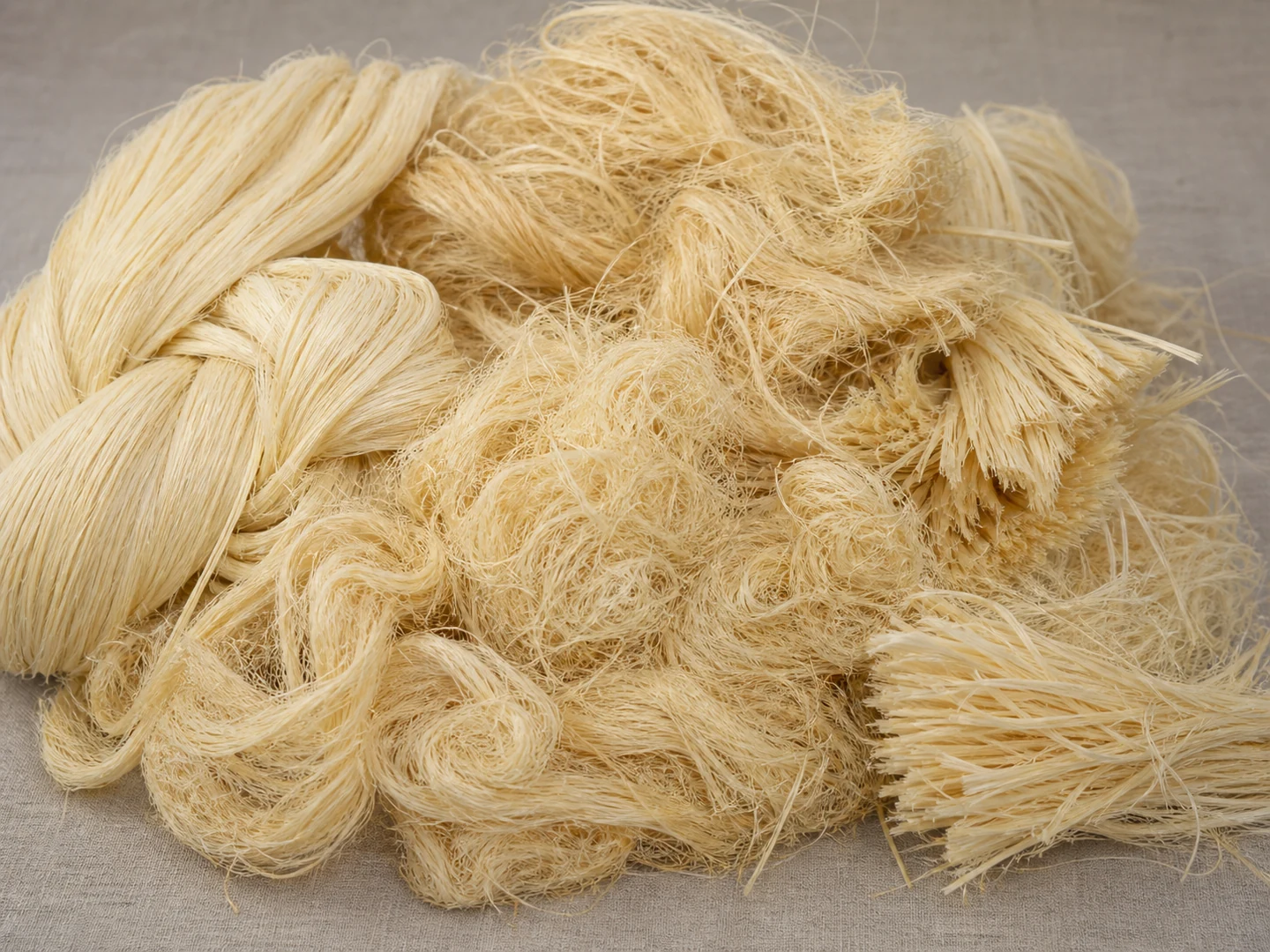
| Tampico | Soft to medium; porous; works wet or dry; resists heat, acids and alkalis | Wet scrubbing, applying compound, light edge blending |
| Hog bristle | Naturally tapered and flagged; springy; from slightly stiff to very stiff | Spreading liquid, scrubbing, polishing, ESD-related contact |
| PA612 | Even diameter; excellent recovery and wear life; low water uptake for a nylon | Wet cleaning, tubes, conveyors, equipment, repeated flexing |
| PBT | Very little change in water; stable stiffness | Sanitary, fine, wet-cycle and hotter cleaning |
| Polypropylene | Takes up almost no water; resists a broad range of chemicals | Washdown, tanks, acids, alkalis, low-cost scrub brushes |
Which fill for which surface and residue?
Loose dust on polished, optical, coated or electronic surfaces: horsehair or fine synthetic. A brush that has to carry water, compound, ink or cleaning fluid: tampico. Where the brush must keep its shape and spring back: nylon or PBT. Strong wash chemicals: polypropylene.
Hygiene changes the answer. Natural fiber holds liquid and soil, so sanitary processes usually choose synthetic fill that can be cleaned.
Why are synthetics more consistent?
Because they are made to a size. Synthetic filament comes in controlled diameters, straight or crimped, with flagged tips, in conductive and abrasive grades and in many colors. Natural fiber varies along each strand and from batch to batch. That variation can help in soft polishing, but it suits close-tolerance and machine-made brush faces less well.
Can natural and synthetic be mixed?
Yes. A mixed fill can join the liquid-carrying of natural fiber with the recovery of a synthetic, or put a firmer scrubbing zone into a soft sweeping brush. Set the ratio and the pattern on purpose, so that after wear the harder material is not the only thing left touching the part.
What should you tell the brush maker?
The surface finish, the residue, wet or dry use, any liquid or compound, temperature and chemicals, static needs, how the brush is sanitized, how much shedding is acceptable, trim and density if you know them, and how often you expect to replace it.