
Material
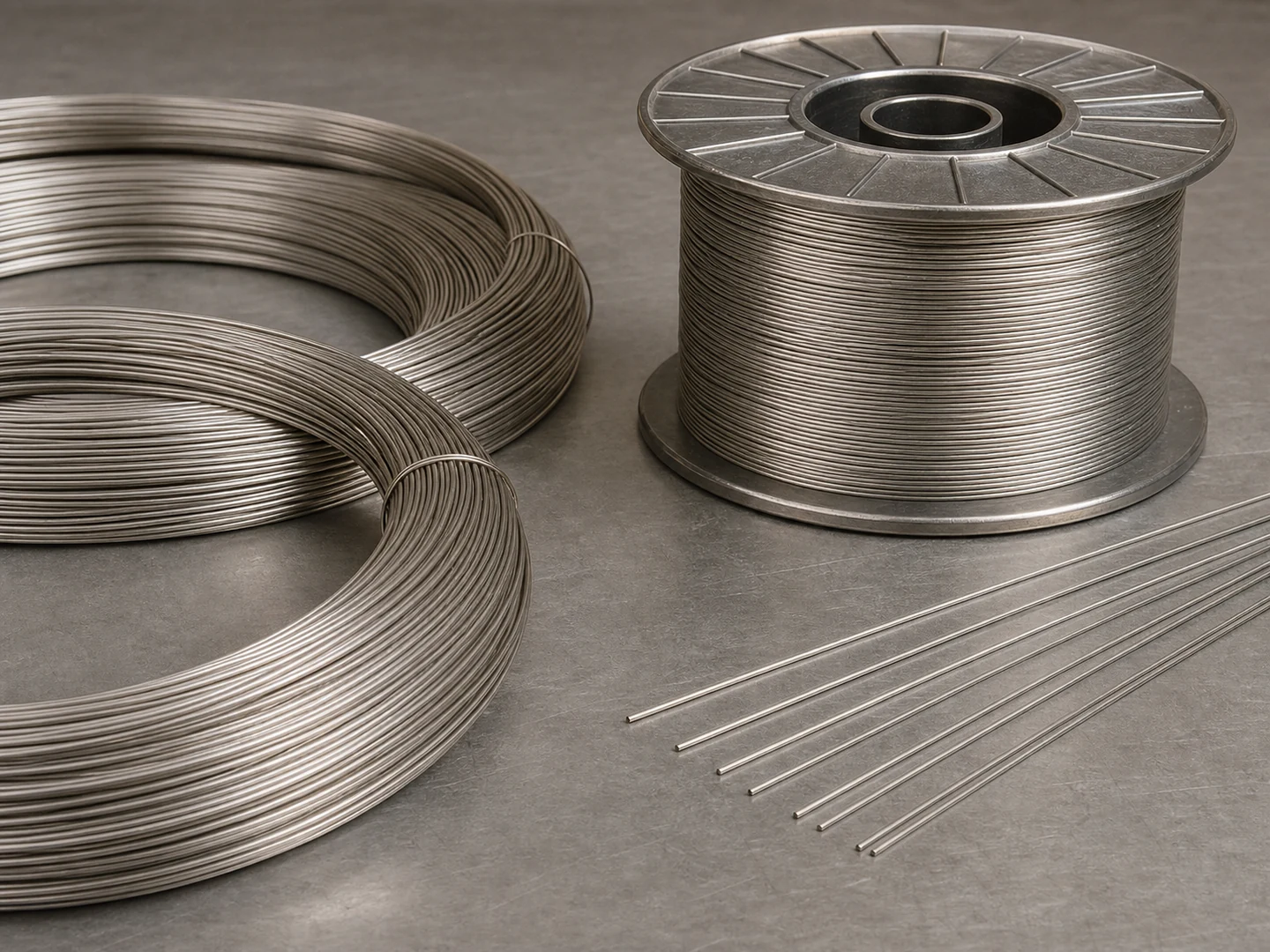
Inconel Wire
Nickel-chromium alloy wire
Choose Inconel Wire based on its stiffness, recovery, wear, wet-service, chemical, and temperature behavior. The same material can produce different stiffness, so filament diameter, trim length, density, grade, and service conditions must also be defined.
Datasheet values
- Wire diameter
- 0.10–0.60 mm; straight or crimped
- Temperature range
- -100–700°C brush service
- Stiffness
- Firm to very firm
Inconel Wire is a nickel-chromium alloy wire used as brush fill or a cleaning-contact element.
What is Inconel Wire, and what makes it different from other brush filaments?
Inconel Wire belongs to the nickel-chromium alloy wire group, supplied as wire diameter 0.10–0.60 mm and straight or crimped, drawn in round, flat and crimped sections and set in straight rows, helical, staggered, zoned, wavy and random fill patterns.
Inconel Wire is used in custom cleaning brushes for furnace, turbine, heat-treatment and high-temperature scale cleaning.
The realistic alternatives are Monel where the duty is chemical and a heat-resistant steel where it is purely thermal. The polymer columns below are there for scale; no filament reaches this temperature band.
Step down to Monel or AISI 316 where the temperature band allows it; there is no step up in filament — above this band the answer is a different process, not a different wire.
What stiffness and contact pressure can I expect from Inconel Wire?
Inconel Wire is firm to very firm; inconel Wire changes contact through its filament or media size, free trim, density, profile, and engagement.
Published ranges for the filament itself. Read them as a shortlist tool, not as brush performance.
| Property | Inconel Wire | Nylon PA | PBT | Polypropylene PP |
|---|---|---|---|---|
| Shore hardness | Firm to very firm | Medium to firm; filament diameter and trim length control bending force. | Shore D 80–90 | Shore D 65–75 |
| Continuous temperature (°C) | 700 | 93 | 120–140 | 80–100 |
| Peak temperature (°C) | 730 | 121 | 160–180 | 120–140 |
| Water absorption, 24 h | Not Applicable(Metal Wire Does Not Absorb Water) | 0.3–9% by PA grade and conditioning | 0.05–0.20% (24h, ISO 62/ASTM D570) | ≤0.03% (24h, ISO 62/ASTM D570) |
| Filament diameter (mm) | 0.05–0.80 | 0.08–2.50 | 0.03–2.00 | 0.08–3.00 |
| Flexibility | Low to Medium Flexibility | Medium to High Flexibility | Medium to High Flexibility | Medium Flexibility |
The part people get wrong: stiffness is not a property of the material on its own. A 0.50 mm filament on a 15 mm trim is stiffer than a 0.30 mm filament on a 25 mm trim in the same grade. Fix diameter and trim first, then confirm the material.
How does water affect Inconel Wire performance?
Inconel wire takes up no water at all; wet service is decided by the alloy and by whether residue is left standing in the brush.
Suitable for the wet or dry conditions stated in the application list; wash and dry retained-residue constructions after use.
What this means for your application: the trim holds its dimension wet or dry, because the wire takes up no water. What changes with service is the alloy surface, not the geometry.
A practical check: run one wet cycle and compare tip contact against the dry state. If the wet brush leaves residue behind or no longer reaches the bottom of the bore, change the material rather than the geometry.
What temperature limits apply to Inconel Wire?
Temperature capability is alloy-grade dependent. INCONEL 600, 625 and other nickel-chromium alloys have different elevated-temperature limits, and alloy data are not a finished-brush service rating. Confirm the selected grade together with wire condition, anchoring, hub, atmosphere, speed and contact load.
The filament tables quote 700°C continuous and 730°C peak. The tighter number above is the one to build to, because a brush is loaded while it is hot.
Where it stops working: validate with a sample if the process sits near the top of that band. A permanent bend under load means the answer is a higher-temperature filament family, not a heavier trim.
Diameter, trim length and applied load all shift the real limit, so a thin filament touching lightly survives conditions that would flatten a thick one under pressure.
What chemicals attack Inconel Wire?
Use the grade-specific chemical profile and confirm it against the actual chemical, temperature, exposure-time, and load conditions of your application.
Compatibility is a function of concentration, temperature and contact time together. A short rinse in a dilute solution is a different exposure from an overnight soak in a concentrated one, even with the same chemical on the label.
Before you commit to a quantity: Specify Inconel Wire form, diameter or grade, trim, density, working temperature, cleaning fluid, and surface finish.
What is the practical lower limit for filament diameter?
The floor is roughly 0.05 mm; finer than that and the filament snaps rather than flexes. In practice you are choosing inside 0.05–0.80 mm.
Free trim runs 3–300 mm, and the two interact: a finer filament needs a shorter trim to keep useful stiffness, while a thicker one carries a longer trim and still lands pressure on the tip.
Split the range by duty: roughly 0.05–0.24 mm for light wiping, dusting and surfaces that mark easily, and 0.24–0.80 mm where residue is packed on and point pressure matters more than surface risk.
Tip treatments available on this filament: degreasing, plating, passivation and crimping.
In practical brush terms: reaching deep into a bore or crevice is a diameter problem before it is a length problem. A thicker filament on a moderate trim pushes further in before the tips fold over.
What applications typically use Inconel Wire?
Furnace, turbine, heat-treatment and high-temperature scale cleaning.
The applications that keep coming back to this grade:
- Laboratory Tube Cleaning
- CPAP Hose Cleaning
- Medical Instrument Cleaning
- Dental Tool Cleaning
- Pipe Robot Brush Attachment Use
- Tube & Pipe Cleaning
The constructions that usually carry it:
- Custom Handheld Detail Brushes
- Custom Tube & Pipe Bore Brushes
- Custom Wheel Brushes
- Custom Roller and Conveyor Brushes
- Custom Strip Seal Brushes
If the sample comes back rejected: High cost and aggressive contact; use only on durable surfaces.
How do I specify Inconel Wire for a custom brush?
Send the brush type, filament diameter, free trim length, density, contact setting, wet or dry duty, working temperature and the actual cleaning chemistry together. Any one of them on its own leaves the stiffness undefined.
What usually goes wrong at this step:
- Selecting Inconel Wire without setting diameter, trim and density
- Using the material on a surface that cannot accept its contact level
- Ignoring temperature, liquid, motion or residue retention
Reference standards behind the figures on this page: ISO 6892-1; ASTM E8/E8M; ASTM B117.
Source: Special Metals — INCONEL alloy technical bulletins. The bulletins are grade-specific, and that is the point: Inconel is a family, not one wire. It is a special-order fill here, chosen for hot and corrosive service where stainless gives up, and no single generic brush-service temperature follows from the alloy.
What else does the datasheet specify for Inconel Wire?
| Filament cross-section | Round / Flat / Crimped |
|---|---|
| Electrical behaviour | Highly Conductive |
Questions this page is asked
How is a high-temperature Inconel brush released below the alloy test range?
Thermally cycle the complete brush in the intended atmosphere while reproducing speed or stroke, engagement, dwell, cooldown, and any cleaning exposure, then verify balance, wire retention, hub and anchor integrity, contact force, and guarding assumptions. Set the usable limit at the lowest qualified component or interface limit rather than at an alloy oxidation, tensile, or melting datum.
Which hot-service changes should retire Inconel wire from a brush?
At defined intervals inspect oxide scale, permanent set, necking, cracks, broken-wire count, anchor movement, imbalance, and changes in the workpiece finish or removal rate. Remove the brush when any limit is exceeded, because an alloy can retain bulk heat resistance while thin, repeatedly flexed wire or its retention system has already lost safe process capability.
Guides that go deeper on this
We have not written a guide specific to this one yet. The material that covers selection, filament, dimensions, maintenance and sourcing is collected in the technical resources library.
Continue Exploring
Recommended Reading & Related Brush Resources
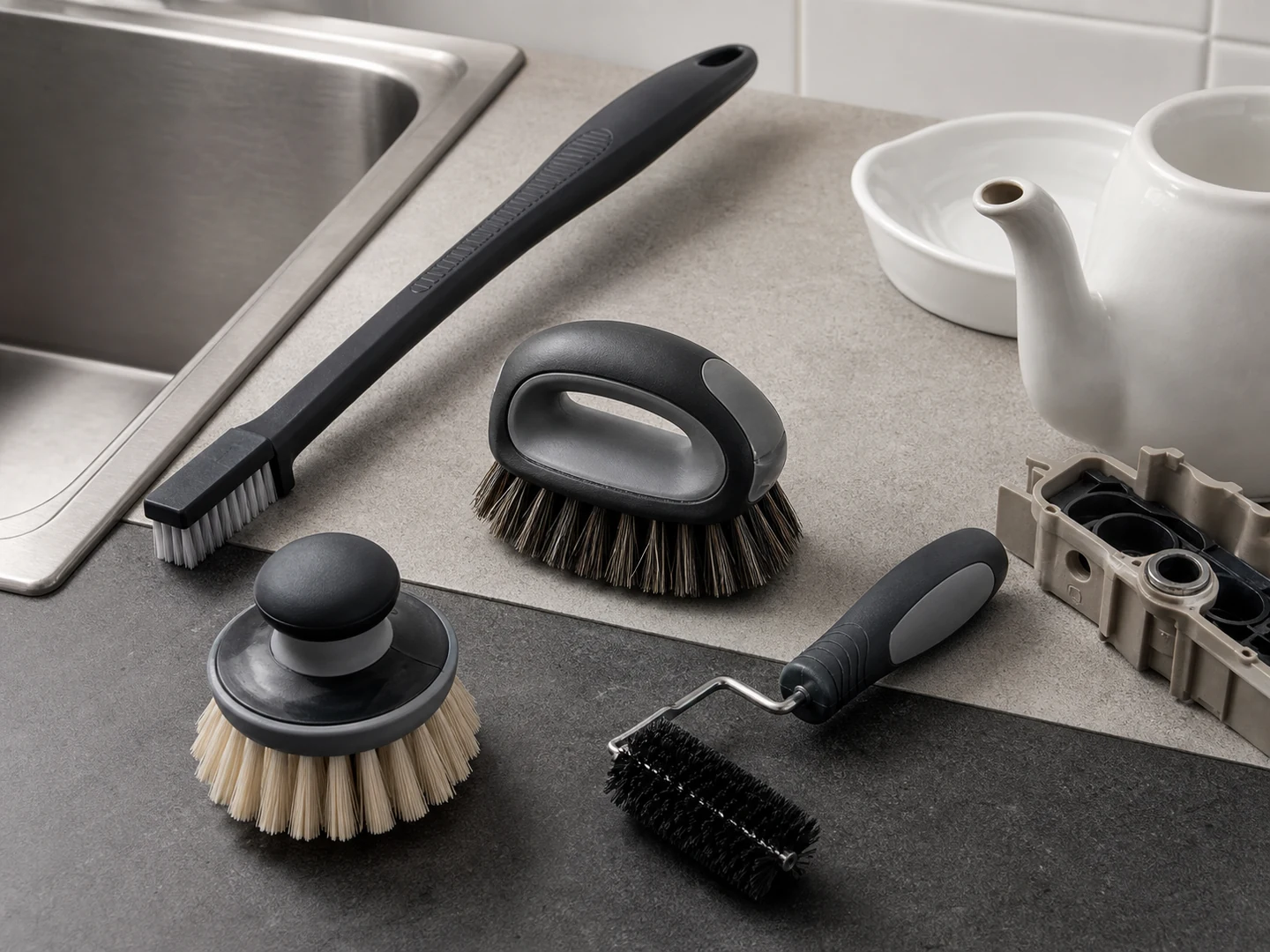
Custom Handheld Detail Brushes
Choose a handheld detail brush when you need direct control in seams, recesses, fittings,…
See how this type is built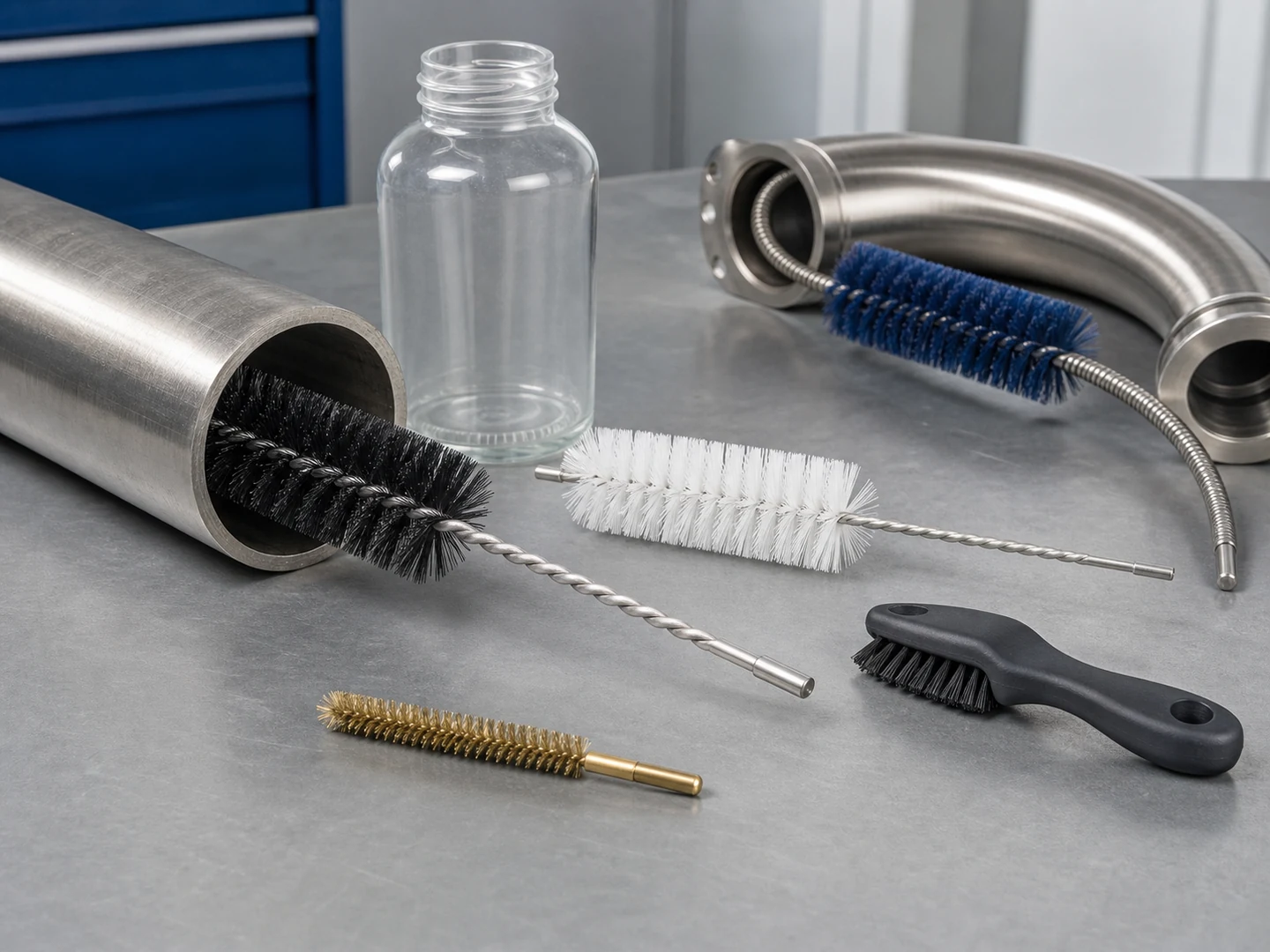
Custom Tube & Pipe Bore Brushes
Choose a tube, pipe, or bore brush when the working surface is inside a…
See how this type is built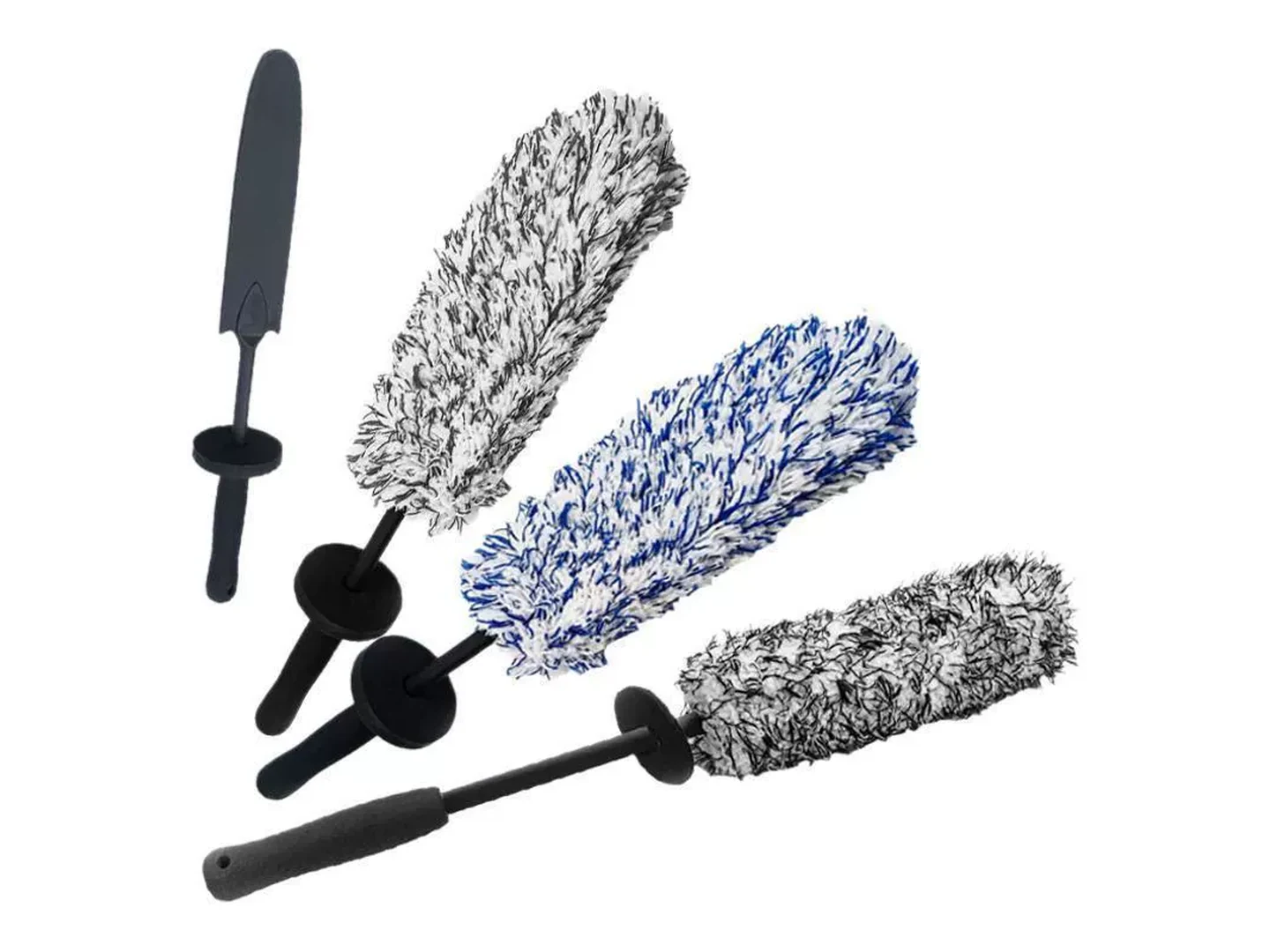
Custom Wheel Brushes
Choose a wheel brush when a rotating narrow face or edge must clean profiles,…
See how this type is built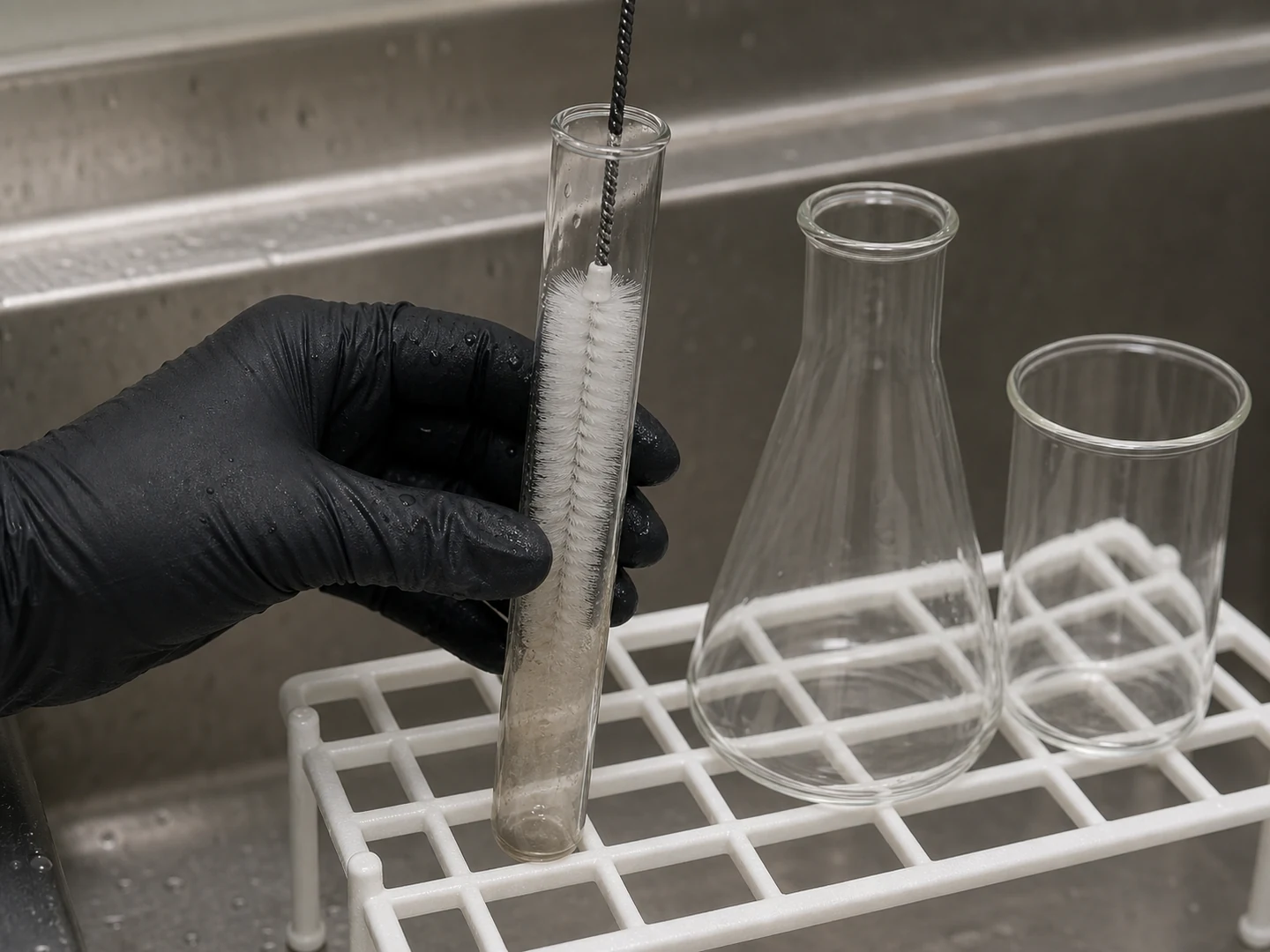
Laboratory Tube Cleaning
For Laboratory Tube Cleaning, the brush must reach the working area, disturb or collect…
See the cleaning jobCustom Manufacturing RFQ
Discuss This Material
Share the working surface, residue, dimensions, material direction, interface, quantity and drawing or sample photo.
Custom Brush RFQ
Request a Custom Cleaning Brush Quote
Upload a drawing, product photo, or sample photo and provide the core dimensions and cleaning conditions.
“We need a brush to remove wet residue from a stainless steel conveyor, about 800mm wide. The current brush wears quickly. We can send photos.”
“We sell drinkware and need a cleaning brush to include with the product. Quantity around 5,000 pieces.”