Quick Answer
Start with the cleaning task, not a catalog name. Define the part or surface, the residue, the access envelope, the allowed surface change, the motion, and the environment. Those facts determine contact geometry first, filament behavior second, and dimensions and interface third.
1. Define the Cleaning Target
- Internal wall: tube, drilled bore, valve passage, nozzle, manifold, thread, or blind hole.
- Continuous surface: conveyor belt, sheet, panel, roller, glass, solar module, or product stream.
- Edge or gap: rail, track, door slot, seal line, escalator groove, packaging path, or machine opening.
- Localized component: gear, fixture, print mechanism, screen, filter, sensor area, or maintenance point.
2. Match the Contact Geometry
| Contact need | Brush direction | Why it fits |
|---|---|---|
| Radial contact inside a passage | Twisted-in-wire or tube brush | Filament tips reach the full circumference while the stem follows the bore. |
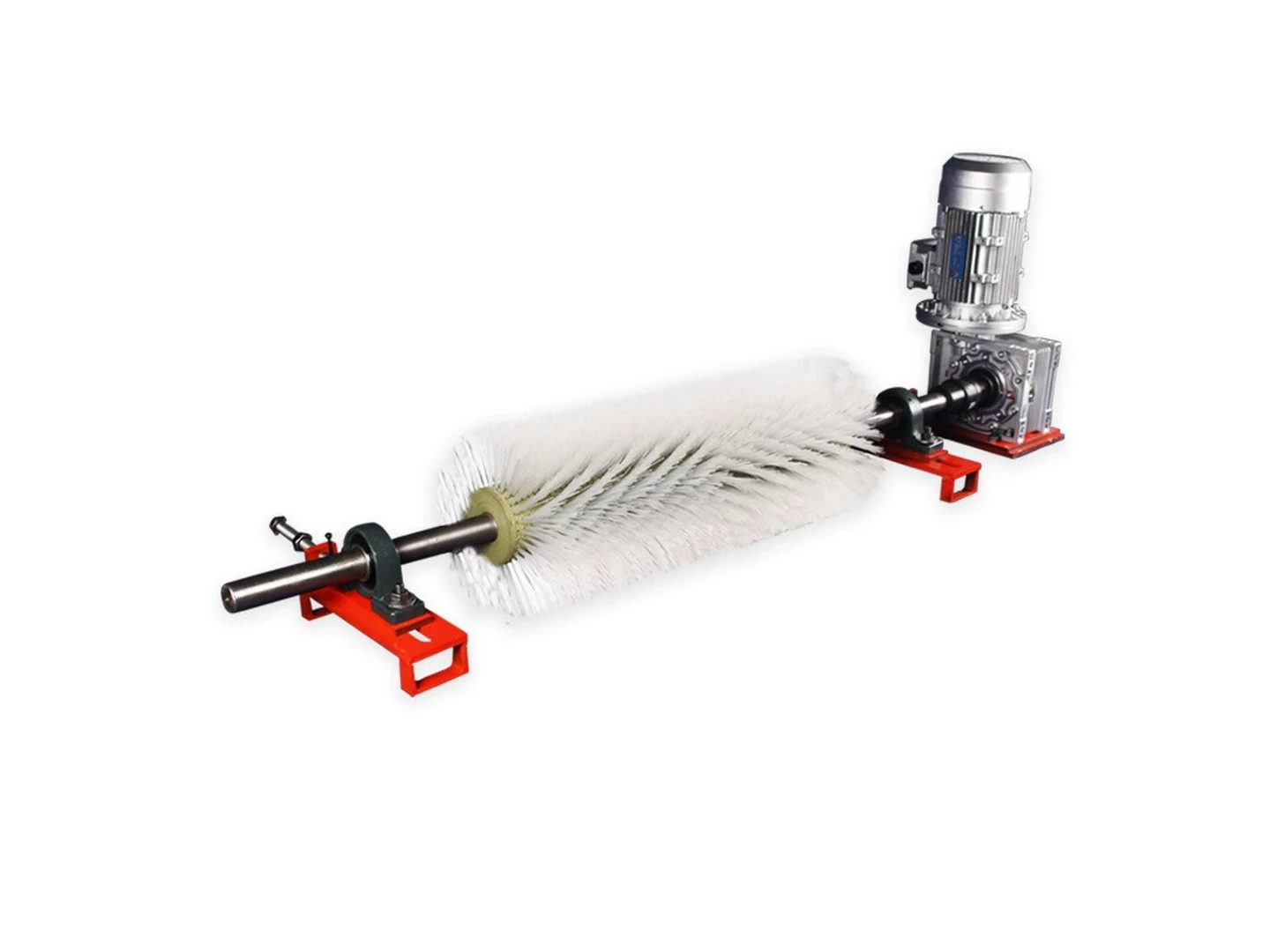
| Full-width continuous cleaning | Cylinder or roller brush | A shafted face covers the moving surface and controls relative speed. |
| Straight wiping or sealing line | Strip brush | A channel or backing holds a defined trim along an edge or opening. |
| Flat face contact | Disc, plate, or block brush | The brush applies distributed contact across a plane or shaped fixture. |
| Aggressive powered removal | Wheel, cup, end, or abrasive brush | Shorter trim and driven speed raise cutting action for scale, rust, oxide, and burrs. |
3. Choose Filament by Surface and Residue
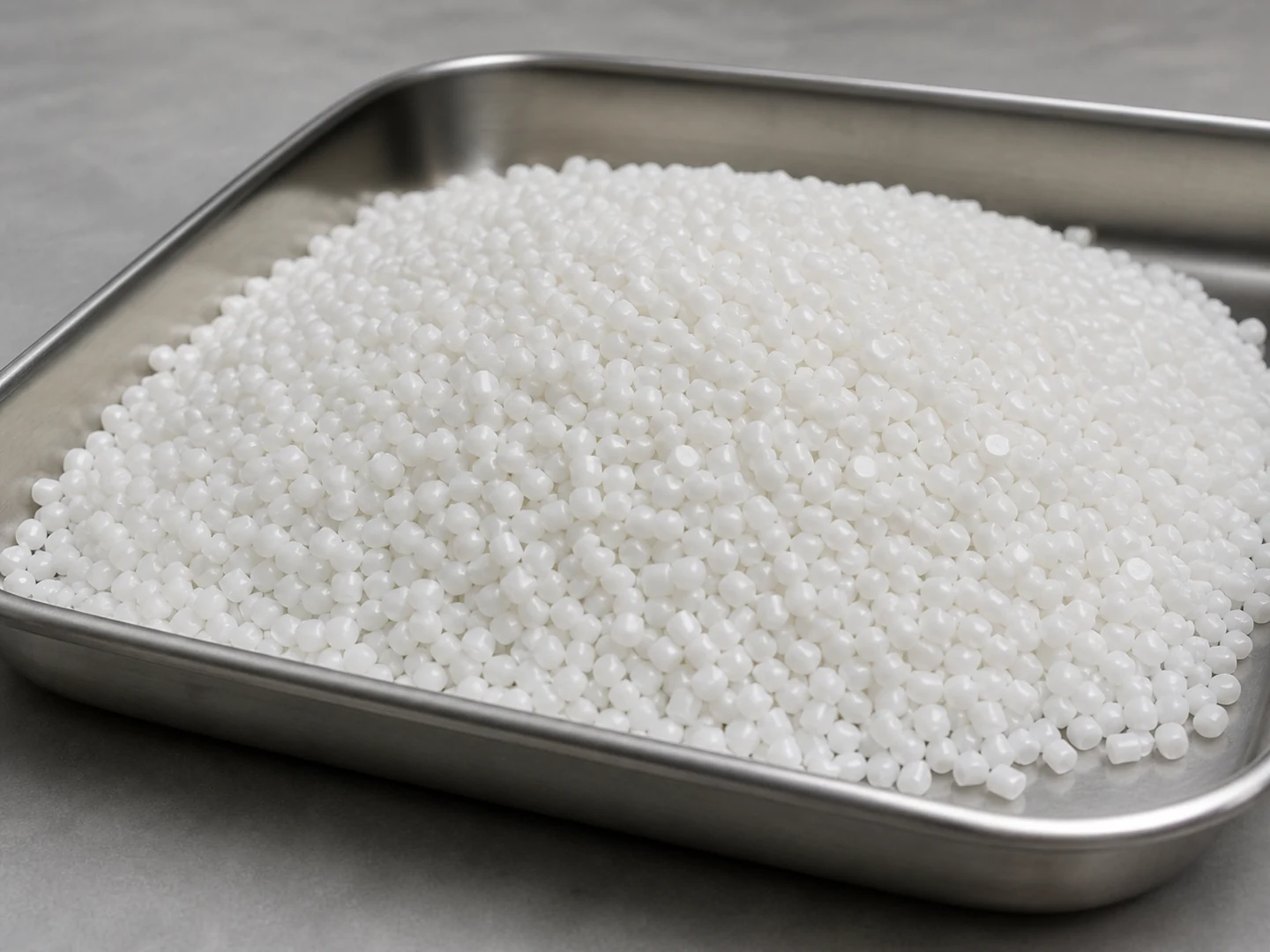
Use fine nylon 612, PBT, horsehair, flagged synthetic filament, or soft natural fiber for dust, liquid film, and sensitive surfaces. Use polypropylene where low moisture uptake and acid/alkali resistance dominate. Use abrasive nylon for controlled oxide removal, deburring, and surface preparation. Use stainless, carbon steel, brass, or phosphor bronze when the deposit requires metal cutting action, conductivity, or a softer non-ferrous wire.
Filament material is only one stiffness input. Filament diameter, free trim, density, crimp, pattern, and working engagement can turn the same material into a soft wiping brush or a firm scrubber.
4. Set the Measurable Design Inputs
| Input | Record |
|---|---|
| Part geometry | Diameter, width, length, profile, tolerance, corners, steps, bends, and access direction |
| Motion | Manual push/pull, rotation, line travel, reciprocation, free-wheeling, or powered drive |
| Operating data | Brush equipment speed or line speed, contact direction, engagement, duty cycle, and available power |
| Environment | Dry/wet, temperature, detergent or chemical, steam, dust, hygiene, and static-control needs |
| Interface | Stem, loop, handle, thread, shaft, hub, keyway, flange, channel, backing, or OEM mount |
5. Reject the Wrong Brush Early
A brush is not the best first stage for thick sludge, large chunks, hardened adhesive layers, or heavy scale that needs scraping, blasting, chemical softening, or high-pressure flushing. A brush can remain the finishing stage after bulk removal. Sensitive coatings also rule out coarse wire and excessive contact even when cleaning speed looks attractive.
What to Send for a Quote
Send a drawing or dimensioned photo, surface material, residue, cleaned area, access, wet or dry use, temperature, motion, speed, current failure, quantity, and the required mount. Include the existing brush or machine interface when reproducing an OEM part.
Technical References
- American Brush Manufacturers Association — Brush Lingo
- ABMA — ANSI B165.1 Power Brush Safety
- NIST — Metric SI Units
Which bristle material fits this job — PA612 Nylon, Polypropylene PP or AISI 304 Stainless Steel Wire?
| Material | Continuous temperature (°C) | Peak temperature (°C) | Water absorption | Hardness |
|---|---|---|---|---|
| PA612 Nylon | 90–110 | 130–150 | 0.3–0.7% | Shore D 70–80 |
| Polypropylene PP | 80–100 | 120–140 | ≤0.03% | Shore D 65–75 |
| AISI 304 Stainless Steel Wire | 400 | 500 | 0% | Rockwell B 70–95 depending on temper and cold work |
| AISI 316 Stainless Steel Wire | 400 | 500 | 0% | Rockwell B 70–95 depending on temper and cold work |
Figures as published by Brushtec / DuPont; Perlon; Alleima. Confirm the exact grade against the supplier datasheet before ordering.
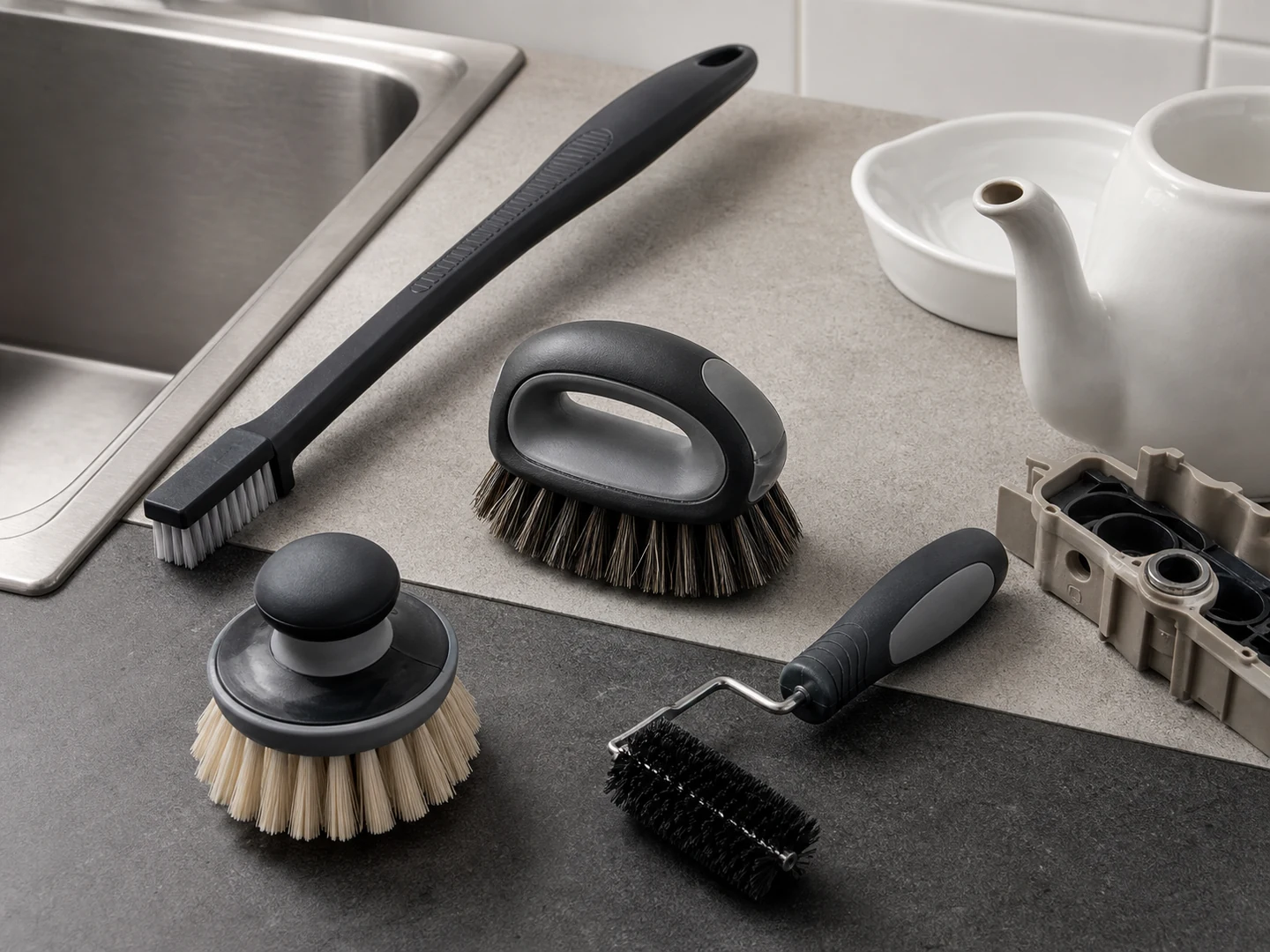
When are Handheld Detail Brushes the wrong choice?
- Handheld Detail Brushes — Use a tube brush, powered brush, scraper, wipe, sponge, or vacuum when the target is internal, heavily bonded, or highly delicate.
- Roller and Conveyor Brushes — Use a stationary strip brush for a fixed linear seal or wipe, or another process when rotating line contact interferes with the product or cannot discharge the residue safely.
- Tube & Pipe Bore Brushes — Use pigs, flushing, ultrasonic, chemical descaling, blasting, or a flexible cable system for long, sharply curved, or heavily scaled passages.
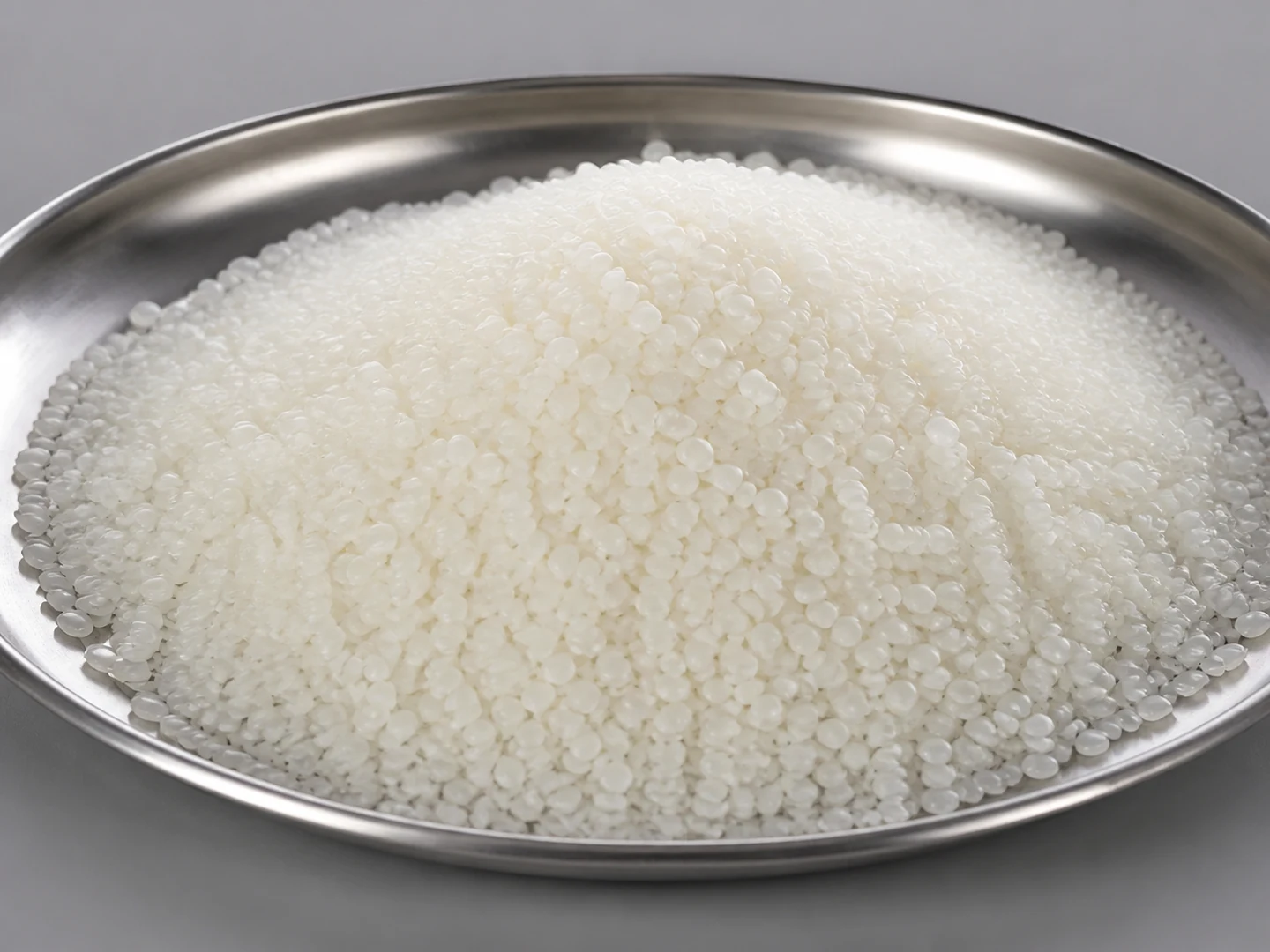
- PA612 Nylon — PA612 costs more than general PA6 and should be used where its wet stability, recovery or wear life creates a real process benefit.
What should replace Handheld Detail Brushes when they stop working?
- Handheld Detail Brushes — Handheld detail brushes cover general precision cleaning; auto-detailing brushes impose tighter controls for painted, polished, leather, display, and trim surfaces.
- Roller and Conveyor Brushes — Roller and conveyor brushes hold cylindrical line contact across a working width, including helix-wound builds where the filament path is set to move loosened material toward one side; a strip brush holds the same line without rotating, so it seals or wipes but cannot carry residue along the width.
- Tube & Pipe Bore Brushes — Tube and bore brushes work by radial contact inside a confined diameter; wire wheels and cups work mainly on external edges, profiles, welds, and broad surfaces.
- PA612 Nylon — Compare PA612 Nylon with PA66, PP, PBT. Change material when wet stiffness, temperature, chemical resistance, conductivity, particle shedding, or surface marking becomes the limiting factor.