What Is Chemical Resistance in Brushes?
Chemical resistance describes a filament’s ability to hold its original shape, stiffness, and surface quality after repeated or prolonged contact with a cleaning fluid. When a brush material lacks resistance, you see swelling (dimensional change), loss of bristle snap, softening, cracking, or actual mass loss. For metal filaments, resistance often means freedom from pitting, stress‑corrosion cracking, or discoloration that can transfer to work surfaces.
Common Filament Materials for Chemical Resistance
Five material families cover the vast majority of chemically exposed brushes:
- PA (Nylon) – Excellent toughness and abrasion resistance but attacked by strong acids and oxidizing agents. Nylon bristles are popular for general‑purpose cleaning because they hold their shape and flex millions of cycles, but chemical exposure limits their range.
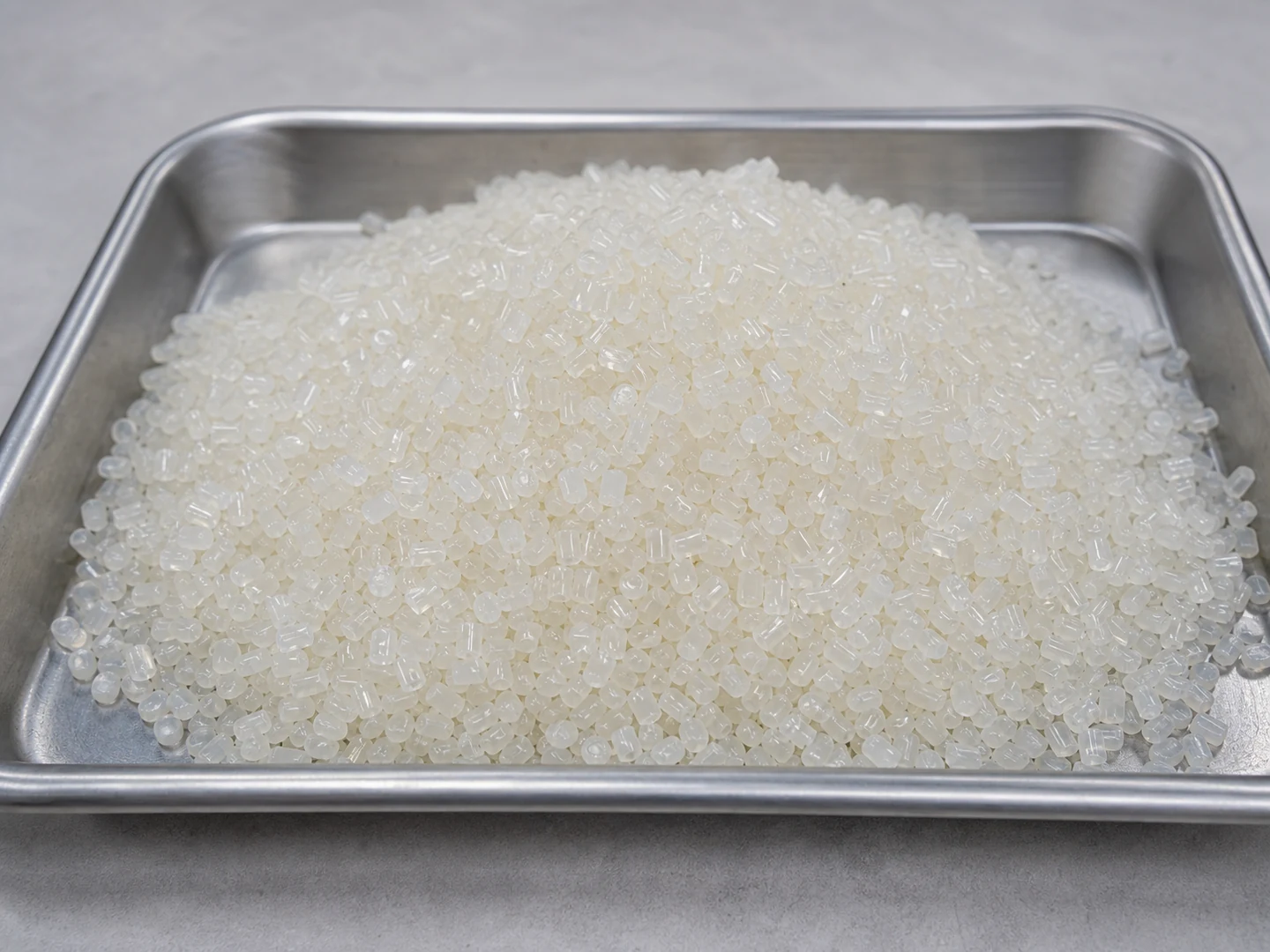
- PBT (Polybutylene Terephthalate) – Stiffer and more dimensionally stable than nylon, with good resistance to many oils, greases, and weak alkalis. PBT tends to degrade in hot water and strong acids above its service temperature.
- PP (Polypropylene) – Lightweight and inherently inert to most acids, alkalis, and organic solvents at room temperature. PP softens at elevated temperatures and lacks the stiffness of nylon or PBT, so it is best for wet, low‑abrasion scrubbing.
- PTFE (Polytetrafluoroethylene) – Virtually universal chemical compatibility; attacked only by molten alkali metals and a few fluorinating agents. PTFE filaments and coatings suit the harshest conditions, though they are soft and wear faster in highly abrasive work.
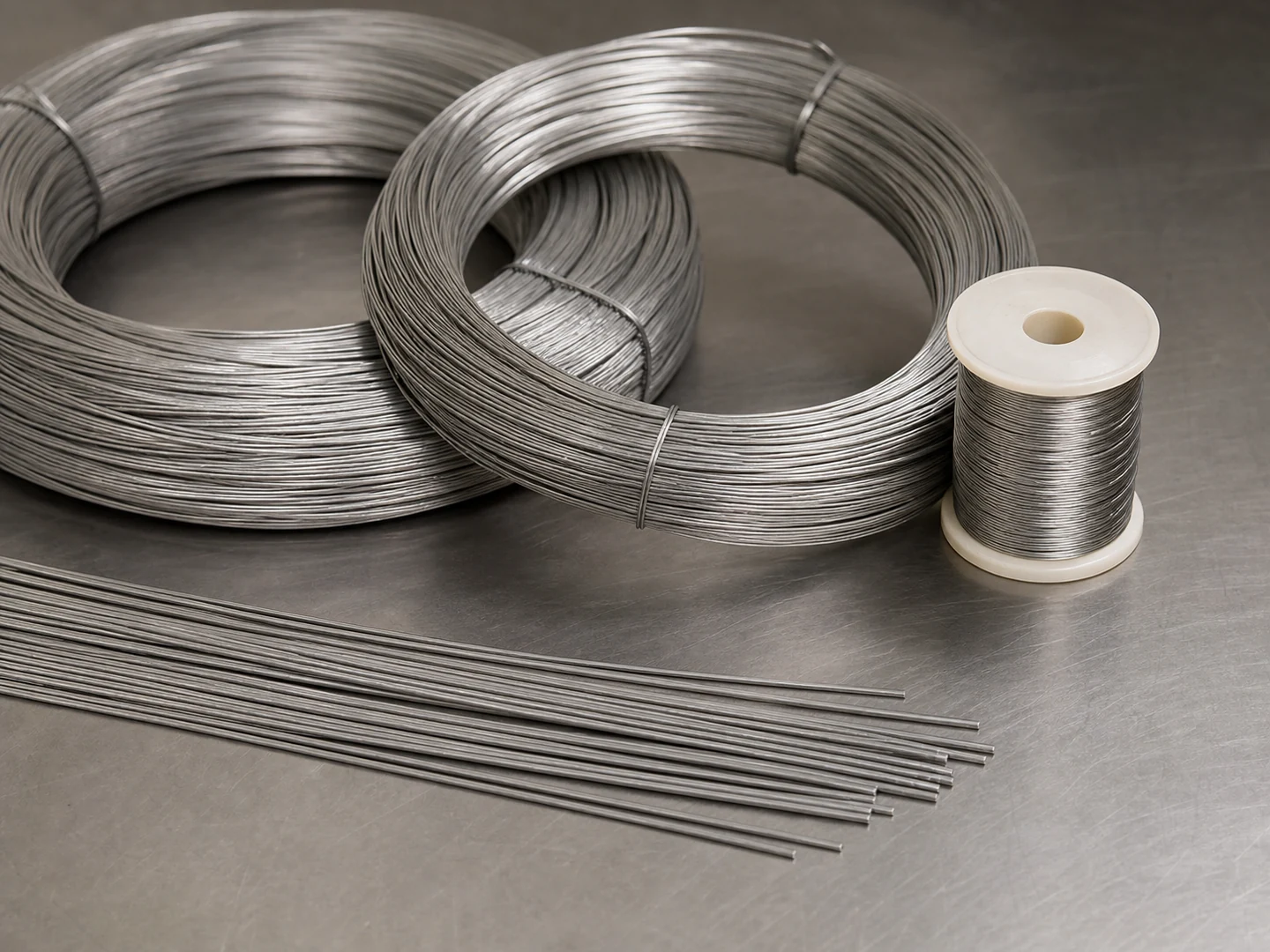
- Stainless Steel (typically 304/316) – Handles strong alkalis, organic solvents, and many acids but can pit or stress‑crack in chloride‑rich environments (hydrochloric acid, bleach). Passivation and alloy grade matter greatly.
Compatibility Table for Acids, Alkalis, and Solvents
The table below summarizes general chemical resistance at room temperature for intermittent contact. Always verify with the filament supplier’s resistance chart for your exact concentration and process temperature.
| Material | Weak Acids | Strong Acids | Weak Alkalis | Strong Alkalis | Aliphatic Solvents | Aromatic Solvents | Chlorinated Solvents |
|---|---|---|---|---|---|---|---|
| PA (Nylon) | Fair | Not Recommended | Good | Fair | Excellent | Good | Fair |
| PBT | Good | Not Recommended | Good | Fair | Excellent | Good | Fair |
| PP | Excellent | Good | Excellent | Excellent | Good | Fair | Not Recommended |
| PTFE | Excellent | Excellent | Excellent | Excellent | Excellent | Excellent | Excellent |
| Stainless Steel | Good | Fair* | Excellent | Excellent | Excellent | Excellent | Good |
* Stainless steel’s resistance to strong acids depends heavily on the specific acid and halide content. Hydrochloric acid and bleach are aggressive; nitric and phosphoric are often acceptable at low concentrations.
Key Factors for Brush Material Selection
Use this checklist to move from chemistry to a shortlist of candidate filaments:
- Chemical identity and concentration – Dilute solutions may behave very differently than concentrated ones.
- Temperature – Polypropylene softens above 80 °C; nylon hydrolyzes in hot water over time; stainless steel remains stable but may accelerate corrosion.
- Exposure pattern – Continuous submersion is harsher than a quick rinse between batches. Intermittent air‑drying can concentrate chemicals on bristle tips.
- Mechanical demands – Does the brush need to scrub rust, scale, or baked‑on carbon? High abrasion favors nylon or stainless steel; PTFE or PP may wear too quickly.
- Cost vs. replacement frequency – PTFE is often 5–10× the cost of PP or nylon, but if it lasts 20× longer in your stream, total cost of ownership favors the expensive filament.
- Cross‑contamination risk – Metal filaments can leave residue on stainless tanks; polymer filaments can absorb solvents and release them later.
Setup and Usage Factors That Affect Chemical Compatibility
Even a chemically correct filament can fail early if operating conditions work against it:
- Rinsing – Always rinse brushes immediately after use; dried chemical films become far more aggressive overnight.
- Drying temperature – Blast‑drying with hot air above the filament’s heat‑deflection temperature can permanently curl bristles.
- Chemical mixing – A brush used in Acid A, then immediately dipped in Base B, can experience an exothermic neutralization that degrades the bristle core.
- Storage – Hang brushes vertically so moisture drains; never store wet brushes in a closed bucket where solvent vapor concentrates.
Common Mistakes in Chemical Brush Selection
Many brush failures trace back to these avoidable errors:
- Using nylon brushes with strong acids. Even short contact can cause rapid swelling and loss of stiffness, often within a single shift.
- Assuming all stainless steel resists all acids. Hydrochloric acid and bleach pit stainless bristles quickly, leading to breakage and metal contamination.
- Ignoring temperature. A filament rated “excellent” at 20 °C may fail at 60 °C; always check the temperature envelope.
- Choosing by cost alone. A low-cost PP brush that softens after three cycles costs more in downtime than a properly specified PBT or PTFE alternative.
- Overlooking wear‑particle contamination. Abraded nylon bristles can shed microplastics into food or pharma products; know your process hygiene limits.
When Standard Materials Aren’t Enough: PTFE and Beyond
If your cleaning fluid contains multiple aggressive chemistries—say, hot concentrated sulfuric acid followed by a chlorinated solvent rinse—standard polymers like nylon, PBT, or PP will degrade in one or both steps. In these situations, PTFE is often the first upgrade because it offers near‑universal inertness. However, PTFE’s low stiffness and high wear rate can be a trade‑off. For hot oxidizing acids (nitric, chromic) or fluids containing free chlorine, you may need to consider exotic metal‑alloy brushes (Hastelloy, titanium) or brushes with PTFE‑encapsulated cores. These choices should be validated with a chemical compatibility test using your actual process fluid and expected cycle count.
Final Takeaway: Matching the Filament to the Fluid
Chemical resistant brush selection isn’t about finding a “best” material—it’s about understanding your stream’s pH, solvent strength, temperature, and mechanical load, then picking the filament that strikes the right balance between chemical survival and physical performance. Start with a broad compatibility table, narrow your candidates, and always validate with a small in‑plant trial before moving to full production consumption.
Frequently Asked Questions
Can I use a nylon brush with dilute acids?
Dilute acids may be tolerated for very short, intermittent contact, but even dilute sulfuric or nitric acid can hydrolyze nylon over repeated cycles. If you must use nylon, rinse immediately and monitor for bristle softening.
What brush material is best for acetone or MEK?
PTFE is the safest choice for aggressive ketones. Polypropylene can work with acetone at room temperature but may swell with MEK. Nylon and PBT typically resist aliphatic solvents well, but MEK is more aggressive—test before committing.
How do I know if my brush is chemically compatible?
Consult the filament manufacturer’s chemical resistance chart for your specific fluid, concentration, and temperature. If no data exists, perform a 24‑hour immersion test: submerge a few bristles in the chemical and check for weight change, softening, or surface cracking.
Is stainless steel safe for all alkaline cleaners?
Most stainless grades resist strong alkalis well, but hot caustic solutions can cause stress‑corrosion cracking in cold‑worked bristles. Use 316L or a fully annealed wire for prolonged exposure to hot sodium hydroxide above 50 °C.
What happens if I use the wrong brush material?
Immediate signs include bristle curling, loss of stiffness, or color bleeding. Over time, the brush sheds particles that can contaminate your product or scratch delicate surfaces. In extreme cases, bristles may dissolve entirely, leaving residue in your process fluid.
Can I test chemical resistance without manufacturer data?
A simple soak test using a scrap brush or loose bristles reveals incompatibility quickly. Weigh the dry bristle, immerse in process fluid at operating temperature for 24 hours, then dry and re‑weigh. A weight change greater than 1–2 % or any visible change signals a poor match.
Does brush filament color affect chemical resistance?
Colorants and UV stabilizers can sometimes alter chemical resistance. A black nylon bristle may contain carbon black, which can slightly improve UV resistance but does not change acid sensitivity. Always verify with the base resin specification, not the color.
When should I consider a custom brush instead of a stock filament?
If your cleaning fluid is proprietary, at an extreme pH, or operates above 100 °C, standard filaments may not have published data. In such cases, a custom brush manufacturer can offer PTFE‑encapsulated cores, blended polymers, or exotic metal alloys tailored to your process. This is especially common in pharmaceutical or semiconductor cleaning applications.
Technical References
Which bristle material fits this job — Nylon PA, AISI 304 Stainless Steel Wire or PBT?
| Material | Continuous temperature (°C) | Peak temperature (°C) | Water absorption | Hardness |
|---|---|---|---|---|
| Nylon PA | 93 | 121 | 0.3–9% by PA grade and conditioning | Medium to firm; filament diameter and trim length control bending force. |
| AISI 304 Stainless Steel Wire | 400 | 500 | 0% | Rockwell B 70–95 depending on temper and cold work |
| PBT | 120–140 | 160–180 | 0.05–0.20% | Shore D 80–90 |
Figures as published by Brushtec / DuPont; Alleima; Perlon. Confirm the exact grade against the supplier datasheet before ordering.
When is Nylon PA the wrong choice?
- Nylon PA — The nylon family spans several grades, so heat, moisture and chemical limits should follow the selected PA resin rather than a generic nylon value.
- AISI 304 Stainless Steel Wire — Avoid using AISI 304 as the default in marine, brine, hypochlorite, and persistent chloride environments; use AISI 316 when higher pitting and crevice-corrosion resistance is required.
- PBT — Not for heavy rust removal or high-cutting deburring.
What should replace Nylon PA when it stops working?
- Nylon PA — Compare Nylon PA with PP, PBT, PET. Change material when wet stiffness, temperature, chemical resistance, conductivity, particle shedding, or surface marking becomes the limiting factor.
- AISI 304 Stainless Steel Wire — Use AISI 316 stainless steel wire for chloride, marine, dairy, beverage, chemical washdown, or higher pitting-resistance requirements. Use carbon steel for dry aggressive cutting and brass or abrasive nylon for lower marking risk.
- PBT — Compare PBT with Nylon, PP, PET. Change material when wet stiffness, temperature, chemical resistance, conductivity, particle shedding, or surface marking becomes the limiting factor.