
Brush Type
Custom Strip Seal Brushes
Strip Brush
Choose a strip seal brush when a continuous line of filament must seal, wipe, guide, contain, or protect an edge, gap, opening, or moving interface.
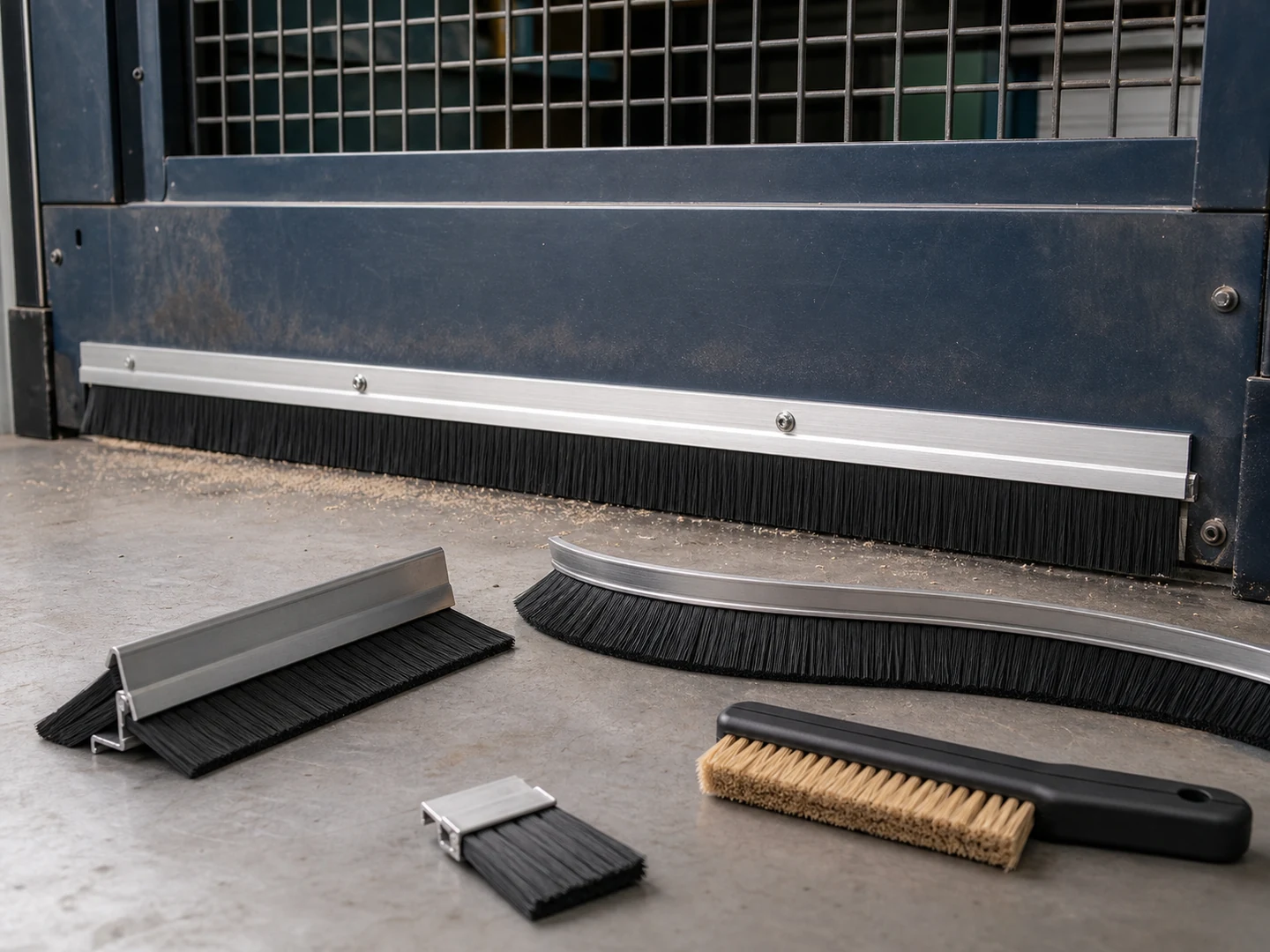
At a glance
- How it is driven
- Fixed in place; the work moves past it
- How it mounts
- Metal channel, aluminum holder, rigid or flexible polymer backing, adhesive track or screw slots.
When should you choose this brush type?
Choose a strip seal brush when you need a continuous flexible line for sealing, wiping, guiding, dust control, or edge protection. Choose a machine-table brush plate when the job needs a broad area of distributed support or contact rather than one linear barrier.
What are Strip Seal Brushes?
Strip brushes hold filament in a metal channel or a rigid or flexible backing to create continuous linear contact. They can block dust and mist, close door and cable-entry gaps, wipe a moving surface, guide parts, reduce noise, or protect an exposed edge.
The backing profile, holder, trim, density, filament direction, and installed compression determine whether the strip seals lightly, wipes actively, or guides with controlled drag. A strip that is too short will leave gaps; excessive interference bends the fill, raises friction, and shortens service life.
What dimensions can I customize?
| Filament diameter | 0.10–1.27 mm; 0.05–1.00 mm |
|---|---|
| Holder | Straight channel, aluminum carrier, angle holder, or custom profile; Aluminum, steel, PVC, or custom profile |
| Contact setting | Use 5–15% trim compression for wiping and dust control |
| Custom strip length | 100–3000 mm |
| trim height | 12.7–152.4 mm |
Where is this brush type commonly used?
Start with the job the brush needs to do, then confirm dimensions, contact direction, material, and mounting.
What configurations are available?
Metal-channel strip
Filament captured in a formed channel for straight or curved holders and replaceable sealing sections.
Holder-mounted strip
A channel strip supplied with an aluminum or polymer carrier for screw, slot, or slide-in installation.
Stapled block strip
Tufts set into a rigid polymer or wood backing for wiping, guiding, and heavier linear contact.
Flexible-back strip
A bendable backing follows curves, irregular openings, or moving machine contours.
Segmented replacement strip
Short sections are installed in a long track so high-wear zones can be replaced separately.
What material is right for this brush type?
Nylon PA
General sealing and wiping with good recovery and a wide stiffness range.
PBT
Wet or frequently washed installations where lower water absorption is useful.
Polypropylene PP
Economical moisture and chemical service where the temperature is suitable.
Horsehair or soft fiber
Low-friction sealing and dust control on surfaces that should not be marked.
Antistatic or conductive filament
Cable entries, electronics, and process openings where charge control is part of the requirement.
Stainless wire
High-temperature or aggressive wiping only where metallic contact is acceptable.
Filament materials to compare
What do I need to know before ordering?
Specify the gap or edge profile, total length, backing or holder section, trim height, intended compression, movement direction, surface speed if applicable, temperature, chemistry, static requirements, and mounting-hole pattern.
Questions this page is asked
How should a strip brush be trialed on a moving door, guide or conveyor edge?
Cycle the full travel at the intended speed while checking actuation force, filament fold direction, snag points, heat and recovery after dwell. Inspect every segment joint and end transition for an open leakage path or a proud carrier that can strike the moving component.
What must be demonstrated when a strip brush is specified for static control?
Define the required electrical function and test method, then verify continuity through the actual filament, carrier, fasteners and grounding point after installation. Repeat the accepted measurement under relevant contamination and humidity conditions and after maintenance, because a conductive fill cannot work through an isolated mounting path.
Guides that go deeper on this
Anti-Static Strip Brushes: What Sets the Resistance?
Read this guideGuideBattery Separator Brushes: Cleaning and Static Elimination
Read this guideGuideBrush Anatomy and Terminology
Read this guideGuideBrush Diameter, Trim Length, and Filament Diameter
Read this guideGuideBrush Trim Length and Density: How to Specify for Custom Orders
Read this guideGuideBucket Elevator Seal Brushes: How to Choose the Right Type
Read this guideGuideCeramic Glaze Line Brushes: Applying and Cleaning Glaze Surfaces
Read this guideGuideCeramic Strip Brushes: Why Glass Lines Use Them
Read this guideGuideCold Storage Door Brush Seal: Cold, Moisture and Retention
Read this guideGuideCombining Brushes with Air, Vacuum, Spray, and Scrapers
Read this guideGuideConveyor Belt Cleaning Brush Design
Read this guideGuideConveyor Brush Pressure: Residue Removal Without Belt Damage
Read this guide32 guides are indexed against this one. The rest are in the technical resources library.
Continue Exploring
Recommended Reading & Related Brush Resources
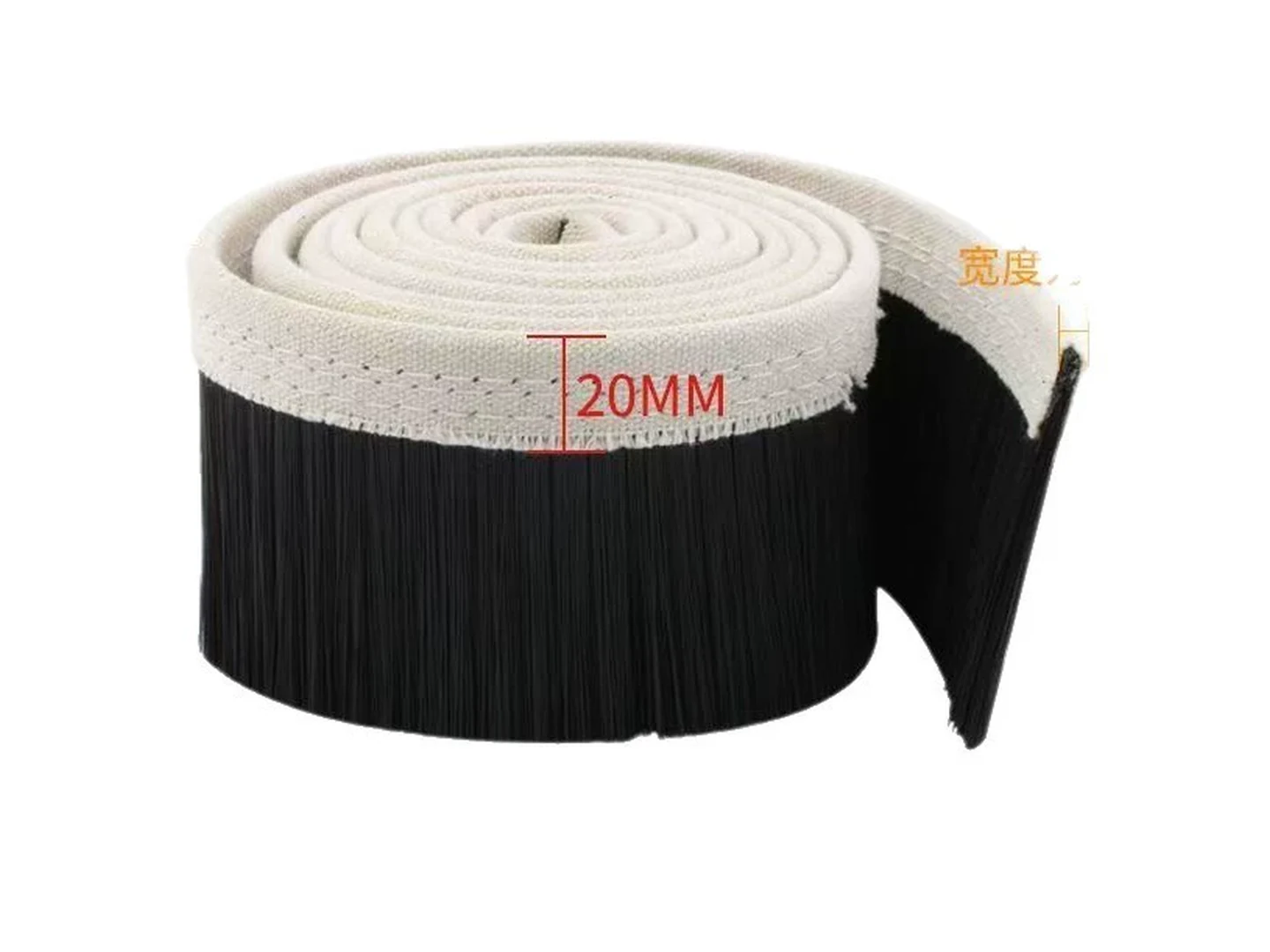
Seal Strip Cleaning Brush
The fill is sized to channel depth, so the tips reach the base of…
See the specification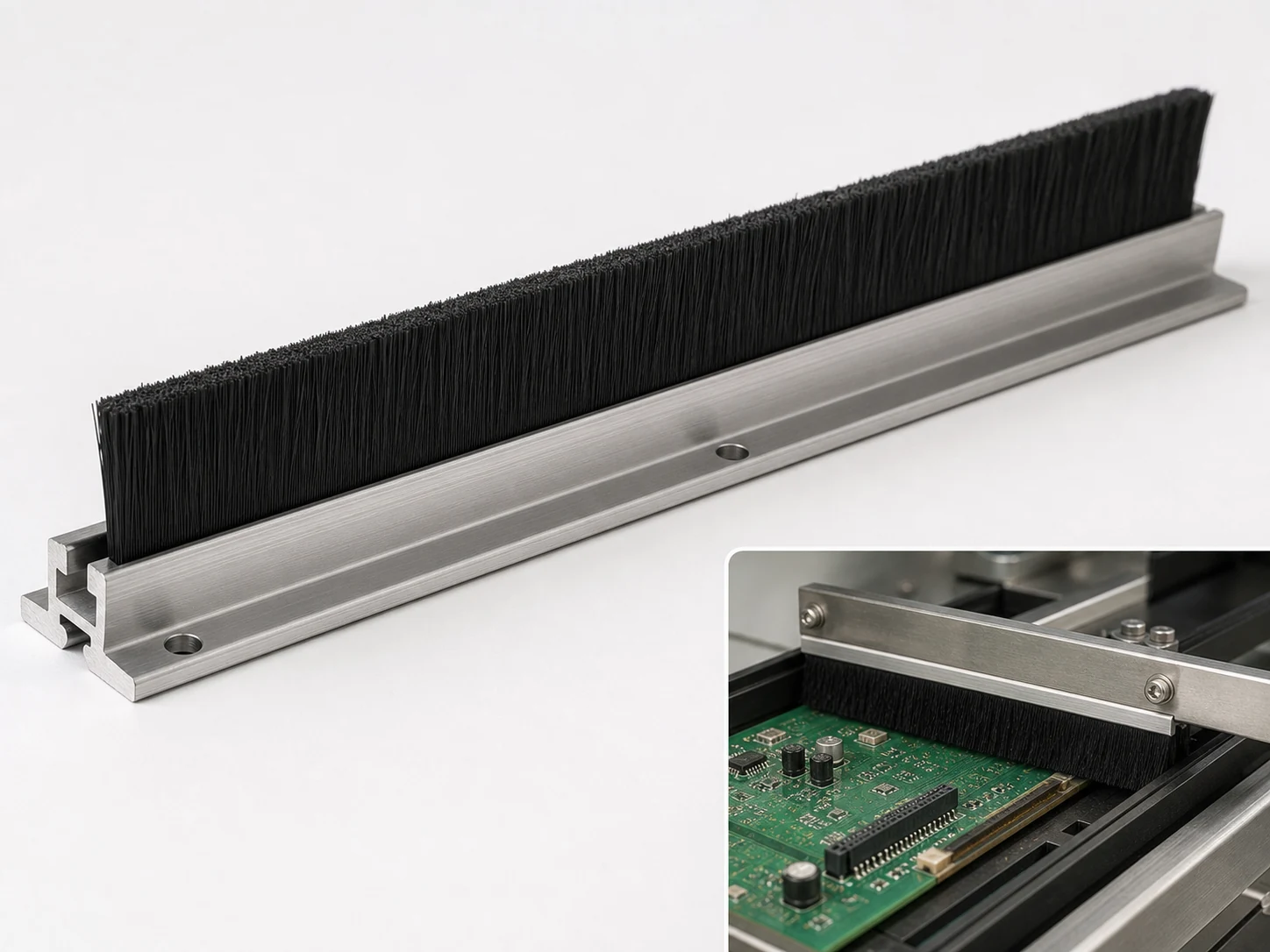
Anti-Static Strip Brush Food Processing
Conductive-nylon anti-static strip brush for food processing and packaging lines. Dissipates static and wipes…
See the specification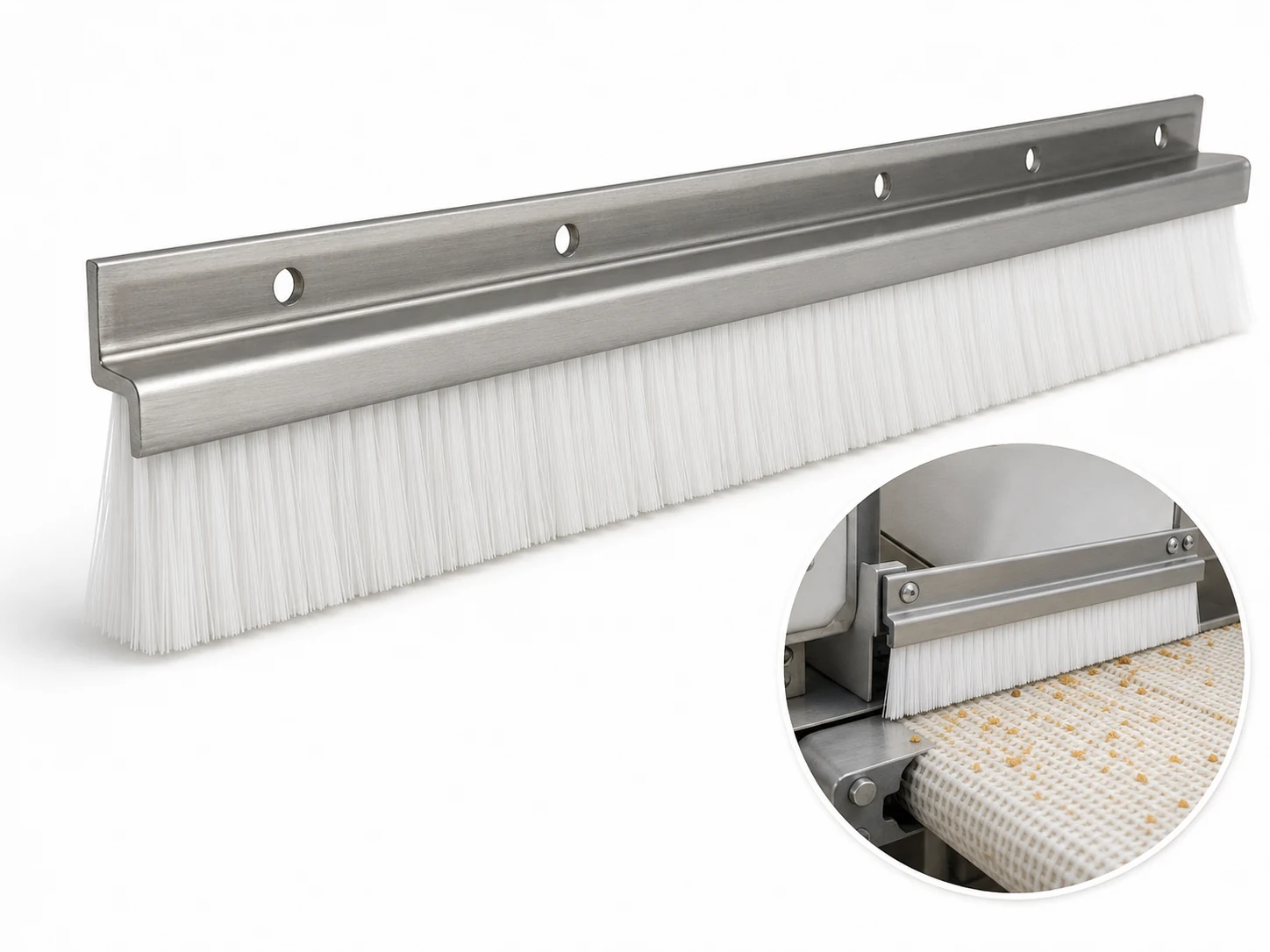
Strip Brush Food Processing
Custom strip brush for food processing equipment. Wipes and seals conveyors, hoppers, sifters, trays,…
See the specification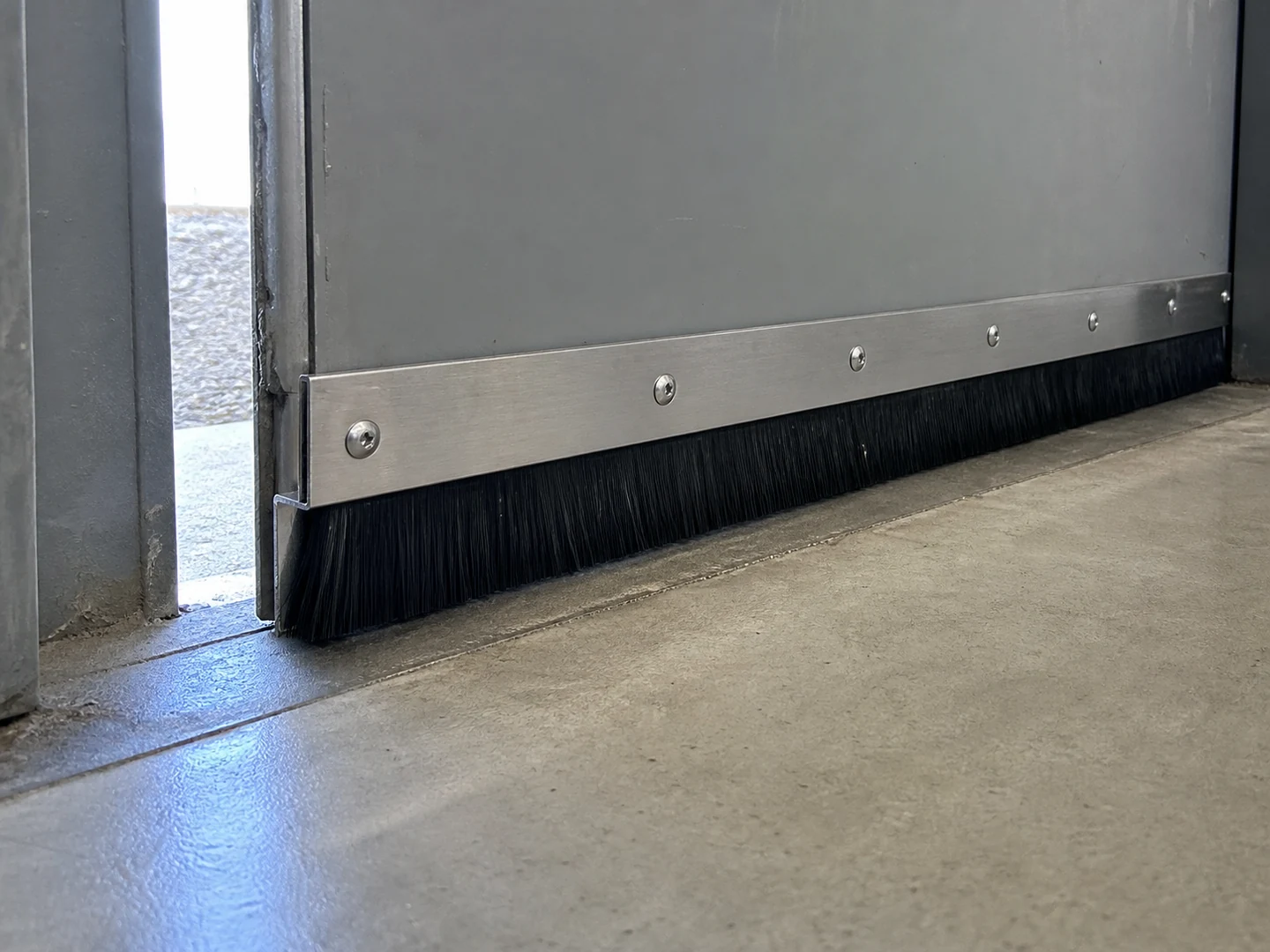
Door Gap Sealing
Door Gap Sealing is a process-use page rather than a general cleaning category.
See the cleaning job
Rail Transit Platform Door & Noise Control Sealing
Rail Transit Platform Door & Noise Control Sealing is a process-use page rather than…
See the cleaning job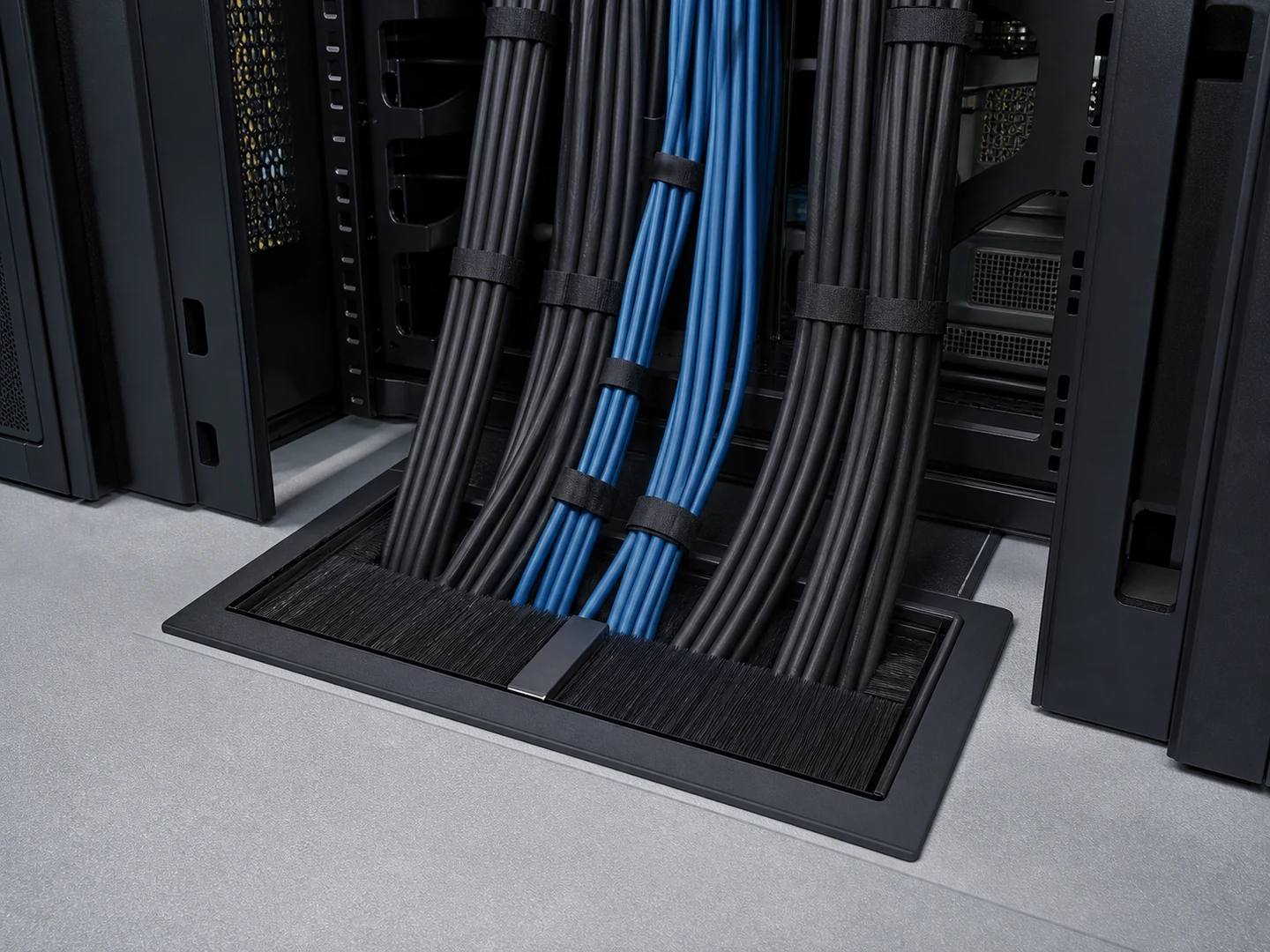
Data Center Cabinet Cable Entry Sealing
Data Center Cabinet Cable Entry Sealing is a process-use page rather than a general…
See the cleaning job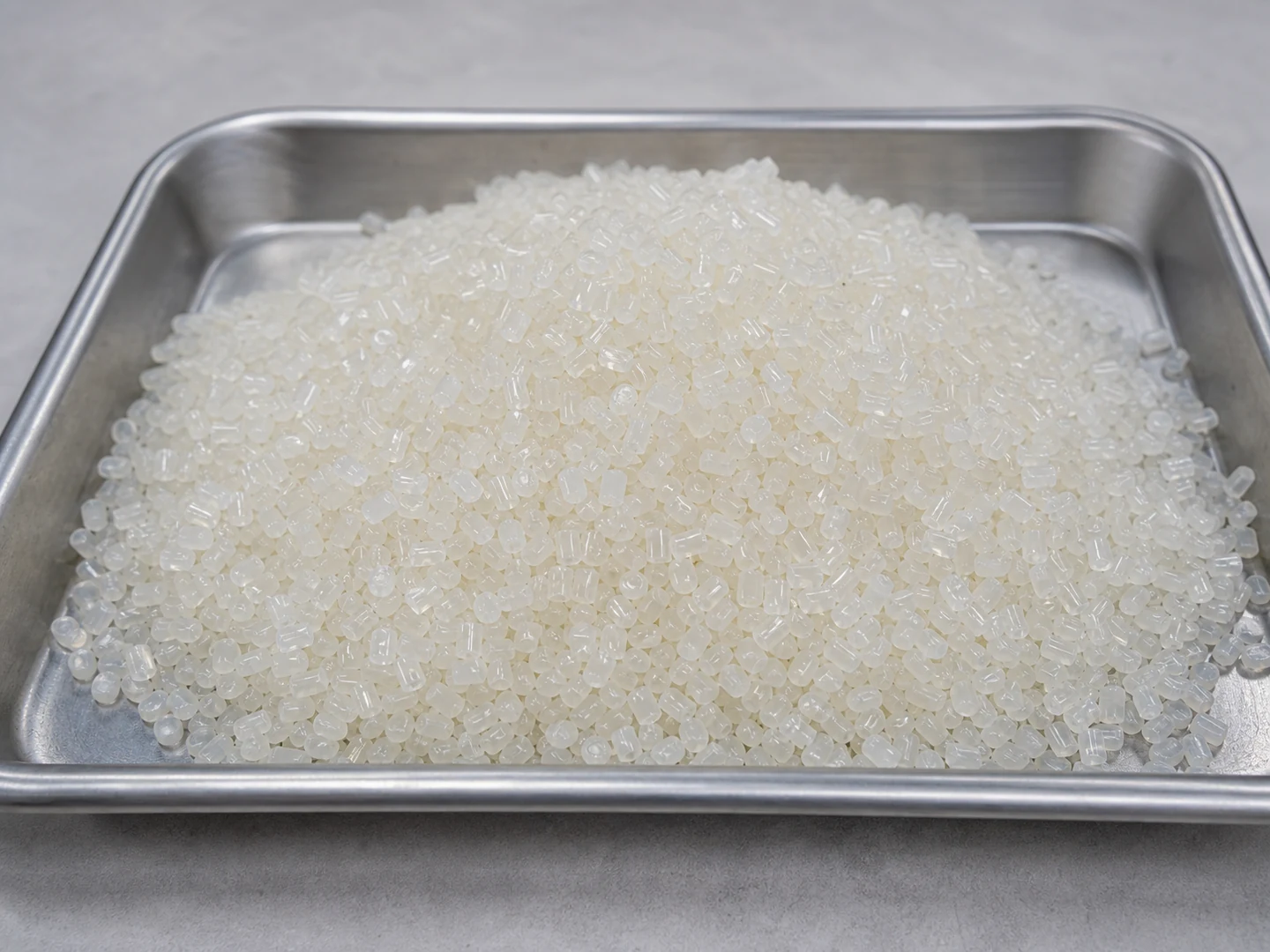
Nylon PA
Choose Nylon PA based on its stiffness, recovery, wear, wet-service, chemical, and temperature behavior.
Compare this material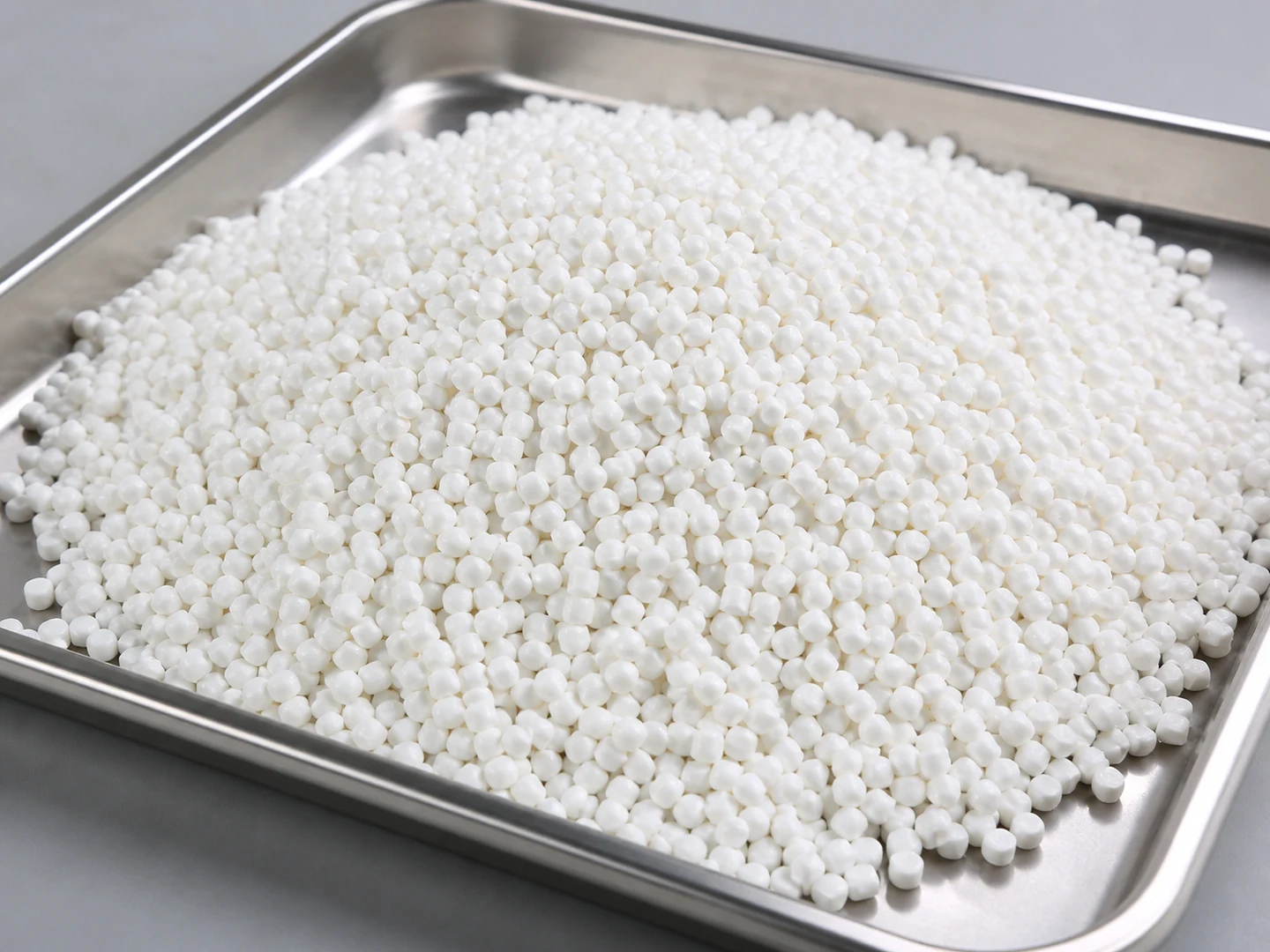
PBT
Choose PBT based on its stiffness, recovery, wear, wet-service, chemical, and temperature behavior. Do…
Compare this materialCustom Manufacturing RFQ
Discuss This Brush Type
Share the working surface, residue, dimensions, material direction, interface, quantity and drawing or sample photo.
Custom Brush RFQ
Request a Custom Cleaning Brush Quote
Upload a drawing, product photo, or sample photo and provide the core dimensions and cleaning conditions.
“We need a brush to remove wet residue from a stainless steel conveyor, about 800mm wide. The current brush wears quickly. We can send photos.”
“We sell drinkware and need a cleaning brush to include with the product. Quantity around 5,000 pieces.”