What Is a Bucket Elevator Seal Brush?
A bucket elevator seal brush is a specialized brush strip used to seal the clearance gap between the moving bucket assembly and the stationary elevator housing. Unlike a simple rubber or felt seal, a brush seal applies hundreds of flexible bristles against a surface to create a dynamic barrier that blocks dust and granular particles while allowing the belt or buckets to pass with low friction. These brushes are commonly found in agricultural, food processing, aggregate, and mineral handling bucket elevators where fine powders, grain dust, or abrasive fines cause sealing challenges.
Common Brush Structures and Bristle Options
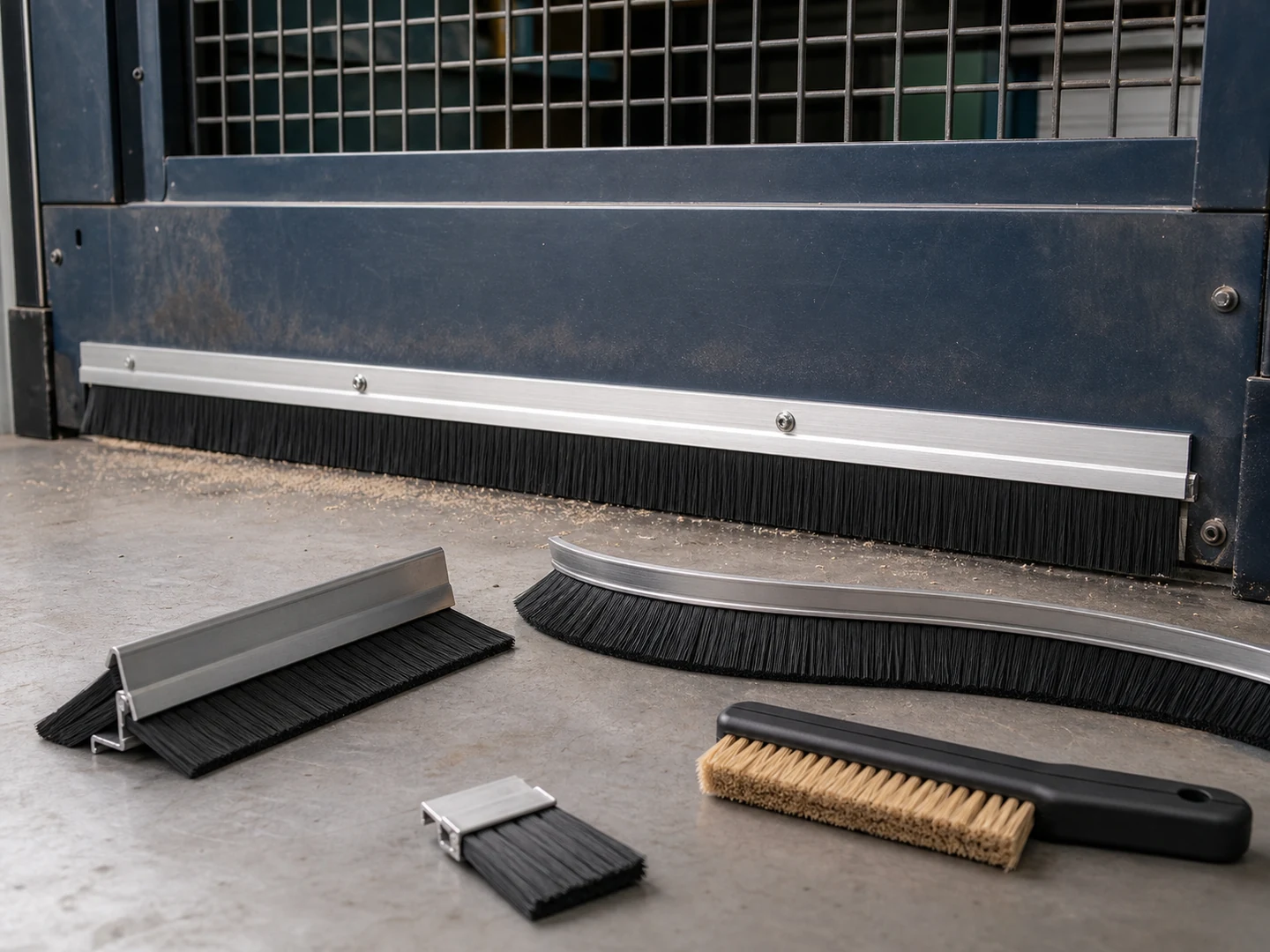
Most bucket elevator seal brushes fall into a few standard configurations based on the holder profile and bristle material. The holder is typically extruded aluminum, galvanized steel, or rigid plastic, and the bristles are mechanically crimped or co-extruded into the channel. Understanding these basic types helps you quickly narrow down what will fit your equipment.
- Straight strip brush (flat holder): A flat metal or plastic channel with one row of bristles. Used on straight casing flanges and simple vertical sealing runs.
- Angle strip brush (45° or 90°): The holder is bent to follow an angle between two casing surfaces, often at boot inlets or discharge transitions.
- Flexible strip brush (with spine): A segmented or fully flexible holder that can be bent around curved sections or conform to irregular openings.
- Cup or spiral brush (rotary seal): In some elevator designs, a cylindrical brush is mounted on a shaft and rotates with the pulley to dynamically seal the shaft penetration.
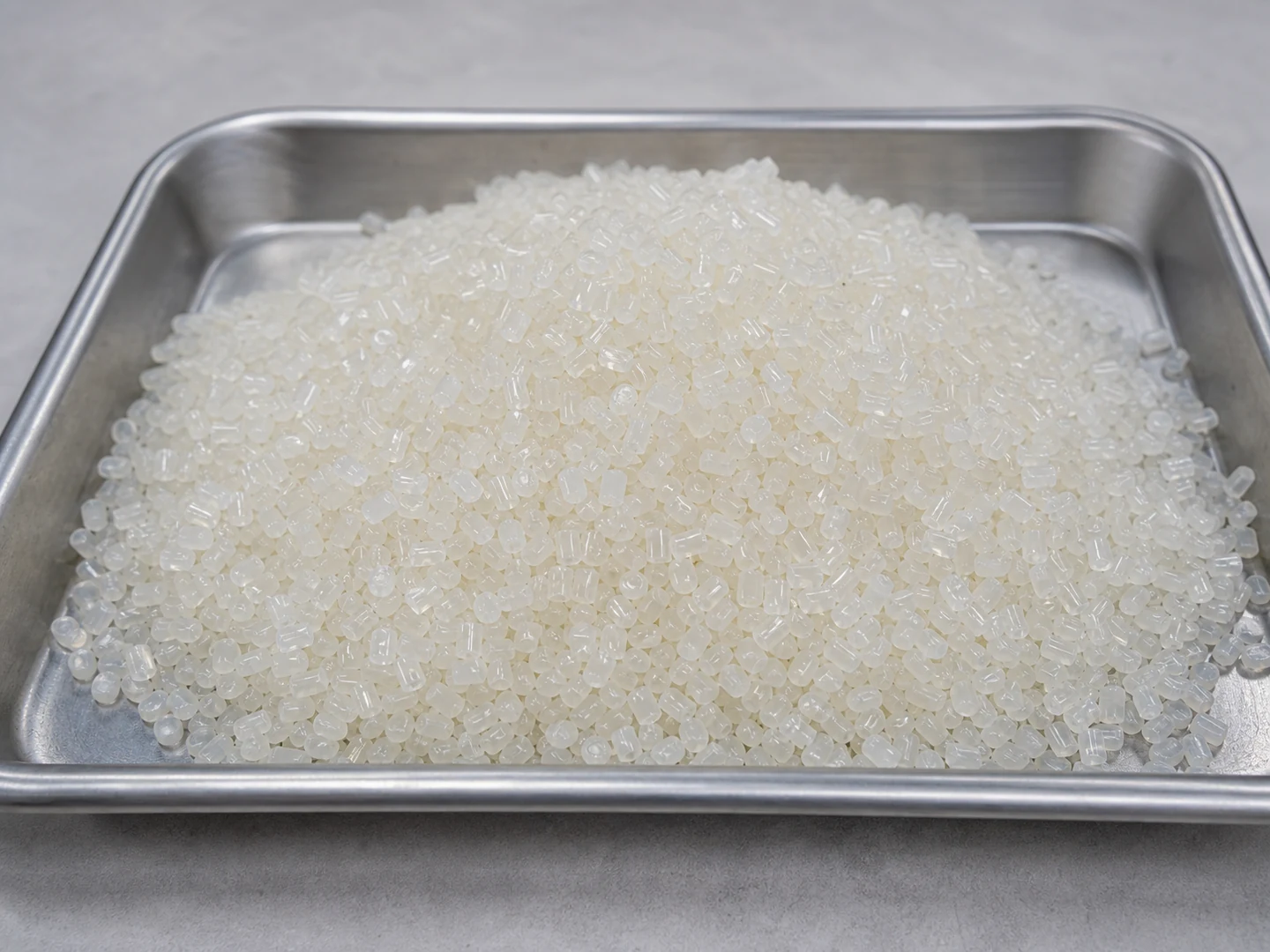
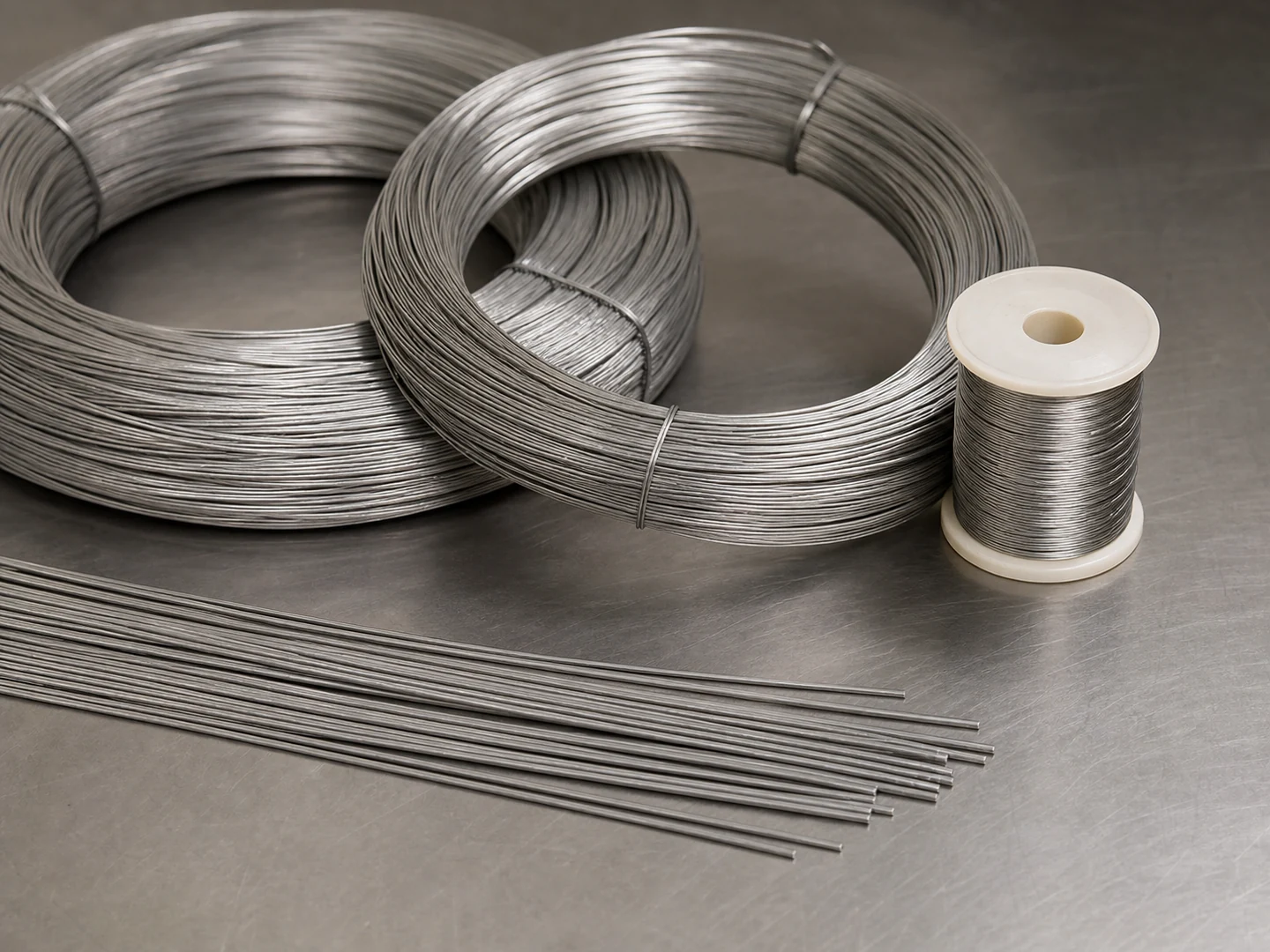
Bristle materials vary widely. Nylon (PA6, PA6.6) is the most common for general-purpose sealing against grain, powder, and non-abrasive fines. Abrasive nylon bristles contain silicon carbide or aluminum oxide grains and are used when the seal also needs to clean or scrape residue from the bucket surface. Polypropylene offers good chemical resistance and is moisture-resistant. Natural fibers like horsehair or tampico are still used in legacy food applications where bristle softness matters. For high-temperature or abrasive-mineral service, stainless steel wire or brass-coated steel wire bristles are available, though they increase friction and require careful alignment.
Comparison Table: Key Brush Configurations for Bucket Elevators
| Brush Type | Bristle Material | Best For | Max Operating Temp | Typical Mounting | Relative Cost | Notes |
|---|---|---|---|---|---|---|
| Flat strip nylon brush | Nylon 6 or 6.6 | Grain, feed, powders, light fines | 180–200°F (82–93°C) | Bolt-on or clamp channel | $ | Low friction, long wear life in dry conditions |
| Flat strip abrasive nylon brush | Abrasive-impregnated nylon | Sticky powders, residue that builds on buckets | 180°F (82°C) | Bolt-on channel | $$ | Cleans bucket surfaces while sealing; may accelerate bucket wear if alignment is poor |
| Angle strip brush (polypropylene) | Polypropylene | Wet or chemical environments, food processing | 150°F (65°C) | Bracket or angle holder | $ | Good moisture resistance, less stiff than nylon |
| Flexible strip brush (co-extruded) | Nylon with flexible PVC spine | Curved flanges or non-straight gaps | 160°F (71°C) | Clip or push-fit channel | $$ | Allows bending without separate holder segments |
| Stainless steel wire brush strip | Stainless steel 304 or 316 | High temperature, abrasive dust, mineral elevators | 500°F (260°C) | Heavy-duty channel with set screws | $$$ | Requires rigid support; may scratch mild steel surfaces |
How to Choose the Right Seal Brush
Selecting a bucket elevator seal brush comes down to matching the brush to four real-world conditions: the physical gap and flange interface, the material being conveyed, the operating environment, and how often you can afford to adjust or replace the brush. Start by measuring the widest clearance gap between the bucket tip and the casing wall throughout one full belt revolution. The brush bristle length should be long enough to maintain contact even at the point of maximum gap, with some compression. A common rule is to choose a bristle length that is 1.5 to 2 times the maximum gap width.
Next, look at the bracket or mounting flange your existing elevator provides. Some casings have a flat vertical strip with pre-drilled holes; others use a slotted clamp system that accepts a T-slot brush holder. The brush holder profile must match or an adapter bracket will be required. If the sealing line is not perfectly straight, a flexible brush strip may save installation time and avoid gaps.
Consider the conveyed material. Fine, dry powders like cement or flour respond well to a dense nylon brush fill because the bristles create a tortuous path for particles. For materials that are sticky or tend to build up on bucket surfaces (e.g., wet distillers’ grains, sticky starch), abrasive nylon bristles can help scrape the bucket surface while sealing, but you must monitor bucket wear. For abrasives such as sand or crushed stone, a sacrificial nylon brush may wear quickly; consider a second sealing barrier or a more wear-resistant filament like stainless steel, provided the bucket surface can tolerate the contact.
Operating temperature and moisture matter. Nylon softens above 180°F; if your elevator handles clinker, hot meal, or heat-treated aggregates, confirm the infrared temperature of the brush location and select a material rated for continuous service at that temperature. In washdown environments, polypropylene or stainless steel bristles with a stainless holder resist corrosion better than galvanized steel.
Maintenance access is the final factor. A brush that requires frequent removal for cleaning or adjustment should use a slide-in or clip-in holder rather than hard-bolted channels. Some designs allow you to pull out a worn brush strip without removing the holder, which reduces downtime.
Common Mistakes When Selecting a Bucket Elevator Seal Brush
Even experienced engineers sometimes miss these points during order preparation:
- Ordering by size alone without checking holder compatibility. The overall dimensions of a brush strip do not support it will fit your existing mounting channel. Always measure the holder back profile or take a small sample of the old holder.
- Assuming all nylon bristles are the same. Nylon 6 and 6.6 absorb moisture differently. In high-humidity or wet material streams, absorbed moisture can swell the bristle and change its stiffness, affecting wear and gap contact.
- Ignoring bucket surface condition. Buckets with rough welds, stepped seams, or deep pitting will wear bristles rapidly and may tear softer materials. In these cases, a thicker filament or a pre-installed wear strip on the bucket may be needed.
- Using a metal bristle brush on a mild steel bucket without testing. Stainless steel bristles can gall or scratch mild steel surfaces, generating fine metallic contamination in food or feed applications.
- Forgetting to specify the brush fill density. A denser brush (more rows of bristles or higher filament count per linear inch) gives better dust sealing but also increases drag and power consumption. For light dust control, a medium fill is usually enough; for fine powder containment, high density is required.
When a Bucket Elevator Seal Brush Is the Wrong Choice
A standard catalog brush strip works well for many bucket elevator sealing points, but it is not a universal solution. If your elevator handles materials with extremely fine dust (below 10 microns) that must meet strict emission limits, a single brush strip may not provide an adequate seal. In these cases, a double brush with a central vacuum extraction port or a brush plus lamella seal combination is often specified.
If the sealing gap varies significantly along the elevator height due to casing distortion or belt tracking wander, a flexible holder alone may not compensate. An adjustable spring-loaded brush assembly or a monitored wear-sensor system might be required—this goes beyond what a standard strip brush offers. When the brush must operate submerged in water or saturated steam, standard nylon or polypropylene holders may distort; custom-machined stainless steel holders with internal watertight gaskets become necessary. In these unusual situations, it is wise to work with an application engineer who can produce a custom drawing or sample for your specific elevator profile.
Final Takeaway
Choosing a bucket elevator seal brush is not about finding the lowest-cost strip that fits the flange. It is about matching the bristle material, holder profile, and fill density to the real gap, material stream, and maintenance routine of your elevator. Start with a careful measurement of the maximum dynamic gap, identify the required mounting interface, and then select a filament that can handle the temperature, moisture, and abrasiveness of your product. A well-chosen seal brush reduces downtime, cuts product loss, and keeps the plant floor cleaner.
Frequently Asked Questions
Can I cut a seal brush to length on site?
Yes, most strip brushes can be cut with a hacksaw or tin snips. However, if the brush has a co-extruded flexible spine, cut carefully to avoid crushing the holder channel. Always deburr the cut edge to prevent it from catching on passing buckets.
How do I measure the gap correctly when the elevator is running?
The best approach is to measure the static gap at multiple points with the belt stopped, then add the maximum expected belt deflection or bucket tip wobble. A dial indicator can help; if that is not practical, use a feeler gauge at several bucket positions and take the largest reading as your reference before applying the 1.5–2× safety factor.
Should I lubricate a nylon seal brush?
No. Nylon bristles are self-lubricating against steel and most bucket materials. Added lubricants can trap dust and turn into an abrasive paste that accelerates wear.
How often should I replace the brush?
Replacement intervals depend on the material, speed, and contact pressure. In moderate grain service, a nylon brush may last a condition-based interval before bristle shortening causes visible dust leakage. In abrasive sand service, replacement may be needed based on wear condition, operating load, and the equipment maintenance plan. Schedule inspections at each scheduled shutdown and replace when bristle length is less than half the original uncompressed length.
What is the difference between a bulk material seal brush and a door bottom seal brush?
A bucket elevator seal brush is designed for continuous contact with a moving surface at varying speeds and often in dusty, high-temperature indoor environments. A door bottom seal brush (such as an aluminium door seal with brush strip) is meant for occasional low-speed contact to block drafts and pests at a building opening. Elevator brushes use higher density fills and more durable holder profiles.
Can I use a bore cleaning brush or bottle brush as a substitute seal?
No. Brushes designed for cleaning bores or bottles have a radial bristle arrangement around a central wire stem. They are not built for linear sealing and will not provide uniform contact along a straight gap. They also lack a proper mounting base for bolt-down installation.
I need a brush to fit a curved boot section. Is a flexible strip enough?
A flexible strip brush with a co-extruded PVC spine can bend in one plane to follow a gentle curve. If the curve radius is very tight, you may need a segmented holder with multiple short brush pieces. Consult the manufacturer’s minimum bend radius specification for the brush before ordering.
Why does my brush keep pulling out of the holder?
This usually happens because the holder was incorrectly specified for the belt direction. Some snap-in brush holders are designed to resist pull-out in only one direction. If the bucket travel tries to peel the brush away from the holder rather than push it inward, the retention mechanism can fail. Check that the holder orientation matches the bucket motion during installation.
Which bristle material fits this job — Nylon PA, AISI 304 Stainless Steel Wire or Abrasive Nylon?
| Material | Continuous temperature (°C) | Peak temperature (°C) | Water absorption | Hardness |
|---|---|---|---|---|
| Nylon PA | 93 | 121 | 0.3–9% by PA grade and conditioning | Medium to firm; filament diameter and trim length control bending force. |
| AISI 304 Stainless Steel Wire | 400 | 500 | 0% | Rockwell B 70–95 depending on temper and cold work |
| Abrasive Nylon | 120 | 150 | 0.1–1.0% | Abrasive filament; stiffness and cutting level is controlled by PA base, grit type, grit size, filament diameter and trim height. |
| PVC | 50–70 | 75–90 | 0.04–0.40% | Shore A 70–95 or Shore D 70–85 |
Figures as published by Brushtec / DuPont; Alleima; Perlon. Confirm the exact grade against the supplier datasheet before ordering.
What should replace Strip Seal Brushes when they stop working?
- Strip Seal Brushes — Strip brushes create a linear barrier or guide; machine-table brush plates distribute load and support products over a broad area. Closest alternative: Machine Table Brush Plates.
- Nylon PA — Compare Nylon PA with PP, PBT, PET. Change material when wet stiffness, temperature, chemical resistance, conductivity, particle shedding, or surface marking becomes the limiting factor.
- AISI 304 Stainless Steel Wire — Use AISI 316 stainless steel wire for chloride, marine, dairy, beverage, chemical washdown, or higher pitting-resistance requirements. Use carbon steel for dry aggressive cutting and brass or abrasive nylon for lower marking risk.
- Abrasive Nylon — Compare Abrasive Nylon with PP, PBT, PET. Change material when wet stiffness, temperature, chemical resistance, conductivity, particle shedding, or surface marking becomes the limiting factor.