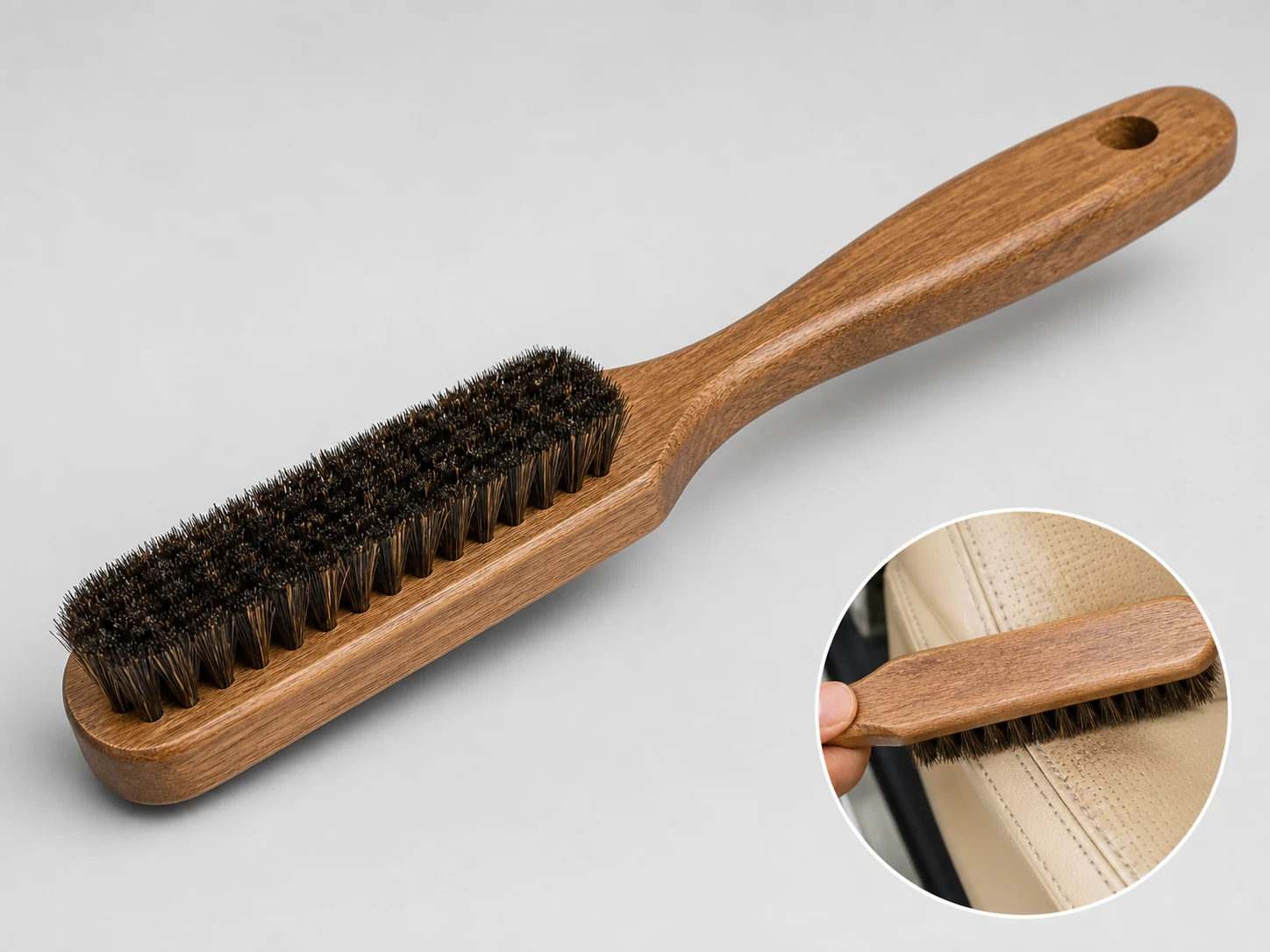
Boar Bristle Cleaning Brush Leather
Custom boar bristle brush for cleaning leather uppers, edges, and finishes. Removes dust and polishing residue without scratching.
- Head Ø
- 30–80 mm
- Head length
- 100–220 mm
- Handle
- 150–350 mm

Custom Cleaning Brush Manufacturer
PRODUCT CATEGORY
Fabric and footwear brushes need enough friction to lift soil without flattening pile, scuffing leather or pulling fibers. Dust removal, shoe cleaning and leather care therefore use different stiffness, head shape and hand pressure.
Compare dust-removal brushes for textiles and upholstery, shoe brushes for soles and uppers, and softer leather or natural-bristle brushes for finished surfaces.
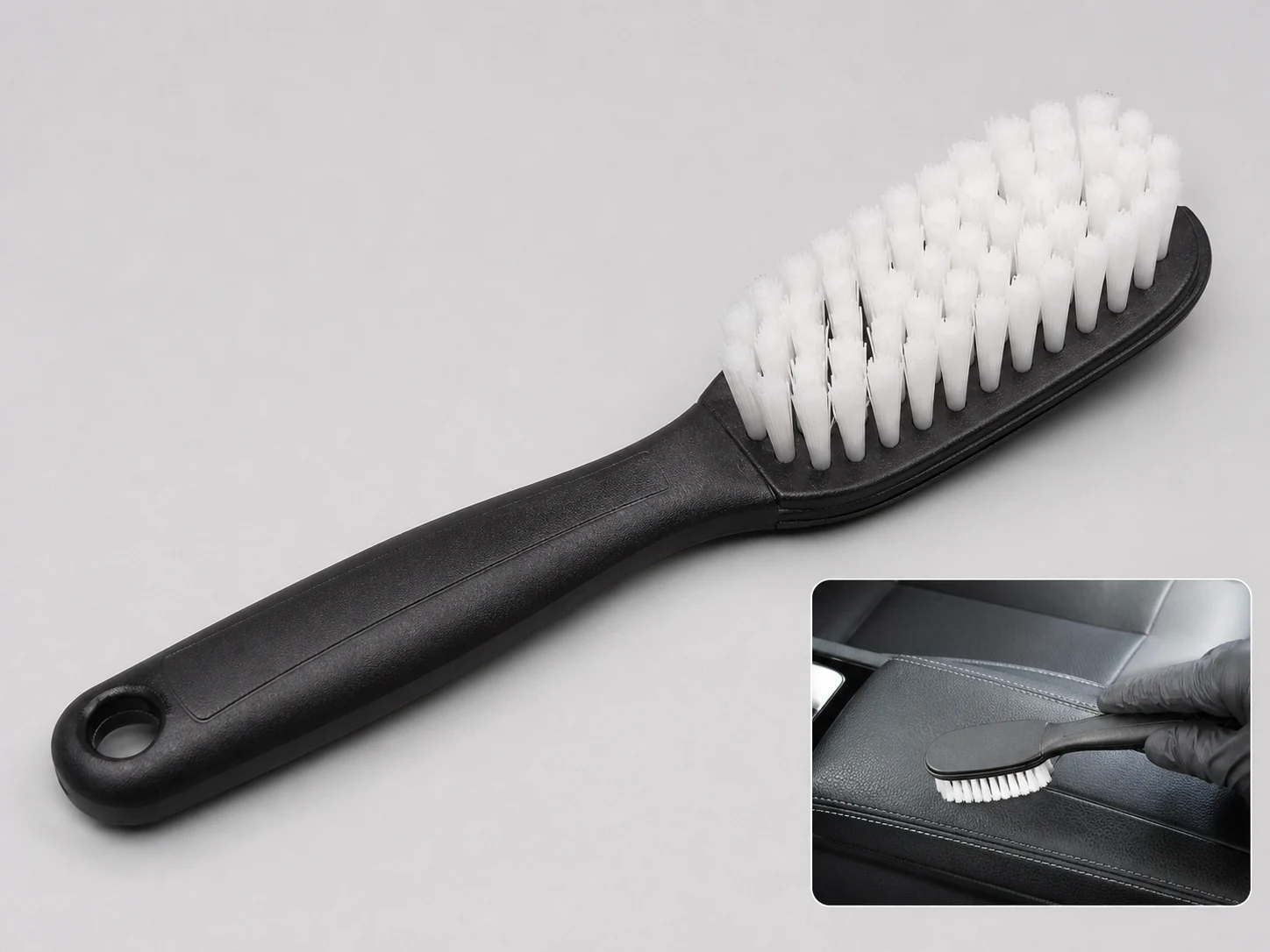
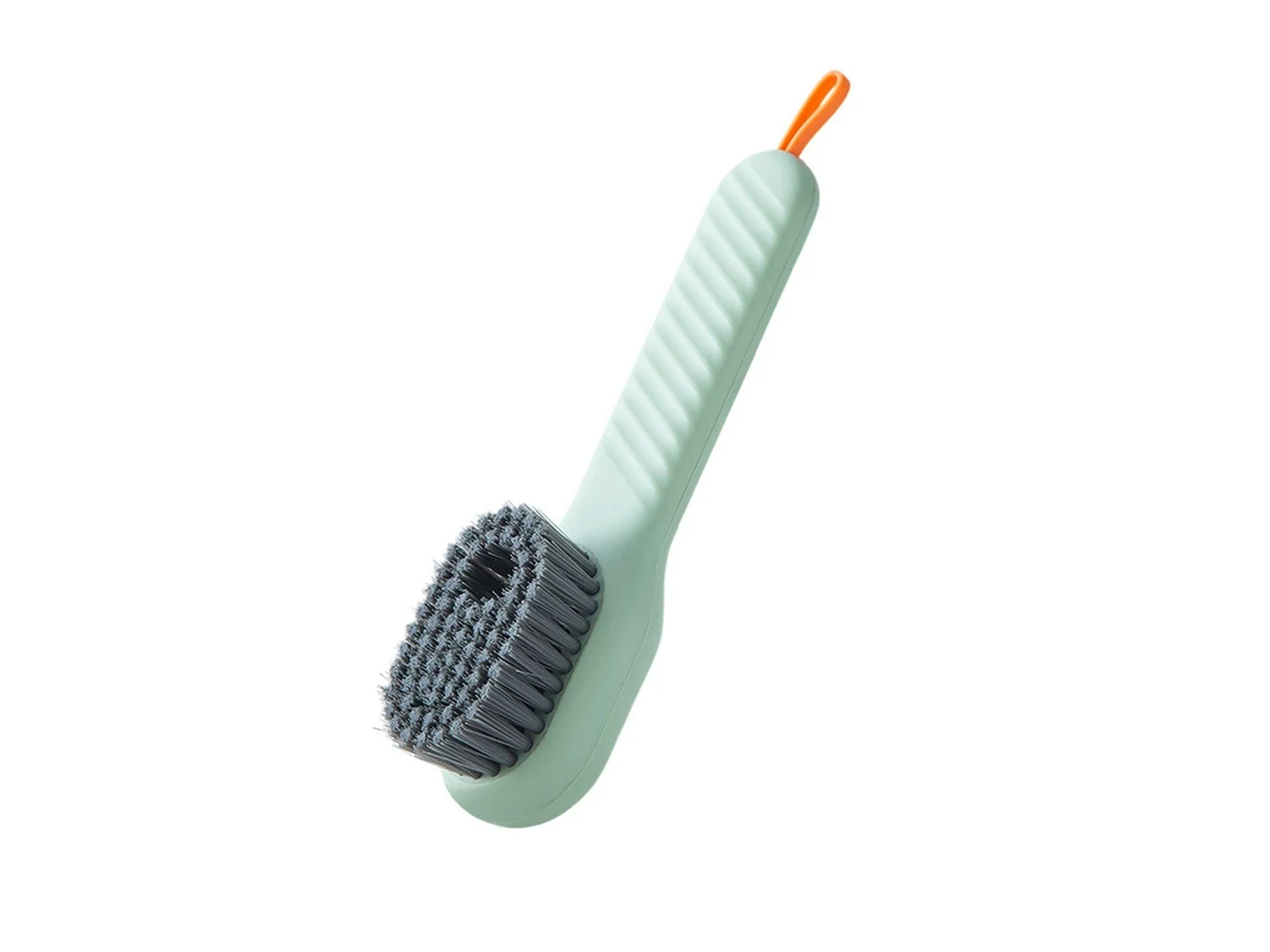
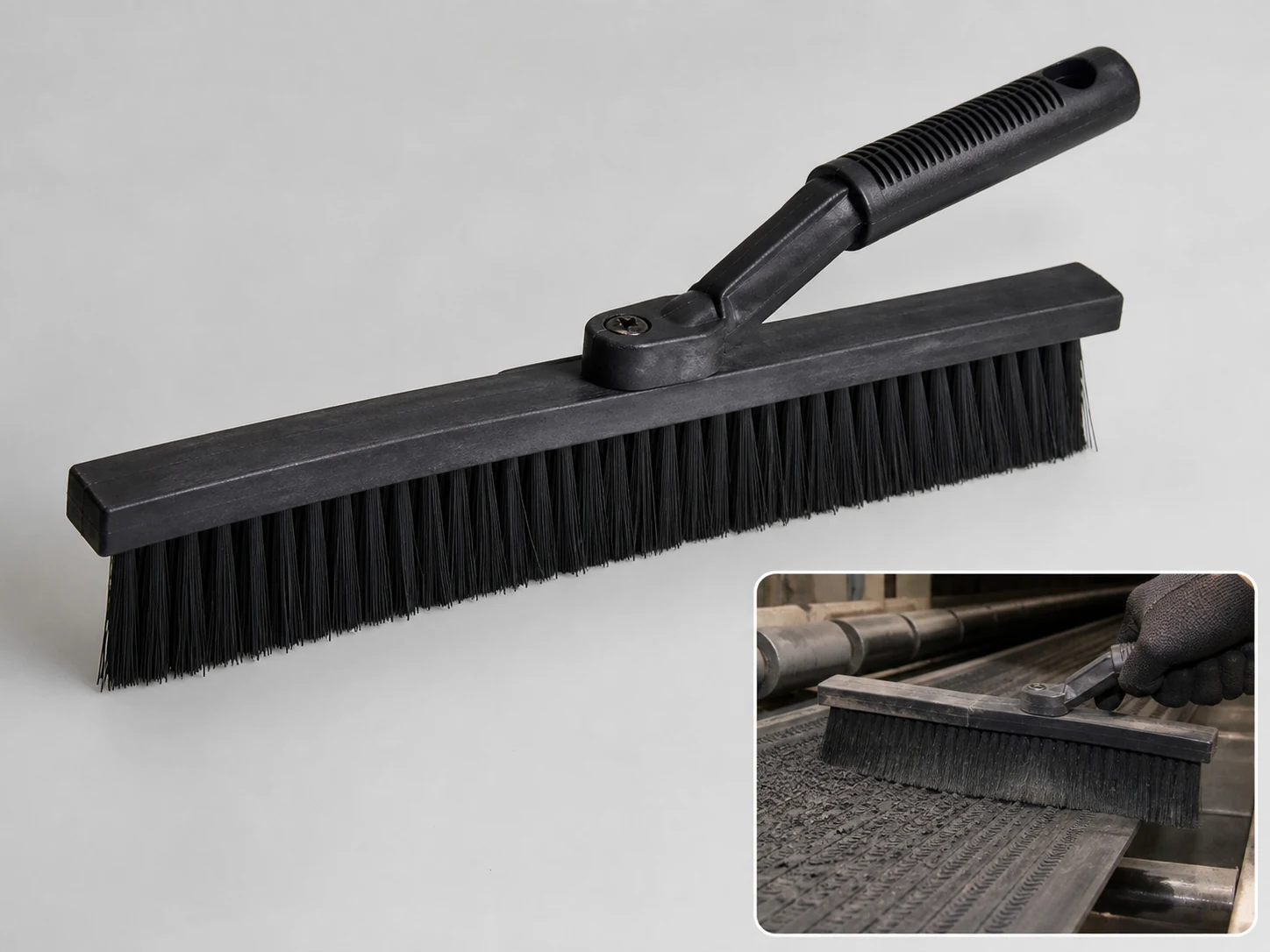
Textile weave, leather finish, suede-like surfaces and hard shoe soles tolerate very different contact. Choose around the surface first, then the soil.
Woven fabric can accept firm repeated brushing, finished leather needs controlled contact, and rubber soles can usually take a stiffer cleaning face.
Dry surface dust needs a different brush than mud, detergent-assisted stain work or debris trapped in texture.
Soft fibers and delicate finishes can be marked by stiff bristles, so test contact force and brush stiffness against the actual material.
Shoe and upholstery work often needs direct pressure; head size and grip should let the user brush without losing control.
A fabric brush is built for lifting lint and dust out of pile, a sole brush for durable textured surfaces, and a leather brush for controlled surface contact. The product boundary is the material being cleaned, not simply the handle style.
Filament stiffness, natural or synthetic fiber, head footprint, trim, handle shape and grip can be adjusted. For a branded cleaning kit, share the target material and expected cleaning method.
Tell us whether the brush is for fabric, leather, suede-like material or a shoe sole, plus the soil and whether the process is wet or dry. We can then tune stiffness and head size.
Choose your brush type, cleaning task, material direction, and key details before sending a custom brush request.