
Application
Surface Finishing
Surface Finishing is a process-use page rather than a general cleaning category. Select the brush from the required contact function, working surface, motion, and interface, then verify how Weld Slag/Oxide Scale/Spatter and Dry Indoor Area / Outdoor affect the construction.
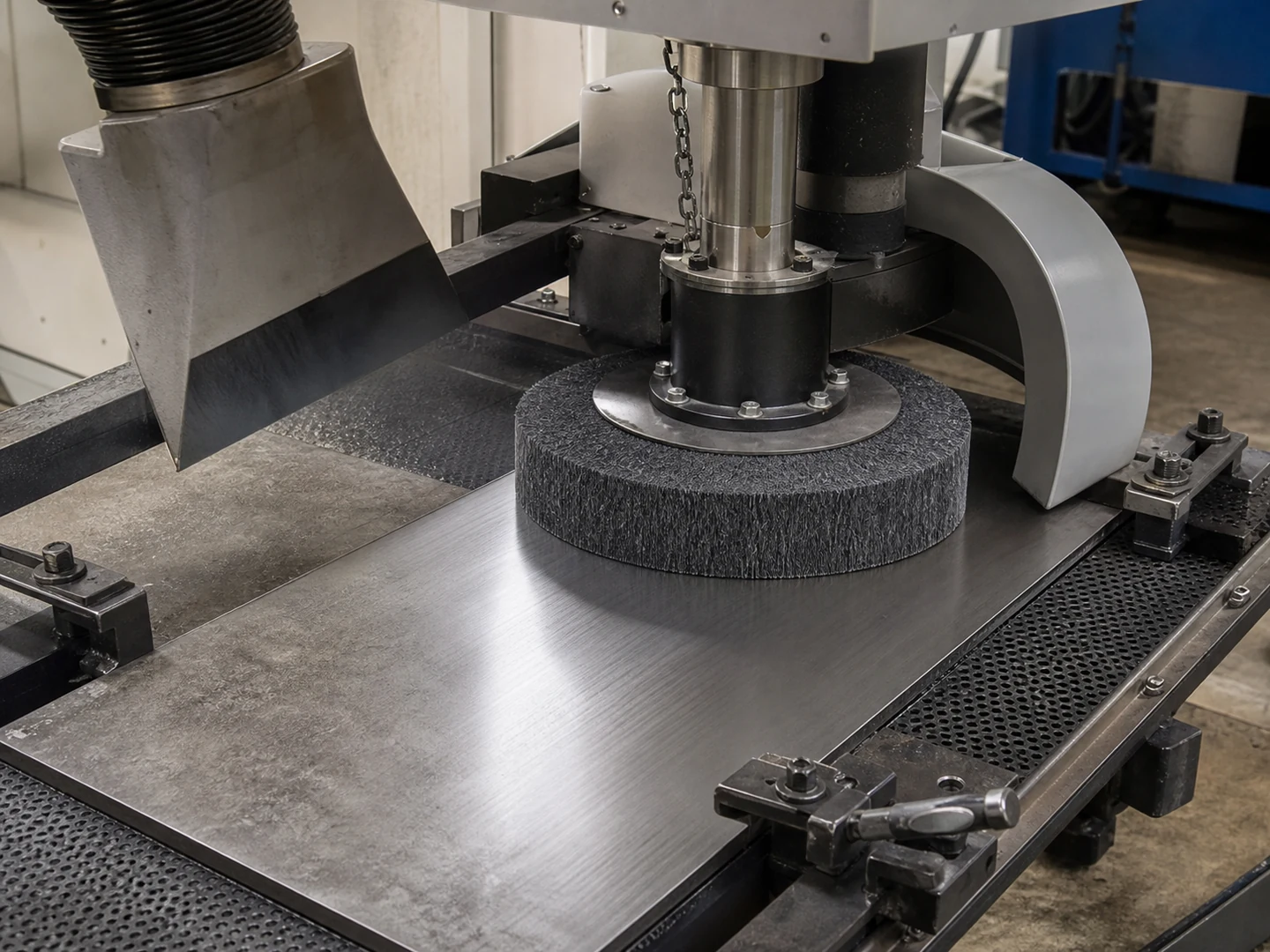
At a glance
- Cleaning target
- Weld Slag/Oxide Scale/Spatter
- Working environment
- Dry Indoor Area / Outdoor
- Cleaning method
- Dry Brushing
- Requirements to check
- Rotary-Tool Guarding; Material Cross-Contamination Control
Finishing is directional work: the grain the brush leaves is the product, so wheel or roller orientation, speed and abrasive grade are specified together with the substrate.
What makes Surface Finishing different from other industrial and manufacturing cleaning?
The main difficulty is removing burrs, oxide, glaze, coating, sanding dust, and texture peaks from metal, wood, ceramic, glass, leather, and machined surfaces without damaging the surface, loading the brush, or carrying contamination back into the process.
The work happens in dry indoor area and outdoor against weld slag, oxide scale and spatter.
The part people get wrong: the surface, the residue and the access opening decide the brush together. Fix on any one of them alone and the geometry comes out wrong.
What are the most common cleaning targets in Surface Finishing?
The work breaks into 5 targets. They look similar from outside the machine and behave nothing alike at the brush.
| Part or area | Residue type | Cleaning requirement |
|---|---|---|
| Satin and Brushed Finish | Weld Slag, Oxide Scale, Spatter | The filament must cut at a controlled depth and hold the same profile across the whole contact band, because here the surface the brush leaves is the product rather than a by-product. |
| Oxide and Scale Removal | ||
| Surface Blending | ||
| Texturing and Grain Enhancement | ||
| Pre-Coating Surface Preparation | Cured coating, resin and adhesive residue |
The dimensional envelope those targets impose on the brush:
| Parameter | Typical range |
|---|---|
| Free trim length | 8–60 mm; 10–60 mm |
| Wire diameter | 0.08–0.80 mm; 0.15–0.80 mm |
| Head or wheel width | 10–400 mm |
| Tool diameter | 20–500 mm |
| Filament / abrasive size | 0.15–2.0 mm or 46–1,000 grit |
Which brush types work for each cleaning target?
Roller, wheel, disc, cup or hand brush matched to area and directionality.
| Cleaning target | Recommended brush type | Why it fits |
|---|---|---|
| Satin and Brushed Finish | Wheel Brushes | A satin finish is a directional scratch pattern, so a wheel brush at a set speed lays that pattern consistently where a hand tool leaves it uneven. |
| Oxide and Scale Removal | Scale is harder than the parent metal, so a wheel brush delivers repeated tip impact at speed instead of the steady pressure a hand tool can manage. | |
| Surface Blending | Blending means bringing a repaired area back to the surrounding finish, so a wheel run flat across the joint feathers it instead of leaving a step. | |
| Texturing and Grain Enhancement | The texture is produced by the filament itself, so the wheel’s fill and stiffness set the grain depth and repeat it part after part. | |
| Pre-Coating Surface Preparation | Adhesion depends on an even key across the whole face, so a flat-running wheel gives the same profile everywhere rather than a heavy centre and light edges. |
The layouts this application is normally built in:
- Driven brush — use when burrs, oxide, glaze, coating, sanding dust, and texture peaks needs repeatable scrubbing or controlled relative movement
- Passive or free-running brush — use for loose contamination and lower process complexity on metal, wood, ceramic, glass, leather, and machined surfaces
- Localized hand, strip, or tube brush — use where only an edge, gap, port, or maintenance point needs contact
In practical brush terms: reach first, then residue. A brush that fits but is too soft can be stiffened; a brush that does not fit is simply the wrong tool.
What filament materials work best for Surface Finishing?
Abrasive nylon, wire, nonwoven, natural fiber or polishing media chosen from substrate and target finish.
| If the condition is… | Filament to start with | Why |
|---|---|---|
| Sensitive or coated surface | Nylon PA | balanced flex life and abrasion resistance |
| Wet, washdown, or detergent service | Abrasive Nylon | controlled cutting without loose wire |
| Bonded residue or aggressive cleaning | Carbon Steel Wire | strong economical rust and scale removal |
The constraints this application puts on the filament:
| Constraint | Value for this application |
|---|---|
| Filament hardness | Hard |
| Maximum service temperature | 150°C |
| Chemical exposure | No Added Medium; Anti-Spatter Residue |
| Cleaning method | Dry Brushing |
How do I choose the right brush for my surface finishing equipment?
Target Ra and grain direction set the abrasive and its orientation; area per part then decides between a hand brush, a wheel and a roller.
The sequence that gets a usable sample first time:
- Identify the target part and measure the access opening or clearance
- Describe the residue: what it is, how thick it sits, and how strongly it holds
- Choose the construction that can physically reach that target
- Set the filament from surface risk, working temperature and cleaning chemistry
- Fix filament diameter, free trim length and density for the contact pressure you need
- Run one cycle and check the result before committing to a production quantity
Before you commit to a quantity, send the substrate, the target Ra, the grain direction, and the area to be covered per part.
When is a surface finishing brush the wrong tool?
Belt grinding, blasting and vibratory finishing cover large or three-dimensional areas far more evenly than a wheel can. Where a specified Ra or grain direction cannot tolerate the brush’s own footprint, the process changes rather than the brush.
What common mistakes should I avoid in Surface Finishing?
- Specifying a finish by name without the required Ra and the grain direction
- Changing brush material while leaving excessive engagement, poor alignment, or no discharge path unchanged
- Copying a worn brush without recording motion, direction, mounting, and the original working diameter
When a brush is running but not cleaning, start here rather than adding pressure:
| Symptom | What to change |
|---|---|
| Residue remains | Increase relative motion or discharge, then change filament diameter or density; do not add pressure before checking loading by burrs, oxide, glaze, coating, sanding dust, and texture peaks. |
| Surface marks or scratches | Reduce engagement, use finer or softer fill, and remove trapped abrasive particles from contact with metal, wood, ceramic, glass, leather, and machined surfaces. |
| Rapid wear or uneven cleaning | Check alignment, runout, support, motion, temperature, chemical attack, and whether the brush covers the complete working path. |
| Brush loads or redeposits residue | Open the fill pattern or add wash, vacuum, air, scraping, or a collection path so removed burrs, oxide, glaze, coating, sanding dust, and texture peaks leaves the contact zone. |
Questions this page is asked
Why should stainless-steel finishing brushes be segregated from carbon-steel work?
A tool previously used on carbon steel can transfer free iron to stainless, where later moisture may produce staining or local corrosion. Dedicate, identify and store the brush and adjacent fixtures for the compatible alloy family, then verify the finished surface under the specified contamination-control procedure.
What should detect process drift as a finishing brush wears?
At defined intervals compare a representative part or coupon with the approved finish while recording brush diameter or trim, load, speed, feed, passes and vibration. Replace or reset the process when texture, roughness, heat, debris, geometry or directional consistency leaves the accepted window, even if the tool still rotates normally.
Guides that go deeper on this
How to Choose Deburring Surface Finishing Brush
Read this guideGuideMulti-Brush Pass Strategy for Complex Surface Finishing
Read this guideGuideSurface Finishing Brush Roller: Specs for Pickling Lines
Read this guideGuideSurface Finishing Brush Roller: Specs for Plating Pretreatment
Read this guideGuideAngle Grinder Wire Wheel Brush Mistakes in Weld Cleanup
Read this guideGuideAre Scratch-Sensitive Parts Safe With an Abrasive Nylon Brush?
Read this guideGuideCup Brush vs Wheel Brush Speed and Pressure Trade-Offs
Read this guideGuideCup Brush vs Wheel Brush: Which One to Use
Read this guideGuideExtending Strip Brush Life in Abrasive Environments
Read this guideGuideHow Does an Abrasive Nylon Brush Control Surface Finish?
Read this guideGuideHow to Choose Brush Filament Diameter for Your Application
Read this guideGuideHow to Choose Nylon Abrasive Wheel Brush
Read this guide18 guides are indexed against this one. The rest are in the technical resources library.
Continue Exploring
Recommended Reading & Related Brush Resources
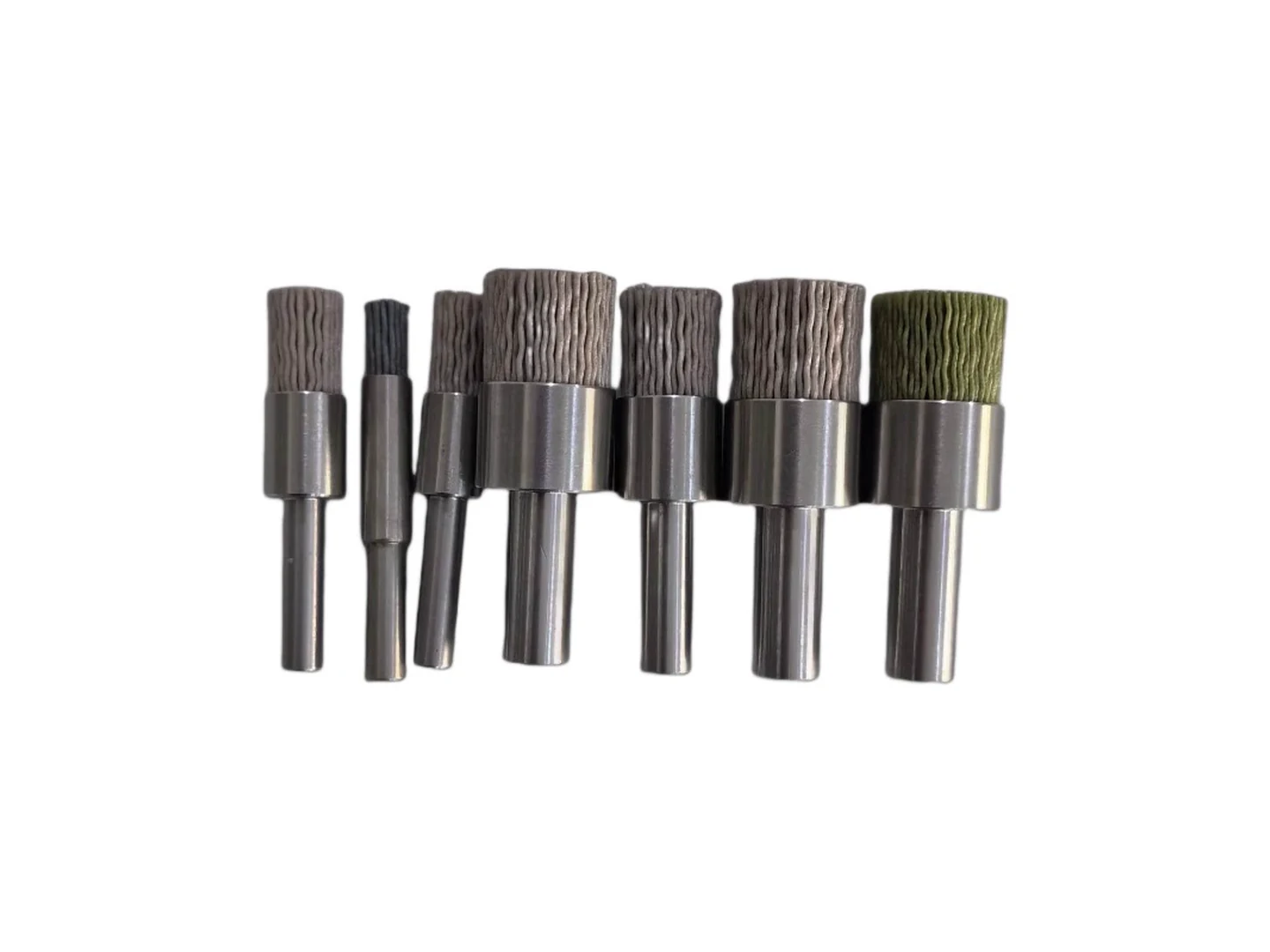
Aluminum Bronze Brush
Non-sparking aluminum bronze brushes for rust and scale removal in hazardous areas. Hand, cup,…
See the specification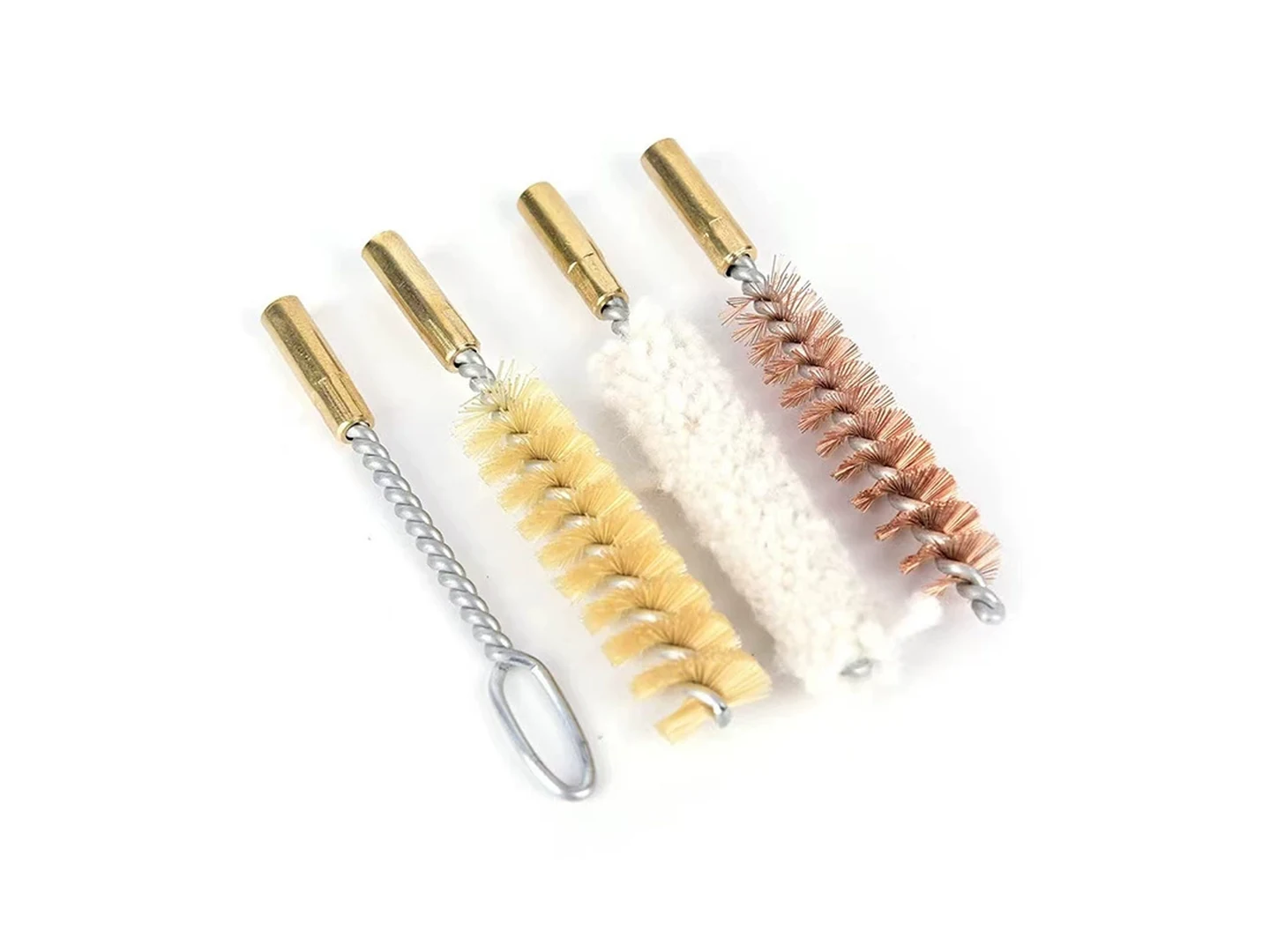
Beryllium Copper Brush
Non-sparking beryllium copper wire brushes for rust, scale, and paint removal in flammable, explosive,…
See the specification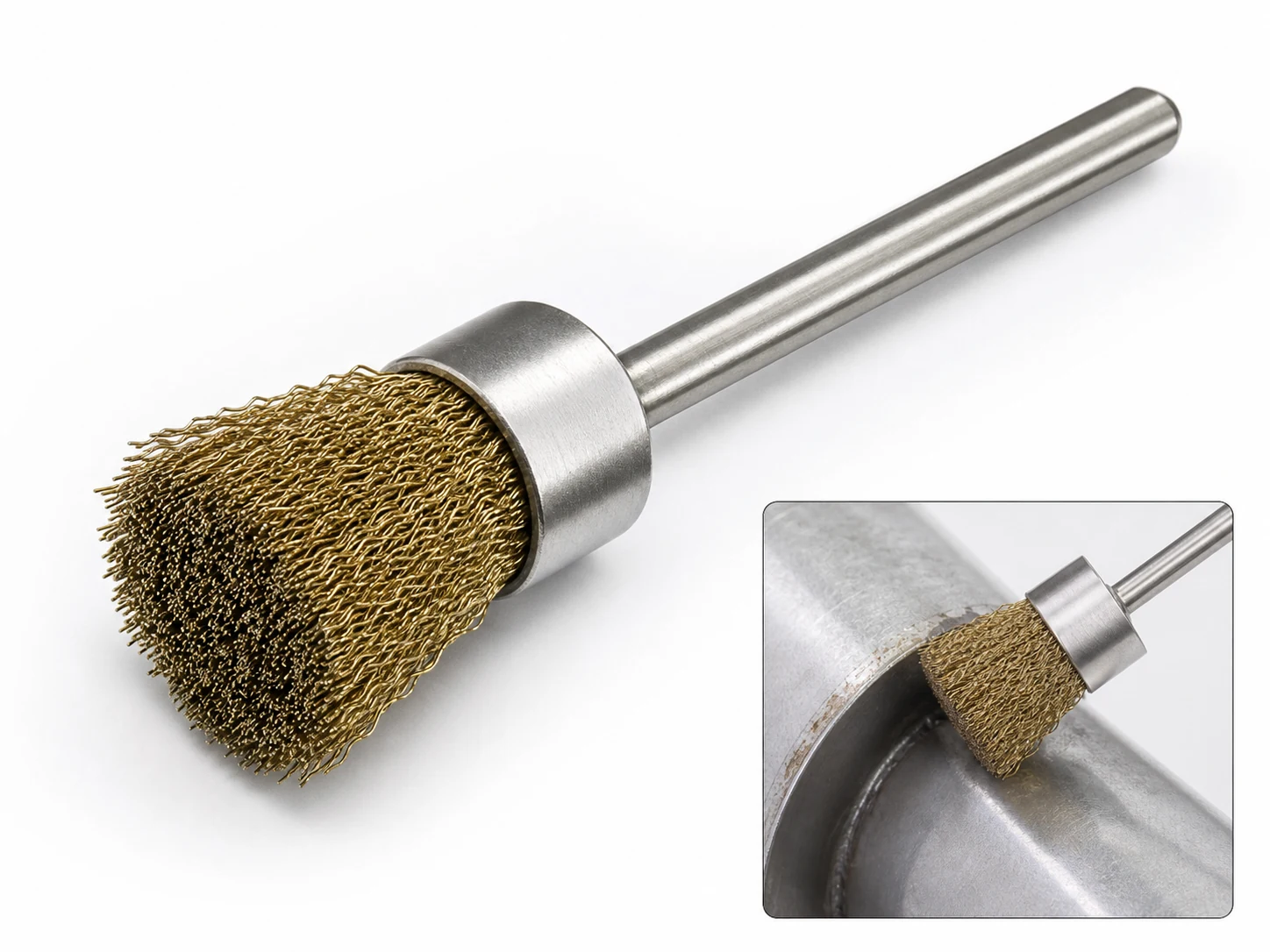
End Tuft Brush
End tuft brush with brass wire or nylon PA filament for spot rust, oxide,…
See the specification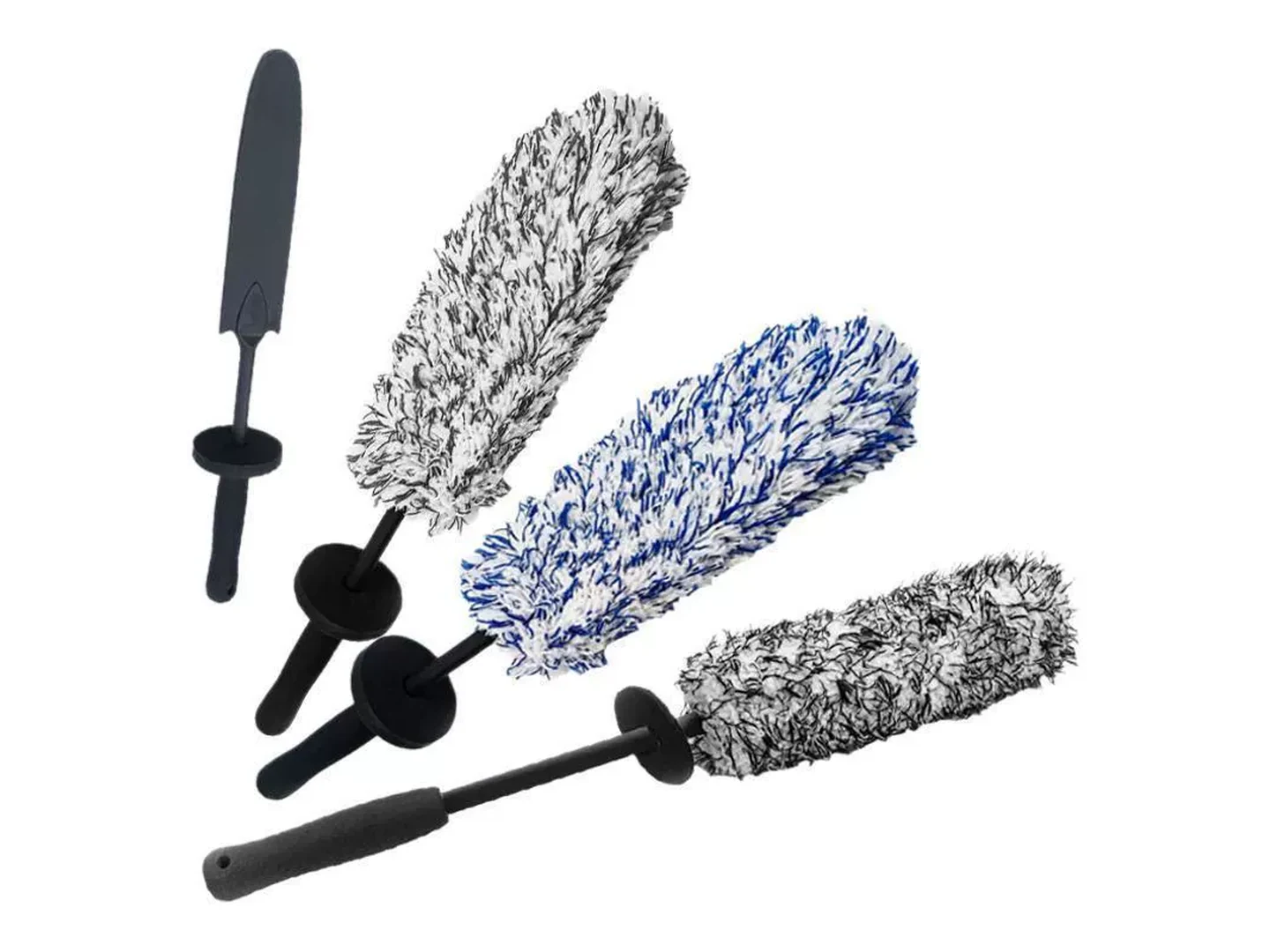
Custom Wheel Brushes
Choose a wheel brush when a rotating narrow face or edge must clean profiles,…
See how this type is built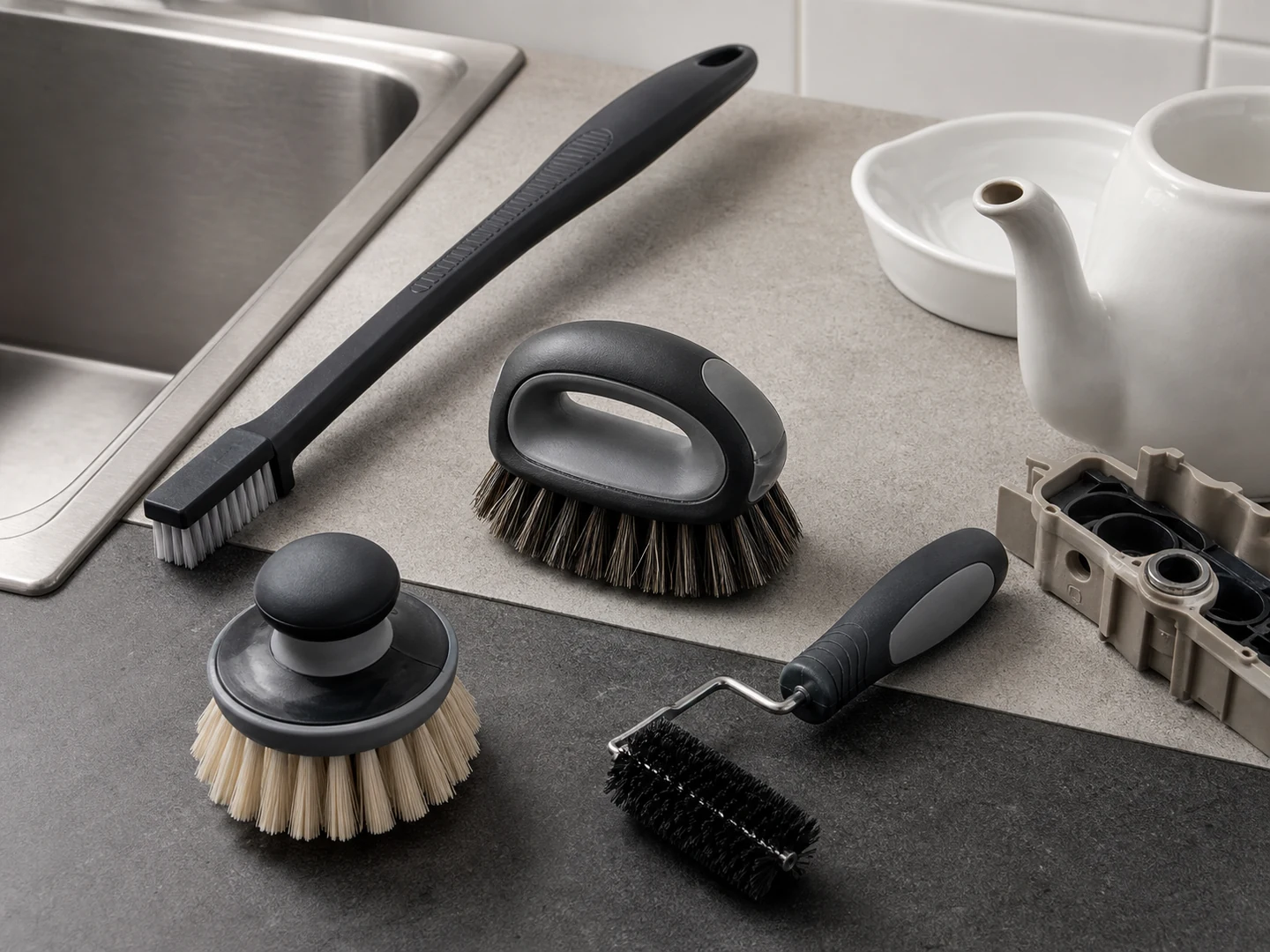
Custom Handheld Detail Brushes
Choose a handheld detail brush when you need direct control in seams, recesses, fittings,…
See how this type is built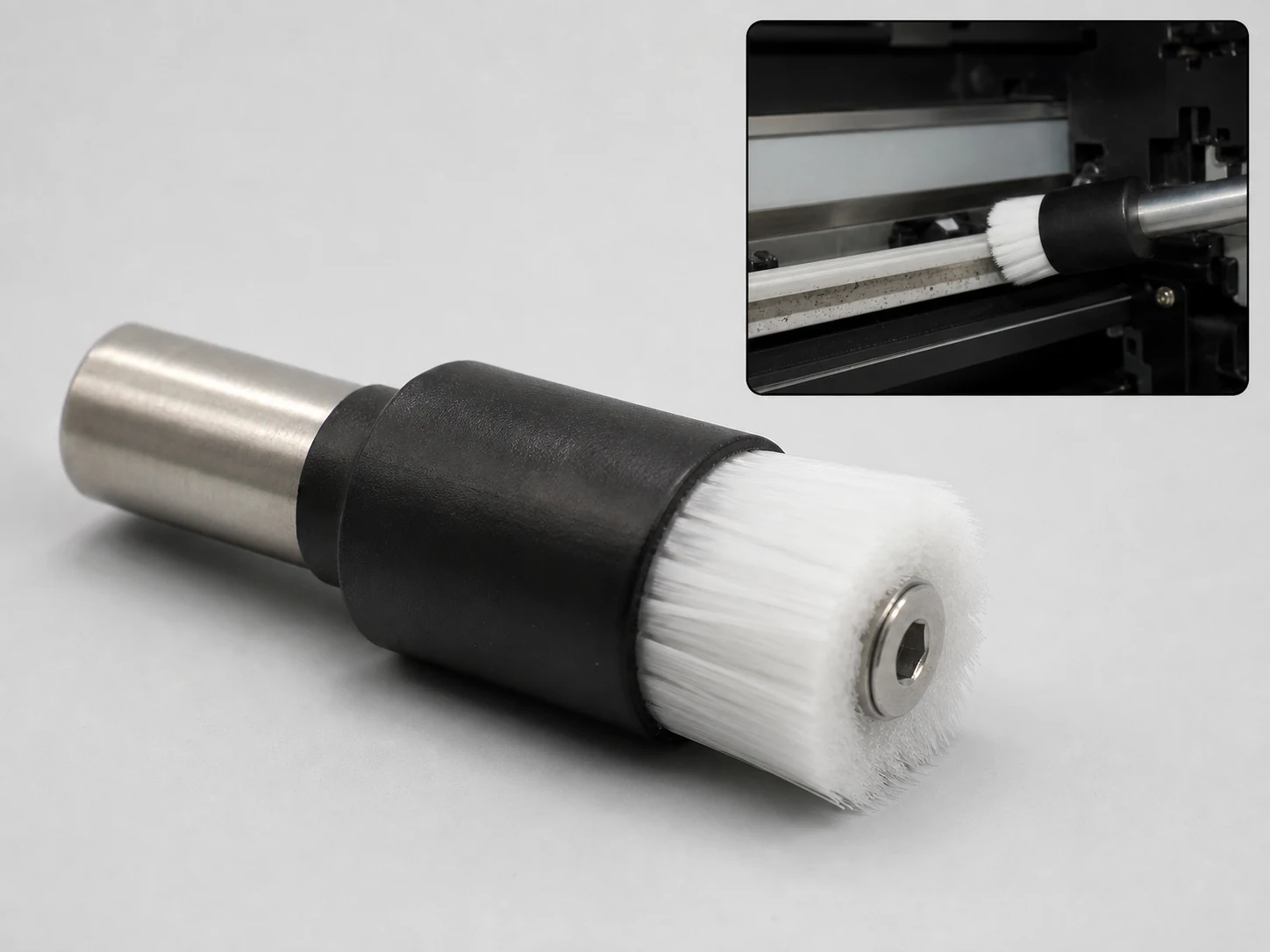
Custom End Brushes
Choose an end brush when concentrated rotating or reciprocating tip contact is needed inside…
See how this type is built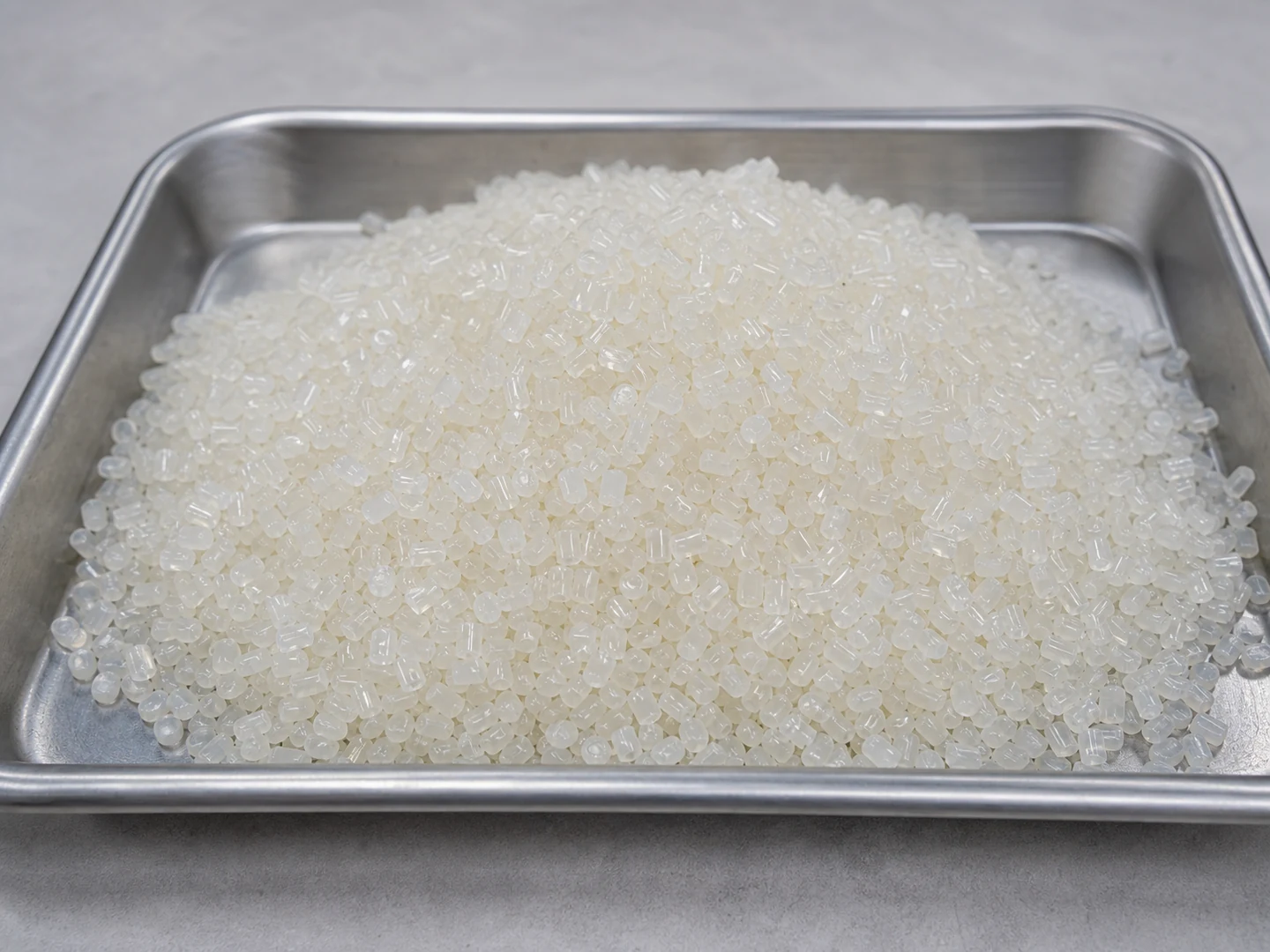
Nylon PA
Choose Nylon PA based on its stiffness, recovery, wear, wet-service, chemical, and temperature behavior.
Compare this material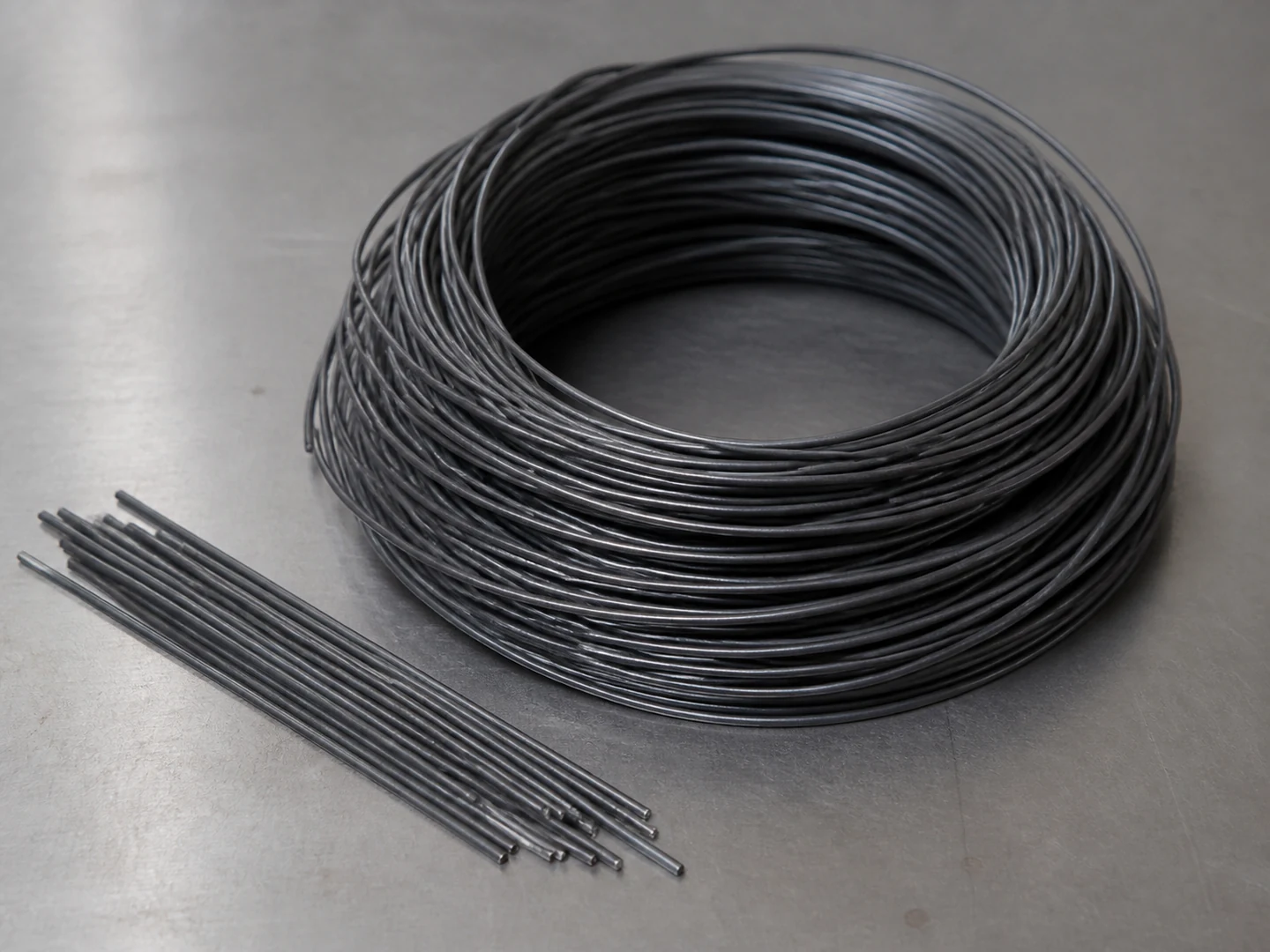
Carbon Steel Wire
Choose Carbon Steel Wire based on its stiffness, recovery, wear, wet-service, chemical, and temperature…
Compare this materialCustom Manufacturing RFQ
Discuss This Application
Share the working surface, residue, dimensions, material direction, interface, quantity and drawing or sample photo.
Custom Brush RFQ
Request a Custom Cleaning Brush Quote
Upload a drawing, product photo, or sample photo and provide the core dimensions and cleaning conditions.
“We need a brush to remove wet residue from a stainless steel conveyor, about 800mm wide. The current brush wears quickly. We can send photos.”
“We sell drinkware and need a cleaning brush to include with the product. Quantity around 5,000 pieces.”